

















Straits Times (27 July 2018)
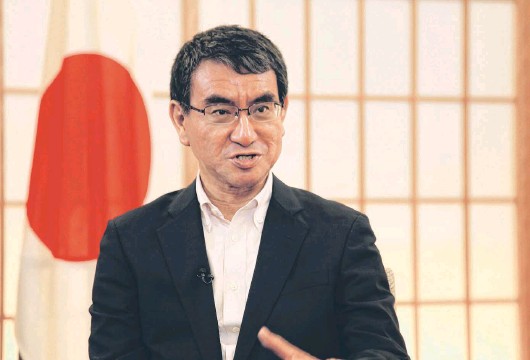
Asean is at the heart of Japan’s Free and Open Indo-Pacific Strategy that seeks to promote the rule of law at sea and build high-quality infrastructure in areas across the Indian and Pacific oceans, Japanese Foreign Minister Taro Kono has said.
Speaking to The Straits Times in an exclusive interview yesterday, ahead of a visit to Singapore next week for meetings with his counterparts from Asean and its partners, Mr Kono said the strategy was not intended to compete with China’s Belt and Road Initiative (BRI) or South Korea’s New Southern Policy.
Singapore, which is a hub for vessels travelling between the Indian and Pacific oceans, has room to play “quite a big role”, he said.
“It has very advanced capabilities for managing maritime transportation, and we can cooperate on antipiracy and anti-terrorism (at) sea.”
Singapore has not yet signed on to the Free and Open Indo-Pacific Strategy, and Japan has been actively lobbying for the Republic’s support.
The concept has also been articulated by the United States, India and Australia. And last month, Foreign Minister Vivian Balakrishnan welcomed the affirmation by their leaders and officials at the ShangriLa Dialogue that Asean was at the centre of the strategy, but added that details have to be worked out and negotiated.
Yesterday, Mr Kono said that Japan wants to work with Asean to promote the rule of law on the sea, which is a key tenet of a free and open Indo-Pacific region.
“We would like to increase connectivity through high-quality infrastructure to get economies growing,” he said. “And I think it is important for capacity-building for maritime law enforcement, disaster management or prevention, counter-piracy, counter-terrorism, and we would like to work with Asean to achieve those goals.”
Japan’s strategy has been seen by some observers as a means of con- taining China’s growing influence. But Mr Kono said the various regional infrastructure strategies can complement each other as the Free and Open Indo-Pacific Strategy – as a basis for global trade and economy – helps secure open sea lines of communication.
As such, it could be the “base for everyone’s economic strategies”, Mr Kono quipped, noting that the BRI and the New Southern Policy are also reliant on open seas.
Some experts have noted that Japan’s Free and Open Indo-Pacific Strategy is inherently different from the version articulated by the US. Dr Alessio Patalano of King’s College London, an expert on Japanese defence policy, said on Monday that the US version is explicitly aimed at containing China, and “has no capacity-building and is purely military, without any element of maintaining rule of law or infrastructure-building”.
Mr Kono said the bilateral relationship between Japan and China is also steadily improving, noting that Chinese Premier Li Keqiang visited Tokyo for the trilateral summit in May, and Japanese Prime Minister Shinzo Abe is planning to visit China by the end of this year.
“There are issues but we can manage both ways, and try to improve the economic relationship,” he said.
Mr Kono also said that Singapore is a very important strategic partner to Japan on economic issues, with both nations having become among the world’s strongest cheerleaders for free trade. The Republic was Japan’s first bilateral free trade partner in 2002, and the Japan-Singapore Economic Partnership Agreement is undergoing a third review.
Both countries, along with Mexico, have ratified t he revised Trans-Pacific Partnership deal now known as CPTPP or TPP-11, which will go into force 60 days after three more countries complete their domestic procedures.
Mr Kono noted that Japan and Singapore share common values on trade and common concerns on security, while working together to help third countries in their development.
“There are things we need to work out between our countries but our economic and trade relationship go over, go beyond, the bilateral relationship,” he said.
“Singapore and Japan are now leading rule-making in Asia, and so we want to treat this bilateral relationship as something special.”
https://www.straitstimes.com/asia/east-asia/asean-is-at-the-heart-of-japans-free-and-open-indo-pacific-strategy-foreign-minister
No comments yet.
-
ASEAN IS AT THE HEART OF JAPAN'S FREE AND OPEN INDO-PACIFIC STRATEGY: FOREIGN MINISTER KONO
Asia - Pacific
27.07.2018
-
 NEWSPAPER: KAZAKHSTAN, BELARUS CONSIDER DISMISSING CSTO’S ARMENIAN CHIEF
The Caucasus and Turkish-Armenian Relations
27.07.2018
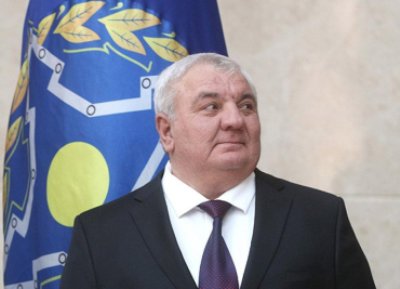
NEWSPAPER: KAZAKHSTAN, BELARUS CONSIDER DISMISSING CSTO’S ARMENIAN CHIEF
The Caucasus and Turkish-Armenian Relations
27.07.2018
- THE STATUS OF RUSSIAN BORDER GUARDS WILL BE CLARIFIED The Caucasus and Turkish-Armenian Relations 27.07.2018
-
 SOARING UNEMPLOYMENT FUELS PROTESTS IN SOUTHERN IRAQ
Iraq
27.07.2018
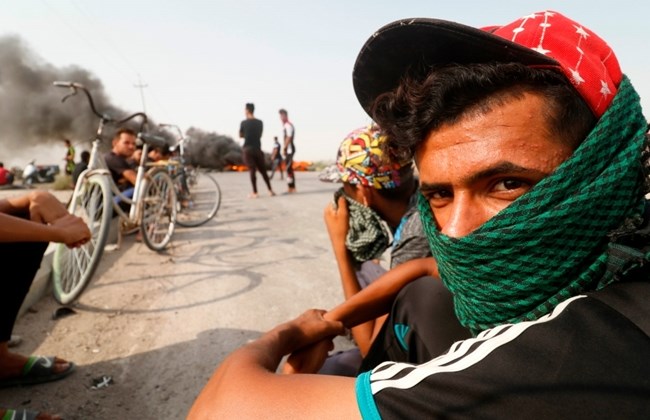
SOARING UNEMPLOYMENT FUELS PROTESTS IN SOUTHERN IRAQ
Iraq
27.07.2018
- TRADE WITH ASEAN COUNTRIES FACES THREAT OF CHINA PASSING OFF .. Asia - Pacific 27.07.2018
-
25.01.2016
THE ARMENIAN QUESTION - BASIC KNOWLEDGE AND DOCUMENTATION -
12.06.2024
THE TRUTH WILL OUT -
27.03.2023
RADİKAL ERMENİ UNSURLARCA GERÇEKLEŞTİRİLEN MEZALİMLER VE VANDALİZM -
17.03.2023
PATRIOTISM PERVERTED -
23.02.2023
MEN ARE LIKE THAT -
03.02.2023
BAKÜ-TİFLİS-CEYHAN BORU HATTININ YAŞANAN TARİHİ -
16.12.2022
INTERNATIONAL SCHOLARS ON THE EVENTS OF 1915 -
07.12.2022
FAKE PHOTOS AND THE ARMENIAN PROPAGANDA -
07.12.2022
ERMENİ PROPAGANDASI VE SAHTE RESİMLER -
01.01.2022
A Letter From Japan - Strategically Mum: The Silence of the Armenians -
01.01.2022
Japonya'dan Bir Mektup - Stratejik Suskunluk: Ermenilerin Sessizliği -
03.06.2020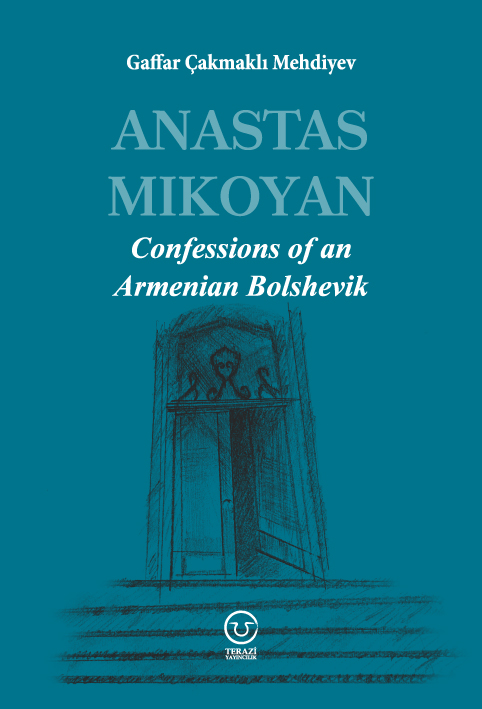
Anastas Mikoyan: Confessions of an Armenian Bolshevik -
08.04.2020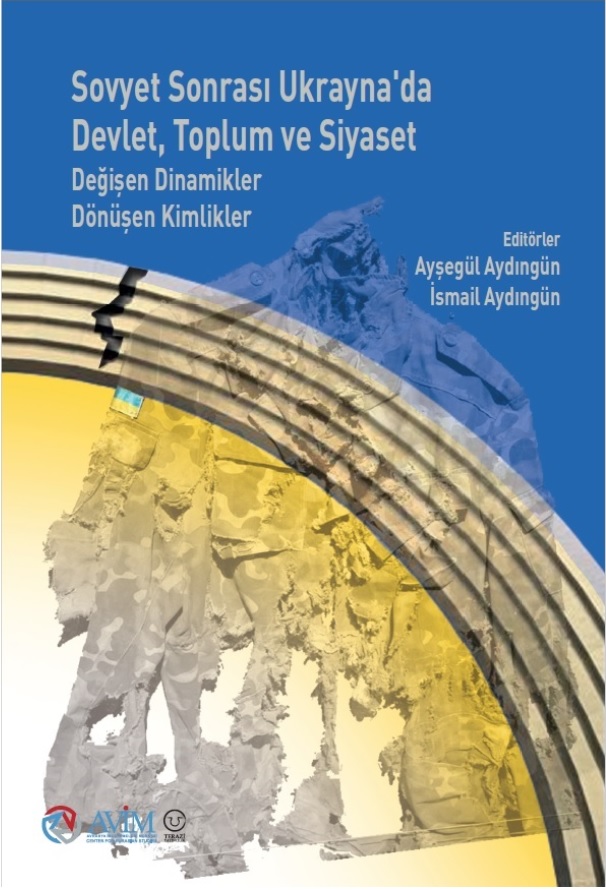
Sovyet Sonrası Ukrayna’da Devlet, Toplum ve Siyaset - Değişen Dinamikler, Dönüşen Kimlikler -
12.06.2018
Ermeni Sorunuyla İlgili İngiliz Belgeleri (1912-1923) - British Documents on Armenian Question (1912-1923) -
02.12.2016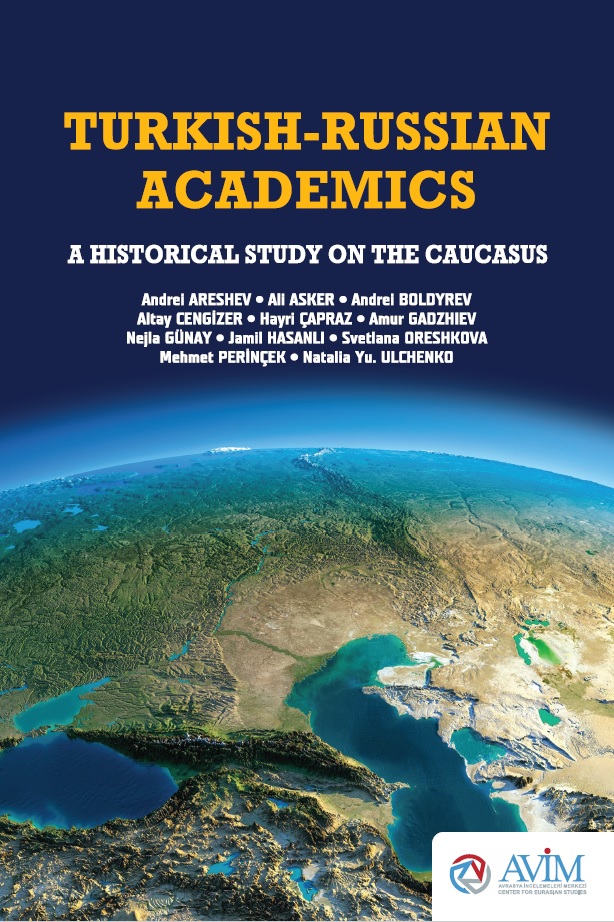
Turkish-Russian Academics: A Historical Study on the Caucasus -
01.07.2016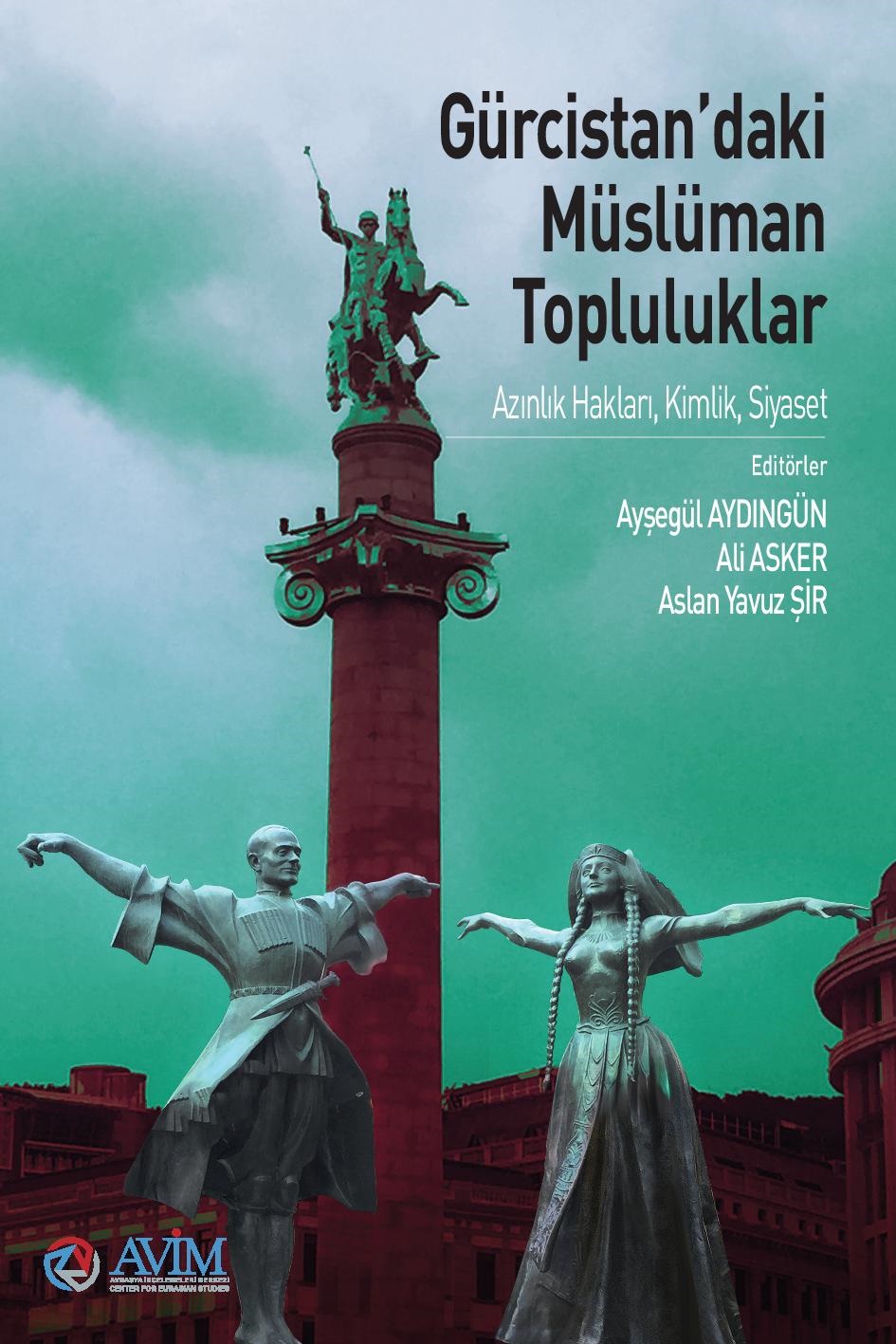
Gürcistan'daki Müslüman Topluluklar: Azınlık Hakları, Kimlik, Siyaset -
10.03.2016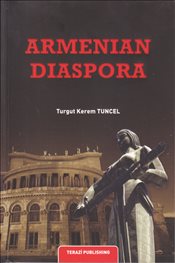
Armenian Diaspora: Diaspora, State and the Imagination of the Republic of Armenia -
24.01.2016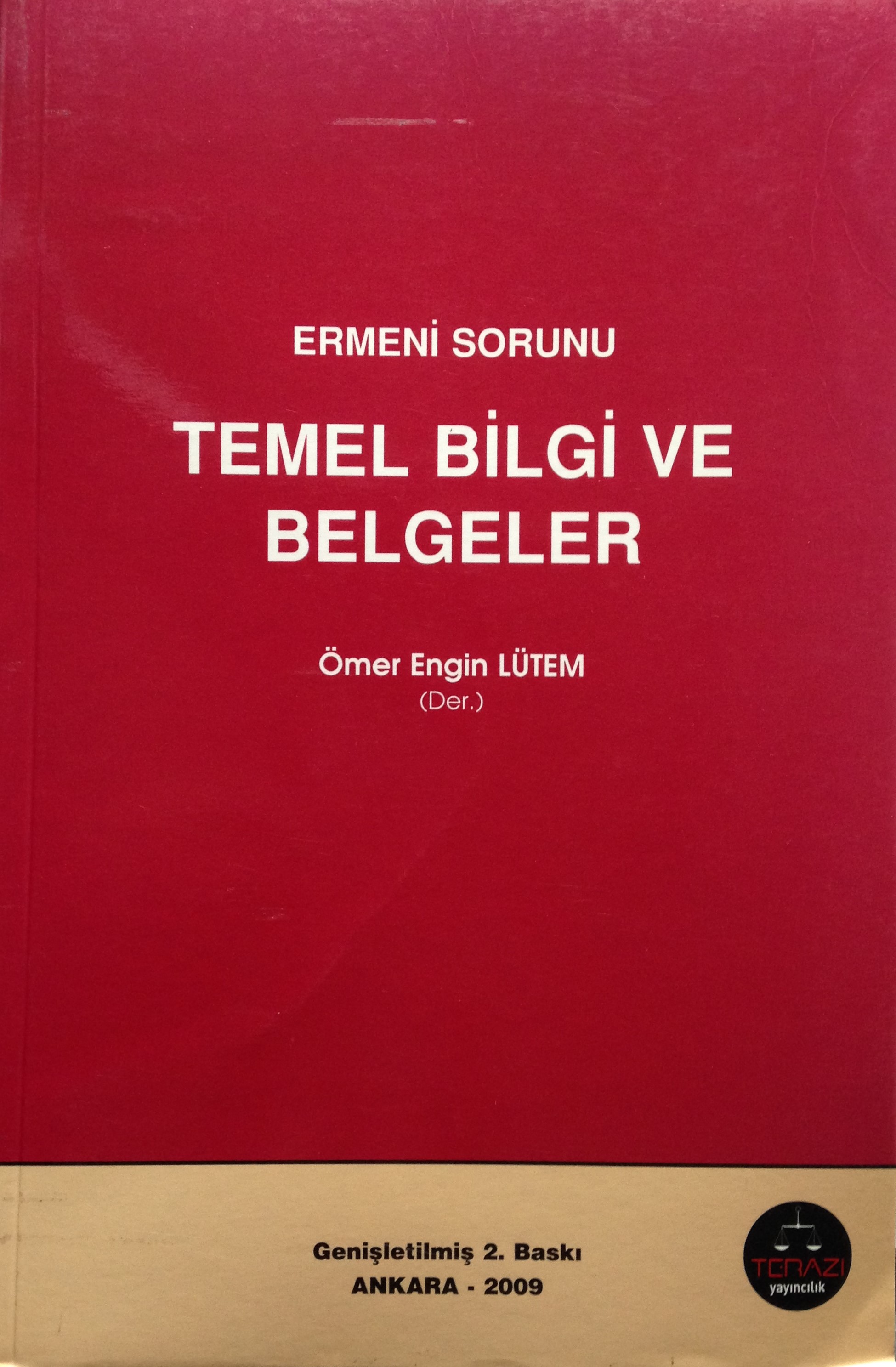
ERMENİ SORUNU - TEMEL BİLGİ VE BELGELER (2. BASKI)

-
AVİM Conference Hall 24.01.2023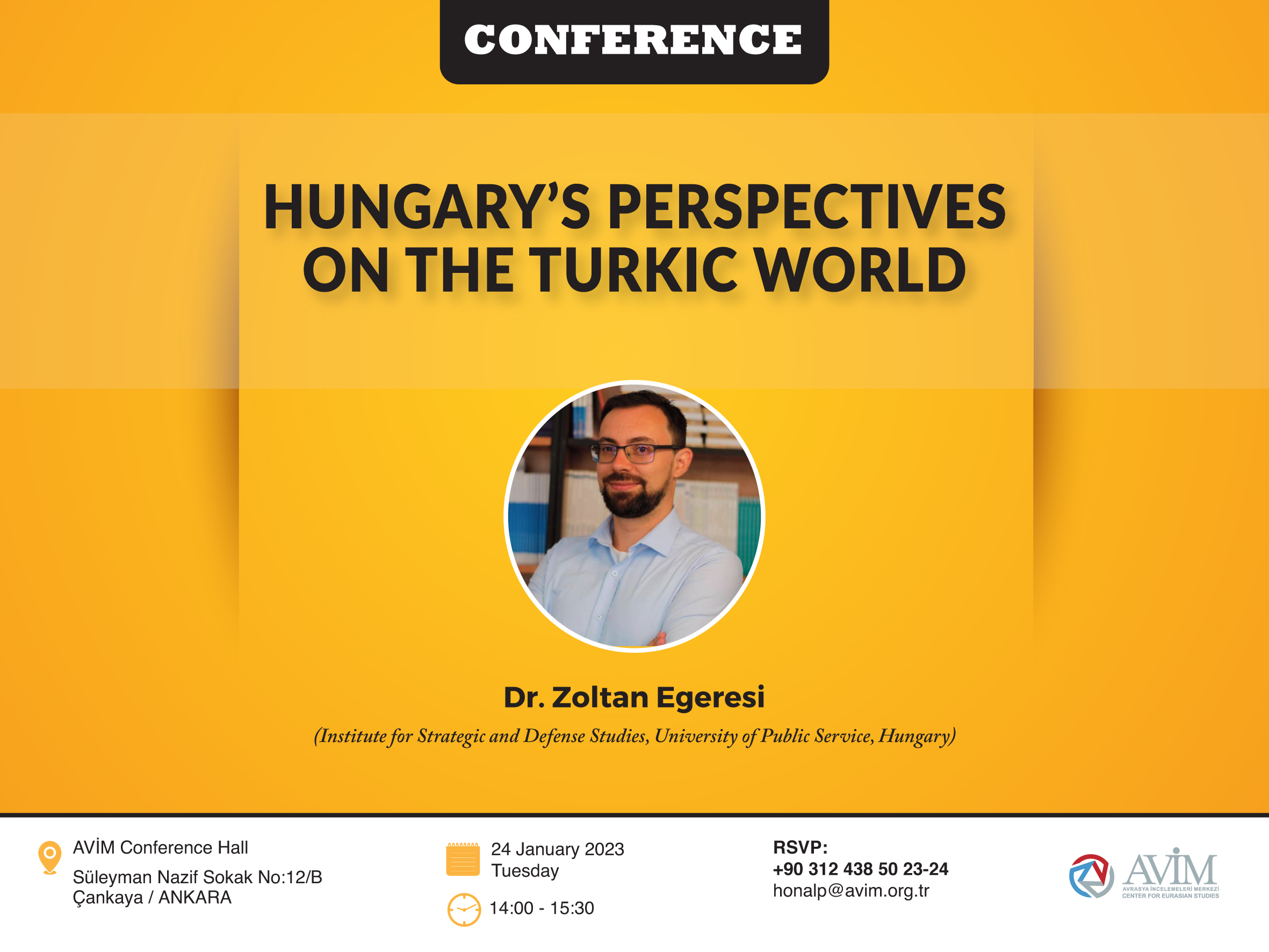
CONFERENCE TITLED “HUNGARY’S PERSPECTIVES ON THE TURKIC WORLD"