
















EU Observer (9 November 2018)
Germans are becoming more hostile towards immigrants, people of the Muslim and Jewish faiths, and other minorities like the Roma, according to a new study.
A report out this week by the Leipzig-based Competence Centre for Right-Wing Extremism and Democracy Research found that more than one-out-of-three Germans think foreigners come only to exploit the welfare state.
Oliver Decker, who headed the study and survey, told Deutsche Welle that "more than 30 percent of the people living in eastern Germany unanimously agree with xenophobic views."
The figure drops down to around 22 percent in western Germany, he noted.
The study appears to dovetail with a spate of far-right events held in Germany last year.
According to a government dataset compiled by Der Spiegel magazine, Germany was host to some 289 far-right events in 2017, the most since 2005.
In August, far-right demonstrators and residents in the German town of Chemnitzmarched in anger, some waving Nazi salutes, after immigrants were named as suspects in the stabbing death of a 35-year-old German-Cuban carpenter.
Other high profile acts of violence against immigrants and religious minorities in Germany stand in stark contrast to the country's open-door policy for hosting and helping refugees in 2015.
The Leipzig authoritarianism study appears to point towards a change of heart.
Some 44 percent of Germans surveyed for the research now want a ban on Muslim immigration, compared to 36.5 percent in 2014.
It also found that more than one-in-two Germans said Muslims make them feel like strangers, compared to 43 percent four years ago.
Elmar Brahler, who co-authored the Leipzig study, said right-wing extremists are turning towards parties like Germany's far-right Alternative for Germany (AfD).
Anti-semitism is also in the rise in eastern Germany, increasing from 4.1 percent in 2016 to 5.2 percent in 2018.
"Up to one-third of respondents agree at least in part with anti-semitic statements," said Decker.
Roma and Sinti minorities are not spared, either.
Some 60 percent in the study believe they are prone to crime, a five percent increase since 2014.
No comments yet.
-
 ASEAN AND THE IMF: STAYING ON TRACK WITH THE SUSTAINABLE DEVELOPMENT GOALS
Asia - Pacific
09.11.2018
ASEAN AND THE IMF: STAYING ON TRACK WITH THE SUSTAINABLE DEVELOPMENT GOALS
Asia - Pacific
09.11.2018
- HELGE INGSTAD: NORWAY'S WARSHIP COLLIDES WITH TANKER IN FJORD Europe - EU 09.11.2018
- MACEDONIA IS READY FOR ‘FAIR’ TAXES, MINISTER INSISTS The Balkans 09.11.2018
- ILHAM ALIYEV RECEIVES US TRANSPORT COMMANDER The Caucasus and Turkish-Armenian Relations 09.11.2018
-
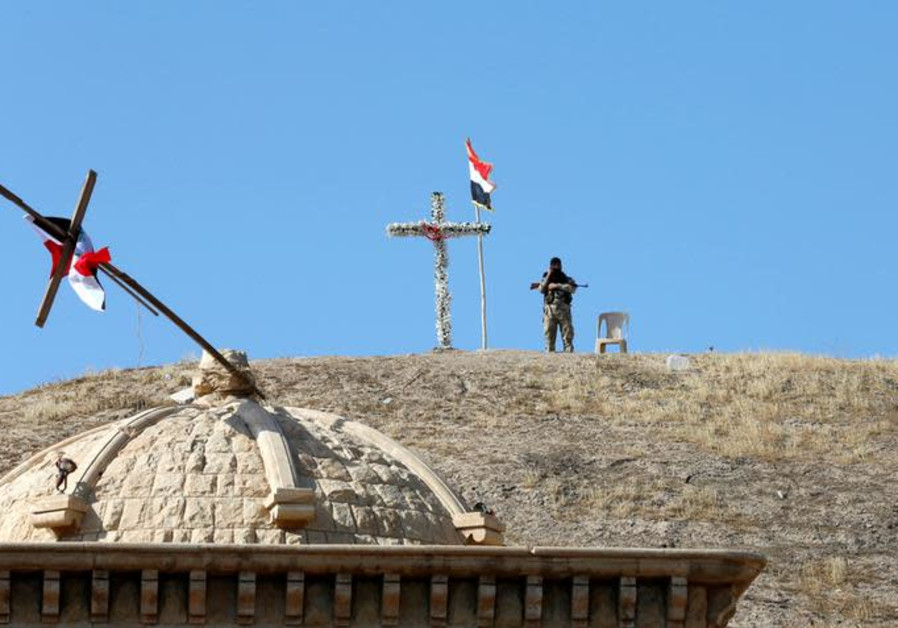 CAR BOMB TARGETS MOSUL IN IRAQ
Iraq
09.11.2018
CAR BOMB TARGETS MOSUL IN IRAQ
Iraq
09.11.2018
-
25.01.2016
THE ARMENIAN QUESTION - BASIC KNOWLEDGE AND DOCUMENTATION -
12.06.2024
THE TRUTH WILL OUT -
27.03.2023
RADİKAL ERMENİ UNSURLARCA GERÇEKLEŞTİRİLEN MEZALİMLER VE VANDALİZM -
17.03.2023
PATRIOTISM PERVERTED -
23.02.2023
MEN ARE LIKE THAT -
03.02.2023
BAKÜ-TİFLİS-CEYHAN BORU HATTININ YAŞANAN TARİHİ -
16.12.2022
INTERNATIONAL SCHOLARS ON THE EVENTS OF 1915 -
07.12.2022
FAKE PHOTOS AND THE ARMENIAN PROPAGANDA -
07.12.2022
ERMENİ PROPAGANDASI VE SAHTE RESİMLER -
01.01.2022
A Letter From Japan - Strategically Mum: The Silence of the Armenians -
01.01.2022
Japonya'dan Bir Mektup - Stratejik Suskunluk: Ermenilerin Sessizliği -
03.06.2020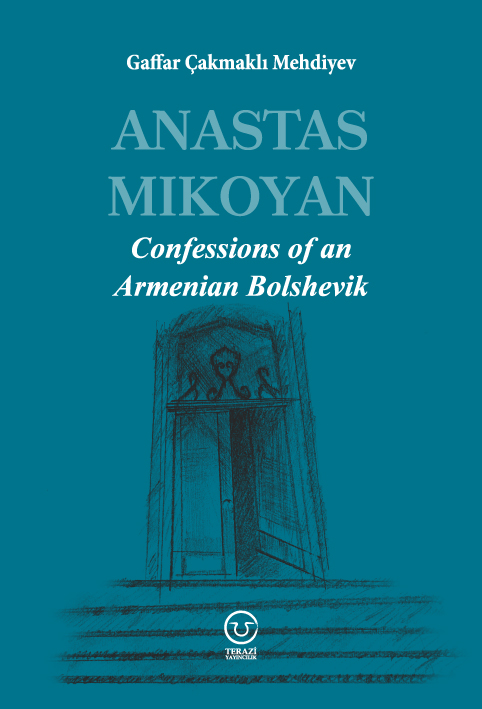
Anastas Mikoyan: Confessions of an Armenian Bolshevik -
08.04.2020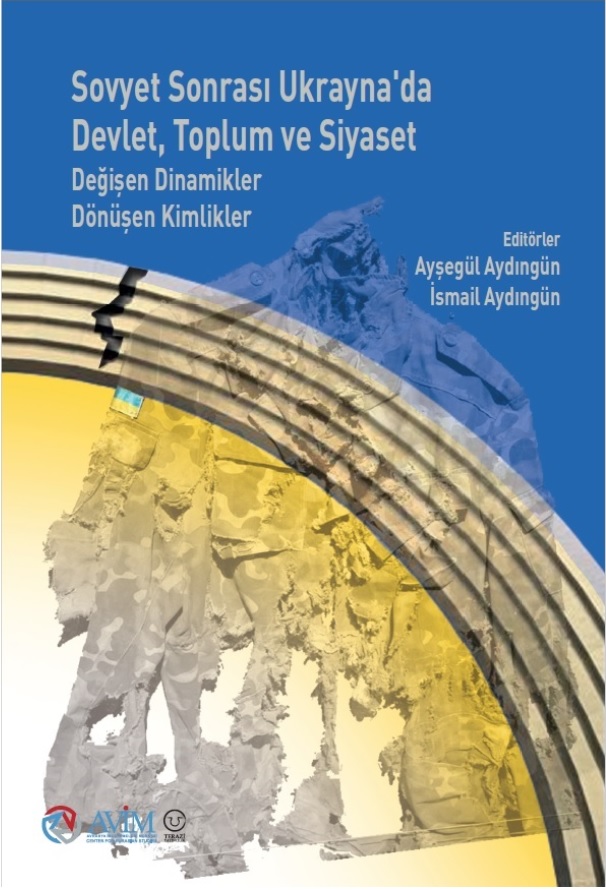
Sovyet Sonrası Ukrayna’da Devlet, Toplum ve Siyaset - Değişen Dinamikler, Dönüşen Kimlikler -
12.06.2018
Ermeni Sorunuyla İlgili İngiliz Belgeleri (1912-1923) - British Documents on Armenian Question (1912-1923) -
02.12.2016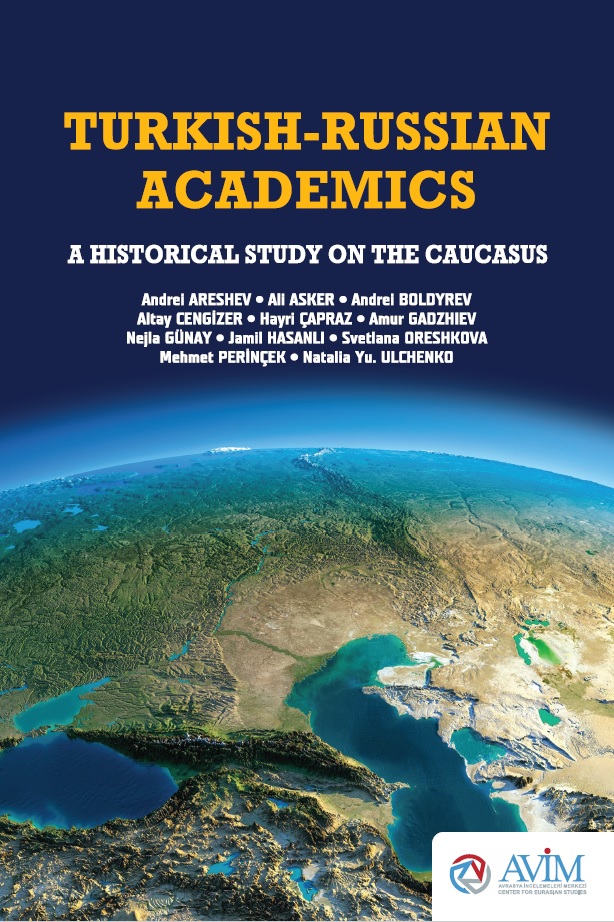
Turkish-Russian Academics: A Historical Study on the Caucasus -
01.07.2016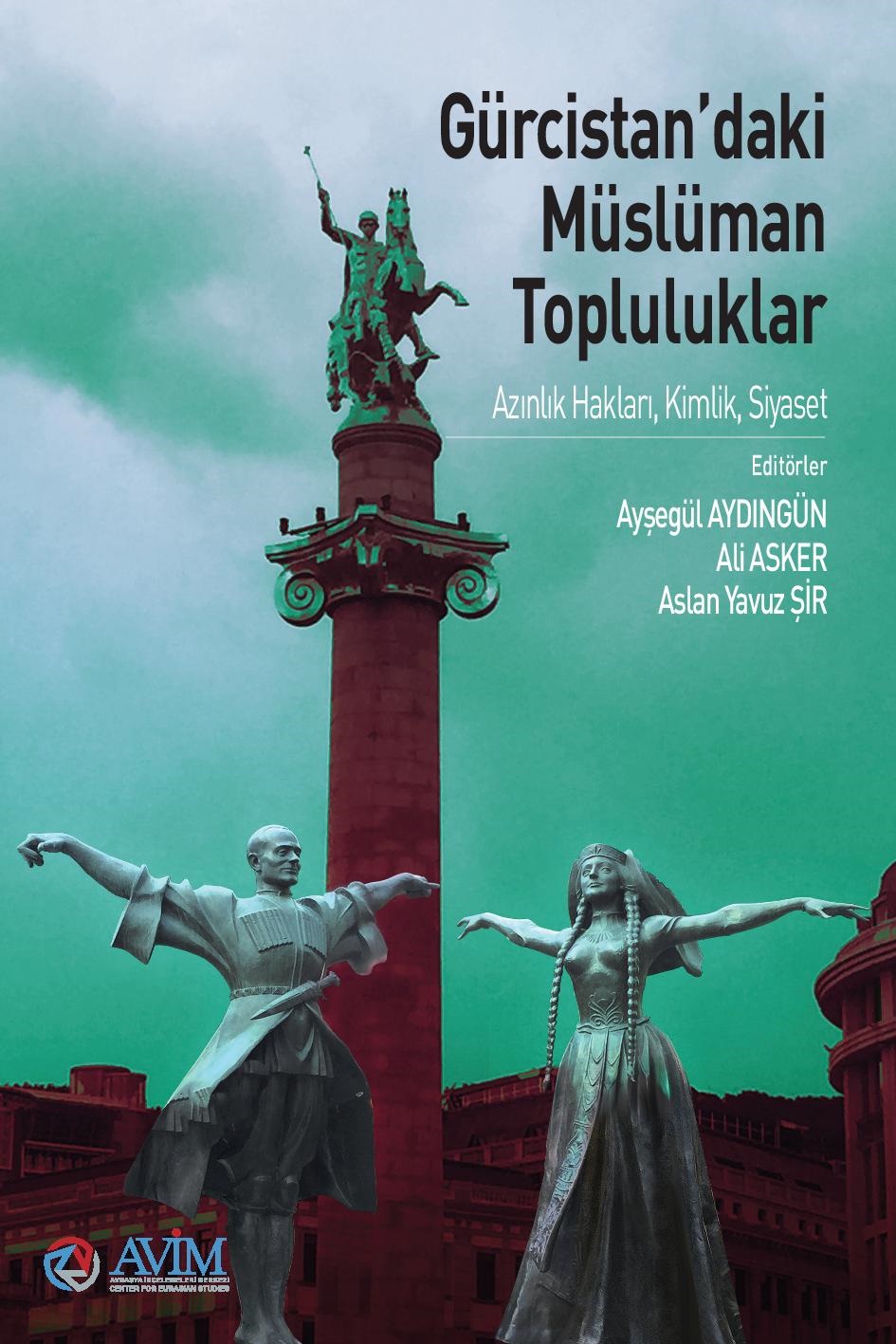
Gürcistan'daki Müslüman Topluluklar: Azınlık Hakları, Kimlik, Siyaset -
10.03.2016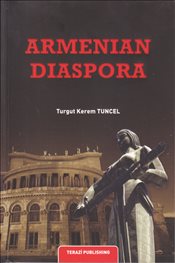
Armenian Diaspora: Diaspora, State and the Imagination of the Republic of Armenia -
24.01.2016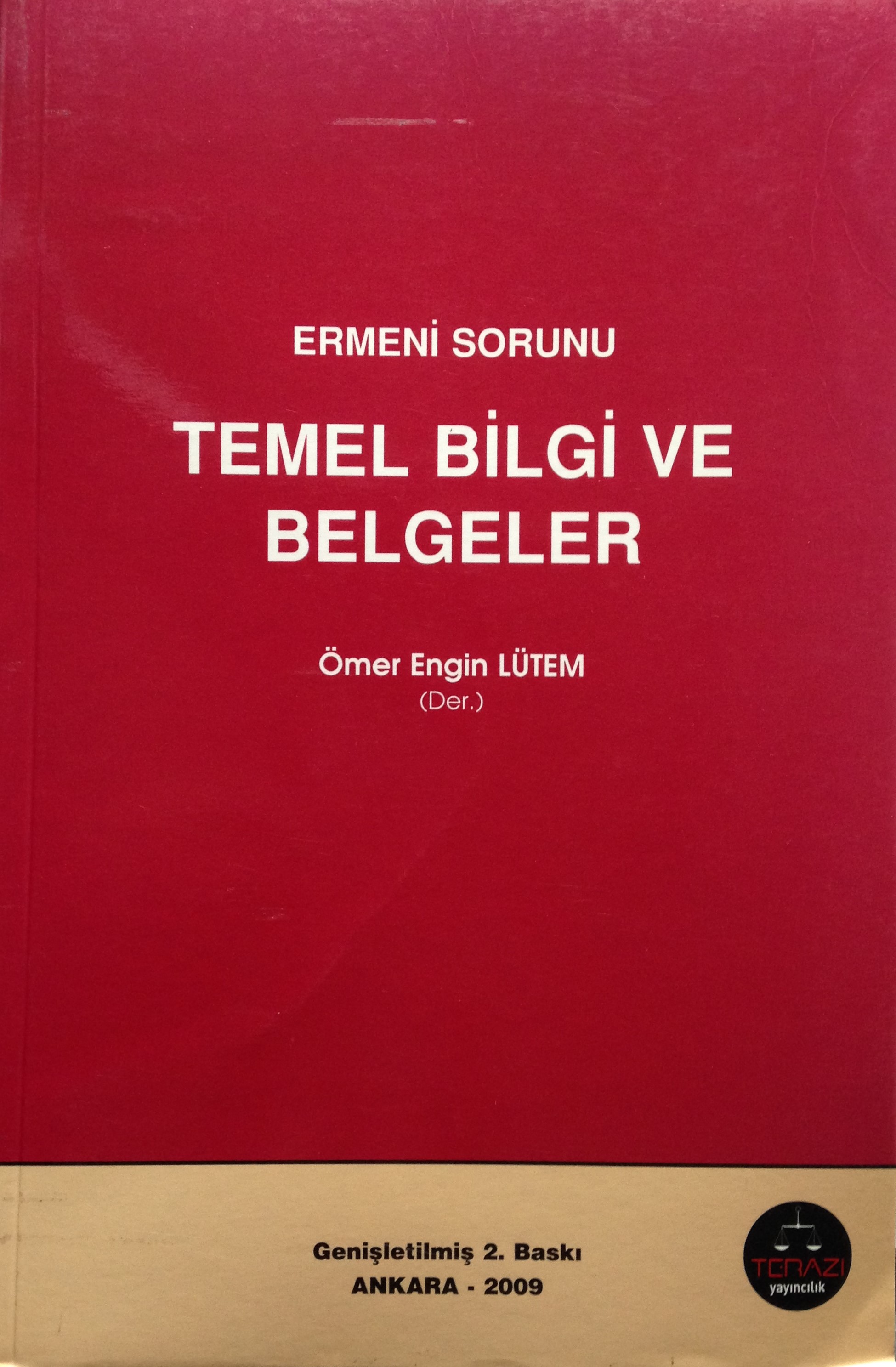
ERMENİ SORUNU - TEMEL BİLGİ VE BELGELER (2. BASKI)
-
AVİM Conference Hall 24.01.2023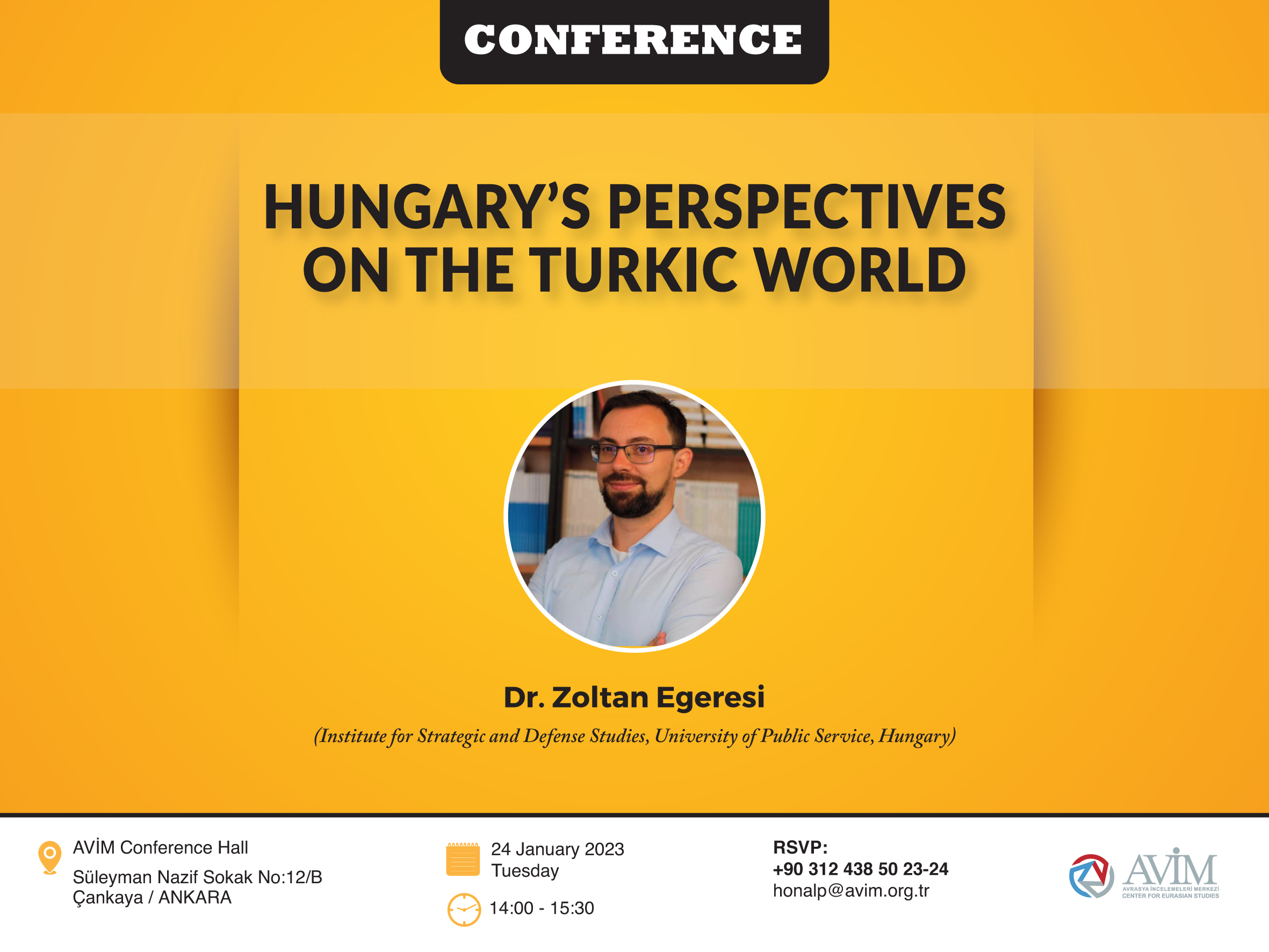
CONFERENCE TITLED “HUNGARY’S PERSPECTIVES ON THE TURKIC WORLD"