

















Oil Price, 17 August 2016
After months of street protests and political paralysis, the Iraqi parliament approved five of six cabinet nominees by Prime Minister Haidar al-Abadi, including the country’s new oil minister—a move that could signal a significantly positive shift in Iraqi policy towards the Iraqi Kurdistan region regarding oil and natural gas issues.
Jabar Ali al-Luaibi, the former chief of South Oil Company, Iraq’s largest crude oil producer, was sworn in to the top oil ministry position earlier this week.
Iraq, the second largest oil-producing member of the Organization of Petroleum Exporting Countries (OPEC) after Saudi Arabia, produces 4.6 million barrels of crude oil every day. Most of the supplies come from operations in the southern portion of the country, are run under South Oil Company.
In an interview with the Baghdad-based Sumaria TV, Luaibi noted that issues between the two parties are fundamentally resolvable.
"There are solutions to the existing problems between the federal government and the Kurdistan Regional Government about the oil file,” the former oil executive said, according to Reuters.
Currently, Kurdistan exports 500,000 barrels per day, mostly to Turkey, independently of Baghdad’s supply contracts.
The Kurdistan Regional Government (KRG) has been willing to discuss potential solutions and establish unilateral oil exportation in the recent past, though the task could be tough for the Iraqi government to swallow in a bearish oil market.
The KRG’s June offer required guaranteed oil revenues of $1 billion every month in exchange for forfeiting unilateral oil exports – the Kurds’ key economic leverage over Baghdad in their struggle for independence.
Related: Solar and Wind Manufacturing Is Thriving. Why Don't Mainstream Reporters Know?
The proposed figure would represent 17 percent of the Iraqi federal budget, which was the original deal between the Kurds and Baghdad before the latter cut out the former as punishment for exporting oil unilaterally.
Since then, Iraqi Kurds have refused to deliver any crude supplies to Baghdad for over a year in retribution for the government’s failure to offer them fair compensation for the oil found on what the KRG now considers to be their own land.
Kurdish officials have been open about their ambivalence regarding the route oil takes in reaching global markets, as long as the economics benefit the KRG.
Figures from May show the regional government generated $390 million in revenues by exporting 513,000 barrels to Turkey – far less than what is needed to pay debts owed to field operators, fund the ongoing war against the Islamic State, and secure oil-rich Kirkuk from the terrorist group.
A previous deal offered by the Iraqi government would have required the KRG to halt its unilateral exports, and in return, Iraq would pay the $747 million in monthly salaries for its 400,000 public employees that Kurdish officials had been struggling to come up with.
Fighters in Kurdistan’s Peshmerga have been known to defend their land against ISIS with patriotism and pride, though as months pass without pay, morale and stability in the KRG has begun crumbling.
Related: Oil Spikes After EIA Reports Significant Crude, Gasoline Draw
In addition, the KRG’s faith in Iraqi offers has dwindled. Baghdad has failed to follow through on a number of earlier budget deals that would have ended the standoff over Kurdish oil, according to previous OilPrice reports.
The new Iraqi oil minister’s apparent determination and optimism in solving the oil export impasse could provide the fresh push both parties need in order to move forward in the resolution process.
Solving the KRG’s funding issue is key to guaranteeing an ISIS-free Iraq, especially as Kirkuk’s oil facilities face attacks from hidden sleeper cells, requiring the Peshmerga to be extra-vigilant and ready for battle. Adding Luaibi, a technocrat, as a new face in the negotiations could help restore mutual trust and equip both sides to reach their shared goal: a peaceful Iraq.
No comments yet.
- KYRGYZSTAN: RUSSIA PUSHING TO GET DAM MONEY BACK Asia - Pacific 18.08.2016
- MAZAHIR PANAHOV: REFERENDUM TO SERVE FOR STABILITY IN AZERBAIJAN The Caucasus and Turkish-Armenian Relations 18.08.2016
- EUROPEAN DIVISIONS ‘HARDENING’, WARNS GERMAN THINK TANK Europe - EU 18.08.2016
- AZERBAIJAN MINISTRY: NO INCIDENT WHILE OSCE CONTACT LINE MONITORING The Caucasus and Turkish-Armenian Relations 18.08.2016
- ARMENIA CONTINUES TO SHOOT AT AZERBAIJANI POSITIONS The Caucasus and Turkish-Armenian Relations 18.08.2016
-
25.01.2016
THE ARMENIAN QUESTION - BASIC KNOWLEDGE AND DOCUMENTATION -
12.06.2024
THE TRUTH WILL OUT -
27.03.2023
RADİKAL ERMENİ UNSURLARCA GERÇEKLEŞTİRİLEN MEZALİMLER VE VANDALİZM -
17.03.2023
PATRIOTISM PERVERTED -
23.02.2023
MEN ARE LIKE THAT -
03.02.2023
BAKÜ-TİFLİS-CEYHAN BORU HATTININ YAŞANAN TARİHİ -
16.12.2022
INTERNATIONAL SCHOLARS ON THE EVENTS OF 1915 -
07.12.2022
FAKE PHOTOS AND THE ARMENIAN PROPAGANDA -
07.12.2022
ERMENİ PROPAGANDASI VE SAHTE RESİMLER -
01.01.2022
A Letter From Japan - Strategically Mum: The Silence of the Armenians -
01.01.2022
Japonya'dan Bir Mektup - Stratejik Suskunluk: Ermenilerin Sessizliği -
03.06.2020
Anastas Mikoyan: Confessions of an Armenian Bolshevik -
08.04.2020
Sovyet Sonrası Ukrayna’da Devlet, Toplum ve Siyaset - Değişen Dinamikler, Dönüşen Kimlikler -
12.06.2018
Ermeni Sorunuyla İlgili İngiliz Belgeleri (1912-1923) - British Documents on Armenian Question (1912-1923) -
02.12.2016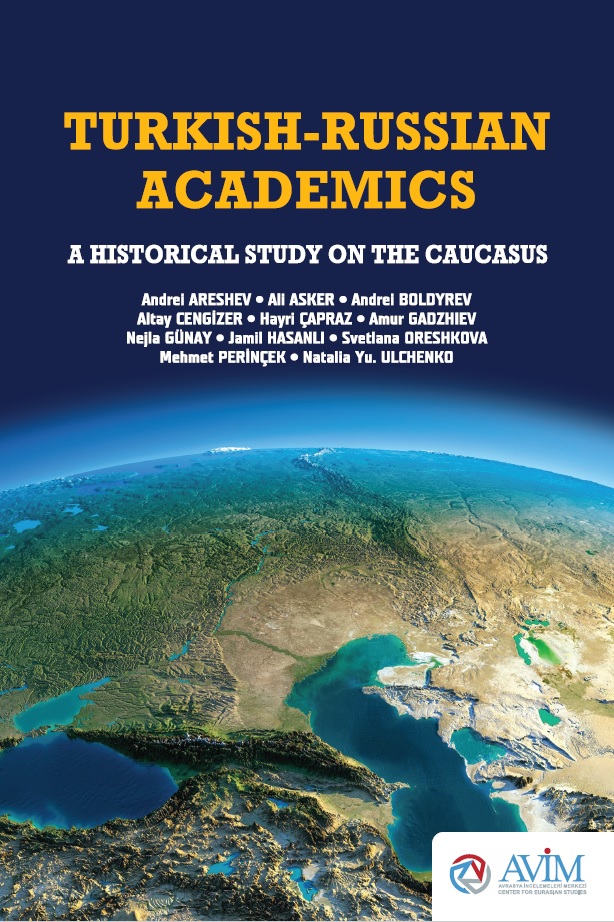
Turkish-Russian Academics: A Historical Study on the Caucasus -
01.07.2016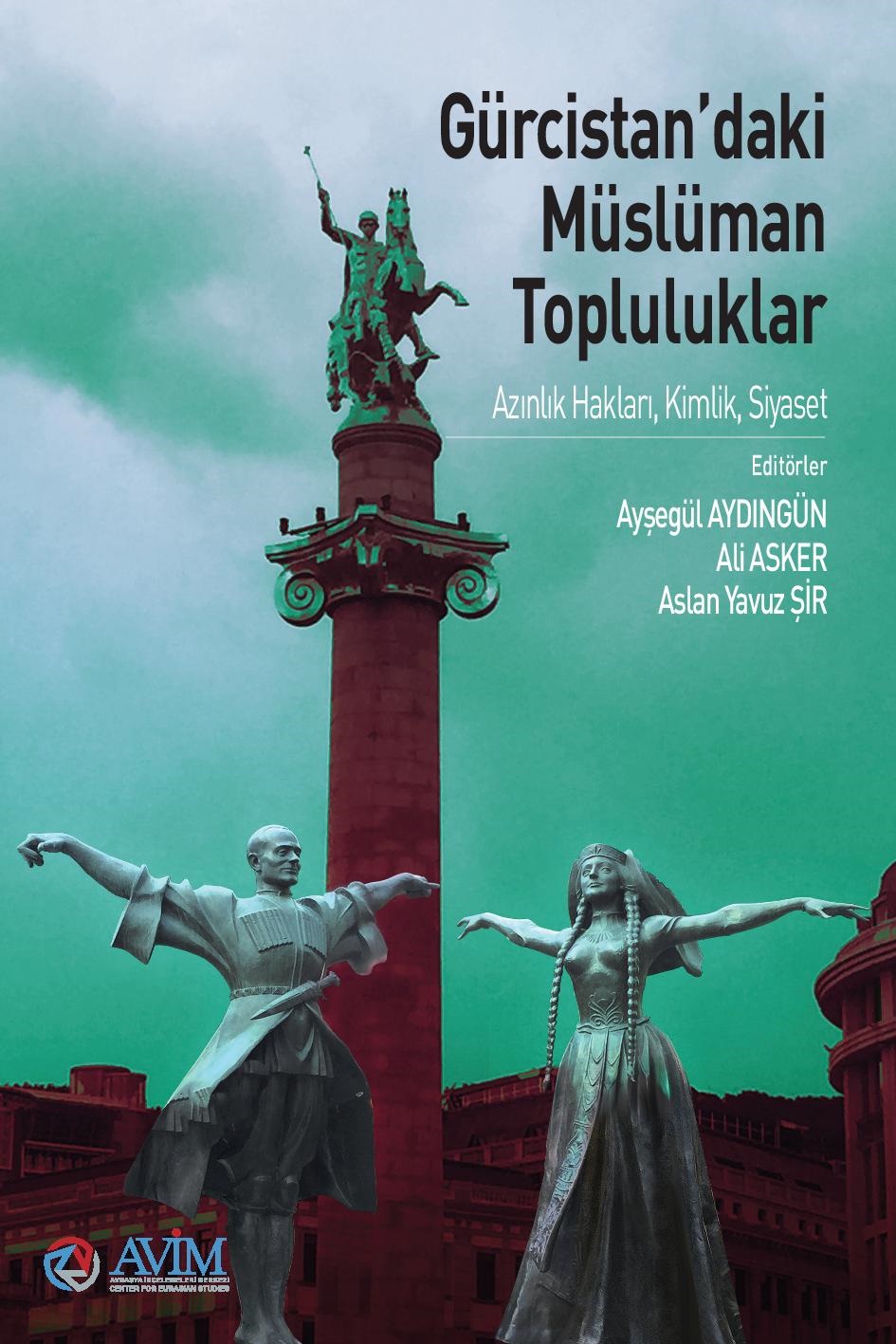
Gürcistan'daki Müslüman Topluluklar: Azınlık Hakları, Kimlik, Siyaset -
10.03.2016
Armenian Diaspora: Diaspora, State and the Imagination of the Republic of Armenia -
24.01.2016
ERMENİ SORUNU - TEMEL BİLGİ VE BELGELER (2. BASKI)


-
AVİM Conference Hall 24.01.2023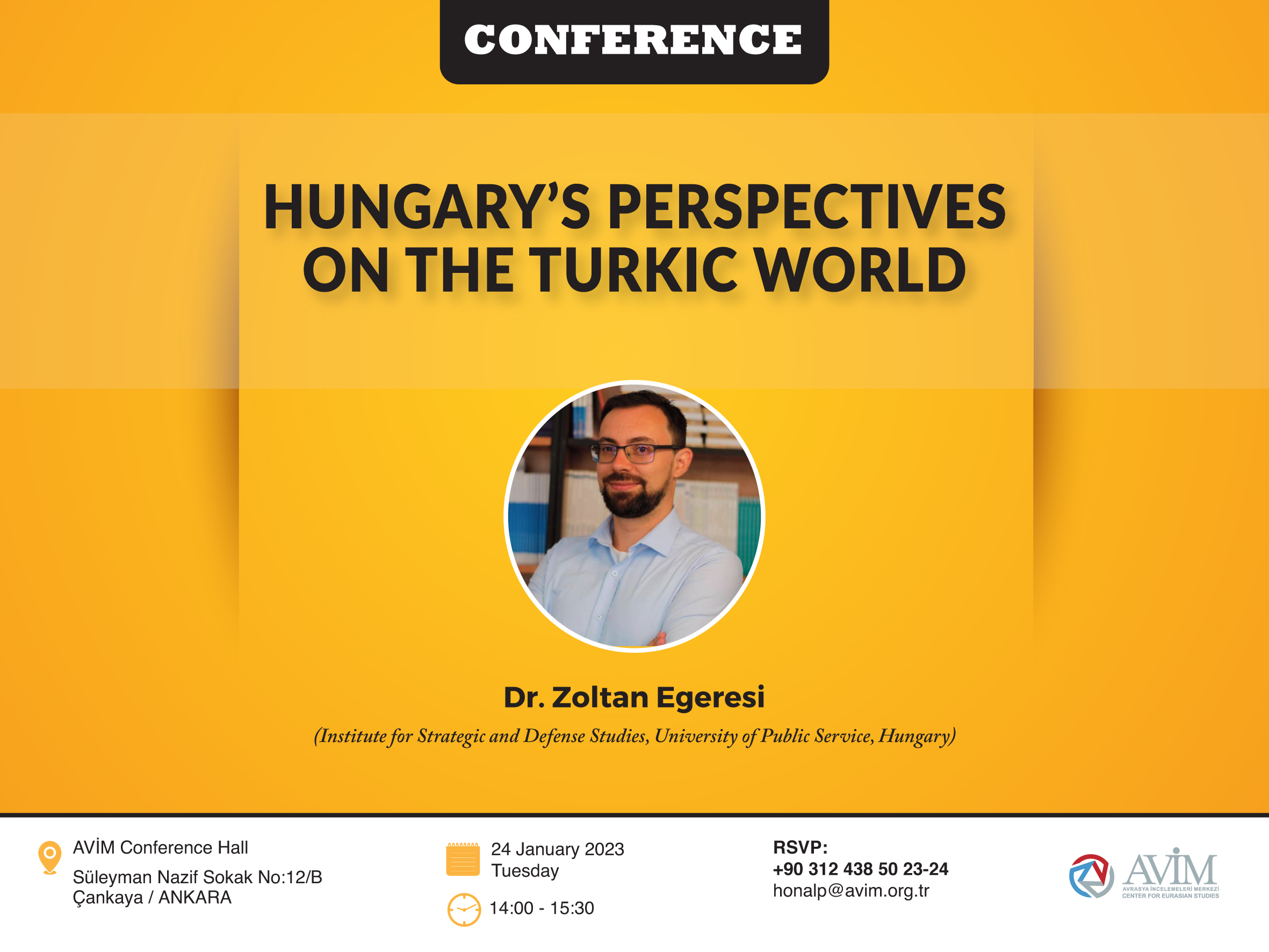
CONFERENCE TITLED “HUNGARY’S PERSPECTIVES ON THE TURKIC WORLD"