

















EuroNews (19 December 2017)
By Ana Palacio
It has become a cliché to declare, each December, that the next year will be a crucial one for the European Union. The pattern is familiar: Europe has a turbulent 12 months, driven by events for which it was not prepared, jerry-rigs a response, and resolves to address the deeper structural issues. Then the next year arrives, and Europe is again overwhelmed by events, and becomes trapped again in short-term crisis-response mode. Will 2018 break the mold?
The short answer is that it might – or, at least, it can. After nearly a decade of relentless drama – a financial disaster, followed by Russia’s invasion of Ukraine and annexation of Crimea, the migration crisis, the Brexit vote, and the election of a US president who has called into question the transatlantic relationship – Europe is entering 2018 in a relatively stable position.
Not only is there no crisis looming on Europe’s borders; despite anemic growth, the economic outlook also appears stable. More important, the elections in the three largest European economies in 2017 produced no further populist insurrections. France now has a pro-European president in Emmanuel Macron; a pro-European grand coalition is emerging in Germany; and the British leadership, though deeply divided, has managed to agree with its EU partners on a divorce bill that will serve as a platform for continued negotiations. Italy is the only major EU country scheduled to hold an election in 2018.
Europe now has a golden opportunity to emphasize policymaking over politics, and to pursue the reforms it needs to lay the foundation for a more prosperous, secure, and dynamic future. There is no time to waste: the year 2019 is already shaping up to be a complicated one, as it will include European elections, the appointment of a new European Commission, and the deadline for a Brexit agreement.
That leaves 12 months for Europe to make progress in a variety of areas, including common defence, trade, energy union, Schengen reform, and banking union. But concerted efforts are particularly important in three areas – one internal, one regional, and one global – over the next year.
The first area where progress is needed is in building the digital single market. In 2015, the EU launched its “digital single market strategy,” with the goal of kick-starting Europe’s digital sector. Since then, there has been some progress – notably, the politically popular elimination of roaming charges by mobile phone providers.
But creating an environment that will allow European companies to scale up and compete internationally, while confronting market capture by industry giants, will take a lot more work. And, with European Commission President Jean-Claude Juncker’s tenure set to end in 2019, this coming year is the time to do it.
The second area concerns Europe’s relationship with Africa. The migration crisis underscored how inextricably linked the two continents’ futures are – and how ineffective Europe’s Africa policy has been thus far. Europe has a long track record of making – and breaking – promises to change its approach to Africa.
The good news is that there is reason to believe that such a change, and the creation of a productive and results-oriented relationship, may finally be imminent. After all, Europe now has some serious skin in the game: unless it works to create opportunities and stabilize governance in Africa, migration pressures will continue and even intensify. Self-interest has often proved a far more powerful motivation than altruism.
Success will demand a shift away from the paternalism of the past and toward equal cooperation. Africa and Europe must work together, as equals, to move beyond short-term solutions focused on stemming migration flows, and adopt an approach that addresses their root causes – including, most fundamentally, poor governance.
At the recent EU-African Union summit, one could detect the beginnings of such an approach in a plan to spur private investment – not aid – largely through the provision of guarantees. The question is whether Europe is finally ready to follow through on its promises, investing time, effort, and political capital into deepening engagement and achieving real governance reform.
The third key area where Europe must make progress in 2018 is in recapturing its role as a global leader on climate policy. Macron’s just-concluded climate jamboree sent a positive message, but it also underscored a desire, particularly within the business community, for broader global climate leadership at a time when the US is shunning international cooperation, especially on environmental matters.
Europe should fill the vacuum left behind by the US. But, with the Paris climate agreement (from which the Trump administration withdrew earlier this year) now in the crucial rule-setting phase, Europe must act fast, so that it can ensure sensible and responsible cooperation. Specifically, taking on board the mistakes that culminated in the disastrous 2009 climate summit in Copenhagen, the EU should work, with humility, to build diverse coalitions.
The coming year will bring its own unexpected events and distractions. But the fact remains that 2018 is on track to be a year of relative calm for Europe, providing a rare opportunity for the EU to make important progress on deeper, longer-term challenges. It must not be wasted.
Ana Palacio, a former Spanish foreign minister and former Senior Vice President of the World Bank, is a member of the Spanish Council of State, a visiting lecturer at Georgetown University, and a member of the World Economic Forum's Global Agenda Council on the United States.
Copyright: Project Syndicate 2017
No comments yet.
- SERBIA BALANCES BETWEEN RUSSIA AND THE WEST The Balkans 20.12.2017
- BOSNIA STALLS ON ANSWERING EU QUESTIONNAIRE The Balkans 20.12.2017
- AZERBAIJAN, OSCE MULL KARABAKH CONFLICT SETTLEMENT The Caucasus and Turkish-Armenian Relations 20.12.2017
-
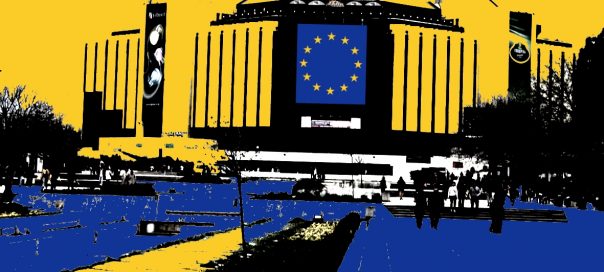 BULGARIA’S EU PRESIDENCY: HECTIC LAST MINUTE PREPARATIONS
The Balkans
20.12.2017
BULGARIA’S EU PRESIDENCY: HECTIC LAST MINUTE PREPARATIONS
The Balkans
20.12.2017
- AZERBAIJANI DEFENSE MINISTER MEETS WITH OSCE CHAIRMAN-IN-OFFICE PERSONAL REPRESENTATIVE The Caucasus and Turkish-Armenian Relations 20.12.2017
-
25.01.2016
THE ARMENIAN QUESTION - BASIC KNOWLEDGE AND DOCUMENTATION -
12.06.2024
THE TRUTH WILL OUT -
27.03.2023
RADİKAL ERMENİ UNSURLARCA GERÇEKLEŞTİRİLEN MEZALİMLER VE VANDALİZM -
17.03.2023
PATRIOTISM PERVERTED -
23.02.2023
MEN ARE LIKE THAT -
03.02.2023
BAKÜ-TİFLİS-CEYHAN BORU HATTININ YAŞANAN TARİHİ -
16.12.2022
INTERNATIONAL SCHOLARS ON THE EVENTS OF 1915 -
07.12.2022
FAKE PHOTOS AND THE ARMENIAN PROPAGANDA -
07.12.2022
ERMENİ PROPAGANDASI VE SAHTE RESİMLER -
01.01.2022
A Letter From Japan - Strategically Mum: The Silence of the Armenians -
01.01.2022
Japonya'dan Bir Mektup - Stratejik Suskunluk: Ermenilerin Sessizliği -
03.06.2020
Anastas Mikoyan: Confessions of an Armenian Bolshevik -
08.04.2020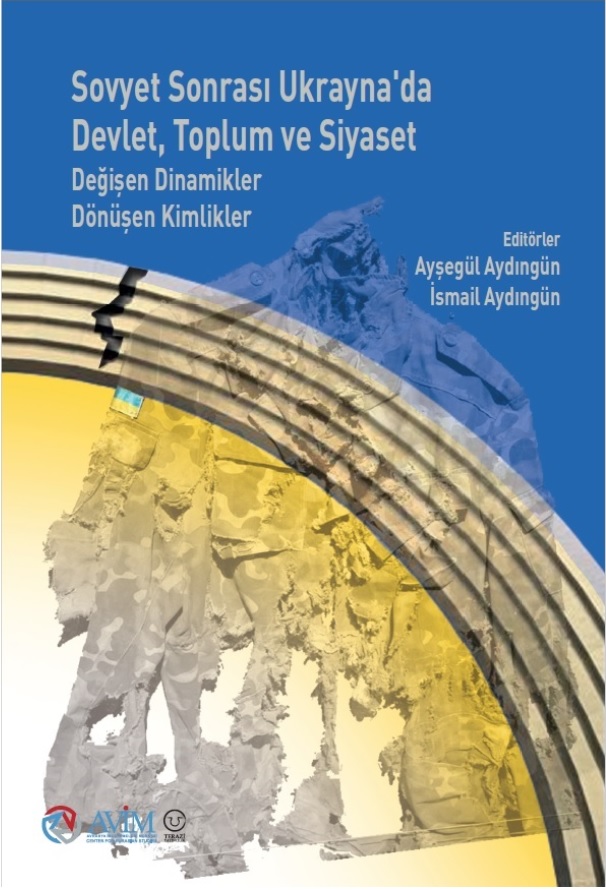
Sovyet Sonrası Ukrayna’da Devlet, Toplum ve Siyaset - Değişen Dinamikler, Dönüşen Kimlikler -
12.06.2018
Ermeni Sorunuyla İlgili İngiliz Belgeleri (1912-1923) - British Documents on Armenian Question (1912-1923) -
02.12.2016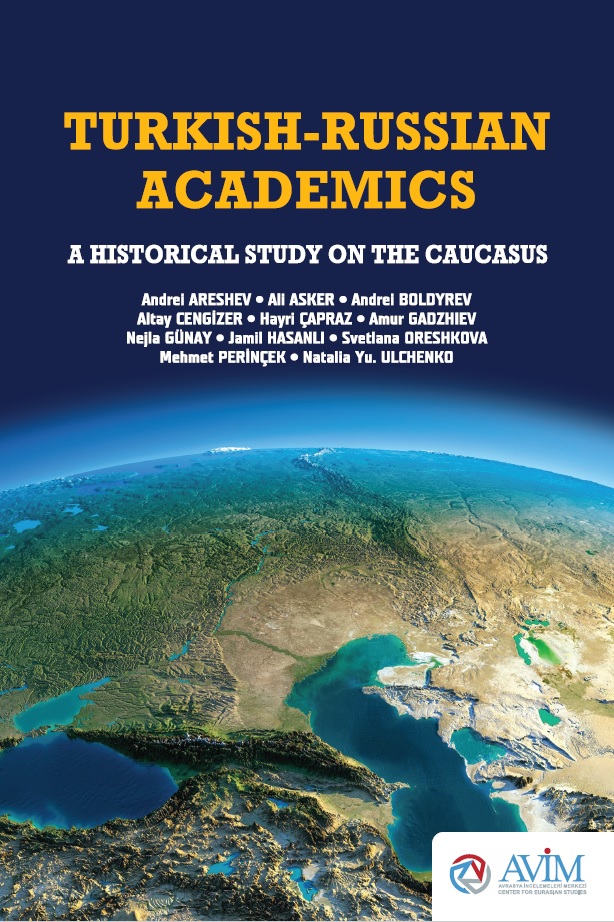
Turkish-Russian Academics: A Historical Study on the Caucasus -
01.07.2016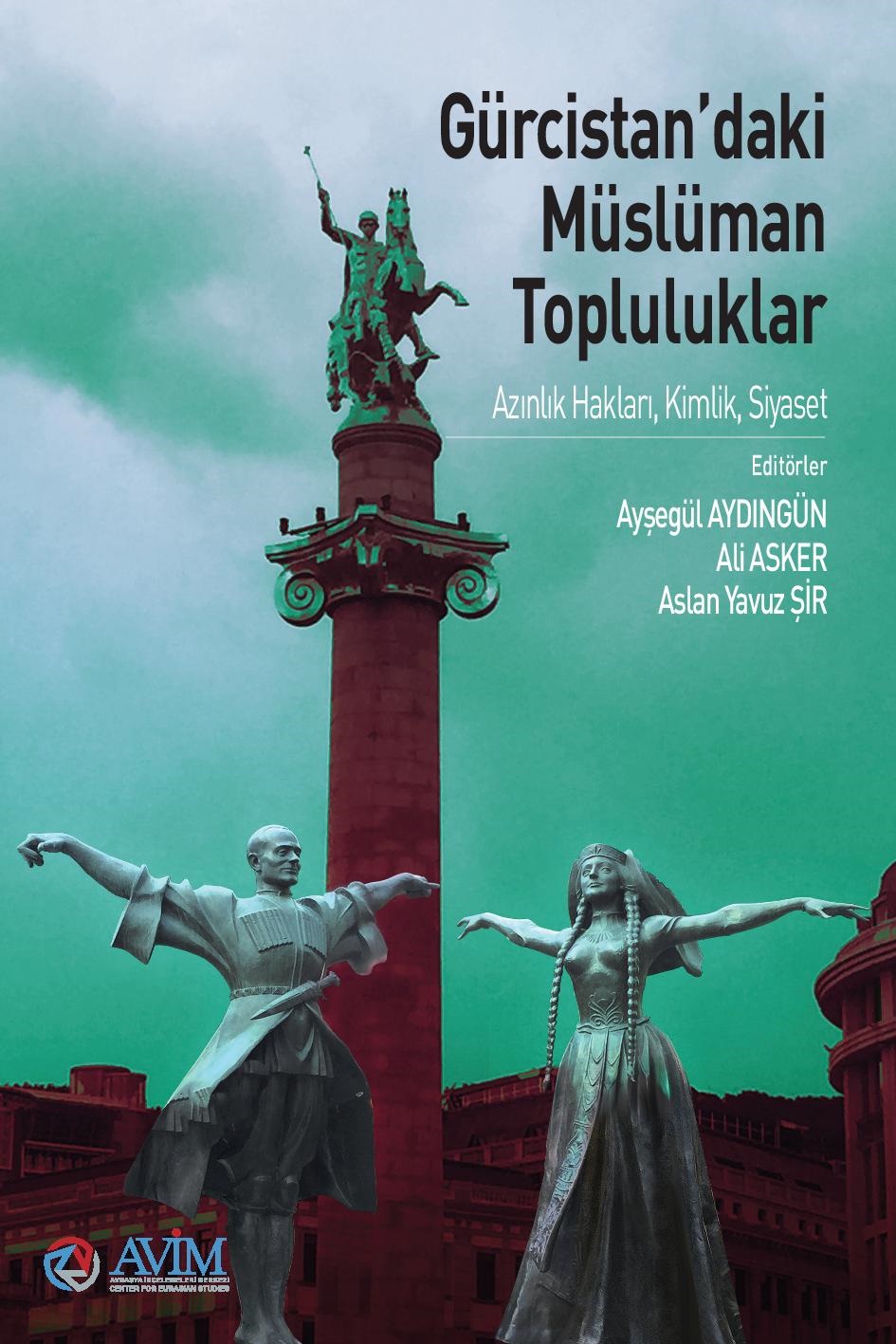
Gürcistan'daki Müslüman Topluluklar: Azınlık Hakları, Kimlik, Siyaset -
10.03.2016
Armenian Diaspora: Diaspora, State and the Imagination of the Republic of Armenia -
24.01.2016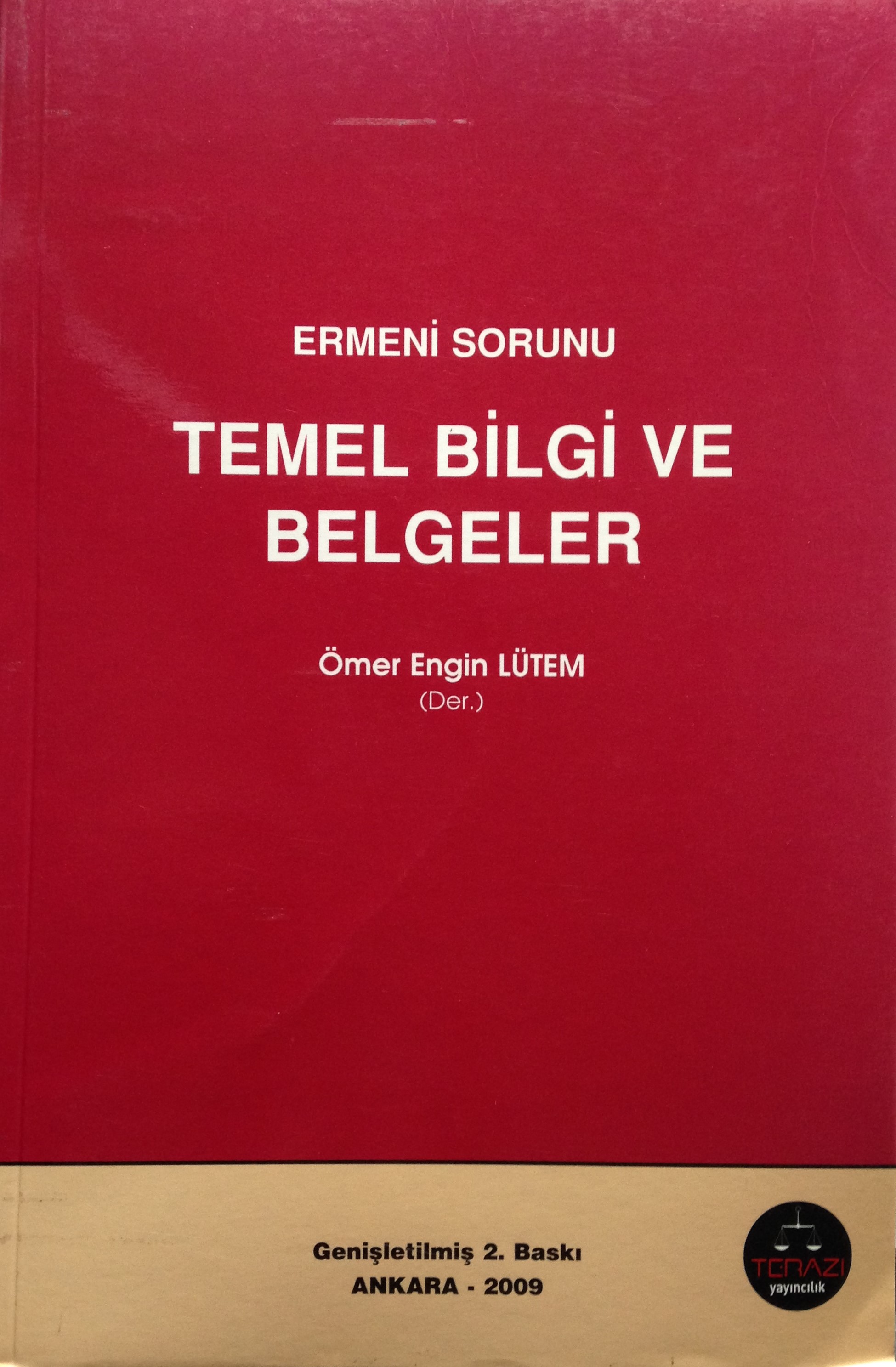
ERMENİ SORUNU - TEMEL BİLGİ VE BELGELER (2. BASKI)
-
AVİM Conference Hall 24.01.2023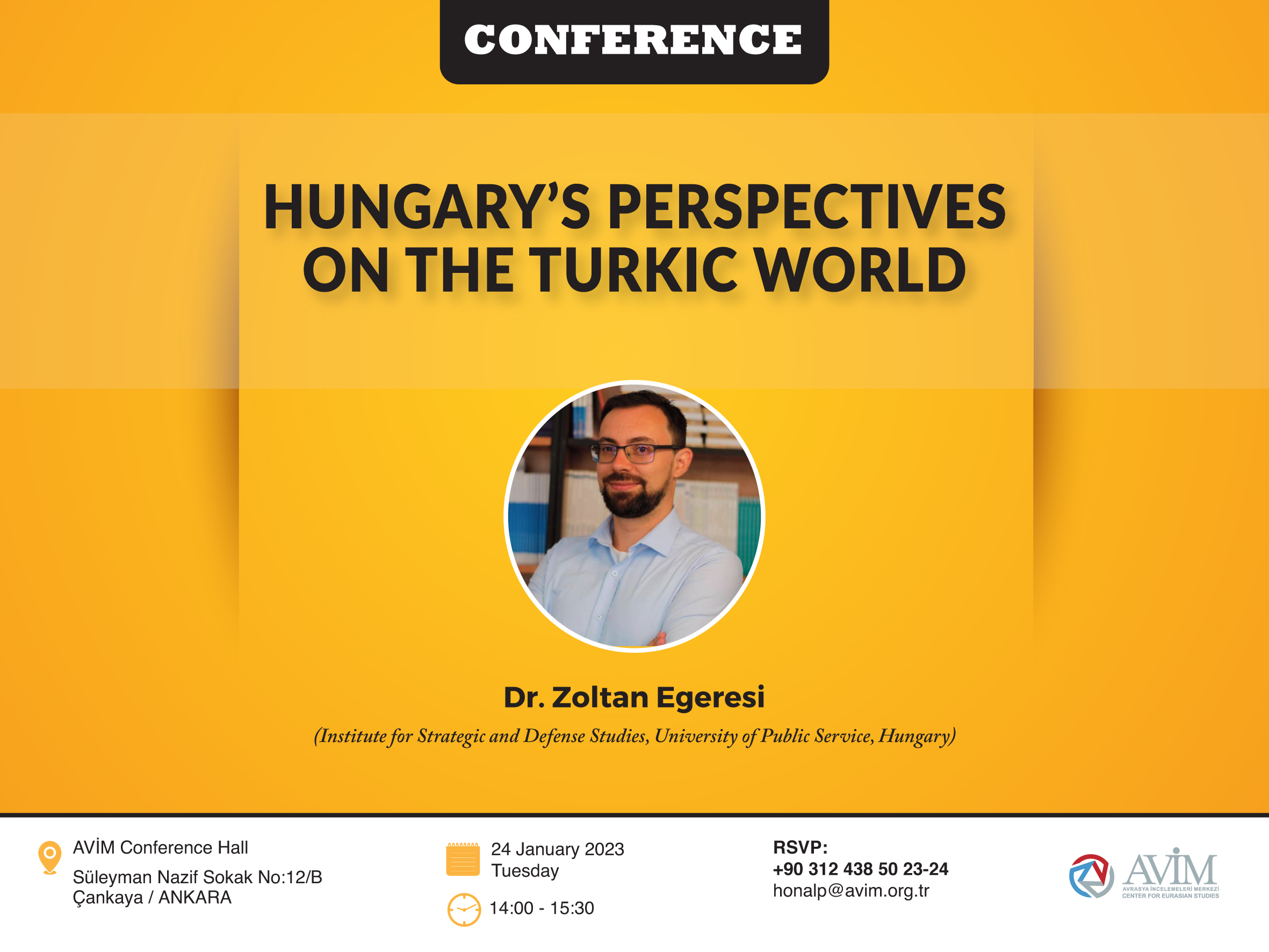
CONFERENCE TITLED “HUNGARY’S PERSPECTIVES ON THE TURKIC WORLD"