Download PDF :


Sofia Globe (19 December 2017)
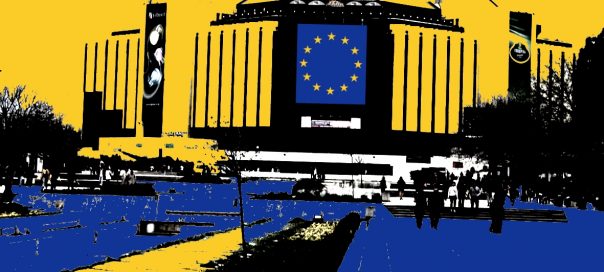
The National Palace of Culture (NDK) is a giant object with the charm of a shoe box. Once the building was completed in 1980, student brigades came to help clean and prepare the new “achievement of the socialist fatherland”. That bunker was built for party congresses, during which everyone would agree with the regime’s plans introduced in endless monologues.
Culture was another purpose. The communist regime under dictator Todor Zhivkov would award itself for the brutality it reigned the country with, by putting great artists on the NDK’s stage.
Much later, during the first years of the new millennium, countless concerts would take place at the NDK, mostly in hall no. 1, which seats 3,800 people. When the orchestra pit is not needed, chairs can increase that number to just over 4,000.
In 2004, promoters paid 6,000 leva per night for hall no. 1. Still, the NDK’s management insisted on having its own balcony for all concerts. The bosses would invite friends or business partners to experience shows and concerts from above.
In spite of all the money coming in, when the NDK still provided the largest concert hall in the city, the building was not in a very good state. During a concert with the famous Bulgarian vocalist Camelia Todorova in a hall located in the basement, she and her audience were forced to inhale Diesel clouds, which came from the trash trucks moving in a service tunnel located below.
Back then, some bathrooms belonging to the backstage rooms for artists were flooded. Musicians from abroad complained about the fact that there never was any toilet paper. This applied to the public toilets as well. While Bulgarians were used to this, and always brought their own Kleenex tissues, foreign artists did not. Besides, the public bathrooms had this constant smell, which was probably caused by a wastewater pipe leak.
Today, in late 2017, 12 days before Bulgaria’s Presidency of the Council of the European Union commences, things look different. The square in front of the National Palace of Culture was refurbished, parts of the interior of the NDK, including the corridors, were renovated too.
Hall no. 3 was converted into an attractive conference hall, which seems to be ready to go. The other day, Bulgaria’s Minister for the Bulgarian Euro-Presidency, Lilyana Pavlova, showed off that hall to media representatives.
On Tuesday, the Presidency’s schedule was introduced. According to Minister Pavlova, it will be officially approved today, by the Council of Ministers.
During Bulgaria’s EU Presidency, as many as 300 official events will take place, mostly in Sofia. Those include a big summit in mid-May, more than 50 conferences and 32 ministerial meetings.
https://sofiaglobe.com/2017/12/20/bulgarias-eu-presidency-hectic-last-minute-preparations/