

















Nikkei Asian Review (31 July 2018)
Nearly two months after the historic summit between U.S. President Donald Trump and North Korean leader Kim Jong Un in Singapore, the city-state this week will host another set of major meetings between key nations, with Pyongyang sending its foreign minister.
The primary focus this time, though, is expected to be a different sort of tension: the escalating U.S.-China trade war.
The ASEAN Regional Forum, scheduled for Saturday, is one of the few international frameworks in which North Korea takes part. The country's denuclearization is likely to be on the agenda, but given how much Southeast Asian states depend on trade with the world's top two economies, the tariff battle will be in the spotlight.
The other countries attending the annual forum include the 10 Association of Southeast Asian Nations members, China, Japan, India, the U.S., Canada, Australia, Russia and the European Union. ASEAN's rotating chair, which is Singapore for 2018, hosts the gathering.
Numerous other multilateral and bilateral meetings will be held, including the ASEAN foreign ministers meeting on Thursday.
The forum offers a chance to follow up on the U.S.-North Korea summit on June 12, where Kim pledged to work toward the "complete denuclearization" of the Korean Peninsula, while Trump promised security guarantees in return.
Since then, the Trump administration and North Korea have continued talks, with U.S. Secretary of State Mike Pompeo visiting Pyongyang in early July. The latest development came last week: Washington and Seoul confirmed that the North had begun dismantling a missile engine test site at the Sohae Satellite Launching Station.
While attending this year's ARF, North Korean Foreign Minister Ri Yong Ho is expected to meet with counterparts from the U.S. and other countries on the sidelines.
Since the ARF mainly covers political and security issues, the North Korean threat is often a priority topic. Last year, at the forum in Manila, the ministers expressed "grave concern" over the North's repeated tests of ballistic missiles and nuclear weapons. Last year's chairman's statement said the ministers urged North Korea to "immediately comply fully with its obligations under relevant U.N. Security Council resolutions."
They also "reiterated their support for the complete, verifiable, and irreversible denuclearization of the Korean Peninsula."
This year, North Korea is likely to face less pressure, given the progress toward easing tensions over the past few months. The ARF discussions on the matter will be less fiery, predicted a source from one ASEAN country.
Alan Chong, associate professor of international relations at Nanyang Technological University of Singapore, told the Nikkei Asian Review that he does not expect ARF ministers to direct strong statements toward the North. He thinks they will "repeat some of the points in the Trump-Kim summit" and "encourage North Korea in a very positive way."
Chong suggested the bigger issue this year is the U.S.-China friction.
With the Trump administration tilted toward protectionism, the rest of the world is increasingly promoting free trade. In March, 11 countries signed the Comprehensive and Progressive Trans-Pacific Partnership trade framework, known as the TPP-11. So far, Mexico, Japan and Singapore have ratified the deal. Japan and the EU signed their own economic partnership agreement in July.
"The ARF would be a convenient opportunity to keep up the momentum to make free trade a reality," Chong said.
The ASEAN source also said the bloc's foreign ministers may express concern over protectionism in the statement they will issue after their meeting on Thursday, without citing the U.S. and China by name.
With respect to the South China Sea -- another major security issue -- ASEAN and China have already started negotiations on a code of conduct in an effort to avoid conflict. Ministers from the bloc and China are expected to discuss progress on this front during another meeting on Thursday.
https://asia.nikkei.com/Economy/Trade-tensions/US-China-trade-war-to-command-attention-at-ASEAN-forum
No comments yet.
- CORRUPTION, NON-TRANSPARENCY REMAIN KEY ISSUES FOR INVESTORS IN ALBANIA - US STATE DEPT. The Balkans 31.07.2018
- US-CHINA TRADE WAR TO COMMAND ATTENTION AT ASEAN FORUM Asia - Pacific 31.07.2018
-
 MARTYRED DIPLOMATS
The Caucasus and Turkish-Armenian Relations
31.07.2018
MARTYRED DIPLOMATS
The Caucasus and Turkish-Armenian Relations
31.07.2018
- IRAN INVITES AZERBAIJAN TO JOIN NEW RAILWAY The Caucasus and Turkish-Armenian Relations 31.07.2018
-
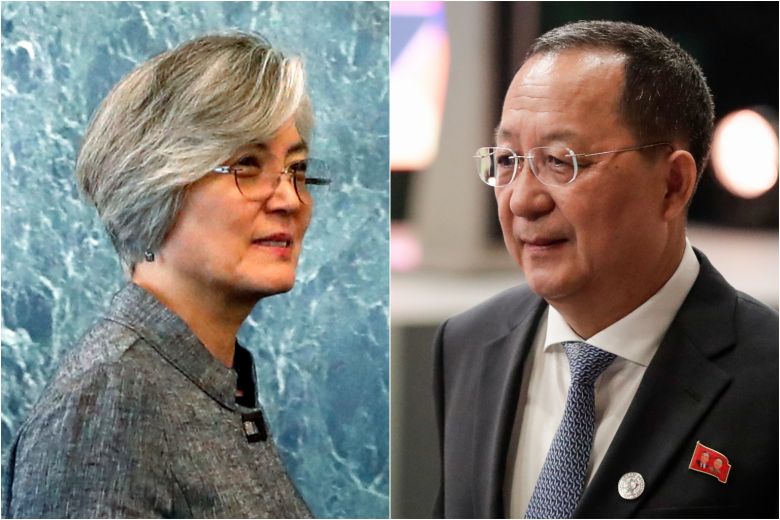 SOUTH KOREAN FOREIGN MINISTER SEEKING TO ARRANGE MEETING WITH NORTH KOREAN COUNTERPART IN SINGAPORE
Asia - Pacific
31.07.2018
SOUTH KOREAN FOREIGN MINISTER SEEKING TO ARRANGE MEETING WITH NORTH KOREAN COUNTERPART IN SINGAPORE
Asia - Pacific
31.07.2018
-
25.01.2016
THE ARMENIAN QUESTION - BASIC KNOWLEDGE AND DOCUMENTATION -
12.06.2024
THE TRUTH WILL OUT -
27.03.2023
RADİKAL ERMENİ UNSURLARCA GERÇEKLEŞTİRİLEN MEZALİMLER VE VANDALİZM -
17.03.2023
PATRIOTISM PERVERTED -
23.02.2023
MEN ARE LIKE THAT -
03.02.2023
BAKÜ-TİFLİS-CEYHAN BORU HATTININ YAŞANAN TARİHİ -
16.12.2022
INTERNATIONAL SCHOLARS ON THE EVENTS OF 1915 -
07.12.2022
FAKE PHOTOS AND THE ARMENIAN PROPAGANDA -
07.12.2022
ERMENİ PROPAGANDASI VE SAHTE RESİMLER -
01.01.2022
A Letter From Japan - Strategically Mum: The Silence of the Armenians -
01.01.2022
Japonya'dan Bir Mektup - Stratejik Suskunluk: Ermenilerin Sessizliği -
03.06.2020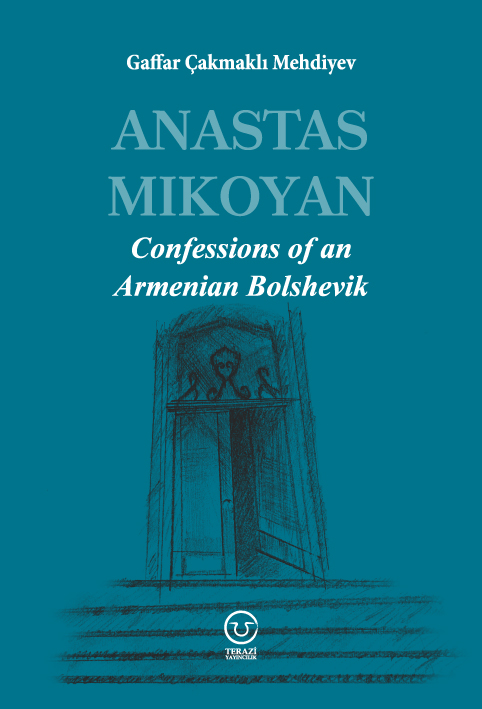
Anastas Mikoyan: Confessions of an Armenian Bolshevik -
08.04.2020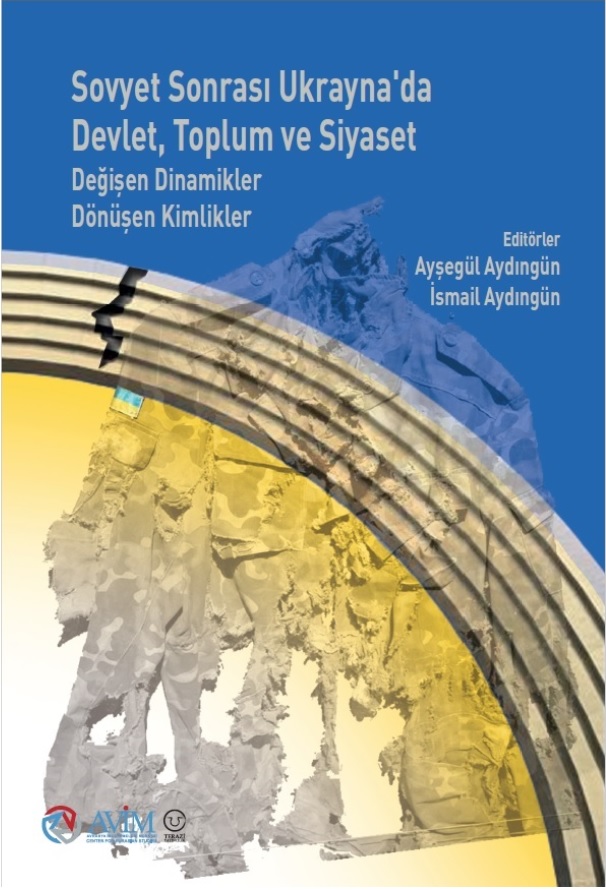
Sovyet Sonrası Ukrayna’da Devlet, Toplum ve Siyaset - Değişen Dinamikler, Dönüşen Kimlikler -
12.06.2018
Ermeni Sorunuyla İlgili İngiliz Belgeleri (1912-1923) - British Documents on Armenian Question (1912-1923) -
02.12.2016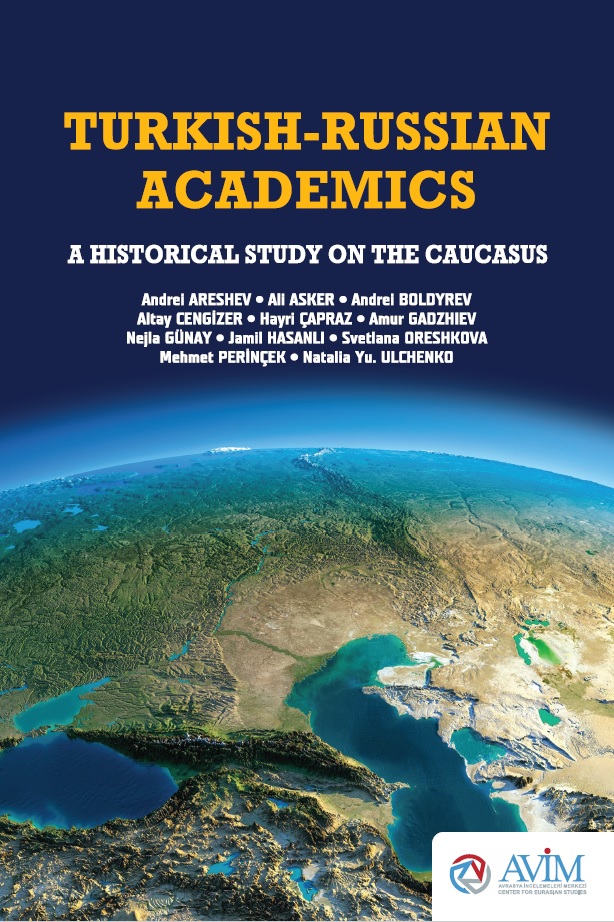
Turkish-Russian Academics: A Historical Study on the Caucasus -
01.07.2016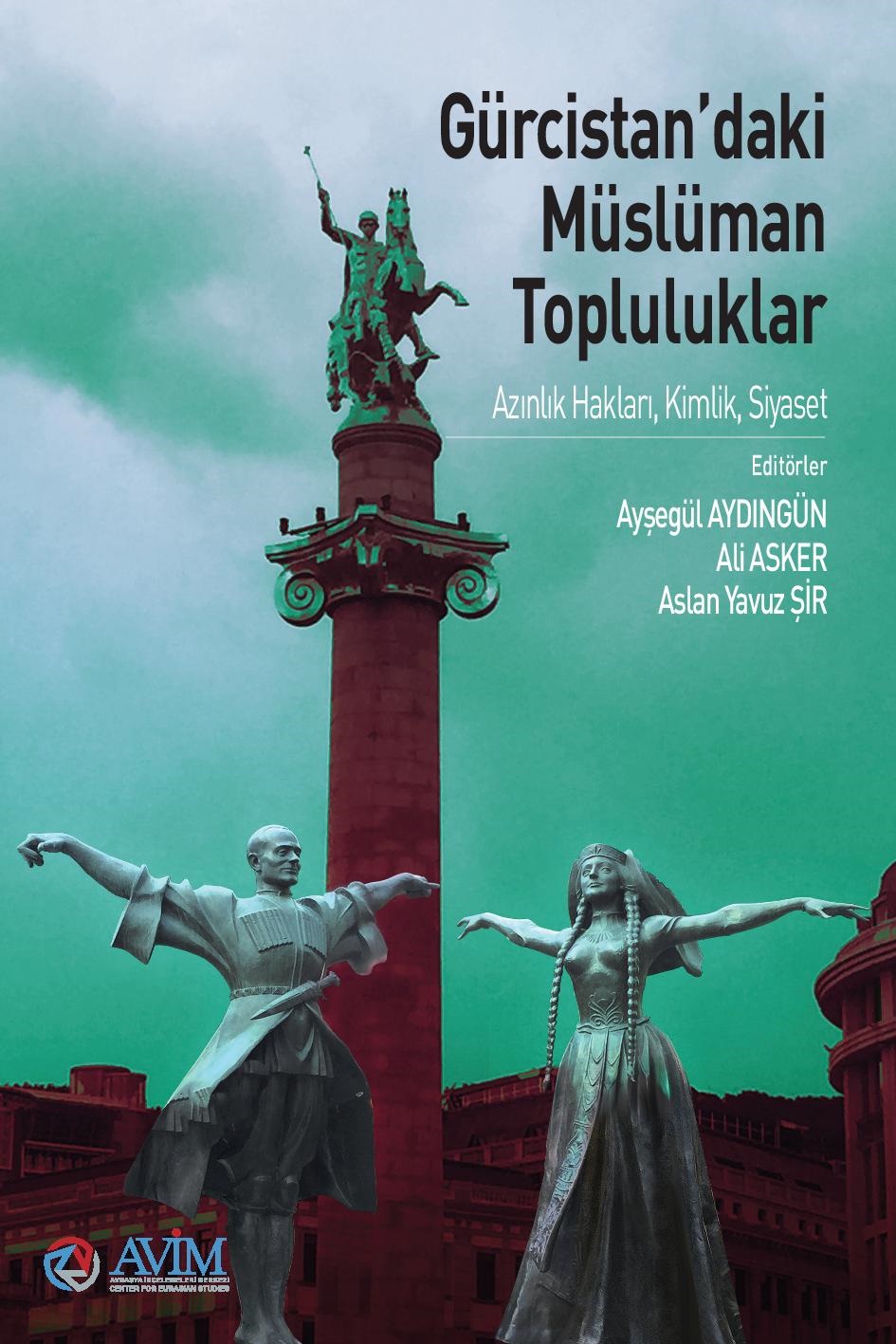
Gürcistan'daki Müslüman Topluluklar: Azınlık Hakları, Kimlik, Siyaset -
10.03.2016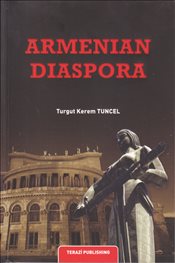
Armenian Diaspora: Diaspora, State and the Imagination of the Republic of Armenia -
24.01.2016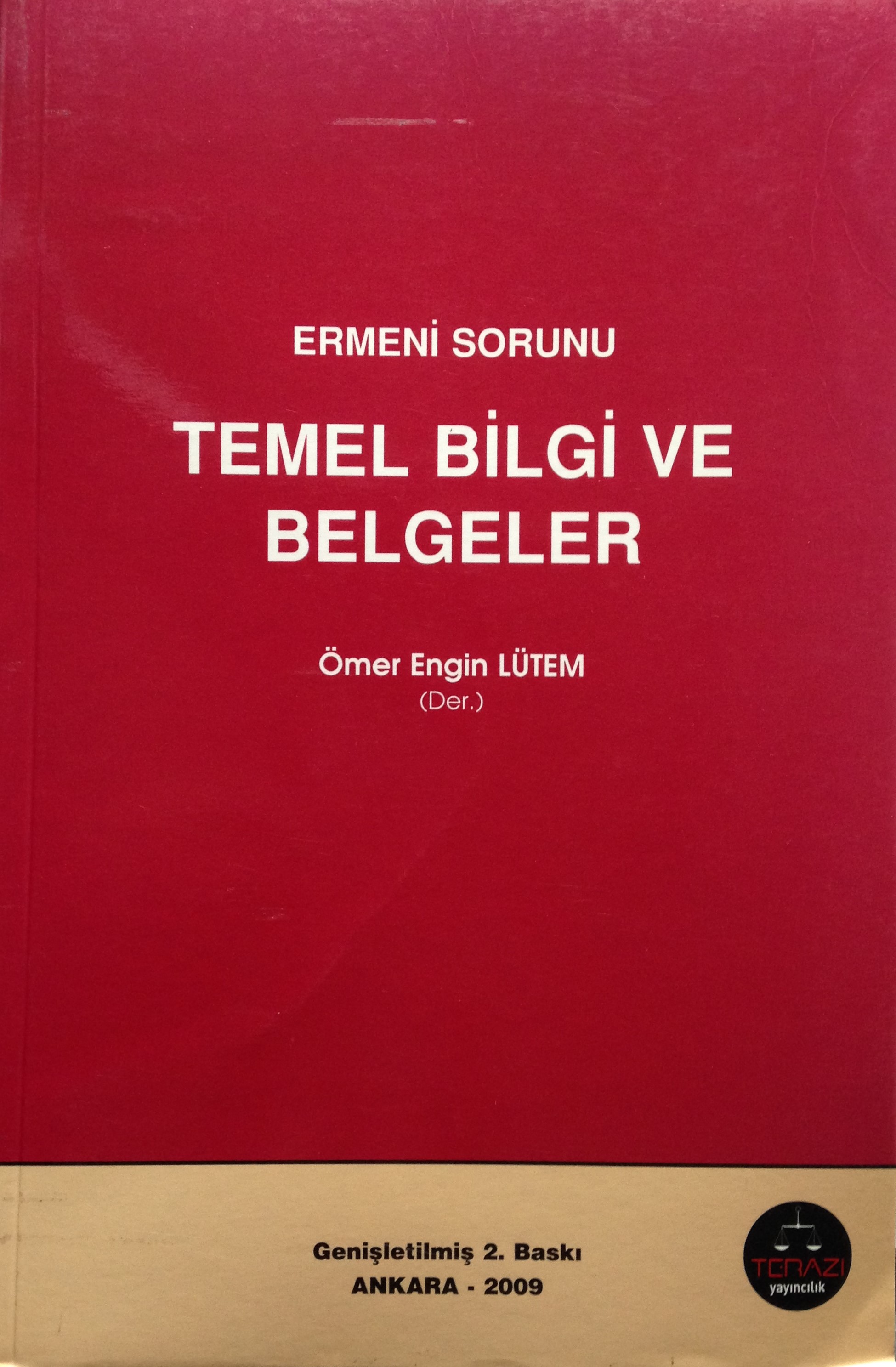
ERMENİ SORUNU - TEMEL BİLGİ VE BELGELER (2. BASKI)
-
AVİM Conference Hall 24.01.2023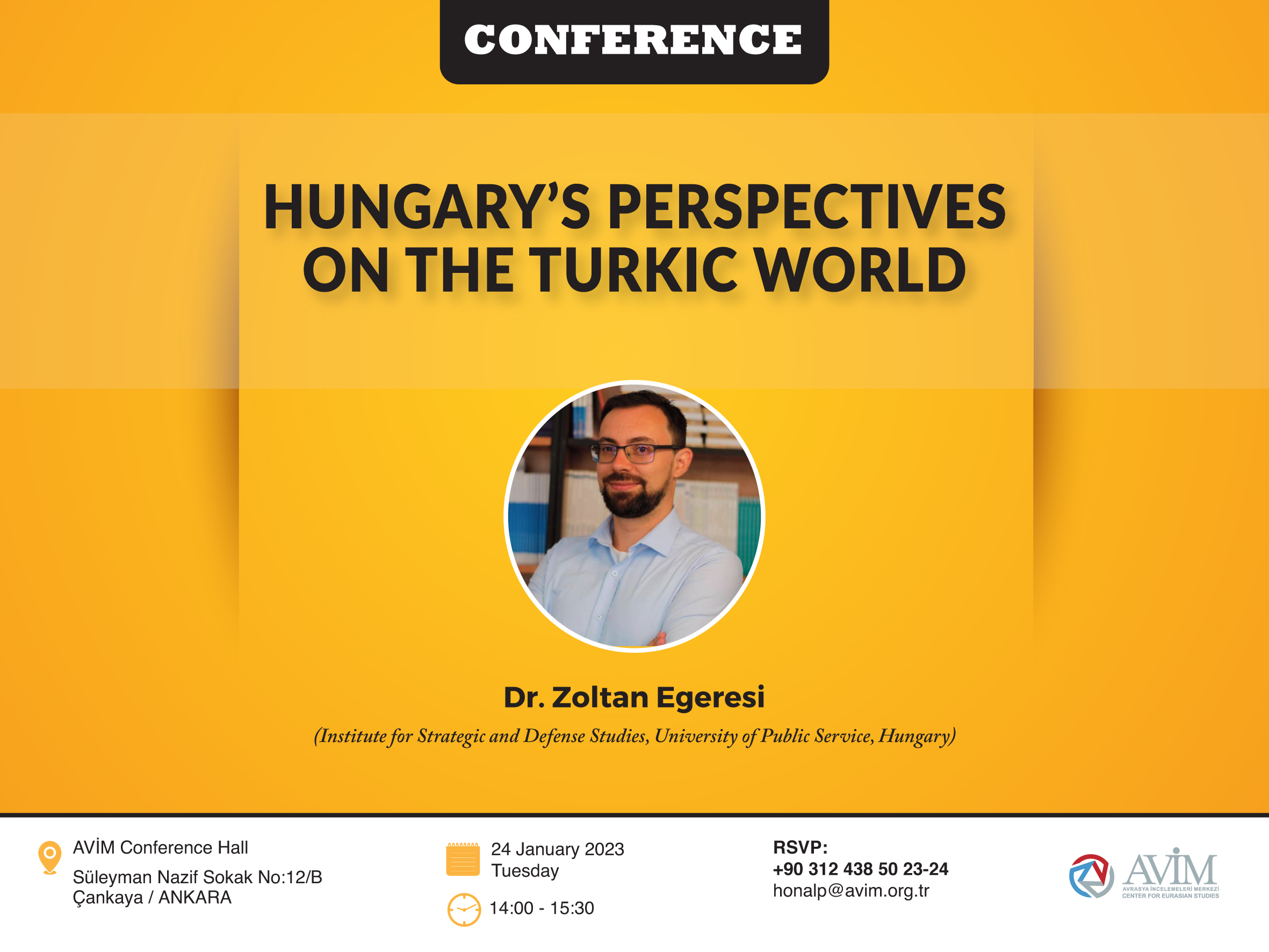
CONFERENCE TITLED “HUNGARY’S PERSPECTIVES ON THE TURKIC WORLD"