

















EU Observer (23 April 2019)
EU leaders have invited Ukrainian TV comic Volodymyr Zelensky to Berlin and Brussels after he became the country's new president in a landslide victory on Sunday (21 April).
They pledged further "support" to Ukraine against Russian aggression and urged the political newcomer to pursue pro-Western reform.
But for some Ukrainian commentators his victory marked Ukraine's "exit from reality" in dangerous times.
"I would be glad to welcome you soon in Berlin and I wish you good luck," German chancellor Angela Merkel said in a statement on Monday.
"We ... look forward to meeting you at the earliest mutually agreed date," EU Council president Donald Tusk and European Commission president Jean-Claude Juncker added in a letter the same day.
They spoke after Zelensky won by 73 percent in the second round of presidential elections one day earlier.
The 41-year old comedian burst onto the political scene in the New Year on the back of a TV series in which he played a schoolteacher who was elected president by accident and invited by Merkel to Berlin by mistake because she thought he was someone else.
His predecessor, Petro Poroshenko, a 53-year old pro-Western oligarch, was a frequent visitor in the German, French, EU, and US capitals over the past five years.
But Ukrainian voters turned against him due to fatigue with corruption and Russian warfare in east Ukraine.
Zelensky's win, which mocked the Ukrainian elite but said little on policy, poses questions for Ukraine's future EU and Russia relations.
Merkel, for her part, urged him to continue Poroshenko's "stabilisation of Ukraine and peaceful conflict resolution" as well as "implementation of centralised judicial reforms, decentralisation, and the fight against corruption".
Tusk and Juncker likewise urged more of the same.
They said they "strongly believed" Ukraine should continue to align itself with the West in economic terms and pledged "the EU's continued and steadfast support of Ukraine's sovereignty, independence, and territorial integrity".
They also pledged "support to Ukraine's reform path" on "the rule of law, fighting corruption, and economic stability".
Zelensky had promised to continue EU and Nato integration in his campaign.
He appeared to thumb his nose at Moscow and the kind of authoritarian regime in Russia that would never have allowed a free and fair vote as in Ukraine on Sunday.
"I can say as a citizen of Ukraine to all countries of the post-Soviet Union: Look at us - everything is possible," he said after his win became clear.
His democratic victory and his Jewish origin also struck a blow against Russian propaganda that Ukraine's 2014 pro-Western revolution was a "Nazi-fascist coup d'etat," according to Anne Applebaum, a commentator on European affairs for US newspaper The Washington Times.
For his part, Russian president Vladimir Putin had refused to meet or talk with Poroshenko in recent months.
He also ordered more intense fire by his forces in east Ukraine in the run-up to Sunday's vote, Ukrainian deputy foreign minister Yehor Bozhok told EUobserver.
Putin's spokesman, Dmitry Peskov, said on Sunday: "It's too early to talk about president Putin congratulating Mr Zelensky, or about the possibility of working together. It will only be possible to judge based on real actions".
Russian prime minister Dmitry Medvedev was equally wary, saying he had "no illusions" that Zelensky would repeat Poroshenko's "ideological tenets".
Those "real actions" will begin with Zelensky's appointment of the country's new interior minister, prosecutor general, and foreign, and defence policy chiefs.
His decision on how to conduct peace talks with the Russia-occupied territories in east Ukraine will be a further test.
Poroshenko, in a post-election tweet, warned that "with a new inexperienced Ukrainian president, Ukraine could be quickly returned to Russia's orbit of influence".
Zelensky's election would mean he was "no longer a comic" but a "commander-in-chief of a major European country in war time", Bozhok, the deputy foreign minister, told this website in the run-up to the second round.
But for some commentators, the nature of Zelensky's campaign, did not bode well.
His win relied on viral jokes, video clips, and social media posts instead of serious face-to-face debate, Ariana Gic, a Canadian expert on Ukraine, and Roman Sohn, a Ukrainian columnist, said in their blog.
It also relied on populist claims and targeted older, less-well educated people the same way the Brexit campaign did in the UK in 2016, they added.
The campaign was meant to "hide the real person behind the virtual candidate from the people", they said.
"The result of the first round of the Ukrainian presidential elections is probably best compared to Brexit," they added.
But "in Ukraine's case, it is a vote for exit from reality", they said.
No comments yet.
- ARMENIAN PARLIAMENT DISCUSSES EEU-CHINA DEAL RATIFICATION The Caucasus and Turkish-Armenian Relations 24.04.2019
- FRANCE, NEW ZEALAND LAUNCH BID TO END ONLINE EXTREMISM Europe - EU 24.04.2019
-
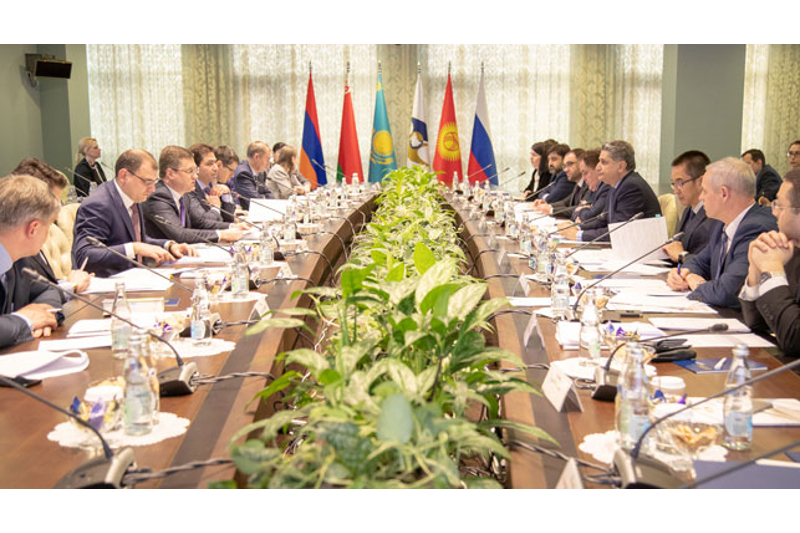 EAEU REACHES AGREEMENT ON COMMON ELECTRICITY MARKET
Asia - Pacific
24.04.2019
EAEU REACHES AGREEMENT ON COMMON ELECTRICITY MARKET
Asia - Pacific
24.04.2019
-
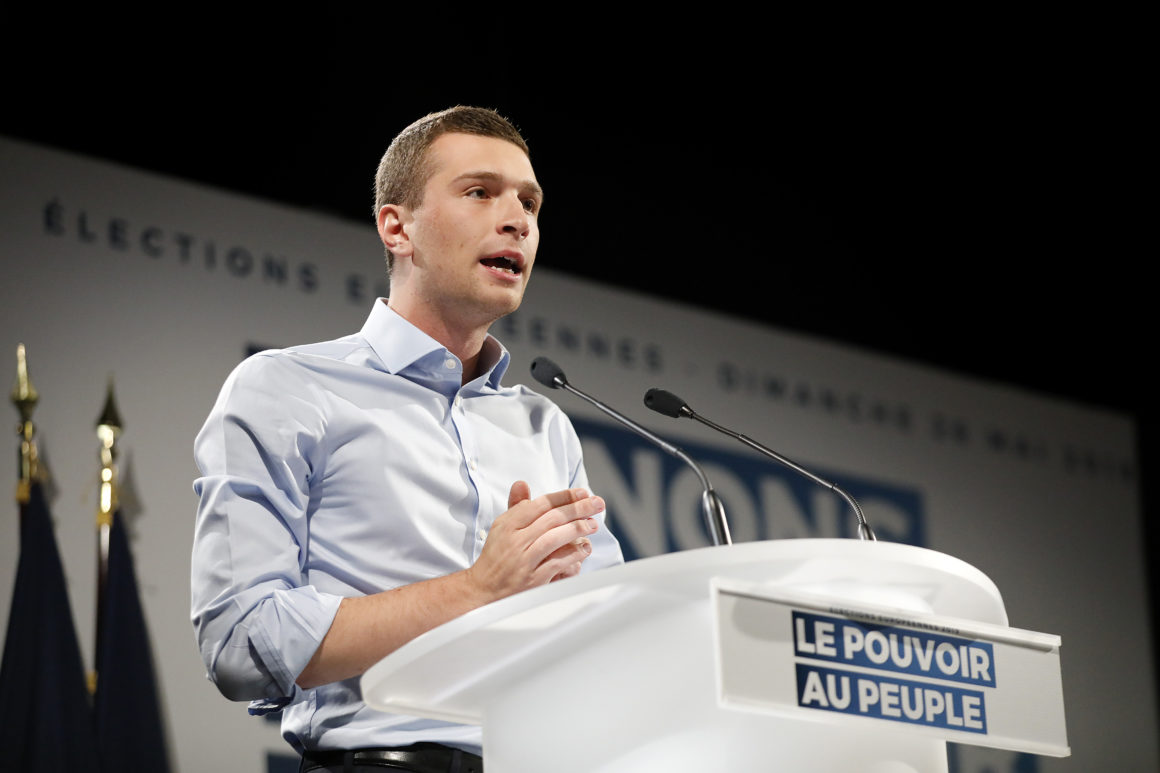 FRANCE’S FAR-RIGHT BOY WONDER
Europe - EU
24.04.2019
FRANCE’S FAR-RIGHT BOY WONDER
Europe - EU
24.04.2019
- SPANISH ELECTIONS: CATALONIA ISSUE DOMINATES FIRST TV DEBATE Europe - EU 24.04.2019
-
25.01.2016
THE ARMENIAN QUESTION - BASIC KNOWLEDGE AND DOCUMENTATION -
12.06.2024
THE TRUTH WILL OUT -
27.03.2023
RADİKAL ERMENİ UNSURLARCA GERÇEKLEŞTİRİLEN MEZALİMLER VE VANDALİZM -
17.03.2023
PATRIOTISM PERVERTED -
23.02.2023
MEN ARE LIKE THAT -
03.02.2023
BAKÜ-TİFLİS-CEYHAN BORU HATTININ YAŞANAN TARİHİ -
16.12.2022
INTERNATIONAL SCHOLARS ON THE EVENTS OF 1915 -
07.12.2022
FAKE PHOTOS AND THE ARMENIAN PROPAGANDA -
07.12.2022
ERMENİ PROPAGANDASI VE SAHTE RESİMLER -
01.01.2022
A Letter From Japan - Strategically Mum: The Silence of the Armenians -
01.01.2022
Japonya'dan Bir Mektup - Stratejik Suskunluk: Ermenilerin Sessizliği -
03.06.2020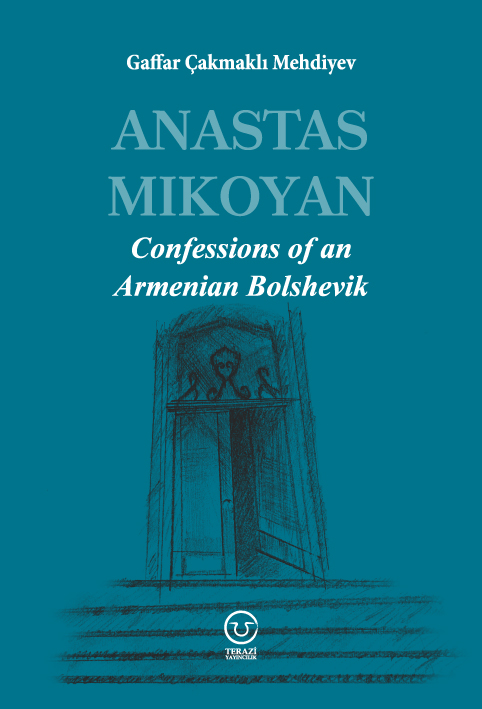
Anastas Mikoyan: Confessions of an Armenian Bolshevik -
08.04.2020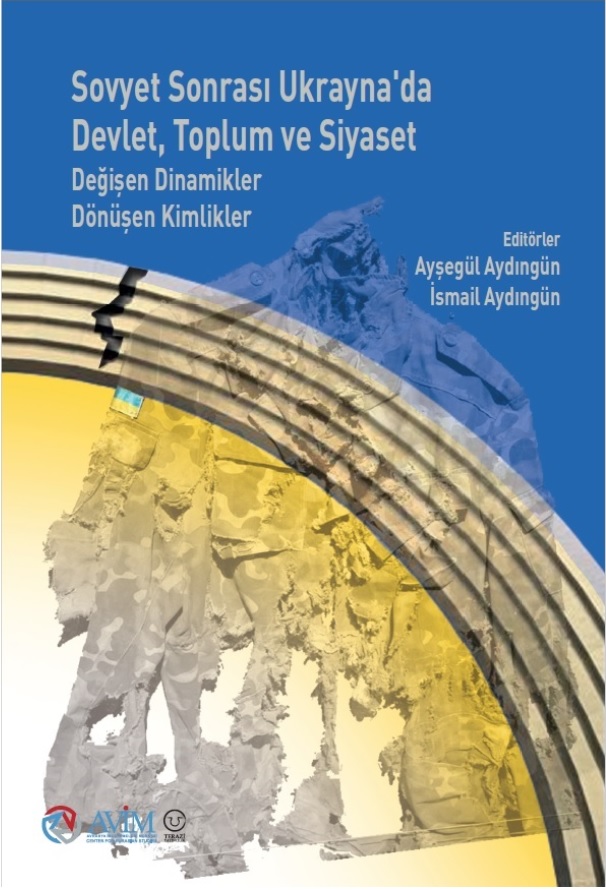
Sovyet Sonrası Ukrayna’da Devlet, Toplum ve Siyaset - Değişen Dinamikler, Dönüşen Kimlikler -
12.06.2018
Ermeni Sorunuyla İlgili İngiliz Belgeleri (1912-1923) - British Documents on Armenian Question (1912-1923) -
02.12.2016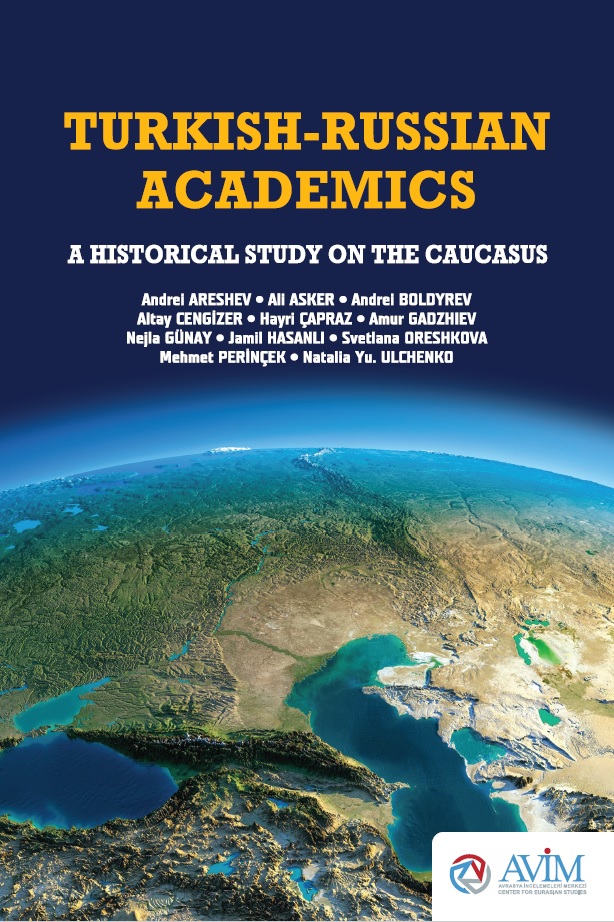
Turkish-Russian Academics: A Historical Study on the Caucasus -
01.07.2016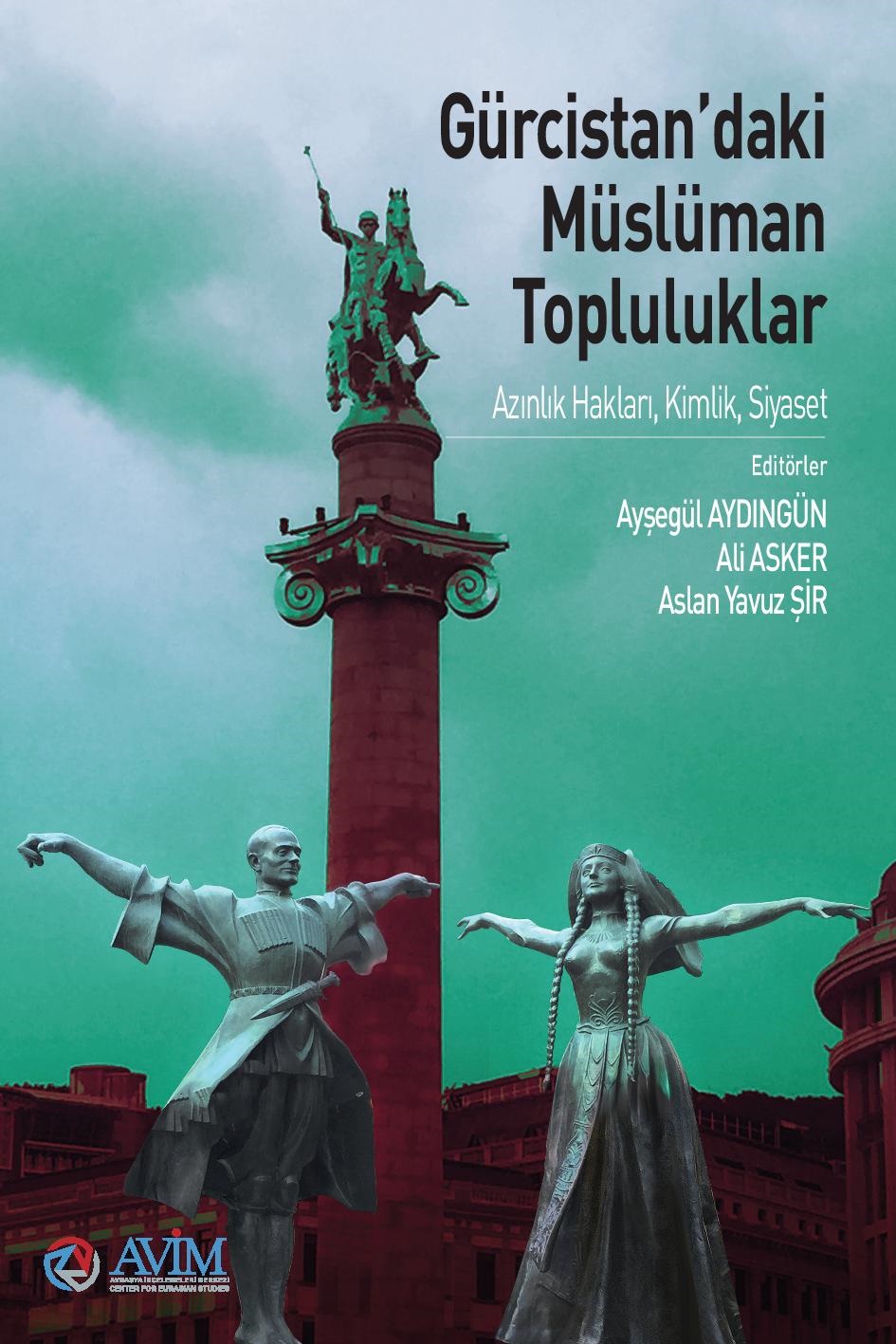
Gürcistan'daki Müslüman Topluluklar: Azınlık Hakları, Kimlik, Siyaset -
10.03.2016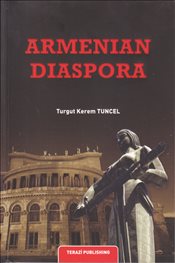
Armenian Diaspora: Diaspora, State and the Imagination of the Republic of Armenia -
24.01.2016
ERMENİ SORUNU - TEMEL BİLGİ VE BELGELER (2. BASKI)
-
AVİM Conference Hall 24.01.2023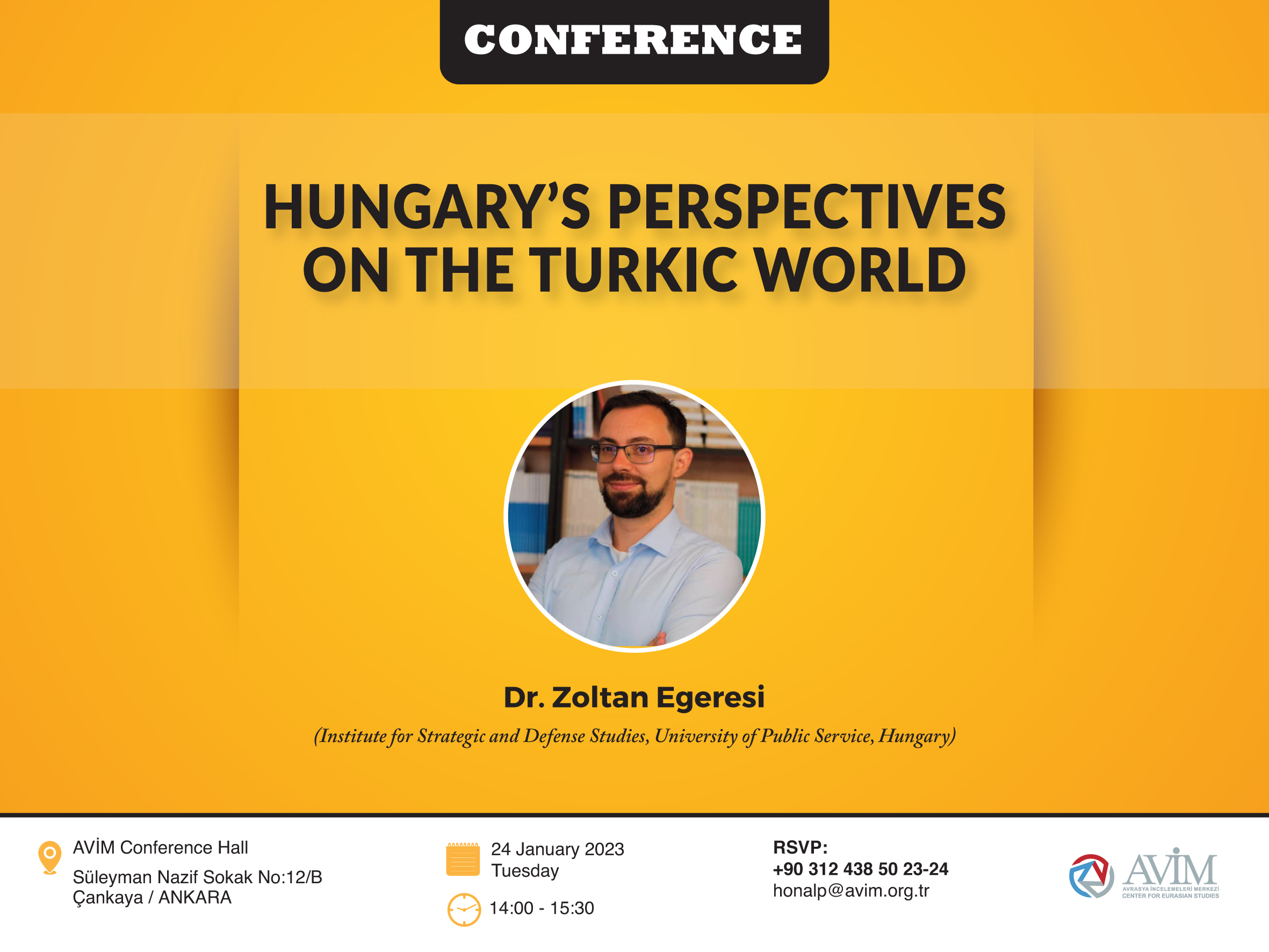
CONFERENCE TITLED “HUNGARY’S PERSPECTIVES ON THE TURKIC WORLD"