

















USA Today, 19 July 2016
The top U.S. commander here said the expanded military authorization granted by President Obama last month has led to more aggressive targeting of insurgent leaders by U.S. and Afghan forces and helped Afghan’s military shift to an offensive mindset.
“We’re able to target critical nodes in the enemy organization and take out leaders and this has a significant impact,” Gen. John Nicholson said in an interview Sunday at this sprawling air base.
The new authorities allow U.S. military forces to provide airstrikes and other help to Afghan forces conducting major offensive operations that are part of the Afghan military’s campaign plan against the Taliban and other insurgent groups.
Prior to the new order, U.S. airstrikes and other assistance was largely limited to protecting American forces and rescuing Afghan forces in extreme circumstances, such as preventing a key town from falling into Taliban control.
Nicholson said Afghan military leaders have told him their forces were more reactive last year, but they are now taking initiative in the fight against the Taliban and other insurgents, in part because of the expanded authority.
“We’re seeing a shift in mindset,” Nicholson told USA TODAY. “They see the value of going on the offensive.”
Helping target regional commanders, who hold significant influence over their followers, is only part of what the authorization allows, but the effect has been significant.
“When the leader is killed, it causes a degree of disruption that you wouldn’t see in a Western army,” Nicholson said.
The targeting of Taliban leaders was also given a boost by a robust force of 17,000 Afghan commandos and other special forces. The elite forces specialize in conducting raids against insurgent leaders and other special missions.
About 80% of the operations by Afghan special forces are conducted without any coalition assistance, according to military statistics.
In addition to the new authorities, Obama also agreed to maintain 8,400 U.S. troops here through the end of his term, reversing his earlier plan to reduce the troop level to 5,500 by next year. U.S. allies have also agreed to continue providing troops and financial support for Afghanistan into the future.
The developments come as the Taliban struggles with a leadership succession following the death of leader Mohammed Akhtar Mansour, who was killed by a U.S. drone strike in May.
Mansour was replaced by Mullah Haibatullah Akhundzada, but Mansour kept a tight hold on the organization’s resources. His death “disrupted their financial situation,” in addition to causing fissures in the group’s leadership, Nicholson said.
Nicholson cautioned there was no “silver bullet” to defeat the Taliban, but the expansion of authorities, higher troop levels, the killing of Mansour and the international commitment to continue funding Afghan forces helped boost the confidence of Afghan forces.
The coalition command had expected an increase in Taliban activity at the end of Ramadan, the Muslim month of fasting, but such a spike has not yet materialized.
Still, the Taliban has proved remarkably resilient in the past, and Afghan forces have taken heavy casualties in the fighting since assuming the lead against the Taliban two years ago.
A report by the Institute for the Study of War, a think tank, said that Afghan security forces still face major capability shortfalls even with the new authorities and the slowing of the U.S. withdrawal.
“These measures are appropriate, but insufficient to close the readiness gap of the (Afghan security forces) … or bring Taliban militants to the negotiating table,” the report said. “The next president of the United States will inherit a challenge in Afghanistan in January 2017, even with current troop levels and increased authorities for supporting (Afghan military) offensive missions.”
No comments yet.
- PM CIOLOS: CORRUPTION, CORROBORATED WITH INDIFFERENCE, CAN LITERALLY KILL The Balkans 20.07.2016
- KYRGYZ-TURKISH FRIENDSHIP HOSPITAL TO BE BUILT IN BISHKEK BY 26TH ANNIVERSARY OF KYRGYZSTAN’S INDEPENDENCE Asia - Pacific 20.07.2016
- OSCE MG PUTS OFF MEETINGS ON KARABAKH CONFLICT SETTLEMENT IN TURKEY The Caucasus and Turkish-Armenian Relations 20.07.2016
- JOE BIDEN, MALCOLM TURNBULL AGREE TO EXPAND IRAQ TRAINING COMMITMENT TO POLICE OPERATIONS Iraq 20.07.2016
- FRANCE LAUNCHES AIRSTRIKES ON IS IN IRAQ 'EVERY DAY', MINISTER Iraq 20.07.2016
-
25.01.2016
THE ARMENIAN QUESTION - BASIC KNOWLEDGE AND DOCUMENTATION -
12.06.2024
THE TRUTH WILL OUT -
27.03.2023
RADİKAL ERMENİ UNSURLARCA GERÇEKLEŞTİRİLEN MEZALİMLER VE VANDALİZM -
17.03.2023
PATRIOTISM PERVERTED -
23.02.2023
MEN ARE LIKE THAT -
03.02.2023
BAKÜ-TİFLİS-CEYHAN BORU HATTININ YAŞANAN TARİHİ -
16.12.2022
INTERNATIONAL SCHOLARS ON THE EVENTS OF 1915 -
07.12.2022
FAKE PHOTOS AND THE ARMENIAN PROPAGANDA -
07.12.2022
ERMENİ PROPAGANDASI VE SAHTE RESİMLER -
01.01.2022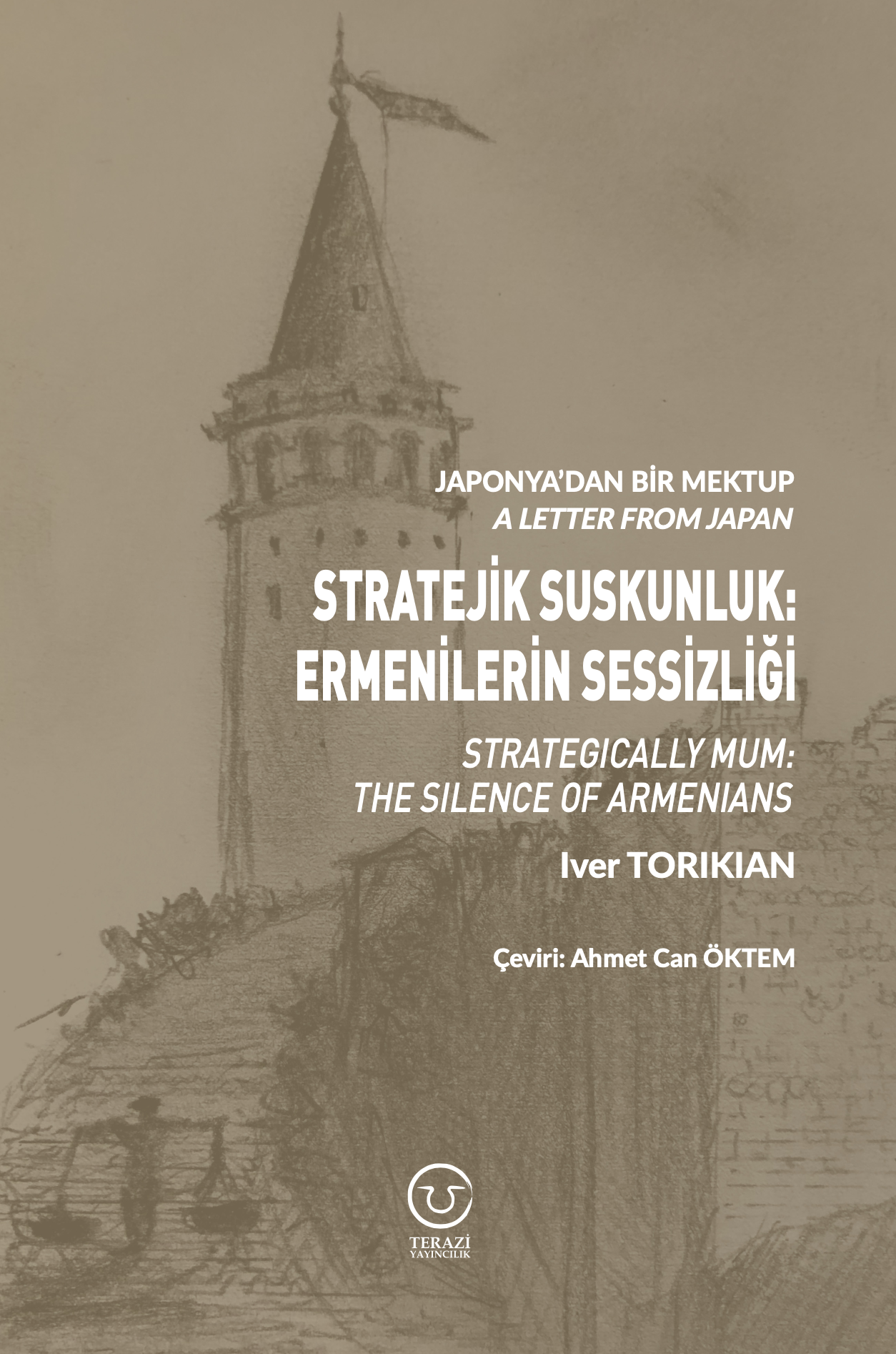
A Letter From Japan - Strategically Mum: The Silence of the Armenians -
01.01.2022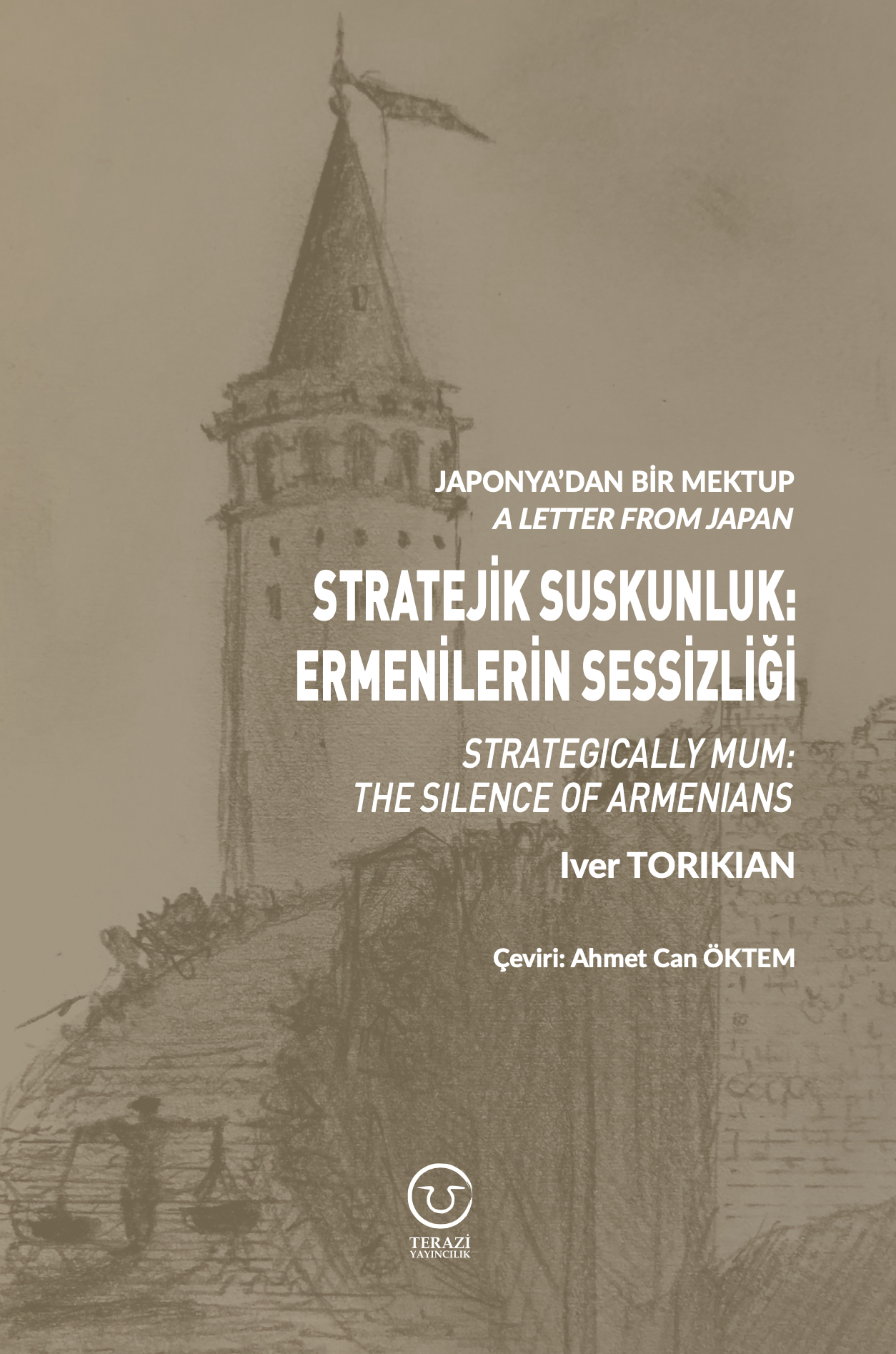
Japonya'dan Bir Mektup - Stratejik Suskunluk: Ermenilerin Sessizliği -
03.06.2020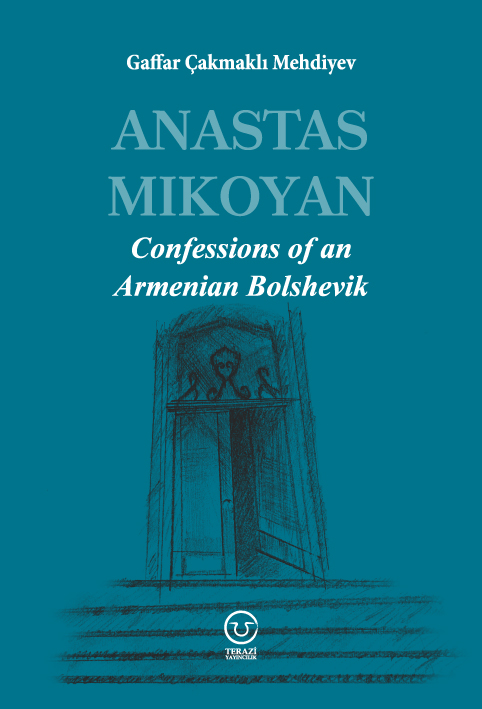
Anastas Mikoyan: Confessions of an Armenian Bolshevik -
08.04.2020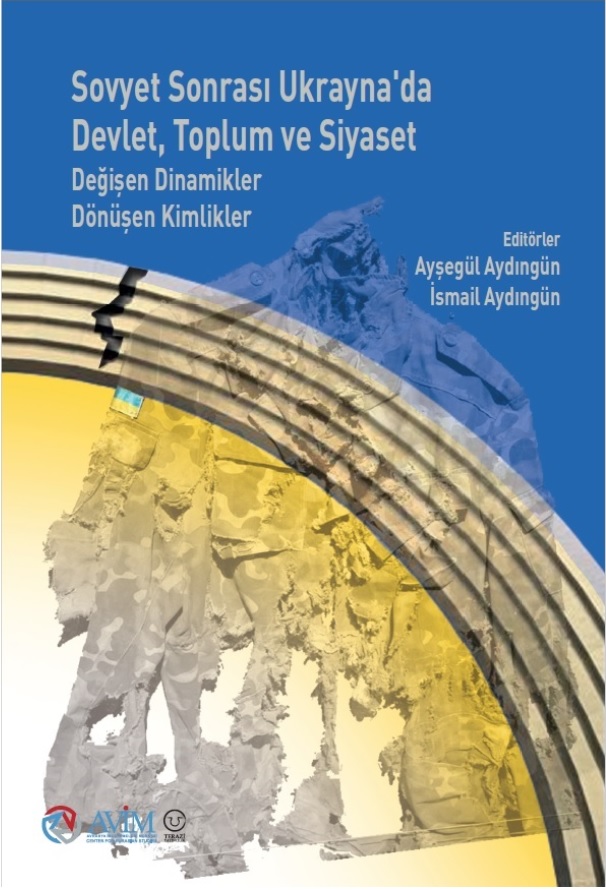
Sovyet Sonrası Ukrayna’da Devlet, Toplum ve Siyaset - Değişen Dinamikler, Dönüşen Kimlikler -
12.06.2018
Ermeni Sorunuyla İlgili İngiliz Belgeleri (1912-1923) - British Documents on Armenian Question (1912-1923) -
02.12.2016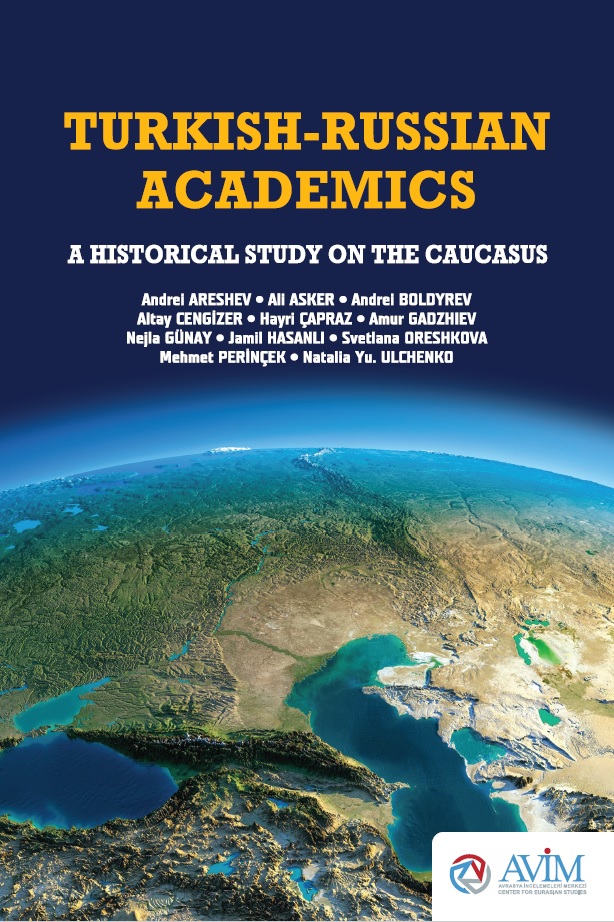
Turkish-Russian Academics: A Historical Study on the Caucasus -
01.07.2016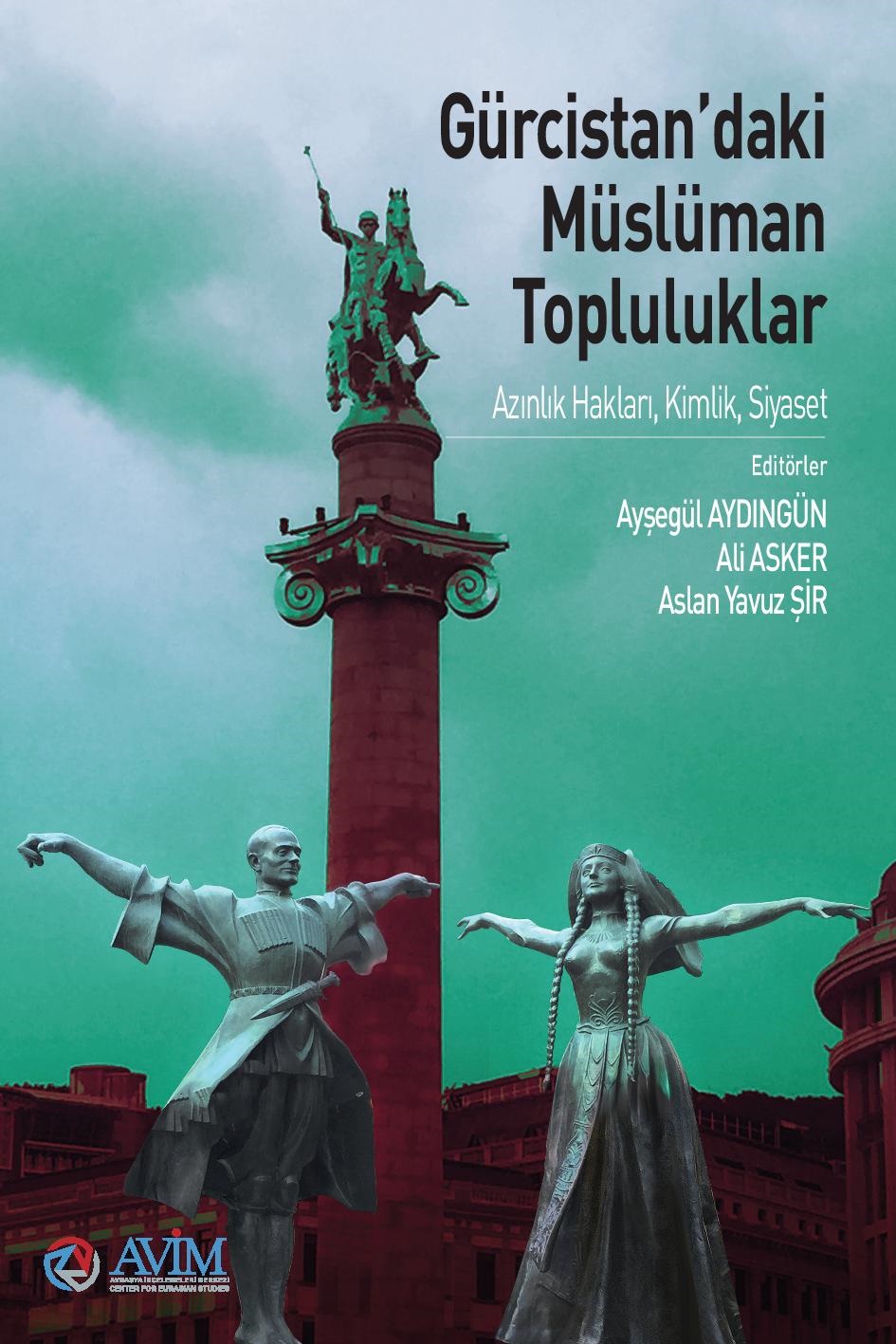
Gürcistan'daki Müslüman Topluluklar: Azınlık Hakları, Kimlik, Siyaset -
10.03.2016
Armenian Diaspora: Diaspora, State and the Imagination of the Republic of Armenia -
24.01.2016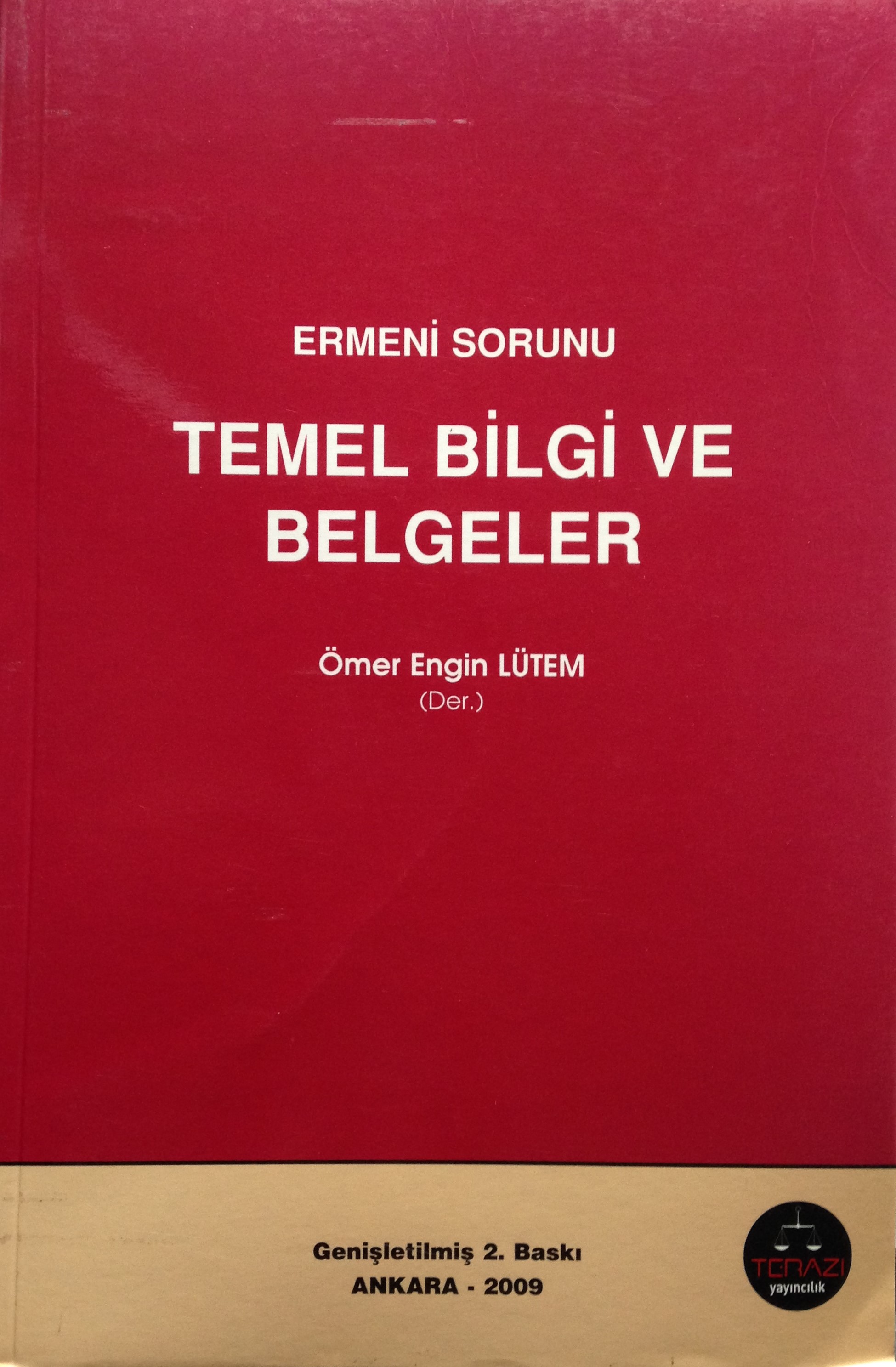
ERMENİ SORUNU - TEMEL BİLGİ VE BELGELER (2. BASKI)

-
AVİM Conference Hall 24.01.2023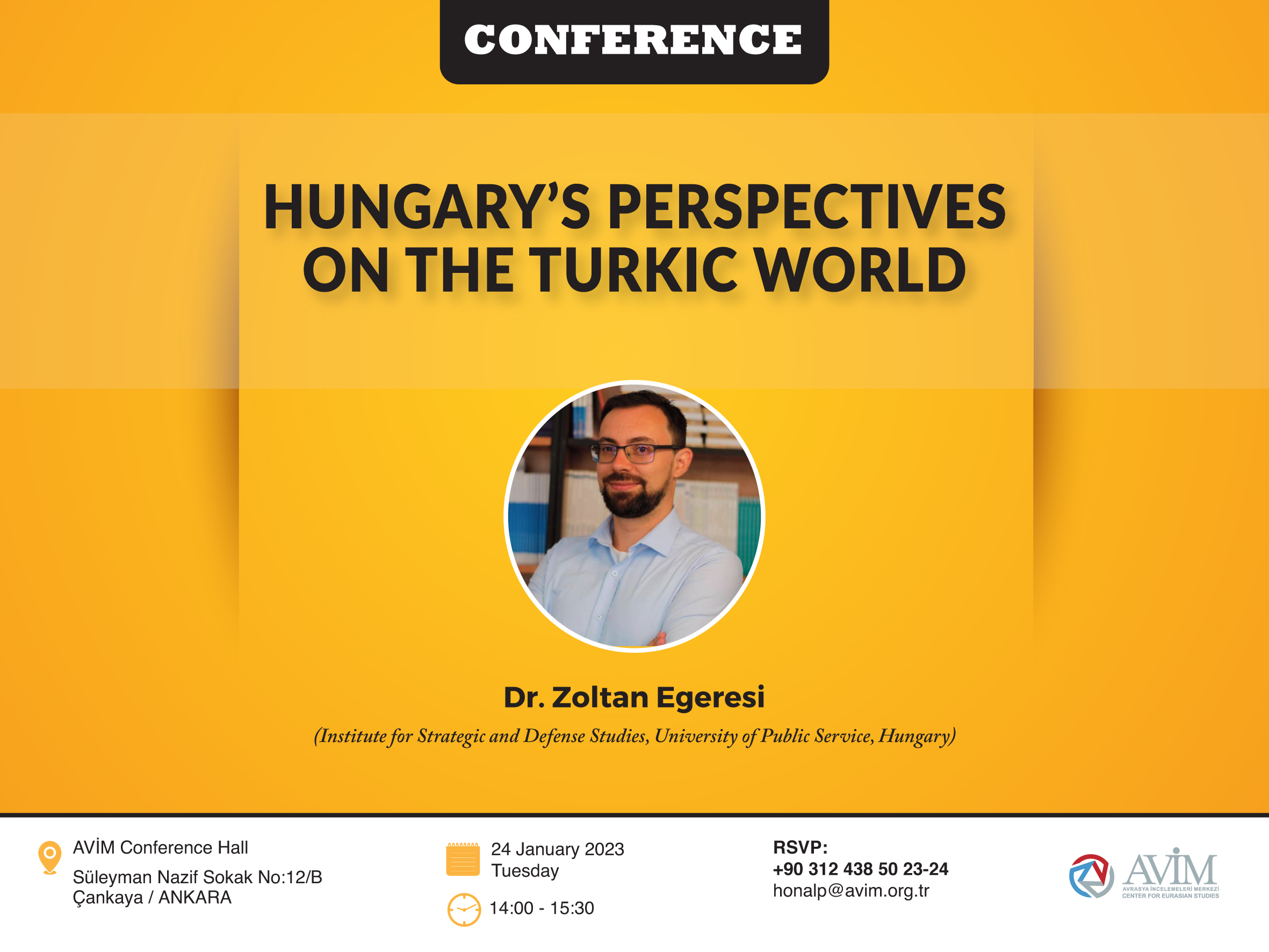
CONFERENCE TITLED “HUNGARY’S PERSPECTIVES ON THE TURKIC WORLD"