

















Hürriyet Daily News, 12 October 2016
Turkish President Recep Tayyip Erdoğan and Russian President Vladimir Putin recently met for the third time in two months since the two countries broke the ice and worked to normalize bilateral relations. The agenda of the two leaders included a number of important items: Signing the Turkish Stream natural gas pipeline deal, accelerating the building of the Akkuyu nuclear plant, launching fresh attempts to develop cooperation in the field of defense industry and aerospace, and removing trade sanctions on a number of Turkish products.
The scope of the agenda amounts to an ambitious new beginning for both countries. The two leaders have further agreed to hold a joint economic commission meeting in the coming months, before they co-chair a high-level cooperation meeting in the first months of 2017.
This course of speedy reconciliation in ties seems to be carrying the relationship to a more strategic level for both countries, as Turkey will set the main route for Russia to export its natural gas to the European market. Bypassing the Ukrainian route through Turkey is a kind of hand extended from Ankara to Moscow, at a time when some European countries are mulling over whether to impose further measures on Russia due to the Ukraine crisis.
Ukraine is not the only source of tension between Russia and the West. The Russian military has also extended support for the Bashar al-Assad regime in recent months in Damascus’ campaign to re-capture Aleppo, at the expense of committing war crimes through systematic bombing of civilian residential areas, hospitals and schools.
France has taken the lead against this, saying it is working to find a way for the International Criminal Court to launch an investigation into war crimes committed by Syrian and Russian forces in eastern Aleppo. A merciless campaign carried out by al-Assad’s army aims to break the resistance of rebel groups in eastern Aleppo, which could eventually lead to the seizure of Syria’s second largest - and most strategic - city by the regime.
Since Turkey’s normalization process with Russia began, it has not been criticizing Russian acts inside Syria and it has been less vocal against al-Assad. In return, neither Russia nor Syria have made Turkey’s Euphrates Shield Operation a major issue, even though they did not expect the operation to push further south.
A meeting between the two countries’ chiefs of general staff last month likely produced an understanding between the two armed forces, in which they both try to keep away from each other’s radar screens while continuing respective military operations.
This strategic rapprochement between Turkey and Russia comes at a time when both countries are at odds with the Western world, particularly the U.S., over a number of issues. With weeks left until the grand Mosul operation, Turkey is experiencing serious spats with Washington over its support for Syrian Kurds and its opposition to the Turkish military’s presence at the Bashiqa base in northern Iraq.
This suggests a new strategic understanding between Ankara and Moscow, which could further complicate the situation in our immediate neighborhood. One of the consequences of this beginning will surely be a weakening of Turkey’s alliance ties with the West. Ankara must seek a balance in keeping its foreign policy intact and unharmed during this process.
No comments yet.
- AZERBAIJANI FM REVEALS CONDITIONS FOR PROGRESS IN KARABAKH CONFLICT SETTLEMENT The Caucasus and Turkish-Armenian Relations 12.10.2016
-
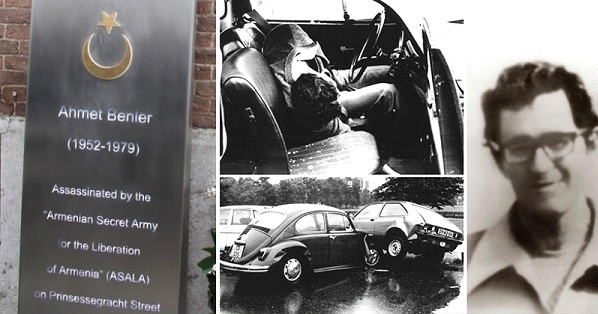 MARTYR DIPLOMATS
The Caucasus and Turkish-Armenian Relations
12.10.2016
MARTYR DIPLOMATS
The Caucasus and Turkish-Armenian Relations
12.10.2016
- PRESIDENT TO TRAVEL TO LONDON AND BRUSSELS The Balkans 12.10.2016
- TANAP CONSTRUCTION TO END BEFORE JULY 2018 The Caucasus and Turkish-Armenian Relations 12.10.2016
- TURKEY, IRAQ EDGING CLOSER TO CONFRONTATION AHEAD OF BATTLE FOR MOSUL Iraq 12.10.2016
-
25.01.2016
THE ARMENIAN QUESTION - BASIC KNOWLEDGE AND DOCUMENTATION -
12.06.2024
THE TRUTH WILL OUT -
27.03.2023
RADİKAL ERMENİ UNSURLARCA GERÇEKLEŞTİRİLEN MEZALİMLER VE VANDALİZM -
17.03.2023
PATRIOTISM PERVERTED -
23.02.2023
MEN ARE LIKE THAT -
03.02.2023
BAKÜ-TİFLİS-CEYHAN BORU HATTININ YAŞANAN TARİHİ -
16.12.2022
INTERNATIONAL SCHOLARS ON THE EVENTS OF 1915 -
07.12.2022
FAKE PHOTOS AND THE ARMENIAN PROPAGANDA -
07.12.2022
ERMENİ PROPAGANDASI VE SAHTE RESİMLER -
01.01.2022
A Letter From Japan - Strategically Mum: The Silence of the Armenians -
01.01.2022
Japonya'dan Bir Mektup - Stratejik Suskunluk: Ermenilerin Sessizliği -
03.06.2020
Anastas Mikoyan: Confessions of an Armenian Bolshevik -
08.04.2020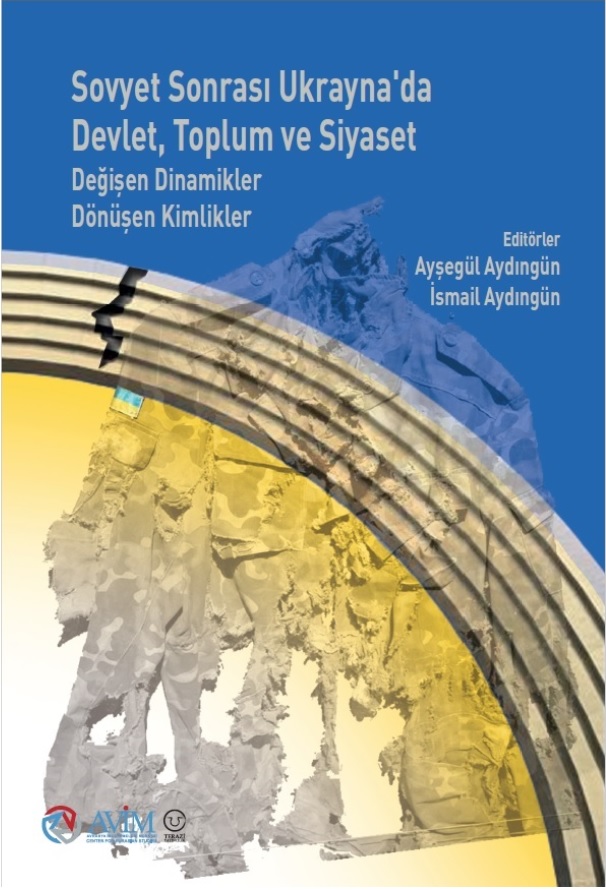
Sovyet Sonrası Ukrayna’da Devlet, Toplum ve Siyaset - Değişen Dinamikler, Dönüşen Kimlikler -
12.06.2018
Ermeni Sorunuyla İlgili İngiliz Belgeleri (1912-1923) - British Documents on Armenian Question (1912-1923) -
02.12.2016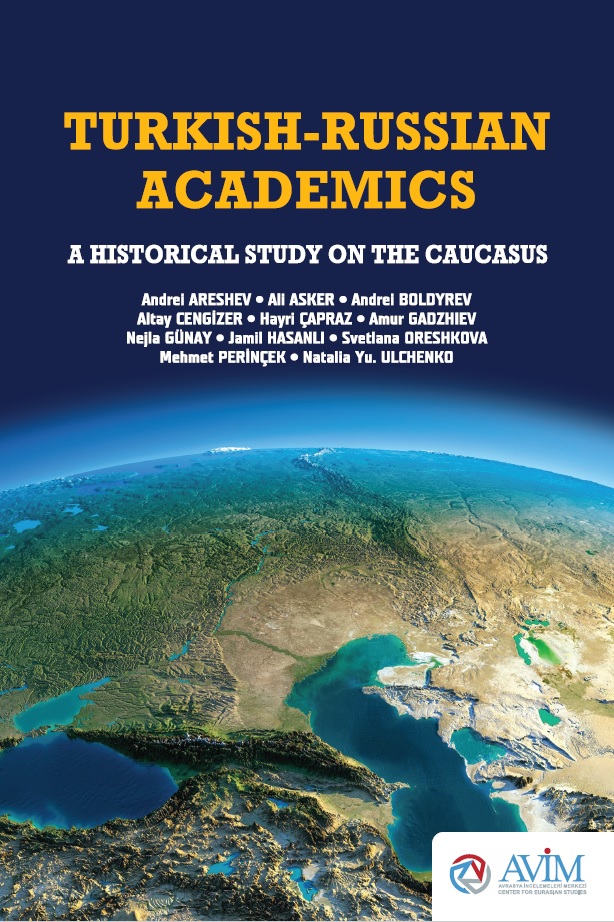
Turkish-Russian Academics: A Historical Study on the Caucasus -
01.07.2016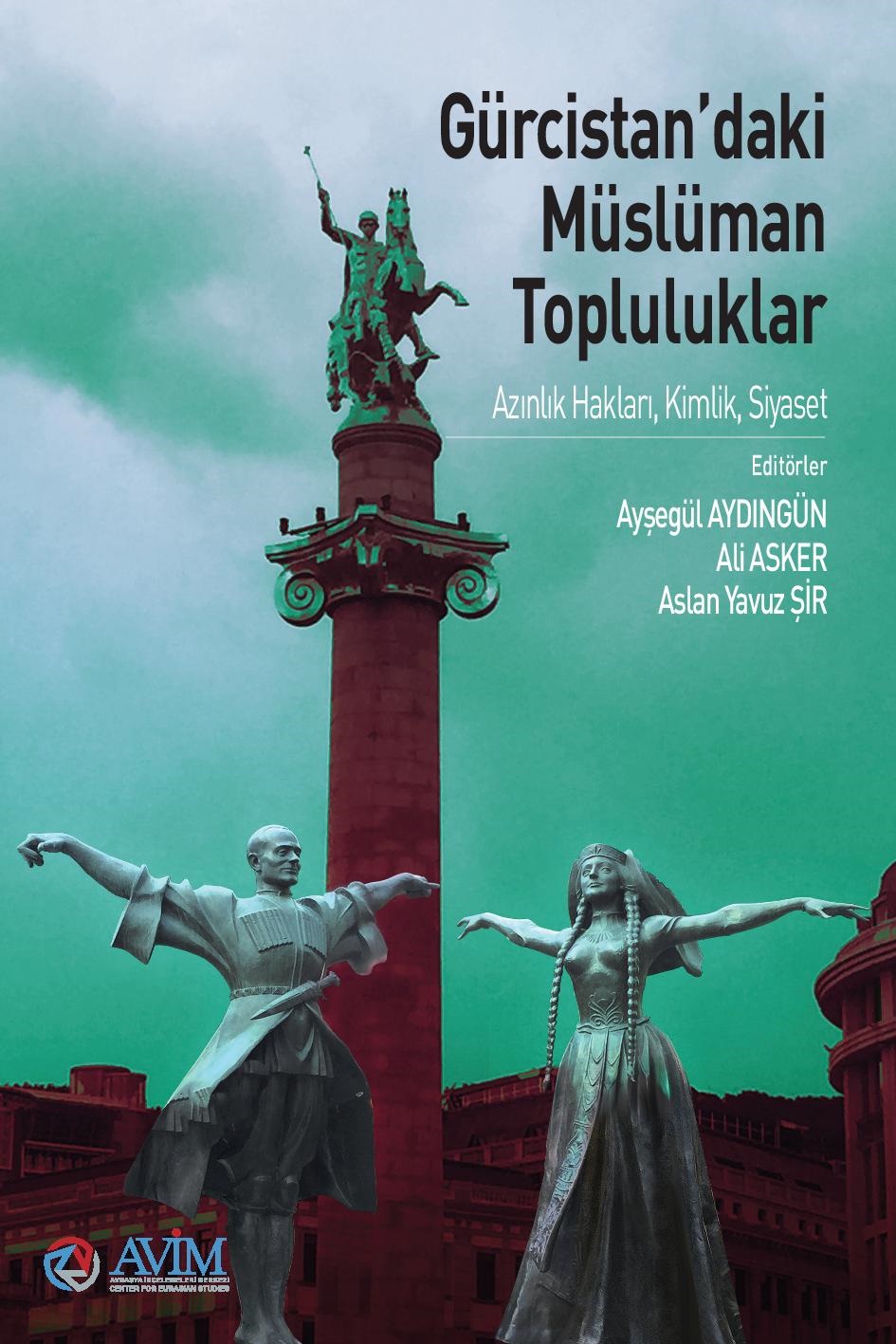
Gürcistan'daki Müslüman Topluluklar: Azınlık Hakları, Kimlik, Siyaset -
10.03.2016
Armenian Diaspora: Diaspora, State and the Imagination of the Republic of Armenia -
24.01.2016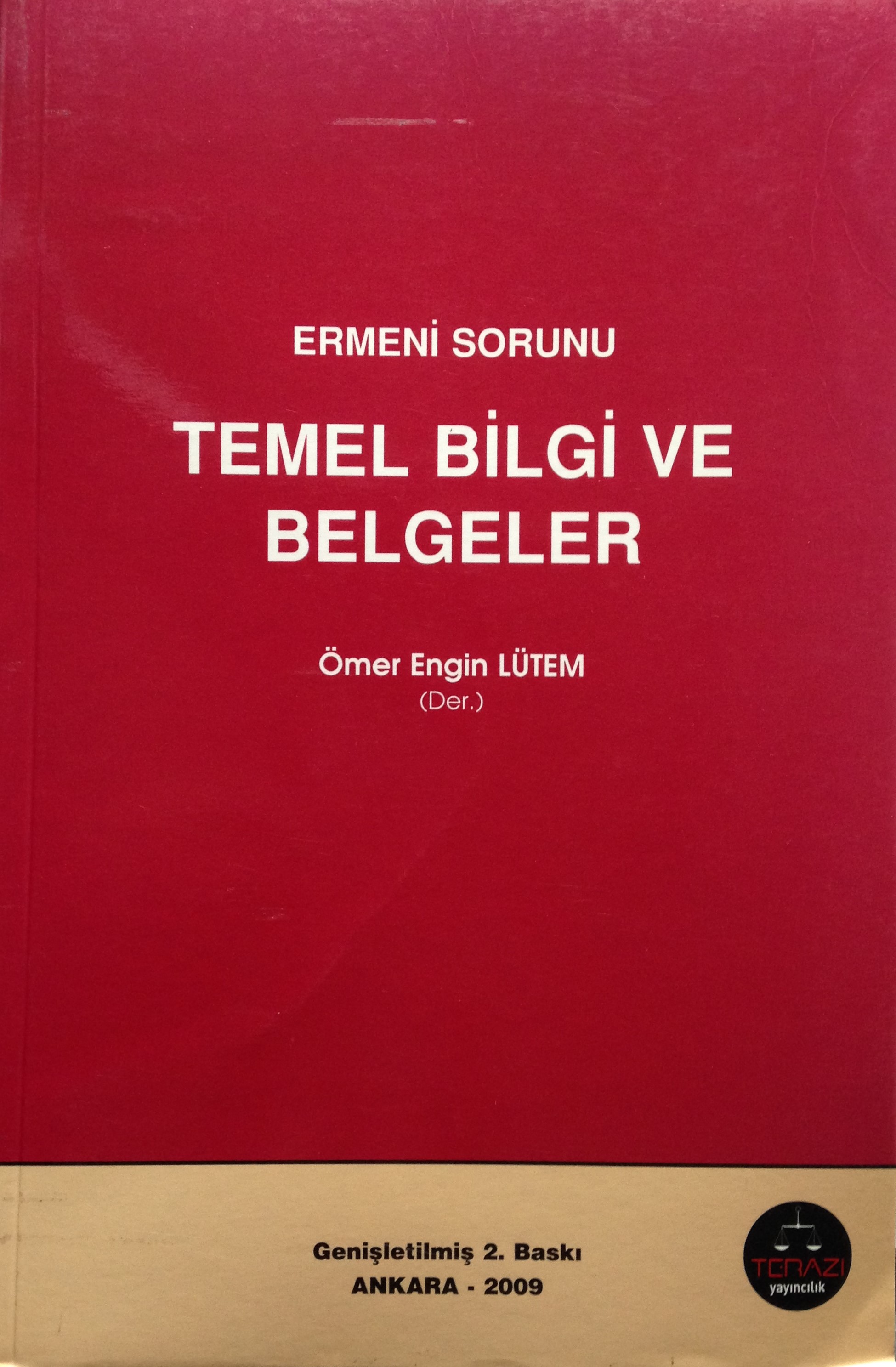
ERMENİ SORUNU - TEMEL BİLGİ VE BELGELER (2. BASKI)
-
AVİM Conference Hall 24.01.2023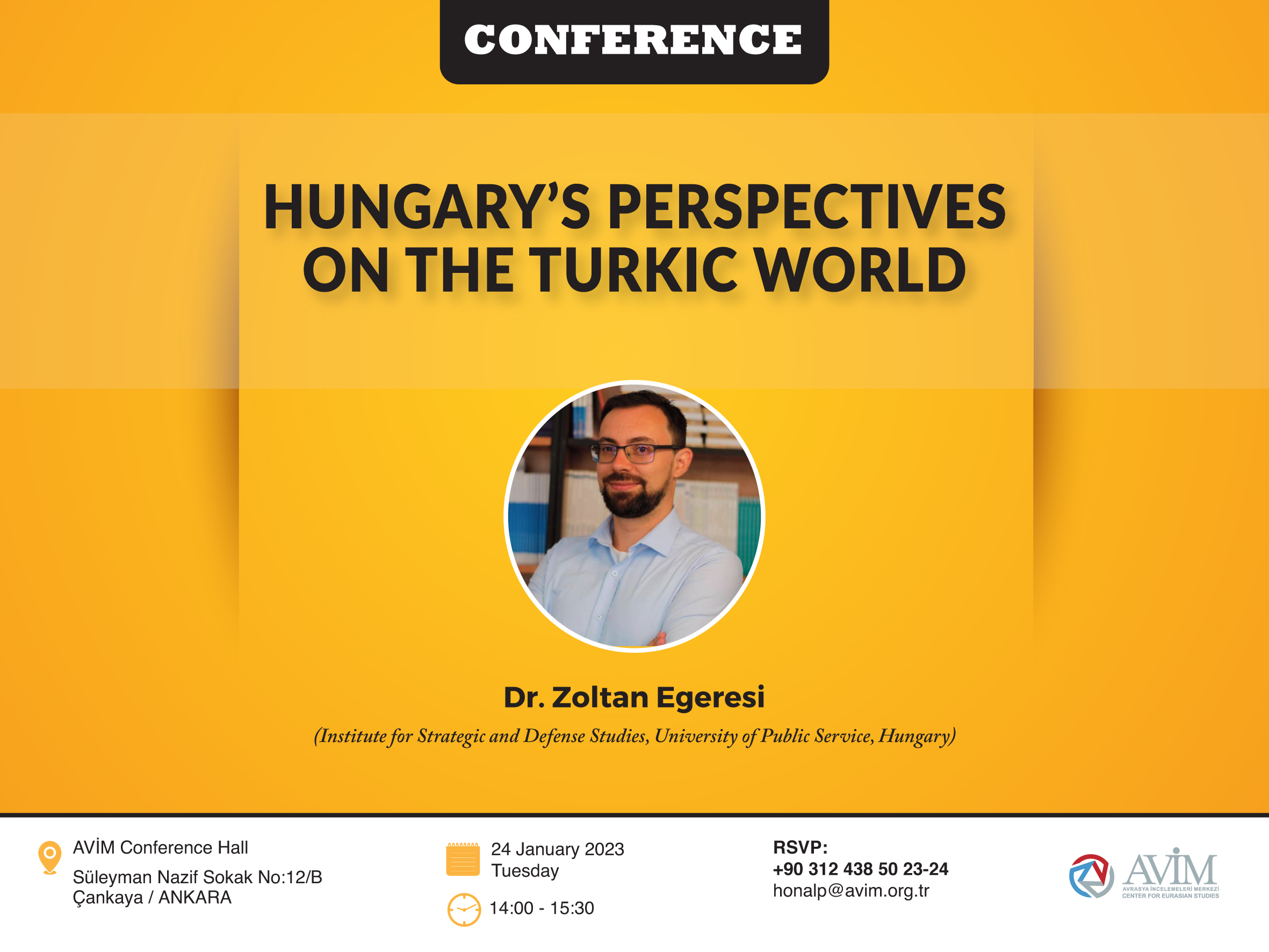
CONFERENCE TITLED “HUNGARY’S PERSPECTIVES ON THE TURKIC WORLD"