

















Trend News Agency (11 December 2019)
Some European leaders feel uncomfortable when they have to respond to President Erdogan's resolute or, as they see it, aggressive policies.
The recent NATO summit (and the events preceding it), where contradictions at the country level were sometimes projected on inter-Alliance relations, has revealed uncertainty of some members in wisdom of their own decisions, and jealousy, but most of all - fear of strong Turkey.
For instance, this was clearly evidenced by the reluctance of the participants to recognize the YPG-PYD as terrorist organizations and to provide political support to Ankara, despite the admission of some senior EU and NATO officials that Turkey is at the forefront of the fight against terrorism and protects the EU from illegal migration, and that no other NATO member has been subjected to more terrorist attacks, and has not taken as many refugees from Syria as Turkey.
The Kurdish (and Armenian) question has long been used by some European countries to weaken Turkey's influence in Europe and especially in the Middle East, and to pursue their own geopolitical and economic interests, although most of the ethnic Kurds oppose the use of the Kurdish issue against Turkey.
Half-truthful and toxic anti-Turkish propaganda in some European media outlets, ignoring Ankara's official position that Turkey is fighting the YPG/PYD terrorists, not the Kurdish people, only confirm this idea.
Сompare the two media headlines:
“Turkey launches military operation against YPG militants” and “Trump allowed Turkey to commit genocide against people who defeated ISIS”.
The same Operation Peace Spring, but what a different interpretation!
Erdogan gave a comprehensive response to his critics, saying that none of the countries blaming Turkey for its Syrian policy has a 900-kilometer border with Syria, much of which until recently was controlled by terrorist troops from the YPG/PYD.
Turkey has also broken the taboo on good relations with Russia. But to be consistent in this issue, we need to recall the construction of the “Nord Stream-2” pipeline to Germany, or President Macron who warmly embraced President Putin yesterday in front of the Elysee Palace prior to the meeting of the Normandy Quartet, or the words of the Polish President Andrzej Duda and NATO Secretary General Jens Stoltenberg that Russia should not be considered an enemy of NATO.
Turkey has been called a complex partner. However, it is only as complex as its interests are affected, especially in terms of national security.
The simplest explanation for the policy of his country was given by the Turkish president himself at a meeting with compatriots in London after the NATO summit: “Today's Turkey is a country that, without regard to anyone, conducts operations to ensure its national security and pursues independent foreign policy.”
To date, only Kremlin has realized and accepted this fact. Therefore, Russia quite reasonably enjoys its benefits regarding the relations of the two countries.
The White House is also aware of Turkey's value as a real contributor, not as a consumer in the Alliance.
Good relations between Turkey (as an important member of NATO) and Russia as an independent pole of power, can be considered by Washington not as a handicap, but as a tool for rapprochement with Russia in order to jointly confront not fictional (strategy of containing Russia in Eastern Europe), but real threats (terrorism, cyber-attacks, non-proliferation, proxy wars, etc.).
https://en.trend.az/other/commentary/3161652.html
No comments yet.
- UK ELECTION: WHAT ARE THE BIG ISSUES? Europe - EU 12.12.2019
- DOES EU HAVE ROLE IN STOPPING BACKSLIDING IN GEORGIA? The Caucasus and Turkish-Armenian Relations 12.12.2019
- GERMAN ARMS COMPANIES ACCUSED OF AIDING WAR CRIMES IN YEMEN Europe - EU 12.12.2019
-
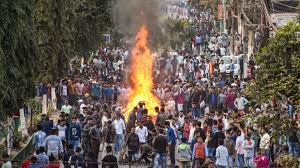 DIVISIVE LAW, INDIA EXCLUDES MUSLIMS: HOW FOREIGN MEDIA REACTED TO CITIZENSHIP BILL
Asia - Pacific
12.12.2019
DIVISIVE LAW, INDIA EXCLUDES MUSLIMS: HOW FOREIGN MEDIA REACTED TO CITIZENSHIP BILL
Asia - Pacific
12.12.2019
- ARCHBISHOP ARAM ATESHIAN CONGRATULATES NEW ARMENIAN PATRIARCH OF CONSTANTINOPLE The Caucasus and Turkish-Armenian Relations 12.12.2019
-
25.01.2016
THE ARMENIAN QUESTION - BASIC KNOWLEDGE AND DOCUMENTATION -
12.06.2024
THE TRUTH WILL OUT -
27.03.2023
RADİKAL ERMENİ UNSURLARCA GERÇEKLEŞTİRİLEN MEZALİMLER VE VANDALİZM -
17.03.2023
PATRIOTISM PERVERTED -
23.02.2023
MEN ARE LIKE THAT -
03.02.2023
BAKÜ-TİFLİS-CEYHAN BORU HATTININ YAŞANAN TARİHİ -
16.12.2022
INTERNATIONAL SCHOLARS ON THE EVENTS OF 1915 -
07.12.2022
FAKE PHOTOS AND THE ARMENIAN PROPAGANDA -
07.12.2022
ERMENİ PROPAGANDASI VE SAHTE RESİMLER -
01.01.2022
A Letter From Japan - Strategically Mum: The Silence of the Armenians -
01.01.2022
Japonya'dan Bir Mektup - Stratejik Suskunluk: Ermenilerin Sessizliği -
03.06.2020
Anastas Mikoyan: Confessions of an Armenian Bolshevik -
08.04.2020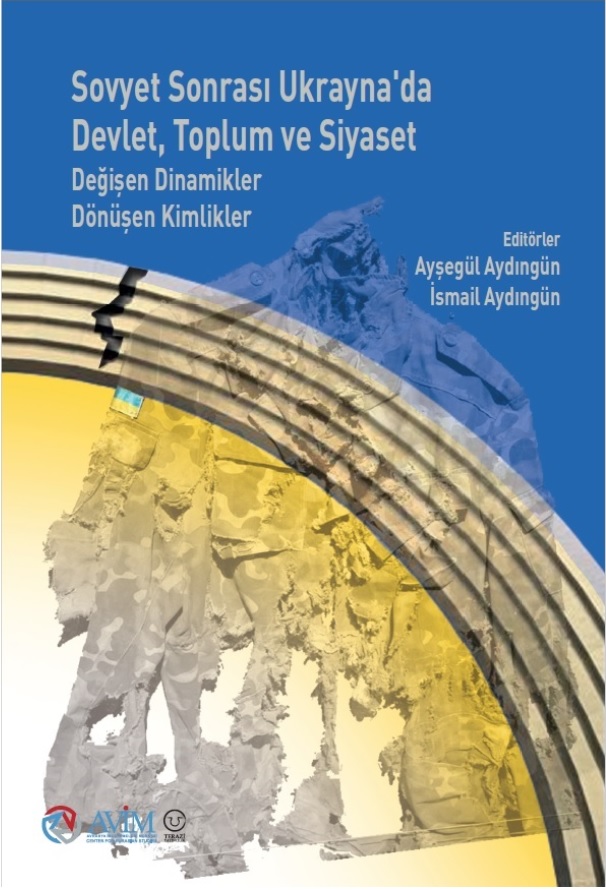
Sovyet Sonrası Ukrayna’da Devlet, Toplum ve Siyaset - Değişen Dinamikler, Dönüşen Kimlikler -
12.06.2018
Ermeni Sorunuyla İlgili İngiliz Belgeleri (1912-1923) - British Documents on Armenian Question (1912-1923) -
02.12.2016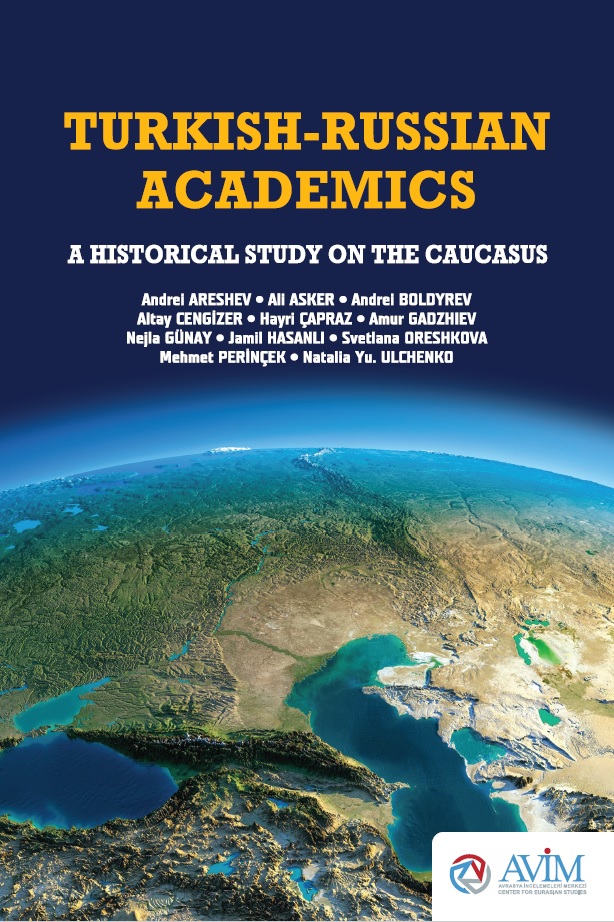
Turkish-Russian Academics: A Historical Study on the Caucasus -
01.07.2016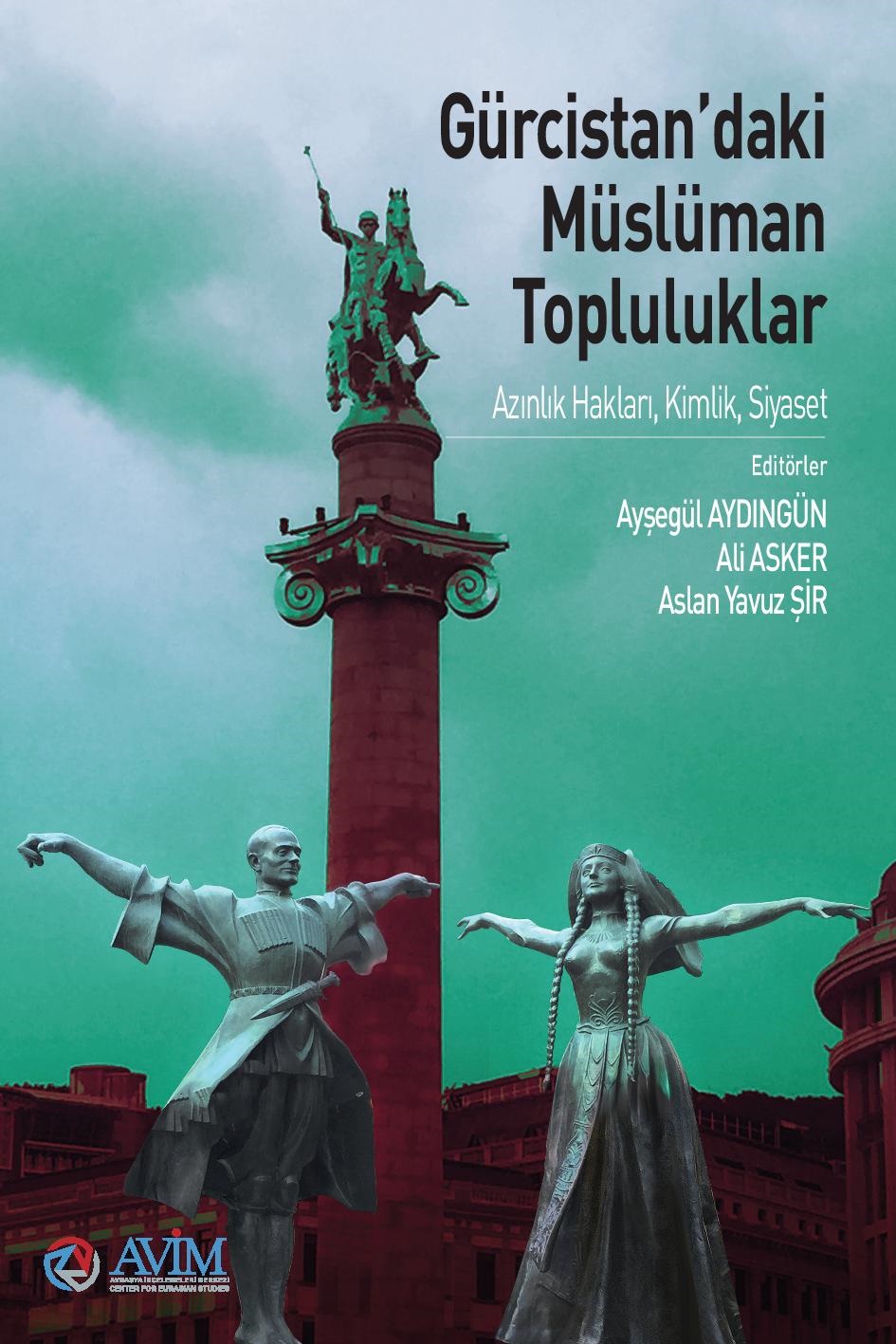
Gürcistan'daki Müslüman Topluluklar: Azınlık Hakları, Kimlik, Siyaset -
10.03.2016
Armenian Diaspora: Diaspora, State and the Imagination of the Republic of Armenia -
24.01.2016
ERMENİ SORUNU - TEMEL BİLGİ VE BELGELER (2. BASKI)
-
AVİM Conference Hall 24.01.2023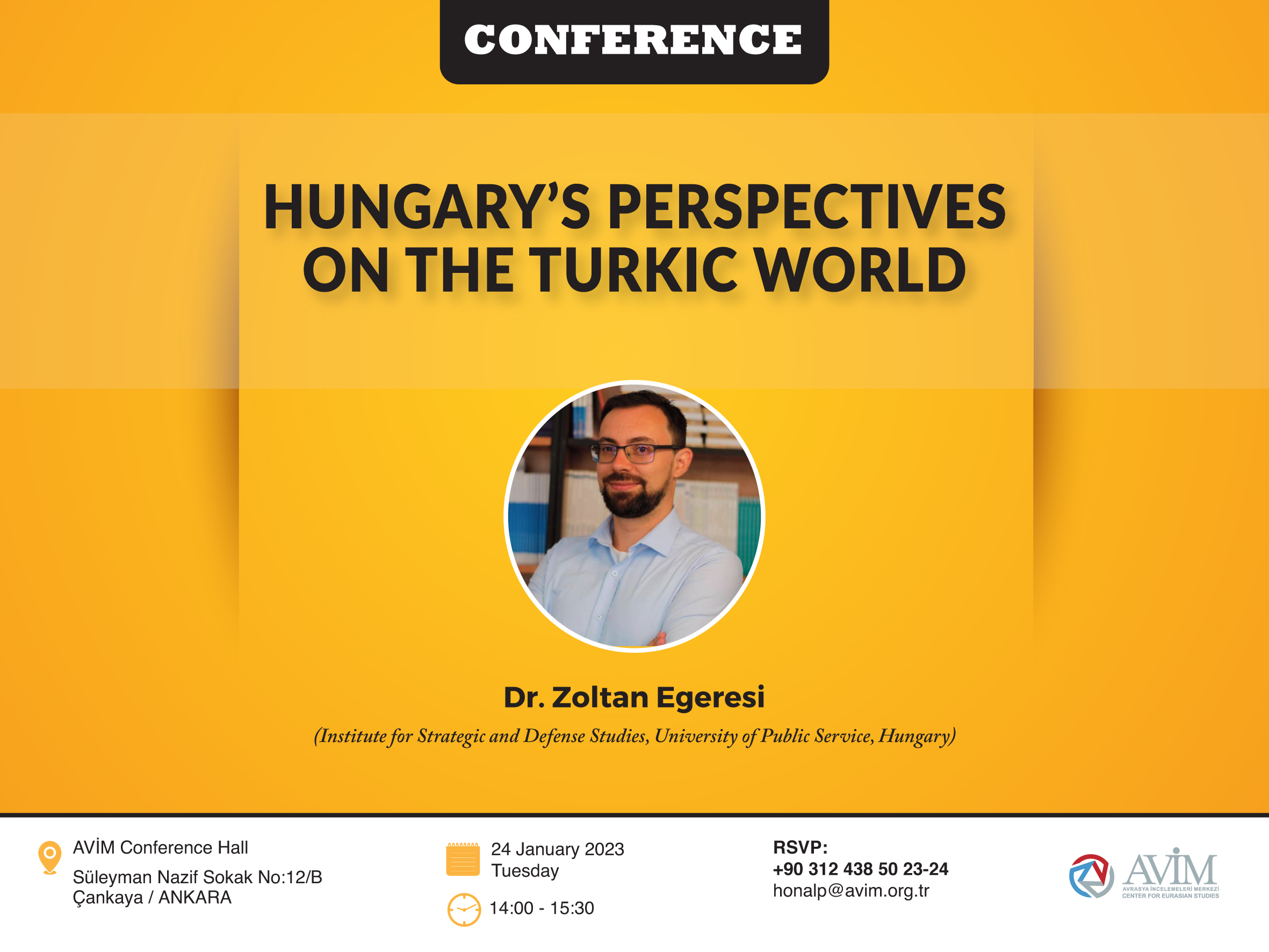
CONFERENCE TITLED “HUNGARY’S PERSPECTIVES ON THE TURKIC WORLD"