

















Washington Post, 22 Oct 2017
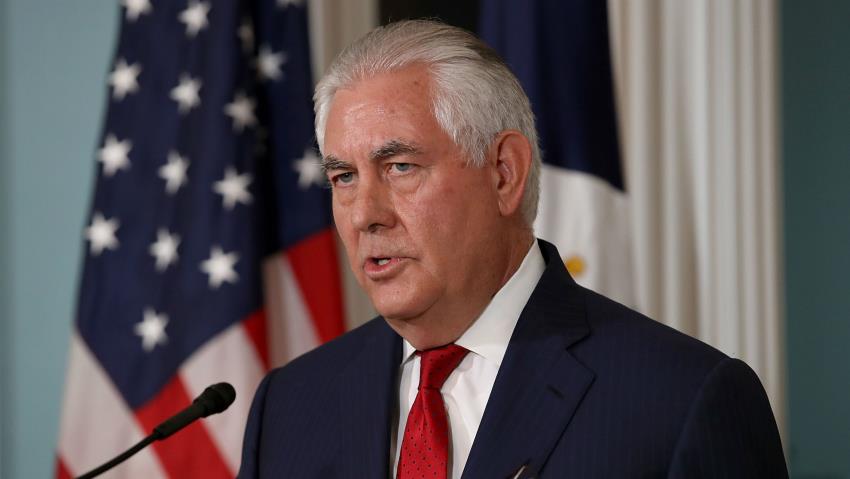
Secretary of State Rex Tillerson on Sunday urged Iranian-backed militias in Iraq to “go home,” and warned European companies doing business with the Revolutionary Guard in Iran that they could face “great risk” from sanctions.
Shiite militias mostly composed of Iraqi citizens but backed by Iran were instrumental in helping the Iraqi army drive the Islamic State from Mosul and other strongholds in Iraq. There have been reports of Iranian advisers among them. Tillerson said they have no business being on the battlefield now that the Islamic State has been routed.
“Certainly, Iranian militias that are in Iraq, now that the fight against Daesh and ISIS is coming to a close, those militias need to go home,” Tillerson said at a news conference with Saudi Foreign Minister Adel al-Jubeir, using other common acronyms for the Islamic State. “Any foreign fighters in Iraq need to go home, and allow the Iraqi people to rebuild their lives with the help of their neighbors.”
A senior U.S. official indicated Tillerson was referring to the Iranian-backed Popular Mobilization Forces and the Quds Force of the Islamic Revolutionary Guard Corps.
“The position of the Iraqi government and the position of our government is that there should be a single Iraqi security force answerable to the Iraqi state,” said the official, speaking on condition of anonymity to a pool reporter in Riyadh, Saudi Arabia. The ideal, he added, is that the militia fighters either “go home or they integrate into the Iraqi security forces.”
Iran’s broad and growing influence in the region dominated Tillerson’s public comments Sunday, though he covered a wide range of issues in his talks with Saudi officials. He hailed the budding new relationship between Baghdad and Riyadh, saying he hopes closer ties between the two countries pave the way for a stronger Iraq that can counter Iranian influence.
“We do seek to support, as does the kingdom of Saudi Arabia, a whole of Iraq, that is secure and stable and has the ability to stand on its own,” he said. “We believe this will in some ways counter some of the unproductive influences of Iran inside Iraq.”
In other remarks designed to send a message to Tehran, Tillerson also advised European businesses that they should avoid investing in businesses linked to the Islamic Revolutionary Guard Corps, which is involved in many parts of Iran’s economy.
“Those who conduct business with the Iranian Revolutionary Guards, or any of their entities, European companies or other companies around the globe, really do so at great risk,” Tillerson said.
The threat of more sanctions is one of the most potent weapons for undercutting Iran and the 2015 nuclear deal. The potential for Iran to rejoin the world economy and improve its fortunes was the main reason Iran agreed to limit its nuclear program in the landmark agreement with six world powers, including the United States. But the Trump administration is taking a more aggressive stance toward a country it considers a malign actor in the region, largely because of actions not addressed in the nuclear deal.
In Riyadh, Tillerson attended the inauguration of the Saudi-Iraqi Coordination Council. Iraqi Prime Minister Haider al-Abadi called the council an “important step toward enhancing relations.”
“We are facing in our region serious challenges in the form of extremism, terrorism as well as attempts to destabilize our countries,” said Saudi King Salman. “These attempts require our full attention.”
Tillerson praised other small milestones in the improving relations, such as the recent opening of a border crossing and direct flights between Riyadh and Baghdad. He said the new council can boost cooperation in the fight against the Islamic State and help with the rebuilding of infrastructure in areas liberated from the militants.
“Your growing relationship between the Kingdom and Iraq is vital to bolstering our collective security and prosperity, and we take great interest in it, " Tillerson said before the agreement establishing the council was signed.
Tillerson also talked with Saudi officials about the ongoing war in Yemen, where Saudi-led airstrikes have killed thousands of people over the past three years. The vast majority have been civilians.
Tillerson also is trying to revive hopes of ending an economic embargo that four Arab countries have imposed on Qatar since June. Saudi Arabia, the United Arab Emirates, Bahrain and Egypt contend Qatar finances terrorism, interferes in their domestic affairs and is too friendly with Iran. Doha denies the allegations and has accused Saudi Arabia of violating Qatari sovereignty and attempting to engineer a change of power.
Tillerson came to the region in June in an unsuccessful attempt to end the diplomatic row, which the United States believes could imperil the fight against the Islamic State. Qatar is home to the largest U.S. military base in the Middle East, with 11,000 troops stationed there.
Last month, after publicly showing sympathy for Saudi Arabia’s stance, President Trump offered to mediate the dispute, predicting “you'd have a deal worked out very quickly.” But with the prolonged squabble at a stalemate, Tillerson has chided the Saudi-led bloc of countries, saying they are unwilling to sit down and negotiate as Qatar has offered to do. Tillerson has expressed pessimism that a breakthrough could be imminent.
No comments yet.
- KAZAKHSTAN HOSTS CSTO UNBREAKABLE BROTHERHOOD 2017 EXERCISES Asia - Pacific 23.10.2017
-
TILLERSON TELLS IRANIAN MILITIAS IN IRAQ TO ‘GO HOME’
Iraq
23.10.2017
- ARMENIAN-AZERBAIJANI NEGOTIATIONS: THE WAY TO PEACE OR WAR The Caucasus and Turkish-Armenian Relations 23.10.2017
- HUDSON'S BAY REASSURES GERMAN WORKERS AFTER KAUFHOF CEO QUITS Europe - EU 23.10.2017
- ARMENIAN PROVOCATION LEAVES ONE DEAD, AZERBAIJAN SAYS The Caucasus and Turkish-Armenian Relations 23.10.2017
-
25.01.2016
THE ARMENIAN QUESTION - BASIC KNOWLEDGE AND DOCUMENTATION -
12.06.2024
THE TRUTH WILL OUT -
27.03.2023
RADİKAL ERMENİ UNSURLARCA GERÇEKLEŞTİRİLEN MEZALİMLER VE VANDALİZM -
17.03.2023
PATRIOTISM PERVERTED -
23.02.2023
MEN ARE LIKE THAT -
03.02.2023
BAKÜ-TİFLİS-CEYHAN BORU HATTININ YAŞANAN TARİHİ -
16.12.2022
INTERNATIONAL SCHOLARS ON THE EVENTS OF 1915 -
07.12.2022
FAKE PHOTOS AND THE ARMENIAN PROPAGANDA -
07.12.2022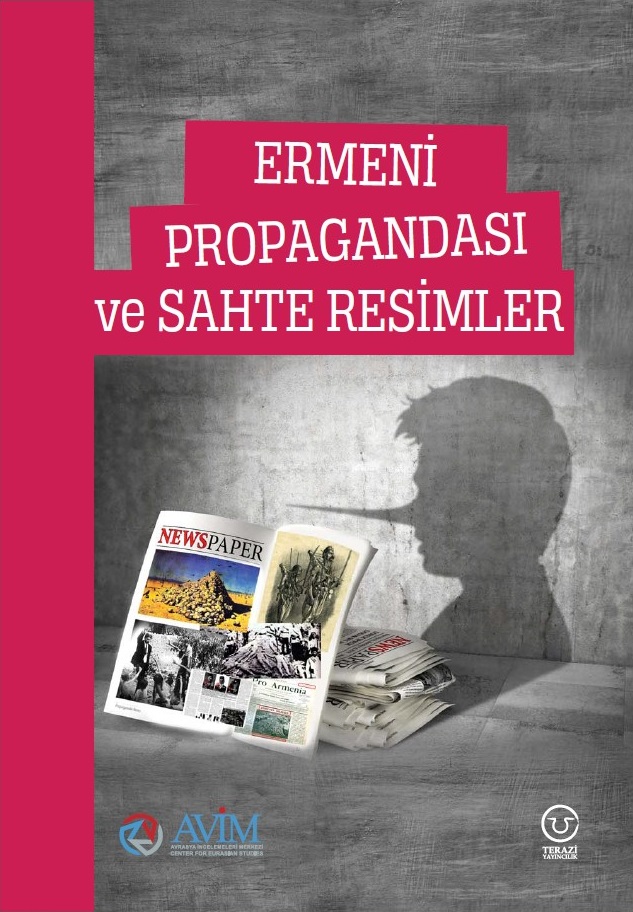
ERMENİ PROPAGANDASI VE SAHTE RESİMLER -
01.01.2022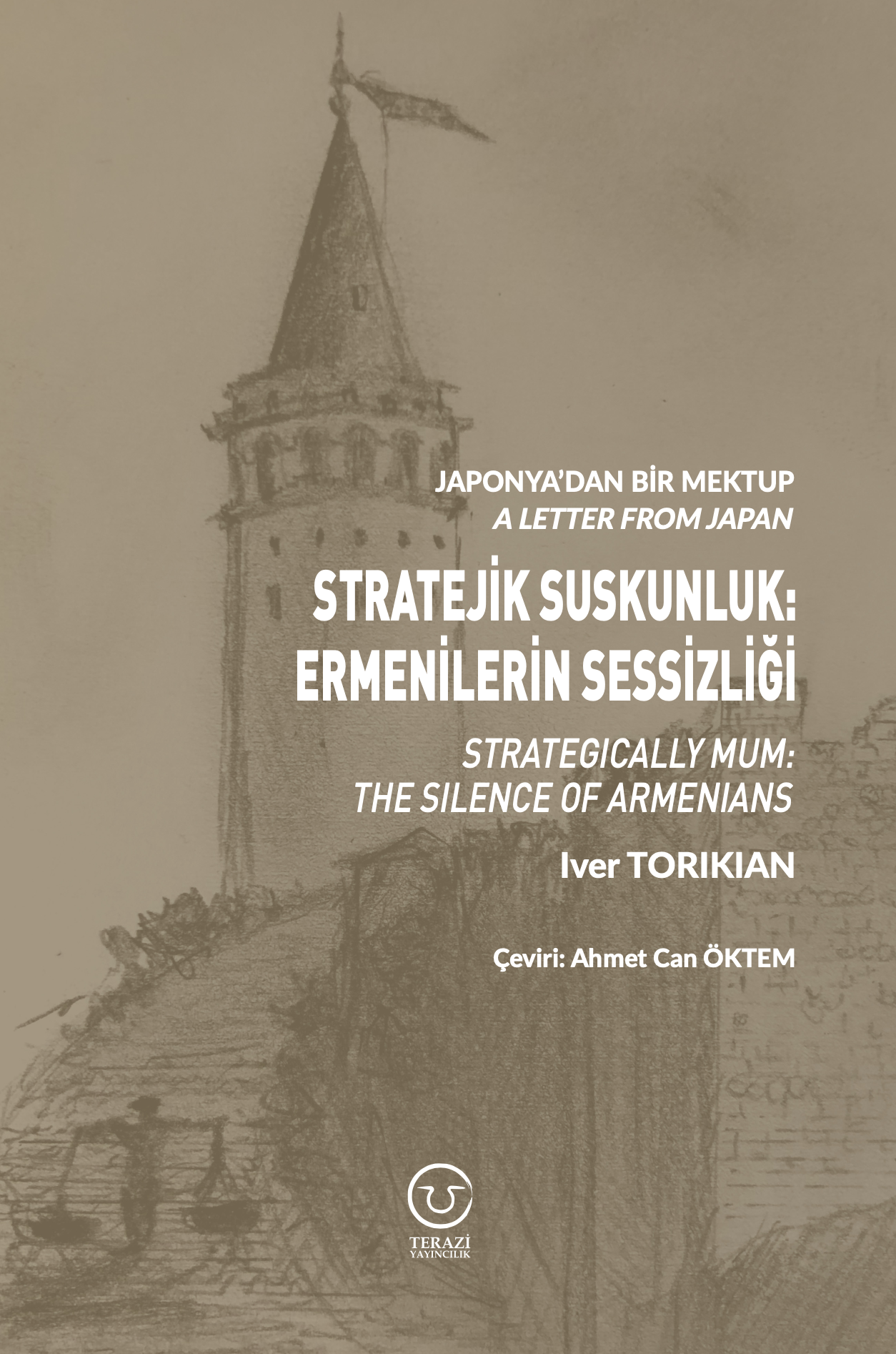
A Letter From Japan - Strategically Mum: The Silence of the Armenians -
01.01.2022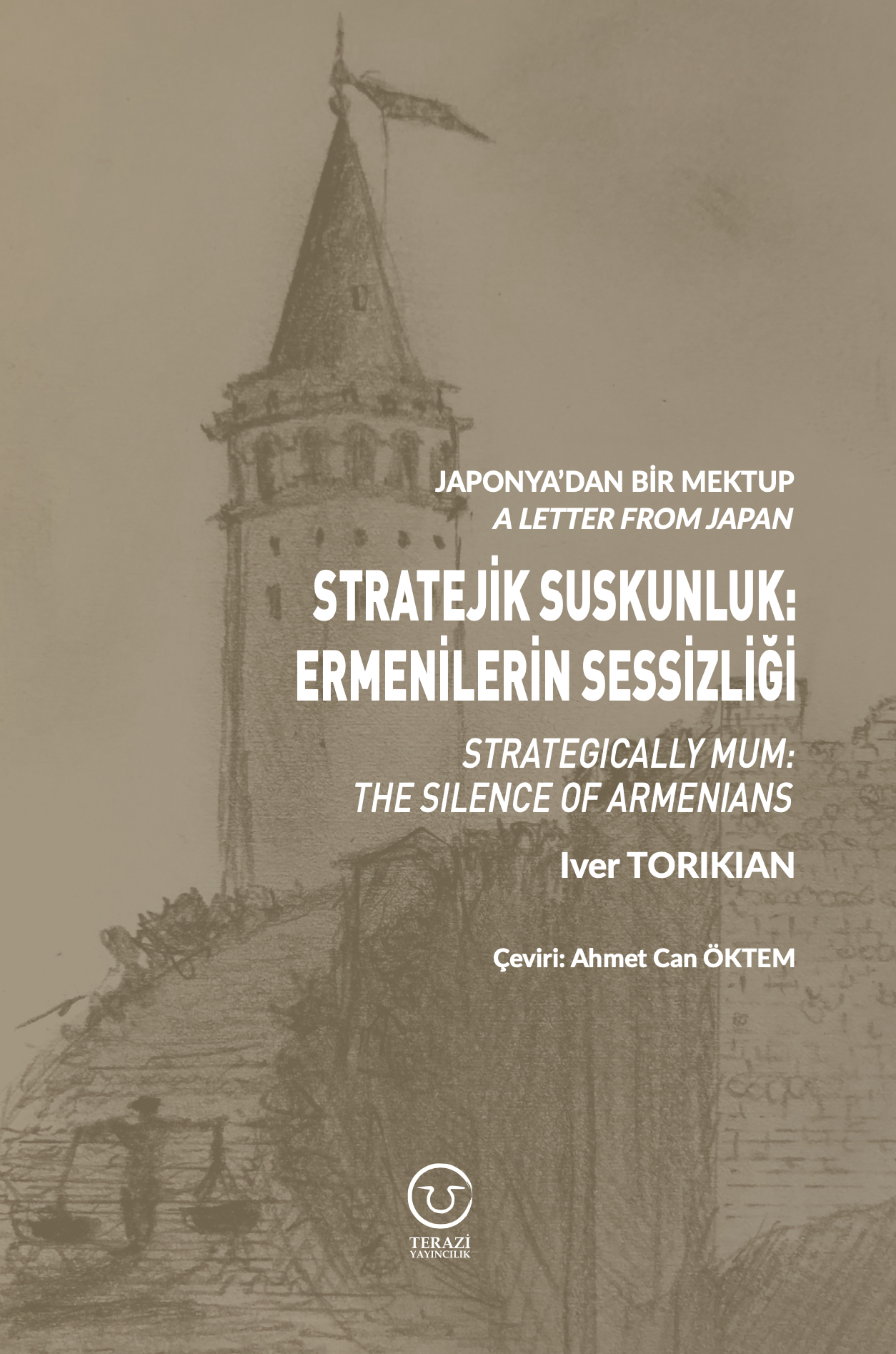
Japonya'dan Bir Mektup - Stratejik Suskunluk: Ermenilerin Sessizliği -
03.06.2020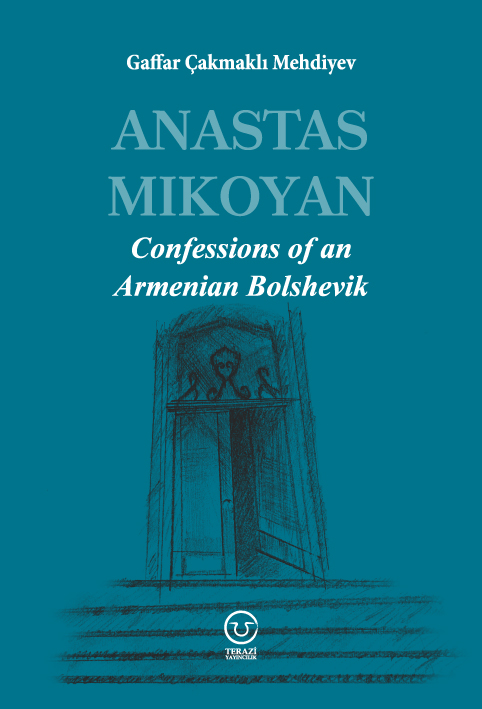
Anastas Mikoyan: Confessions of an Armenian Bolshevik -
08.04.2020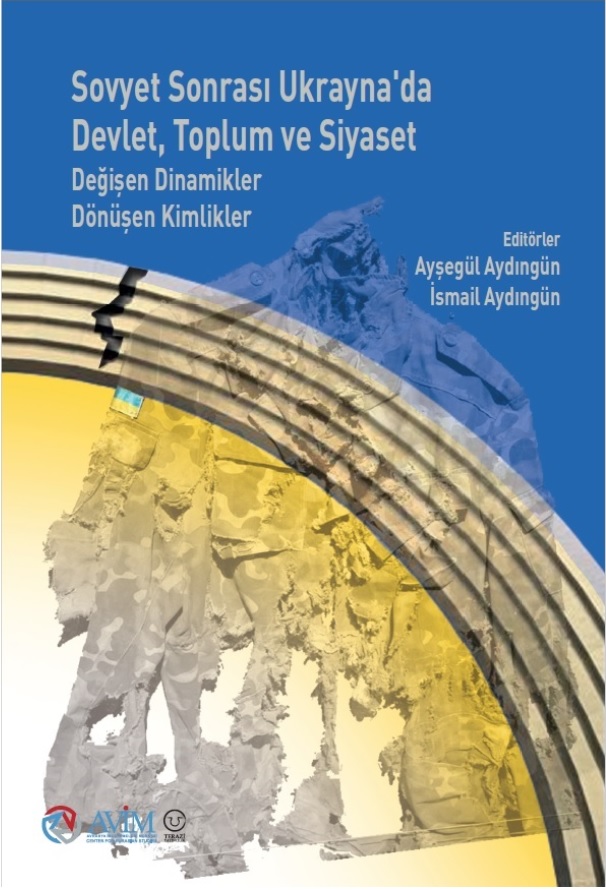
Sovyet Sonrası Ukrayna’da Devlet, Toplum ve Siyaset - Değişen Dinamikler, Dönüşen Kimlikler -
12.06.2018
Ermeni Sorunuyla İlgili İngiliz Belgeleri (1912-1923) - British Documents on Armenian Question (1912-1923) -
02.12.2016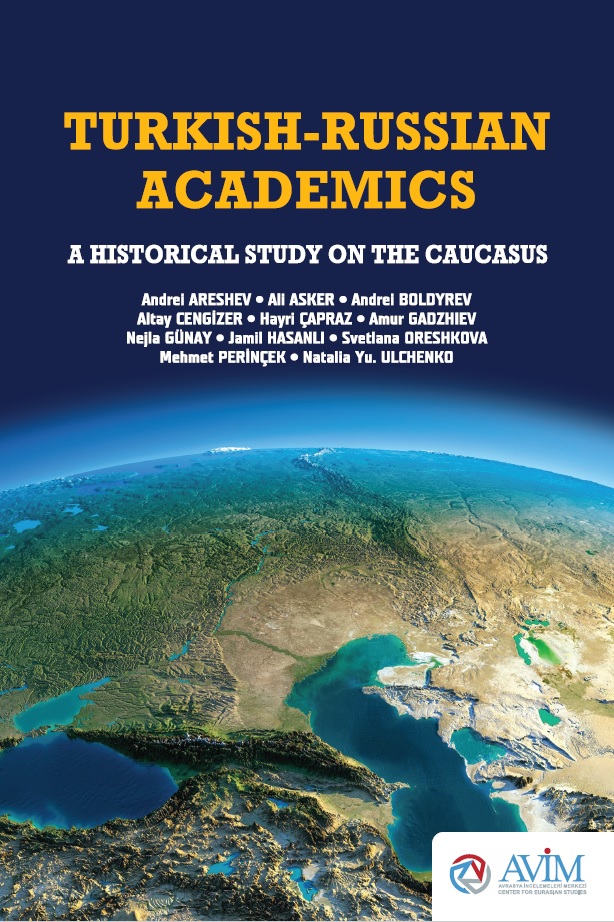
Turkish-Russian Academics: A Historical Study on the Caucasus -
01.07.2016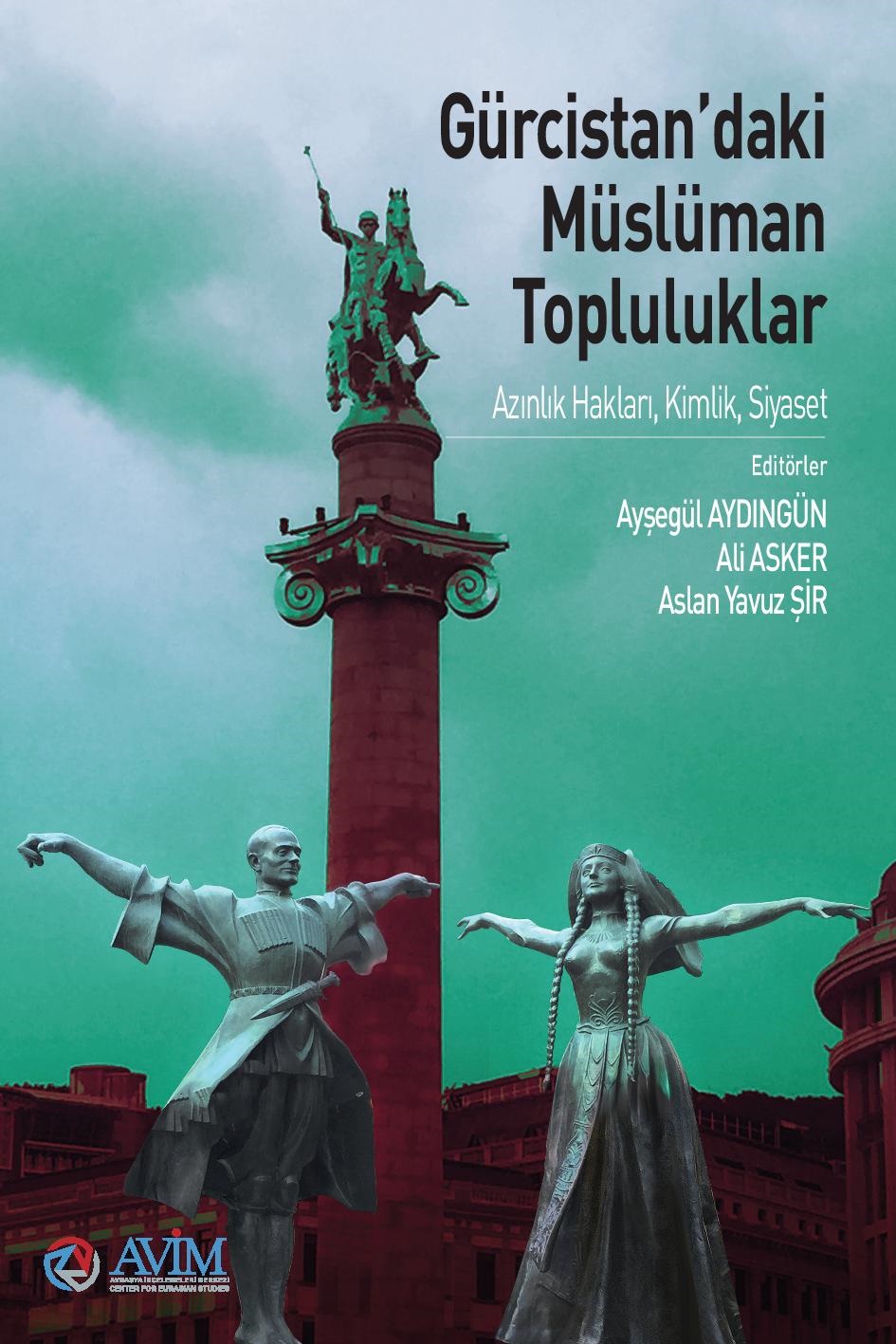
Gürcistan'daki Müslüman Topluluklar: Azınlık Hakları, Kimlik, Siyaset -
10.03.2016
Armenian Diaspora: Diaspora, State and the Imagination of the Republic of Armenia -
24.01.2016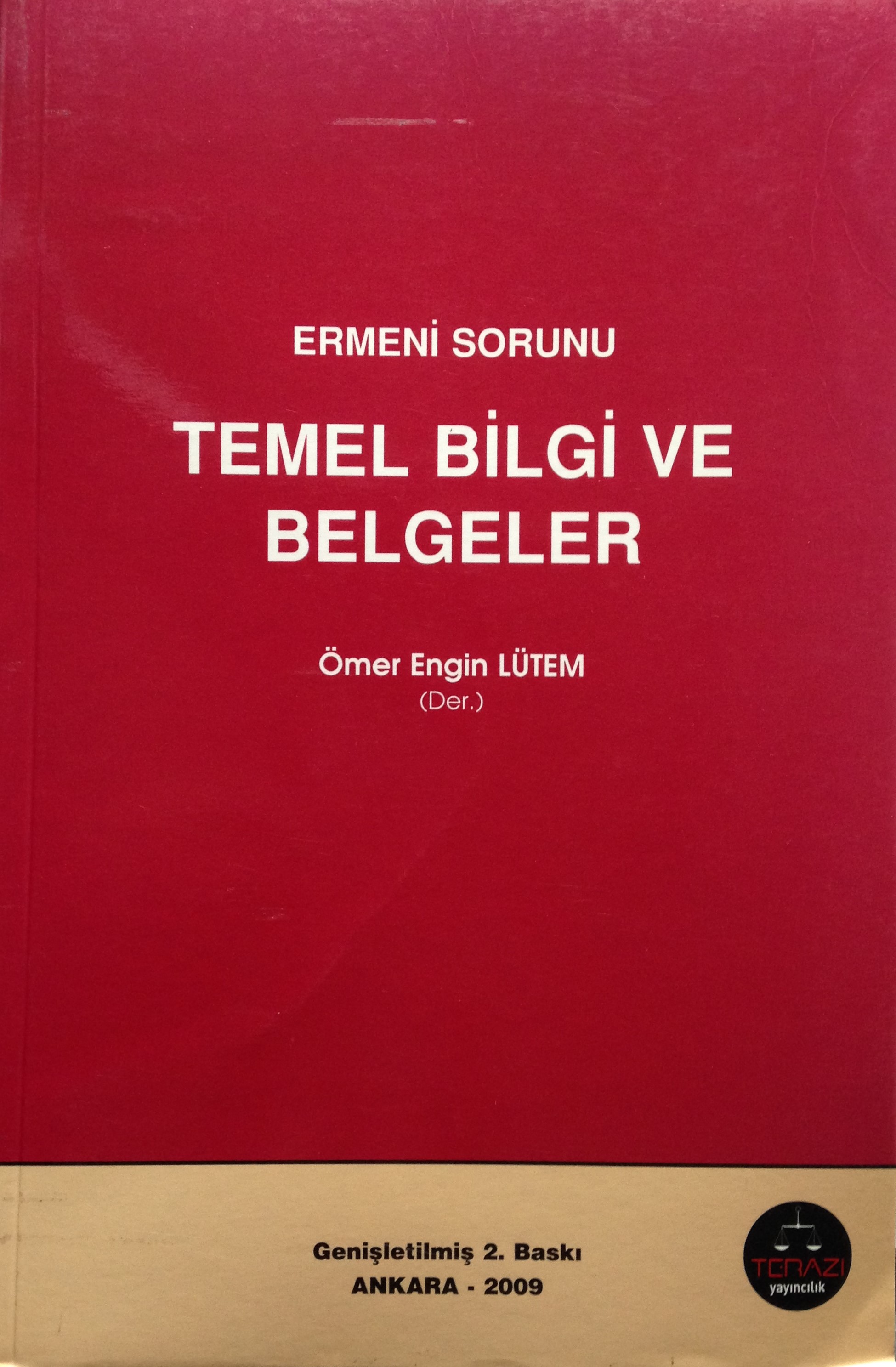
ERMENİ SORUNU - TEMEL BİLGİ VE BELGELER (2. BASKI)
-
AVİM Conference Hall 24.01.2023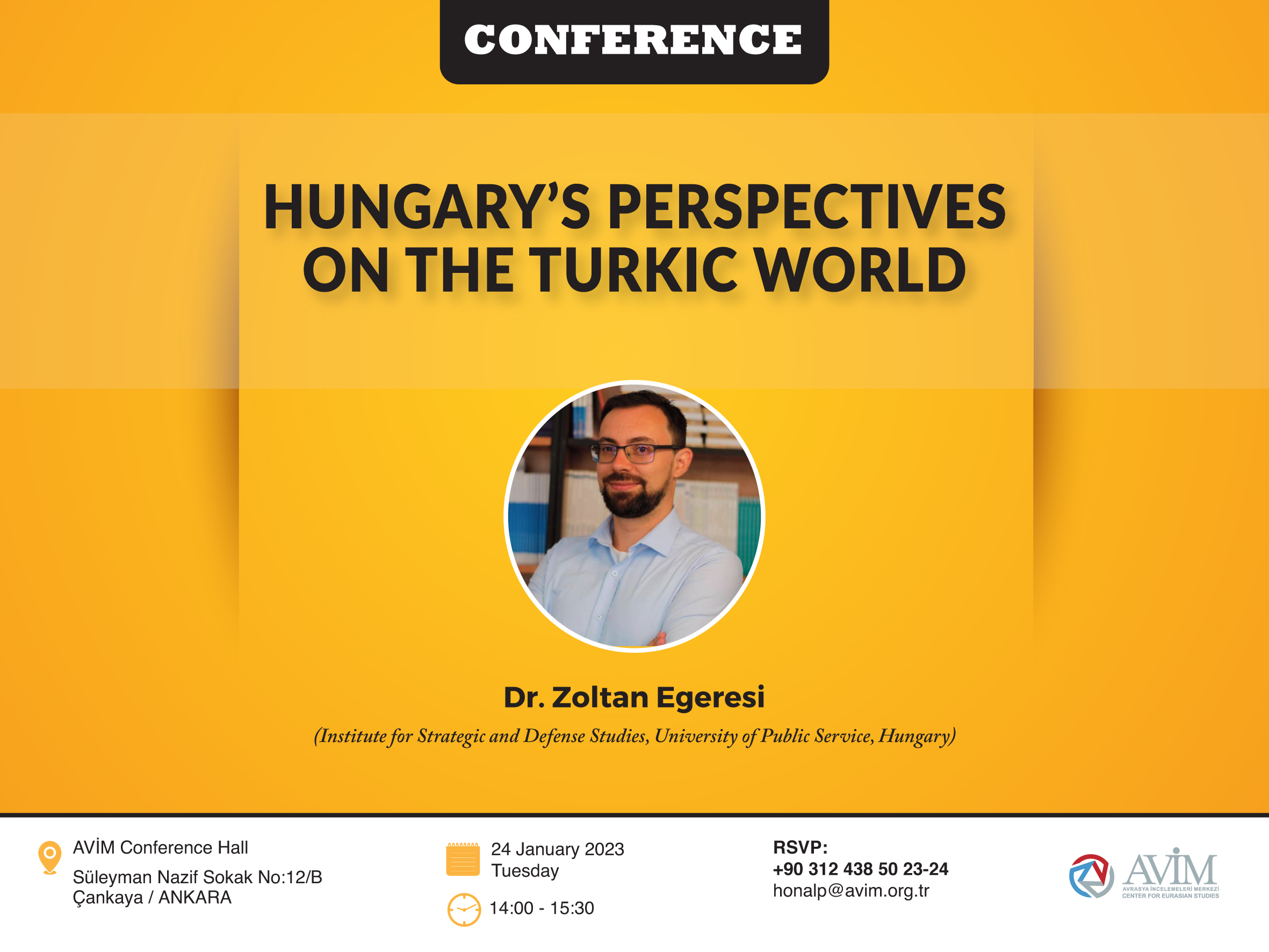
CONFERENCE TITLED “HUNGARY’S PERSPECTIVES ON THE TURKIC WORLD"