

















05.11.2014
EU Observer
BY SYLVANA KOLACZKOWSKA AND ZSELYKE CSAKY
BRUSSELS - The fall of the Berlin Wall 25 years ago this week swept away the most glaring gaps in political and economic opportunity between Western and East Central Europe.
As distinctions between “old” and “new” Europe blur, the declining health of democracy in the continent’s postcommunist frontier states threatens both democratic values and the security of the region.
In Hungary, the idea of “failed transition”- that Hungary’s shift to democracy after 1989 was unsuccessful and incomplete - has served as the pretext for wide-ranging reforms that consolidate authority in the hands of Viktor Orban’s Fidesz party.
Orban’s unsettling accomplishments since 2010 include the creation of a media oversight commission whose government appointees have far-reaching powers to regulate electronic and print media; a new constitution adopted in a rushed, nontransparent process; and new electoral legislation that ensured the survival of Orban’s two-thirds parliamentary supermajority.
By now, the Fidesz-led coalition dominates most major decision-making bodies and the government has full control over all but a few independent institutions.
Earlier this year, Orban laid out a vision of Hungary as an “illiberal nation state,” citing Russia, China, and Turkey as models. With the exception of a few minor legal concessions, Orban’s response to four years of escalating domestic and international criticism has been a corresponding increase in “revolutionary” rhetoric, accompanied by new restrictions.
In Slovakia, Prime Minister Robert Fico has also harnessed the reactionary zeitgeist of post-crisis Europe, pushing back against EU-mandated austerity measures and speaking out against anti-Russia sanctions after the annexation of Crimea.
Meanwhile, the opposition is being boxed out of political decision-making and politicised appointments continue in the judiciary. Sme, the country’s leading opposition-oriented daily, was recently purchased by a company involved in the biggest corruption scandal in independent Slovakia’s history.
Oligarchisation of media ownership
Media ownership and the influence of tycoons with murky connections has been a problem in the Czech Republic, as well. In June 2013, billionaire and Finance Minister Andrej Babis purchased the MAFRA publishing house, which puts out two of the country’s most influential dailies, raising concerns of self-censorship and “oligarchisation.” Babis has also acquired the country’s most popular radio station.
In Romania and Bulgaria, the many positive changes since EU accession are increasingly offset by institutionalised corruption and politicised judicial bodies, both linked to the influence of oligarchs.
Romania’s anticorruption office has pursued arrests and convictions in high-profile corruption cases, but other developments - such as an attempt to decriminalise graft in parliament in 2013 - raise questions about the political class’s long-term commitment to clean living.
In Bulgaria, institutional problems have been exacerbated by the fragility of recent governments - four cabinets in the last two years - as well as organised crime and Russia’s growing interest in the country’s potential as an export route for Russian energy.
Poland may end 2014 on a high note, as the most outspoken and committed champion of Ukrainian democracy and the home of the European Council’s first Central European president. But there are serious problems here, too, including media that are increasingly polarised and unprofessional and endemic government corruption, often made public via leaked tapes rather than by formal investigations.
The forces of civil society
Democratisation efforts in post-communist Europe have thus reached an unstable plateau, further threatened by Europe’s protracted economic crisis. As in much of Western Europe, prolonged public dissatisfaction has bred support for populist demagogues, who exploit wedge issues like immigration, the rights of religious or sexual minorities, and abortion.
Faced with Russia’s re-emergence as an unambiguous enemy of liberal reform and European integration, Europe’s democracies - both old and new - must work harder than ever to reinforce the liberal democratic practices and institutions that bind them.
In particular, democracies must come together to support civil society in the former communist sphere.
The success of protests in Hungary in the face of the Orban government’s recent efforts to impose an internet tax is a vivid reminder that movements of engaged citizens stand as a bulwark against the authoritarianism, especially in societies where opposition political parties are weak.
The forces of civil society are the contemporary versions of the workers who formed Poland’s Solidarity trade union and the artists and writers who were the backbone of Czechoslovakia’s Velvet Revolution.
While the challenges facing today’s democracy advocates are less daunting that those that confronted Vaclav Havel and Lech Walesa, the threats to pluralism, honest government, and civil rights remain very real.
Sylvana Kolaczkowska is director of Nations in Transit, Freedom House’s annual survey of post-Communist democratic governance. Zselyke Csaky is a research analyst for Nations in Transit.
No comments yet.
- UKRAINIAN PRESIDENT VOWS TO SEND MORE TROOPS TO EASTERN REGION Europe - EU 04.11.2014
- SAUDI ARABIA VOWS TO REOPEN BAGHDAD MISSION: IRAQ FM Iraq 04.11.2014
- IMF PREDICTS ECONOMICS SLOWDOWNS IN CAUCASUS, CENTRAL ASIA Asia - Pacific 04.11.2014
- UK SUPPORTS NORMALIZATION OF ARMENIAN-TURKISH RELATIONS The Caucasus and Turkish-Armenian Relations 04.11.2014
- IRAK SEEKS CLOSER SECURITY COOPERATION WITH IRAN Iraq 04.11.2014
-
25.01.2016
THE ARMENIAN QUESTION - BASIC KNOWLEDGE AND DOCUMENTATION -
12.06.2024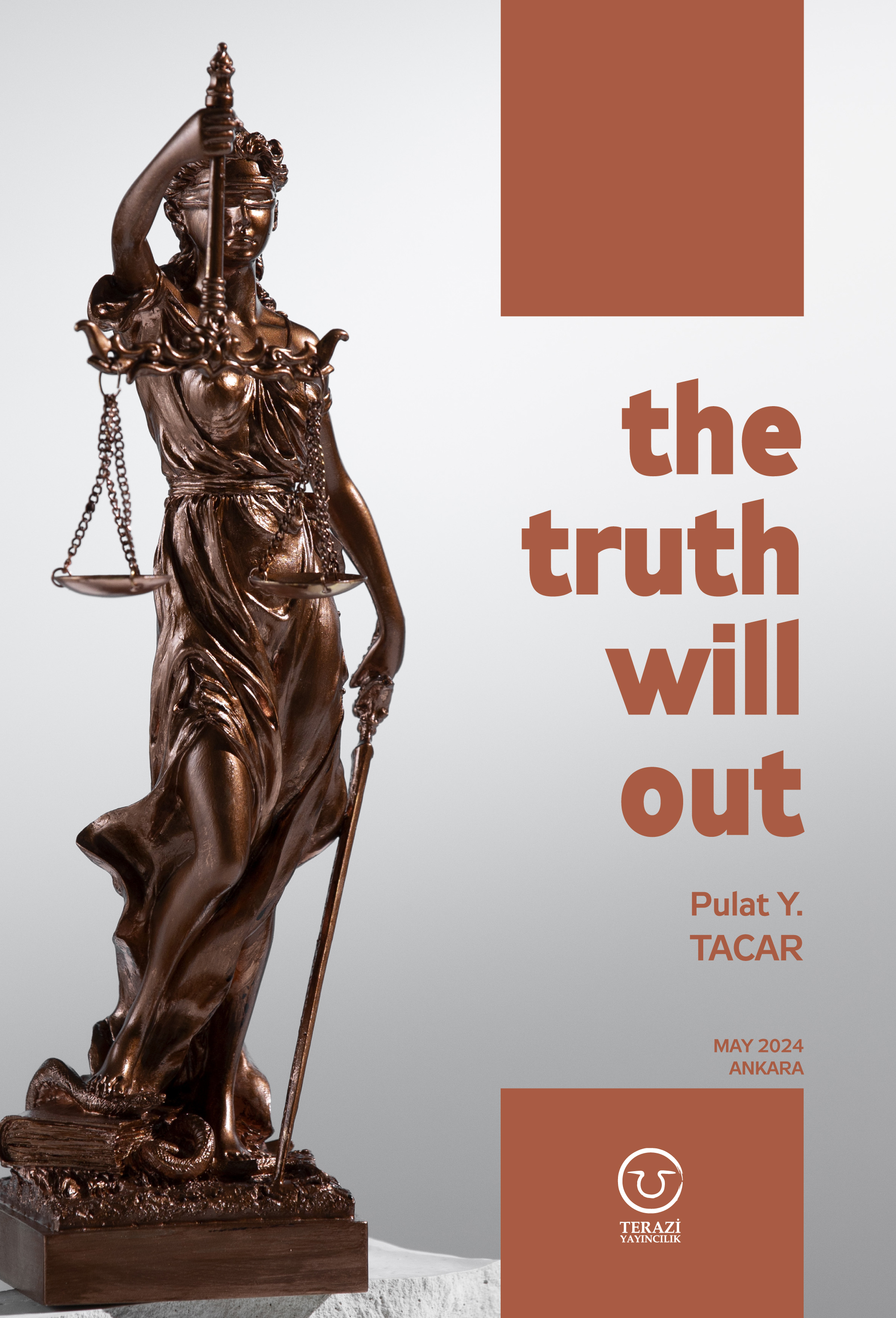
THE TRUTH WILL OUT -
27.03.2023
RADİKAL ERMENİ UNSURLARCA GERÇEKLEŞTİRİLEN MEZALİMLER VE VANDALİZM -
17.03.2023
PATRIOTISM PERVERTED -
23.02.2023
MEN ARE LIKE THAT -
03.02.2023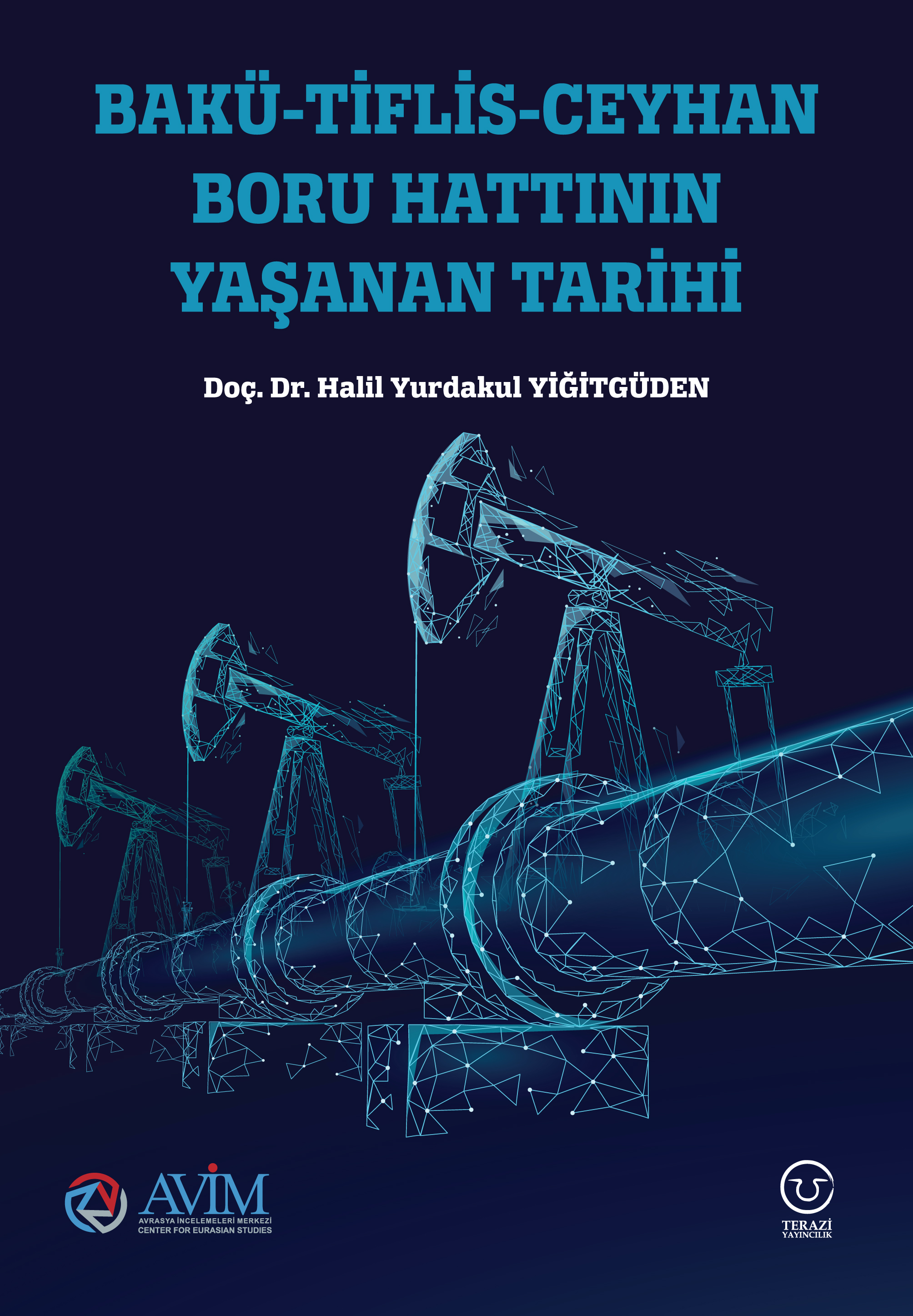
BAKÜ-TİFLİS-CEYHAN BORU HATTININ YAŞANAN TARİHİ -
16.12.2022
INTERNATIONAL SCHOLARS ON THE EVENTS OF 1915 -
07.12.2022
FAKE PHOTOS AND THE ARMENIAN PROPAGANDA -
07.12.2022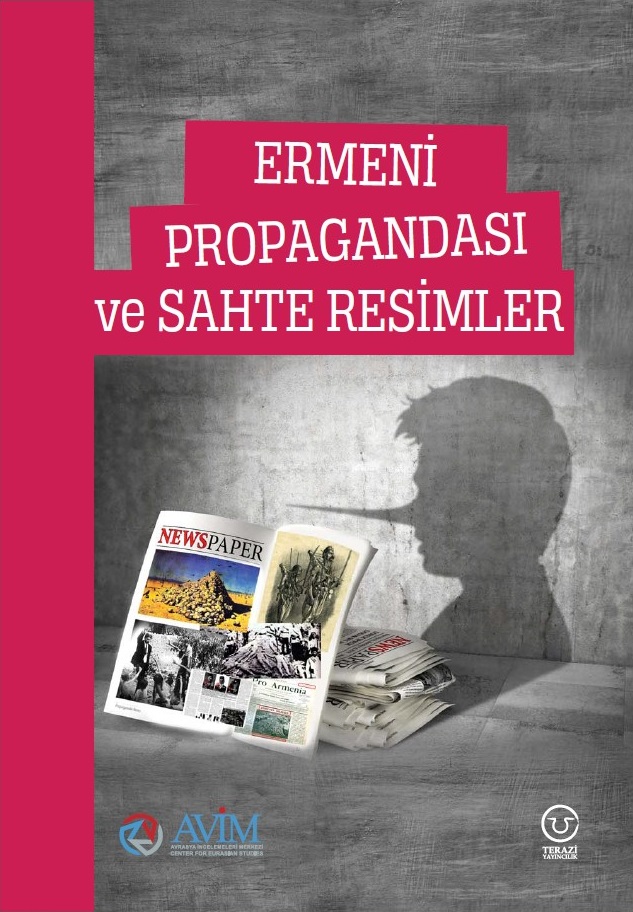
ERMENİ PROPAGANDASI VE SAHTE RESİMLER -
01.01.2022
A Letter From Japan - Strategically Mum: The Silence of the Armenians -
01.01.2022
Japonya'dan Bir Mektup - Stratejik Suskunluk: Ermenilerin Sessizliği -
03.06.2020
Anastas Mikoyan: Confessions of an Armenian Bolshevik -
08.04.2020
Sovyet Sonrası Ukrayna’da Devlet, Toplum ve Siyaset - Değişen Dinamikler, Dönüşen Kimlikler -
12.06.2018
Ermeni Sorunuyla İlgili İngiliz Belgeleri (1912-1923) - British Documents on Armenian Question (1912-1923) -
02.12.2016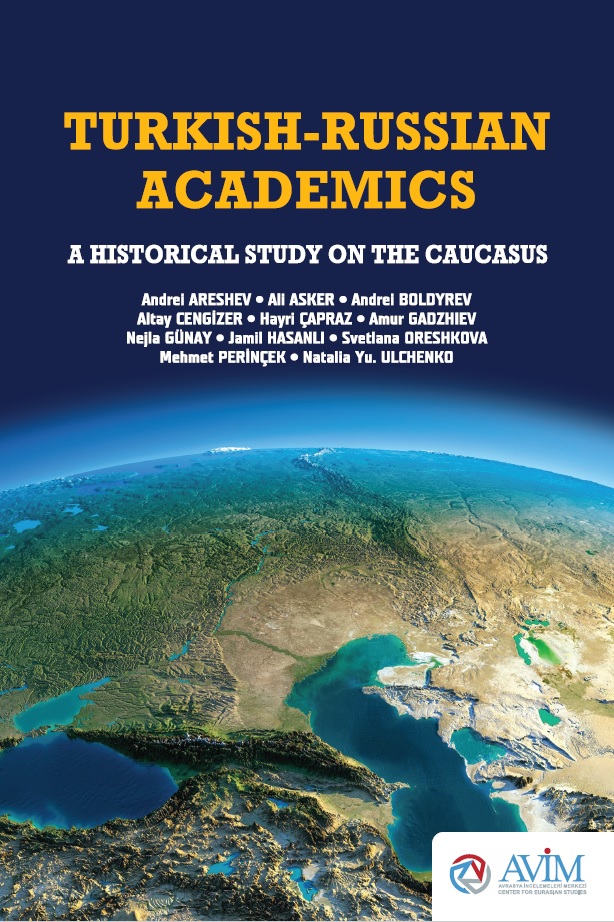
Turkish-Russian Academics: A Historical Study on the Caucasus -
01.07.2016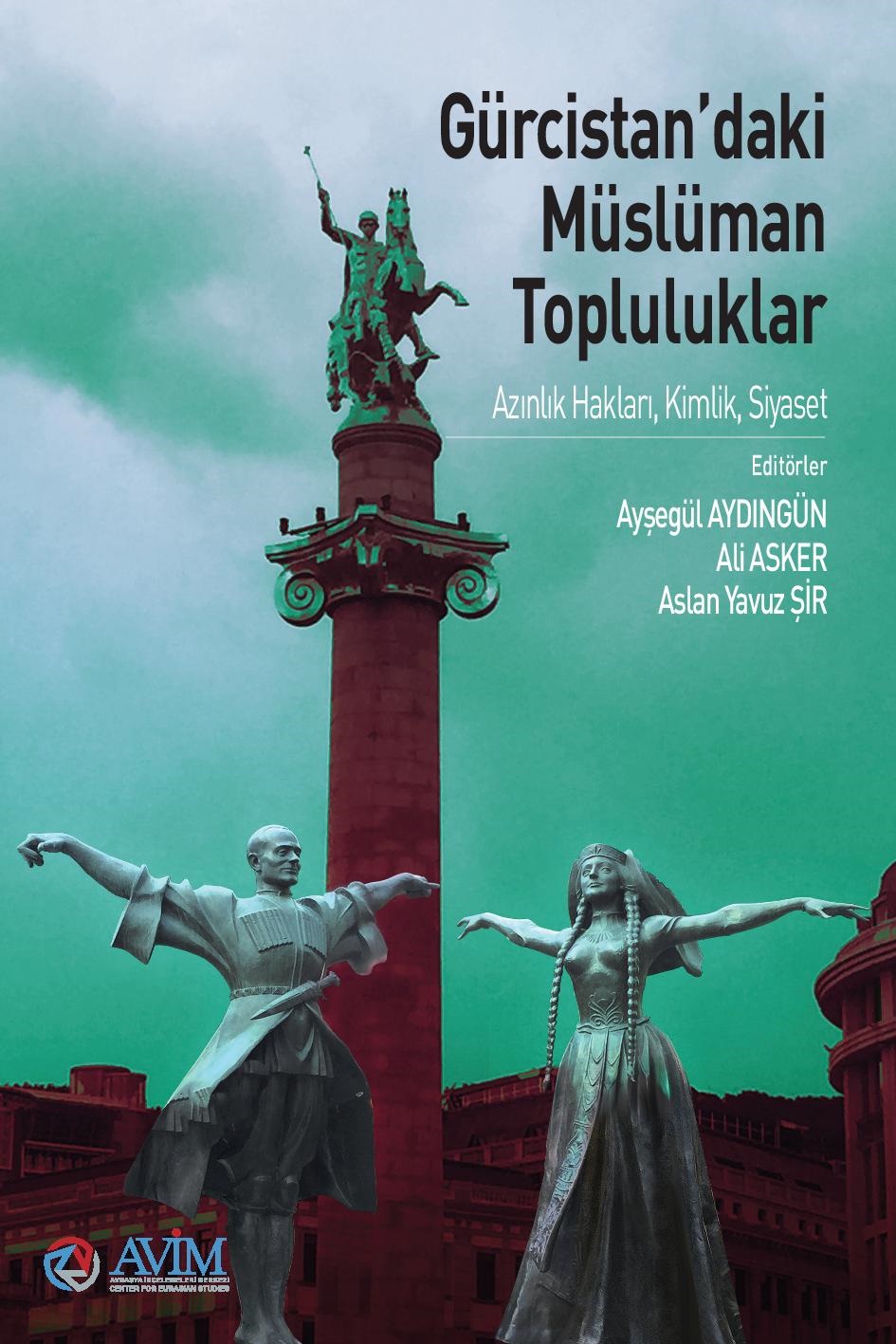
Gürcistan'daki Müslüman Topluluklar: Azınlık Hakları, Kimlik, Siyaset -
10.03.2016
Armenian Diaspora: Diaspora, State and the Imagination of the Republic of Armenia -
24.01.2016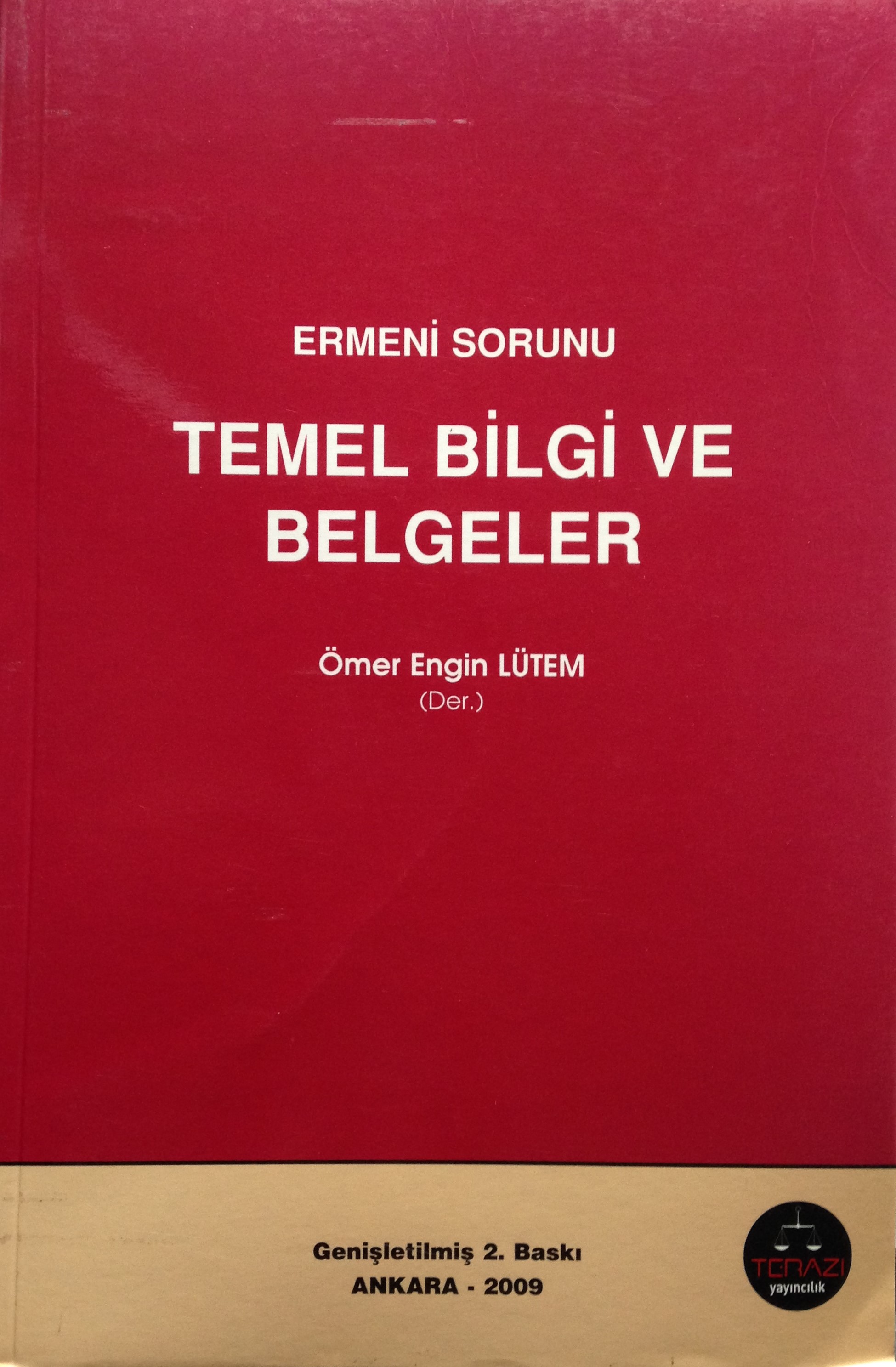
ERMENİ SORUNU - TEMEL BİLGİ VE BELGELER (2. BASKI)
-
AVİM Conference Hall 24.01.2023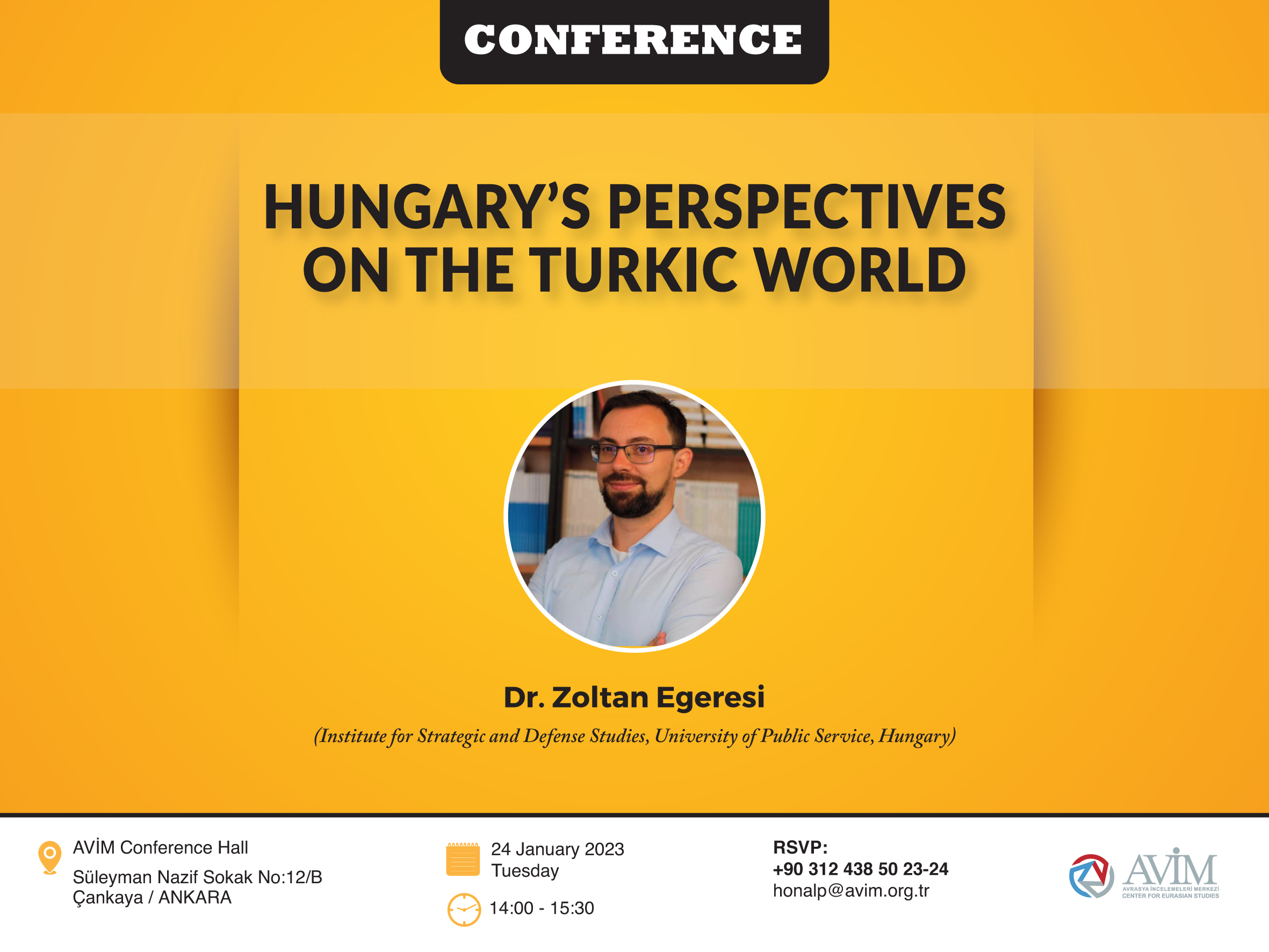
CONFERENCE TITLED “HUNGARY’S PERSPECTIVES ON THE TURKIC WORLD"