

















Al Monitor, August 18, 2016
BAGHDAD — During an Aug. 6 meeting, the Sunni Iraqi Forces Alliance took steps to determine the fate of the Sunni community for the post-Islamic State period. The representatives called for the formation of a council to take the lead in the Sunni-dominated provinces and to establish bylaws.
Although the Sunni forces’ statement did not explicitly state the intention to form a Sunni region, it was received by politicians and the Iraqi public as a mobilization to revive the project of a region that includes all Sunni-dominated provinces: Anbar, Ninevah, Salahuddin, Kirkuk and Diyala. This understanding has been confirmed by Sunni Salahuddin Gov. Ahmed al-Jabouri, who spoke to the media Aug. 9 about “some Sunni politicians’ actions to establish a Sunni region.”
Hisham al-Suhail, a parliament member for the National Iraqi Alliance and Chairman of the Commission for Accountability and Justice, offered a Shiite point of view. He told Al-Monitor that the step by the Sunni forces aims “to divide [Iraq] into regions, which does not serve the country’s unity. The meeting it held aimed to mobilize the leaders who speak on behalf of the Sunni Arabs in order to bridge the gap between them, and with the tribal sheikhs, religious scholars and businessmen in the Sunni areas to prepare for the project of the [Sunni] region.”
Amid the different views regarding the Sunni forces' objectives, some will question the sustainability of regions similar to Kurdistan Regional Government that could be established in the post-IS phase. One must also wonder how these regions could finance themselves should they become independent from Baghdad, which would undoubtedly cut off their funding. There also would be a US objection to consider, as the United States tends to favor a unified Iraq. US Vice President Joe Biden has stressed that Washington supports the unity of Iraq.
Those who are enthusiastic about establishing a Sunni region claim that regional countries such as Saudi Arabia support this project and that Turkey is pushing for the establishment of a Sunni region by supporting Sunni Iraqi parties.
As the trend of disengagement from the central government in Baghdad spreads, many Sunni Arab leaders, politicians and tribal leaders are preparing for the post-IS phase. However, Shiites oppose any project that could weaken the central government, which they lead. The head of the Sadrist movement, Muqtada al-Sadr, stressed as much on Nov. 26, 2015, when he expressed to the media his “refusal to divide Iraq.” Najaf’s Friday prayer leader Sadra Qabbanji also strongly criticized the project to establish a Sunni region on Dec. 25, 2015.
Meanwhile, the regional projects proposed at political meetings remain vulnerable to physical forces on the ground, most notably those represented by the Shiite-dominated Popular Mobilization Units. This group believes that those who free the Sunni areas should have “entitlements” there and play a part in determining their fate, according to Ali Mamoun, a researcher who specializes in Islamic movements in Iraq. He added that the PMU believes it has the duty to maintain national unity and stand against divisive agendas.
The entitlements demanded by the Shiites who have made “sacrifices” to liberate Sunni areas worry the Sunni forces. These concerns prompted them to reject the PMU’s participation in the liberation of Mosul for fear of its leading to a sectarian war between Sunnis and Shiites, though Iraqi President Fuad Masum said June 13 that the “PMU has maintained Iraq’s unity.”
In a pre-emptive step, the Sunni forces, ignoring the role of the central government and the Shiite forces in Sunni areas, have cited the legal right granted by the constitution to establish such regions.
In this context, Sunni parliamentarian for Mosul Abdul Rahman Alliwayzi told Al-Monitor, “The calls to establish a Sunni region are not random. They hold partisan interests,” adding, “I have noticed through my conversations and interactions in the political scene that Sunni Arab leaders are afraid of losing the legitimacy to represent Sunnis in light of their inability to defend them against IS. This is why they were searching for a legal cover to remain in their leadership positions and they have found what they were looking for in the project of an administrative council for provinces, which they will maintain as an official platform to speak on behalf of Sunnis, as far as they are concerned.”
Alliwayzi said, “The post-IS phase will involve a conflict between the Sunni leaderships, and the project to establish a Sunni region will inflame internal conflicts, which will allow the KRG to annex areas in Mosul and extend its influence on them.”
Alliwayzi’s point of view was echoed in an Aug.10 report published by Anadolu Press Agency that noted that the course of events in the post-IS phase indicates that the present stage is on the verge of creating a “new political situation.”
Still, his "new situation" can only come about through consultation and dialogue between all the political blocs regarding the future of the liberated areas to avoid the risk of new potential conflicts. However, the country could also be looking at a new sectarian war similar to the one that plagued Iraq between 2006 and 2008 that gave rise to the conflicts that led to IS’ invasion of Iraqi territory in 2014.
No comments yet.
- ZEYNAL NAGDALIYEV: AZERBAIJAN ENJOYS IMPROVED ELECTORAL LAW The Caucasus and Turkish-Armenian Relations 19.08.2016
- TSIPRAS-YILDIRIM HAVE TELEPHONE COMMUNICATION The Balkans 19.08.2016
- THE NEED FOR INCLUSIVE PARTNERSHIP IN AFGHANISTAN Asia - Pacific 19.08.2016
- RUSSIA DEFENDS USING IRAN BASE FOR SYRIA AIR RAIDS Asia - Pacific 19.08.2016
- SPOKESMAN: SERBIA INTERCEPTS OVER 3,000 ILLEGAL MIGRANTS IN A MONTH The Balkans 19.08.2016
-
25.01.2016
THE ARMENIAN QUESTION - BASIC KNOWLEDGE AND DOCUMENTATION -
12.06.2024
THE TRUTH WILL OUT -
27.03.2023
RADİKAL ERMENİ UNSURLARCA GERÇEKLEŞTİRİLEN MEZALİMLER VE VANDALİZM -
17.03.2023
PATRIOTISM PERVERTED -
23.02.2023
MEN ARE LIKE THAT -
03.02.2023
BAKÜ-TİFLİS-CEYHAN BORU HATTININ YAŞANAN TARİHİ -
16.12.2022
INTERNATIONAL SCHOLARS ON THE EVENTS OF 1915 -
07.12.2022
FAKE PHOTOS AND THE ARMENIAN PROPAGANDA -
07.12.2022
ERMENİ PROPAGANDASI VE SAHTE RESİMLER -
01.01.2022
A Letter From Japan - Strategically Mum: The Silence of the Armenians -
01.01.2022
Japonya'dan Bir Mektup - Stratejik Suskunluk: Ermenilerin Sessizliği -
03.06.2020
Anastas Mikoyan: Confessions of an Armenian Bolshevik -
08.04.2020
Sovyet Sonrası Ukrayna’da Devlet, Toplum ve Siyaset - Değişen Dinamikler, Dönüşen Kimlikler -
12.06.2018
Ermeni Sorunuyla İlgili İngiliz Belgeleri (1912-1923) - British Documents on Armenian Question (1912-1923) -
02.12.2016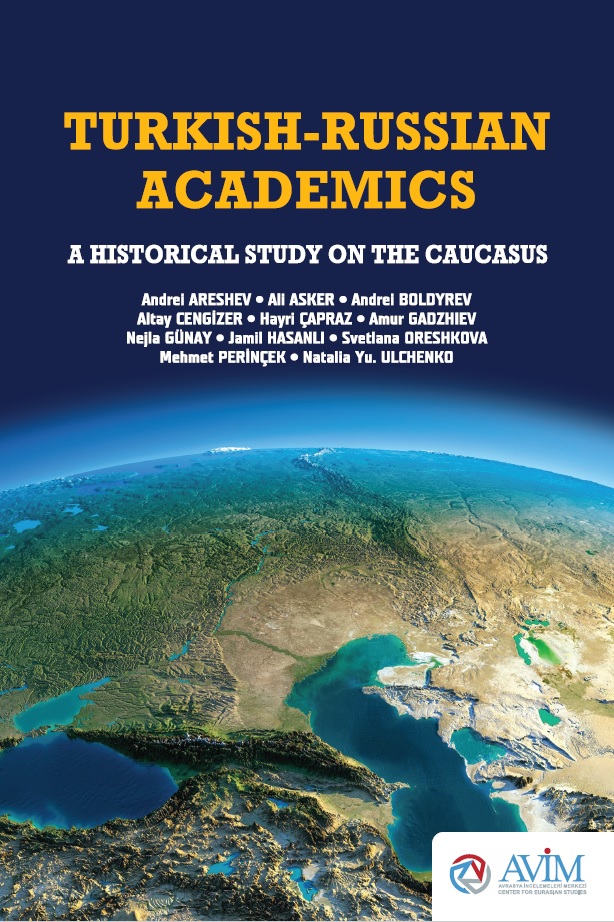
Turkish-Russian Academics: A Historical Study on the Caucasus -
01.07.2016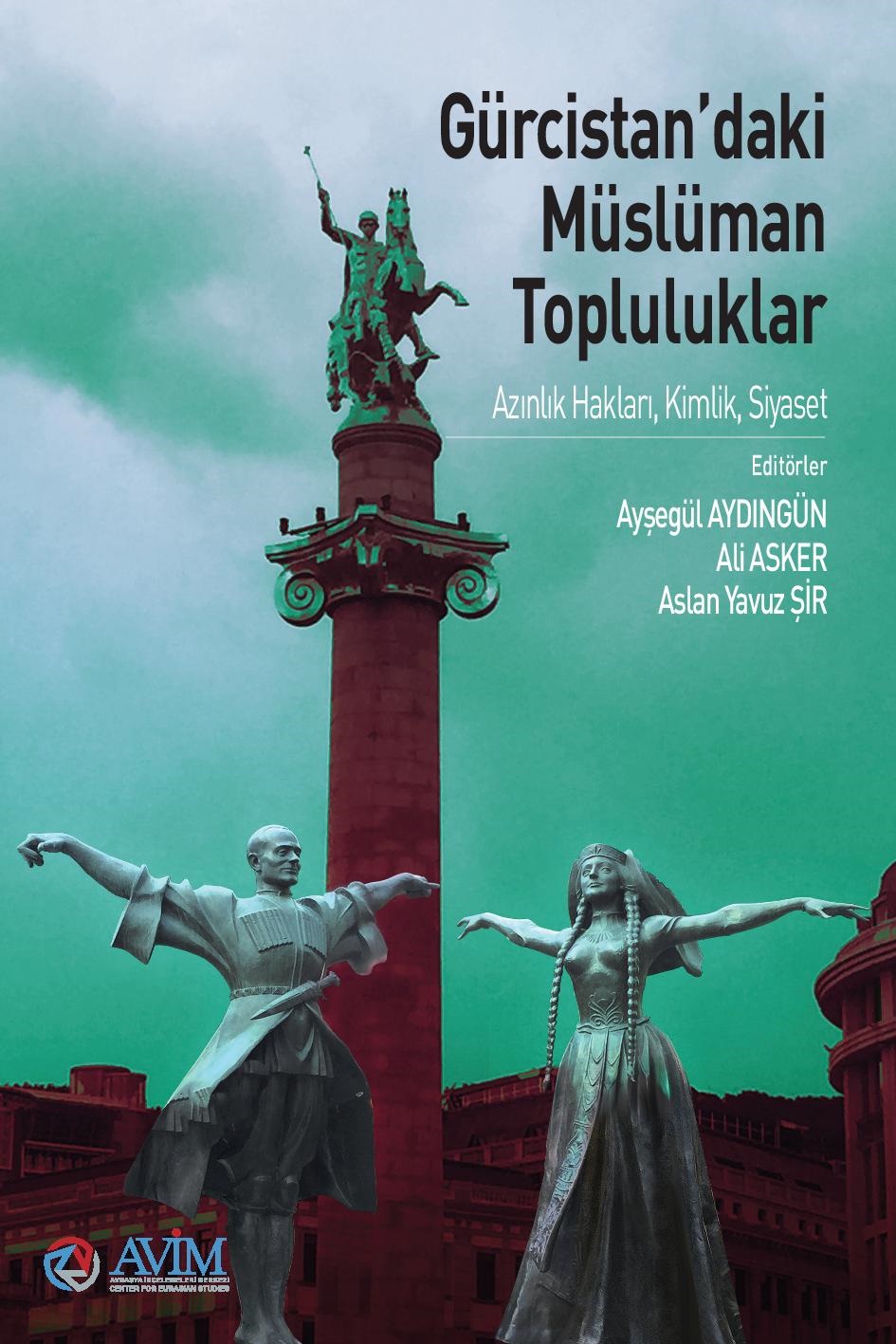
Gürcistan'daki Müslüman Topluluklar: Azınlık Hakları, Kimlik, Siyaset -
10.03.2016
Armenian Diaspora: Diaspora, State and the Imagination of the Republic of Armenia -
24.01.2016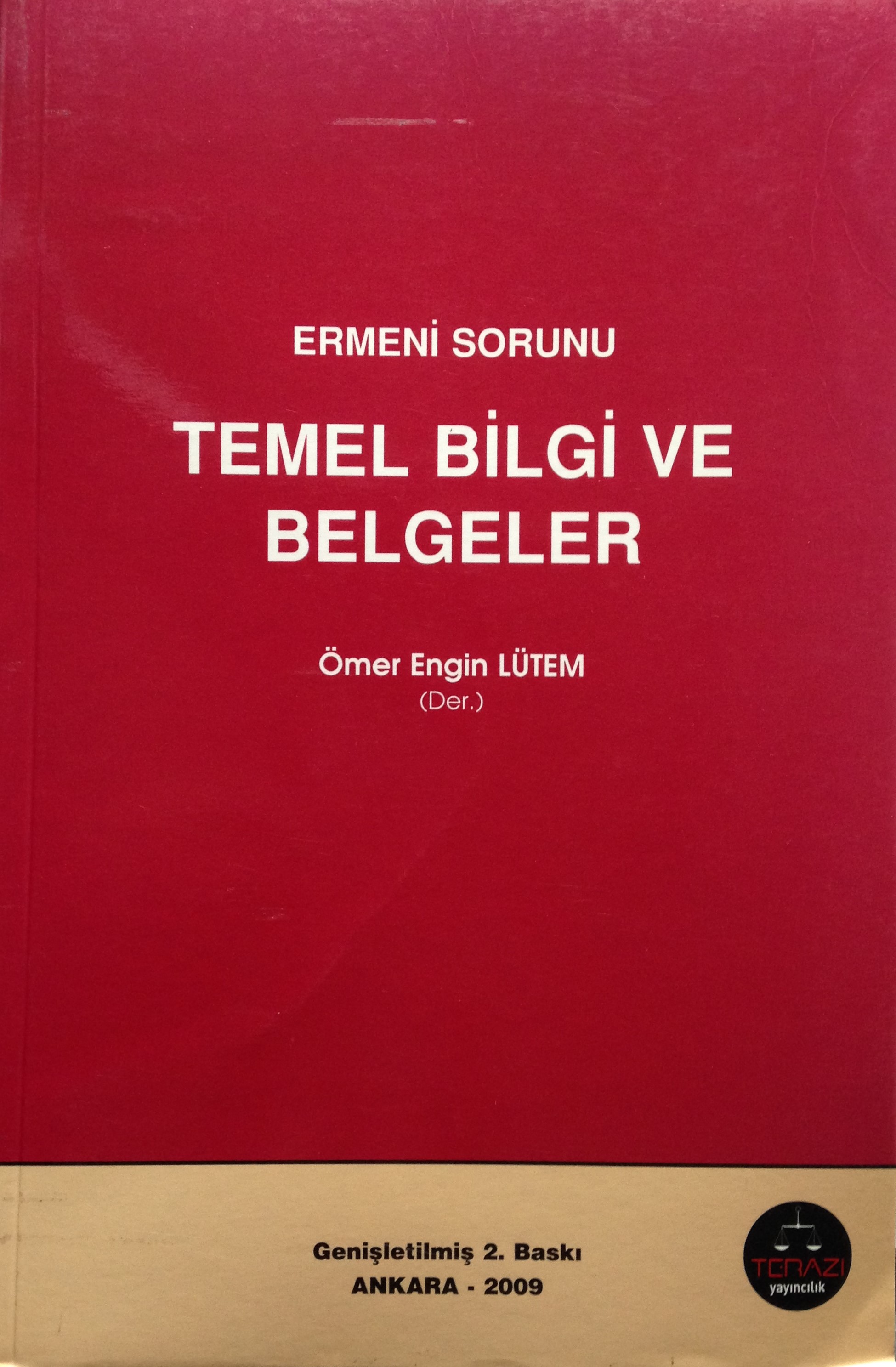
ERMENİ SORUNU - TEMEL BİLGİ VE BELGELER (2. BASKI)
-
AVİM Conference Hall 24.01.2023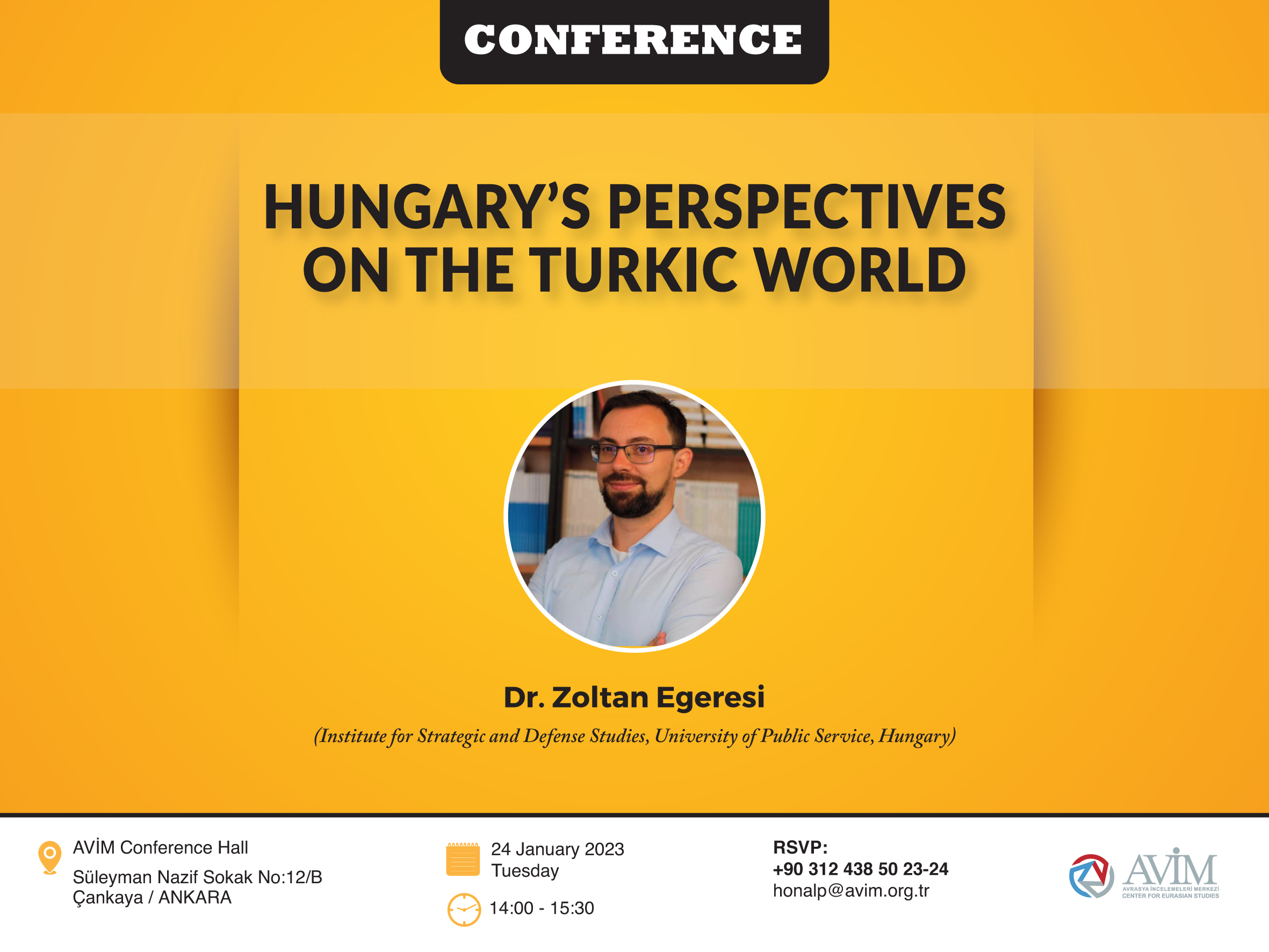
CONFERENCE TITLED “HUNGARY’S PERSPECTIVES ON THE TURKIC WORLD"