

















28.09.2016
BBC
The leader of Spain's main opposition Socialist party, Pedro Sanchez, has lost his party's support after 17 senior members resigned.
Party representatives hope to force Mr Sanchez out after his failure to form a coalition government.
A Socialist lawmaker told AFP news agency that party leadership must now be dissolved and "passed on to a caretaker administration".
Out of the 35-member executive committee, 19 have quit.
Without a majority, an interim leadership must take over the party.
Spain has been in a political deadlock for the past nine months.
The results of a general election on 20 December 2015 left a hung parliament. The majority Popular Party has faced the challenge of forming a coalition government, but Socialist leader Mr Sanchez has repeatedly blocked their attempts.
In attempt to break the stalemate a second election was held on 26 July 2016, but no party won an absolute majority.
Doesn't this ring a bell?
Well, there are parallels with - and salutary lessons to be taken from - the experience of other left-leaning parties in Europe.
In the UK, left-wing Labour leader Jeremy Corbyn has so far survived a deep ideological split in the Labour party, triggered by his own election as leader last year. He endured a wave of resignations including many of his shadow cabinet in late June, and went on to win another leadership contest.
But perhaps more pertinent to Mr Sanchez is the experience of Greece's socialist Pasok party. The party that once dominated Greek politics for three decades then fell dramatically from favour when the debt crisis hit - reviled for accepting hated austerity while in power in 2009. As with Podemos in Spain, the long-established left was challenged by a more radical party, Syriza, which is now in power.
Mr Sanchez may fear that if his Socialist party is seen as paving the way for the conservative PP to return to power, he'll be similarly punished by left-leaning voters.
Does it matter?
It will have big repercussions for a country that has been in political deadlock for nine months.
The Socialists are Spain's second largest party, and won 85 seats compared with the PP's 137 in elections in June. With more than half of its 35-member executive resigning, the Socialists could end up rudderless at a crucial time.
Parliament has until the end of October to decide whether to back a conservative-led Popular Party minority government. If not, Spain's stalemate will last 12 months and a third general election will take place in December.
How long can a country last without an elected government?
For a long time, if Belgium is to be taken as an example. A political deadlock there lasted for 541 days. The situation led to demonstrations and pressure from financial markets and ratings agencies.
Spain, the eurozone's fourth biggest economy, is still recovering from the 2008-2013 double dip recession, known there as "la crisis".
Prolonged political deadlock could bring uncertainty to investors and eventually slow the country's recovery - something that Spaniards (and politicians) surely want to avoid.
It is thought that the uncertainty in Belgium only came to an end after the ratings agency Standard & Poor downgraded the country's credit rating, making it more expensive for Belgium to borrow money.
No comments yet.
-
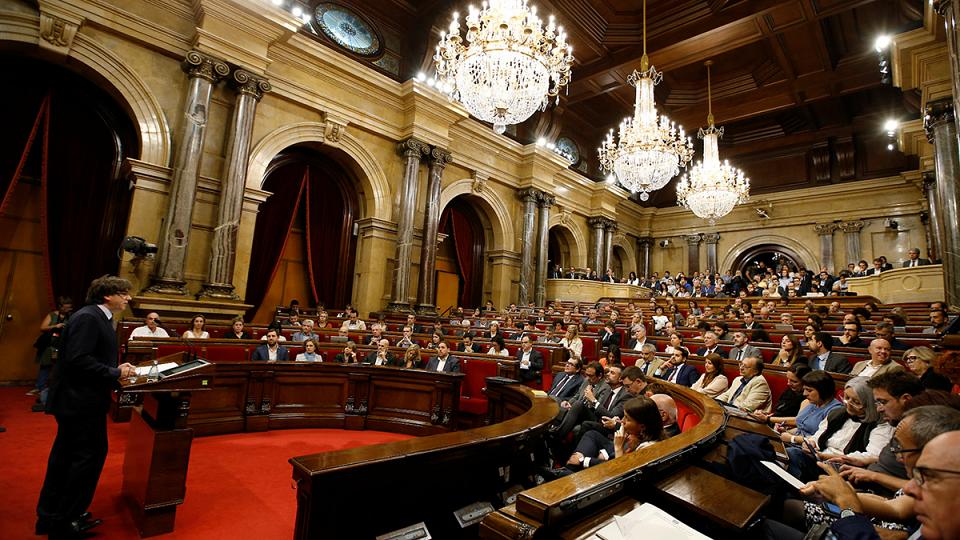 CATALONIA TO HOLD INDEPENDENCE VOTE NEXT YEAR, SAYS REGIONAL LEADER
Europe - EU
29.09.2016
CATALONIA TO HOLD INDEPENDENCE VOTE NEXT YEAR, SAYS REGIONAL LEADER
Europe - EU
29.09.2016
- SOCAR TO CONTINUE INVESTING IN LONG-TERM PROJECTS IN TURKEY The Caucasus and Turkish-Armenian Relations 29.09.2016
- AFGHANISTAN’S SHAKY NATIONAL UNITY GOVERNMENT APPROACHES ITS SECOND ANNIVERSARY Asia - Pacific 29.09.2016
- DRAGHI FACES OFF AGAINST GERMAN CRITICS Europe - EU 29.09.2016
- ALTERING EU'S FREE MOVEMENT STANCE COULD START DOMINO EFFECT: AUSTRIA Europe - EU 29.09.2016
-
25.01.2016
THE ARMENIAN QUESTION - BASIC KNOWLEDGE AND DOCUMENTATION -
12.06.2024
THE TRUTH WILL OUT -
27.03.2023
RADİKAL ERMENİ UNSURLARCA GERÇEKLEŞTİRİLEN MEZALİMLER VE VANDALİZM -
17.03.2023
PATRIOTISM PERVERTED -
23.02.2023
MEN ARE LIKE THAT -
03.02.2023
BAKÜ-TİFLİS-CEYHAN BORU HATTININ YAŞANAN TARİHİ -
16.12.2022
INTERNATIONAL SCHOLARS ON THE EVENTS OF 1915 -
07.12.2022
FAKE PHOTOS AND THE ARMENIAN PROPAGANDA -
07.12.2022
ERMENİ PROPAGANDASI VE SAHTE RESİMLER -
01.01.2022
A Letter From Japan - Strategically Mum: The Silence of the Armenians -
01.01.2022
Japonya'dan Bir Mektup - Stratejik Suskunluk: Ermenilerin Sessizliği -
03.06.2020
Anastas Mikoyan: Confessions of an Armenian Bolshevik -
08.04.2020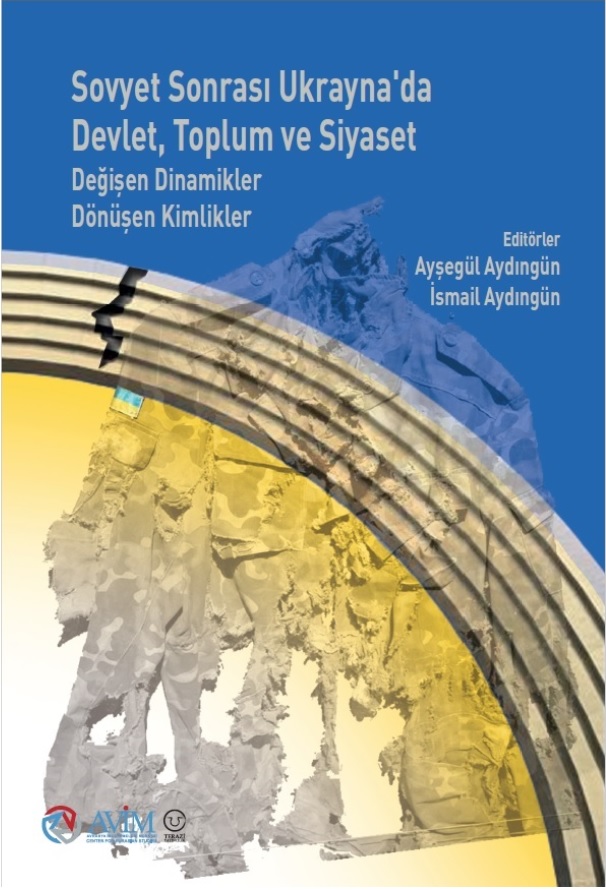
Sovyet Sonrası Ukrayna’da Devlet, Toplum ve Siyaset - Değişen Dinamikler, Dönüşen Kimlikler -
12.06.2018
Ermeni Sorunuyla İlgili İngiliz Belgeleri (1912-1923) - British Documents on Armenian Question (1912-1923) -
02.12.2016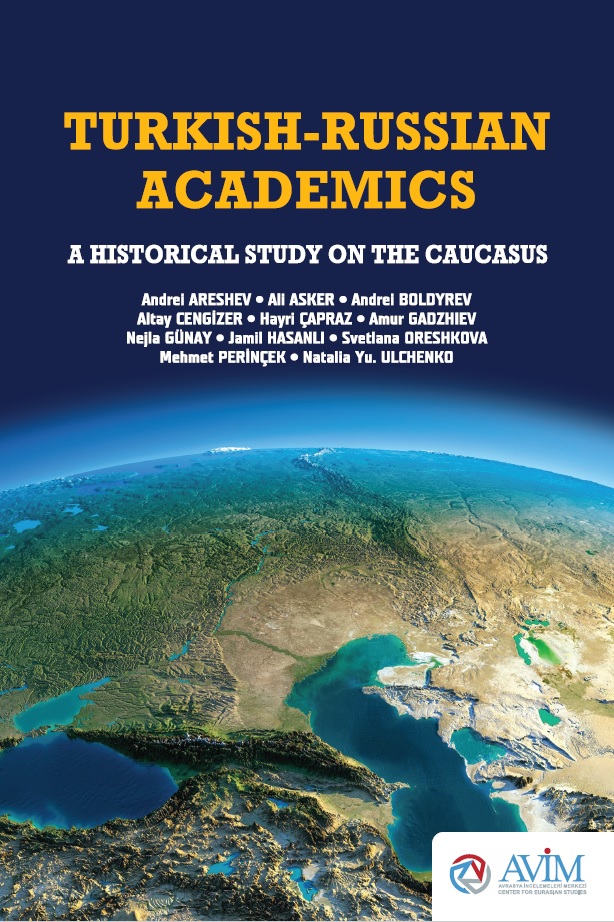
Turkish-Russian Academics: A Historical Study on the Caucasus -
01.07.2016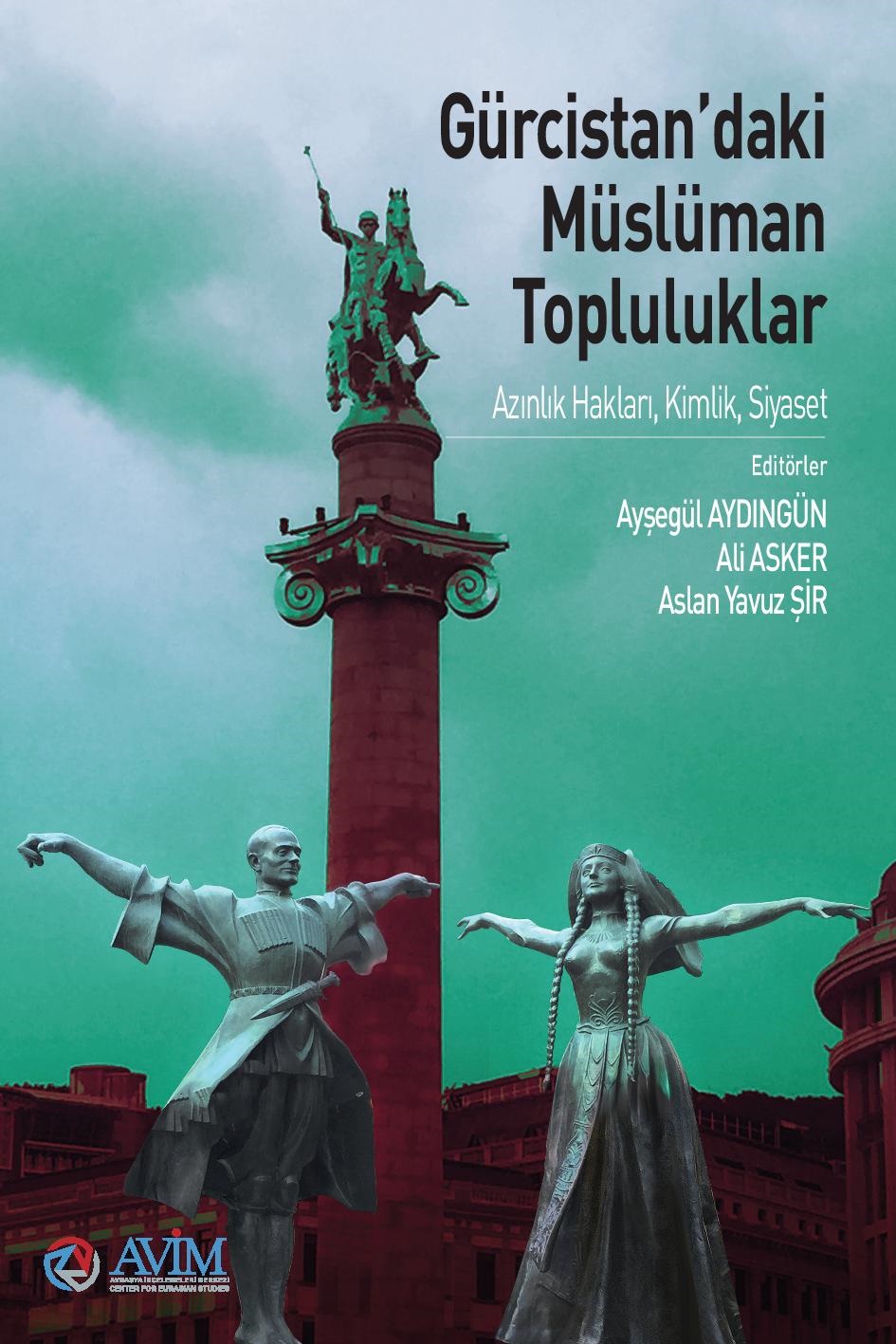
Gürcistan'daki Müslüman Topluluklar: Azınlık Hakları, Kimlik, Siyaset -
10.03.2016
Armenian Diaspora: Diaspora, State and the Imagination of the Republic of Armenia -
24.01.2016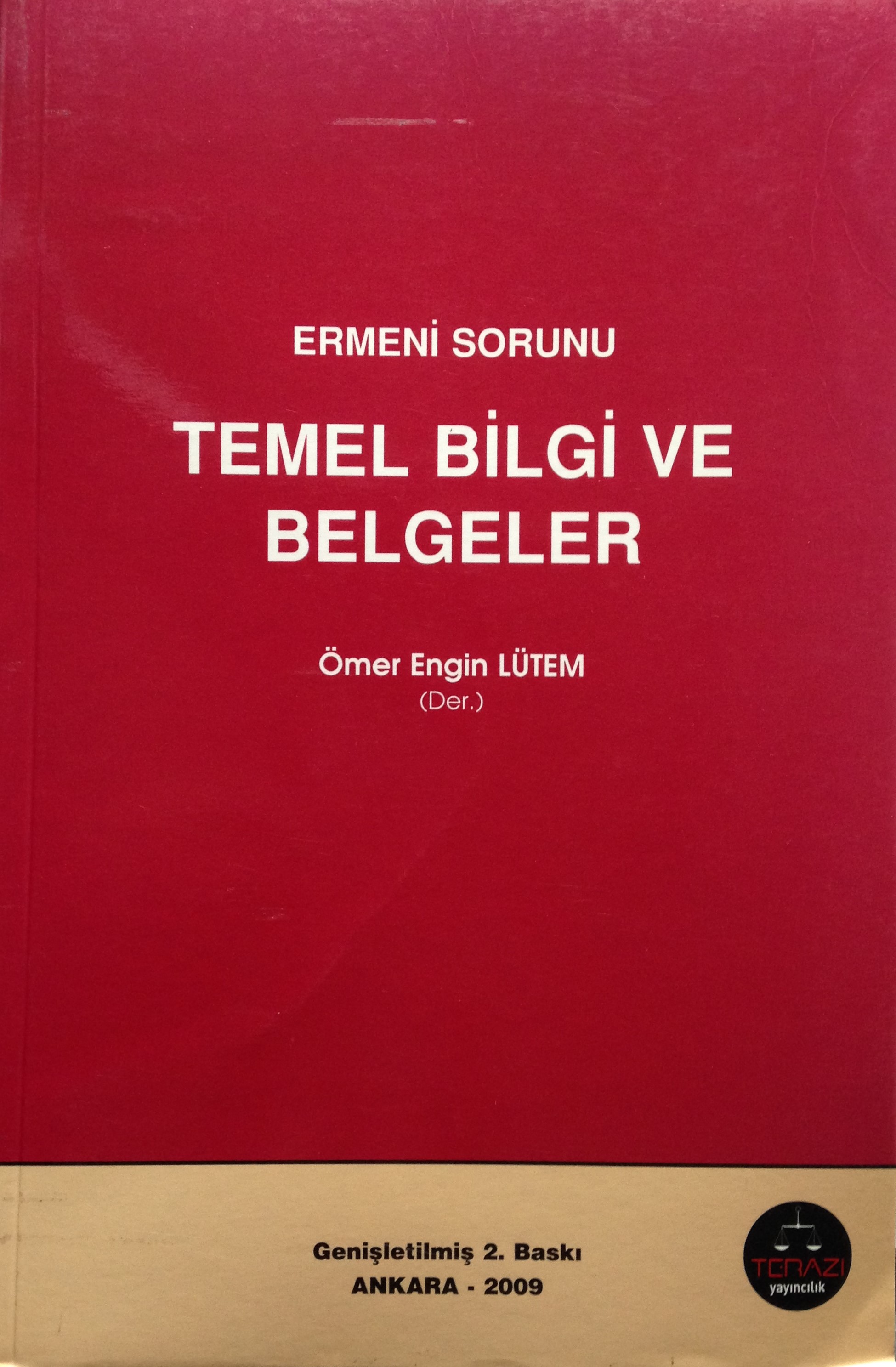
ERMENİ SORUNU - TEMEL BİLGİ VE BELGELER (2. BASKI)


-
AVİM Conference Hall 24.01.2023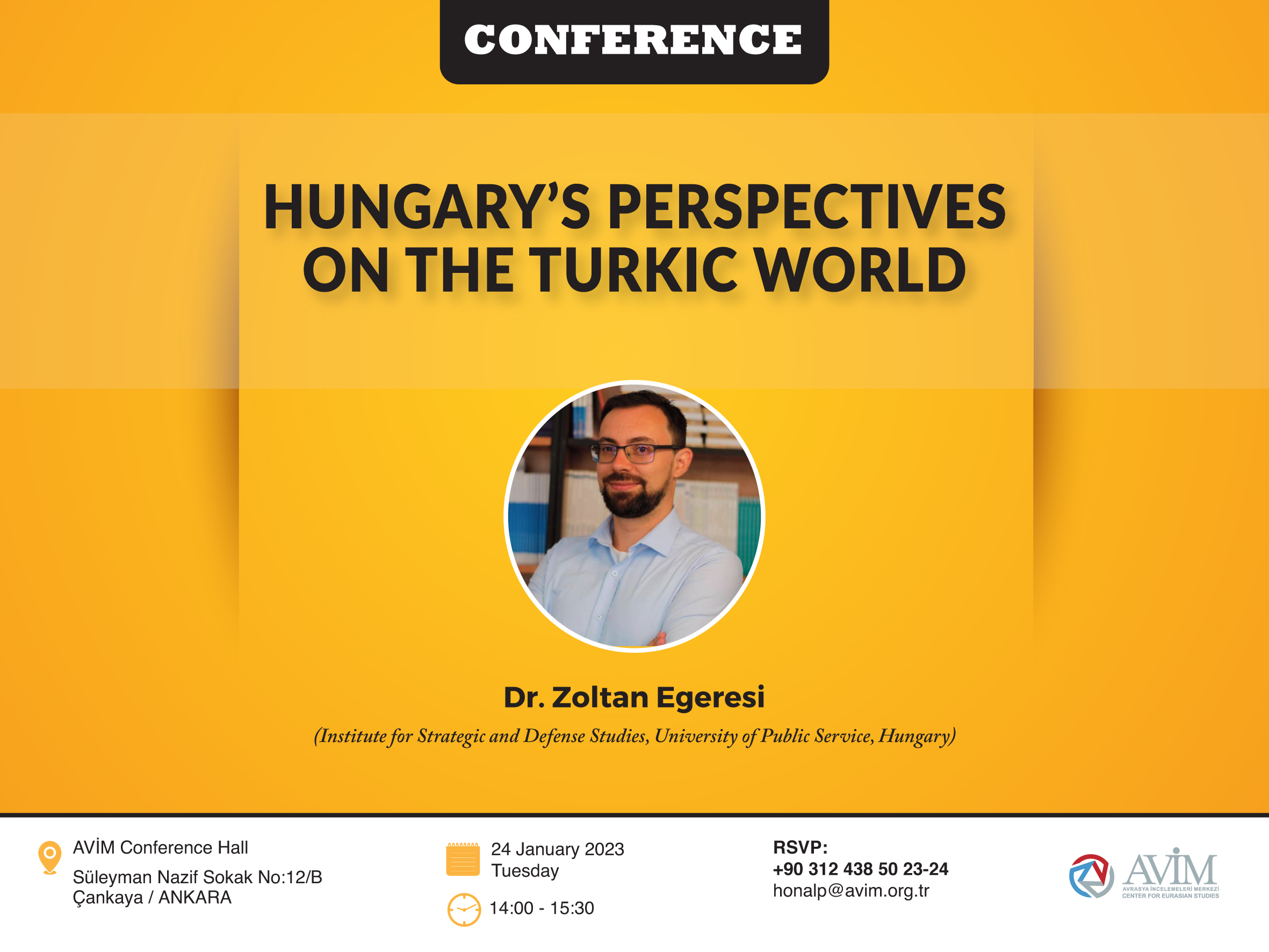
CONFERENCE TITLED “HUNGARY’S PERSPECTIVES ON THE TURKIC WORLD"