















EU Observer (3 May 2019)
Finland and Ireland are punching above their weight when it comes to exerting influence in the EU, according to a study by Danish think-tank Europa published on Friday (3 May).
The think-tank ranked member states' permanent representations in Brussels according to their size, how many of their diplomats are sent from the national administrations and how long these diplomats stay in Brussels building networks and gaining expertise.
The permanent representations are EU embassies of member states - headed by EU ambassadors, or "permanent representatives" - which have dozens of expert diplomats working in different areas from agricultural policy, to digital issues, and negotiating the EU budget.
The diplomats are sent to Brussels by the national administrations, usually for four years.
They basically replicate the national government bureaucracy at EU level and possess a deep understanding of European affairs and politics. Locally hired staff, also looked at by the study, often do administrative work at the representations.
The analysis found that countries such as Ireland and Finland "appear overall in a better position to fight for their national interest than countries like Denmark or Latvia".
Ireland and Finland perform relatively well on all three parameters set out by the analysis: number of expert national staff, the duration of their assignment, and overall number of staff relative to their country size in population.
Six countries have larger "perm-reps" than might be expected from their population size: Austria, Belgium, Finland, Ireland, Lithuania, and Luxembourg.
Lithuania also outweighs itself: it is the fourth-smallest country among the 26 countries scrutinised by the study, but it has the 16th biggest perm-rep. Belgium is the EU's ninth-most populous country, but has the third-biggest representation and the added advantage of hosting most of the EU institutions in Brussels.
Nine countries have a smaller representation than their population rank suggested: Denmark, Hungary, Italy, Latvia, Poland, Portugal, Slovenia, Spain, and the UK.
Denmark, which opted out of several common EU policies, such as the euro, defence policy and justice and home affairs issues, is the 16th biggest country among the EU26, but has the 22nd biggest representation.
Portugal is the EU26's 11th biggest country and has the 17th largest representation in Brussels.
There was no data available for researchers on Malta and Greece.
Clun mentality
Smaller member states have the same rights and obligations as larger member states - one of the core foundations of the European club.
One of the key aspects of EU policy-making is to push for consensus and to prevent bullying of smaller member states into positions contrary to their interests, but size does matter in the EU.
As the study points out, the largest countries pay most into the EU budget, send the most MEPs into the European Parliament, and enjoy representation in key global forums, such as the UN Security Council or G20 and G7 formations.
Germany and France, the two EU states with the largest populations, also have the largest permanent representations in Brussels, with, respectively, 200 and 190 staff.
The two smallest representations belong to Latvia and Slovenia, which have populations of about 2m each and, respectively, 69 and 70 staff.
"While a small member state can do nothing about its geography, it can do something about its representation. It is up to each member state whether to be big in the Brussels machinery," researchers stated in the study.
According to the report, there was no clear relationship between a country's wealth and the size of its Brussels presentation - two of the EU's richest member states, Luxembourg and Denmark, were in the lower end of representation sizes.
Presidency boost
Meanwhile, member states that are holding, or are preparing to hold the EU's rotating presidency have more diplomats on the ground, as they need not only to push their own interests, but coordinate legislative files among the 28 member states.
Finland, which will hold the EU's presidency from July, had a large representation even before starting preparations for the new task, researchers pointed out. The country is adding approximately 70 new staff due to the presidency.
Countries that have held the presidency often hold onto some of the increased number in diplomats, as they realise the added value of having more experts in key places, an EU official who used to work for an EU country's permanent representation told EUobserver.
"The countries that understood what influence increased staff means are willing to invest extra to obtain better outcomes. For them, it is more important to influence EU policies," the official added.
"Smart states", the study says, do precisely that.
"A successful smart state strategy necessitates that small states are at the forefront of the policy agenda, possess expert knowledge on strategic fields, and that they themselves serve as a leading example of best practices," the researchers said.
No comments yet.
- GERMANY'S PROTESTANT AND CATHOLIC CHURCHES PREDICTED TO LOSE MILLIONS OF MEMBERS Europe - EU 06.05.2019
-
 STEVO PENDAROVSKI WINS NORTH MACEDONIA'S PRESIDENTIAL ELECTION
The Balkans
06.05.2019
STEVO PENDAROVSKI WINS NORTH MACEDONIA'S PRESIDENTIAL ELECTION
The Balkans
06.05.2019
-
 US DELEGATION CONCLUDES ANNUAL CONSULTATIONS IN TURKMENISTAN
Central Asia
06.05.2019
US DELEGATION CONCLUDES ANNUAL CONSULTATIONS IN TURKMENISTAN
Central Asia
06.05.2019
- THACI: TRUMP HAS A SOLUTION FOR KOSOVO The Balkans 06.05.2019
-
 PETER TASE: ARMENIA CAN “TICKLE A SLEEPING DRAGON” WITH ITS ACTIONS
The Caucasus and Turkish-Armenian Relations
06.05.2019
PETER TASE: ARMENIA CAN “TICKLE A SLEEPING DRAGON” WITH ITS ACTIONS
The Caucasus and Turkish-Armenian Relations
06.05.2019
-
25.01.2016
THE ARMENIAN QUESTION - BASIC KNOWLEDGE AND DOCUMENTATION -
12.06.2024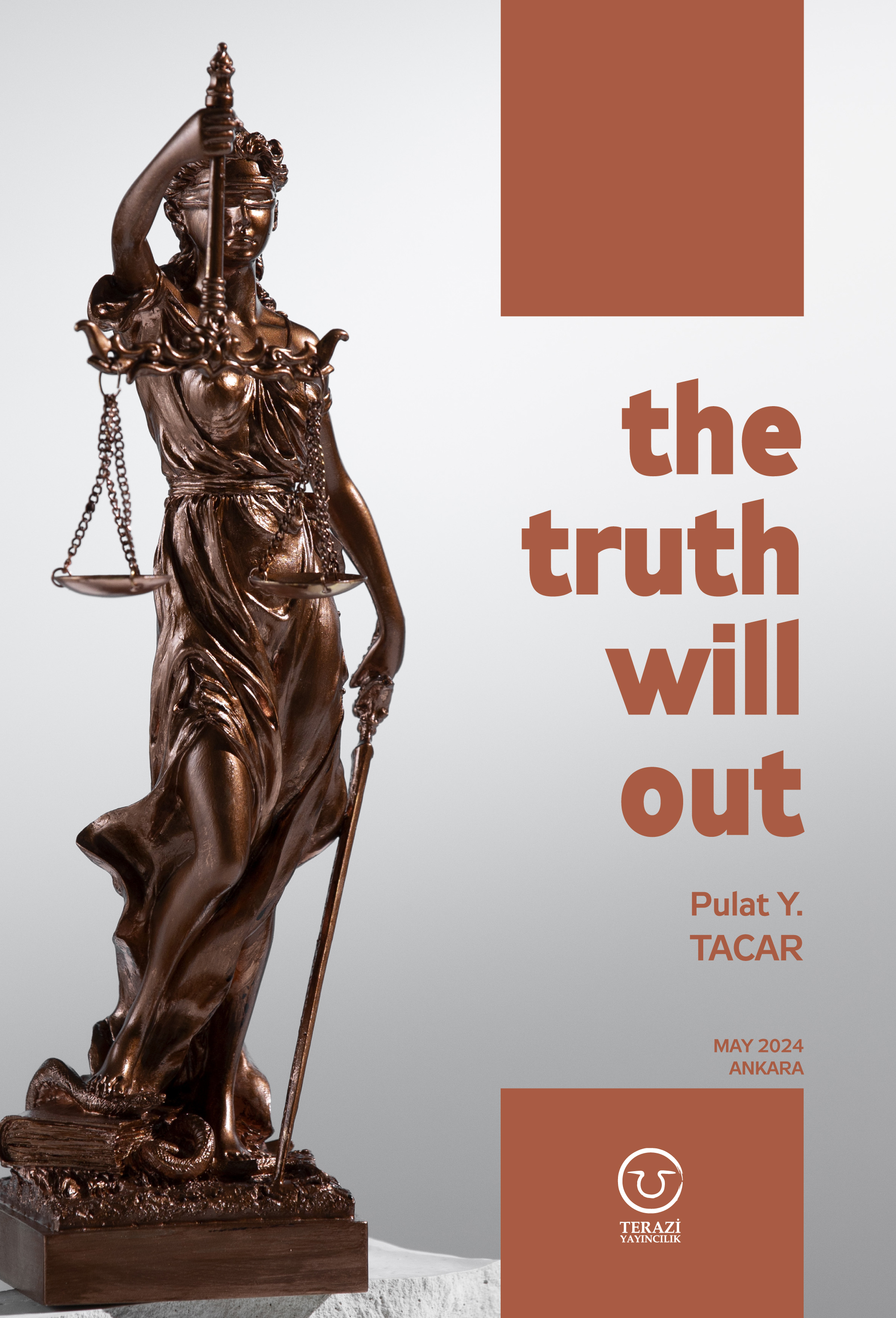
THE TRUTH WILL OUT -
27.03.2023
RADİKAL ERMENİ UNSURLARCA GERÇEKLEŞTİRİLEN MEZALİMLER VE VANDALİZM -
17.03.2023
PATRIOTISM PERVERTED -
23.02.2023
MEN ARE LIKE THAT -
03.02.2023
BAKÜ-TİFLİS-CEYHAN BORU HATTININ YAŞANAN TARİHİ -
16.12.2022
INTERNATIONAL SCHOLARS ON THE EVENTS OF 1915 -
07.12.2022
FAKE PHOTOS AND THE ARMENIAN PROPAGANDA -
07.12.2022
ERMENİ PROPAGANDASI VE SAHTE RESİMLER -
01.01.2022
A Letter From Japan - Strategically Mum: The Silence of the Armenians -
01.01.2022
Japonya'dan Bir Mektup - Stratejik Suskunluk: Ermenilerin Sessizliği -
03.06.2020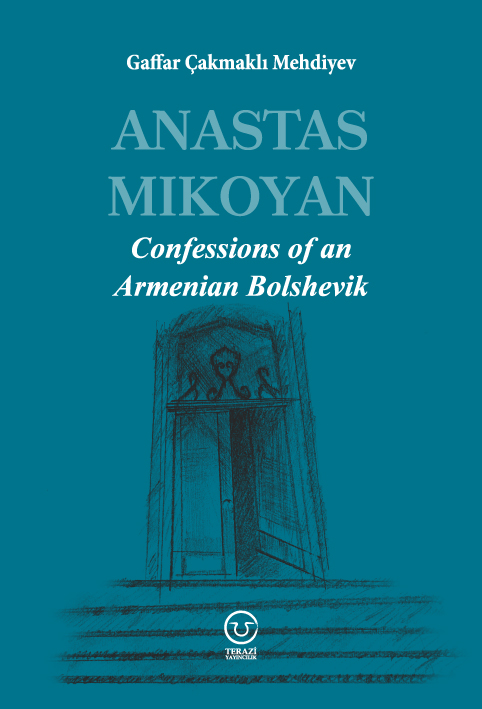
Anastas Mikoyan: Confessions of an Armenian Bolshevik -
08.04.2020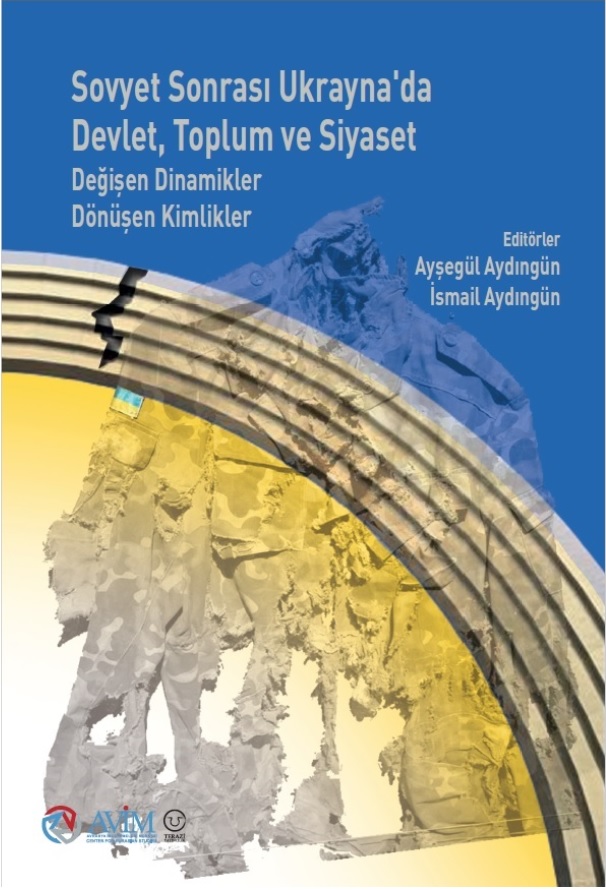
Sovyet Sonrası Ukrayna’da Devlet, Toplum ve Siyaset - Değişen Dinamikler, Dönüşen Kimlikler -
12.06.2018
Ermeni Sorunuyla İlgili İngiliz Belgeleri (1912-1923) - British Documents on Armenian Question (1912-1923) -
02.12.2016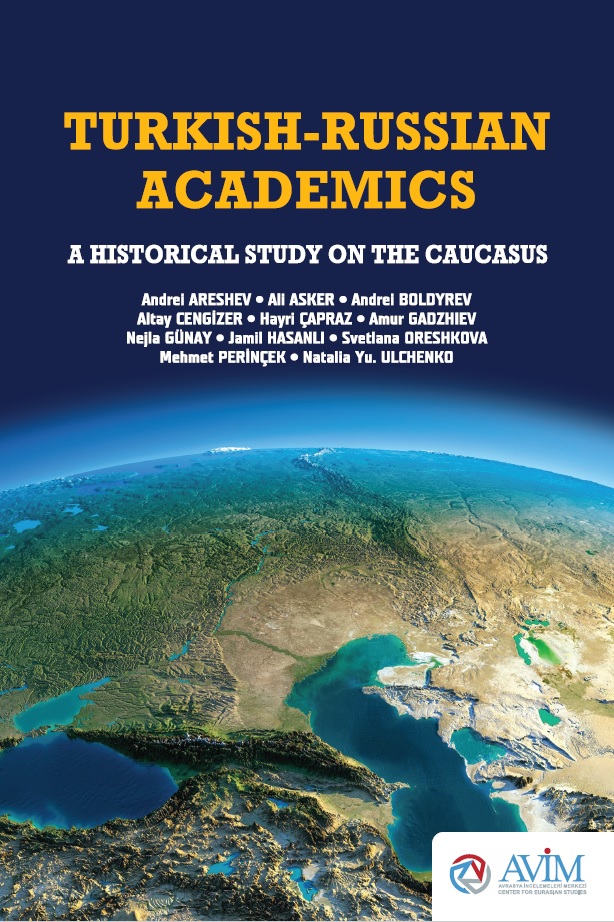
Turkish-Russian Academics: A Historical Study on the Caucasus -
01.07.2016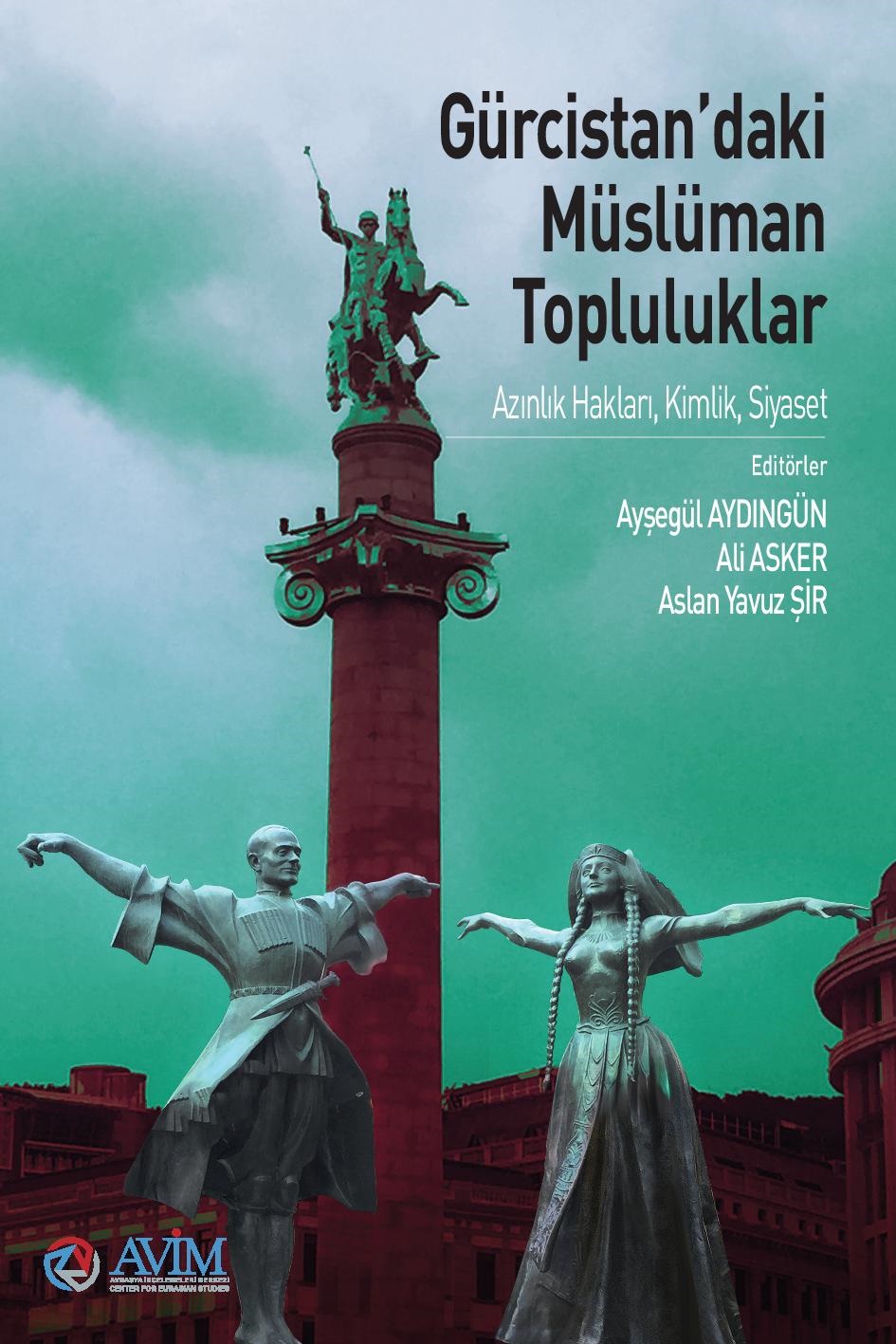
Gürcistan'daki Müslüman Topluluklar: Azınlık Hakları, Kimlik, Siyaset -
10.03.2016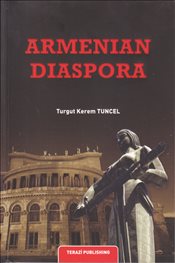
Armenian Diaspora: Diaspora, State and the Imagination of the Republic of Armenia -
24.01.2016
ERMENİ SORUNU - TEMEL BİLGİ VE BELGELER (2. BASKI)


-
AVİM Conference Hall 24.01.2023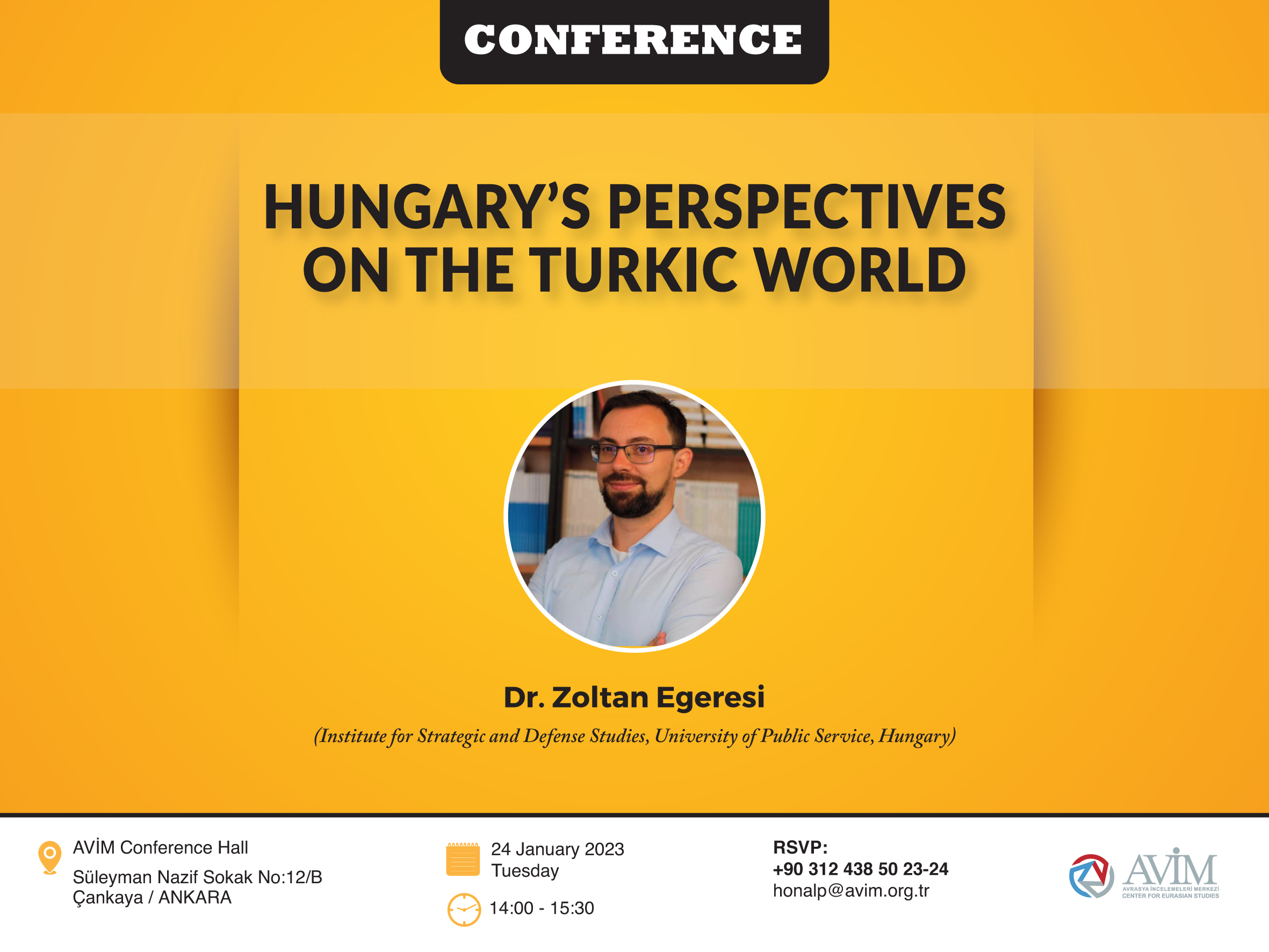
CONFERENCE TITLED “HUNGARY’S PERSPECTIVES ON THE TURKIC WORLD"