

















Reuters, 06 September 2016
Russian President Vladimir Putin pledged his support to the man emerging as the likely next leader of Uzbekistan on Tuesday, during a visit that put a stamp on Moscow's claim to be the ex-Soviet republic's closest ally.
Putin flew into the Central Asian state to pay his respects to President Islam Karimov, who died from a stroke on Sept. 2 aged 78. Putin was shown on state television embracing Prime Minister Shavkat Mirziyoyev, 59, the favorite to succeed the authoritarian leader.
In contrast, the United States, which vies with Russia for influence in Uzbekistan, has pressed its new leaders to improve the country's record on human rights and sent a mid-level diplomat after Karimov's death.
"Of course, we hope that everything Islam Abduganiyevich (Karimov) had started will be continued," Russia's Rossiya-24 channel showed Putin telling Mirziyoyev, after laying flowers on Karimov's grave in the city of Samarkand.
"For our part, we will do everything to support this path of mutual development and the people and leadership of Uzbekistan. You can fully count on us as your most reliable friends."
His words appeared to be a call to Karimov's successors to continue the tough line that he pursued against internal dissent during his more than 25 years at the helm.
Karimov died without publicly designating an heir.
But the way Putin's visit was stage-managed pointed strongly to Mirziyoyev having already taken on the mantle of his successor.
Mirziyoyev carried out the role of Putin's principal host. The two were shown chatting at the graveside, and embracing warmly at Samarkand airport. Putin also met Karimov's widow, Tatiana, and his younger daughter, Lola Karimova-Tillyaeva.
Mirziyoyev, in turn, told Putin his visit "says a lot".
"We will continue to develop that bridge which you had been building together with Islam Abduganiyevich for so many years in order not to break it, but to further solidify it," he said.
The visit by Putin highlighted the competition among world powers for influence in resource-rich and strategically-located Central Asia, the region in which Uzbekistan is located.
Hours before Putin's arrival, Daniel Rosenblum, Deputy Assistant Secretary for Central Asia at the U.S. Department of State, told reporters in Tashkent he had met Uzbek Foreign Minister Abdulaziz Komilov the previous evening.
Karimov had for years presented himself as a bulwark against a possible surge of Islamist militancy in Uzbekistan, which borders Afghanistan.
He successfully maneuvered between Russia and the United States to win backing for his sometimes harsh policies at home despite criticism from human rights groups and misgivings among Western governments.
Under his rule, Uzbekistan managed to forge close relations with Washington, which used Uzbek air bases to resupply its forces in Afghanistan. There were also periods of estrangement when the United States accused him of crushing dissent.
Karimov distanced Uzbekistan from Moscow in 2012 when Tashkent suspended its membership in the Russia-led Collective Security Treaty Organisation, which groups several ex-Soviet nations and is seen by some analysts as a regional counterbalance to NATO.
But Uzbekistan, Central Asia's most populous nation, remains heavily dependent on Russia economically. At least 2 million Uzbeks are estimated to work abroad, mostly in Russia, to provide for their families.
No comments yet.
- EU OMBUDSMAN QUESTIONS BARROSO'S BREXIT ROLE AT GOLDMAN SACHS Europe - EU 07.09.2016
-
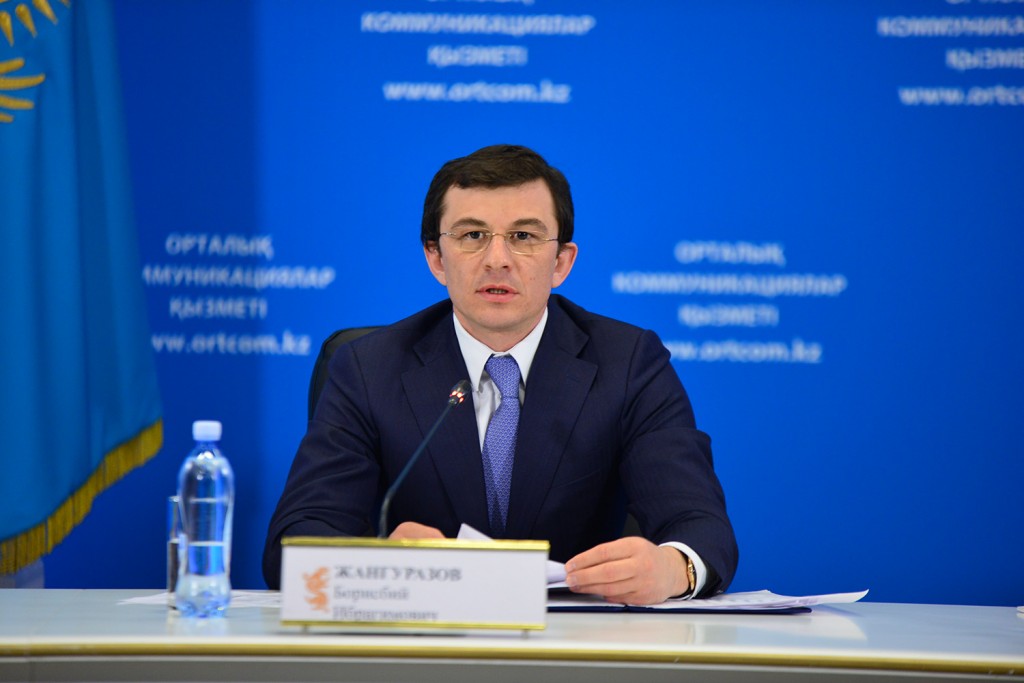 KAZAKHSTAN ATTRACTS $2.7 BILLION IN FDI IN Q1
Asia - Pacific
07.09.2016
KAZAKHSTAN ATTRACTS $2.7 BILLION IN FDI IN Q1
Asia - Pacific
07.09.2016
- TURKISH AIR STRIKES HIT 12 TARGETS IN NORTH IRAQ: MILITARY Iraq 07.09.2016
- CHINA & RUSSIA'S G20 MESSAGE: CONFRONTATION WITH WEST NOT OUR DESIRE Asia - Pacific 07.09.2016
- ARMENIA’S REPRESENTATIVE TO SUCCEED BORDYUZHA AS CSTO CHIEF The Caucasus and Turkish-Armenian Relations 07.09.2016
-
25.01.2016
THE ARMENIAN QUESTION - BASIC KNOWLEDGE AND DOCUMENTATION -
12.06.2024
THE TRUTH WILL OUT -
27.03.2023
RADİKAL ERMENİ UNSURLARCA GERÇEKLEŞTİRİLEN MEZALİMLER VE VANDALİZM -
17.03.2023
PATRIOTISM PERVERTED -
23.02.2023
MEN ARE LIKE THAT -
03.02.2023
BAKÜ-TİFLİS-CEYHAN BORU HATTININ YAŞANAN TARİHİ -
16.12.2022
INTERNATIONAL SCHOLARS ON THE EVENTS OF 1915 -
07.12.2022
FAKE PHOTOS AND THE ARMENIAN PROPAGANDA -
07.12.2022
ERMENİ PROPAGANDASI VE SAHTE RESİMLER -
01.01.2022
A Letter From Japan - Strategically Mum: The Silence of the Armenians -
01.01.2022
Japonya'dan Bir Mektup - Stratejik Suskunluk: Ermenilerin Sessizliği -
03.06.2020
Anastas Mikoyan: Confessions of an Armenian Bolshevik -
08.04.2020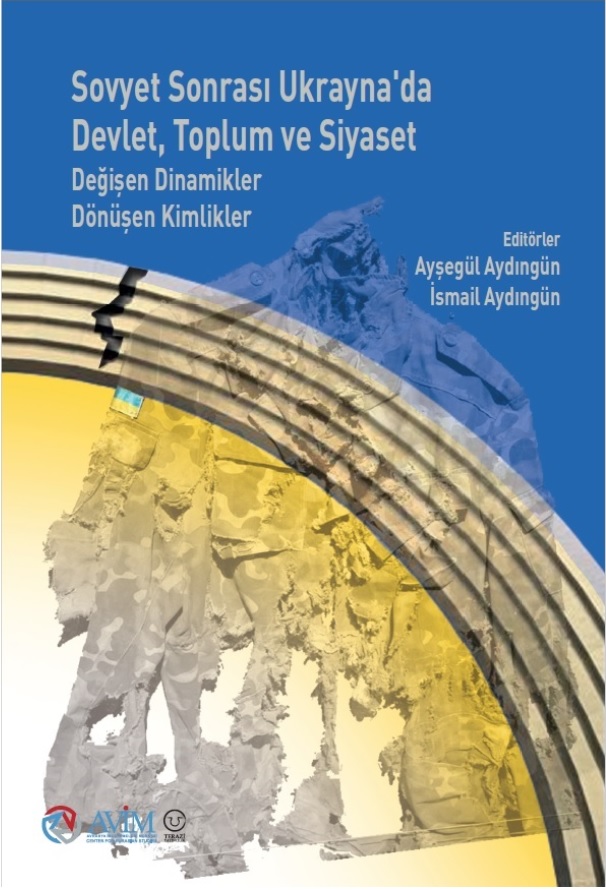
Sovyet Sonrası Ukrayna’da Devlet, Toplum ve Siyaset - Değişen Dinamikler, Dönüşen Kimlikler -
12.06.2018
Ermeni Sorunuyla İlgili İngiliz Belgeleri (1912-1923) - British Documents on Armenian Question (1912-1923) -
02.12.2016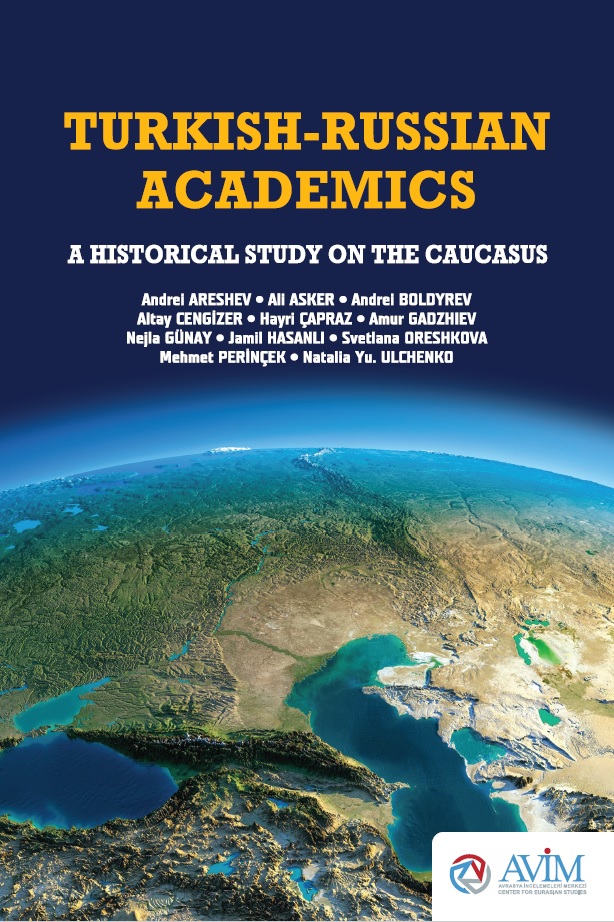
Turkish-Russian Academics: A Historical Study on the Caucasus -
01.07.2016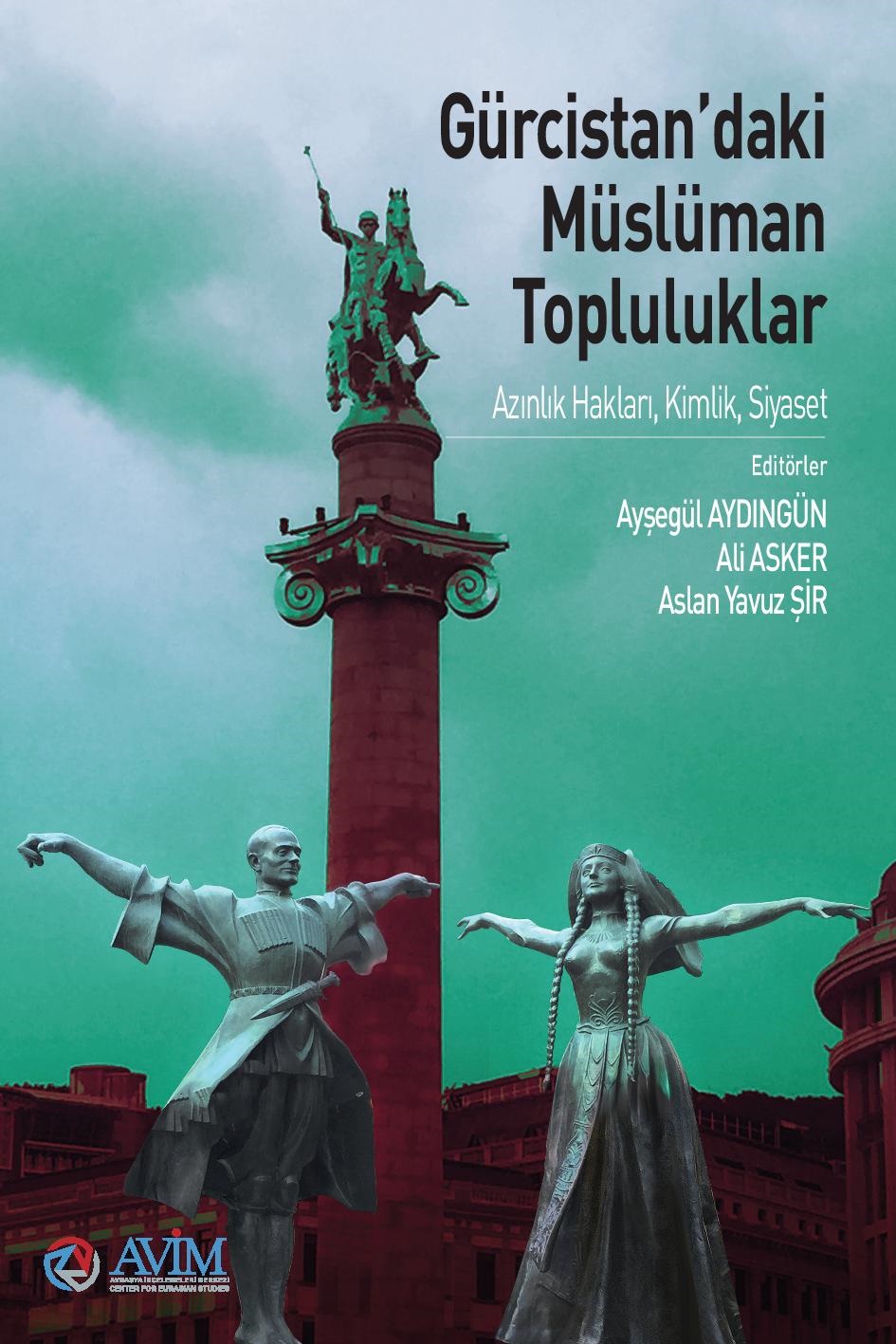
Gürcistan'daki Müslüman Topluluklar: Azınlık Hakları, Kimlik, Siyaset -
10.03.2016
Armenian Diaspora: Diaspora, State and the Imagination of the Republic of Armenia -
24.01.2016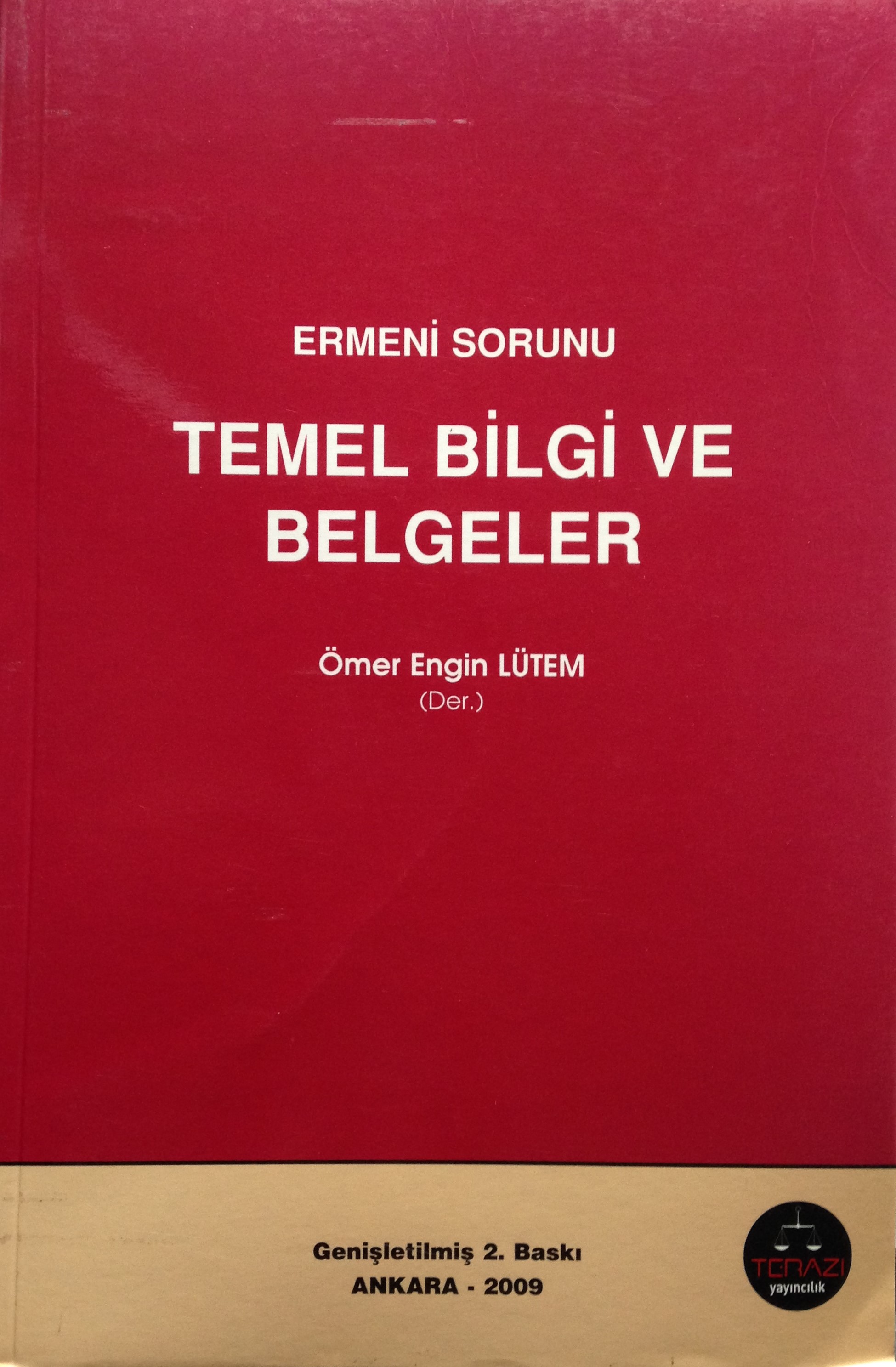
ERMENİ SORUNU - TEMEL BİLGİ VE BELGELER (2. BASKI)
-
AVİM Conference Hall 24.01.2023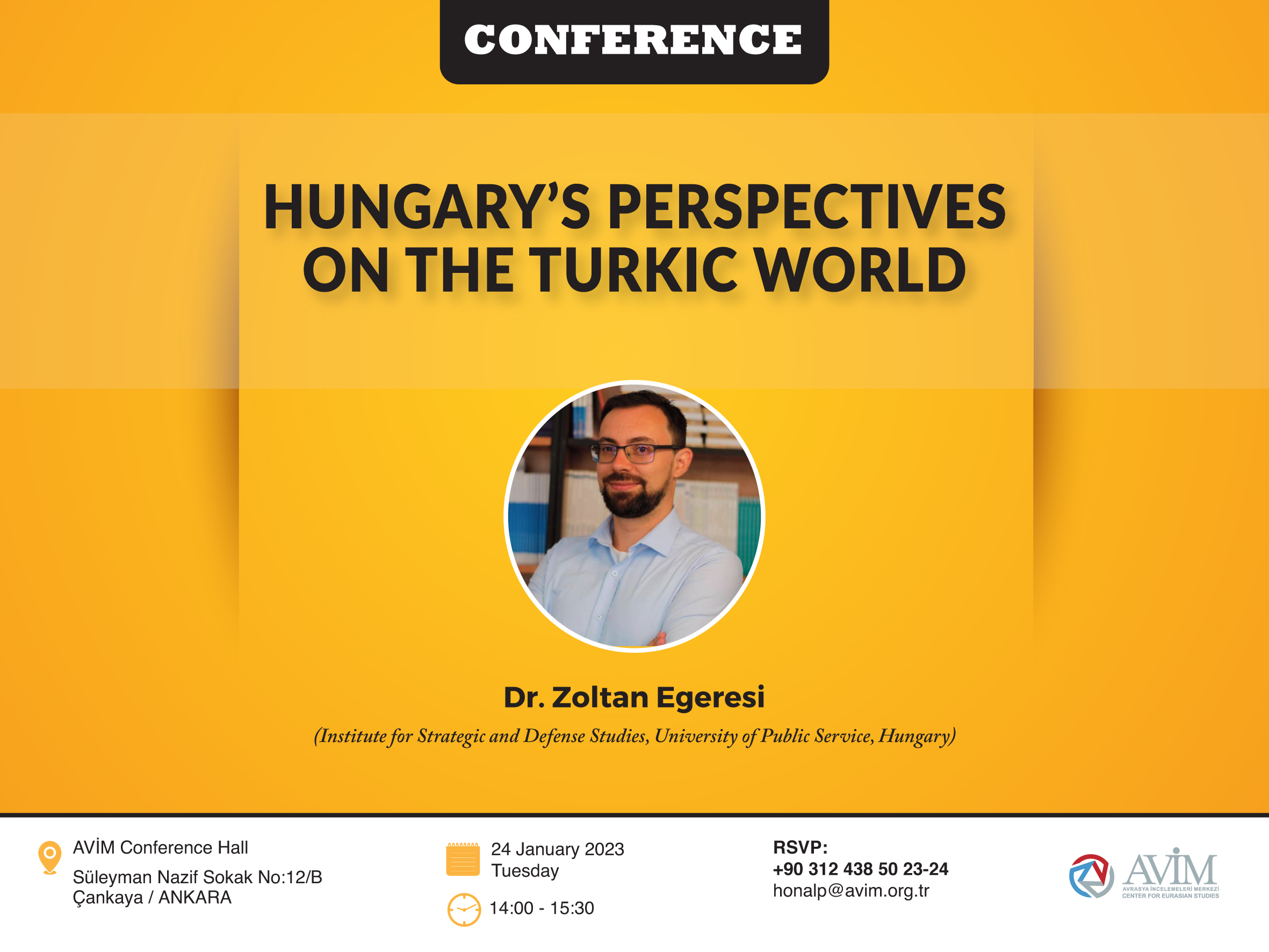
CONFERENCE TITLED “HUNGARY’S PERSPECTIVES ON THE TURKIC WORLD"