

















News.com.au, 13 Feb 2018
RUSSIA’S latest antimissile system — designed to safeguard key Moscow installations — has been successfully tested as part of a game-changing military upgrade.
THIS is the explosive footage that shows Russia is a force that doesn’t want to be messed with.
The video, released by the Ministry of Defence of the Russian Federation, shows the successful test of a new rocket designed to destroy any missiles aimed at key Moscow installations.
According to the Russian military, the tests of interceptor missiles for the A-135 anti-ballistic missile system were conducted at the Sary-Shagan site in the remote region of Kazakhstan.
The upgraded air defence missiles are capable of intercepting single and multiple strikes, including new generation intercontinental ballistic missiles, deputy commander of the Air and Space Defence Alliance Andrei Prikhodko told Russian newspaper Krasnaya Zvezda.
“Its tactical and technical characteristics with regards to range, precision, time frame of use, all significantly surpass firearms that exist in use today,” Colonel Prikhodko said.
The system is being hailed as a game-changer for Russian defence with Colonel Prikhodko calling the rocket’s success a leap forward in capability.
Russia’s military said the system is “intended to defend the city of Moscow from aerospace threat as well as to function in the interests of missile alert and space control”.
The new missiles will be added to the anti-ballistic missile system that has been in existence for 13 years and is run by Russian Aerospace Forces, Sputnik News reported.
The system is designed to intercept a strike against Moscow by hitting an incoming missile and can also potentially detonate a nuclear blast in the sky.
RUSSIAN THREAT
Dr Malcolm Davis, senior analyst in defence strategy and capability at the Australian Strategic Policy Institute, said Russia’s latest move posed a challenge for the West.
“The bottom line is these types of systems being introduced by China and Russia are eroding the traditional advantages the US and its allies have held since the 1991 Persian Gulf War, and it’s going to become more challenging for Western countries to gain and maintain control of the air, even for short periods, in a future major power interstate war,” Dr Davis said.
He said even though both countries criticise the US for developing ballistic missile defence (BMD) by claiming it is a destabilising move, they are moving quickly to develop a similar capability.
“These systems will be designed to counter a US or NATO retaliatory response — a nuclear ‘first strike’ against Russia is just not plausible,” Dr Davis said.
“But I doubt they’d be able to deploy sufficient numbers to seriously undermine US deterrence credibility.”
Dr Davis said there was a more pressing concern for the West regarding another potential Russian threat.
Just last week Lithuania’s president Dalia Grybauskaite said Russia has deployed additional nuclear-capable missiles in its Baltic Sea exclave of Kaliningrad on a permanent basis, with the president calling the missiles a threat to Europe.
Ms Grybauskaite told reporters after visiting NATO troops in the central Lithuanian town of Rukla that “Iskander missiles are being stationed in Kaliningrad for permanent presence as we speak”.
She called it a threat not only to Lithuania but to “half of all European countries”.
“I think the Iskander deployment into Kaliningrad is much more serious,” Dr Davis said.
“Those missiles can be used coercively, to threaten NATO with nuclear attack in a crisis as part of the Russian ‘pre-emptive de-escalation’ doctrine which ‘escalates to de-escalate’ — in effect threaten or carry out limited nuclear strikes to get NATO to back down after the Russians have intervened into the Baltics, for example.”
Dr Davis said if the Russians are building up nukes in Kaliningrad then that suggested the country’s military is planning for an eventual confrontation with NATO.
“Their excuse of NATO ‘massing forces’ is not credible, because the forces we’ve deployed into the Baltics to deter any Russian threat are pretty limited,” he said.
“They are more a trip-wire than a real defence.”
No comments yet.
- IRAQ BOOSTS ASIAN OIL EXPORTS TO NEW RECORD Iraq 13.02.2018
- VUCIC HANDS FILES ON MISSING SERBS TO CROATIA The Balkans 13.02.2018
- FUNDING TO DETER RUSSIA REACHES $6.5B IN FY19 DEFENSE BUDGET REQUEST Europe - EU 13.02.2018
-
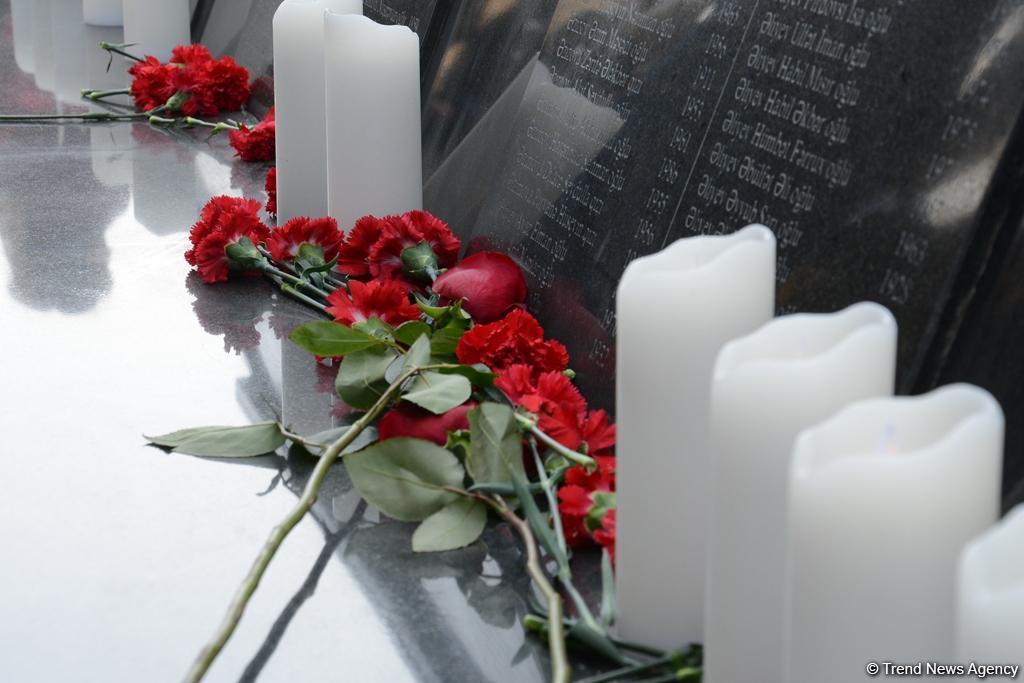 AZERBAIJAN APPROVES ACTION PLAN ON KHOJALY GENOCIDE ANNIVERSARY
The Caucasus and Turkish-Armenian Relations
13.02.2018
AZERBAIJAN APPROVES ACTION PLAN ON KHOJALY GENOCIDE ANNIVERSARY
The Caucasus and Turkish-Armenian Relations
13.02.2018
- UKRAINE'S FIGHT AGAINST CORRUPTION HAS STARTED TO WORK Europe - EU 13.02.2018
-
25.01.2016
THE ARMENIAN QUESTION - BASIC KNOWLEDGE AND DOCUMENTATION -
12.06.2024
THE TRUTH WILL OUT -
27.03.2023
RADİKAL ERMENİ UNSURLARCA GERÇEKLEŞTİRİLEN MEZALİMLER VE VANDALİZM -
17.03.2023
PATRIOTISM PERVERTED -
23.02.2023
MEN ARE LIKE THAT -
03.02.2023
BAKÜ-TİFLİS-CEYHAN BORU HATTININ YAŞANAN TARİHİ -
16.12.2022
INTERNATIONAL SCHOLARS ON THE EVENTS OF 1915 -
07.12.2022
FAKE PHOTOS AND THE ARMENIAN PROPAGANDA -
07.12.2022
ERMENİ PROPAGANDASI VE SAHTE RESİMLER -
01.01.2022
A Letter From Japan - Strategically Mum: The Silence of the Armenians -
01.01.2022
Japonya'dan Bir Mektup - Stratejik Suskunluk: Ermenilerin Sessizliği -
03.06.2020
Anastas Mikoyan: Confessions of an Armenian Bolshevik -
08.04.2020
Sovyet Sonrası Ukrayna’da Devlet, Toplum ve Siyaset - Değişen Dinamikler, Dönüşen Kimlikler -
12.06.2018
Ermeni Sorunuyla İlgili İngiliz Belgeleri (1912-1923) - British Documents on Armenian Question (1912-1923) -
02.12.2016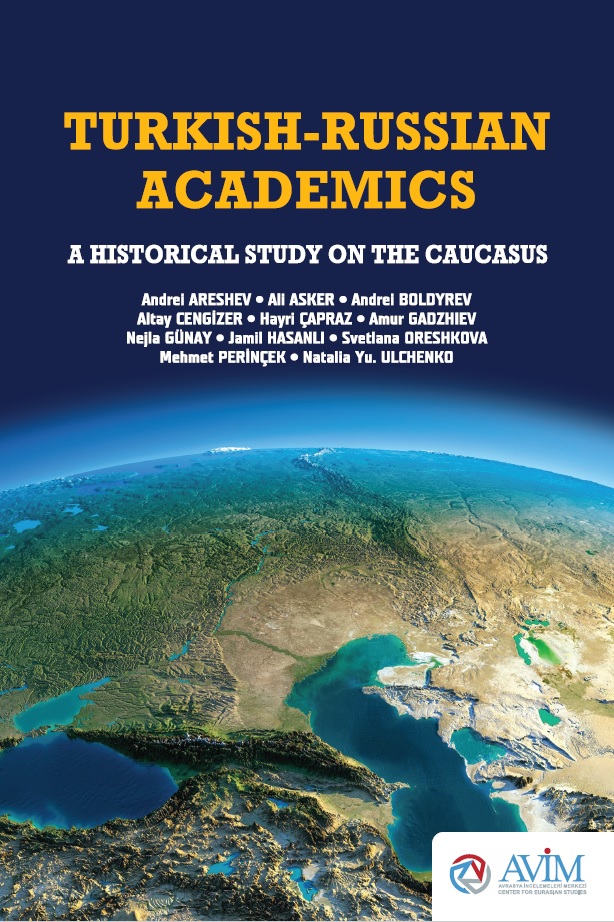
Turkish-Russian Academics: A Historical Study on the Caucasus -
01.07.2016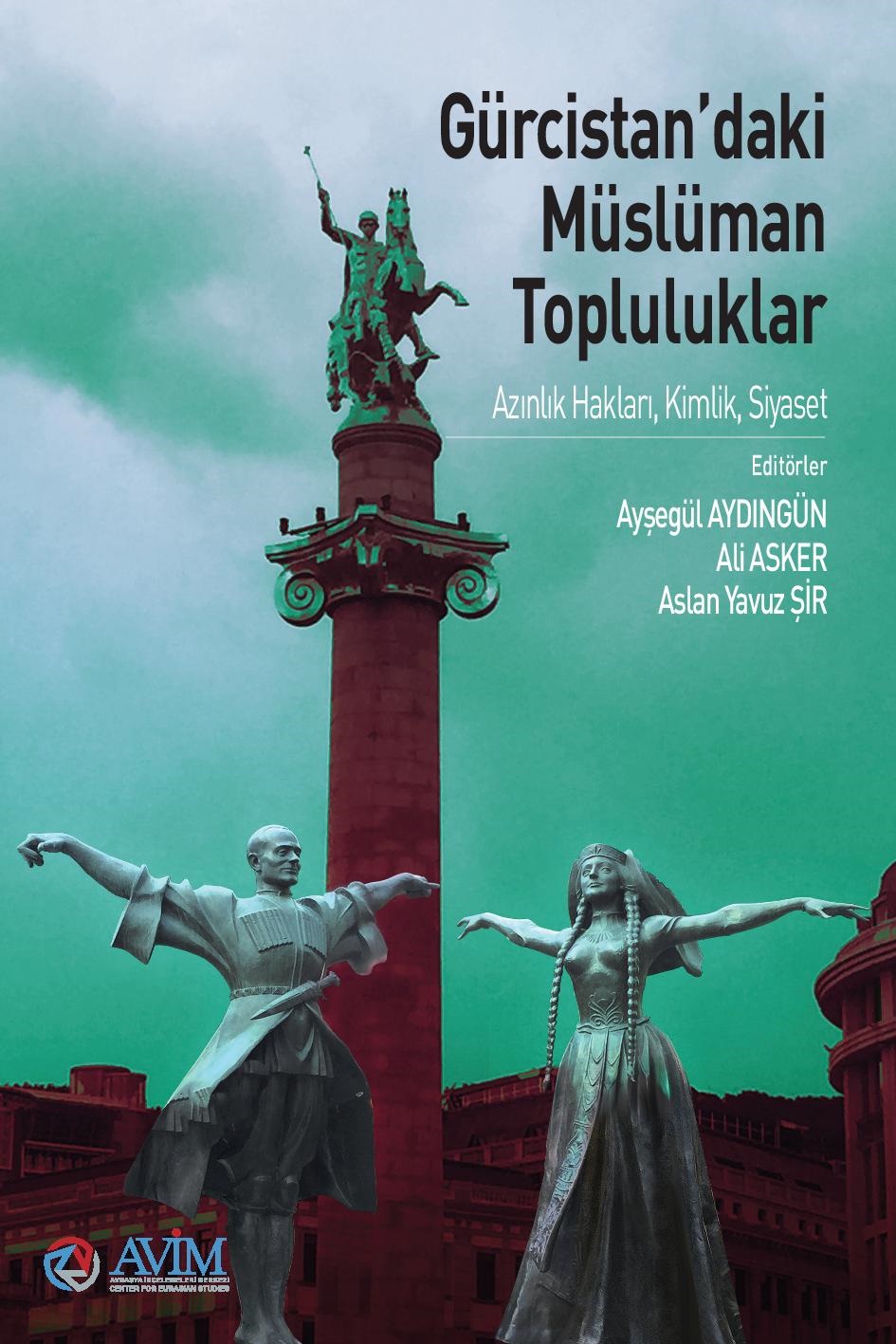
Gürcistan'daki Müslüman Topluluklar: Azınlık Hakları, Kimlik, Siyaset -
10.03.2016
Armenian Diaspora: Diaspora, State and the Imagination of the Republic of Armenia -
24.01.2016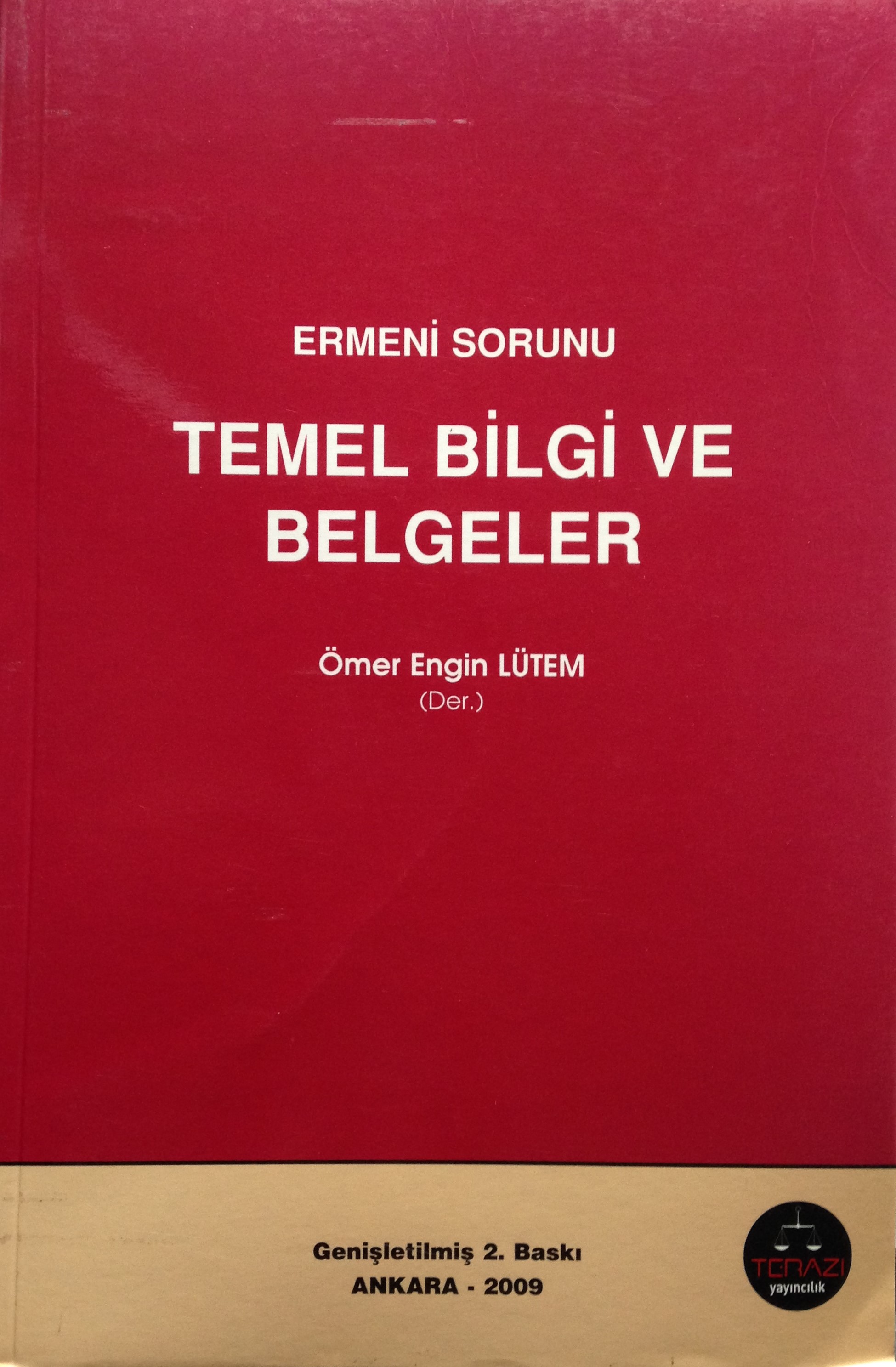
ERMENİ SORUNU - TEMEL BİLGİ VE BELGELER (2. BASKI)

-
AVİM Conference Hall 24.01.2023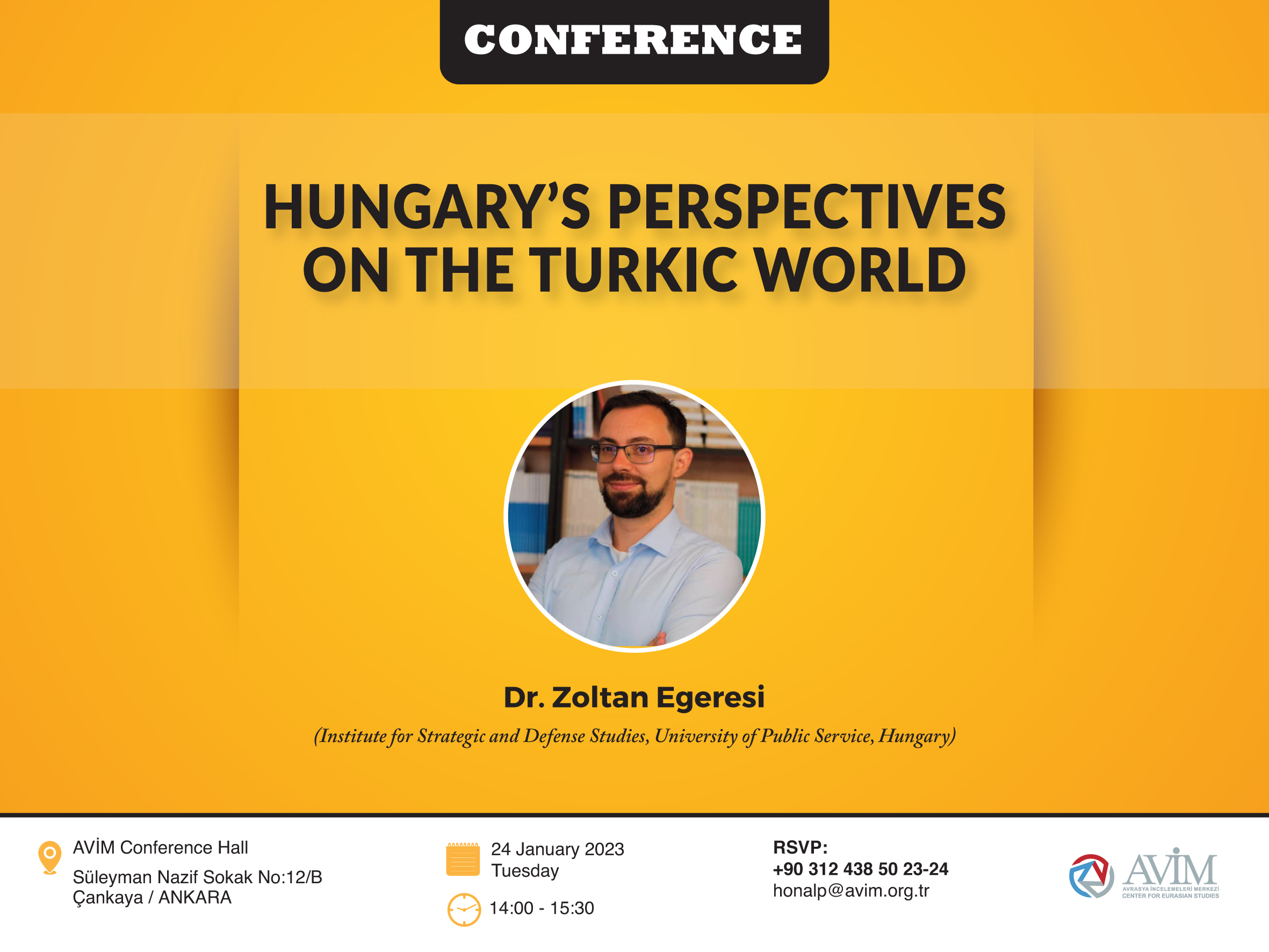
CONFERENCE TITLED “HUNGARY’S PERSPECTIVES ON THE TURKIC WORLD"