

















Wall Street Journal, 13 July 2016
Russia pushed a new air-safety initiative for the Baltic Sea in a meeting with North Atlantic Treaty Organization ambassadors Wednesday as it continued to criticize the Western alliance for a planned buildup in the region.
Moscow’s air-safety proposal would require all planes flying in the Baltic Sea region to operate with their transponders turned on, Russian officials said. Transponders help civil aviation authorities track and identify planes. U.S., NATO and European Union officials in the past have criticized the Russian practice of turning off transponders in the area, saying it has contributed to near misses and other dangerous situations.
While the Russian proposal had few details, allied officials welcomed it. They said it could open up the kind of military-to-military talks that NATO officials have been pressing Moscow to embrace. Planes under NATO command always fly with transponders on, but some allies may operate with them off occasionally when they fly under national command, alliance officials said.
“Russia proposed a way forward on how we can address transponders and air safety,” NATO Secretary-General Jens Stoltenberg said. “We welcomed that Russia is willing to sit down and discuss air safety.”
Still, both during and after the meeting, Alexander Grushko, the Russian Ambassador to NATO, continued his criticism of the alliance’s moves to build up its forces in the Baltic region, arguing that NATO risked destabilizing Europe.
“There is no reason to develop such military activity,” Mr. Grushko said at a news conference at NATO headquarters. “It does not contribute to security. It is not about transparency. It is about the direction NATO is moving in military terms. This is worrisome, this is a worrisome development.”
NATO has said the Baltic force would be defensive and limited. Mr. Grushko dismissed that claim Wednesday, saying the NATO force, combined with a separate U.S. deployment, would amount to two brigades in the region on a permanent basis, in violation of a 1997 agreement between Russia and the alliance. Allies say the deployments wouldn’t violate that accord.
NATO has approved a force of up to 4,000 troops for the region. The U.S. plans to rotate an additional heavy brigade of about 3,500 troops to training areas.
The Baltic region has seen maneuvering by both Russia and the West.
Russia has promised a troop buildup in response to NATO’s positioning of forces. But it has also, in recent weeks, ousted the military leadership in its Baltic Fleet, a move that has come under scrutiny by Western militaries.
The meeting is only the second gathering of the NATO-Russia council since the alliance suspended practical cooperation with Moscow following the 2014 annexation of Crimea.
The importance of the Baltic region has increased in recent years, amid the worst tensions between Russia and the West since the Cold War.
Russia has stepped up efforts to turn its Baltic Sea exclave of Kaliningrad into a bastion of defense, increasing its onshore anti-ship and air-defense and bolstering its ground forces, analysts said.
In recent months, there have been a number of encounters between Russian aircraft and U.S. Navy ships and Air Force planes, further raising fears that an accident could cause tensions to boil over into a conflict.
U.S. reconnaissance planes regularly fly through the Baltic region monitoring activity in Kaliningrad. The U.S. has occasionally complained about unsafe Russian intercepts of the American planes.
At the end of June, Russia’s Defense Ministry announced that it had fired the commander of the Baltic Fleet, the fleet’s chief of staff, and several other officers after an inspection revealed “serious shortcomings” in their work, including what it said were deficiencies in combat training and distortions in reports. A lawmaker later said 36 officers in total had been fired.
It is unusual for senior officers to be dismissed in such large numbers and with such public criticism.
Russian media reports suggested the dismissals could be connected to the poor condition of officers’ housing at the fleet’s Kaliningrad base or collision damage sustained by a submarine in an unconfirmed incident in April.
The U.S. believes the ousters are due to disappointment by Moscow in the state of the Baltic Fleet’s combat readiness, said a U.S. official. Allied officials said they believe the Russian moves to remove the admirals were likely in response to the U.S. and NATO buildup of forces in the Baltic Sea.
No comments yet.
- GERMANY SEES BREXIT OPENING FOR EU DEFENSE UNION WITH FRANCE Europe - EU 14.07.2016
- REFUGEES FACE ASYLUM REJECTION IF THEY LEAVE COUNTRY OF ARRIVAL, UNDER NEW EU RULES Europe - EU 14.07.2016
- CARTER: U.S. TROOP LEVEL IN AFGHANISTAN BOLSTERS GLOBAL COUNTERTERRORISM FIGHT Asia - Pacific 14.07.2016
- IRAQ: ISIL CLAIMS DEADLY CHECKPOINT ATTACK NEAR BAGHDAD Iraq 14.07.2016
-
 'WE NEED TIME' FOR BREXIT, BRITISH PRIME MINISTER MAY WARNS MERKEL AND HOLLANDE
Europe - EU
14.07.2016
'WE NEED TIME' FOR BREXIT, BRITISH PRIME MINISTER MAY WARNS MERKEL AND HOLLANDE
Europe - EU
14.07.2016
-
25.01.2016
THE ARMENIAN QUESTION - BASIC KNOWLEDGE AND DOCUMENTATION -
12.06.2024
THE TRUTH WILL OUT -
27.03.2023
RADİKAL ERMENİ UNSURLARCA GERÇEKLEŞTİRİLEN MEZALİMLER VE VANDALİZM -
17.03.2023
PATRIOTISM PERVERTED -
23.02.2023
MEN ARE LIKE THAT -
03.02.2023
BAKÜ-TİFLİS-CEYHAN BORU HATTININ YAŞANAN TARİHİ -
16.12.2022
INTERNATIONAL SCHOLARS ON THE EVENTS OF 1915 -
07.12.2022
FAKE PHOTOS AND THE ARMENIAN PROPAGANDA -
07.12.2022
ERMENİ PROPAGANDASI VE SAHTE RESİMLER -
01.01.2022
A Letter From Japan - Strategically Mum: The Silence of the Armenians -
01.01.2022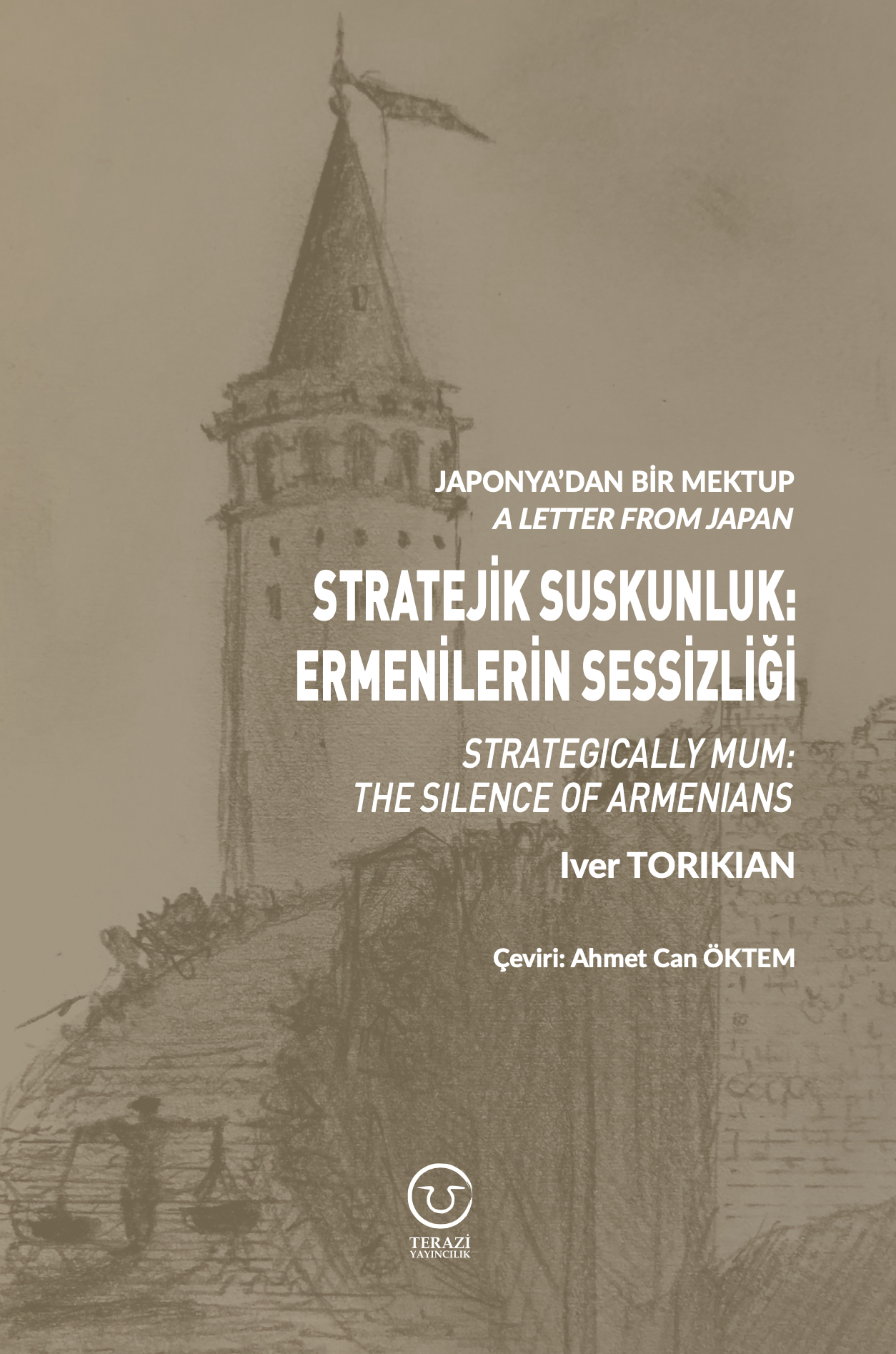
Japonya'dan Bir Mektup - Stratejik Suskunluk: Ermenilerin Sessizliği -
03.06.2020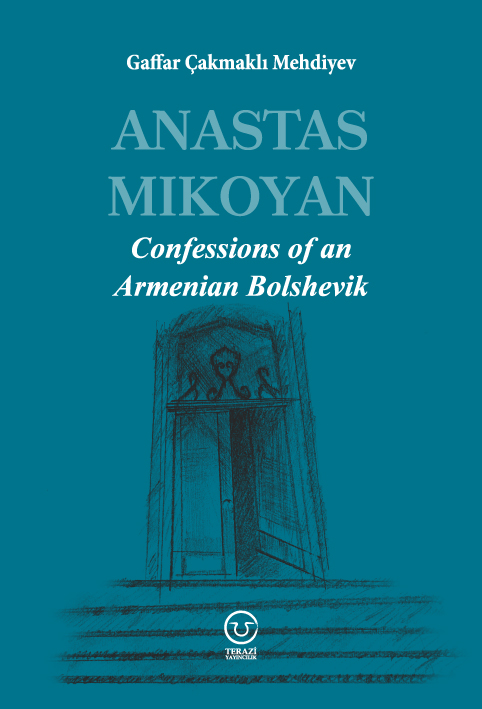
Anastas Mikoyan: Confessions of an Armenian Bolshevik -
08.04.2020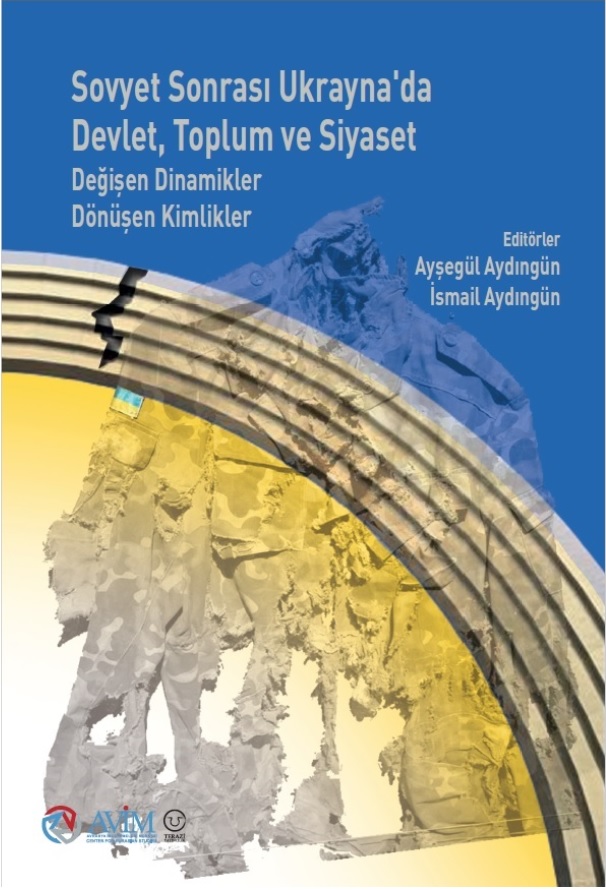
Sovyet Sonrası Ukrayna’da Devlet, Toplum ve Siyaset - Değişen Dinamikler, Dönüşen Kimlikler -
12.06.2018
Ermeni Sorunuyla İlgili İngiliz Belgeleri (1912-1923) - British Documents on Armenian Question (1912-1923) -
02.12.2016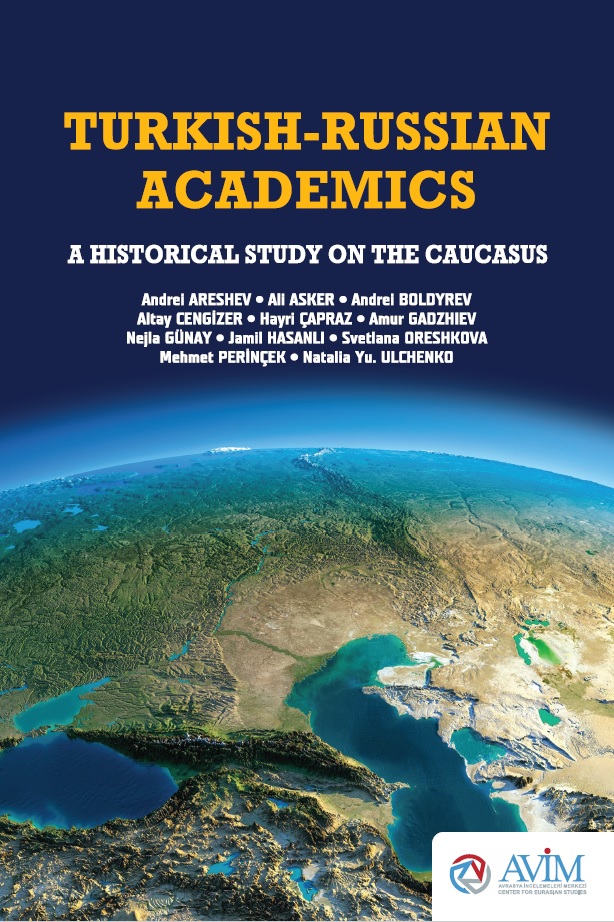
Turkish-Russian Academics: A Historical Study on the Caucasus -
01.07.2016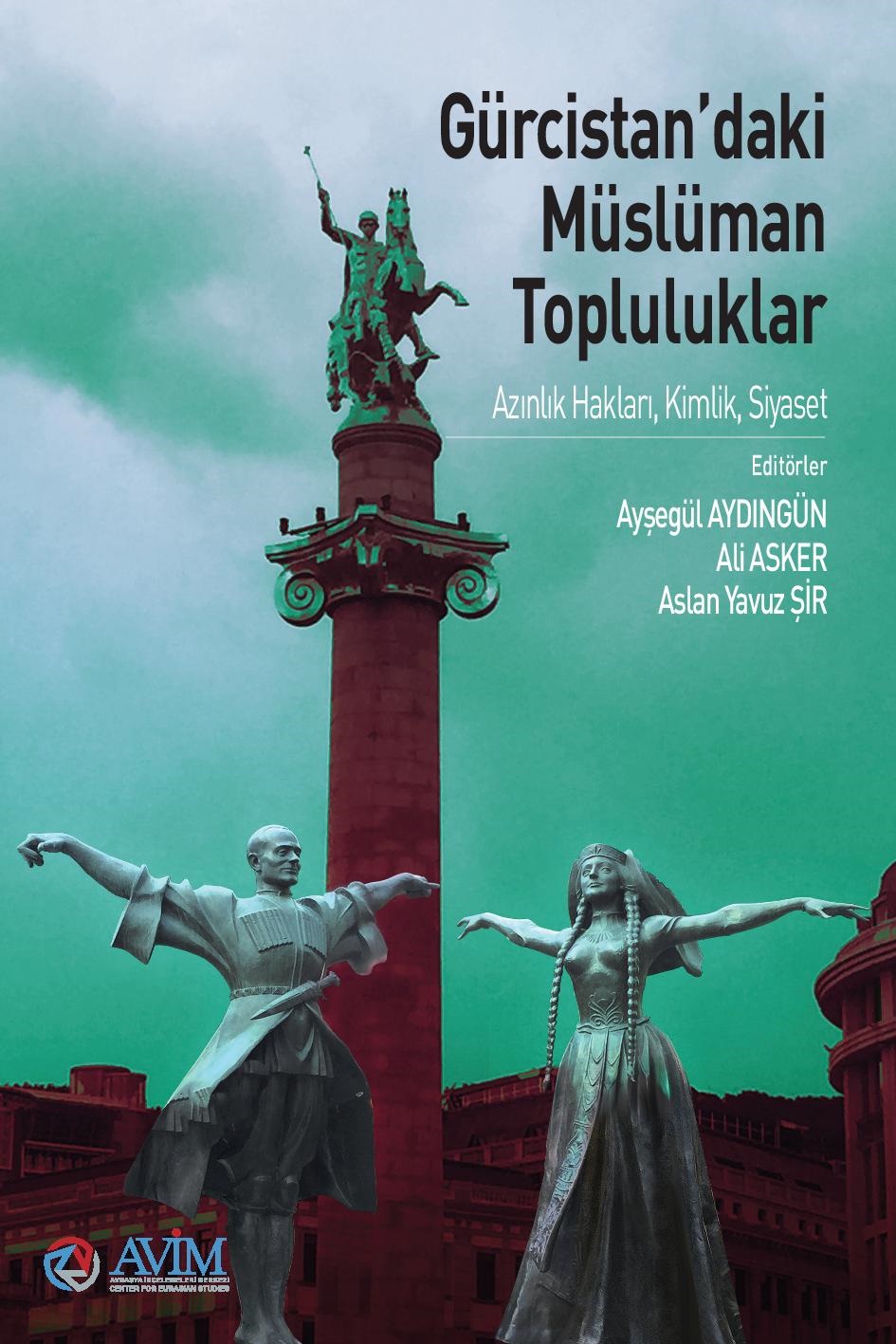
Gürcistan'daki Müslüman Topluluklar: Azınlık Hakları, Kimlik, Siyaset -
10.03.2016
Armenian Diaspora: Diaspora, State and the Imagination of the Republic of Armenia -
24.01.2016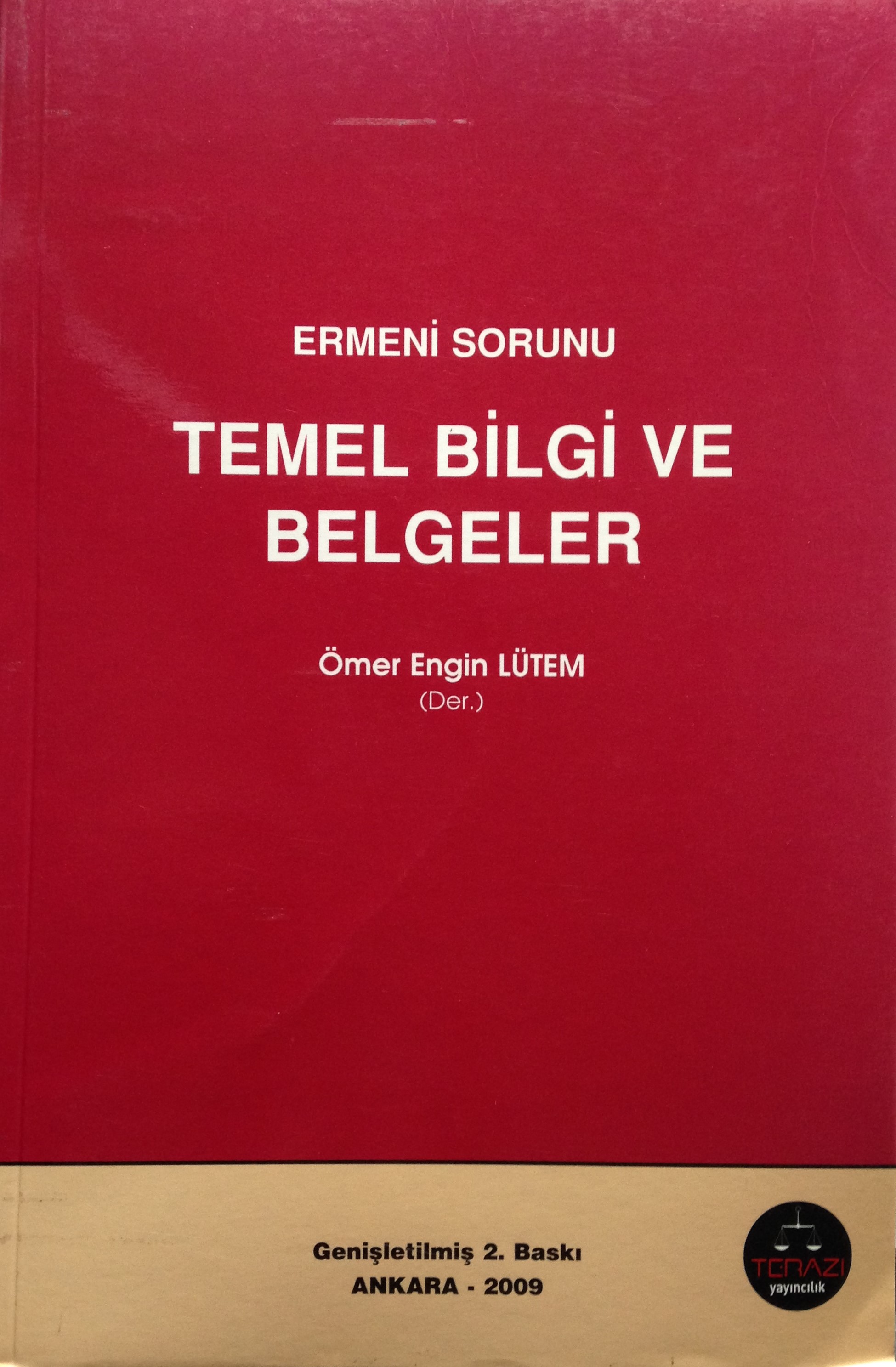
ERMENİ SORUNU - TEMEL BİLGİ VE BELGELER (2. BASKI)


-
AVİM Conference Hall 24.01.2023
CONFERENCE TITLED “HUNGARY’S PERSPECTIVES ON THE TURKIC WORLD"