

















Financial Times, 28 September 2016
Few world energy projects are as divisive as Gazprom’s Nord Stream 2: the planned $11bn, 1,200km pipeline to bring Russian gas direct to Germany under the Baltic Sea. Critics of the scheme — the US, some EU officials, and several central and eastern European countries — say it will increase Europe’s reliance on Russian gas and restrict competition. They add that it will harm the economies of countries such as Ukraine, Slovakia and Poland, which currently earn big fees from carrying Russian gas across their territory.
However, Nord Stream 2’s backers number not just Moscow but also five big European companies due to be involved in building it — Germany’s BASF and Uniper, France’s Engie, Austria’s OMV and Royal Dutch Shell — plus senior German politicians including, it seems, chancellor Angela Merkel. They say Nord Stream 2 will “eliminate transit risks” — a euphemism for enabling Russian gas exports to Europe to bypass Ukraine. Disputes in 2006 and 2009 briefly led Gazprom to cut off supplies to Kiev, hitting deliveries further west. Supporters insist Nord Stream 2 will be more efficient and increase gas supplies into Europe’s heart, making the market more competitive.
Then, last month, Poland dealt the project a potential killer blow. Its anti-monopoly watchdog warned it would block the venture as it would increase Gazprom’s already dominant position in central Europe. The five European partners pulled out of plans to each take a 10 per cent stake in the Nord Stream 2 consortium. The Polish watchdog’s approval was needed before Gazprom could issue the shares enabling them to join the consortium. So the Russian state-controlled monopoly said that Nord Stream 2, as a 100 per cent Gazprom-owned subsidiary, would instead do the work itself, and its European partners would still find ways to “contribute”.
Ilian Vassilev, an energy consultant and former Bulgarian ambassador to Moscow, has suggested this idea of Gazprom financing the pipeline on its own “borders on extreme optimism” given the state of its finances. The company could probably only do so by getting some form of Russian state help — though Russia’s budget is hardly flush.
But Gazprom does not give up that easily. It has signalled it will announce agreements with its European partners and give an update on its plans at a St Petersburg gas forum next week. It also formally applied for permission this month to build two new lines parallel to Nord Stream 1, opened in 2011, along Sweden’s continental shelf.
Back in 2014, after Moscow cancelled the much-vaunted South Stream project to bring gas under the Black Sea, in the face of EU opposition, it had appeared that Gazprom might be finally shifting towards an export policy driven more by commercial than political considerations.
Now, though, with Gazprom looking at bringing gas to southern Europe via Turkey instead, it is difficult to see Nord Stream 2 — on which it signed initial agreements with European partners last year — as anything other than a geopolitical game.
[The pipeline] serves the Kremlin’s agenda by stripping Kiev of several billion dollars a year in transit fees
Gazprom’s projects appear aimed at ending Ukraine’s role as a transit country for Russian gas, by the time the current transit contract with Kiev expires in 2019. That might seem understandable given the impact of past gas squabbles between the two countries. But it also serves the Kremlin’s agenda by stripping Kiev of several billion dollars a year in transit fees.
Maros Sefcovic, the EU’s energy commissioner, has told the Financial Times the northern pipeline looked like a “sort of punishment” for Ukraine, after its 2014 pro-western revolution. He added the project was “contrary to what we want to achieve” in creating a new EU energy union.
Mr Vassilev suggests a bigger motivation for Moscow may be to forge a new “strategic bond” with Germany, the landing point for Nord Stream 2, by turning it into a European hub for Russian gas. That could benefit German industry by offering it lower gas prices but could also be exploited by Russia politically in the future.
For minority shareholders who own 49 per cent of Gazprom, the multiple reversals over export routes can be difficult to fathom and suggest the company remains a tool of Kremlin foreign policy. As long as there is no sign of that changing, there is little chance of closing Gazprom’s huge discount to global energy peers — leaving its dollar value still at little more than one-sixth of its peak a decade ago.
No comments yet.
- AFGHANISTAN’S SHAKY NATIONAL UNITY GOVERNMENT APPROACHES ITS SECOND ANNIVERSARY Asia - Pacific 29.09.2016
- BREXIT: ITALIAN PM MATTEO RENZI WARNS UK OVER EU RIGHTS Europe - EU 29.09.2016
- JOHN KERRY THREATENS TO SUSPEND TALKS WITH RUSSIA ON SYRIA Asia - Pacific 29.09.2016
- RUSSIA SMASHES POST-SOVIET OIL SUPPLY RECORD AS OPEC WEIGHS CURB Asia - Pacific 29.09.2016
- HOW THE US'S NUCLEAR WEAPONS COMPARE TO RUSSIA'S Asia - Pacific 29.09.2016
-
25.01.2016
THE ARMENIAN QUESTION - BASIC KNOWLEDGE AND DOCUMENTATION -
12.06.2024
THE TRUTH WILL OUT -
27.03.2023
RADİKAL ERMENİ UNSURLARCA GERÇEKLEŞTİRİLEN MEZALİMLER VE VANDALİZM -
17.03.2023
PATRIOTISM PERVERTED -
23.02.2023
MEN ARE LIKE THAT -
03.02.2023
BAKÜ-TİFLİS-CEYHAN BORU HATTININ YAŞANAN TARİHİ -
16.12.2022
INTERNATIONAL SCHOLARS ON THE EVENTS OF 1915 -
07.12.2022
FAKE PHOTOS AND THE ARMENIAN PROPAGANDA -
07.12.2022
ERMENİ PROPAGANDASI VE SAHTE RESİMLER -
01.01.2022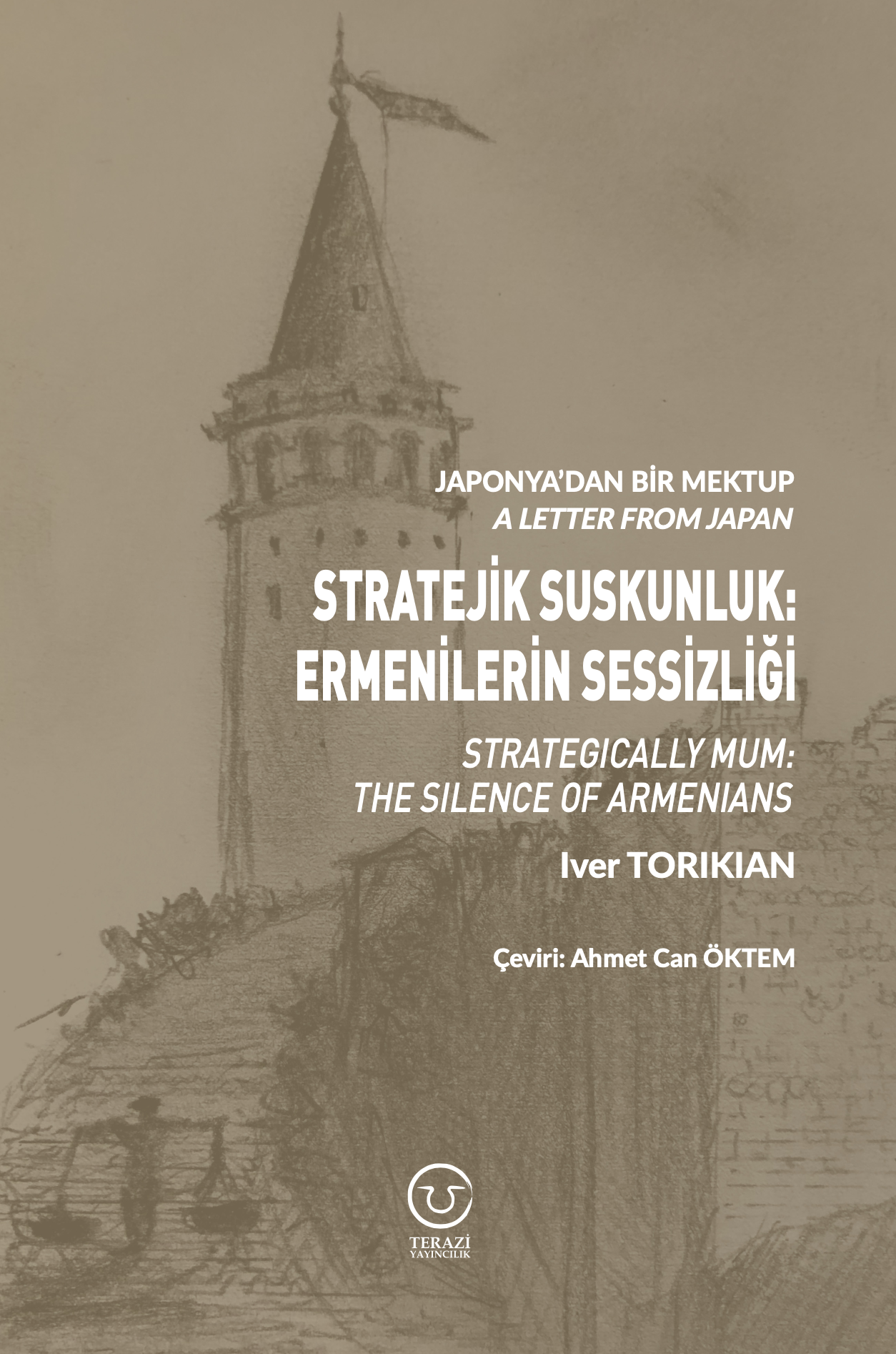
A Letter From Japan - Strategically Mum: The Silence of the Armenians -
01.01.2022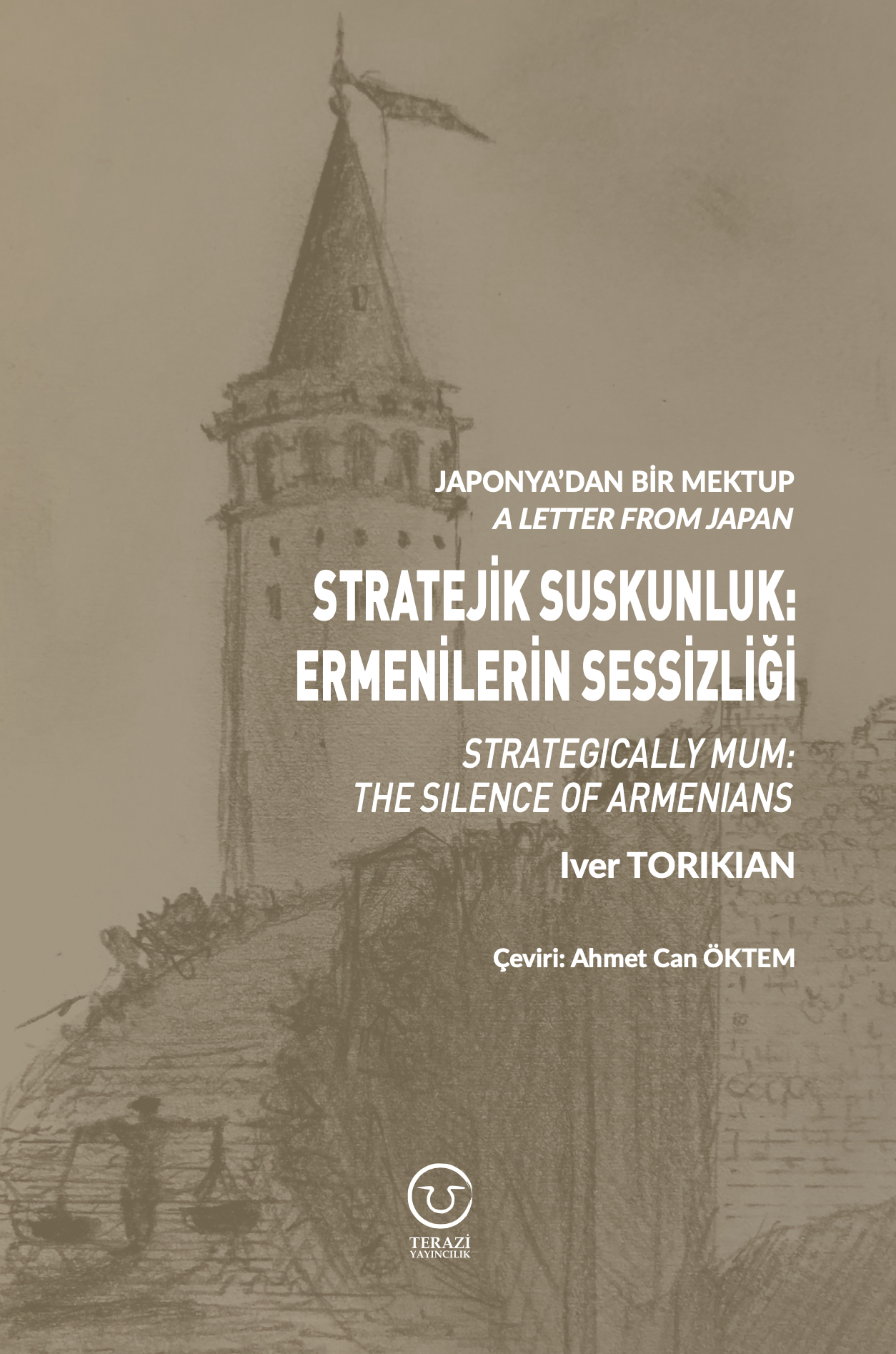
Japonya'dan Bir Mektup - Stratejik Suskunluk: Ermenilerin Sessizliği -
03.06.2020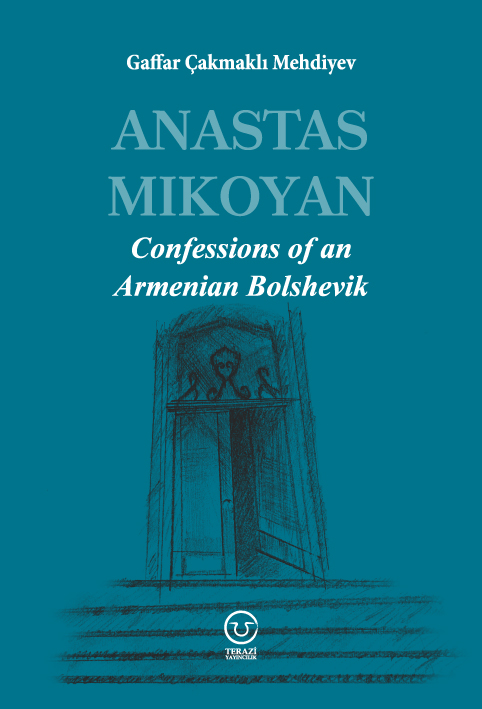
Anastas Mikoyan: Confessions of an Armenian Bolshevik -
08.04.2020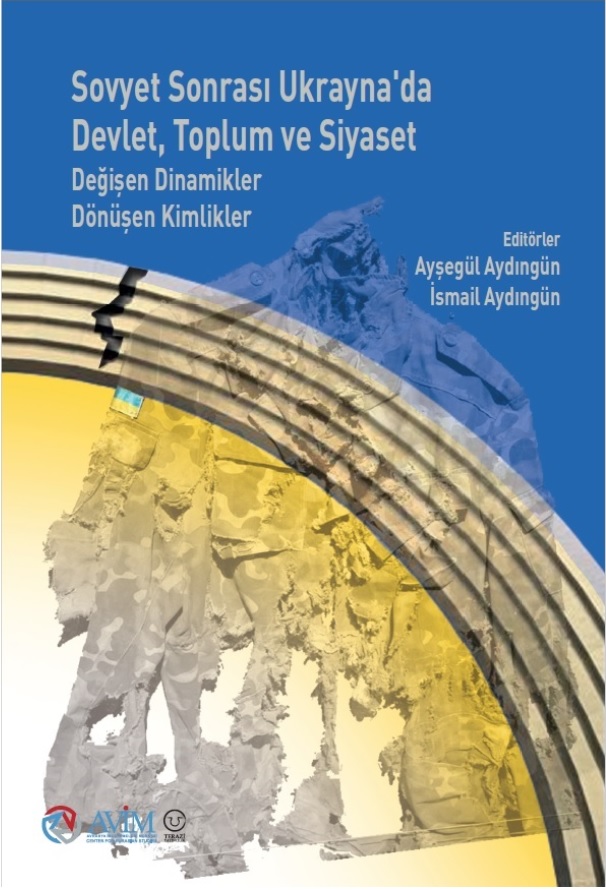
Sovyet Sonrası Ukrayna’da Devlet, Toplum ve Siyaset - Değişen Dinamikler, Dönüşen Kimlikler -
12.06.2018
Ermeni Sorunuyla İlgili İngiliz Belgeleri (1912-1923) - British Documents on Armenian Question (1912-1923) -
02.12.2016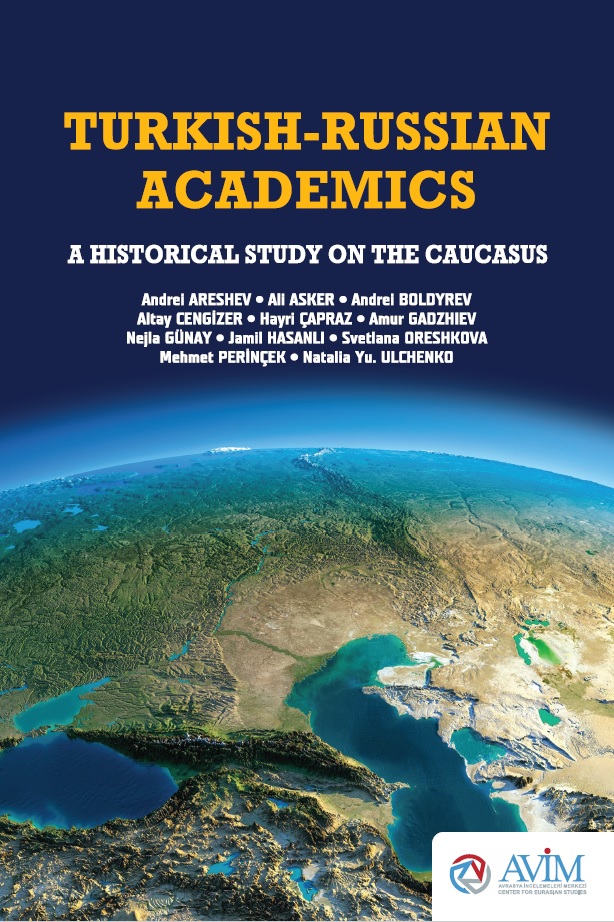
Turkish-Russian Academics: A Historical Study on the Caucasus -
01.07.2016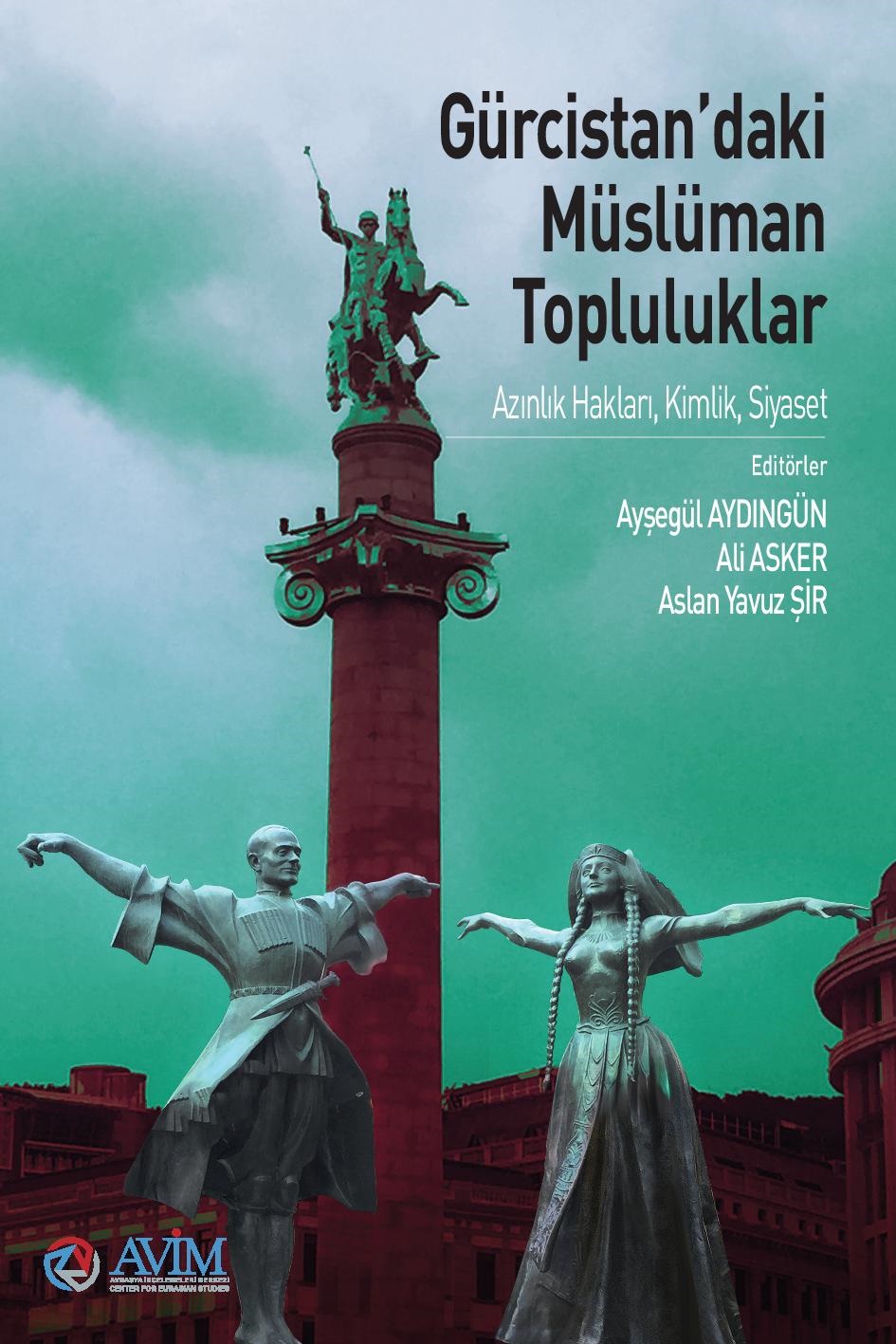
Gürcistan'daki Müslüman Topluluklar: Azınlık Hakları, Kimlik, Siyaset -
10.03.2016
Armenian Diaspora: Diaspora, State and the Imagination of the Republic of Armenia -
24.01.2016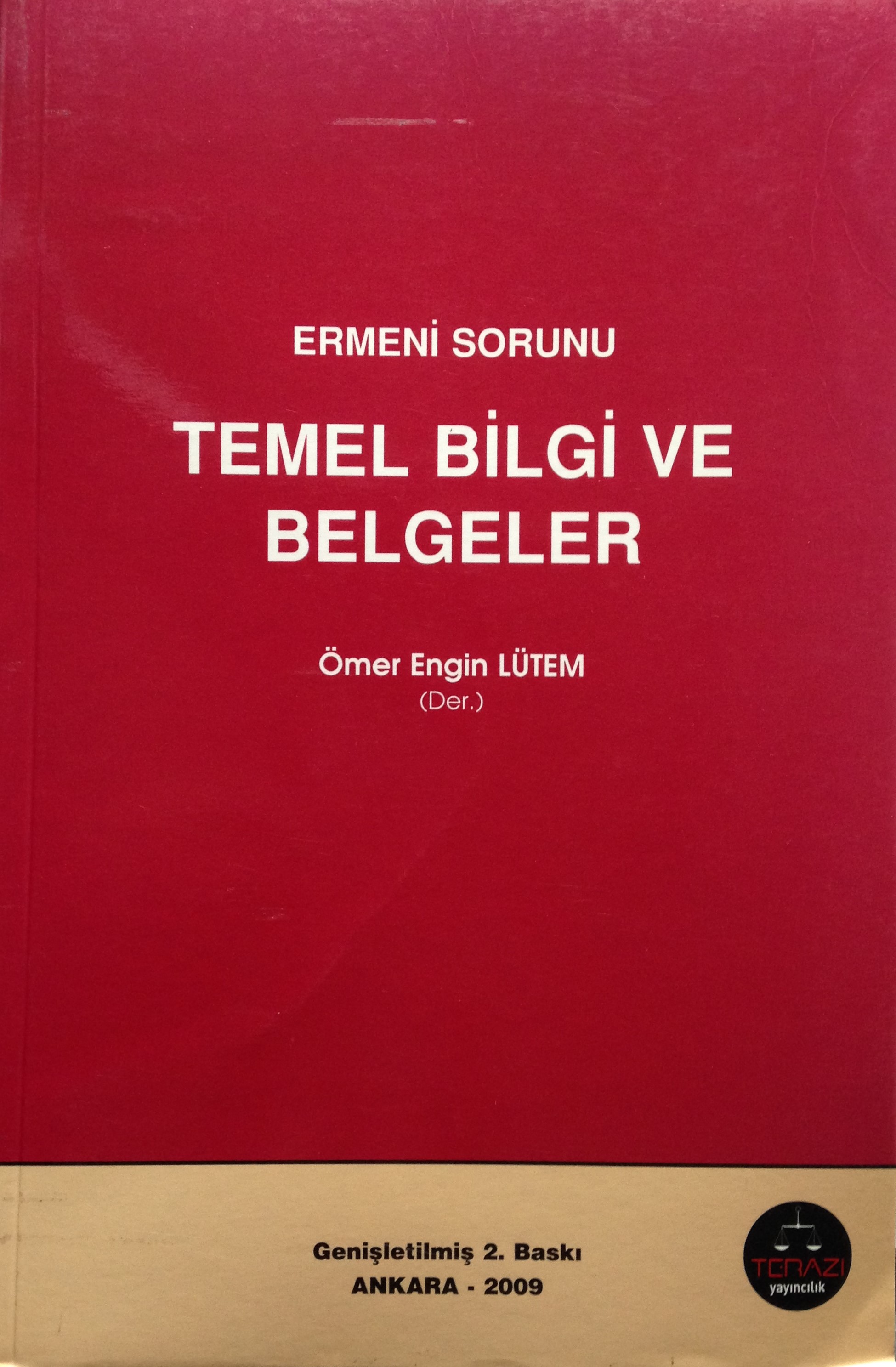
ERMENİ SORUNU - TEMEL BİLGİ VE BELGELER (2. BASKI)


-
AVİM Conference Hall 24.01.2023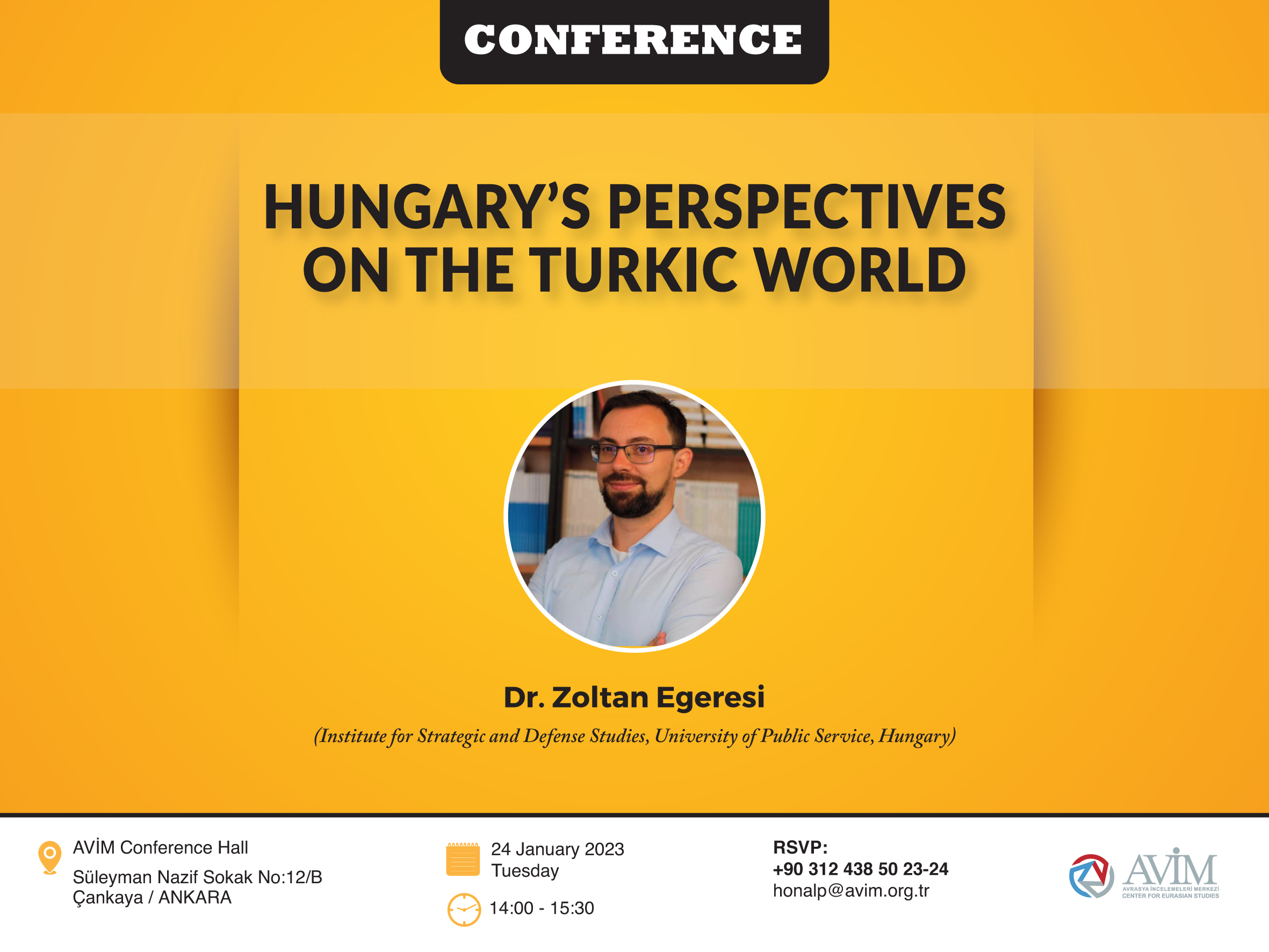
CONFERENCE TITLED “HUNGARY’S PERSPECTIVES ON THE TURKIC WORLD"