
















CNBC, 14 July 2016
Russia's recession has been shallower than expected, the International Monetary Fund (IMF) said in its latest economic report on the country, and the economy is expected to return to growth next year - unless oil prices take a further tumble.
"Lower oil prices and needed fiscal adjustment will keep the economy in recession in 2016 with an expected decline in real GDP of 1.2 percent," the IMF said in report on Russia's economic outlook. "(But) growth is expected to resume in 2017 and reach 1 percent, as domestic demand slowly recovers on the back of easing financial conditions and pent up demand."
Russia's economy contracted by 3.7 percent in 2015 due to falling oil prices and international sanctions that limited Russia's access to international financial markets.
Sanctions were imposed on Russia after its annexation of Crimea in 2014 and role in a pro-Russian uprising in east Ukraine and are continuing as the country is not deemed to be upholding its part of a ceasefire agreement in Ukraine.
The combination of falling oil prices and sanctions hit Russia hard, causing capital flight and a sharp drop in the ruble which only served to drive up inflation, hurting many Russian households.
Still, the IMF said that the steps taken by Russia to mitigate the crisis had helped to lessen the impact of recession.
"The economic contraction is nonetheless shallower than previous recessions as a stronger external position and the authorities' economic package — a flexible exchange rate regime, banking sector capital and liquidity injections, limited fiscal stimulus, and regulatory forbearance — cushioned the shocks, helped restore confidence and stabilized the financial system," the IMF said.
Russia relies on oil exports for much of its wealth although the Kremlin has repeatedly called for the diversification of the economy to quicken pace. The IMF said that growth was unlikely to be robust despite the recovery with oil prices still the main contributor to – and possible detractor from – the economy.
"With adverse demographics, and barring significant structural reforms that increase productivity growth, potential growth is likely to be at around 1½ percent over the medium term. A fall in oil prices is the main risk to the outlook."
In its recommendations, the IMF's executive board encouraged Russia to "adjust to the challenge of persistently lower oil prices by reducing its dependence on oil and energy exports over the medium term." Directors also noted that Russia had the opportunity to diversify its economy as a result of a more competitive exchange rate.
Another byproduct of Russia's economic crisis has been high inflation. The country's central bank has maintained high interest rates in a bid to combat high prices - despite some political pressure to lower rates in order to stimulate the economy – and the inflation rate has been steadily declining.
In June, inflation stood at 7.5 percent and the key interest rate at 1–0.5 percent. Although the inflation rate is still some way off the bank's 4 percent target for 2017, the IMF's directors commended Russia's authorities for implementing policies that were helpful in bringing down inflation and said it was on the right course to normalize monetary policy.
"Given the negative output gap and little evidence of demand-side pressures, they considered that monetary policy normalization would be appropriate. However, they cautioned that the pace of easing should be gradual, given past strong links between volatile oil prices, the exchange rate, and inflation."
No comments yet.
- RUSSIA DETAINS, DEPORTS U.S. PROPAGANDA CHIEF BEFORE KERRY'S TRIP Asia - Pacific 14.07.2016
- IRAQ: ISIL SAYS OMAR AL-SHISHANI KILLED IN AIR STRIKE Iraq 14.07.2016
- BAGHDAD BOMBING IGNITES DEMAND FOR BETTER SECURITY IN IRAQ Iraq 14.07.2016
- IRAQ: ISIL CLAIMS DEADLY CHECKPOINT ATTACK NEAR BAGHDAD Iraq 14.07.2016
- BULGARIA AND IRAN HOPE TO EXPAND ENERGY COOPERATION The Balkans 14.07.2016
-
25.01.2016
THE ARMENIAN QUESTION - BASIC KNOWLEDGE AND DOCUMENTATION -
12.06.2024
THE TRUTH WILL OUT -
27.03.2023
RADİKAL ERMENİ UNSURLARCA GERÇEKLEŞTİRİLEN MEZALİMLER VE VANDALİZM -
17.03.2023
PATRIOTISM PERVERTED -
23.02.2023
MEN ARE LIKE THAT -
03.02.2023
BAKÜ-TİFLİS-CEYHAN BORU HATTININ YAŞANAN TARİHİ -
16.12.2022
INTERNATIONAL SCHOLARS ON THE EVENTS OF 1915 -
07.12.2022
FAKE PHOTOS AND THE ARMENIAN PROPAGANDA -
07.12.2022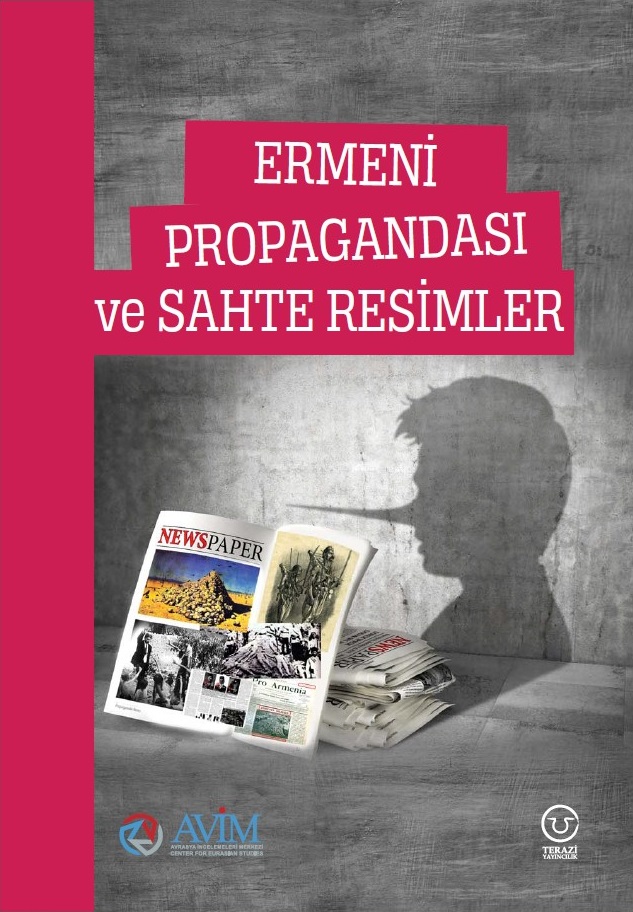
ERMENİ PROPAGANDASI VE SAHTE RESİMLER -
01.01.2022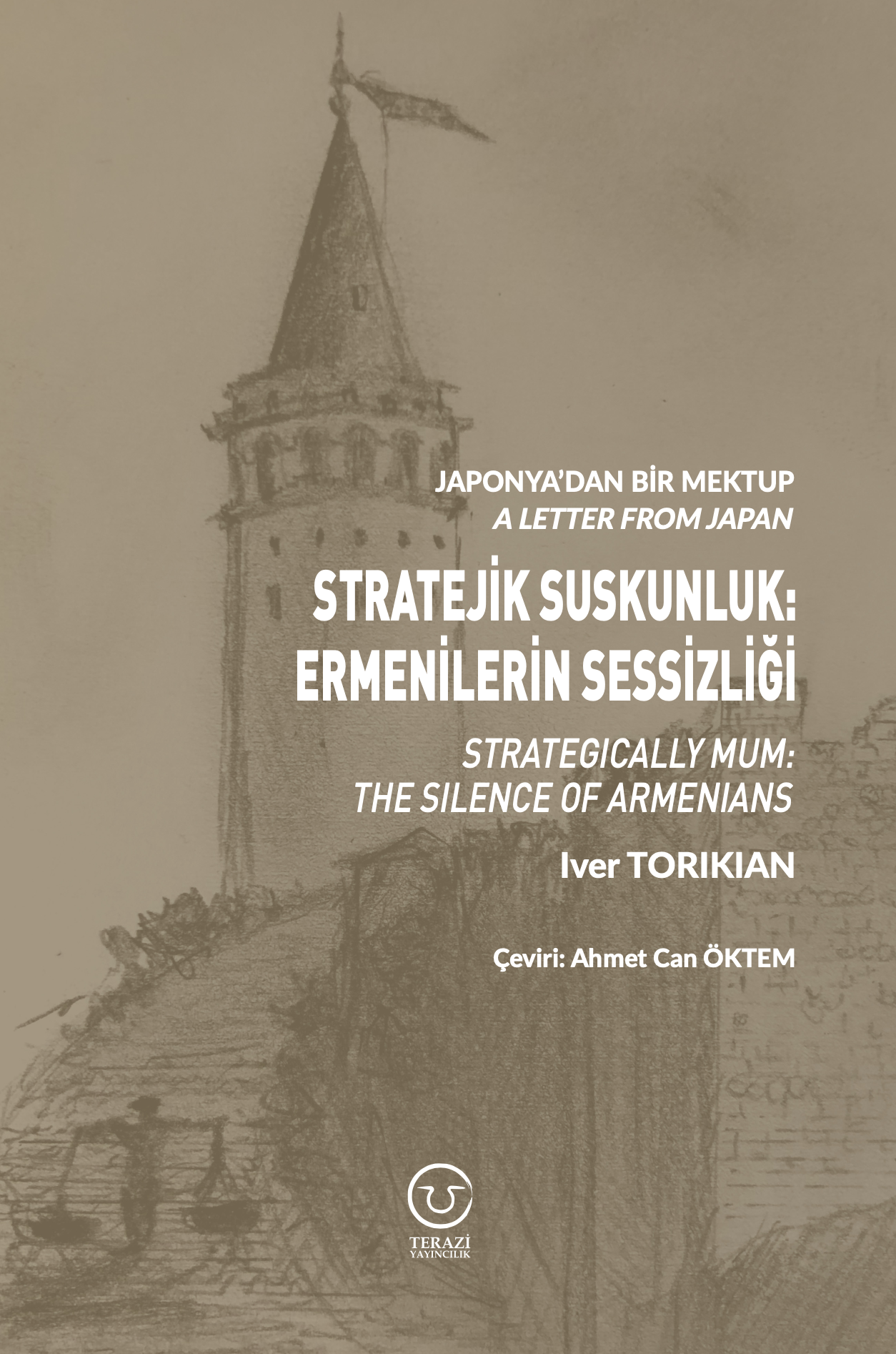
A Letter From Japan - Strategically Mum: The Silence of the Armenians -
01.01.2022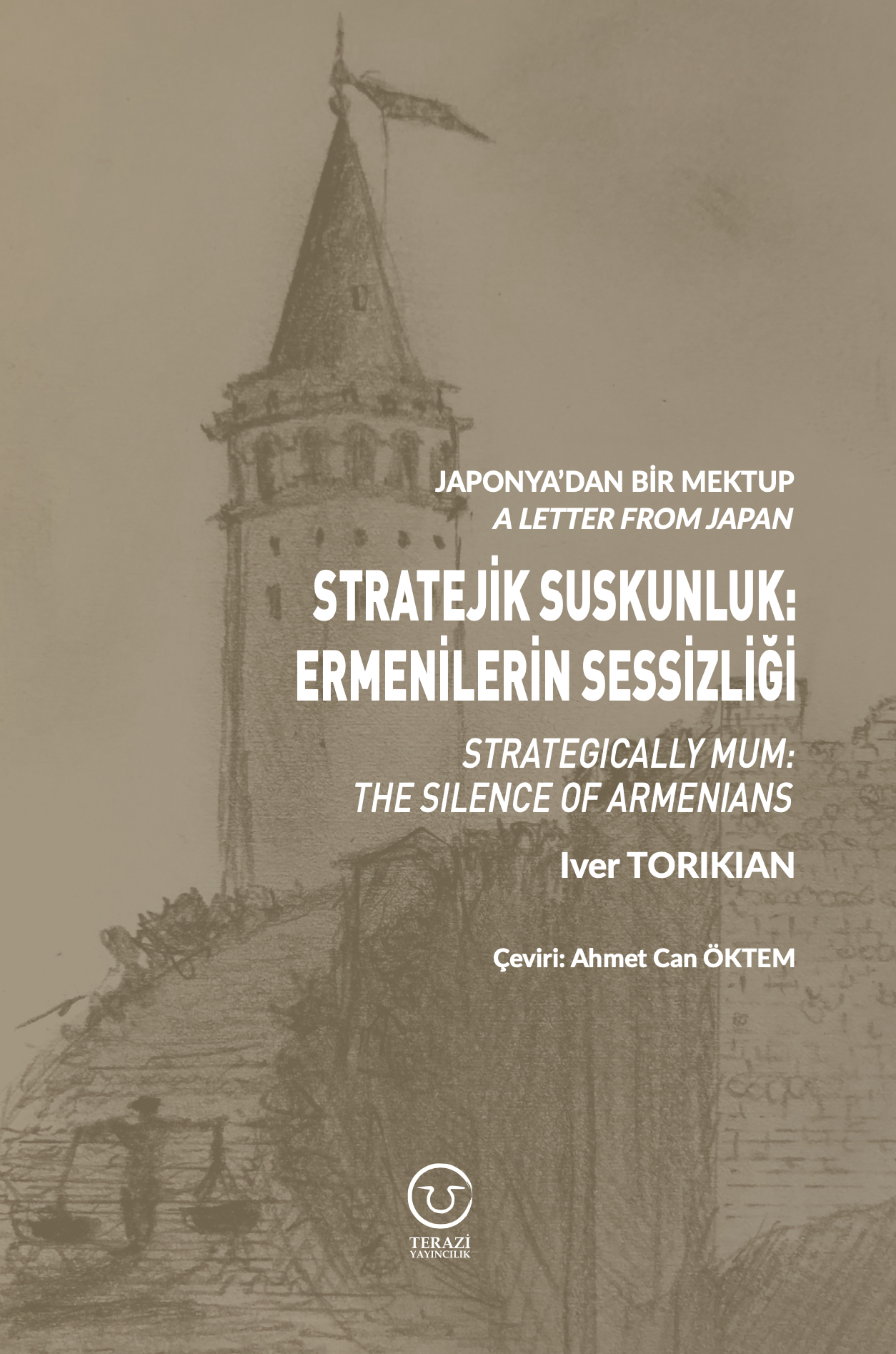
Japonya'dan Bir Mektup - Stratejik Suskunluk: Ermenilerin Sessizliği -
03.06.2020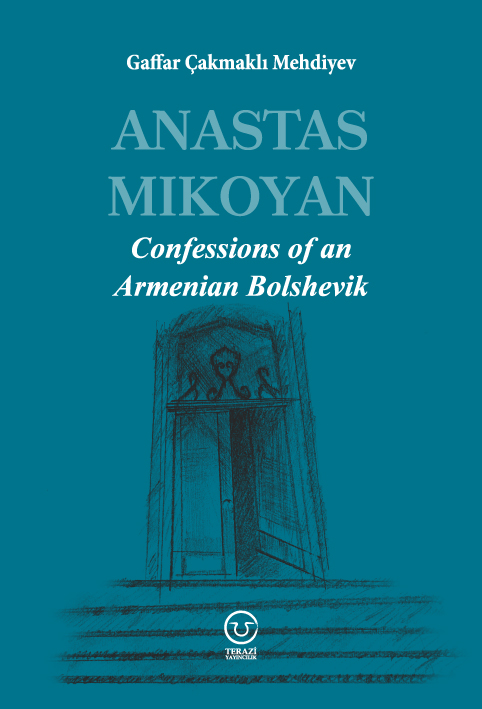
Anastas Mikoyan: Confessions of an Armenian Bolshevik -
08.04.2020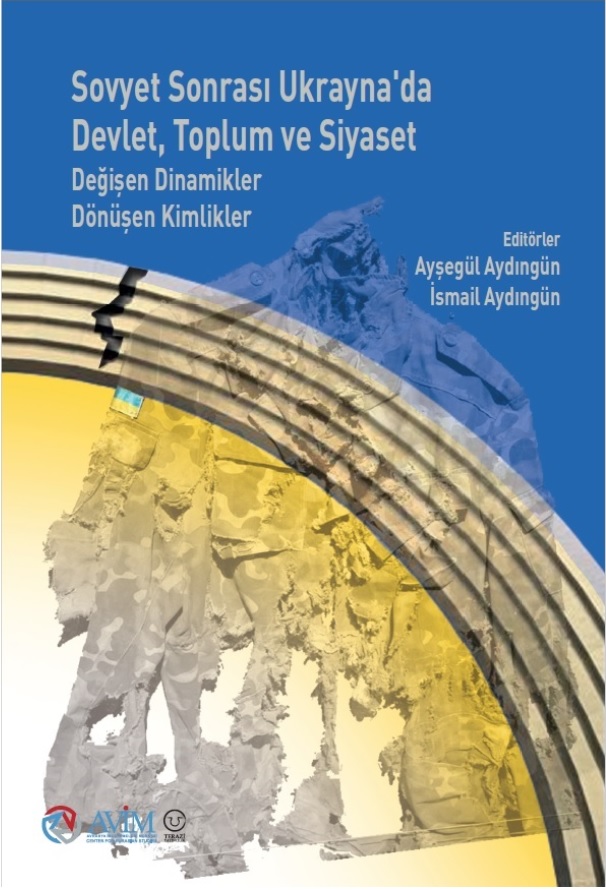
Sovyet Sonrası Ukrayna’da Devlet, Toplum ve Siyaset - Değişen Dinamikler, Dönüşen Kimlikler -
12.06.2018
Ermeni Sorunuyla İlgili İngiliz Belgeleri (1912-1923) - British Documents on Armenian Question (1912-1923) -
02.12.2016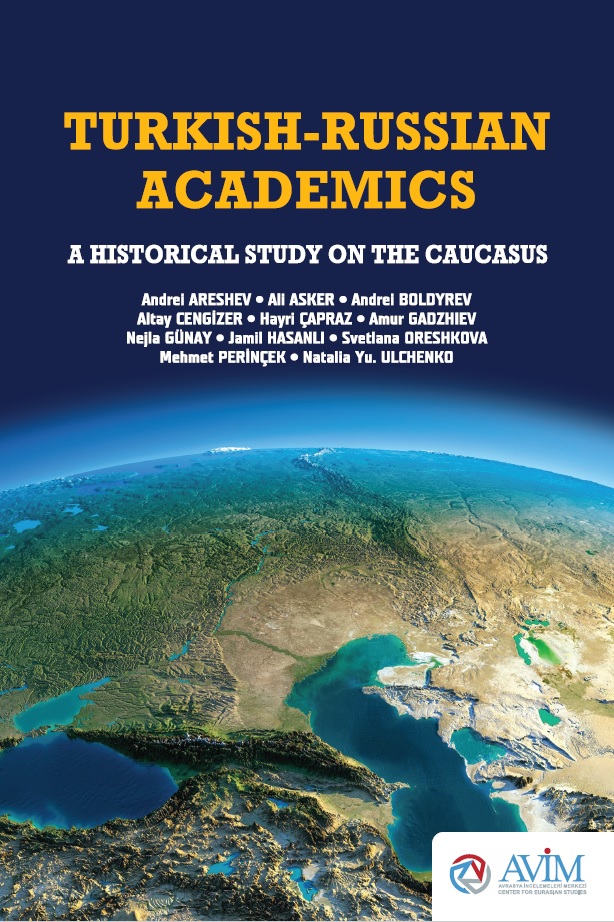
Turkish-Russian Academics: A Historical Study on the Caucasus -
01.07.2016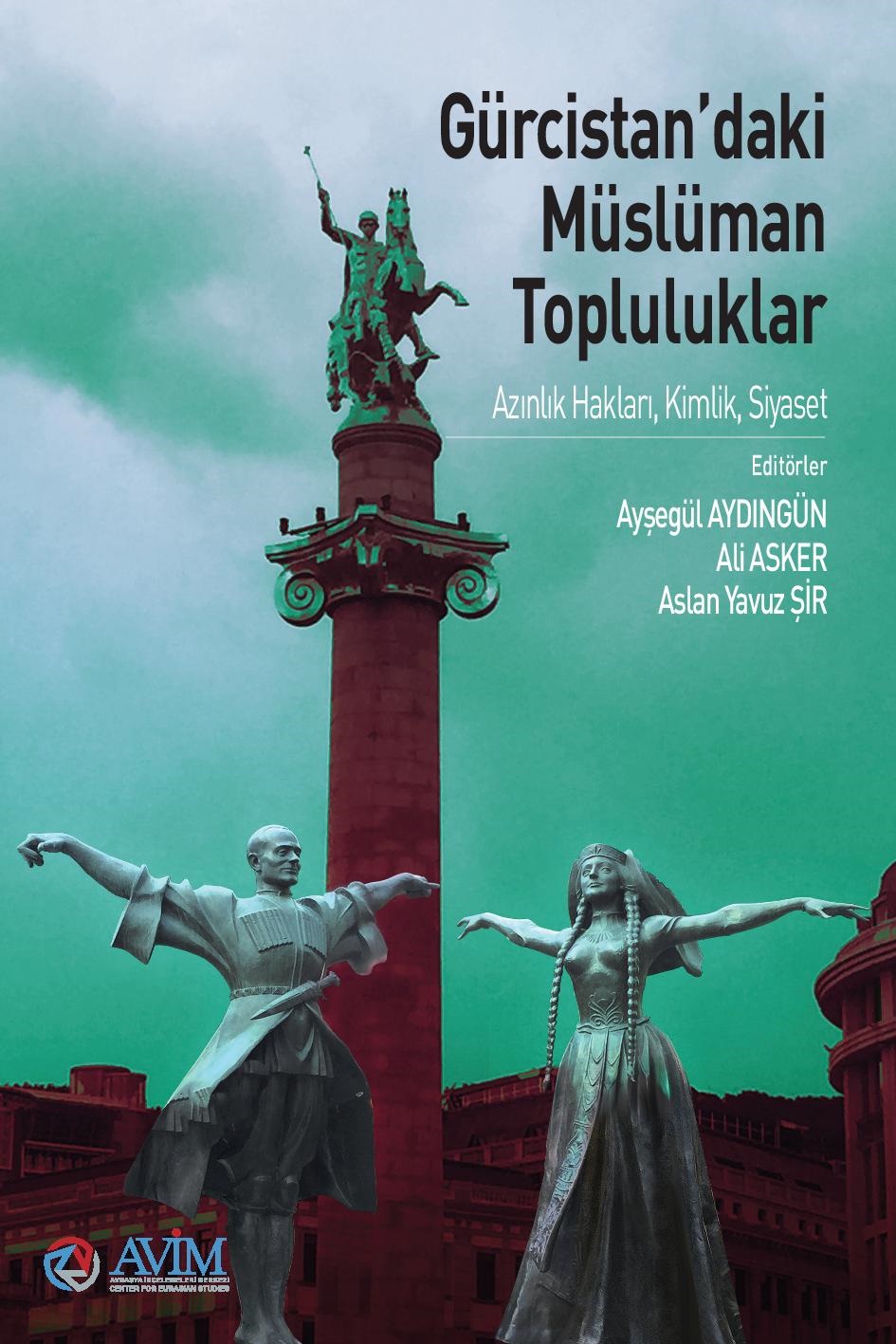
Gürcistan'daki Müslüman Topluluklar: Azınlık Hakları, Kimlik, Siyaset -
10.03.2016
Armenian Diaspora: Diaspora, State and the Imagination of the Republic of Armenia -
24.01.2016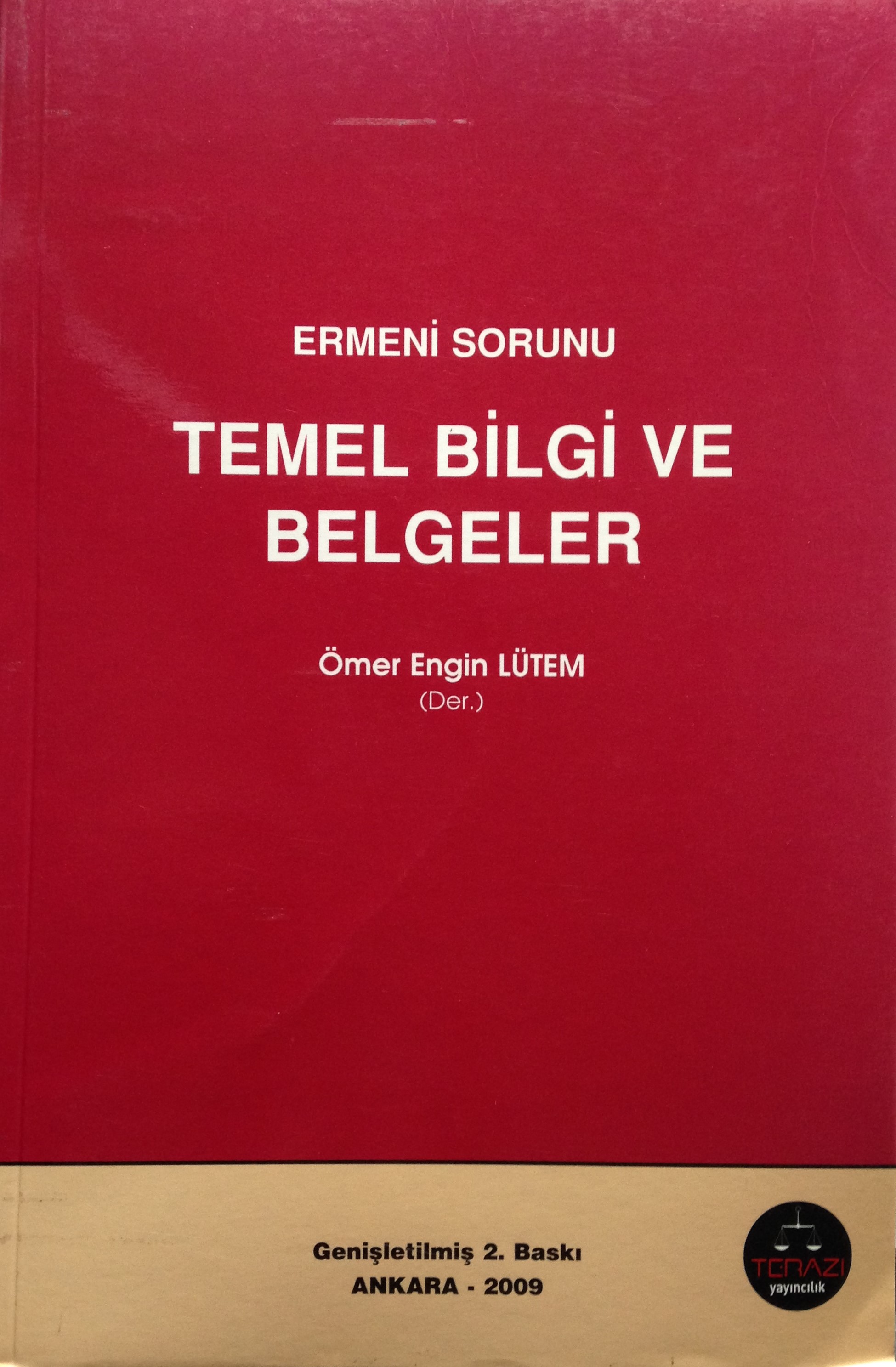
ERMENİ SORUNU - TEMEL BİLGİ VE BELGELER (2. BASKI)


-
AVİM Conference Hall 24.01.2023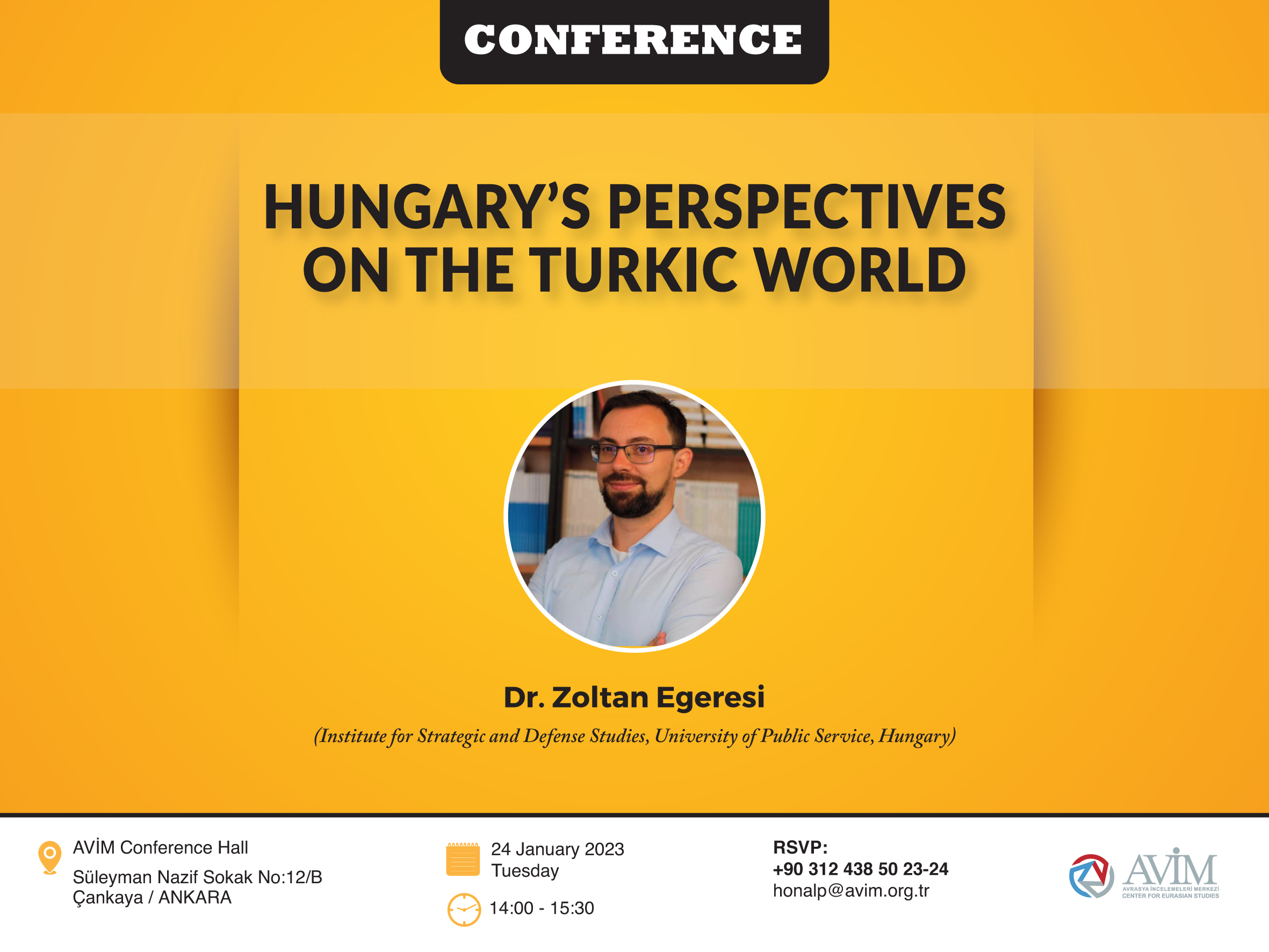
CONFERENCE TITLED “HUNGARY’S PERSPECTIVES ON THE TURKIC WORLD"