Download PDF :


Boston Globe, 04 Dec 2016
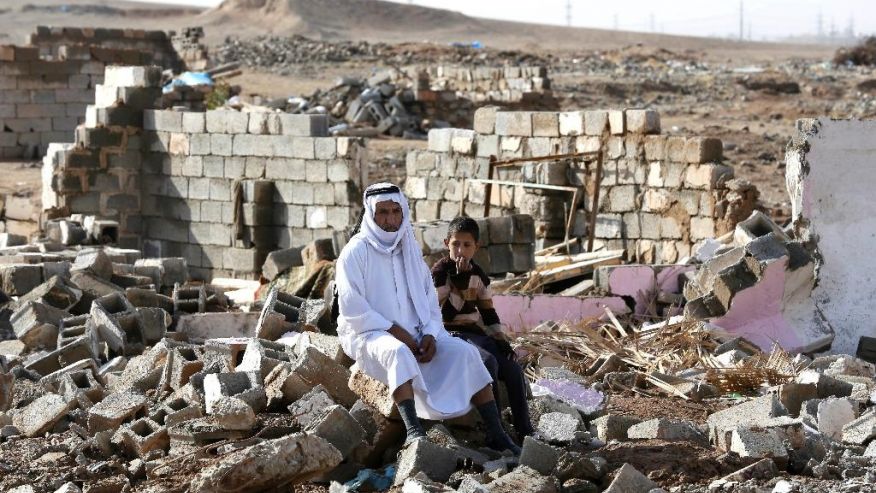
All along the street, houses have been reduced to rubble in the central Iraqi city of Kirkuk. It’s the work of Kurdish security forces retaliating against Sunni Arabs after a recent Islamic State group attack, residents say.
Kurdish security forces moved in with bulldozers and excavators and demolished at least 100 homes in the Huzeiran neighborhood of Kirkuk in the week after a deadly suicide bombing in October, according to residents interviewed by The Associated Press and a report by Human Rights Watch.
The destruction points to the dangerous divisions that threaten to burst out now that the IS ‘‘caliphate’’ appears on the verge of collapsing with the assault on its bastion Mosul further north.
Oil-rich Kirkuk, in northeastern Iraq, is a particular flashpoint: It is split between Kurdish, Arab and Turkmen populations, each of which have historically claimed it as its own. During the fight against IS, the Kurds seized control of the city and have said they will keep it, opening a likely dispute with the central government and the other local populations.
‘‘This is my house and this is my tragedy,’’ said one Arab resident of Huzeiran. The building that was once her family home now lies in ruin. She said Kurdish security forces came into the neighborhood, labeled her building ‘‘confiscated,’’ and ejected her family. They also took their identification documents, she said, speaking anonymously for fear of retaliation.
Video from the neighborhood showed dozens of destroyed buildings along several streets. New York-based Human Rights Watch documented at least 100 homes demolished there on Oct. 23-24 by Kurdish security forces, displacing more than 300 families. Lying on the southern edge of Kirkuk proper, in addition to the neighborhood’s residents, the area was also hosting mostly Sunni Arabs who fled villages around Kirkuk that were overrun by IS in 2014.
‘‘We want to ask the joint forces and the government forces who demolished our houses, why they did it,’’ said another Kirkuk resident whose house was destroyed and identity documents confiscated. He also asked to only be identified by a nickname Abu Abdullah due to concerns for his safety.
Kirkuk Governor Najmiddin Karim, a Kurd, has repeatedly denied in comments to Iraqi media that forcible displacements are taking place in the province. The Associated Press sought comment from Kurdish security officials and the governor but received no response.
But Rakan Said al-Jibouri, the deputy governor and head of the Arab council of Kirkuk, confirmed the destruction.
‘‘We consider this wrongful behavior and a racist attack by the security forces and the political parties behind them,’’ he told the AP. He said the destruction has forced many of Kirkuk’s Arab residents to scatter, taking refuge with relatives.
The oil-rich city of Kirkuk is claimed by both Iraq’s central government and the largely autonomous Kurdish region.
When IS overran Mosul and much of the north and pushed through central Iraq toward Baghdad in the summer of 2014, Kurdish security forces moved in and assumed full control of Kirkuk. They said the move was to protect it from IS after the collapse of the military. But Kurdish officials have said since that they will keep the city.
The October attack by the Islamic State group in Kirkuk came just a week after Iraqi forces launched the operation to retake Mosul.

















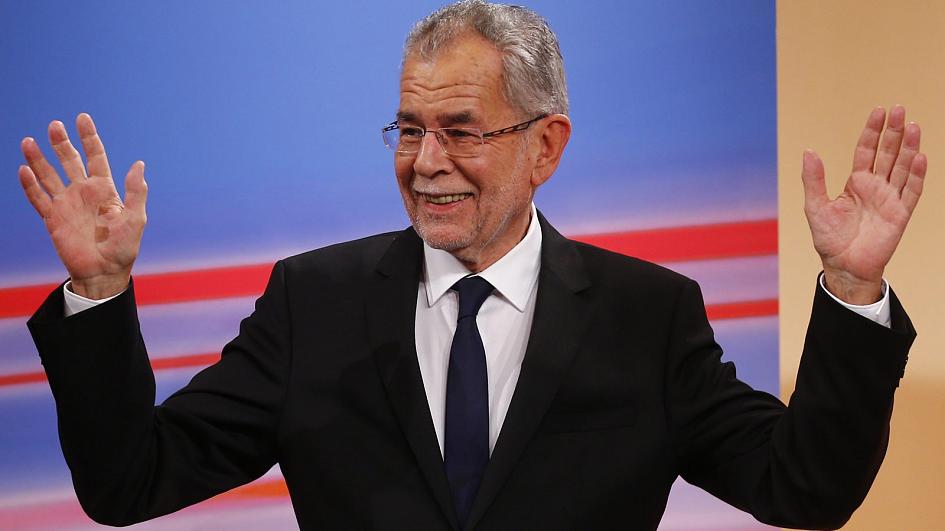 AUSTRIANS VOTE ENVIRONMENTALIST OVER POPULIST FOR PRESIDENCY
Europe - EU
05.12.2016
AUSTRIANS VOTE ENVIRONMENTALIST OVER POPULIST FOR PRESIDENCY
Europe - EU
05.12.2016
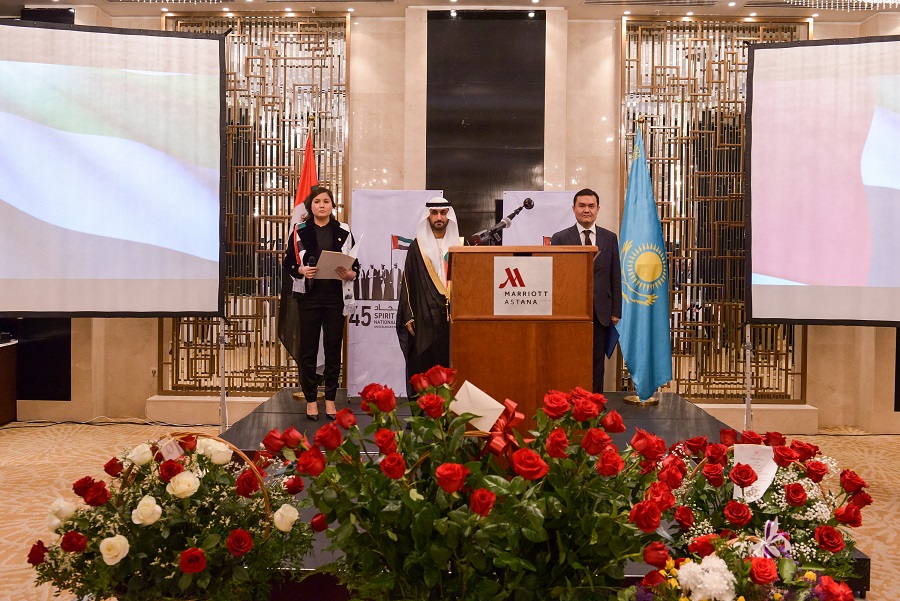 UAE COMMITTED TO EXPANDING RELATIONS WITH KAZAKHSTAN, SAYS CHARGÉ D’AFFAIRES
Asia - Pacific
05.12.2016
UAE COMMITTED TO EXPANDING RELATIONS WITH KAZAKHSTAN, SAYS CHARGÉ D’AFFAIRES
Asia - Pacific
05.12.2016