

















Deutsche Welle (7 March 2017)
Uproar has greeted the European Court of Justice's decision on asylum law in Europe. Last year, more than 5,000 people drowned in the Mediterranean en route to Europe.
The decision has been handed down, but one question remains. "How can someone who is guaranteed international protection reach a European border?" Eugenio Ambrosi, director of the Brussels regional office of the International Organization for Migration, wants to know. Existing law only applies when a person arrives on EU soil. "This is a loophole that only the union can close," Ambrosi said.
Last year, more than 5,000 people drowned in the Mediterranean Sea while attempting to escape war or other unsustainable conditions. The European Court of Justice (ECJ) had the opportunity to create a legal path to prevent future tragedies.
Yet ECJ judges in Luxembourg reached a different decision, finding instead that EU member states were not obliged to issue humanitarian visas at their embassies. Individual member states are responsible for their own applications, they ruled, and thus nations are entitled to accept or deny people as they see fit.
The decision dashed the hopes of a revolutionary change to asylum law so fervently held by activists and support groups for displaced people. Pro Asyl called the decision a "sad day for refugee protection." Karl Kopp, the group's Europe spokesperson, said the decision "plays into the hands of fortress builders and the human trafficking industry."
Back to Syria
Belgium initiated the legal proceedings, asking the ECJ to rule on the case of a Syrian family that requested a humanitarian visa at the Belgian embassy in Libya in 2016. Belgium sought clarity on the issue, and now, after the ECJ decision, the Syrian family has no legal path to enter Europe.
"Now their only option is to illegally travel to Lebanon, or to pay human traffickers," said Tristan Wibault, the family's lawyer. He called the ECJ's decision "very disappointing: The court chose a formalistic argument to avoid the issues in reality. The deeper questions were not analyzed."
Wibault said the family would now have no choice but to return to Syria after being turned away by Belgium. Life there will be extremely dangerous for the family: The father claims to have been kidnapped and tortured in Aleppo until he was freed after he was ransomed. He says that the family's Christian Orthodox faith makes survival in war-torn Syria more difficult still.
'EU has to take responsibility'
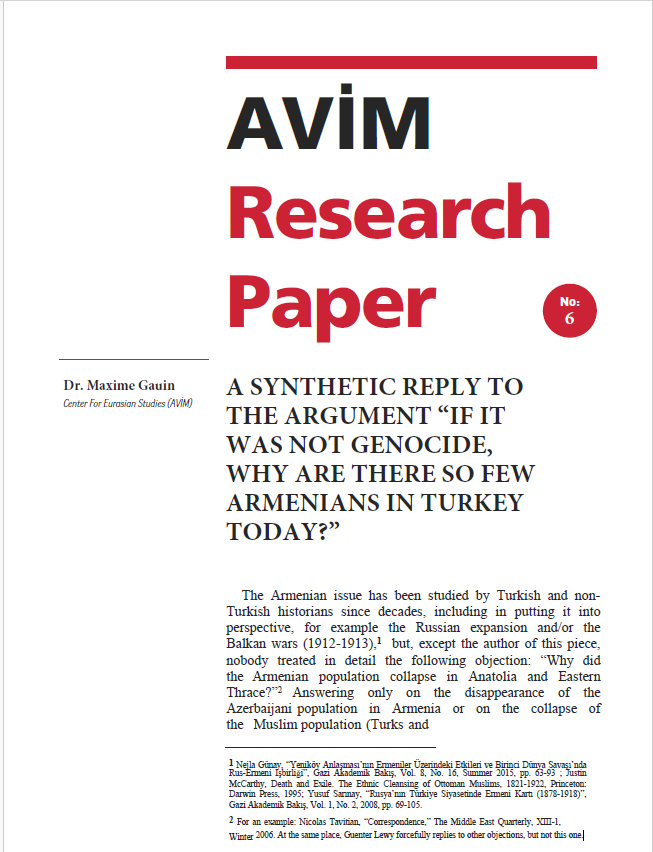
Advocate-General Paolo Mengozzi (picutred) strongly urged the use of similar rationale in his closing argument: EU member states must allow entry to people who are "under threat to life and limb." Mengozzi's assessments serve as a basis for judges' decisions but are in no way binding. "In my opinion it is imperative that member states not duck their responsibilities in times in which borders are being closed and fences erected," Mengozzi wrote.
The European Parliament is also pushing in that direction. Following the ECJ decision, Green Party parliamentarian Ska Keller explained: "The European Parliament has made clear its support for humanitarian visas. EU member states must now adapt to European refugee policy and firmly anchor the right to humanitarian visas in Union legislation."
But asylum law falls under the purview of the individual member states. All 28 heads of state and government would thus have to vote in support of such calls from the European Parliament for them to become legally binding. Recently, a proposal to do so was voted down. Instead member states approved a ten-point plan to shut down smuggling routes across the Mediterranean during their latest EU summit in Malta. The plan, among other things, proposes that the Libyan coast guard stop all travel toward Europe.
Relief in EU
The ECJ's decision likely comes as a relief for most member states. In all, 14 member states submitted statements/opinions to the ECJ on the case being heard in Luxembourg, among them, Germany. In the statements each country laid out their own justification for the rejection of humanitarian visas.
Had the ECJ handed down a pro-visa decision, it would have forced member states to embrace a policy that has been largely rejected on both the national and the EU level. Fears about opening Europe's doors to 65 million refugees around the world are simply too high – and that at a decidedly unfavorable moment.
This year will see a number of elections across the European Union. Right-wing populists could make large gains in several of those elections, perhaps even moving into governing coalitions. The influx of hundreds of thousands of refugees is a major election theme for many of them.
"I don't think that the EU is interested in protecting refugees right now," the lawyer Wibault said.
No comments yet.
- TRUMP’S NEW TRAVEL BAN BLOCKS MIGRANTS FROM SIX NATIONS, SPARING IRAQ Iraq 08.03.2017
- US CO-CHAIR OF OSCE MINSK GROUP TO VISIT AZERBAIJAN THIS WEEK The Caucasus and Turkish-Armenian Relations 08.03.2017
- FILLON HIT BY NEW ALLEGATION OF UNDECLARED LOAN AS HE SEEKS TO REVIVE FRENCH PRESIDENTIAL CAMPAIGN Europe - EU 08.03.2017
- SIX EASTERN EUROPEAN COUNTRIES APPEAL FOR US HELP AGAINST RUSSIA Europe - EU 08.03.2017
- PAKISTAN TEMPORARILY REOPENS BORDER WITH AFGHANISTAN Asia - Pacific 08.03.2017
-
25.01.2016
THE ARMENIAN QUESTION - BASIC KNOWLEDGE AND DOCUMENTATION -
12.06.2024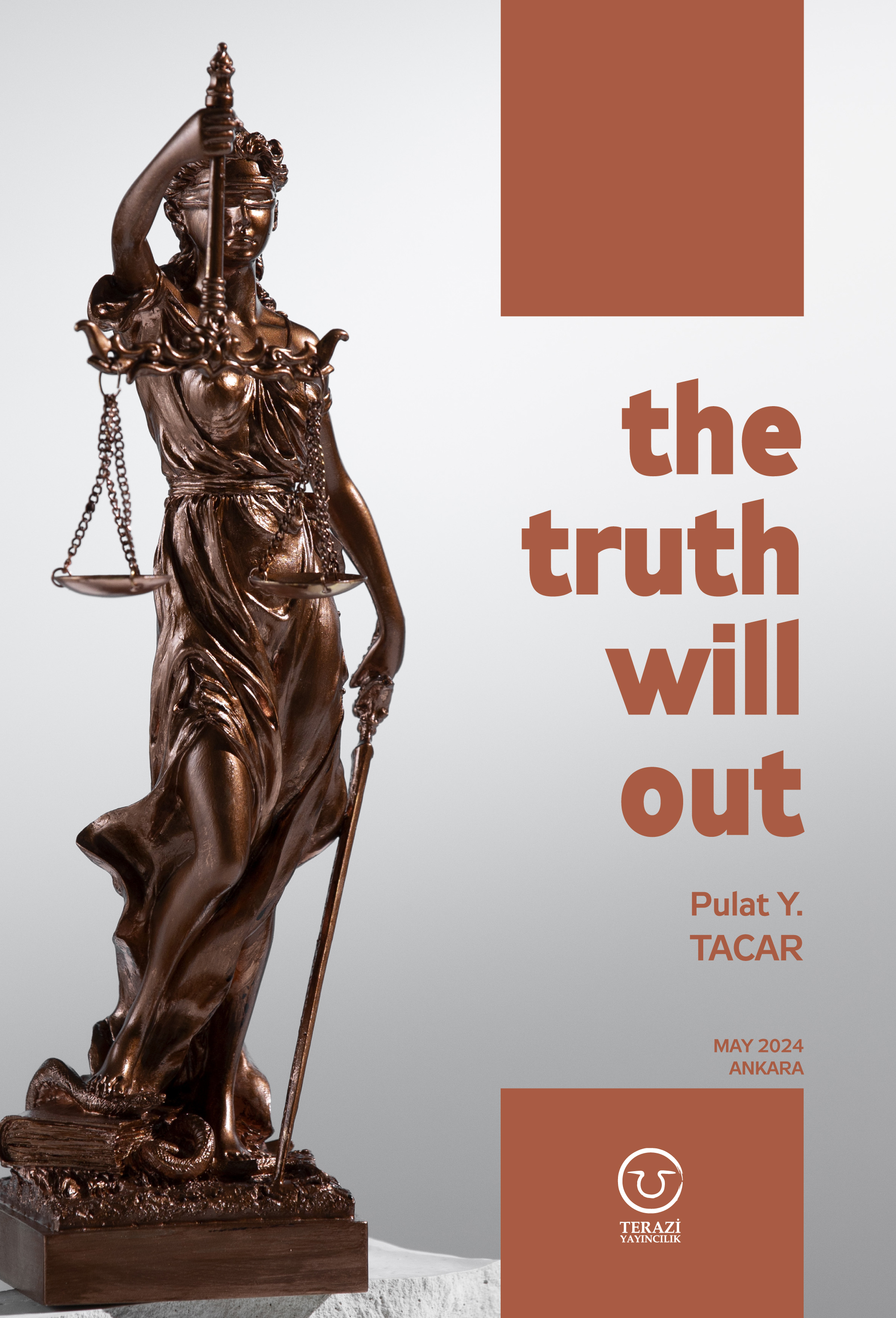
THE TRUTH WILL OUT -
27.03.2023
RADİKAL ERMENİ UNSURLARCA GERÇEKLEŞTİRİLEN MEZALİMLER VE VANDALİZM -
17.03.2023
PATRIOTISM PERVERTED -
23.02.2023
MEN ARE LIKE THAT -
03.02.2023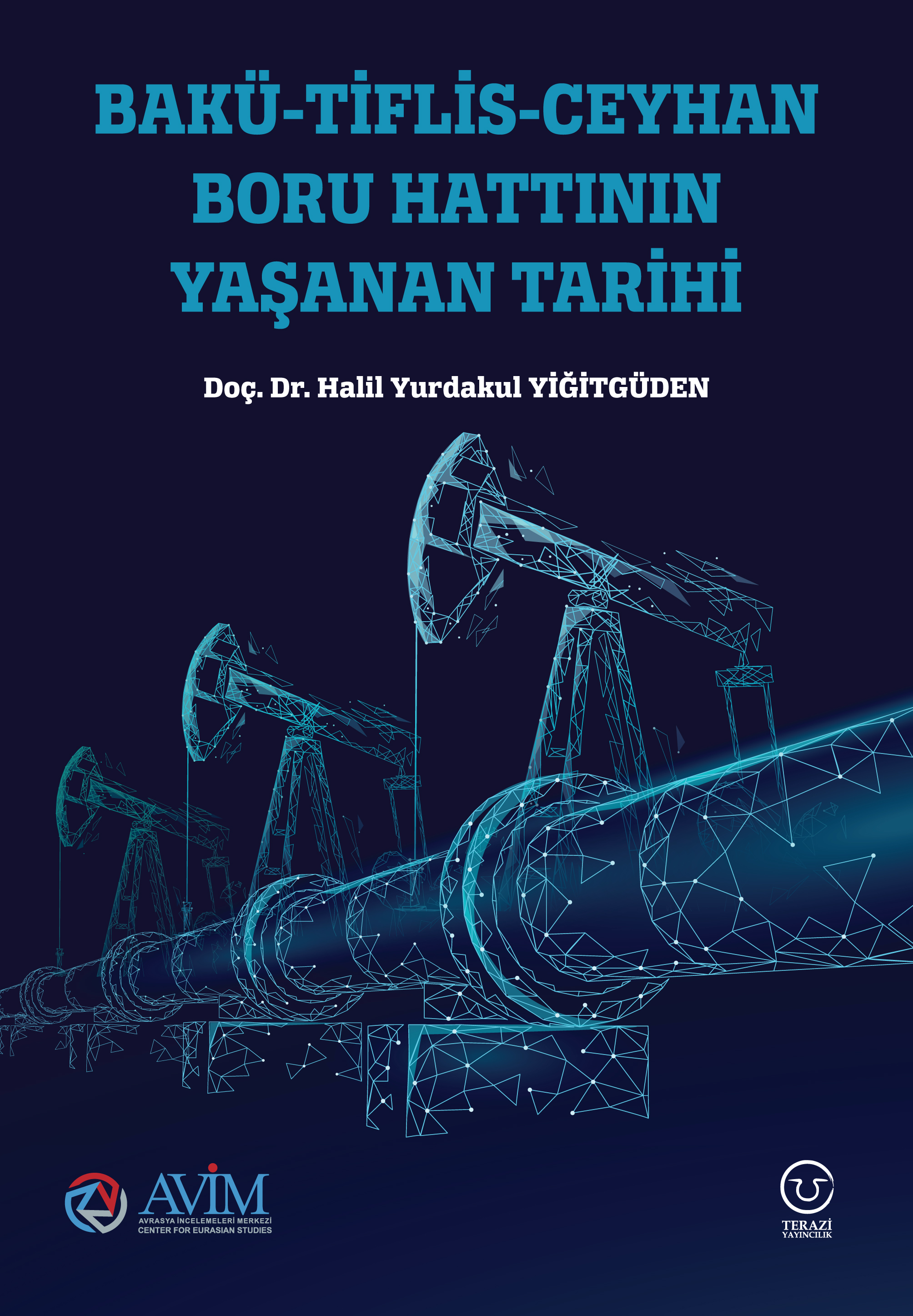
BAKÜ-TİFLİS-CEYHAN BORU HATTININ YAŞANAN TARİHİ -
16.12.2022
INTERNATIONAL SCHOLARS ON THE EVENTS OF 1915 -
07.12.2022
FAKE PHOTOS AND THE ARMENIAN PROPAGANDA -
07.12.2022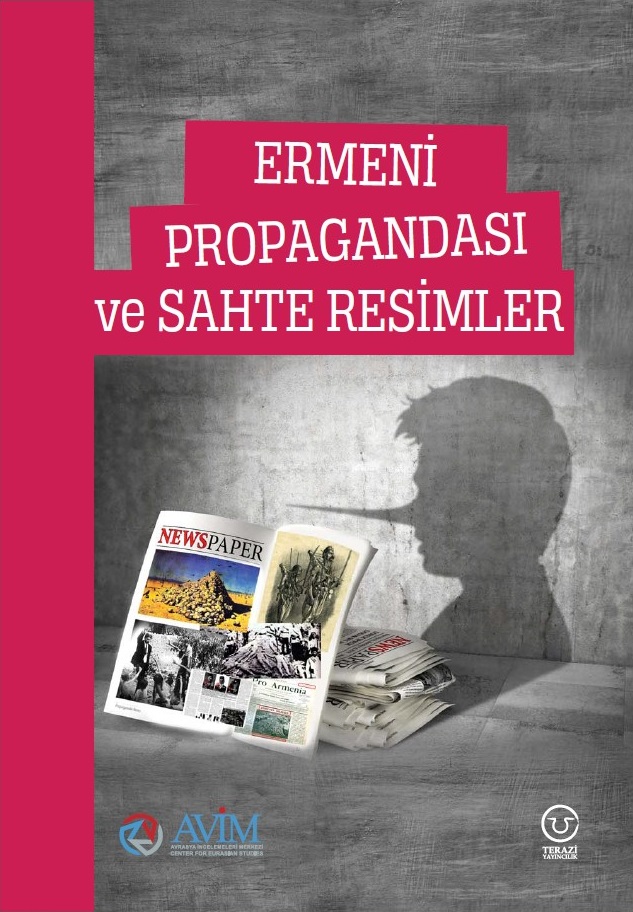
ERMENİ PROPAGANDASI VE SAHTE RESİMLER -
01.01.2022
A Letter From Japan - Strategically Mum: The Silence of the Armenians -
01.01.2022
Japonya'dan Bir Mektup - Stratejik Suskunluk: Ermenilerin Sessizliği -
03.06.2020
Anastas Mikoyan: Confessions of an Armenian Bolshevik -
08.04.2020
Sovyet Sonrası Ukrayna’da Devlet, Toplum ve Siyaset - Değişen Dinamikler, Dönüşen Kimlikler -
12.06.2018
Ermeni Sorunuyla İlgili İngiliz Belgeleri (1912-1923) - British Documents on Armenian Question (1912-1923) -
02.12.2016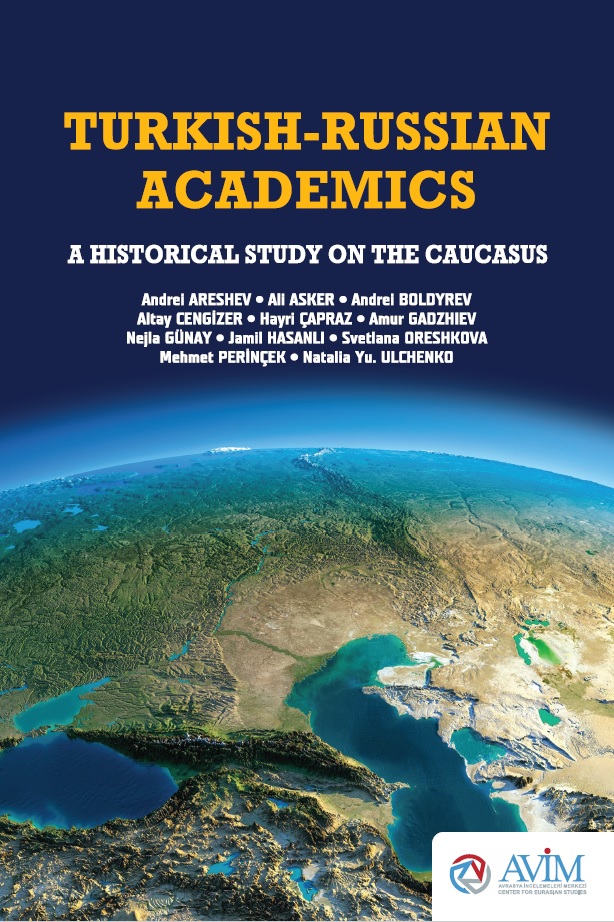
Turkish-Russian Academics: A Historical Study on the Caucasus -
01.07.2016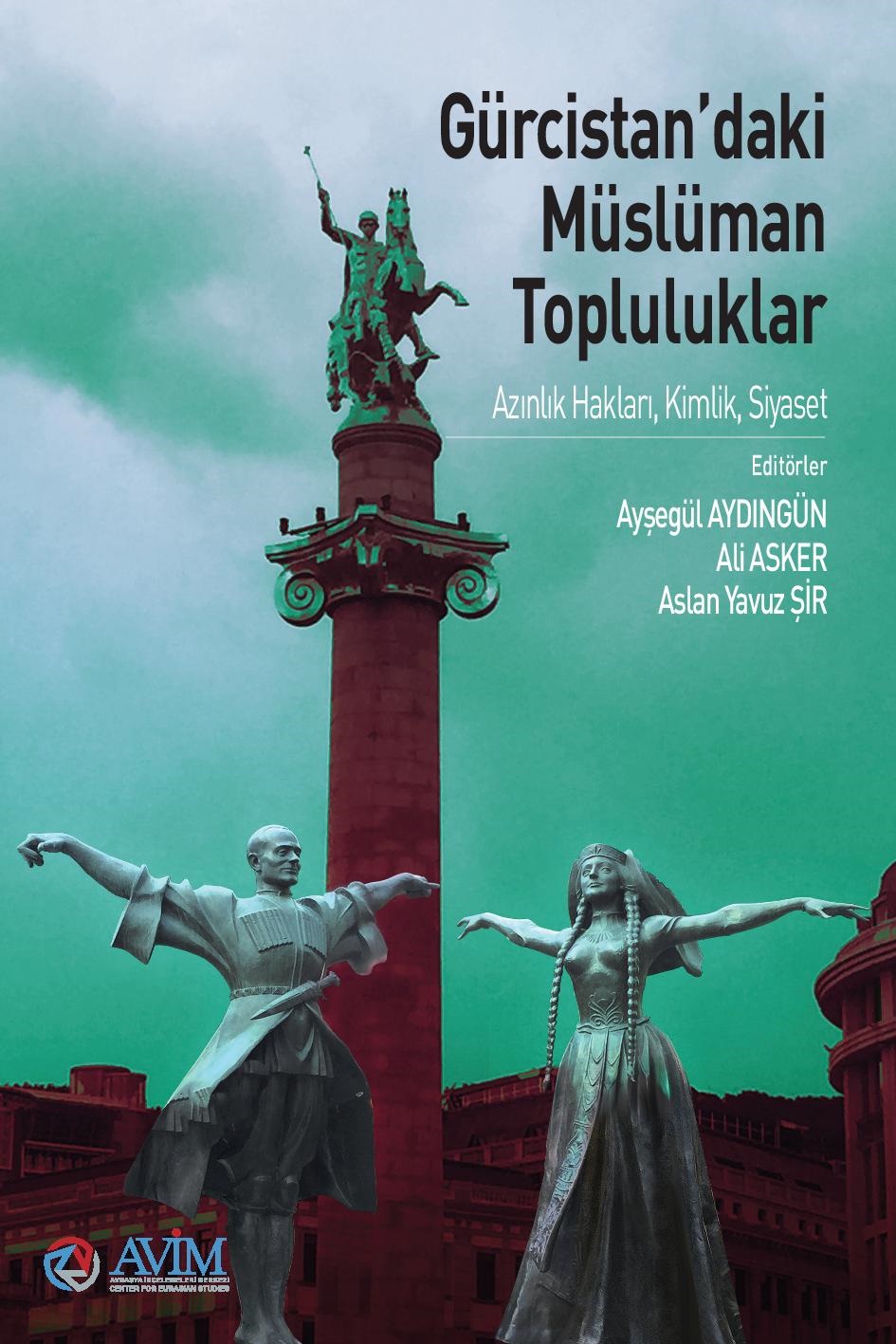
Gürcistan'daki Müslüman Topluluklar: Azınlık Hakları, Kimlik, Siyaset -
10.03.2016
Armenian Diaspora: Diaspora, State and the Imagination of the Republic of Armenia -
24.01.2016
ERMENİ SORUNU - TEMEL BİLGİ VE BELGELER (2. BASKI)

-
AVİM Conference Hall 24.01.2023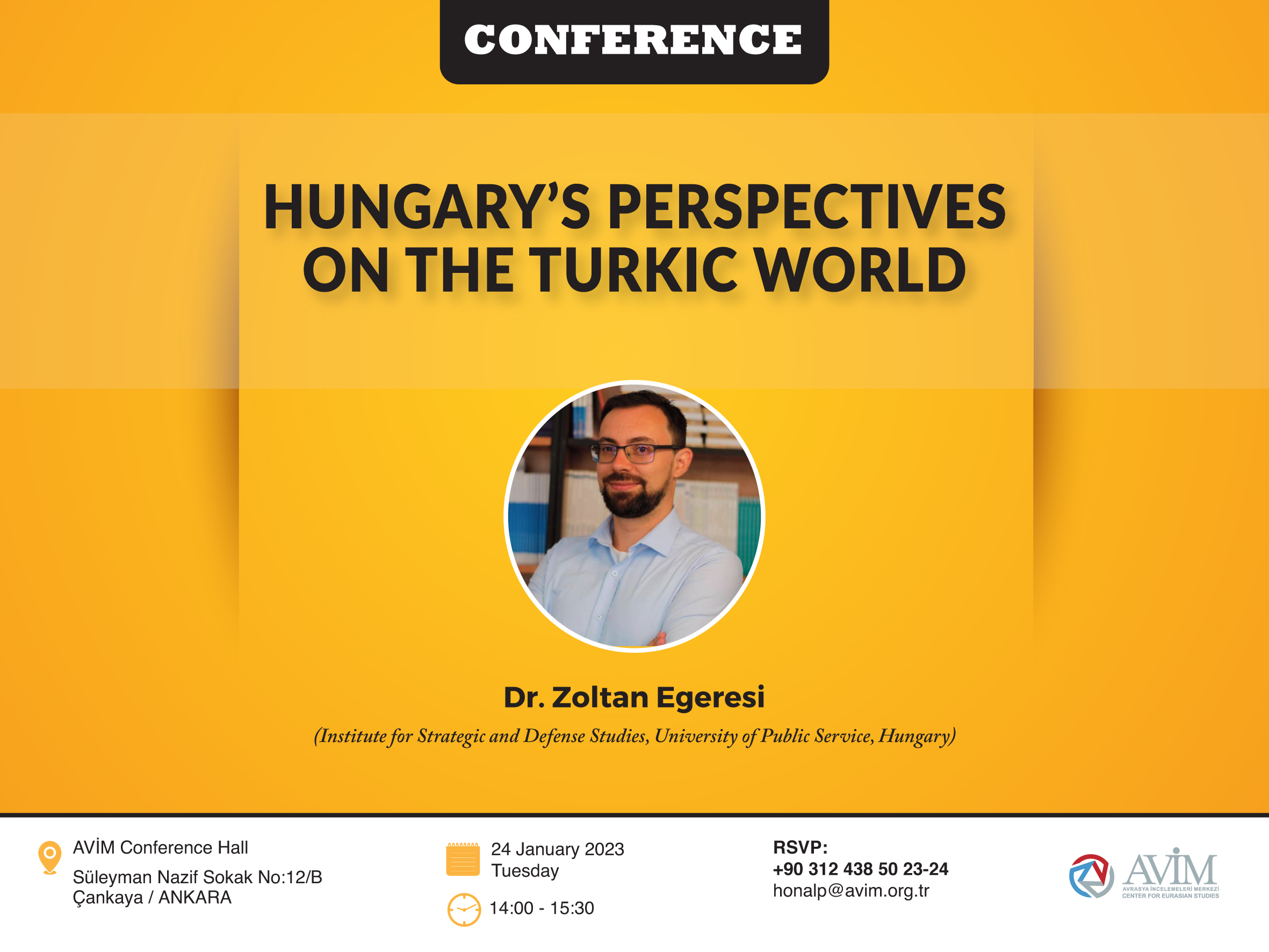
CONFERENCE TITLED “HUNGARY’S PERSPECTIVES ON THE TURKIC WORLD"