

















The National Interest (15 July 2020)
by Fuad Chiragov
This week, the latest wave of escalation between Armenian and Azerbaijani armed forces along the Line of Contact culminated in the heaviest fighting between the two sides in years, which resulted in death and casualties on both sides. It was the most serious clash between the countries since April 2016 and the so-called Velvet Revolution in 2018, which gave the momentum of hope for peaceful resolution of the conflict between Azerbaijan and Armenia. Unfortunately, the change of power in Armenia following the revolution has not reversed the negative trends regarding the conflict. According to the Global Militarization Index (GMI), which was compiled by Bonn International Center for Conversion, Armenia remained one of the three most militarized nations in the world for the year 2019 as it was in 2016 before Nikol Pashinyan came to power.
In April 2018, widespread corruption, mounting socioeconomic problems and mismanagement of the old corrupted oligarchic regime triggered the mass protests in Armenia, people poured into the streets and—with the leadership of Pashinyan—ousted former president Serzh Sarkisyan. Eventually, the latter was unable to remain in power as prime minister, which prolonged the Karabakh clan’s grip on power. The clan has ruled the country since the 1990s and had a negative impact on the lives of millions of Armenians, draining the economic and human potential of the country and depopulating Armenia, which was also in regional isolation and engaged in a conflict with neighboring Azerbaijan.
No comments yet.
-
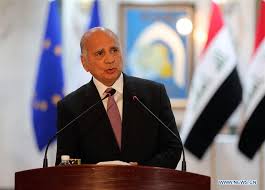 FRENCH FM IN BAGHDAD TO SUPPORT IRAQ, BOOST BILATERAL TIES
Iraq
17.07.2020
FRENCH FM IN BAGHDAD TO SUPPORT IRAQ, BOOST BILATERAL TIES
Iraq
17.07.2020
-
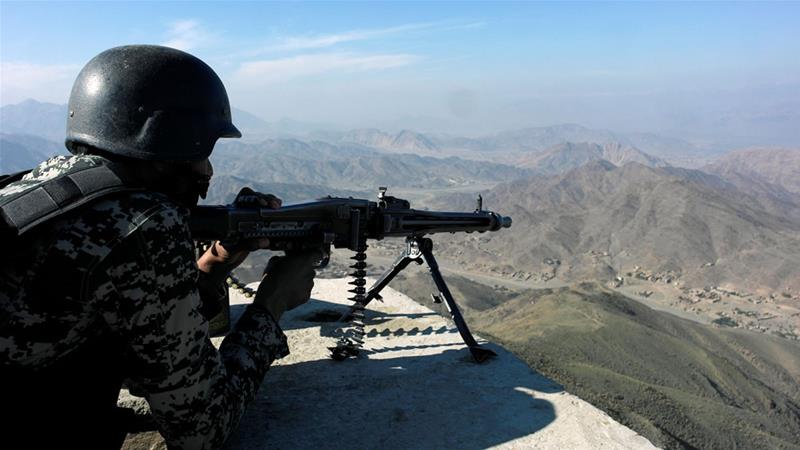 AFGHANISTAN CONDEMNS CROSS-BORDER ROCKET FIRING BY PAKISTAN
Asia - Pacific
17.07.2020
AFGHANISTAN CONDEMNS CROSS-BORDER ROCKET FIRING BY PAKISTAN
Asia - Pacific
17.07.2020
- EU SUMMIT: ANGELA MERKEL 'NOT OPTIMISTIC' OF CORONAVIRUS RESCUE DEAL Europe - EU 17.07.2020
- FUSE LIT ON AUGUST 5, 2019, DETONATES ON JULY 12, 2020: ARMENIA-AZERBAIJAN CONFLICT FLARES UP – OPED The Caucasus and Turkish-Armenian Relations 17.07.2020
-
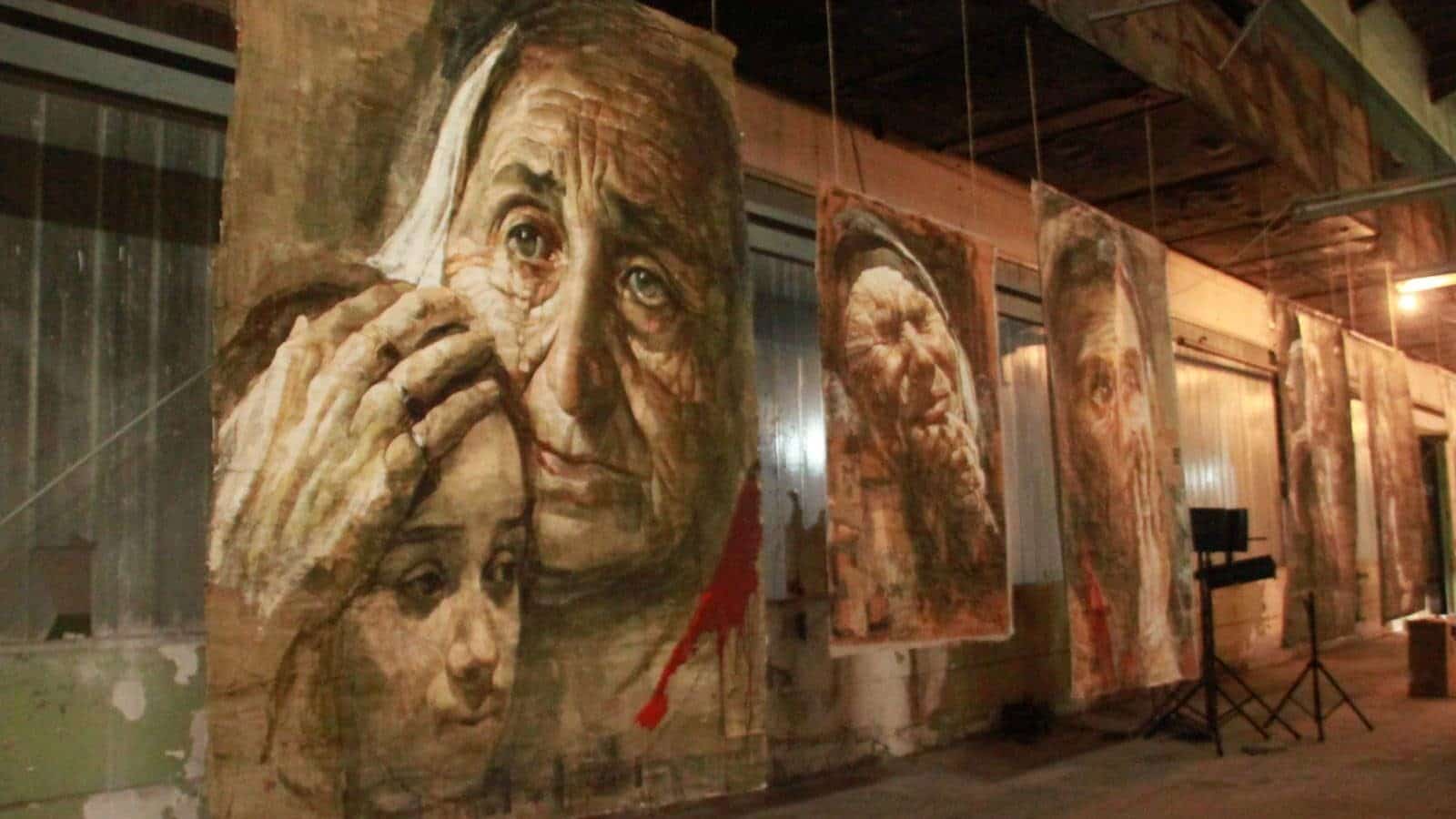 BOSNIAN ARTIST BRINGS SREBRENICA PAINTINGS TO MEMORIAL SITE
The Balkans
17.07.2020
BOSNIAN ARTIST BRINGS SREBRENICA PAINTINGS TO MEMORIAL SITE
The Balkans
17.07.2020
-
25.01.2016
THE ARMENIAN QUESTION - BASIC KNOWLEDGE AND DOCUMENTATION -
12.06.2024
THE TRUTH WILL OUT -
27.03.2023
RADİKAL ERMENİ UNSURLARCA GERÇEKLEŞTİRİLEN MEZALİMLER VE VANDALİZM -
17.03.2023
PATRIOTISM PERVERTED -
23.02.2023
MEN ARE LIKE THAT -
03.02.2023
BAKÜ-TİFLİS-CEYHAN BORU HATTININ YAŞANAN TARİHİ -
16.12.2022
INTERNATIONAL SCHOLARS ON THE EVENTS OF 1915 -
07.12.2022
FAKE PHOTOS AND THE ARMENIAN PROPAGANDA -
07.12.2022
ERMENİ PROPAGANDASI VE SAHTE RESİMLER -
01.01.2022
A Letter From Japan - Strategically Mum: The Silence of the Armenians -
01.01.2022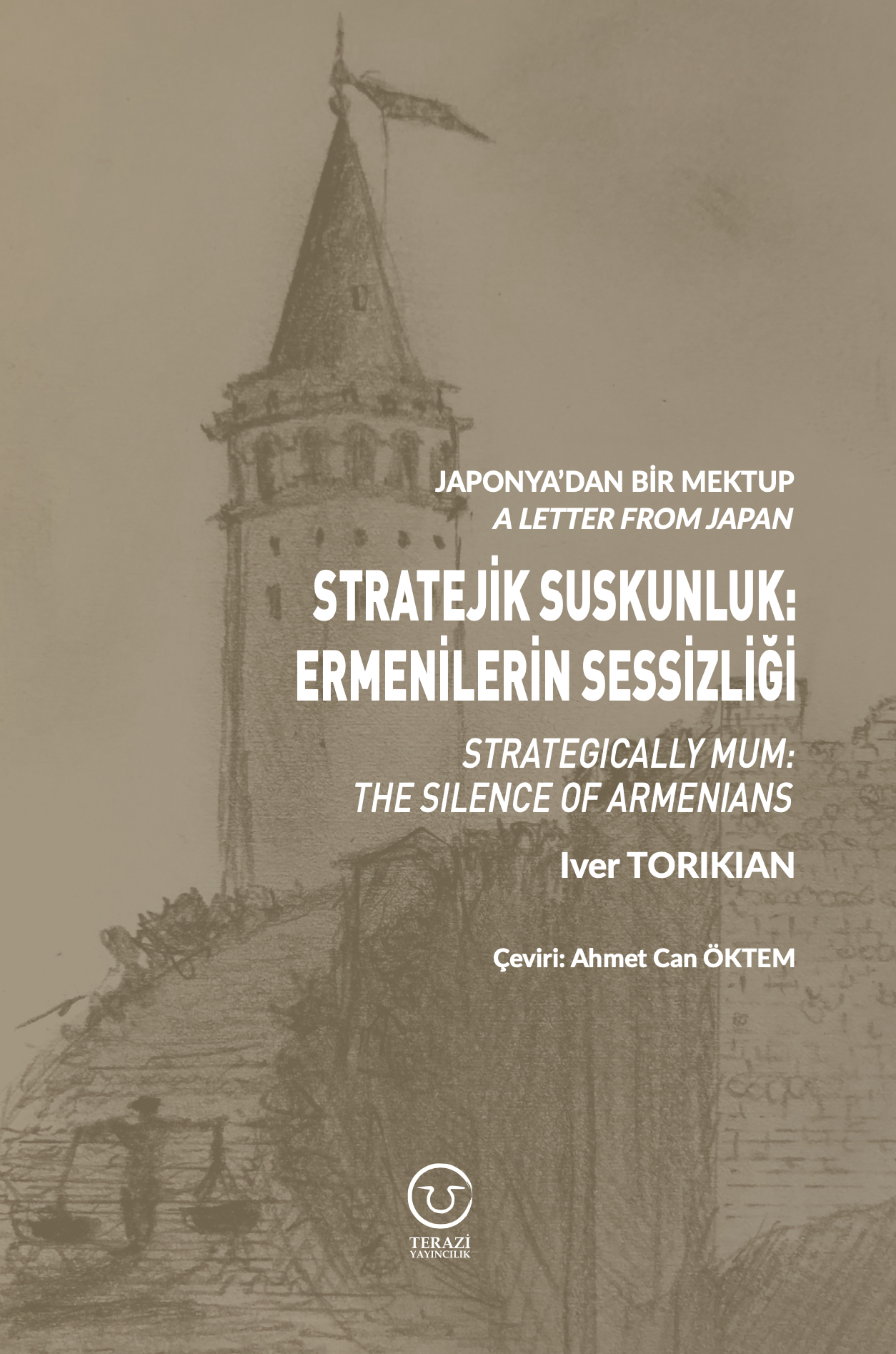
Japonya'dan Bir Mektup - Stratejik Suskunluk: Ermenilerin Sessizliği -
03.06.2020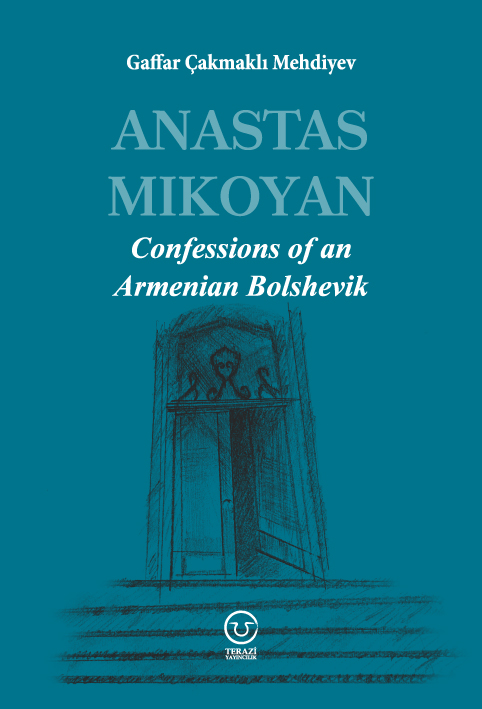
Anastas Mikoyan: Confessions of an Armenian Bolshevik -
08.04.2020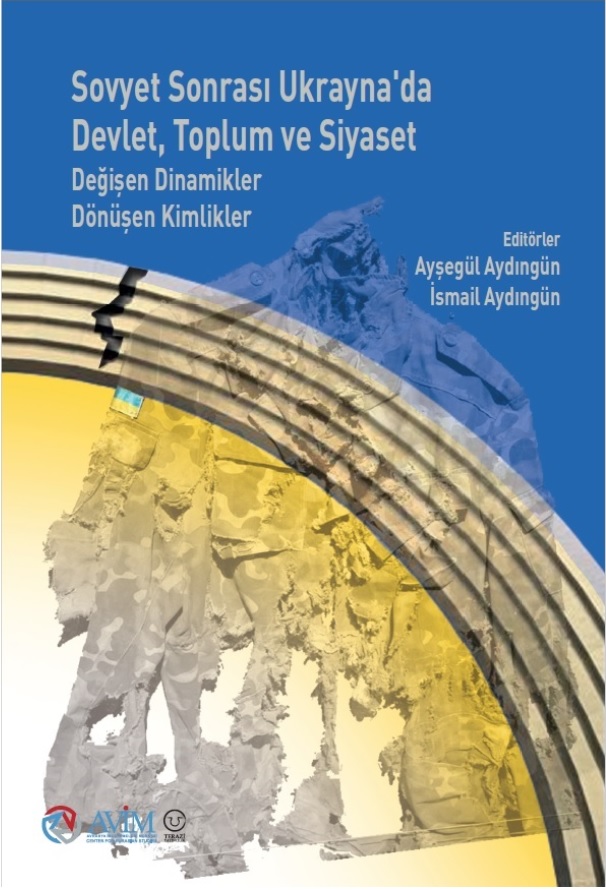
Sovyet Sonrası Ukrayna’da Devlet, Toplum ve Siyaset - Değişen Dinamikler, Dönüşen Kimlikler -
12.06.2018
Ermeni Sorunuyla İlgili İngiliz Belgeleri (1912-1923) - British Documents on Armenian Question (1912-1923) -
02.12.2016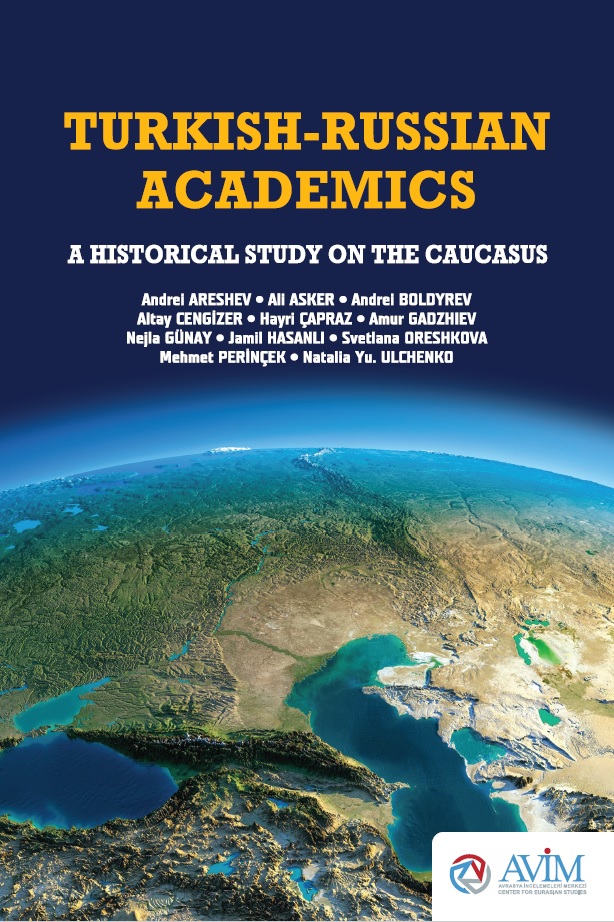
Turkish-Russian Academics: A Historical Study on the Caucasus -
01.07.2016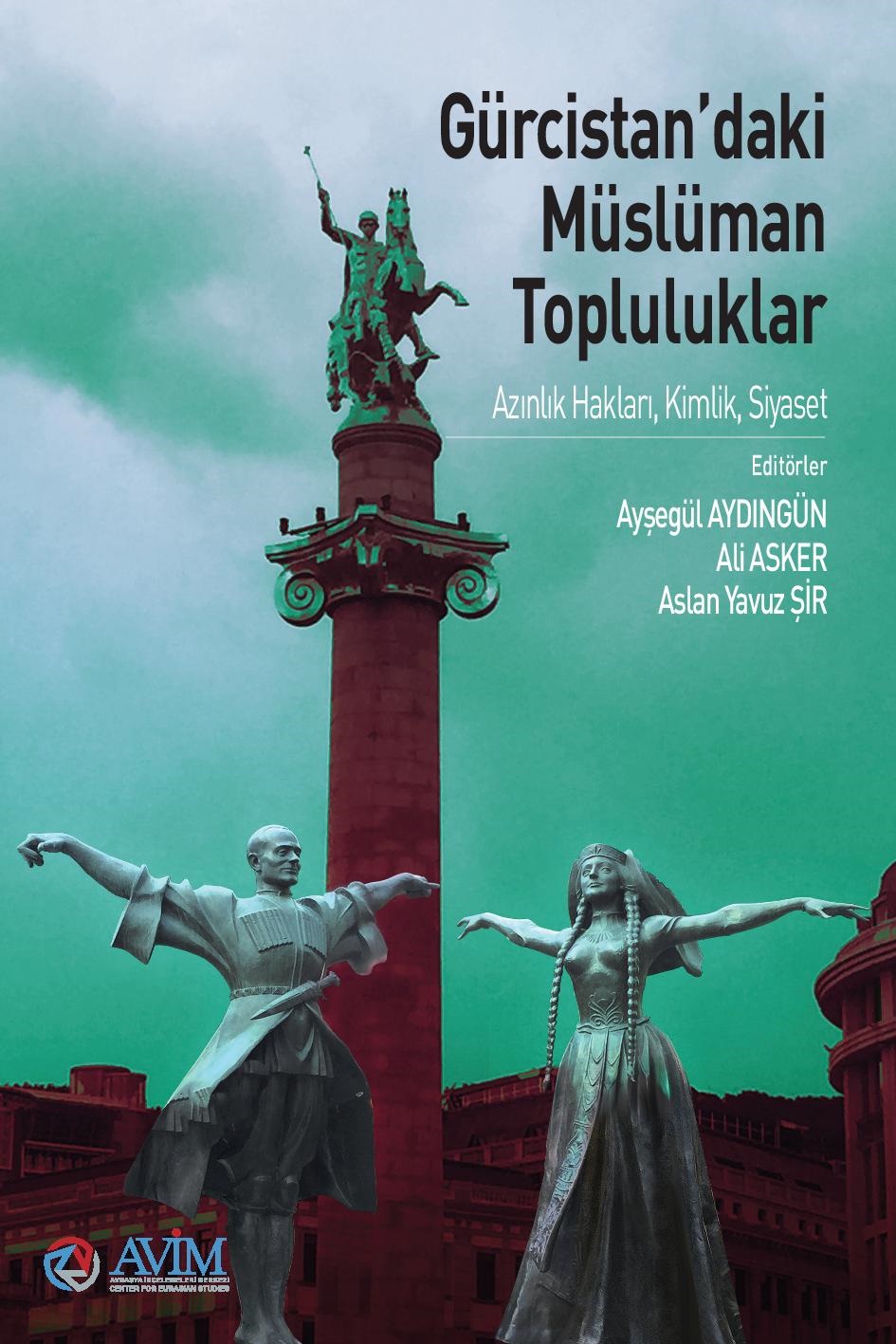
Gürcistan'daki Müslüman Topluluklar: Azınlık Hakları, Kimlik, Siyaset -
10.03.2016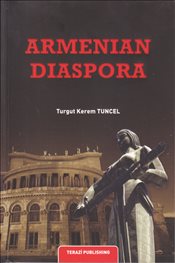
Armenian Diaspora: Diaspora, State and the Imagination of the Republic of Armenia -
24.01.2016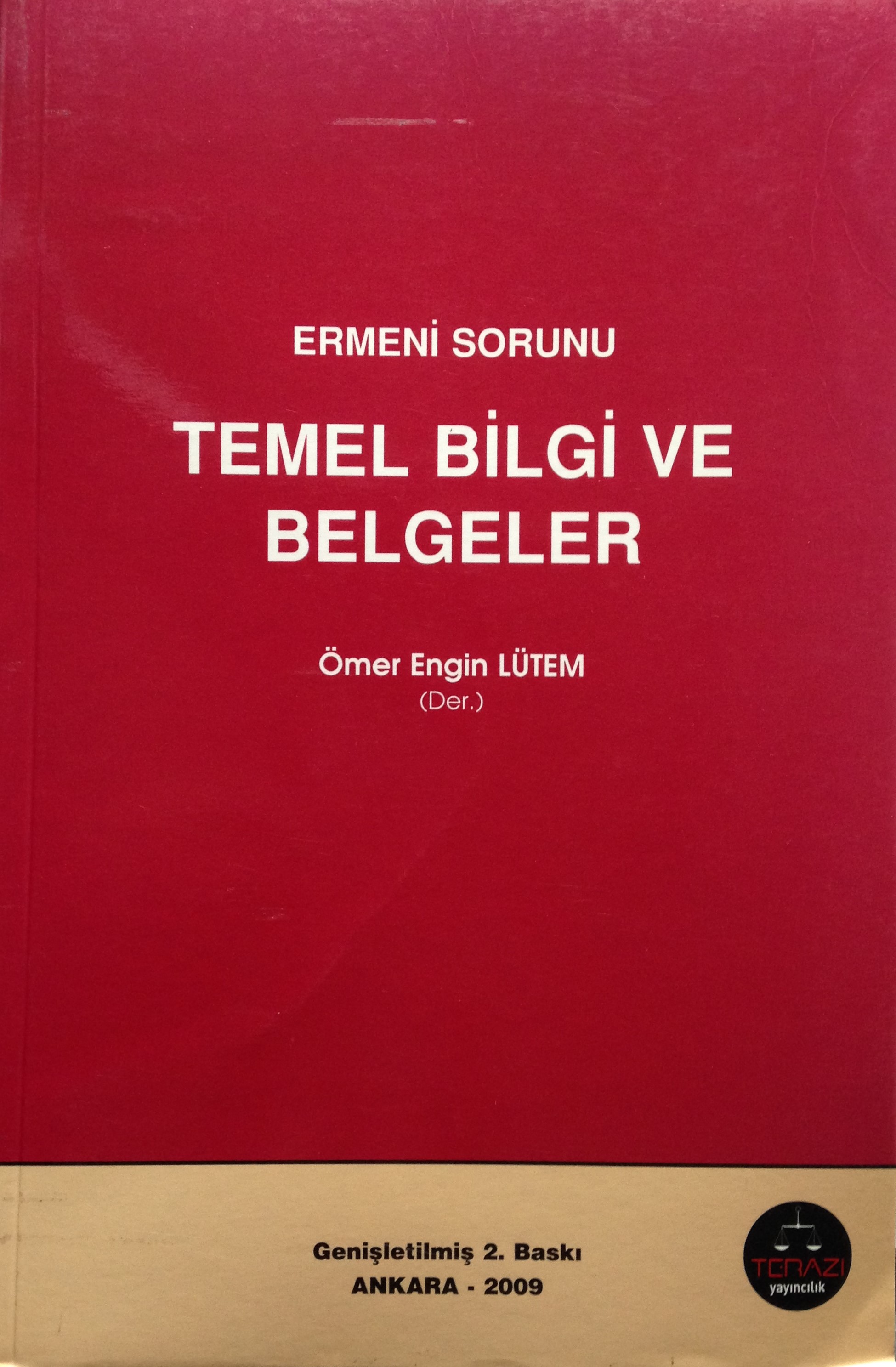
ERMENİ SORUNU - TEMEL BİLGİ VE BELGELER (2. BASKI)
-
AVİM Conference Hall 24.01.2023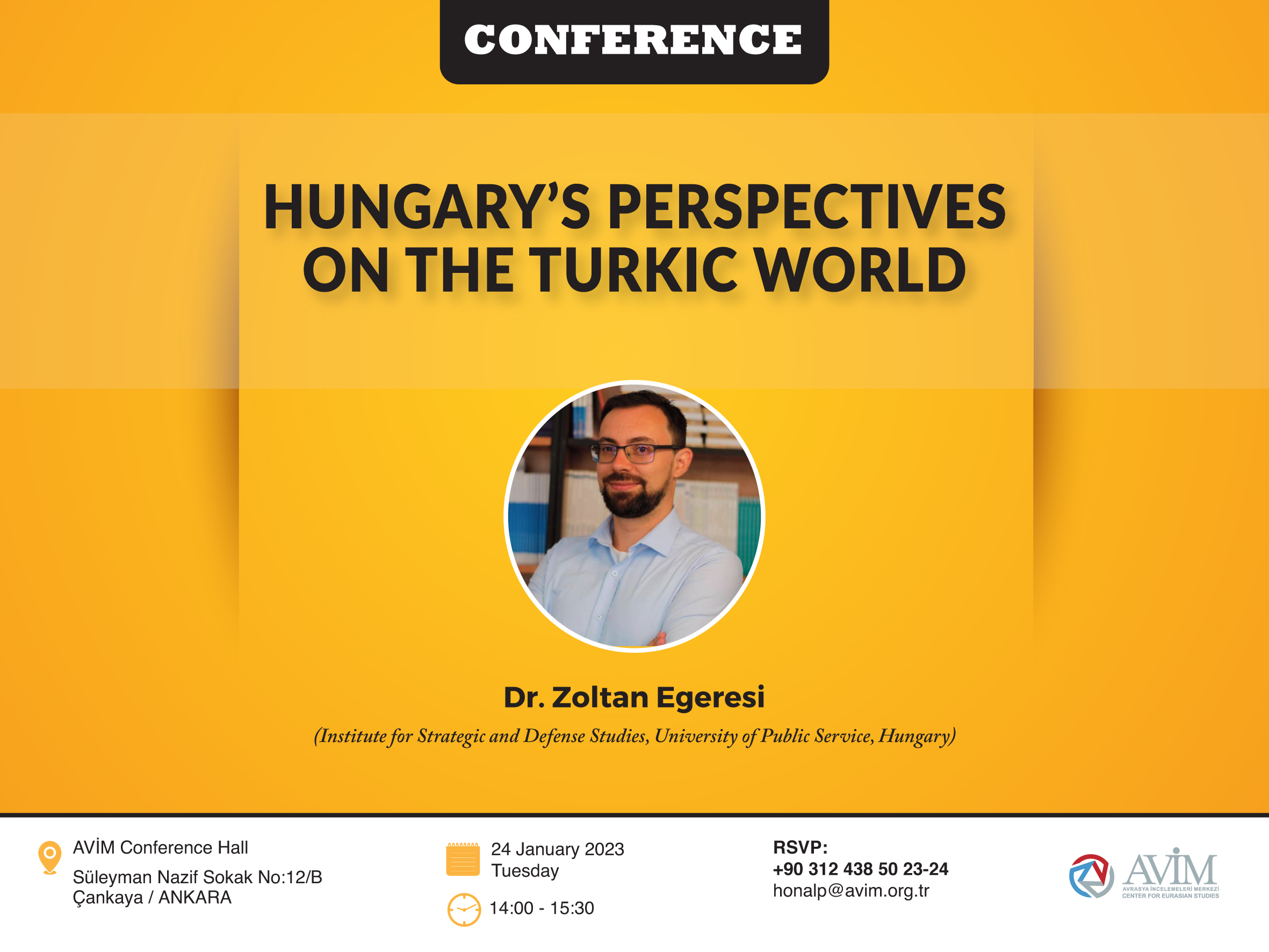
CONFERENCE TITLED “HUNGARY’S PERSPECTIVES ON THE TURKIC WORLD"