

















25.04.2016
EurActiv
Serbia’s pro-European Prime Minister Aleksandar Vučić claimed victory in yesterday’s (24 April) general election after projections showed him winning by a landslide. But the hardline Radicals are set to return to Parliament after a 4-year absence.
Vučić’s Serbian Progressive Party was on track to win around half of the vote, with his Socialist coalition partners in second place with around 11%, according to independent observers at the Centre for Free Elections and Democracy (CESID).
The far-right Radicals were also set to return to parliament after four years without seats, led by ultra-nationalist Vojislav Šešelj who was recently acquitted of war crimes charges arising from the 1990s Balkan conflicts.
The Radicals were expected to win more than seven percent of the vote, CESID said, clearing the five percent threshold to give them a platform in parliament for their strongly anti-Western and pro-Russian views.
Premier since 2014, 46-year-old Vučić had called the early election saying he needed a clear mandate to press ahead with the potentially unpopular reforms required to join the European Union.
But critics saw the vote as an attempt to consolidate power, expressing concerns about Vučić’s authoritarian tendencies including curbs on media freedom.
A former Šešelj ally turned centrist politician, Vučić said in a victory speech late Sunday that the results showed support for reforms and “European integration”, handing him a “huge responsibility”.
“I know where we should go, I know how to ensure the future of Serbia and how to work hard to get there.”
European Commissioner Johannes Hahn was among the first to congratulate Vučić on Twitter.
Serbia, home to seven million people, opened the first stages in EU membership negotiations in December, although Brussels has said there will be no further enlargement of the bloc until 2020.
Serbia’s accession talks face difficulty over Croatia’s refusal to open a key chapter.
The election was Serbia’s third in four years and enthusiasm appeared in short supply as voters queued at polling stations.
“We have elections too often,” retired 68-year-old Jelica Nikolic told AFP in Belgrade, saying she and her husband Radomir were voting more out of duty than conviction.
In the southwestern city of Novi Pazar, Edib Mahmutovic, 40, hoped the victors would “create new jobs that enable us to stay here and not have to look for a better life elsewhere in Europe”.
Reforms required
It remained unclear how many other parties would enter parliament, with several of the fractured opposition groups hovering around the five percent threshold in projected results.
Powerful Vučić will now face the task of reforming inefficient state-run companies and the bloated public sector, measures required by the EU and as part of a loan agreement with the International Monetary Fund.
Serbia remains one of the poorest countries in Europe, with unemployment at about 20% and an average monthly wage of about €360.
Hardliner Šešelj – who could now become the leading opposition figure in parliament – called on Serbs to embrace Russia in a virulently anti-Western campaign, which included attacks on NATO for its 1999 bombing of Serbia during the Kosovo war.
“We are not happy with the election results, we expected more,” Šešelj said late Sunday, adding that the Radicals would “show we are superior” in parliament.
Russia, a fellow Slavic and largely Orthodox Christian country, is considered a supportive ally by many Serbians – especially for denying the sovereignty of Kosovo, which unilaterally declared independence from Serbia in 2008.
Although Vučić warned voters of the far-right threat, analysts say having hardliners in parliament could be a useful tool for the premier to present himself as a moderate leader.
“The Radicals’ presence could be a good way for the Progressive Party to claim there is pluralism in Serbia,” said Bojan Klacar, director of the CESID.
By EurActiv.com with AFP
http://www.euractiv.com/section/enlargement/news/pro-eu-vucic-set-for-landslide-in-serbian-snap-election/
No comments yet.
- GERMANY'S POPULIST AFD PARTY WANTS FRANCE EXCLUDED FROM COMMON EUROPEAN CURRENCY Europe - EU 25.04.2016
- OBAMA REQUESTS EU SUPPORT FOR POSSIBLE WAR AGAINST RUSSIA Asia - Pacific 25.04.2016
- POLAND’S DUDA SLAMS EU’S LACK OF ‘SOLIDARITY’ WITH EASTERN EUROPE Europe - EU 25.04.2016
- ‘NUCLEAR SAFETY IS NO-POLITICS ZONE’: CHERNOBYL PLANT HEAD URGES RUSSIA-UKRAINE COOPERATION Asia - Pacific 25.04.2016
- AMBASSADOR KILIÇ: SHARED HURT ABSENT IN OBAMA REMARKS ON 1915 The Caucasus and Turkish-Armenian Relations 25.04.2016
-
25.01.2016
THE ARMENIAN QUESTION - BASIC KNOWLEDGE AND DOCUMENTATION -
12.06.2024
THE TRUTH WILL OUT -
27.03.2023
RADİKAL ERMENİ UNSURLARCA GERÇEKLEŞTİRİLEN MEZALİMLER VE VANDALİZM -
17.03.2023
PATRIOTISM PERVERTED -
23.02.2023
MEN ARE LIKE THAT -
03.02.2023
BAKÜ-TİFLİS-CEYHAN BORU HATTININ YAŞANAN TARİHİ -
16.12.2022
INTERNATIONAL SCHOLARS ON THE EVENTS OF 1915 -
07.12.2022
FAKE PHOTOS AND THE ARMENIAN PROPAGANDA -
07.12.2022
ERMENİ PROPAGANDASI VE SAHTE RESİMLER -
01.01.2022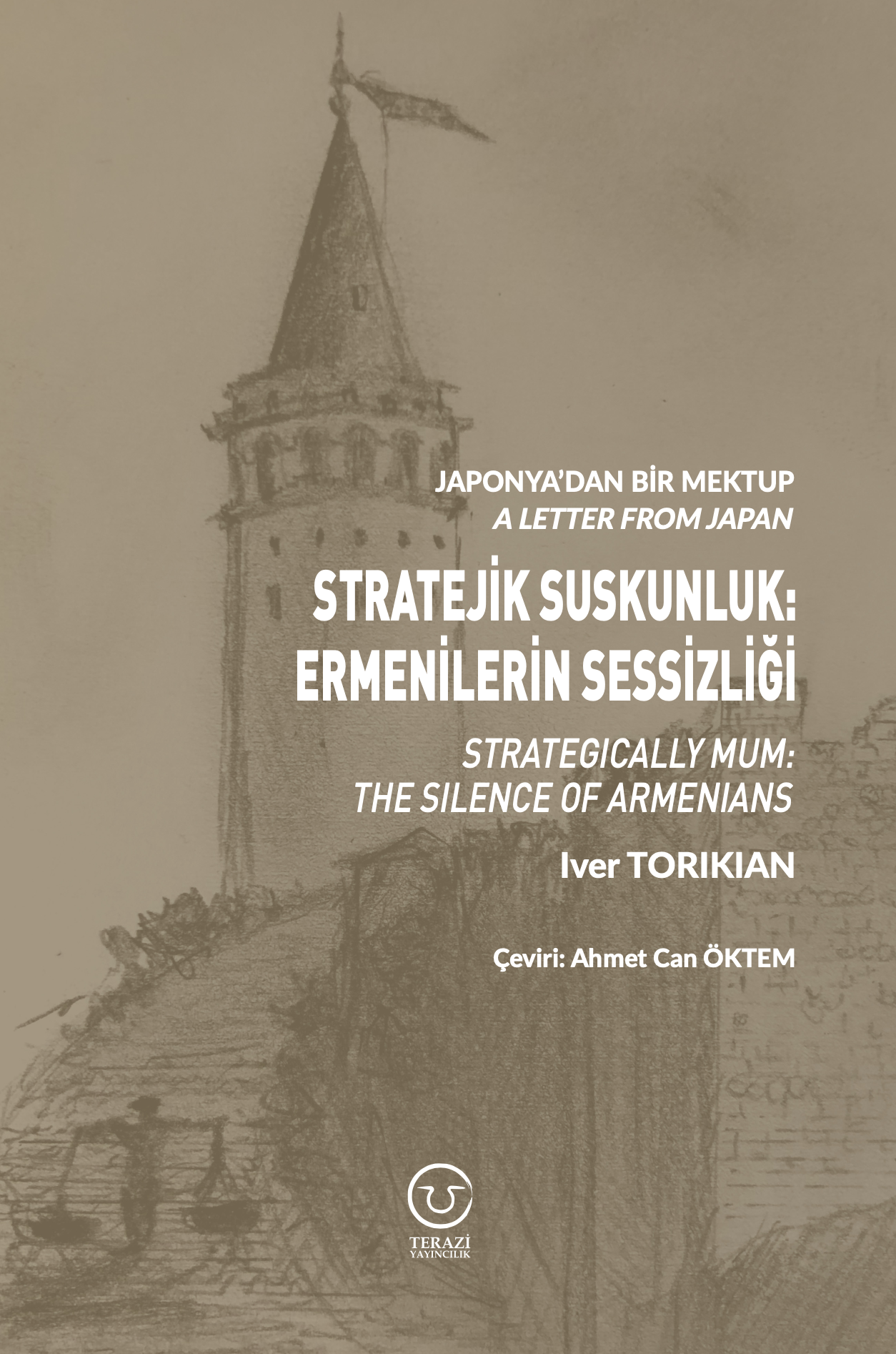
A Letter From Japan - Strategically Mum: The Silence of the Armenians -
01.01.2022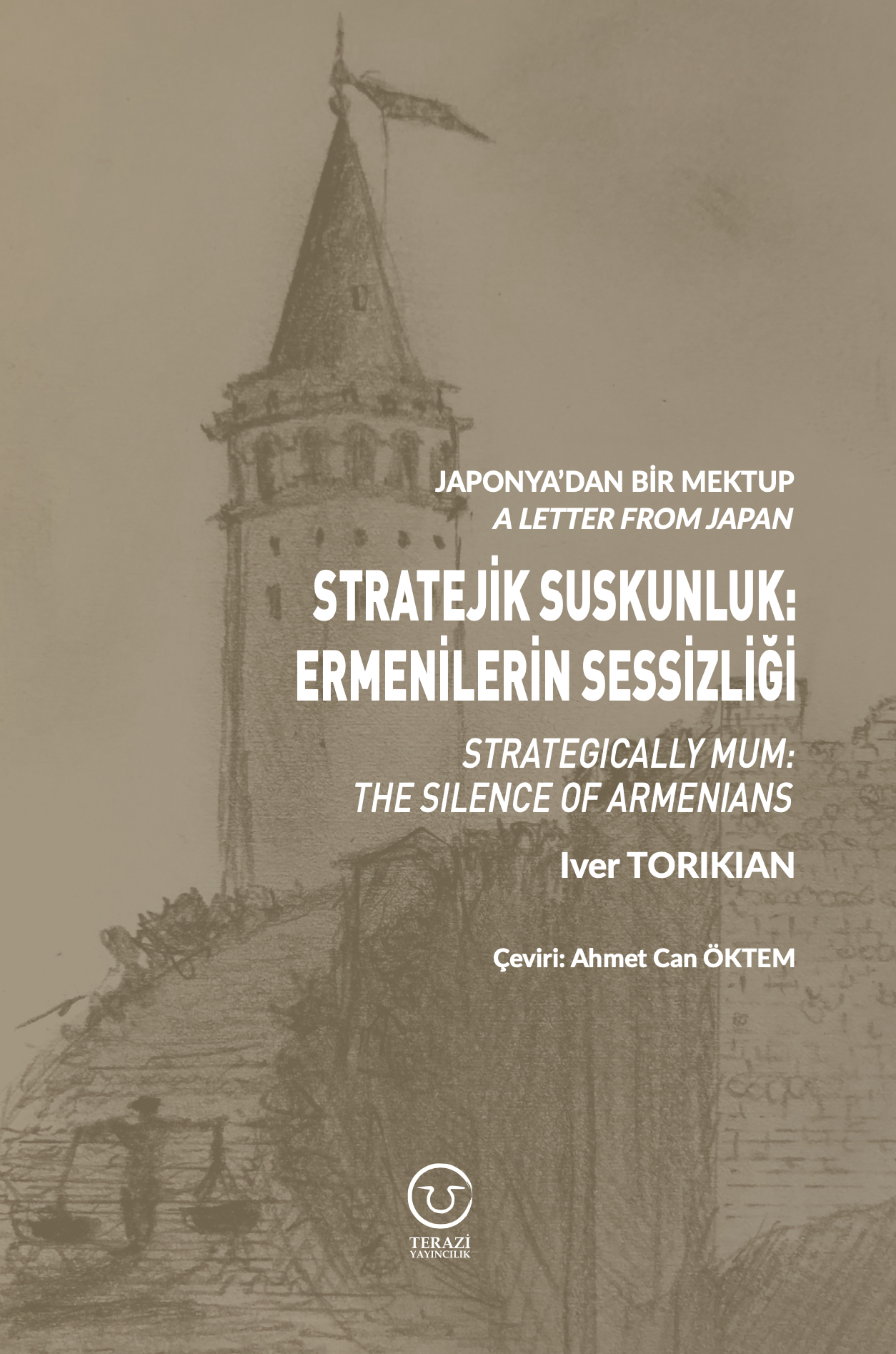
Japonya'dan Bir Mektup - Stratejik Suskunluk: Ermenilerin Sessizliği -
03.06.2020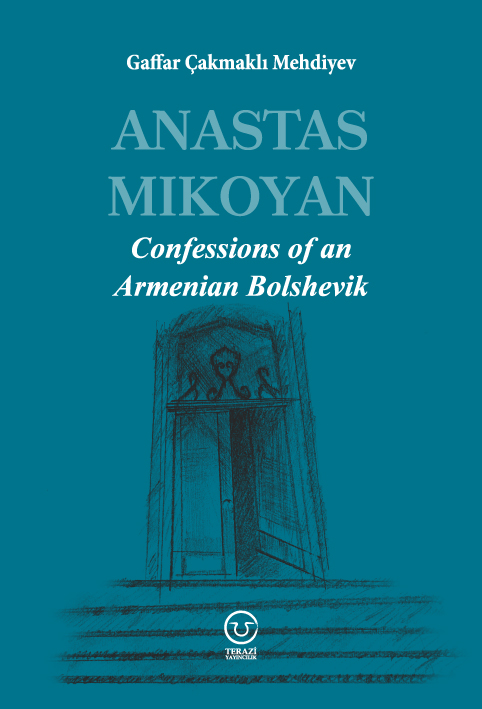
Anastas Mikoyan: Confessions of an Armenian Bolshevik -
08.04.2020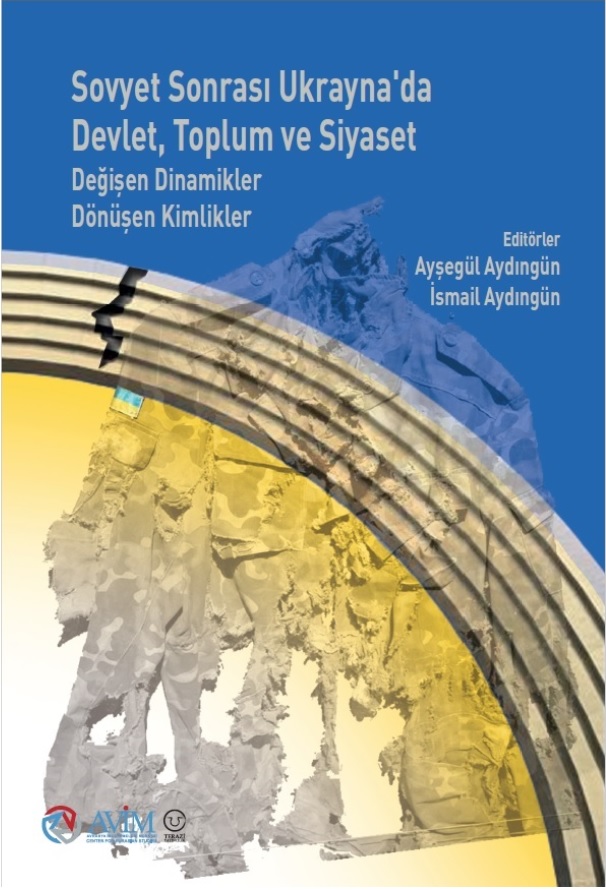
Sovyet Sonrası Ukrayna’da Devlet, Toplum ve Siyaset - Değişen Dinamikler, Dönüşen Kimlikler -
12.06.2018
Ermeni Sorunuyla İlgili İngiliz Belgeleri (1912-1923) - British Documents on Armenian Question (1912-1923) -
02.12.2016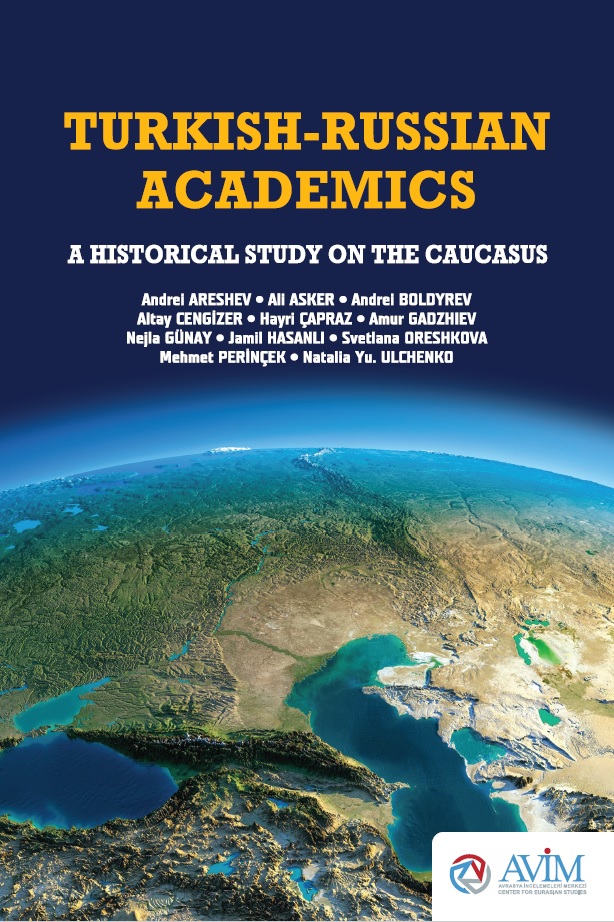
Turkish-Russian Academics: A Historical Study on the Caucasus -
01.07.2016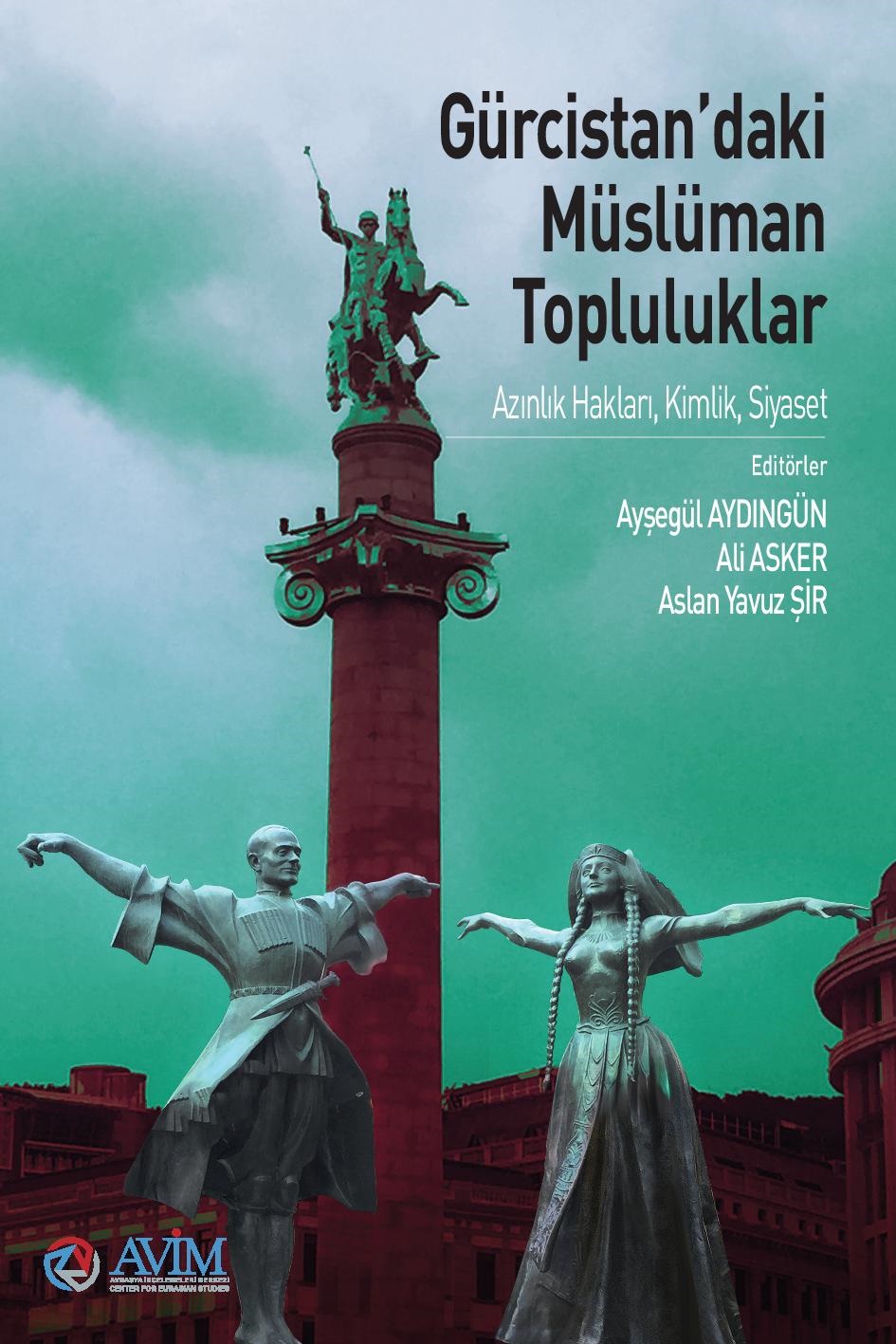
Gürcistan'daki Müslüman Topluluklar: Azınlık Hakları, Kimlik, Siyaset -
10.03.2016
Armenian Diaspora: Diaspora, State and the Imagination of the Republic of Armenia -
24.01.2016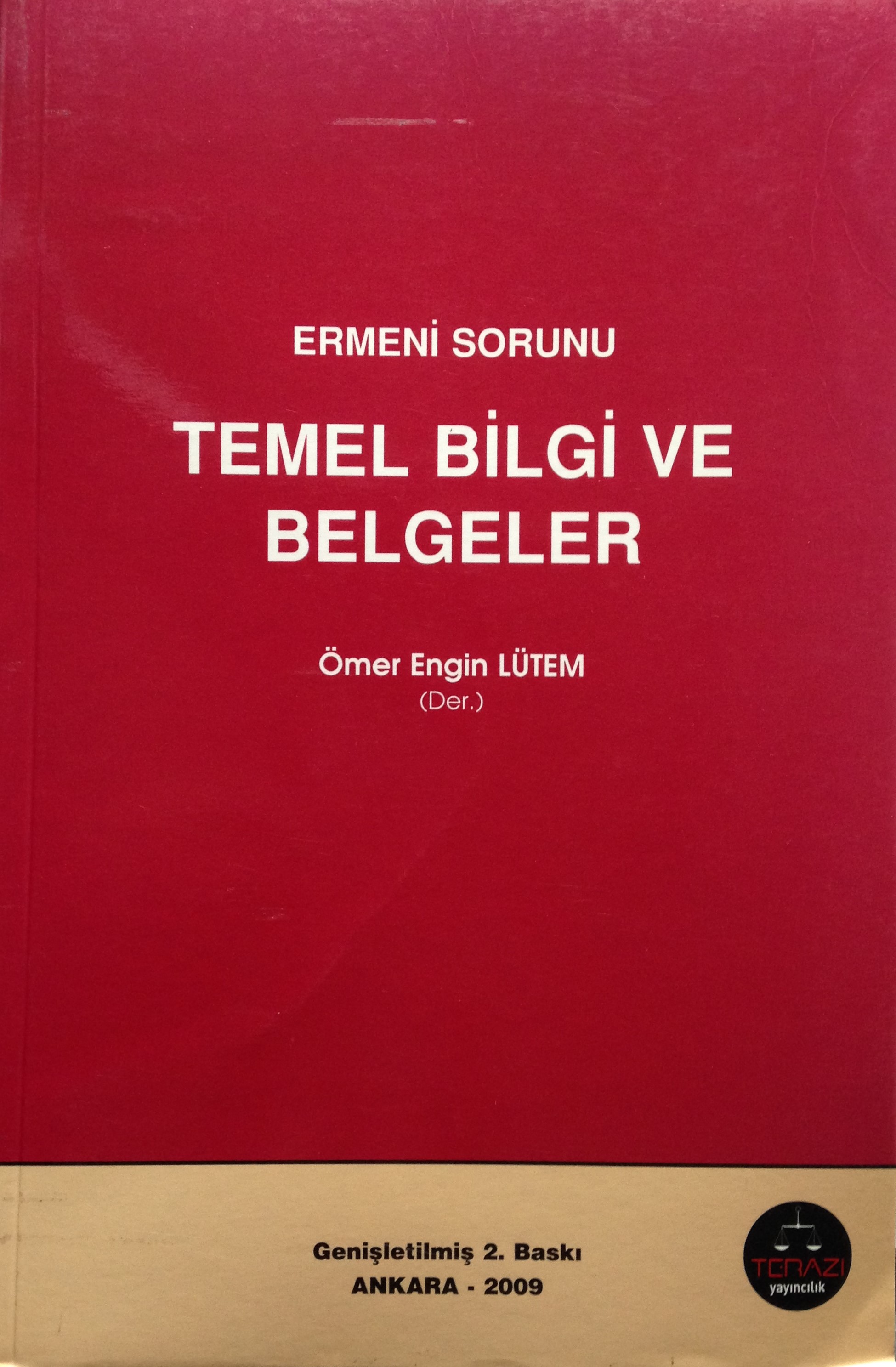
ERMENİ SORUNU - TEMEL BİLGİ VE BELGELER (2. BASKI)
-
AVİM Conference Hall 24.01.2023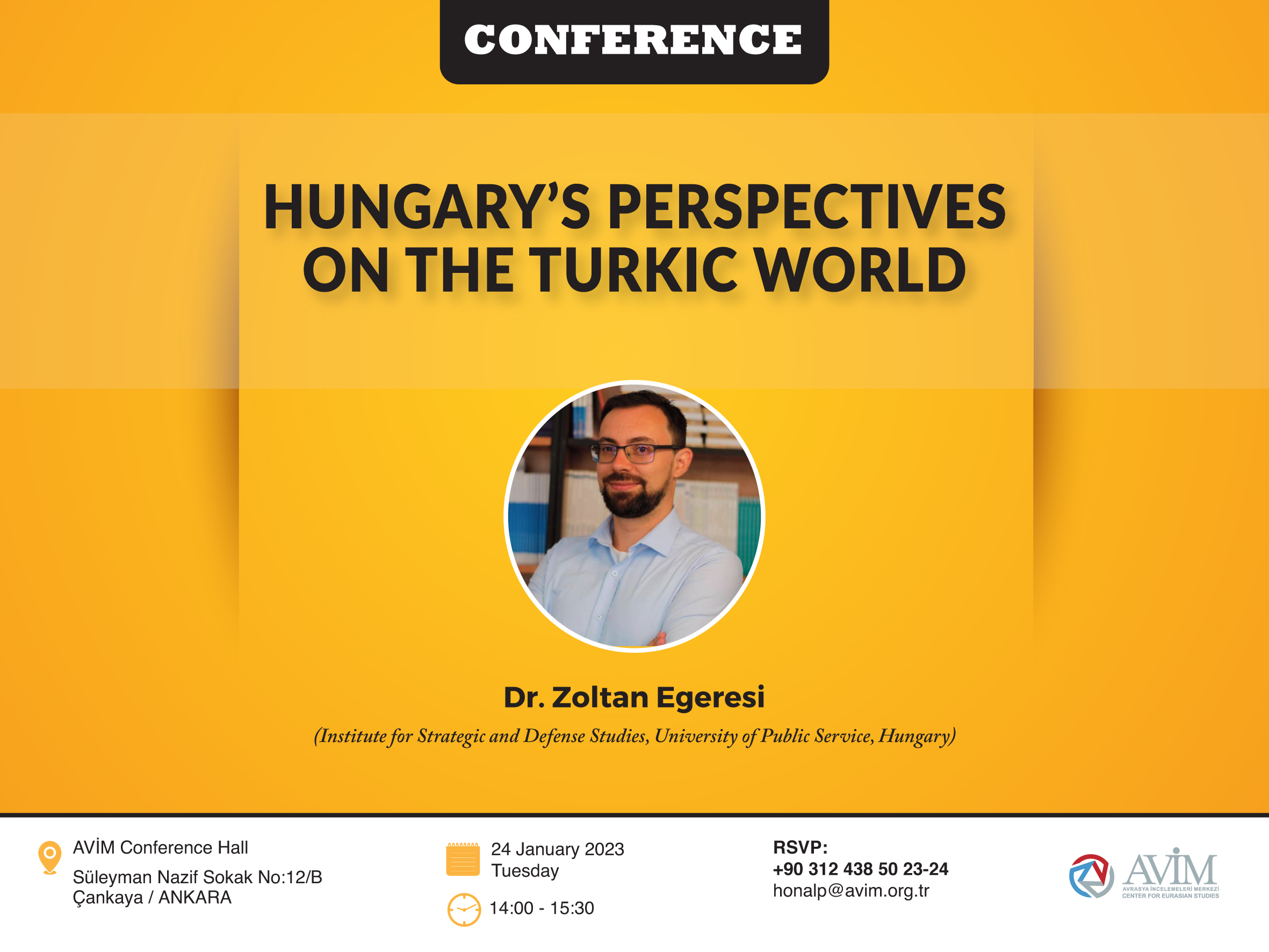
CONFERENCE TITLED “HUNGARY’S PERSPECTIVES ON THE TURKIC WORLD"