
















28.10.2016
EurActiv
Moldova will go to the ballots on Sunday (30 October) for a presidential election viewed as a tug-of-war between supporters of European integration and advocates of closer relations with the ex-Soviet country’s former master Moscow.
The crisis-hit country of 3.5 million, wedged between Ukraine and Romania, will for the first time since 1997 elect a president by national vote instead of having parliament select the head of state.
The popular ballot now forces Moldovans to make a tough choice for their country, which has been rocked by protests and political turmoil since the mysterious disappearance of €915 million – some 10% of the country’s GDP – from three banks last year.
Presidential candidates are pressing diametrically-opposed visions for the country’s future: deeper ties with the European Union and closer relations with Moscow.
The country signed an historic EU association agreement in 2014, despite bitter opposition from Russia, and the result of Sunday’s elections could fuel strife between pro-European and pro-Russian forces.
Europe’s dwindling appeal
The government-backed candidate in Moldova’s presidential race withdrew on Wednesday, saying it was a tactical move to ensure the presidency remained in pro-European hands.
On Wednesday government choice Marian Lupu said he would step aside to boost the chances of fellow pro-Western candidate Maia Sandu. Sandu last week told Reuters that a split among pro-European politicians could harm Moldova.
“This is a tactical decision. Moldova needs a pro-European president. Polls show she (Sandu) is more favoured,” Lupu told journalists.
The president in Moldova is more than just a figurehead – he or she can return laws to parliament, dissolve the assembly in certain situations and appoint the prime minister.
EU officials have admitted that Europe’s appeal has dwindled in the ex-Soviet republic in spite of the 2014 association agreement.
Pirkka Tapiola, who heads the EU mission to Moldova, told AFP that 70% of Moldovans had supported a European course for the country’s development but that this figure had dropped following a string of failed pro-Western government reforms.
“The fact that we have had successive governments that have called themselves pro-European … has taken a toll on the popularity of the European vector,” Tapiola told AFP.
Presidential candidate Igor Dodon, who heads the Socialist Party, has vehemently advocated against turning toward Europe.
“What have we received from Europe? Nothing,” said Dodon, who currently leads in voting intention polls, during a recent rally.
Dodon, who served as economy minister from 2006 to 2009 under a Communist government, has pledged to “restore a strategic partnership with Russia” and to void the economic portion of the association agreement with the EU.
“I am not against the EU,” Dodon said, stressing that the implementation of reforms demanded by Brussels, including in the justice system, are in Moldova’s interest.
Maia Sandu of the centre-right opposition, currently second in voting intention polls, has promised to make Moldova European.
“We advocate European integration because we see true democracy and prosperity for workers in the EU,” Sandu told AFP.
Sandu, a former education minister who worked for the World Bank, conceded that authorities in Chisinau will have to convince “Moldovans and European partners of their sincerity” before even setting a timeline for the country’s possible accession to the EU.
A divided nation
Moldovan voters seem as divided as their political leaders, with half the population in favour of bolstering ties with the EU while the other looks east to Russia and hopes the country will enter a Russian-led customs union that also includes Belarus and Kazakhstan.
“Moldova needs to be part of the EU,” said 66-year-old former construction worker Mihai Scutelnic. “But before that we need to put our country in order.”
But for others like 67-year-old Ion Badii, the country’s Communist past and strong ties with Moscow are more appealing.
“It’s better to have close ties with Russia because Europe does not need our commodities,” he said.
But Tapiola of the EU warned against attempts to label the country’s different political factions as pro-Russian and pro-European, saying it made for “artificial polarisation.”
“I think that some may have preferred to direct the discourse into pro-EU or pro-Russia because it is an easy discourse compared to the main discourse,” he said.
“What are the reforms which are needed, what are we going to do with the justice system, how are we going to deal with corruption?”
No comments yet.
- BULGARGAZ MULLS DEMANDING INCREASE IN GAS PRICE NEXT YEAR The Balkans 28.10.2016
-
 PARLIAMENT VOTES TO BOOST EU SPENDING ON DEVELOPMENT
Europe - EU
28.10.2016
PARLIAMENT VOTES TO BOOST EU SPENDING ON DEVELOPMENT
Europe - EU
28.10.2016
- SPAIN'S ACTING LEADER MARIANO RAJOY TO WAIT TWO MORE DAYS TO FORM GOVERNMENT Europe - EU 28.10.2016
- LAVROV, ZARIF TO MULL AGREEMENTS REACHED IN BAKU The Caucasus and Turkish-Armenian Relations 28.10.2016
- IRAQ: ALCOHOL BAN RAISES CONCERN OVER DRUG SMUGGLING Iraq 28.10.2016
-
25.01.2016
THE ARMENIAN QUESTION - BASIC KNOWLEDGE AND DOCUMENTATION -
12.06.2024
THE TRUTH WILL OUT -
27.03.2023
RADİKAL ERMENİ UNSURLARCA GERÇEKLEŞTİRİLEN MEZALİMLER VE VANDALİZM -
17.03.2023
PATRIOTISM PERVERTED -
23.02.2023
MEN ARE LIKE THAT -
03.02.2023
BAKÜ-TİFLİS-CEYHAN BORU HATTININ YAŞANAN TARİHİ -
16.12.2022
INTERNATIONAL SCHOLARS ON THE EVENTS OF 1915 -
07.12.2022
FAKE PHOTOS AND THE ARMENIAN PROPAGANDA -
07.12.2022
ERMENİ PROPAGANDASI VE SAHTE RESİMLER -
01.01.2022
A Letter From Japan - Strategically Mum: The Silence of the Armenians -
01.01.2022
Japonya'dan Bir Mektup - Stratejik Suskunluk: Ermenilerin Sessizliği -
03.06.2020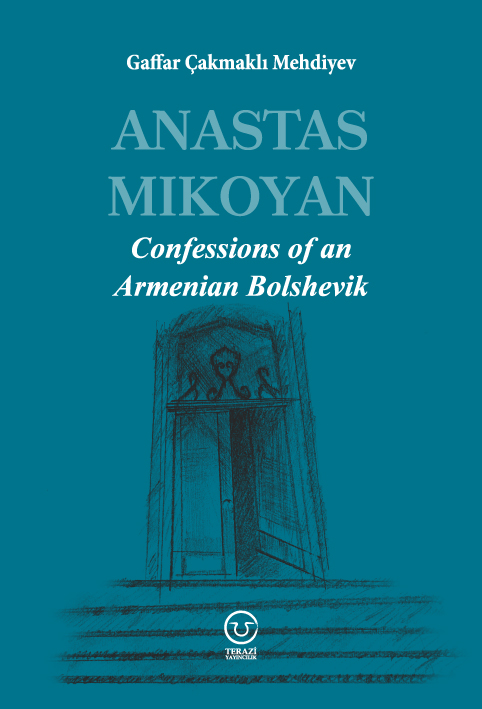
Anastas Mikoyan: Confessions of an Armenian Bolshevik -
08.04.2020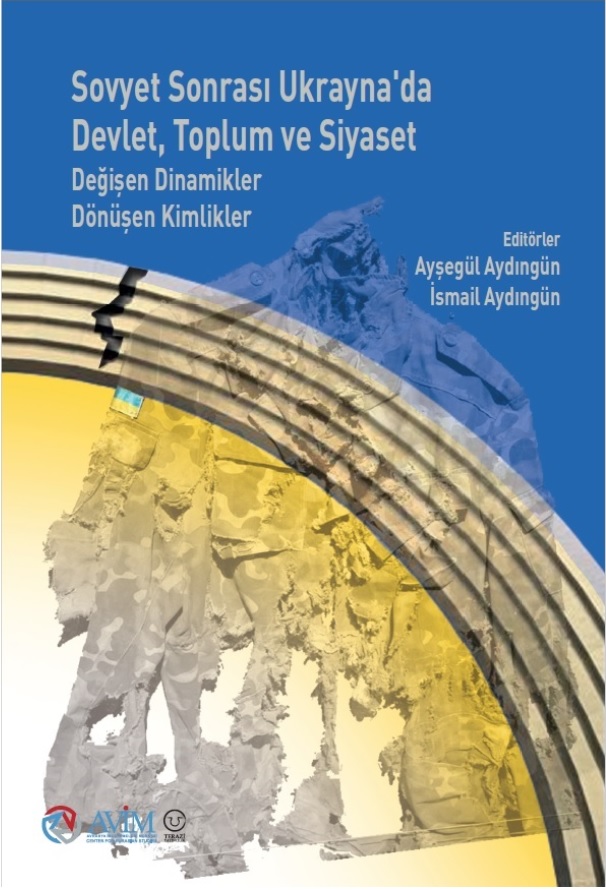
Sovyet Sonrası Ukrayna’da Devlet, Toplum ve Siyaset - Değişen Dinamikler, Dönüşen Kimlikler -
12.06.2018
Ermeni Sorunuyla İlgili İngiliz Belgeleri (1912-1923) - British Documents on Armenian Question (1912-1923) -
02.12.2016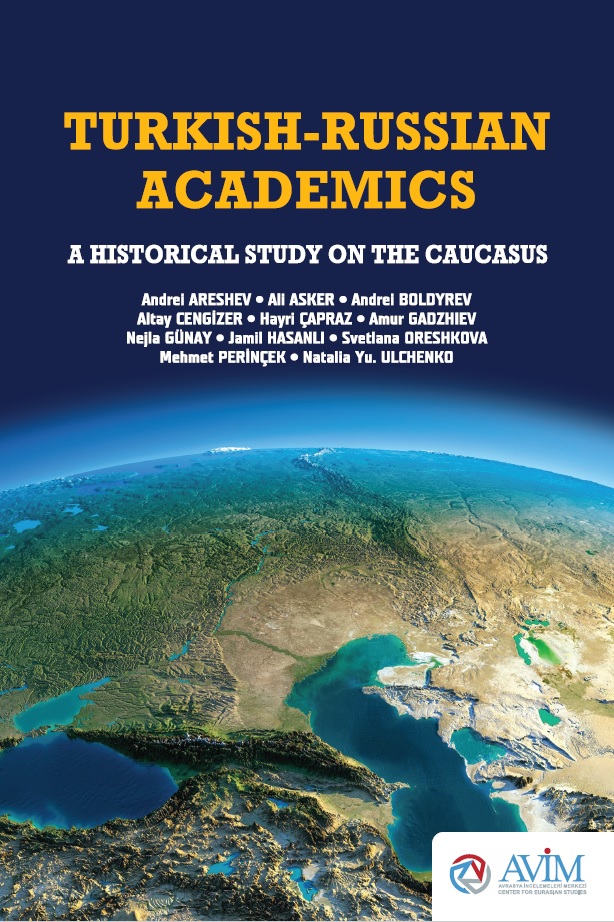
Turkish-Russian Academics: A Historical Study on the Caucasus -
01.07.2016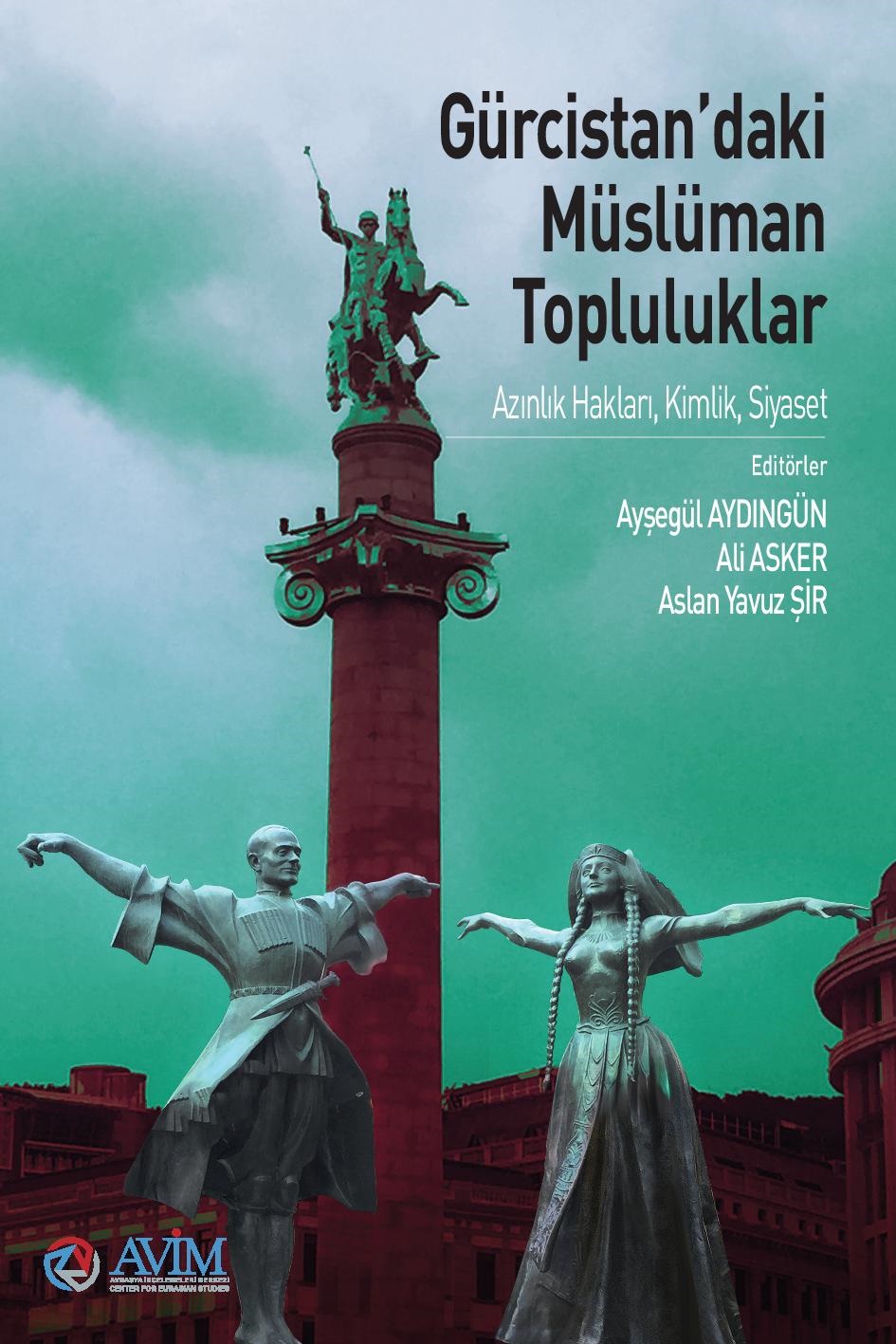
Gürcistan'daki Müslüman Topluluklar: Azınlık Hakları, Kimlik, Siyaset -
10.03.2016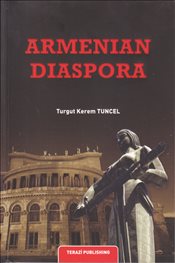
Armenian Diaspora: Diaspora, State and the Imagination of the Republic of Armenia -
24.01.2016
ERMENİ SORUNU - TEMEL BİLGİ VE BELGELER (2. BASKI)


-
AVİM Conference Hall 24.01.2023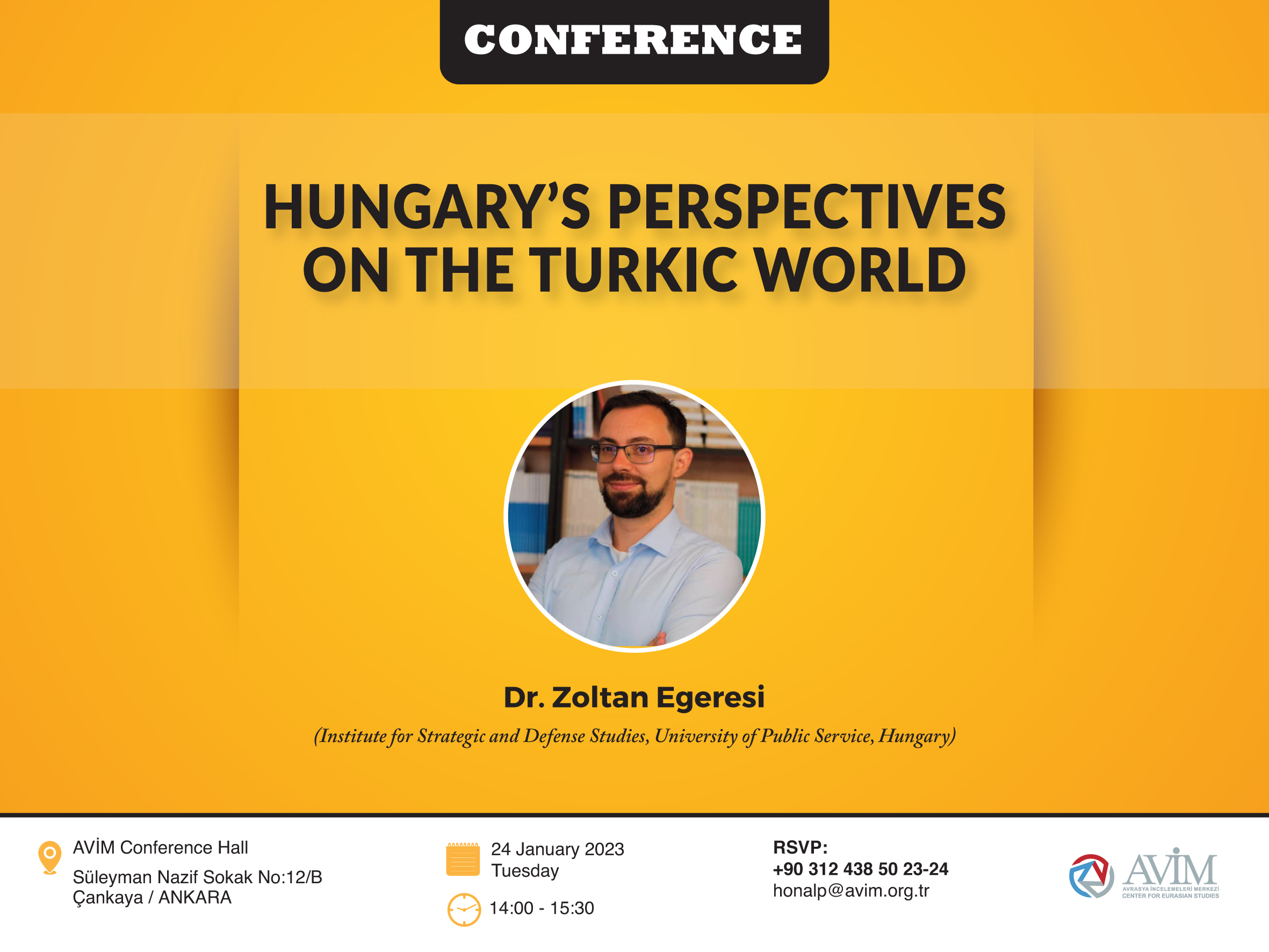
CONFERENCE TITLED “HUNGARY’S PERSPECTIVES ON THE TURKIC WORLD"