

















Aljazeera, 07 August 2016
The Iraqi women who had just fled from an area controlled by the Islamic State of Iraq and the Levant (ISIL, also known as ISIS) were still fearful of the group.
Sheltering behind an earthen berm and a Kurdish Peshmerga-controlled checkpoint not far from where the Iraqi army is fighting ISIL in Qayyara, the women didn't want their full faces shown, lest ISIL harm their relatives.
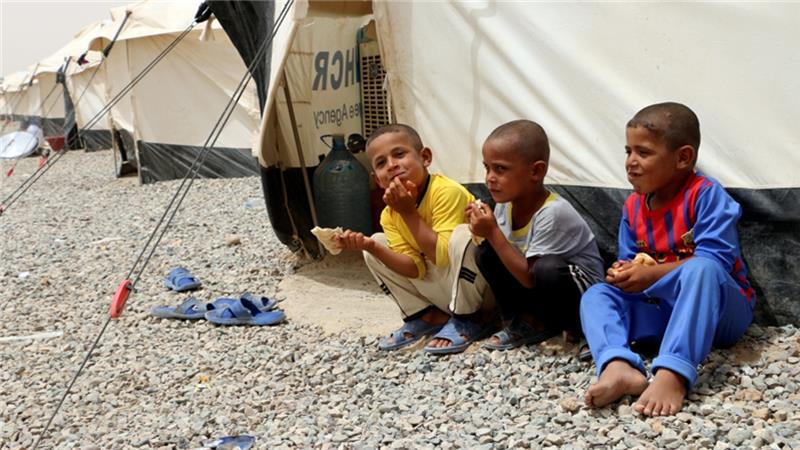
"They took my brother and sent him to Mosul because he wanted to flee," said one woman, in local Arabic. She is one of the almost 3.3 million internally displaced people and refugees who have fled ISIL and other groups to find refuge in Iraq.
As ISIL is slowly being defeated in northern Iraq, it is essential that regional powers focus on these refugees and plan now for the rebuilding of their communities that have been damaged by war or risk a repeat of the tragedies and chaos that had allowed ISIL to emerge in the first place.
Massive displacement
Among the largest refugee flows in Iraq are people fleeing into areas controlled by the Kurdistan Regional Government (KRG).
For instance, in April of 2016, the International Organization for Migration estimated that over one million people had left Nineveh province around Mosul to the KRG ( PDF ).
This represents around half the population of the province and includes many of the hundreds of thousands of Assyrian Christians, Yazidis, Shabaks and Kakei minorities that ISIL persecuted.
As the war has continued, more than a million people fled Sunni cities such as Tikrit, Fallujah and Ramadi, which have been recaptured by the Iraqi government and its Shia militia allies.
Estimates show that 80 percent of Ramadi is in ruins after its recapture in 2015 and that residents of cities such as Tikrit and Fallujah fear to return.
To ensure that the liberation of these areas doesn't become another vicious cycle and reproduce a new ISIL, refugees should be received now with increased funding and investment in their future.
Sectarian killings have made many people deeply suspicious of the future. Sunni Arab refugees I met in Erbil claimed their relatives had been kidnapped by militias and they preferred to move to Europe rather than return.
Yazidis said they feared to go back to Sinjar without protection from ISIL. Assyrians claimed that Mosul will never be the same.
In mid-July, I went to the frontlines near Bashiqa and Makhmour, where refugees have been increasingly fleeing ISIL as pressure mounts on its last bastions in Iraq.
OPINION: Liberating Mosul will not solve Iraq's problems
The women told stories of being harassed by extremists on the streets when they went to buy tomatoes, and young men being forcibly recruited for war.
These are the dying gasps of an extremist regime, but what it leaves behind is a legacy of destruction and suspicion.
Massive effort needed
The KRG Prime Minister Nechirvan Barzani said in an interview with Voice of America on July 24 that 500,000 new refugees are estimated to be fleeing the fighting. "We are working with Baghdad and looking forward to assistance from the international community."
The reality on the ground is that basic services are lacking. In Bashiqa, one American medical volunteer has been accompanying Kurdish forces who take in people fleeing.
In Makhmour, there were no international NGOs near the front to meet people, and members of a Sunni anti-ISIL militia named al-Hashd al-Watani were helping the refugees get their bearings.
The US State Department hosted a "pledging conference" on July 20 and received pledges of over $2bn for Iraq.
This amount is not nearly enough for the kinds of programmes that need to be put in place now to secure the future of Iraq's refugees, and to make sure that the chaos that plagued Iraq after the US invasion will not return in the vacuum left by ISIL.
OPINION: ISIL may be in crisis, but so is the coalition
Regional powers, such as Turkey, the Gulf states and Saudi Arabia, in particular, have a significant interest in securing stability in Iraq, especially in the areas that are being liberated from ISIL.
In addition, they have the regional sensibilities that have been lacking in the US role in places such as Afghanistan and Iraq, where massive amounts of money spent has not translated into impact on the ground.
Plan for the future
Before the rise of ISIL, the Nineveh plains were one of the most diverse and culturally rich places in Iraq. Mosul was a crossroad of civilisations.
The rise of ISIL grew out of resentment against Baghdad and built on a decade of insurgencies by groups like al-Qaeda.
To ensure that the liberation of these areas doesn't become another vicious cycle and reproduce a new ISIL, refugees should be received now with increased funding and investment in their future. However, the KRG government and Baghdad face an economic crisis.
Reconstruction projects are yet to begin in places such as Sinjar, which was liberated last year, and in Khazir which was liberated in May.
In some cases ISIL tunnels and mines still need removal. It is essential to invest aggressively in clearing the vestiges of the extremist group, listen to what refugees want when they return and reconstruct damaged areas. Plan for the future so as not to repeat the past.
No comments yet.
-
PLANNING FOR IRAQ'S REFUGEES AND THEIR FUTURE
Iraq
08.08.2016
-
 SECRET TREATIES TO DISMEMBER THE OTTOMAN EMPIRE
The Caucasus and Turkish-Armenian Relations
08.08.2016
SECRET TREATIES TO DISMEMBER THE OTTOMAN EMPIRE
The Caucasus and Turkish-Armenian Relations
08.08.2016
- LABOUR LEADERSHIP CANDIDATES BATTLE FOR FUTURE OF UK’S OPPOSITION PARTY Europe - EU 08.08.2016
-
 UKRAINIAN SEPARATIST LEADER WOUNDED IN BOMB ATTACK
Europe - EU
08.08.2016
UKRAINIAN SEPARATIST LEADER WOUNDED IN BOMB ATTACK
Europe - EU
08.08.2016
- ISLAMIC STATE HITS U.S.-BACKED SYRIAN REBEL BASE NEAR IRAQ BORDER Iraq 08.08.2016
-
25.01.2016
THE ARMENIAN QUESTION - BASIC KNOWLEDGE AND DOCUMENTATION -
12.06.2024
THE TRUTH WILL OUT -
27.03.2023
RADİKAL ERMENİ UNSURLARCA GERÇEKLEŞTİRİLEN MEZALİMLER VE VANDALİZM -
17.03.2023
PATRIOTISM PERVERTED -
23.02.2023
MEN ARE LIKE THAT -
03.02.2023
BAKÜ-TİFLİS-CEYHAN BORU HATTININ YAŞANAN TARİHİ -
16.12.2022
INTERNATIONAL SCHOLARS ON THE EVENTS OF 1915 -
07.12.2022
FAKE PHOTOS AND THE ARMENIAN PROPAGANDA -
07.12.2022
ERMENİ PROPAGANDASI VE SAHTE RESİMLER -
01.01.2022
A Letter From Japan - Strategically Mum: The Silence of the Armenians -
01.01.2022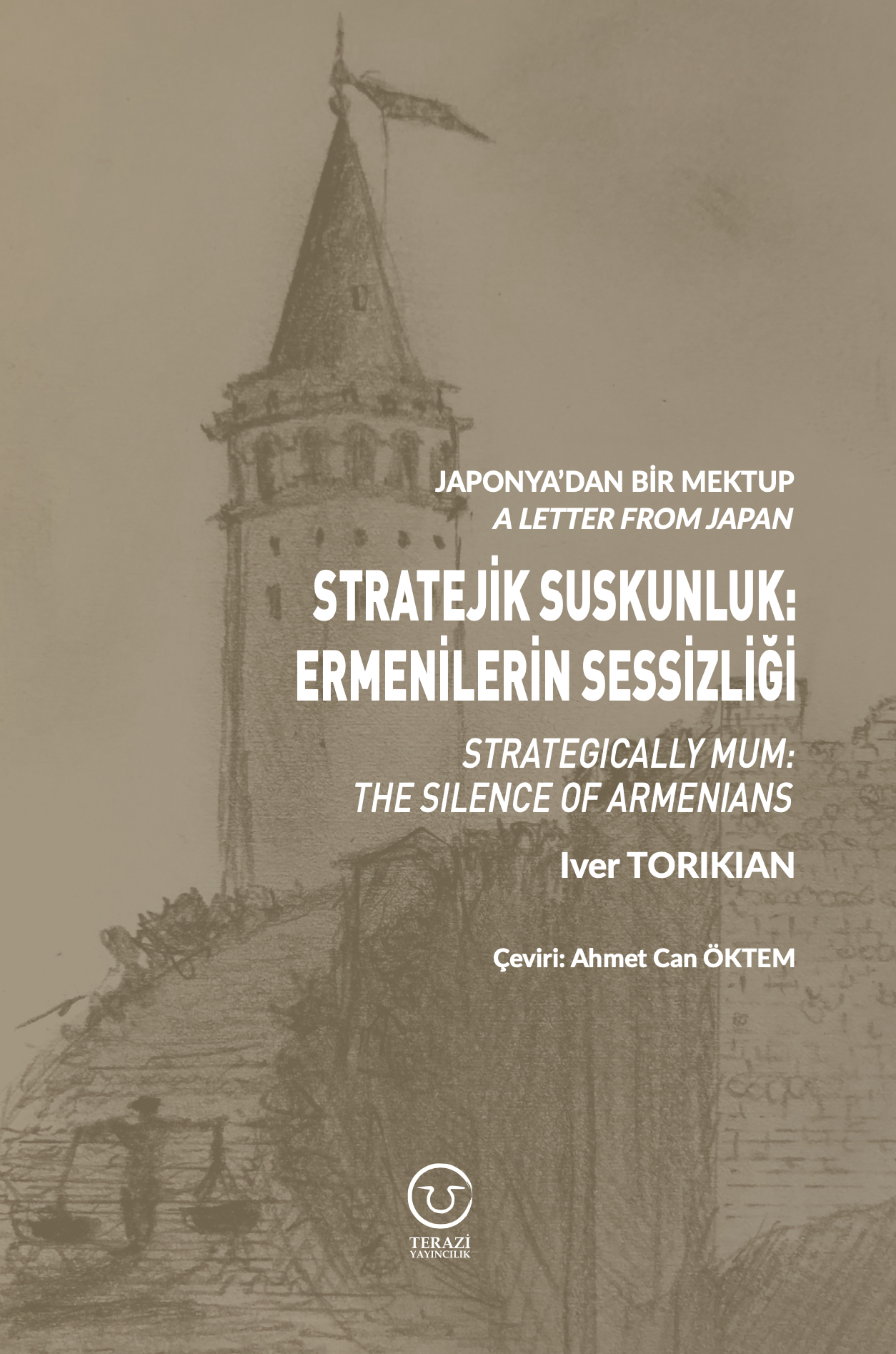
Japonya'dan Bir Mektup - Stratejik Suskunluk: Ermenilerin Sessizliği -
03.06.2020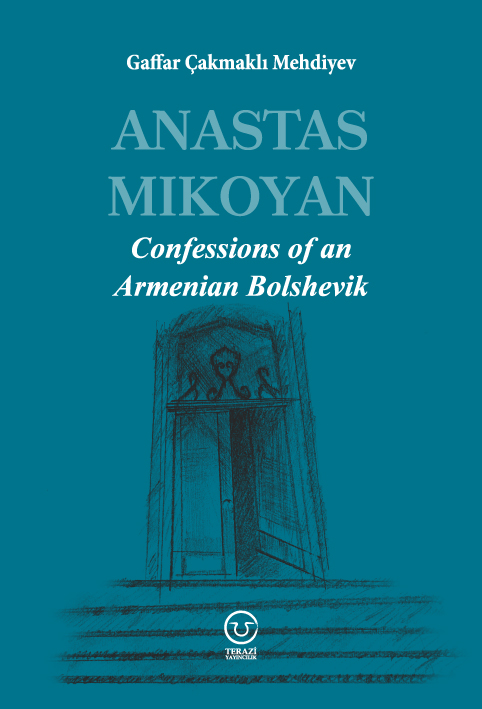
Anastas Mikoyan: Confessions of an Armenian Bolshevik -
08.04.2020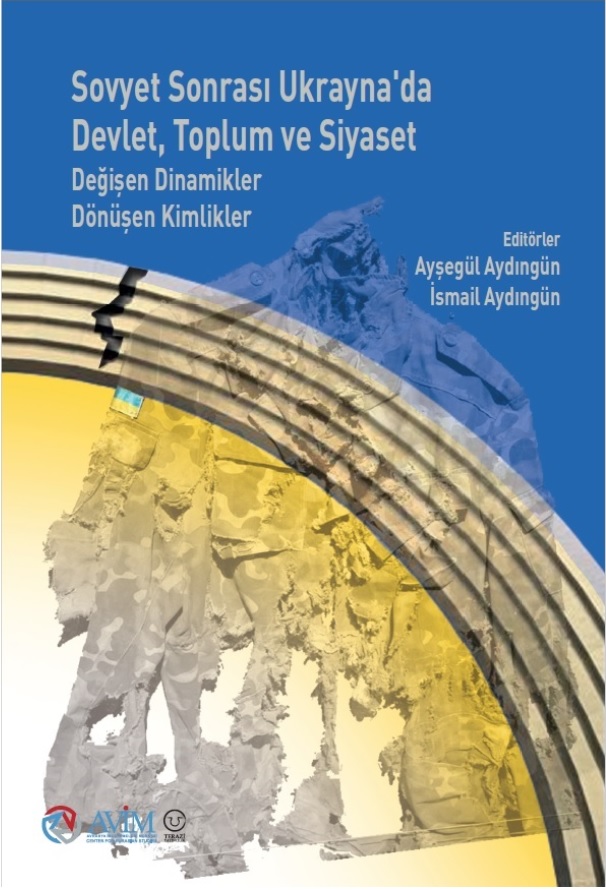
Sovyet Sonrası Ukrayna’da Devlet, Toplum ve Siyaset - Değişen Dinamikler, Dönüşen Kimlikler -
12.06.2018
Ermeni Sorunuyla İlgili İngiliz Belgeleri (1912-1923) - British Documents on Armenian Question (1912-1923) -
02.12.2016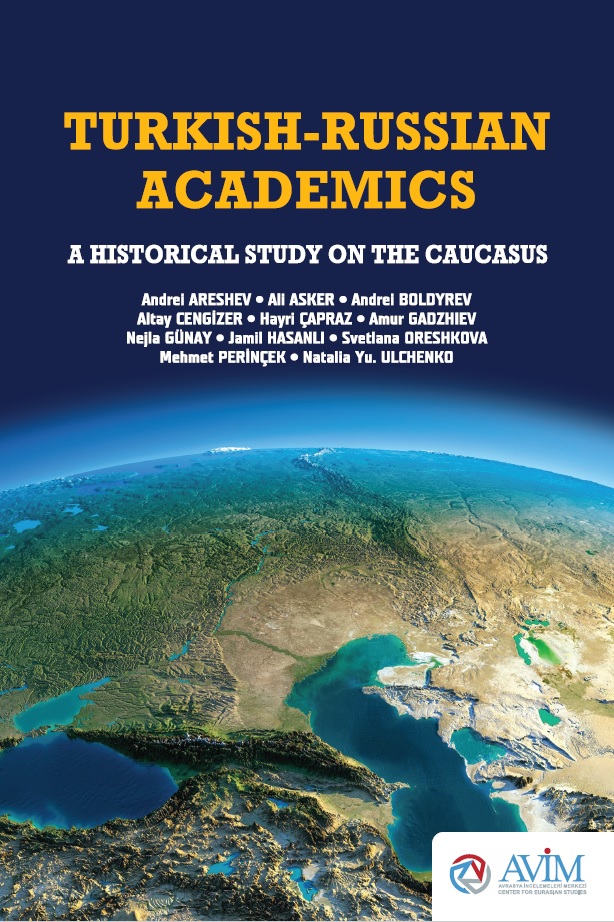
Turkish-Russian Academics: A Historical Study on the Caucasus -
01.07.2016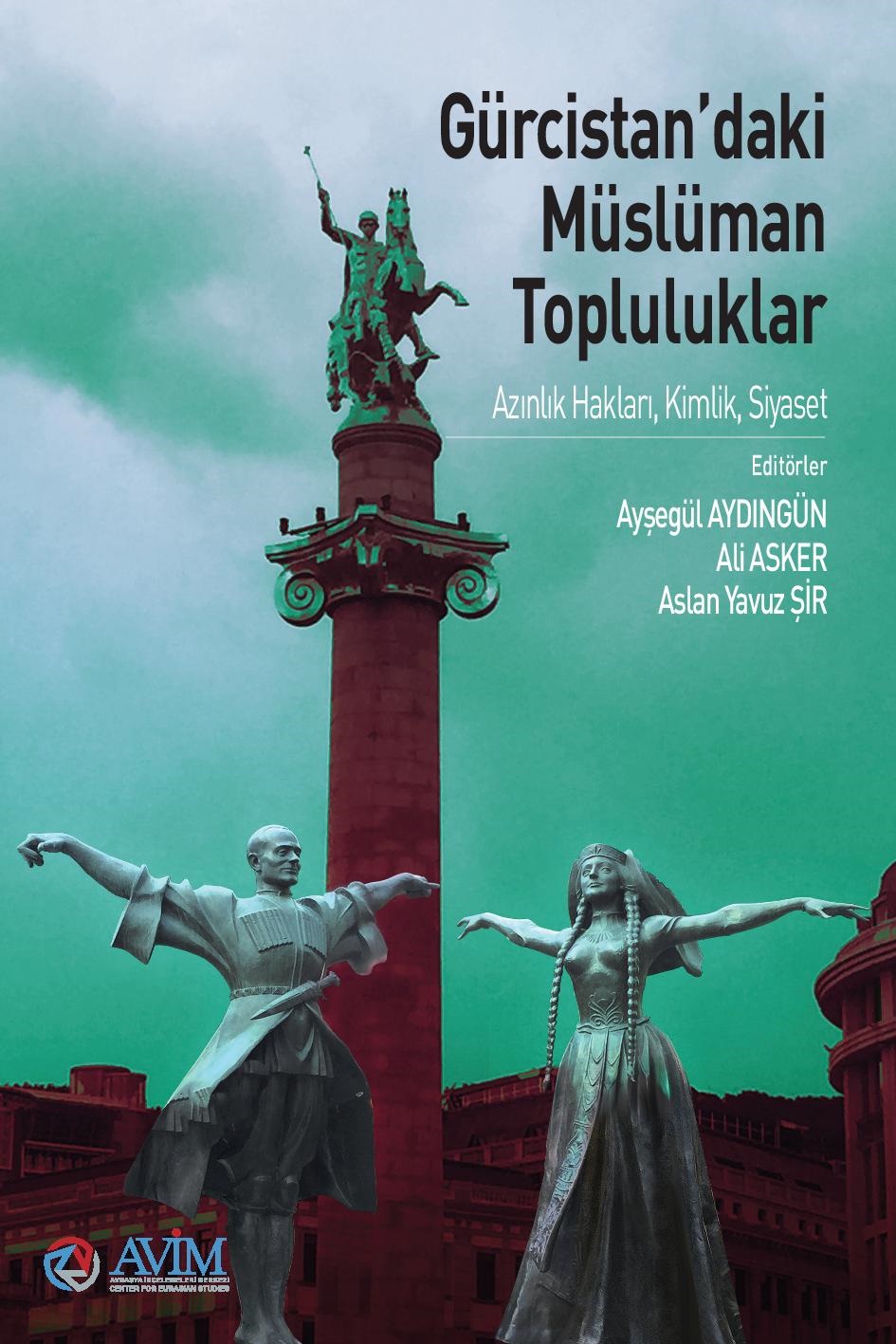
Gürcistan'daki Müslüman Topluluklar: Azınlık Hakları, Kimlik, Siyaset -
10.03.2016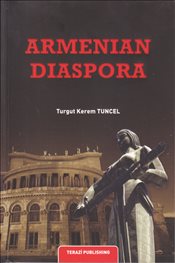
Armenian Diaspora: Diaspora, State and the Imagination of the Republic of Armenia -
24.01.2016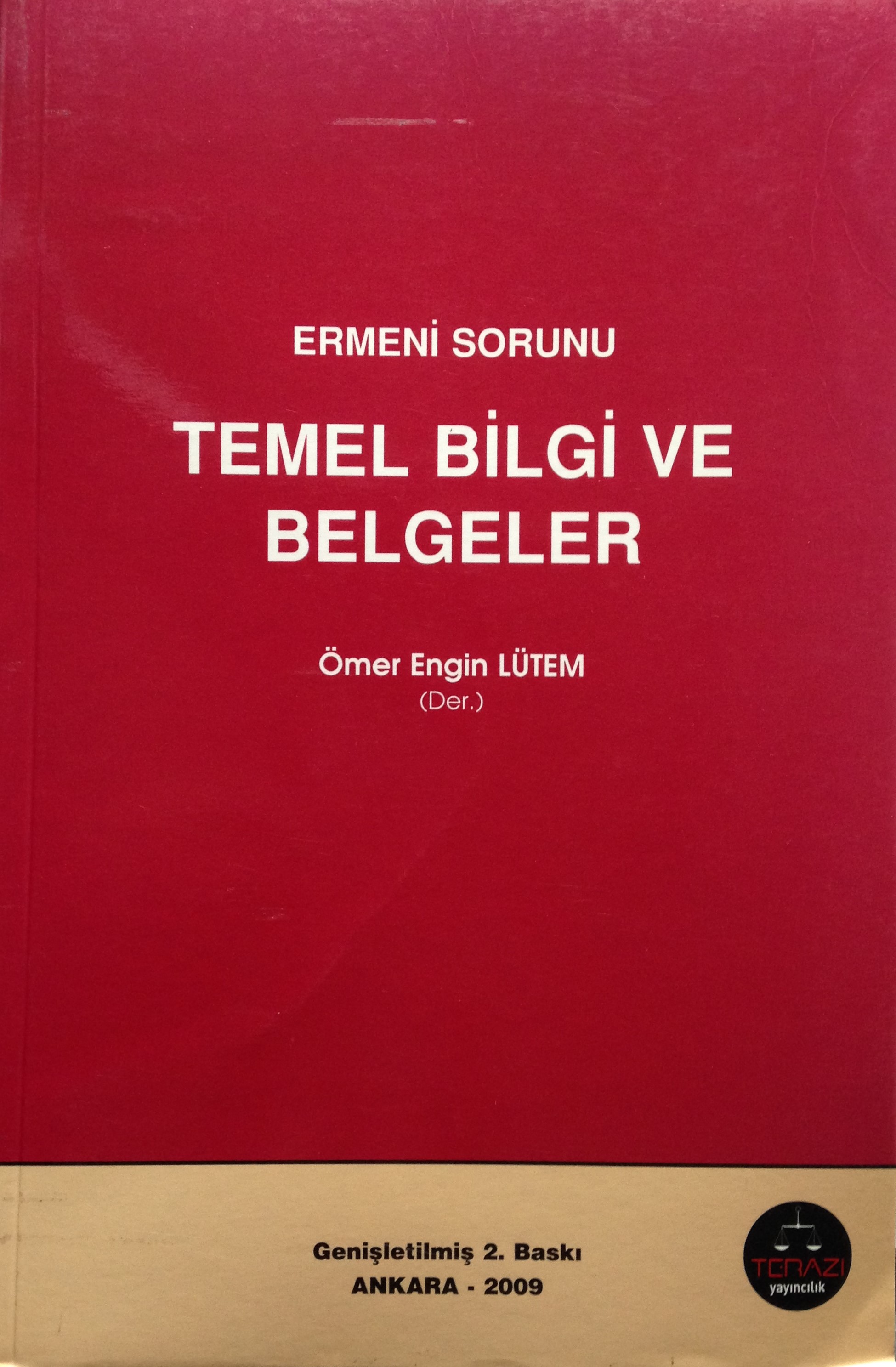
ERMENİ SORUNU - TEMEL BİLGİ VE BELGELER (2. BASKI)
-
AVİM Conference Hall 24.01.2023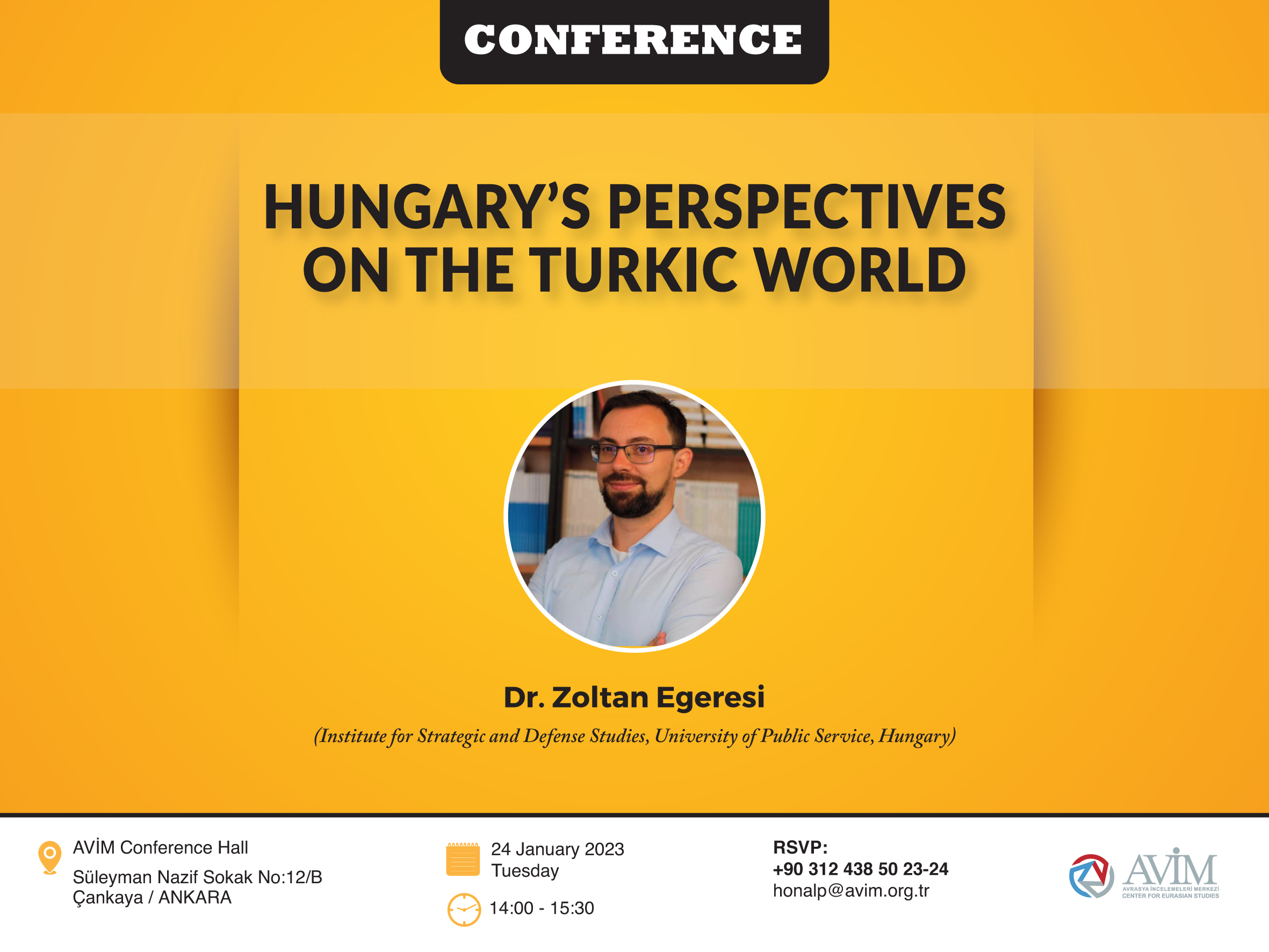
CONFERENCE TITLED “HUNGARY’S PERSPECTIVES ON THE TURKIC WORLD"