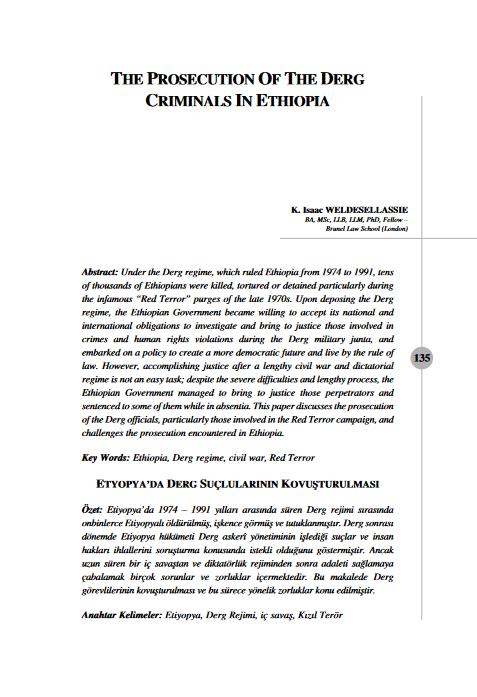


















Bloomberg, 19 Feb 2017
Twenty minutes later in Berlin, the Chancellery issued a statement detailing Angela Merkel’s latest conversation with the Russian leader.
The call was Merkel’s second in three weeks with Putin to discuss the conflict in Ukraine, a regular back channel to the president that she uses to press him to hold to the terms of the stalled peace process she helped negotiate.
For an explanation of why the conflict drags on, click here
Ensuring the so-called Minsk process remains alive is among Germany’s top foreign policy priorities -- one that had looked to be in danger of collapse as Trump’s quest for better relations with Russia raised doubts about the U.S. commitment to Ukraine. This weekend in Munich, European officials got what they needed from the administration for now, while conceding that many question marks still hang over Trump’s views on Russia.
“It’s quite clear the message Merkel has given to the U.S.: If the violence continues to rage in the east of Ukraine, how are you going to stop it? How are you going to get them to the negotiating table again? Are you going to let Putin set the agenda?” said Judy Dempsey, senior fellow at Carnegie Europe in Berlin. “And they listened.”
Minsk Summit
Two years ago this month, Merkel and French President Francois Hollande negotiated a cease-fire and road map to peace for Ukraine during all-night talks in Minsk, Belarus, with Putin and his Ukrainian counterpart, Petro Poroshenko. The chancellor has stuck doggedly to the cause ever since, regularly calling Putin to remind him that she’s not about to change her stance.
“We cannot give up on the principle of territorial integrity,” Merkel told the annual Munich Security Conference on Saturday. “We owe that not only to Ukraine, but to many other countries and to ourselves.” A political solution is needed “and I’m ready to devote a lot of time and energy to this, and to keep working at it even in the face of disappointments,” she said.
While the Minsk process itself has faltered, a greater roadblock appeared as President Trump hinted at rolling back sanctions first imposed on Russia after the annexation of Ukraine’s Crimea peninsula in March 2014. Such a move would remove leverage over Putin while dealing a political defeat to Merkel in an election year.
So Germany made efforts to persuade Trump of the importance of maintaining penalties on Russia, both in calls between Merkel and the president and via its European allies, according to a German government official with knowledge of the diplomacy. Sanctions and the importance of NATO were among the policy priorities raised by European leaders in their individual calls with Trump, in a coordinated effort to impress Europe’s agenda on the president, according to the official, who asked not to identified discussing strategy.
Trump Tweets
In lieu of a face-to-face meeting with Trump, the diplomacy by Merkel seemed to pay off. First, Trump tweeted that he didn’t know Putin. On Feb. 15, on the eve of Vice President Mike Pence’s first trip to Europe, he issued a tweet saying that “Crimea was TAKEN by Russia.”
The following day, Secretary of State Rex Tillerson, in his first European tour since taking office, backed Franco-German efforts to scale back the violence in eastern Ukraine. Then Pence used his first speech on the global stage to tell an audience of diplomats, political leaders and security officials in Munich that “with regard to Ukraine we must hold Russia accountable” and ensure the Russians abide by the Minsk agreement.
After meeting Merkel on the sidelines of the security forum on Saturday, Pence “thanked the Chancellor for her leadership on Ukraine,” according to a statement.
To be sure, the conflict is no closer to resolution. A meeting of the the so-called Normandy format comprising the French, German, Russian and Ukrainian foreign ministers took place in Munich without any sign of a breakthrough in the stalled peace process.
‘Educating Trump’
Poroshenko, who was also in Munich, still praised the signs of renewed U.S. commitment to the peace process. He listed calls in the last two weeks with Trump and Tillerson and “a very effective meeting” with Pence that showed him the U.S. “is our strong supporter.” The Trump administration agrees with Ukraine’s government on “the de-occupation of the east of my country” and Crimea, he said.
For Anne Applebaum, author of “Iron Curtain” and a participant at the Munich conference, Trump’s position on Ukraine remains unclear even if Tillerson, Pence and others “all think Merkel’s position is very important and they care about it a lot.”
“I don’t know whether Trump knew what the Minsk agreement is. I am not sure he understands why there are sanctions on Russia,” Applebaum said. “Merkel like the other allies is playing a role in educating Trump.”
No comments yet.
- GIORGI KVIRIKASHVILI: "GEORGIA IS BECOMING A PART OF EUROPEAN ORDER" The Caucasus and Turkish-Armenian Relations 20.02.2017
- TURKEY, AZERBAIJAN MAY SOON USE NATIONAL CURRENCY IN TRADE The Caucasus and Turkish-Armenian Relations 20.02.2017
- FORMER ITALIAN PM RENZI STEPS DOWN AS DEMOCRATIC PARTY LEADER Europe - EU 20.02.2017
- AP SOURCE: SENATORS WANT MATERIALS SAVED FOR RUSSIA PROBE Asia - Pacific 20.02.2017
- BULGARIA, CROATIA CALL FOR SPEEDING UP REFORM IN EU ACCESSION COUNTRIES The Balkans 20.02.2017
-
25.01.2016
THE ARMENIAN QUESTION - BASIC KNOWLEDGE AND DOCUMENTATION -
12.06.2024
THE TRUTH WILL OUT -
27.03.2023
RADİKAL ERMENİ UNSURLARCA GERÇEKLEŞTİRİLEN MEZALİMLER VE VANDALİZM -
17.03.2023
PATRIOTISM PERVERTED -
23.02.2023
MEN ARE LIKE THAT -
03.02.2023
BAKÜ-TİFLİS-CEYHAN BORU HATTININ YAŞANAN TARİHİ -
16.12.2022
INTERNATIONAL SCHOLARS ON THE EVENTS OF 1915 -
07.12.2022
FAKE PHOTOS AND THE ARMENIAN PROPAGANDA -
07.12.2022
ERMENİ PROPAGANDASI VE SAHTE RESİMLER -
01.01.2022
A Letter From Japan - Strategically Mum: The Silence of the Armenians -
01.01.2022
Japonya'dan Bir Mektup - Stratejik Suskunluk: Ermenilerin Sessizliği -
03.06.2020
Anastas Mikoyan: Confessions of an Armenian Bolshevik -
08.04.2020
Sovyet Sonrası Ukrayna’da Devlet, Toplum ve Siyaset - Değişen Dinamikler, Dönüşen Kimlikler -
12.06.2018
Ermeni Sorunuyla İlgili İngiliz Belgeleri (1912-1923) - British Documents on Armenian Question (1912-1923) -
02.12.2016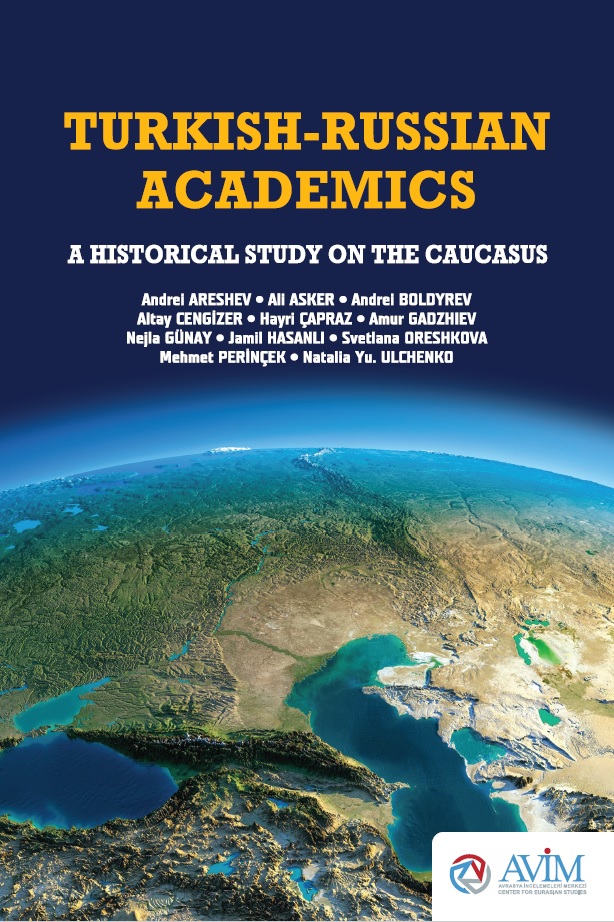
Turkish-Russian Academics: A Historical Study on the Caucasus -
01.07.2016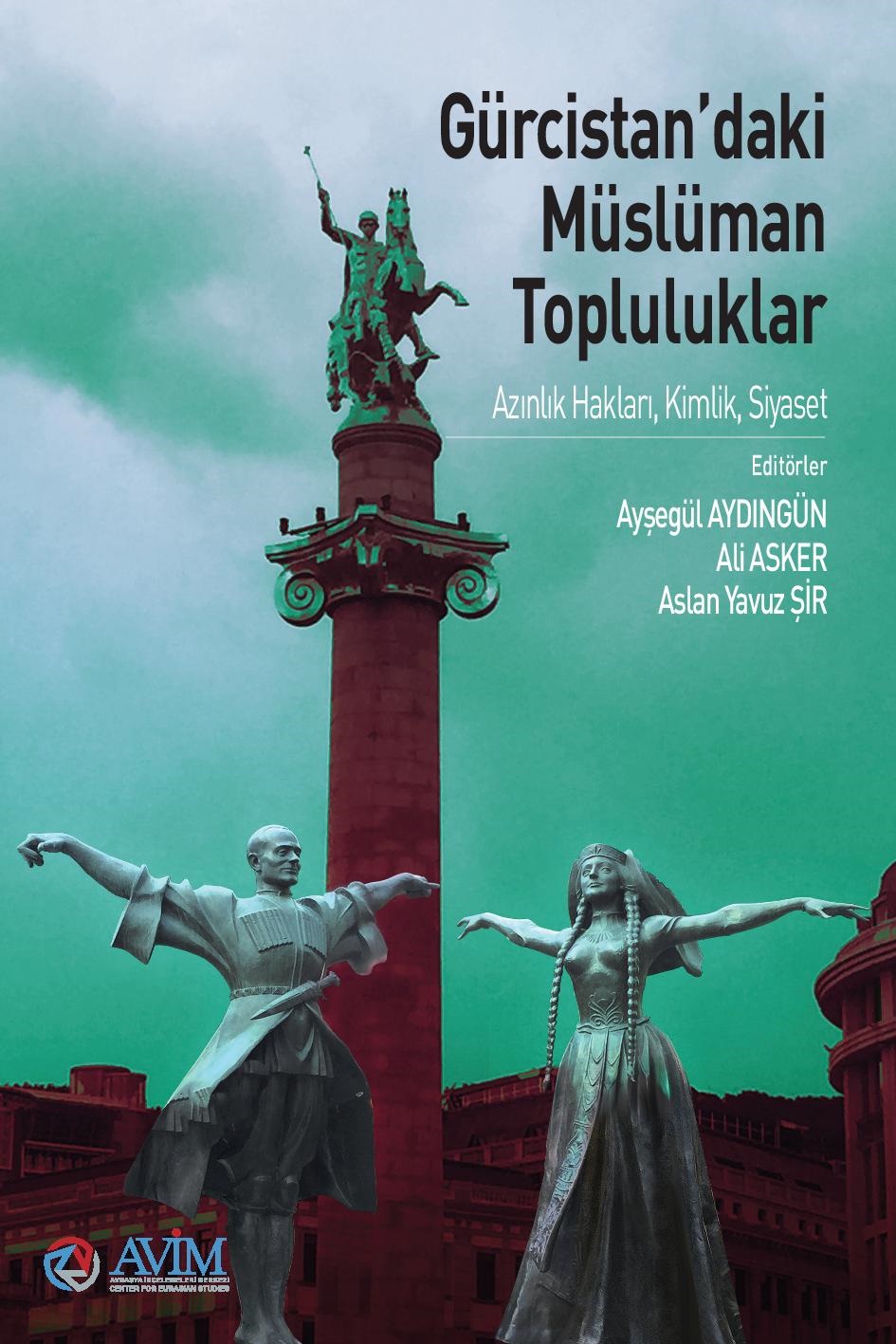
Gürcistan'daki Müslüman Topluluklar: Azınlık Hakları, Kimlik, Siyaset -
10.03.2016
Armenian Diaspora: Diaspora, State and the Imagination of the Republic of Armenia -
24.01.2016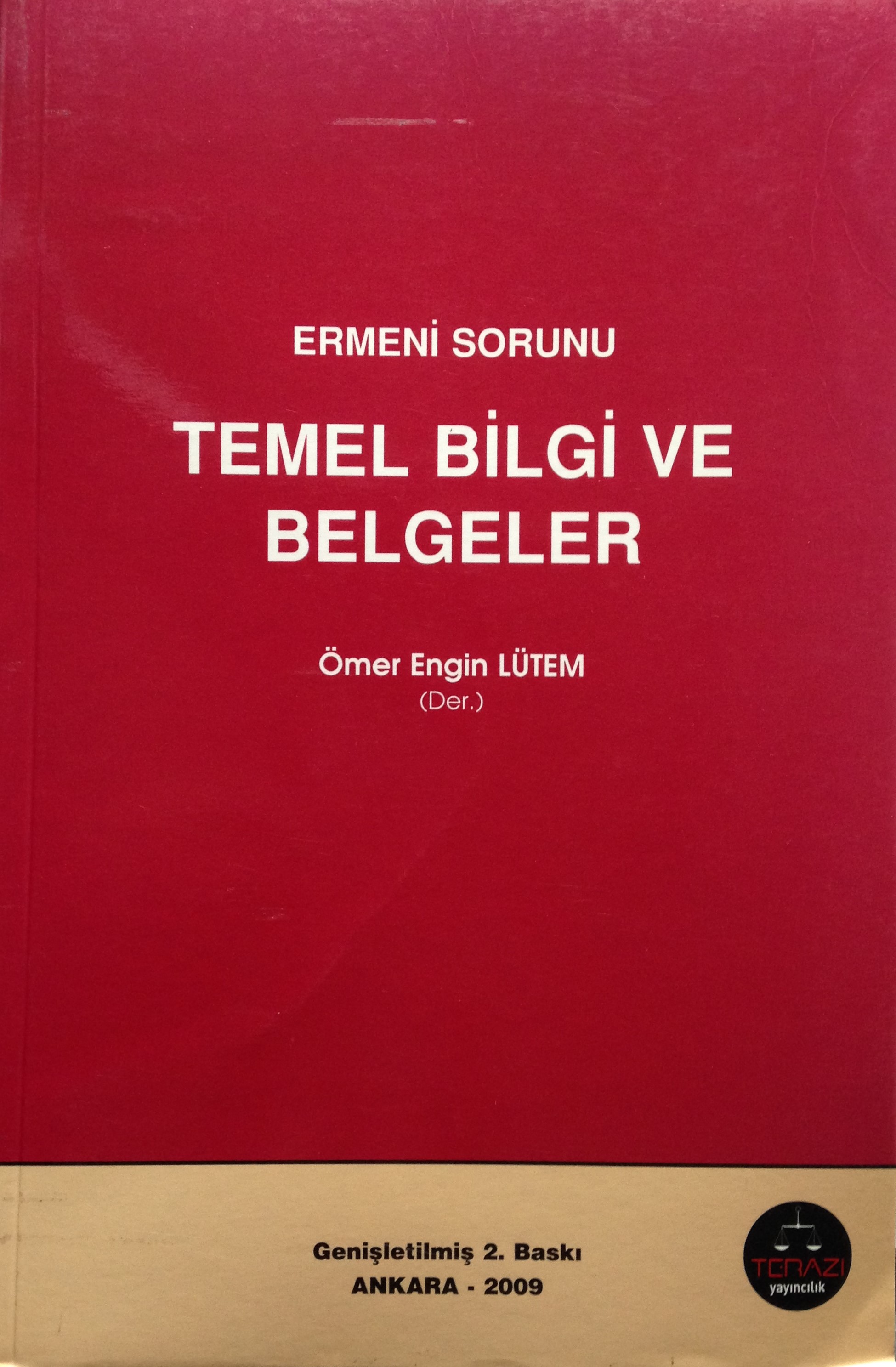
ERMENİ SORUNU - TEMEL BİLGİ VE BELGELER (2. BASKI)


-
AVİM Conference Hall 24.01.2023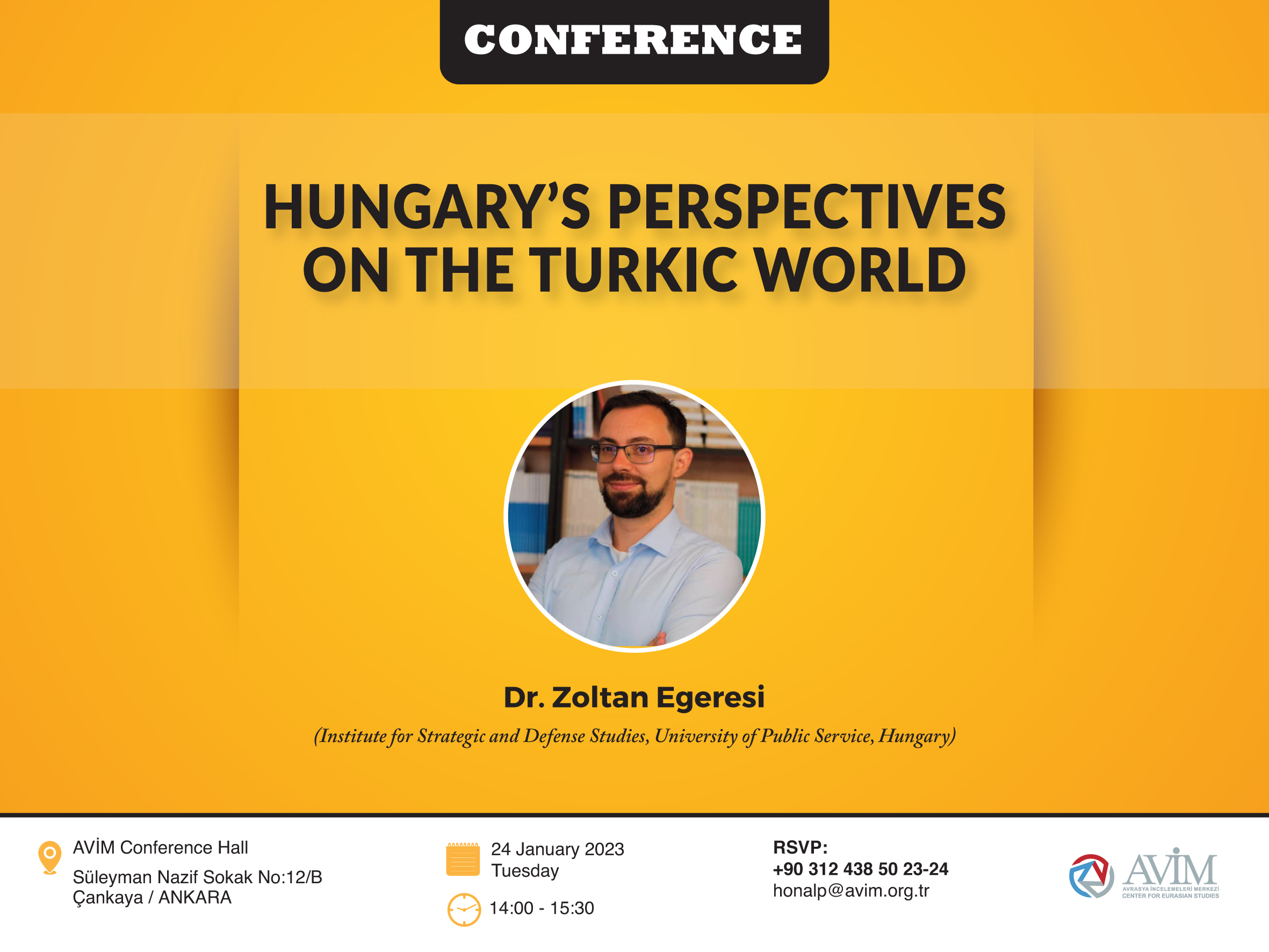
CONFERENCE TITLED “HUNGARY’S PERSPECTIVES ON THE TURKIC WORLD"