

















EurActiv (31 May 2018)
Reaching a common EU response to the long-running migration crisis has been painfully slow. Ministers remain deadlocked on plans to reform the so-called Dublin Regulation that sets out the EU’s common migration and asylum rules.
Italian MEP Elly Schlein, the negotiator on Dublin for the centre-left Socialist and Democrat group, described this impasse as “shameful”.
“They have had the proposal from the European Commission for over two years. Instead, they are focused only on externalising borders,” by cutting deals with the likes of Libya and Turkey, she told EURACTIV.
“There is no leadership…no understanding that common challenges need common solutions,” she added.
While ministers remain divided, MEPs backed an overhaul of the Dublin Regulation last November with a large cross-party majority, and are now waiting for governments to join them at the negotiating table.
Schlein described the Parliament vote as “a historical mark”, and says that she “wasn’t expecting to get to get such an ambitious approach in the EP on such a divisive matter.”
“It was the first time that the European Parliament found a compromise on first country entry on automatic burden sharing,” and amounted to a “truly European” approach on migration, she says.
Schlein, Swedish rapporteur Cecilia Wikström, and the Parliament’s other negotiators will hold a press conference in the coming days to urge member states to reach a common position and agree to the initiation of negotiations.
Migration Commissioner Dimitris Avramopoulos will spearhead another attempt to get EU leaders to agree a common position on the overhaul of the bloc’s Dublin regulation at a summit in Brussels on 28-29 June.
No obligation
But Schlein conceded that MEPs can do little if governments continue to delay. Talks have been stuck since October.
“There is no obligation on their side,” she admitted.
“We will continue to put pressure on governments and tell citizens that the European Parliament has done its part. We are ready to sit and negotiate.”
While the Parliament is keen to start negotiations, with less than a year remaining until the mandate is brought to an end by the May 2019 European elections, Schlein insisted that governments will not be allowed to ‘cherry-pick’ parts of the regulation.
“We are still insisting on the package approach…you cannot have discussions on EURODAC and the agency (which member states are interested in) if you don’t start negotiating on Dublin. You can’t cherry pick,” she says.
Schlein says the EU “must have” a permanent means of redistributing asylum seekers”, a provision that forms part of the Parliament’s mandate.
The Central European Visegrad Group, led by Hungary and Poland, who have consistently refused to be party to EU refugee resettlement quotas, are widely seen as the main obstacles but Schlein said they are not the only countries responsible for the deadlock.
“It’s very easy to blame the Visegrad group because they have been the most vocal on refusing burden sharing. But a number of countries also don’t want to change things.”
Her ire is also focused on Germany, while French President Emmanuel Macron needs to back up his pro-European rhetoric in the European Council, she said.
“Several years ago, Germany wanted an ambitious reform of Dublin, but I think Germany forgot that ambition when they got the Turkey deal.”
“It was good to have to have Macron in the Parliament, but I want to see pro-Europeanism in Council., and France has not taken a strong position in Council.”
Unsatisfied
The latest proposal tabled by the Bulgarian presidency is essentially voluntary, allowing reluctant countries to handpick refugees or pay another country €30,000 for each person that they refuse to take, as a compromise.
Schlein said this proposal, which would only apply in emergency situations is “not workable”.
“What I think is that the Council wants to keep the last word by sidelining the Parliament and Commission in these matters.”
Nor has the Bulgarian proposal satisfied the group of five Mediterranean countries – Italy, Spain, Greece, Cyprus and Malta – who are the principle ‘point of entry’ for migrants from North Africa and the Middle East. They complain that the new proposal still places an overly heavy burden on recipient countries.
“It is obvious that the Southern Mediterranean countries should not be left alone,” said Schlein.
For its part, the Parliament’s position is far tougher. It contains automatic burden sharing of refugees and would allow the Commission to withhold structural funds to countries refusing to take their share of refugees.
In the meantime, Schlein downplayed the prospect of a new Italian government dominated by Five Star and anti-immigration Lega Nord heralding a change in Italy’s approach on Dublin reform.
Five Star and Lega MEPs opposed the Parliament’s position in November, but Schlein hinted that this is changing.
“I could see a shift that they would support the position in Council,” she told EURACTIV.
However, the recent sharp fall in the number of would-be migrants arriving on European shores could also strengthen the resolve of governments to delay negotiations.
The International Organisation for Migration data (IOM) has reported that almost 19,000 people arrived in Europe in the first four months of this year compared to around 44,600 in 2017.
“It’s undeniable that the flows have reduced, but they have been falling for the wrong reasons,” said Schlein
“The situation in Italy is still critical. The reception system in Italy and Greece has been put under huge pressure in recent years,” she added.
Schlein was also sceptical about the €3 billion EU-Turkey deal – “I don’t think this is a durable solution,” she said.
The EU was forced to abandon refugee quotas last autumn after member states resettled a mere 28,000 refugees, far short of the initial 160,000 target set by the European Commission.
Above all, Schlein dismissed the idea that this level of refugee resettlement cannot be reached.
“We had 1.3 million arrivals in 2016 (at the height of the migration crisis), but that’s still only 0.25% of the European population,” she pointed out.
“It’s not a problem of means and population but of lack of political will. Canada has been able to resettle 44,000, more than the entire EU.”
But despite the impasse, Schlein said it is not too late to find an agreement.
“I’m still hopeful,” she insisted. “At a certain point, I hope they (governments) realise that the citizens want us to deliver.”
No comments yet.
- AZERBAIJAN'S SOCAR AND NORWAY'S EQUINOR SIGNS DEAL FOR CASPIAN FIELDS The Caucasus and Turkish-Armenian Relations 31.05.2018
- TRUMP'S TRADE POSITION WEAKER AGAINST EU THAN CHINA Europe - EU 31.05.2018
- MEPS HOPE TO BREAK DEADLOCK ON MIGRATION REFORM Europe - EU 31.05.2018
- NORTH KOREAN LEADER KIM JONG UN RECEIVES RUSSIAN FOREIGN MINISTER LAVROV: MOSCOW Asia - Pacific 31.05.2018
-
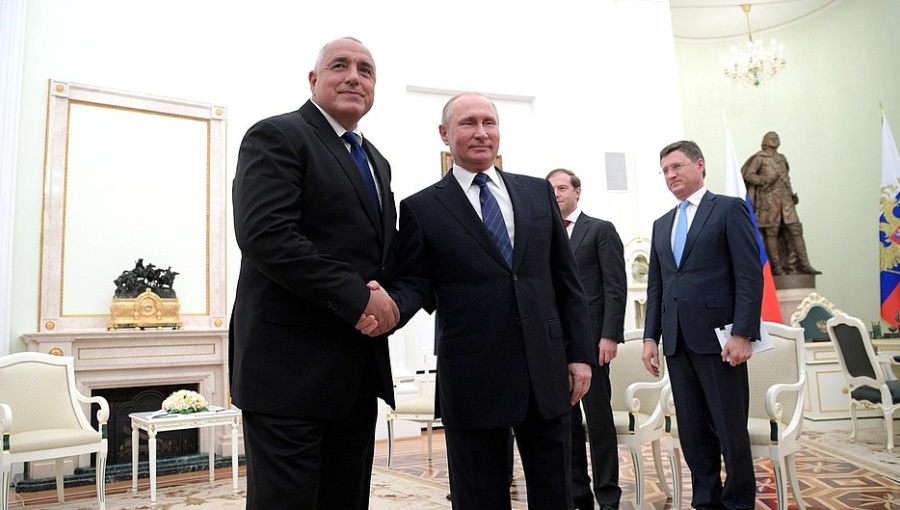 RUSSIA TO EXTEND TURKISH STREAM TO BULGARIA, PM BORISSOV SAYS
The Balkans
31.05.2018
RUSSIA TO EXTEND TURKISH STREAM TO BULGARIA, PM BORISSOV SAYS
The Balkans
31.05.2018
-
25.01.2016
THE ARMENIAN QUESTION - BASIC KNOWLEDGE AND DOCUMENTATION -
12.06.2024
THE TRUTH WILL OUT -
27.03.2023
RADİKAL ERMENİ UNSURLARCA GERÇEKLEŞTİRİLEN MEZALİMLER VE VANDALİZM -
17.03.2023
PATRIOTISM PERVERTED -
23.02.2023
MEN ARE LIKE THAT -
03.02.2023
BAKÜ-TİFLİS-CEYHAN BORU HATTININ YAŞANAN TARİHİ -
16.12.2022
INTERNATIONAL SCHOLARS ON THE EVENTS OF 1915 -
07.12.2022
FAKE PHOTOS AND THE ARMENIAN PROPAGANDA -
07.12.2022
ERMENİ PROPAGANDASI VE SAHTE RESİMLER -
01.01.2022
A Letter From Japan - Strategically Mum: The Silence of the Armenians -
01.01.2022
Japonya'dan Bir Mektup - Stratejik Suskunluk: Ermenilerin Sessizliği -
03.06.2020
Anastas Mikoyan: Confessions of an Armenian Bolshevik -
08.04.2020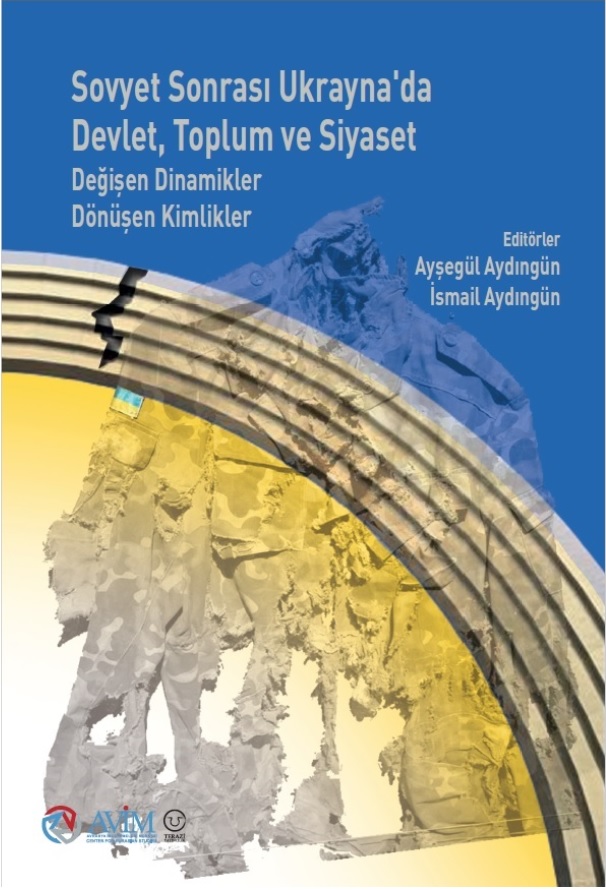
Sovyet Sonrası Ukrayna’da Devlet, Toplum ve Siyaset - Değişen Dinamikler, Dönüşen Kimlikler -
12.06.2018
Ermeni Sorunuyla İlgili İngiliz Belgeleri (1912-1923) - British Documents on Armenian Question (1912-1923) -
02.12.2016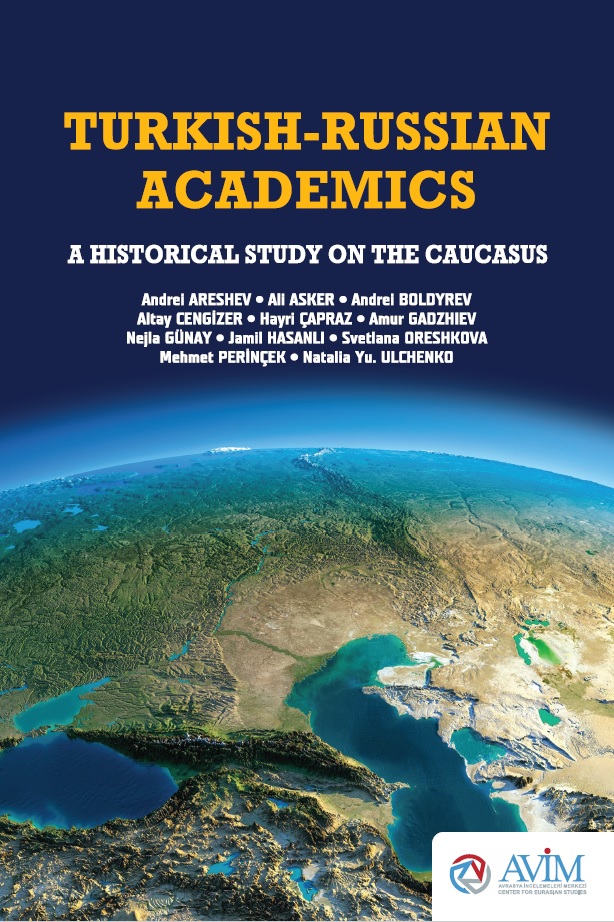
Turkish-Russian Academics: A Historical Study on the Caucasus -
01.07.2016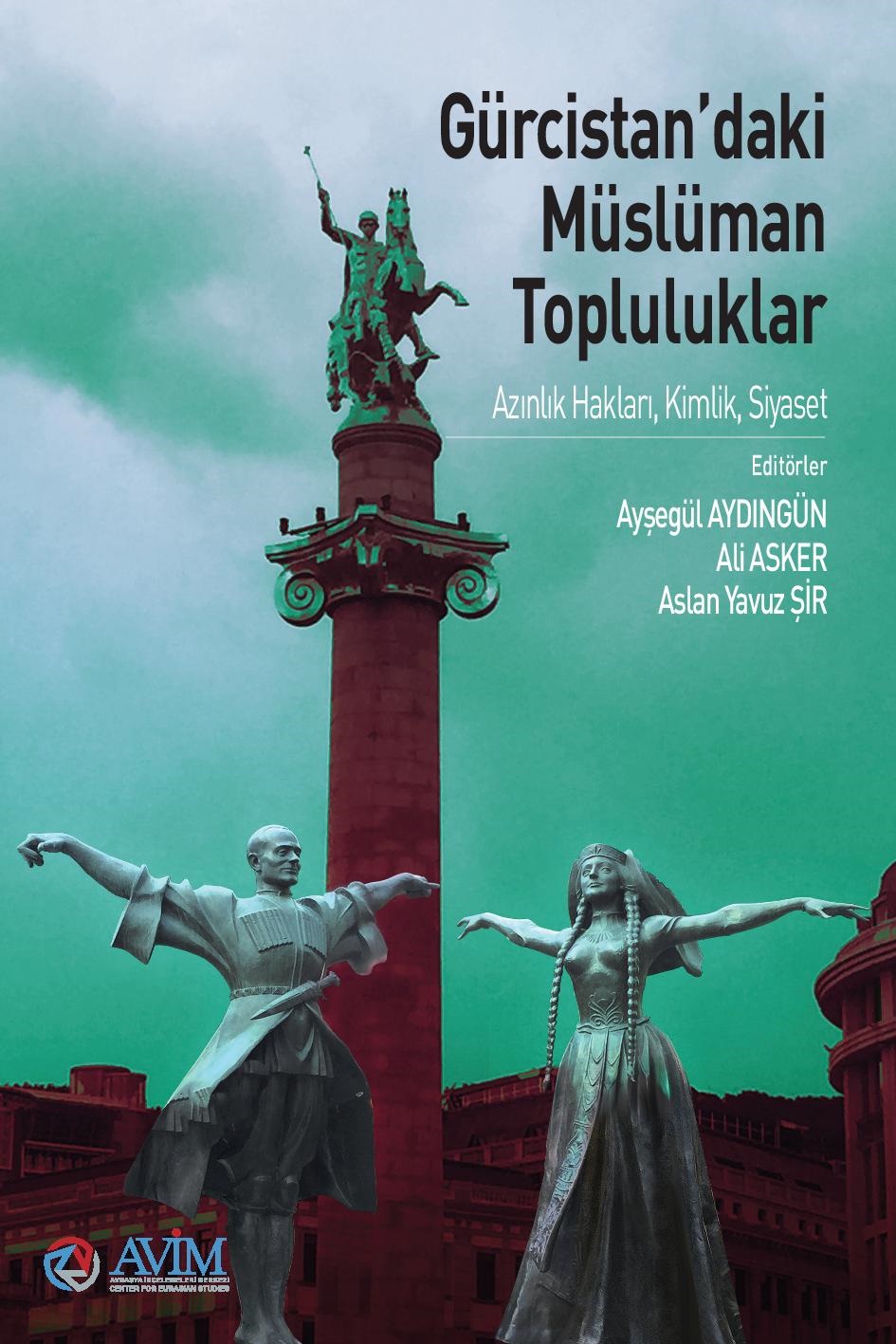
Gürcistan'daki Müslüman Topluluklar: Azınlık Hakları, Kimlik, Siyaset -
10.03.2016
Armenian Diaspora: Diaspora, State and the Imagination of the Republic of Armenia -
24.01.2016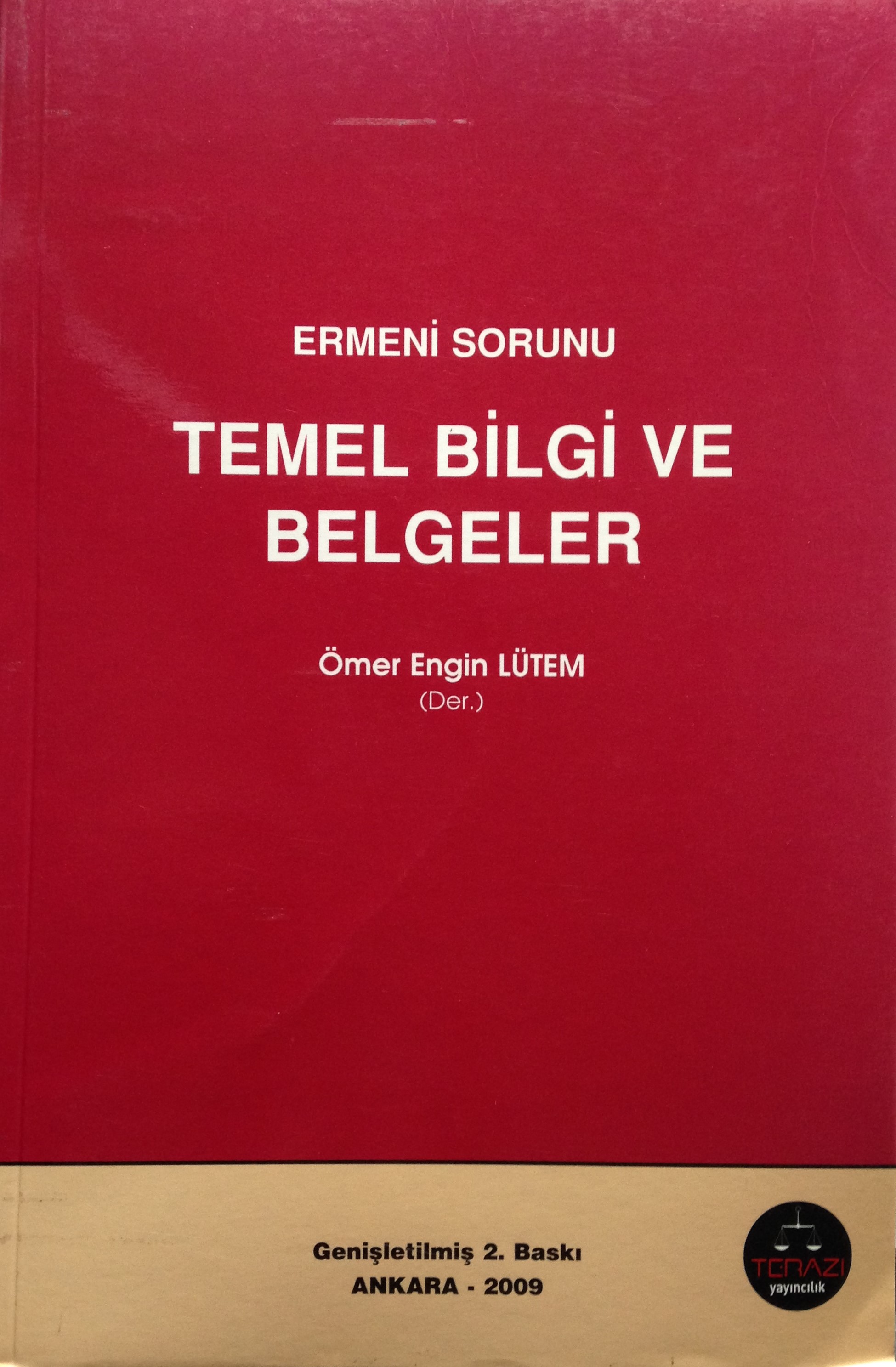
ERMENİ SORUNU - TEMEL BİLGİ VE BELGELER (2. BASKI)

-
AVİM Conference Hall 24.01.2023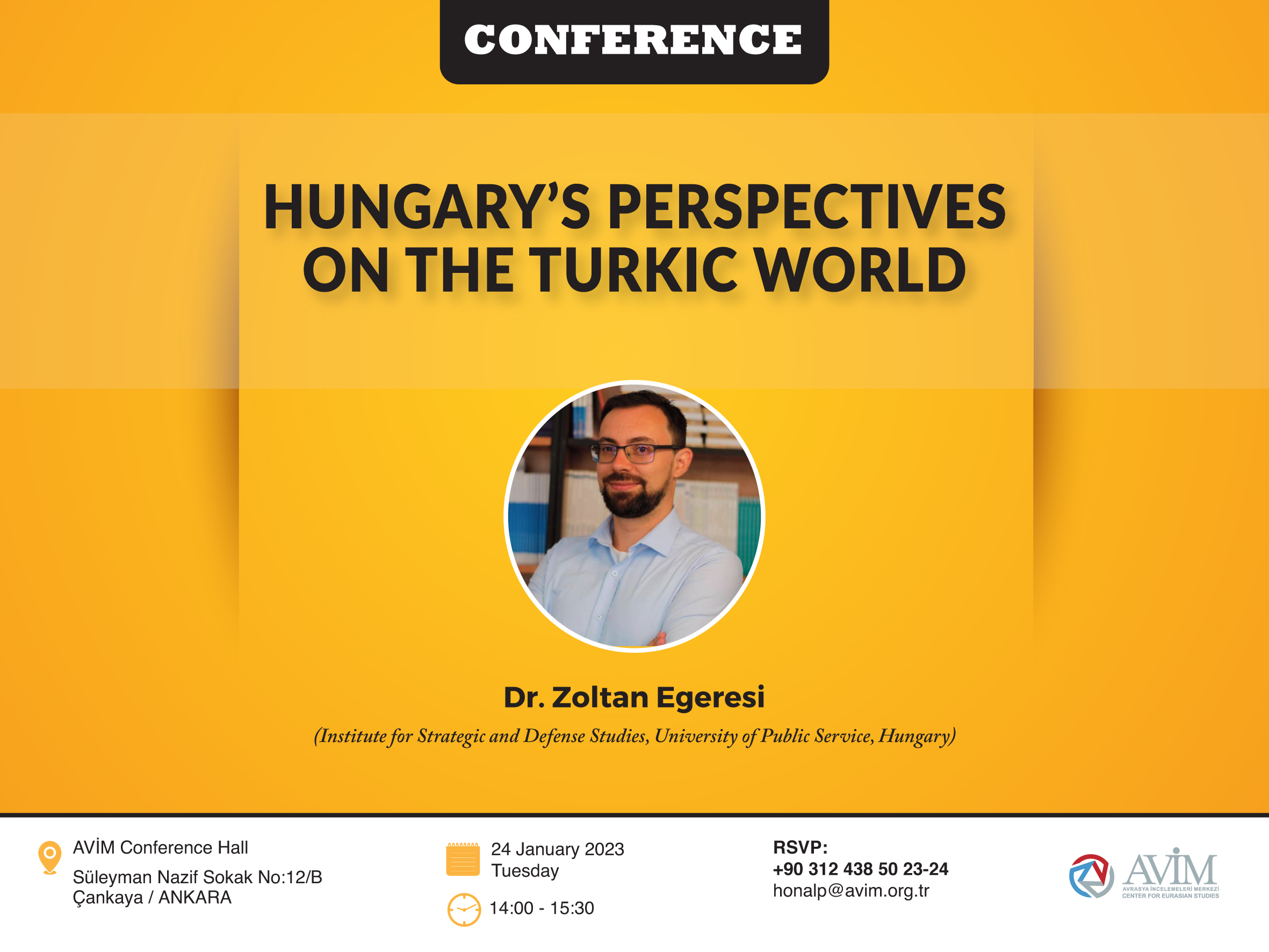
CONFERENCE TITLED “HUNGARY’S PERSPECTIVES ON THE TURKIC WORLD"