

















FT, 27 Oct 2016
For a man working to restore investor confidence in Kazakhstan’s central bank, the profit that governor Daniyar Akishev made betting bank money on the correct outcome of Britain’s Brexit referendum will go some way to convincing sceptics that he is a man with the smarts for the task.
The challenge is formidable. After barely recovering from the turmoil of the global financial crisis, Kazakhstan’s economic predicament went from bad to worse in 2014 as oil prices plummeted and growth slowed in key trading partners Russia and China, before a botched attempt to prop up the tenge last year savaged whatever confidence remained in central Asia’s largest economy.
After a huge currency devaluation last autumn and rising inflation, Mr Akishev oversaw an unprecedented emergency tightening programme, that pushed interest rates to 17 per cent in February. Now, there are signs of success in enticing Kazakhs to convert their savings back to the battered local currency and convincing investors to trust in short-term debt.
“I am a monetarist,” said the 40-year-old economist whose relaxed air and ease of communication belies his two decades as a technocrat inside the central bank.
“Last year was a tremendous shock,” he told the FT in an interview in his office in the country’s banking capital.
“This year we have tried to restore confidence in the central bank. Strong authorities have to be committed to some unpopular measures.’’
Further easing set for November as this year’s monetary shock therapy cuts inflation
By law, Mr Akishev is appointed by and answers to autocratic president Nursultan Nazarbayev and is independent of the government. But given that Mr Nazarbayev, who has ruled the country for 25 years, also dictates policy to the government, fiscal and monetary policy in practice work in unison. That Mr Akishev is a former assistant to the 76-year-old head of state further strengthens his hand.
Since being the world’s worst-performing currency in 2015, the tenge has strengthened 15 per cent against the dollar this year as savers have begun returning to the local currency, while inflation has begun to moderate from an August high of 17.6 per cent.
“We do not expect any big volatility or fluctuations or significant changes in our currency … because we have already passed the big shocks,” said Mr Akishev.
The emergency surgery has not come without pain. Local business has had to contend with sky-high borrowing rates, while stomaching a 50 per cent jump in repayment costs on any foreign-denominated credit.
“Enterprise is in a very difficult situation,” said Zeinulla Kakimzhanov, a former finance minister who now runs a wine business. “Many had credits in euros and dollars before the devaluation.”
But many applaud Mr Akishev’s efforts. “The banking system has not yet fully recovered,” said Umut Shayakhmetova, chairwoman of Halyk Bank, the country’s largest retail lender by customers. “There are still a lot of challenges … But he is a very technical guy. This really helps.”
A sale of one-year bonds by the central bank this year, partly a test of confidence, came back positive at four-times oversubscribed. Mr Akishev is keen to sell more, and at longer maturities.
At the same time, the central bank this year intervened to stop appreciation in the tenge caused by a large number of savers converting their foreign deposits back into the local currency, allowing the bank to recover the foreign exchange reserves lost during the devaluation crisis.
Since being the world’s worst-performing currency in 2015, the tenge has strengthened 15 per cent this year
“The liquidity in our national currency has increased significantly,” he said. “We need to restore confidence to the national currency … and after that they will be ready to provide loans to the real economy.”
And the profitable trading on Britain’s own currency crisis has further helped his bank’s reserves, and his respect from the market.
Mr Akishev’s traders opened a long position when the pound was worth $1.435 and then sold at $1.492 on the day of the vote.
“What happened with Brexit? Well, we sold pounds,” he said with a smile and a polite refusal to provide any more details. “This is a very good sign of the qualifications of my staff.”
No comments yet.
- CALAIS' CHILDREN FORCED TO SLEEP ROUGH FOR SECOND NIGHT Europe - EU 28.10.2016
- CROATIA TO SEND ARMY COMPANY TO LITHUANIA The Balkans 28.10.2016
-
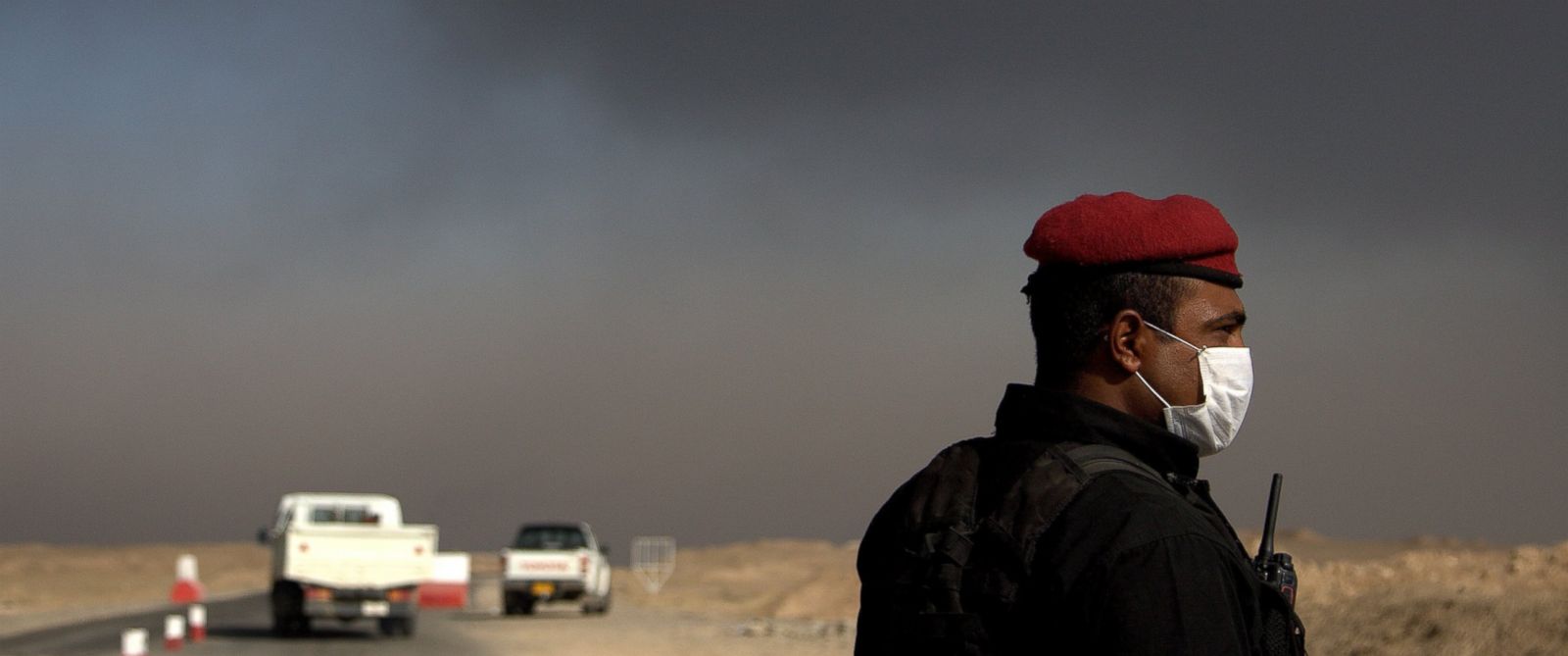 SULFUR DIOXIDE PLUME MOVING ACROSS IRAQ, SATELLITE IMAGES SHOW
Iraq
28.10.2016
SULFUR DIOXIDE PLUME MOVING ACROSS IRAQ, SATELLITE IMAGES SHOW
Iraq
28.10.2016
- ARMENIA BREAKS CEASEFIRE WITH AZERBAIJAN 16 TIMES IN 24 HOURS The Caucasus and Turkish-Armenian Relations 28.10.2016
- REPUBLIC DAY NOT ONLY TURKEY’S BUT ALSO AZERBAIJAN’S HOLIDAY – ENVOY The Caucasus and Turkish-Armenian Relations 28.10.2016
-
25.01.2016
THE ARMENIAN QUESTION - BASIC KNOWLEDGE AND DOCUMENTATION -
12.06.2024
THE TRUTH WILL OUT -
27.03.2023
RADİKAL ERMENİ UNSURLARCA GERÇEKLEŞTİRİLEN MEZALİMLER VE VANDALİZM -
17.03.2023
PATRIOTISM PERVERTED -
23.02.2023
MEN ARE LIKE THAT -
03.02.2023
BAKÜ-TİFLİS-CEYHAN BORU HATTININ YAŞANAN TARİHİ -
16.12.2022
INTERNATIONAL SCHOLARS ON THE EVENTS OF 1915 -
07.12.2022
FAKE PHOTOS AND THE ARMENIAN PROPAGANDA -
07.12.2022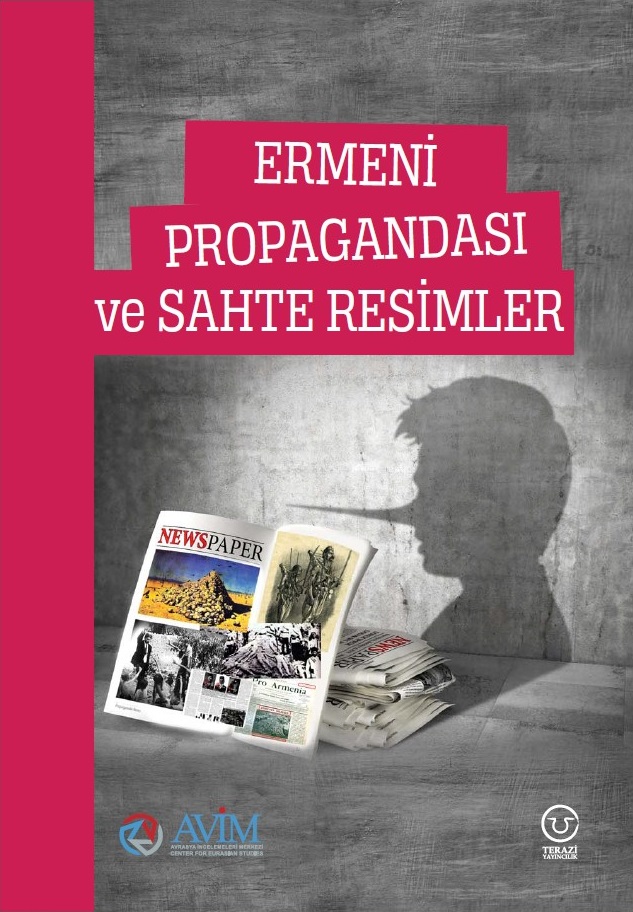
ERMENİ PROPAGANDASI VE SAHTE RESİMLER -
01.01.2022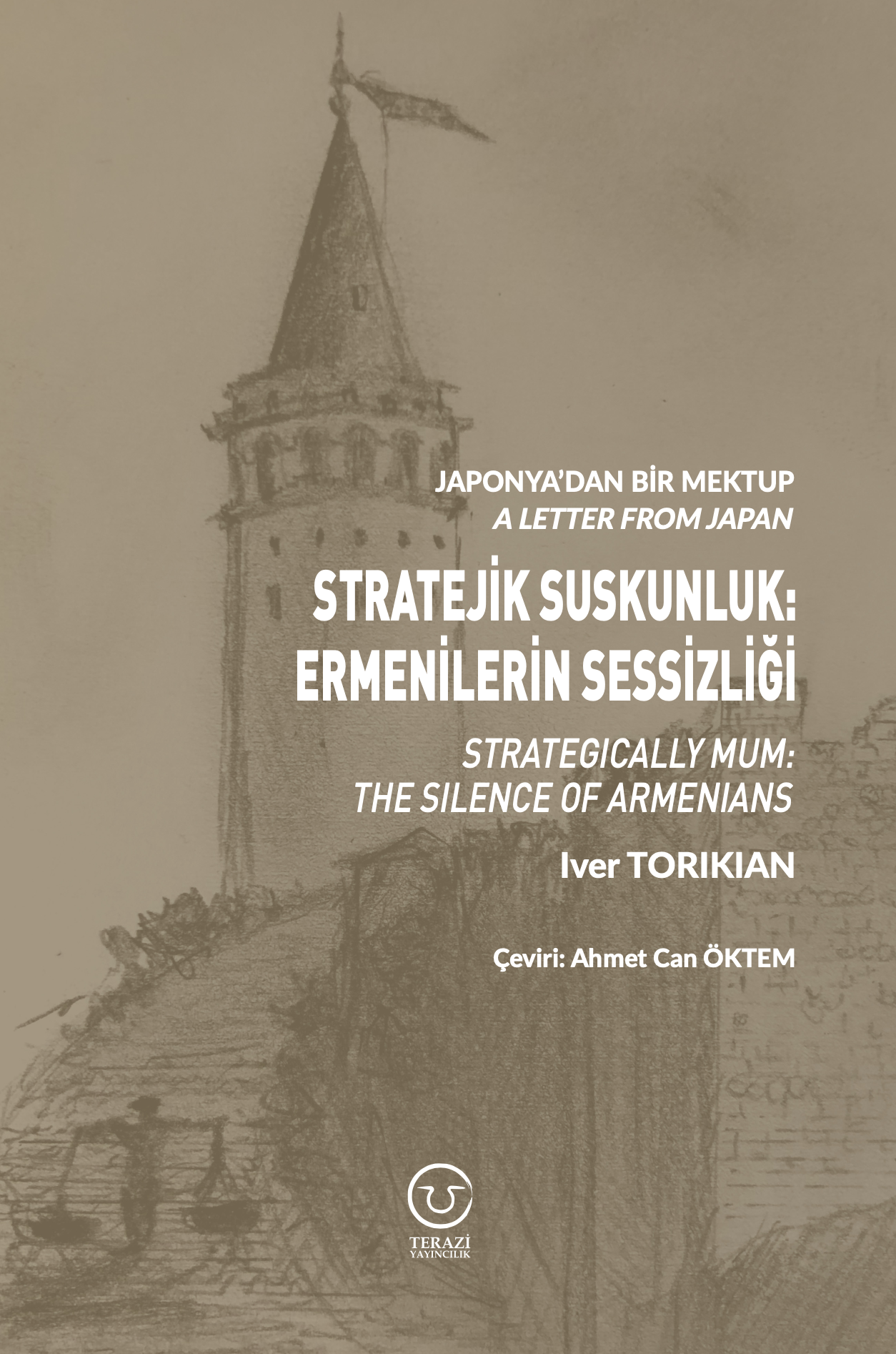
A Letter From Japan - Strategically Mum: The Silence of the Armenians -
01.01.2022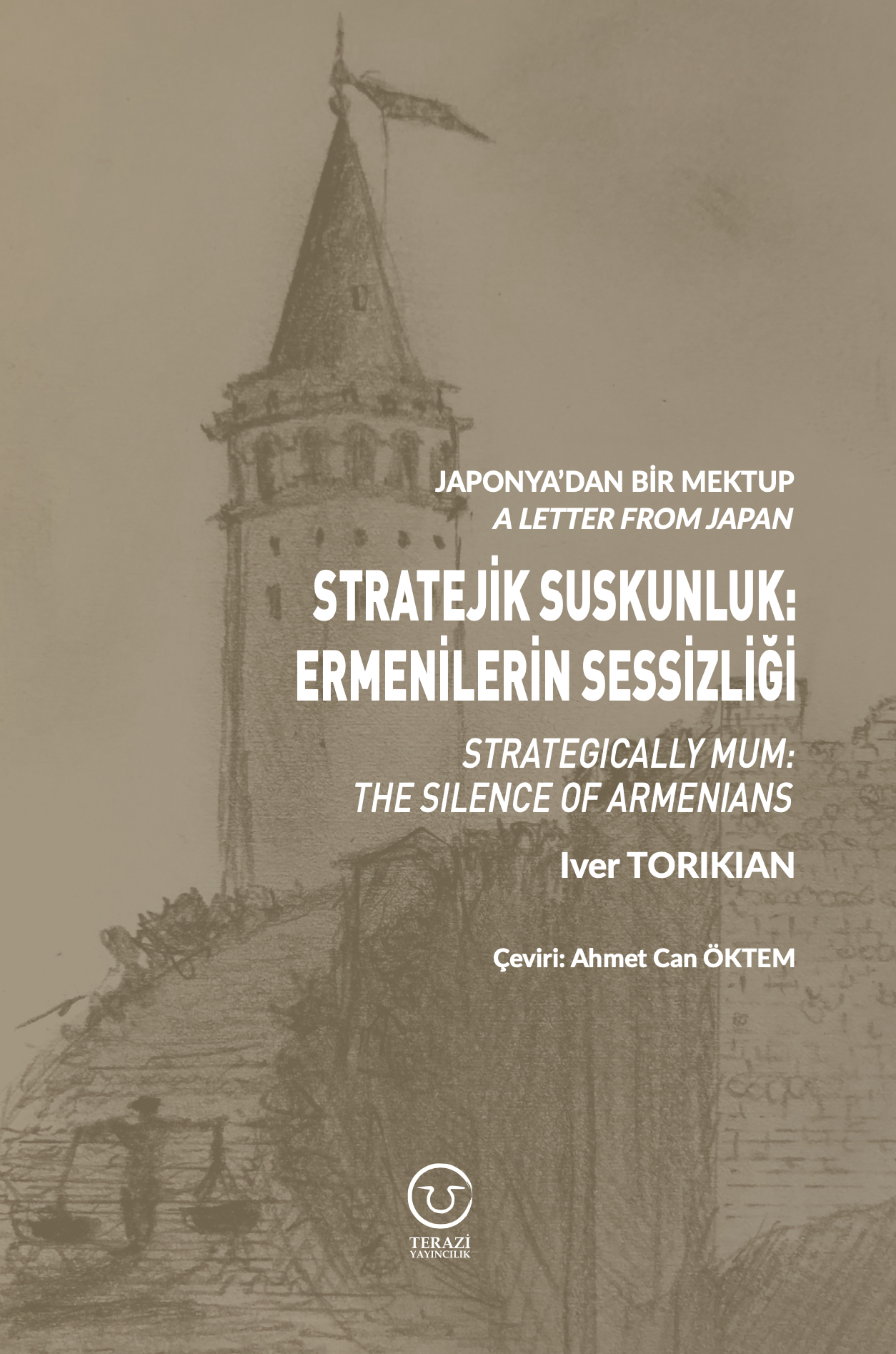
Japonya'dan Bir Mektup - Stratejik Suskunluk: Ermenilerin Sessizliği -
03.06.2020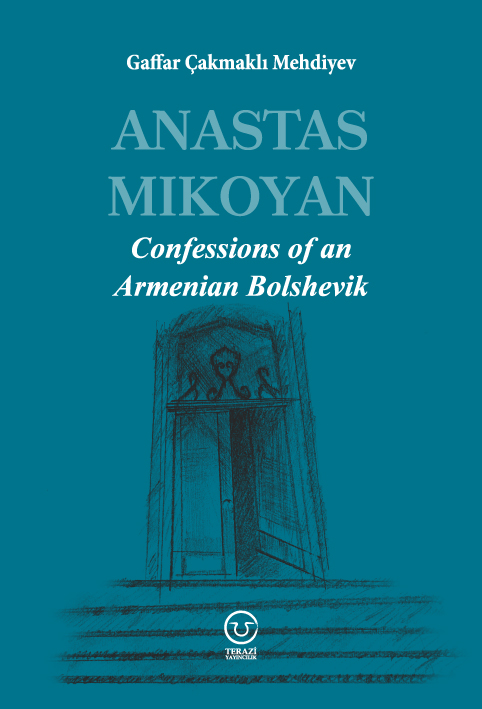
Anastas Mikoyan: Confessions of an Armenian Bolshevik -
08.04.2020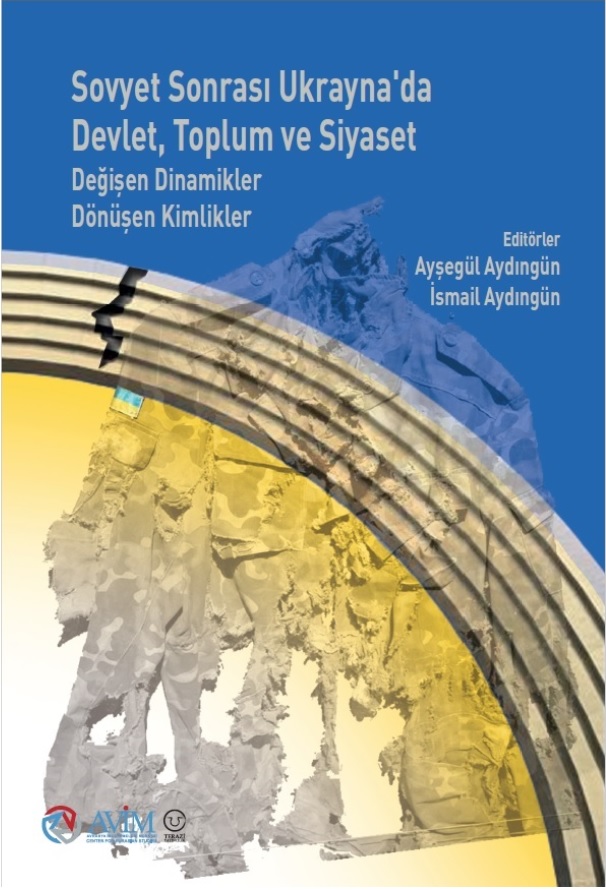
Sovyet Sonrası Ukrayna’da Devlet, Toplum ve Siyaset - Değişen Dinamikler, Dönüşen Kimlikler -
12.06.2018
Ermeni Sorunuyla İlgili İngiliz Belgeleri (1912-1923) - British Documents on Armenian Question (1912-1923) -
02.12.2016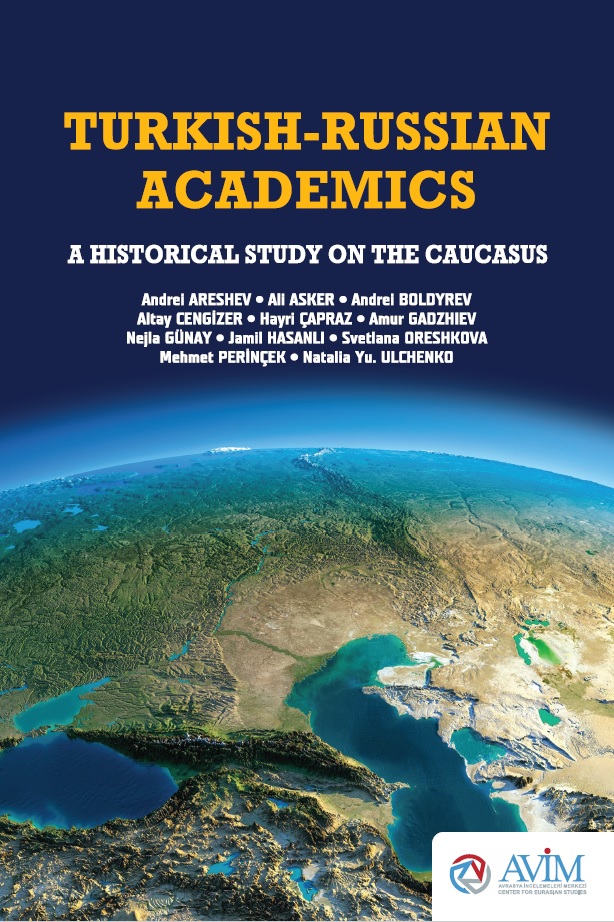
Turkish-Russian Academics: A Historical Study on the Caucasus -
01.07.2016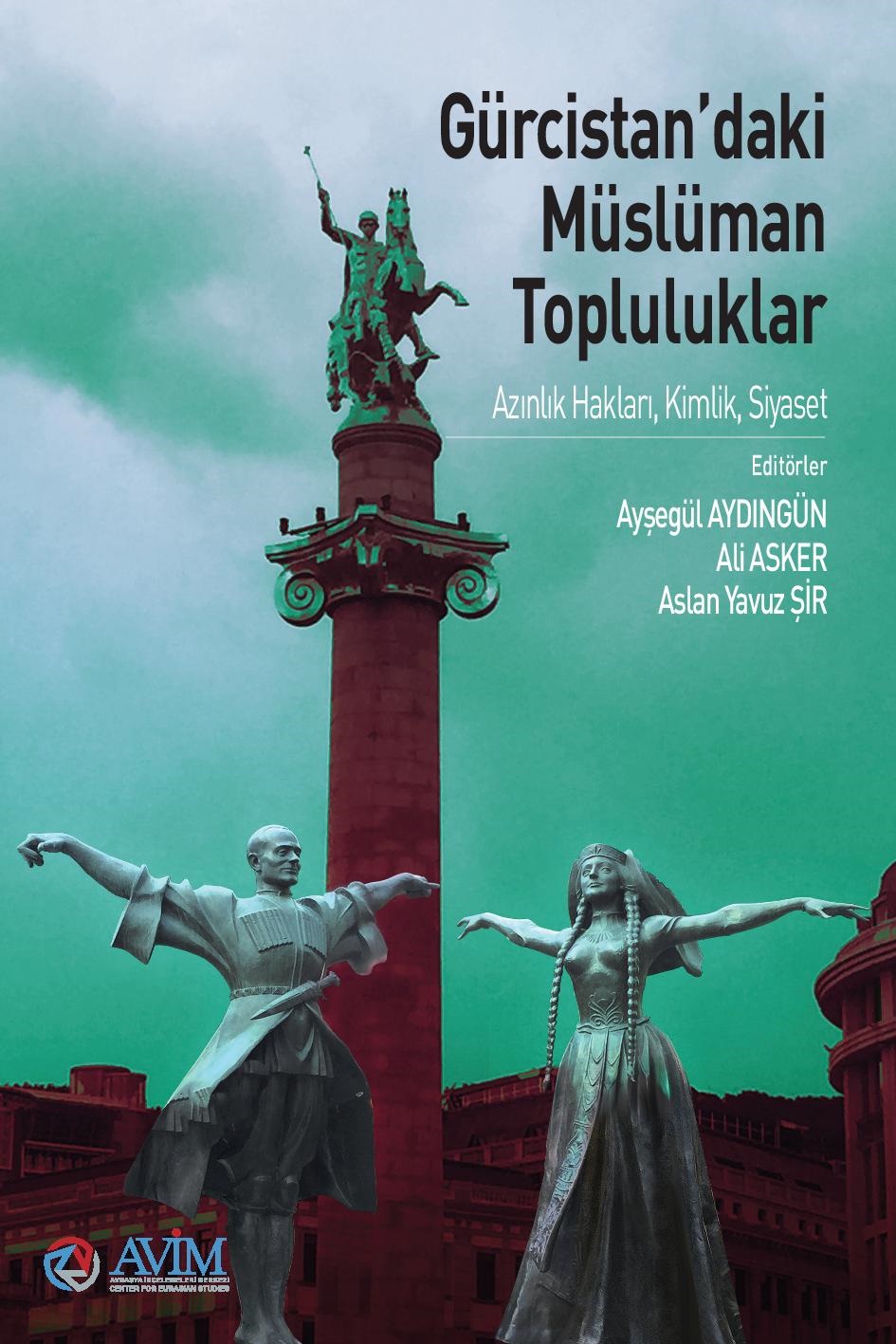
Gürcistan'daki Müslüman Topluluklar: Azınlık Hakları, Kimlik, Siyaset -
10.03.2016
Armenian Diaspora: Diaspora, State and the Imagination of the Republic of Armenia -
24.01.2016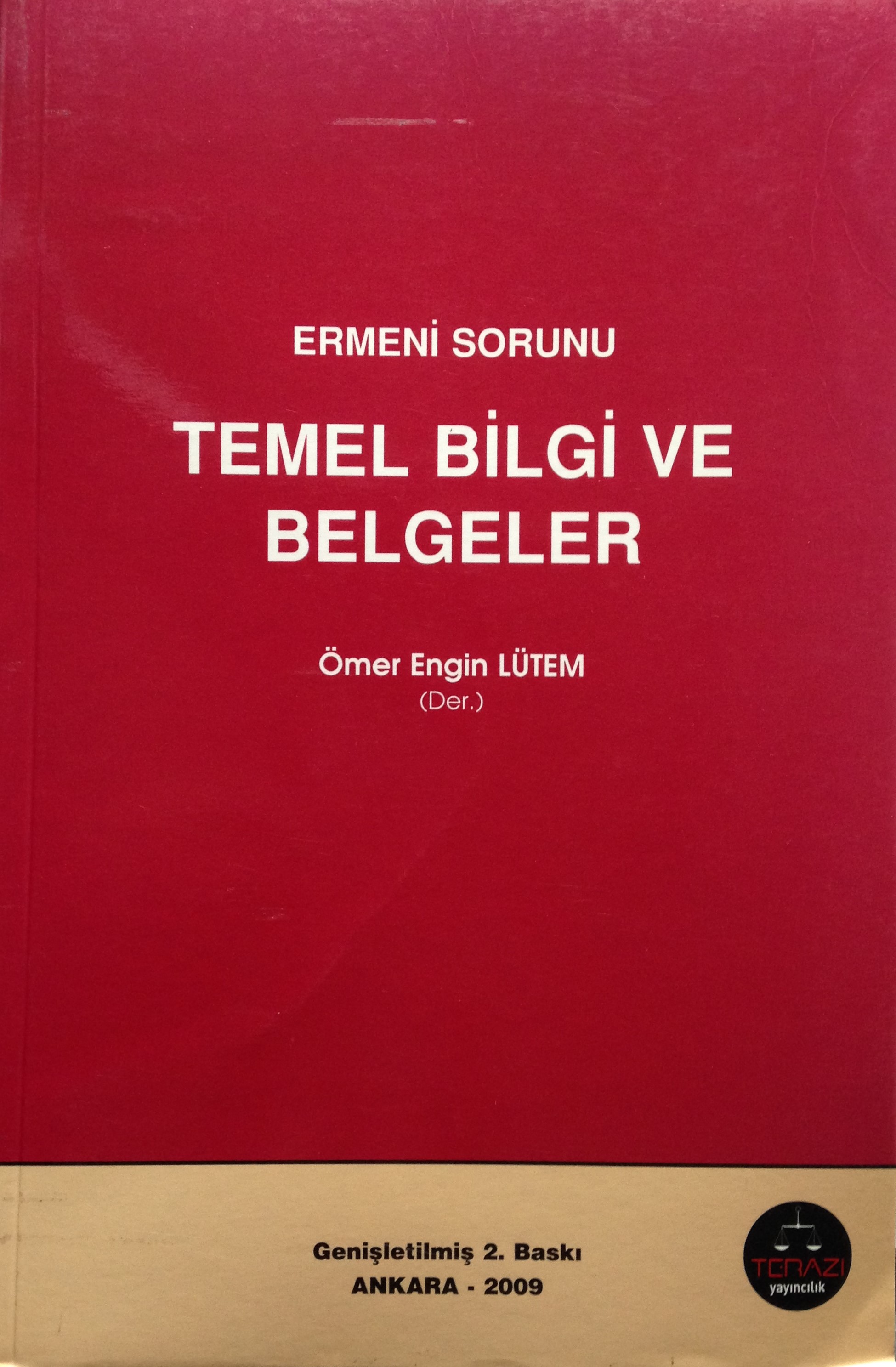
ERMENİ SORUNU - TEMEL BİLGİ VE BELGELER (2. BASKI)


-
AVİM Conference Hall 24.01.2023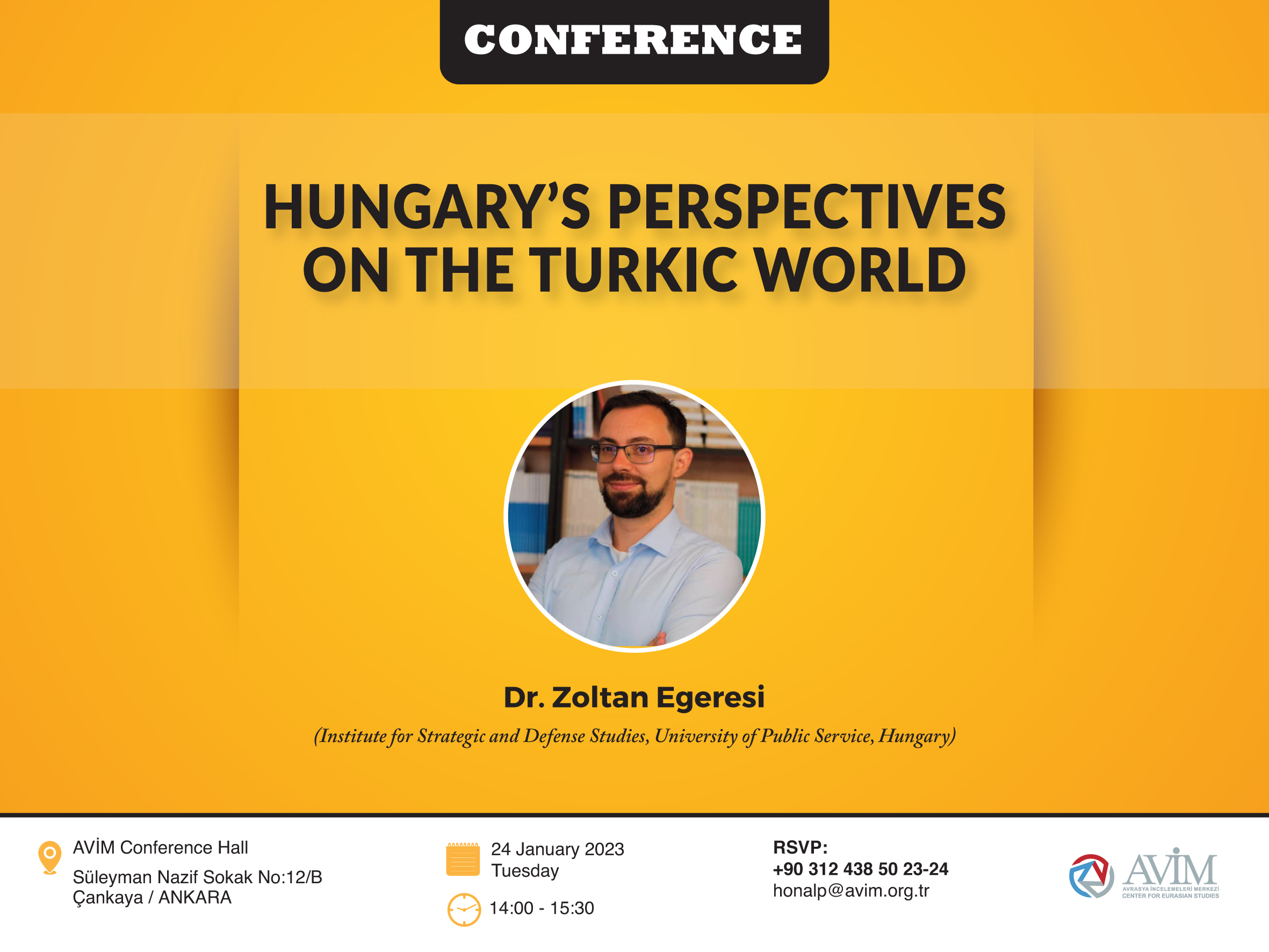
CONFERENCE TITLED “HUNGARY’S PERSPECTIVES ON THE TURKIC WORLD"