

















Gulf News (28 September 2018)
Arbil: Voters in Iraq’s Kurdistan elect a new parliament Sunday, with the autonomous region mired in an economic crisis a year after an independence referendum that backfired disastrously.
Despite deep discontent and divisions, there appears to be little prospect of a major political shakeup as the region grapples with the fallout from the controversial poll last September.
“The Kurds lost so much with that referendum,” said shop owner Omar Karim, 62, in the region’s second city Sulaimaniyah.
“This election will not give us back what we lost. The Kurdish leaders are not learning from their errors.”
The vote last year saw more than 92 percent of Kurds back secession, but the federal government rejected that as “illegal”.
Baghdad then imposed economic penalties and sent federal troops to push Kurdish forces out of oil fields vital for the autonomous region’s economy.
Regional president Massoud Barzani, who had dominated the region since the ouster of Saddam Hussain and was the driving force behind the plebiscite, stepped down in November.
Despite the upheaval, Sunday’s election sees the parties that have long held sway set to come out on top yet again.
Barzani’s still-dominant Kurdistan Democratic Party (KDP) will face established rivals, the Patriotic Union of Kurdistan (PUK) and the Goran (Change) party.
There is only one new political party competing - the New Generation movement, founded in 2018 to channel public anger at the region’s elite.
Harsh reality
Ire at the political establishment has been fanned by economic woes since the referendum. Last December, protesters attacked the headquarters of major political parties across Iraqi Kurdistan in days of violent demonstrations that left at least five dead.
Departed regional president Barzani has not been replaced, and his powers have been redistributed temporarily to parliament and the local government.
But despite the disarray, analysts say entrenched loyalties in the region should limit the impact of the new challengers.
“Any democratic change by new political forces comes up against the harsh reality of Kurdish society,” said Karim Pakzad from the French Institute for International and Strategic Affairs.
“The big government posts and economic levers are held by different figures from the PDK and PUK and there is little room for reformist parties to develop.”
That was echoed on the streets of regional capital Arbil. Day labourer Ahmed Ali said he would be unlikely to vote.
“Elections never change anything,” the 44-year-old told AFP.
Civil servant Salar Mohammed said he would vote PDK, and predicted that established parties would remain at the helm.
“The opposition has not been good in recent years and it is the big parties that will remain in the majority in the government and parliament,” the 31-year-old said.
National stage
The vote in Kurdistan comes amid major political shifts not just in the region but elsewhere in the country.
Iraq is still struggling to form a new government after a nationwide parliamentary poll in May.
That has prompted traditional heavyweights, the KDP and PUK, to jostle to bolster their positions in both Kurdistan and Baghdad.
Until now the two parties had a tacit agreement that the KDP would have the leadership of Kurdistan while the PUK would have Iraq’s figurehead presidency, reserved for a Kurd since the 2003 ouster of Saddam.
The ruptures after the referendum have torn apart that pact - meaning the two parties are jockeying for top position both in their home region and nationally.
Days after the vote in Kurdistan, Iraq’s national parliament should meet to choose a new president.
While the political manoeuvering continues, the cold truth for Iraq’s Kurds is that 15 years after the fall of Saddam Hussein, dreams of forming their own homeland now lie in tatters.
Kurdistan’s economy has slumped, political divisions have deepened and the region is struggling to get back on its feet.
“The referendum set back Kurdistan by 10 years,” analyst Pakzad said.
https://gulfnews.com/news/mena/iraq/iraqi-kurds-to-elect-new-parliament-1.2283426
No comments yet.
- CHIEF PROSECUTORS OF BULGARIA AND ALBANIA SIGNED MEMORANDUM OF COOPERATION The Balkans 28.09.2018
-
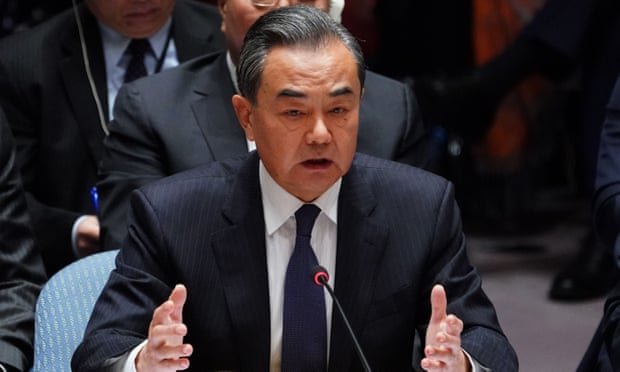 CHINA AND RUSSIA CALL ON UN TO EASE NORTH KOREA SANCTIONS
Asia - Pacific
28.09.2018
CHINA AND RUSSIA CALL ON UN TO EASE NORTH KOREA SANCTIONS
Asia - Pacific
28.09.2018
- AZERBAIJANI PRESS: AZERBAIJAN IS HOME TO TENS OF THOUSANDS OF ARMENIANS – STATEMENT AT UNGA The Caucasus and Turkish-Armenian Relations 28.09.2018
- PUTIN IN TAJIKISTAN FOR CIS SUMMIT Asia - Pacific 28.09.2018
- MACEDONIA PRESIDENT ATTACKS PRO-EU REFERENDUM AT UN The Balkans 28.09.2018
-
25.01.2016
THE ARMENIAN QUESTION - BASIC KNOWLEDGE AND DOCUMENTATION -
12.06.2024
THE TRUTH WILL OUT -
27.03.2023
RADİKAL ERMENİ UNSURLARCA GERÇEKLEŞTİRİLEN MEZALİMLER VE VANDALİZM -
17.03.2023
PATRIOTISM PERVERTED -
23.02.2023
MEN ARE LIKE THAT -
03.02.2023
BAKÜ-TİFLİS-CEYHAN BORU HATTININ YAŞANAN TARİHİ -
16.12.2022
INTERNATIONAL SCHOLARS ON THE EVENTS OF 1915 -
07.12.2022
FAKE PHOTOS AND THE ARMENIAN PROPAGANDA -
07.12.2022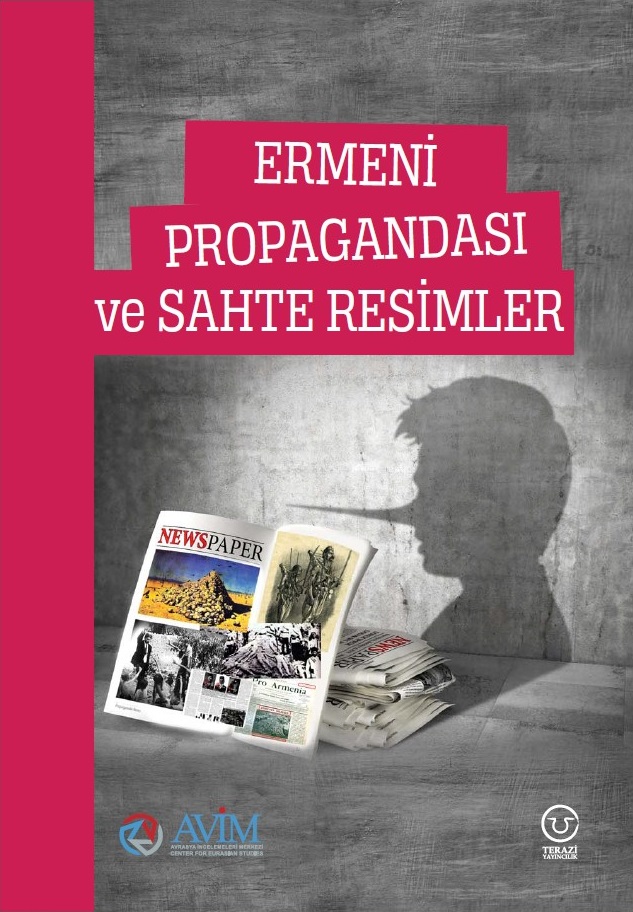
ERMENİ PROPAGANDASI VE SAHTE RESİMLER -
01.01.2022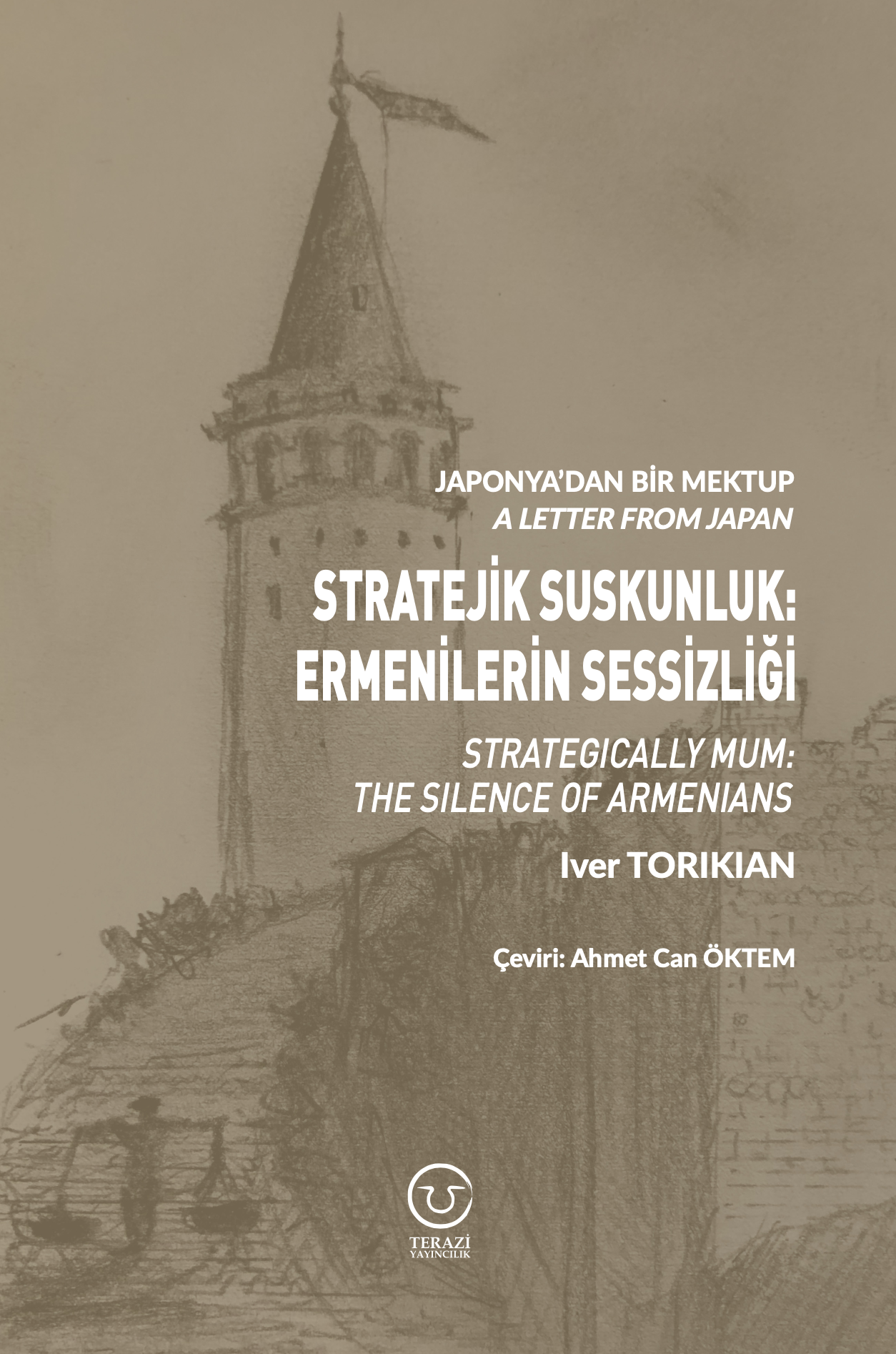
A Letter From Japan - Strategically Mum: The Silence of the Armenians -
01.01.2022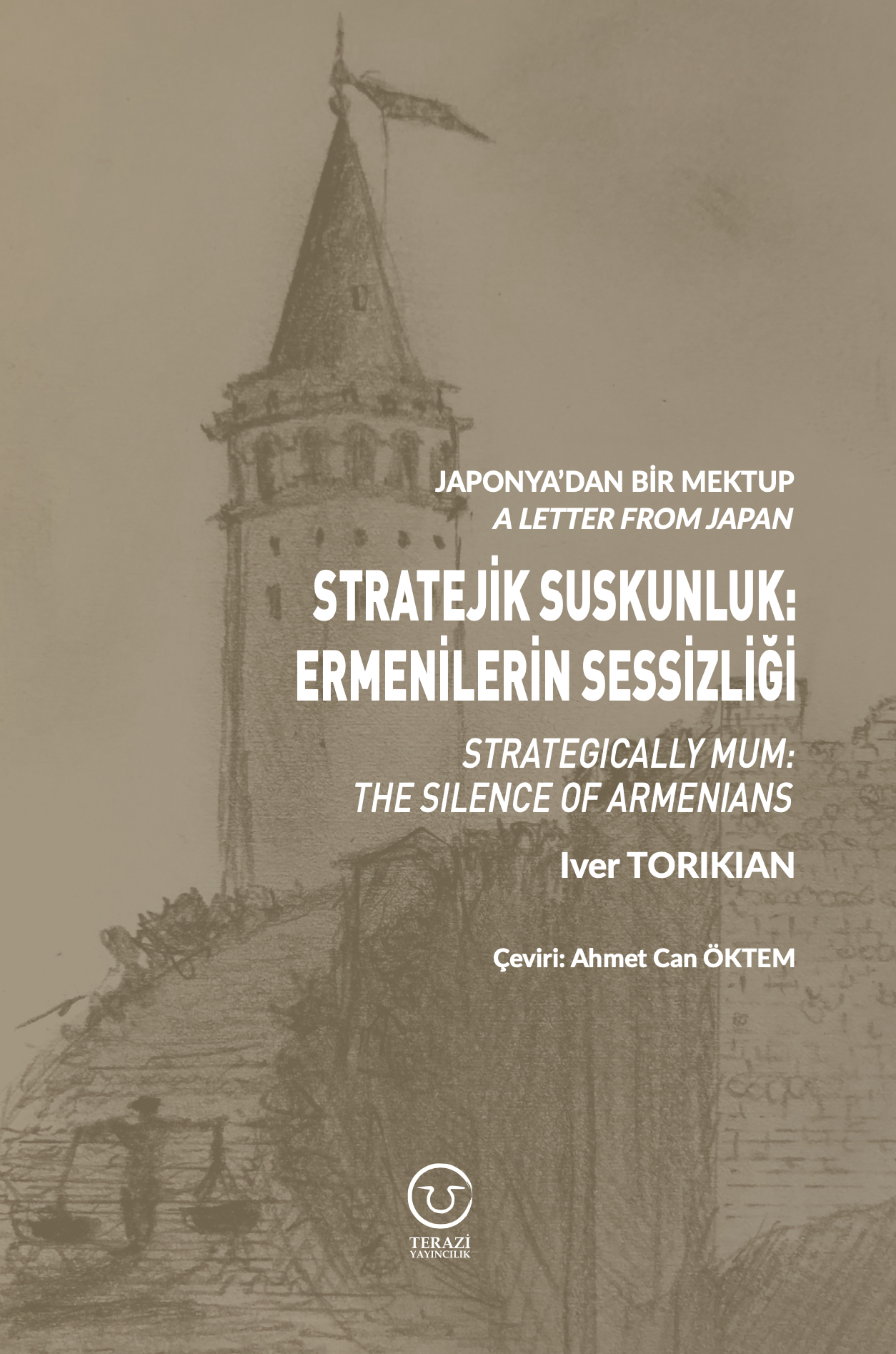
Japonya'dan Bir Mektup - Stratejik Suskunluk: Ermenilerin Sessizliği -
03.06.2020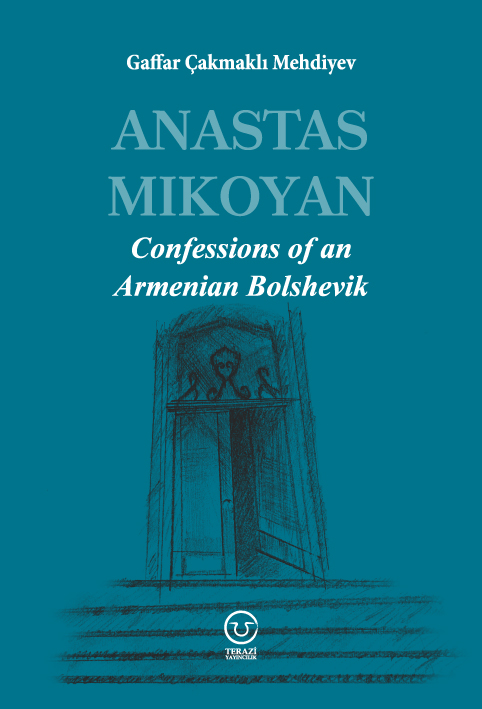
Anastas Mikoyan: Confessions of an Armenian Bolshevik -
08.04.2020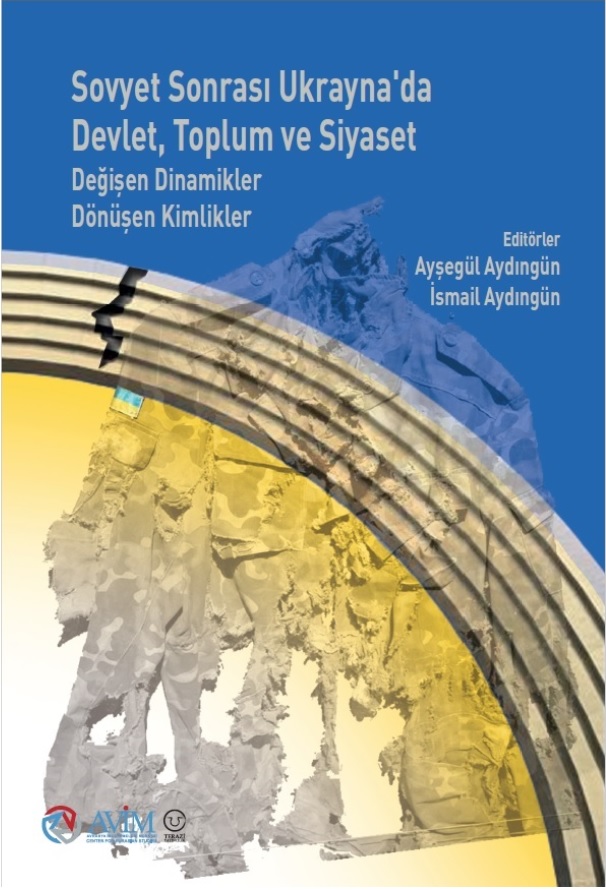
Sovyet Sonrası Ukrayna’da Devlet, Toplum ve Siyaset - Değişen Dinamikler, Dönüşen Kimlikler -
12.06.2018
Ermeni Sorunuyla İlgili İngiliz Belgeleri (1912-1923) - British Documents on Armenian Question (1912-1923) -
02.12.2016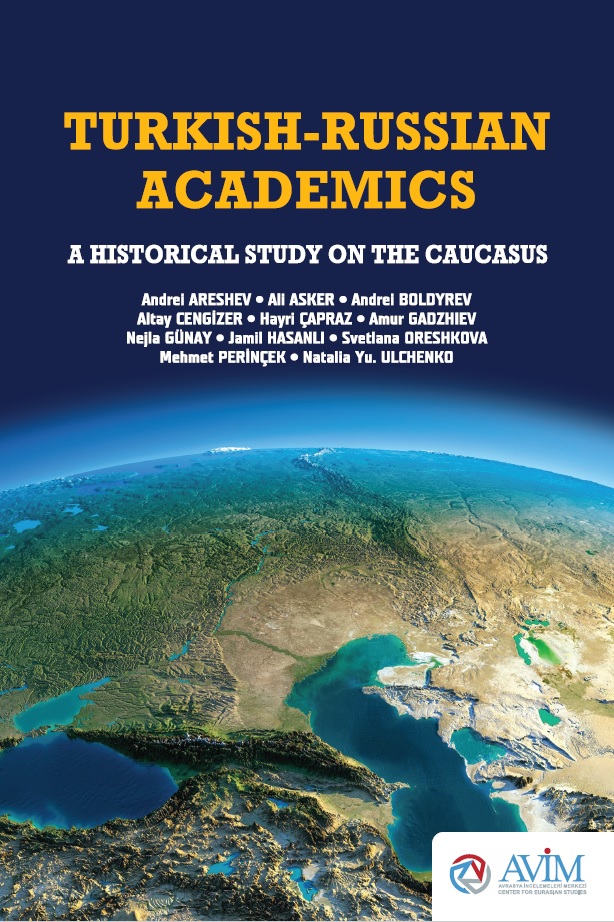
Turkish-Russian Academics: A Historical Study on the Caucasus -
01.07.2016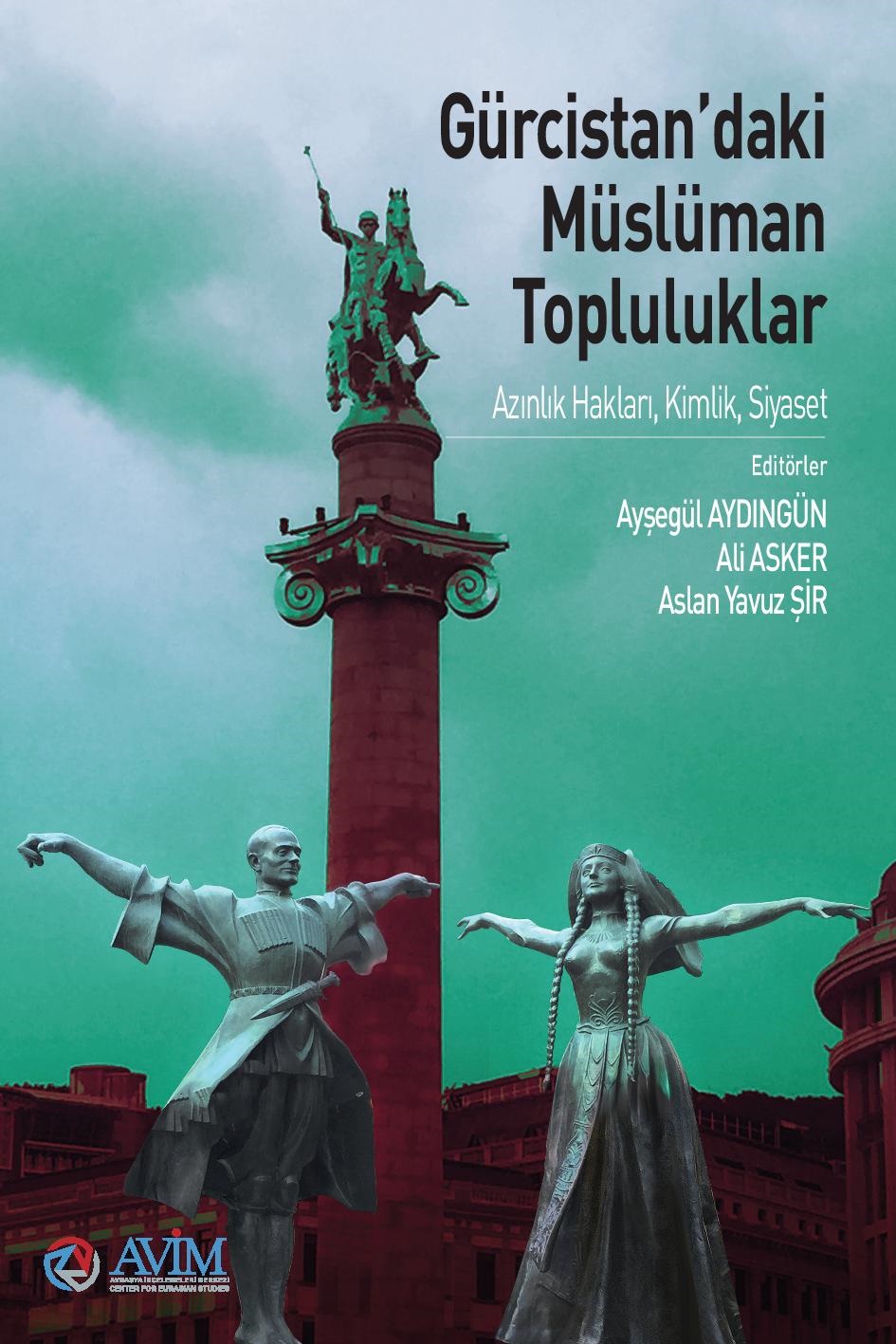
Gürcistan'daki Müslüman Topluluklar: Azınlık Hakları, Kimlik, Siyaset -
10.03.2016
Armenian Diaspora: Diaspora, State and the Imagination of the Republic of Armenia -
24.01.2016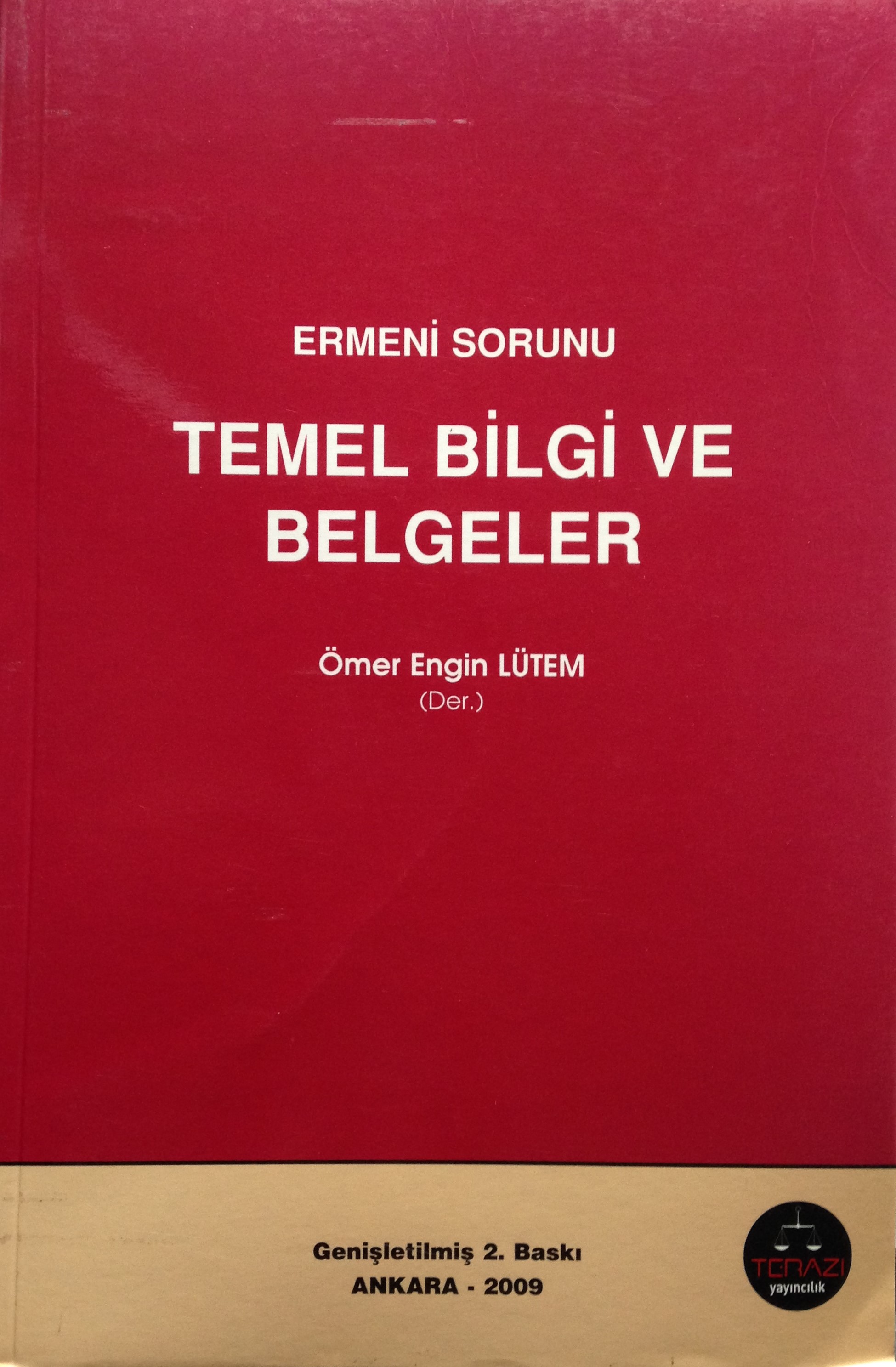
ERMENİ SORUNU - TEMEL BİLGİ VE BELGELER (2. BASKI)
-
AVİM Conference Hall 24.01.2023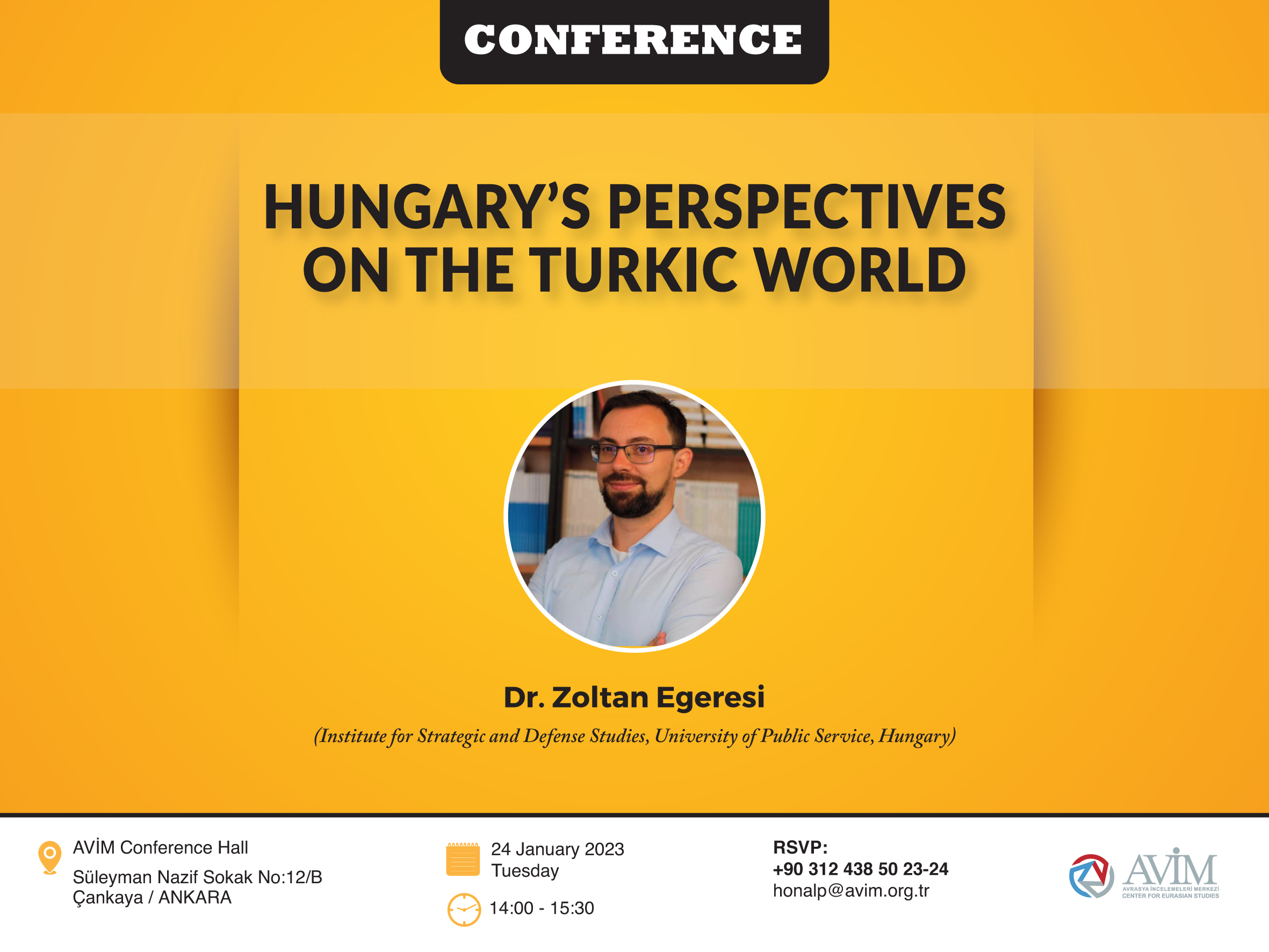
CONFERENCE TITLED “HUNGARY’S PERSPECTIVES ON THE TURKIC WORLD"