

















The Nation, 12 Oct 2017
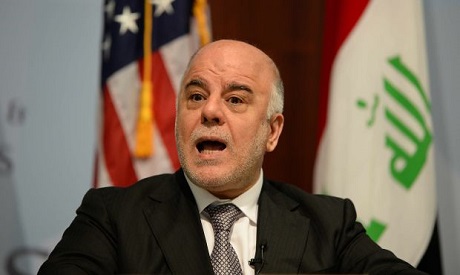
Iraq’s prime minister on Thursday denied an attack on the Kurds was imminent, in a bid to defuse tensions that had prompted Kurdish peshmerga fighters to temporarily seal off road links with the rest of the country.
“We are not going to use our army to fight our people or to make war on our Kurdish citizens or others,” Prime Minister Haider al-Abadi said.
“Our duty is to preserve the unity of our country, to implement the constitution, and to protect citizens and national forces,” he told a meeting of tribal leaders from the western province of Anbar.
The rise in tensions came two weeks after Kurdish voters overwhelmingly backed independence in a non-binding referendum that the central government condemned as illegal. Iraqi Kurdish forces closed the two main roads connecting Arbil and Dohuk with the northern city of Mosul for several hours, a Kurdish military official said.
“The closure was prompted by fears of a possible attack by Iraqi forces on the disputed areas,” held by Kurdish forces but outside the autonomous Kurdish region in the north of the country, the official said.
Kurdish authorities said late Wednesday they feared Iraqi government forces and allied paramilitary units were gearing up to launch an assault on the autonomous region.
“We’re receiving dangerous messages that the Hashed al-Shaabi (paramilitary forces) and federal police are preparing a major attack from the southwest of Kirkuk and north of Mosul against Kurdistan,” the Kurdistan Regional Government’s Security Council said.
Security sources said Thursday that Iraq’s elite Counter Terrorism Service and Rapid Response Force had deployed more forces near peshmerga positions around Rashad, a village some 65 kilometres (40 miles) southwest of Kirkuk city.
The oil-rich province of the same name, areas of which took part in the referendum, is disputed between the Kurds and Baghdad.
Iraq’s Joint Operations Command, which groups all pro-government forces, played down the tensions, expressing confidence that dialogue would resolve the problem.
“Our mission is clear: we are fighting a single enemy, Daesh,” Brigadier General Yahiya Rassul said, using an Arabic acronym for the Islamic State group.
“All that interests Iraqis... is to liberate our country and beat the terrorist group,” he said. “We do not forget the role played by the peshmerga.”
He said Iraqi government forces had previously operated close to peshmerga lines near the northern city of Tal Afar.
Asked if there had been movements of Iraqi forces close to peshmerga positions, Colonel Ryan Dillon, spokesman for the US-led coalition battling IS in Syria and Iraq, said: “We don’t see that.”
The coalition has worked with both peshmerga and Iraqi pro-government forces in the battle to oust IS from areas of Iraq it seized in mid-2014.
“Our mission is clear - to defeat Daesh,” Dillon said.
“We have done that throughout Iraq. We will support the Iraqis in the same way we have in the last three years to make sure that Daesh is defeated”.
Central authorities severed ties between the Kurdish autonomous region and the outside world after the referendum by cutting international air links.
Neighbouring Turkey and Iran, which fear that Iraqi Kurdish moves towards independence could fuel demands from their own sizeable Kurdish communities, have also threatened to close their borders to oil exports.
An Iraqi court on Wednesday ordered the arrest of senior Kurdish officials responsible for organising the referendum, saying they had done so “in contravention of a ruling by the Iraqi supreme court”.
The warrant is likely to prove toothless as Baghdad’s security forces do not operate inside Kurdistan, but it could stop the officials leaving the region.
Iraq has also launched a probe into Kurdistan’s lucrative oil revenues and pledged to expose “corrupt” officials in the region who might have illegally monopolised the market.
No comments yet.
- TENSION GRIPS IRAQI KURDISTAN POST-REFERENDUM Iraq 13.10.2017
- AZERBAIJANI PRESIDENTIAL ADMINISTRATION: ARMENIA PROMOTES NAZI IDEOLOGY The Caucasus and Turkish-Armenian Relations 13.10.2017
- HEAD OF STATE RUMEN RADEV IS ON AN OFFICIAL VISIT TO THE REPUBLIC OF AZERBAIJAN The Balkans 13.10.2017
- PARLIAMENT IN ALBANIA HOLDS A DEBATE ON THE ISSUE OF MINORITIES The Balkans 13.10.2017
- MEETING BETWEEN THE PRESIDENTS OF AZERBAIJAN AND ARMENIA TO BE HELD IN GENEVA NEXT WEEK The Caucasus and Turkish-Armenian Relations 13.10.2017
-
25.01.2016
THE ARMENIAN QUESTION - BASIC KNOWLEDGE AND DOCUMENTATION -
12.06.2024
THE TRUTH WILL OUT -
27.03.2023
RADİKAL ERMENİ UNSURLARCA GERÇEKLEŞTİRİLEN MEZALİMLER VE VANDALİZM -
17.03.2023
PATRIOTISM PERVERTED -
23.02.2023
MEN ARE LIKE THAT -
03.02.2023
BAKÜ-TİFLİS-CEYHAN BORU HATTININ YAŞANAN TARİHİ -
16.12.2022
INTERNATIONAL SCHOLARS ON THE EVENTS OF 1915 -
07.12.2022
FAKE PHOTOS AND THE ARMENIAN PROPAGANDA -
07.12.2022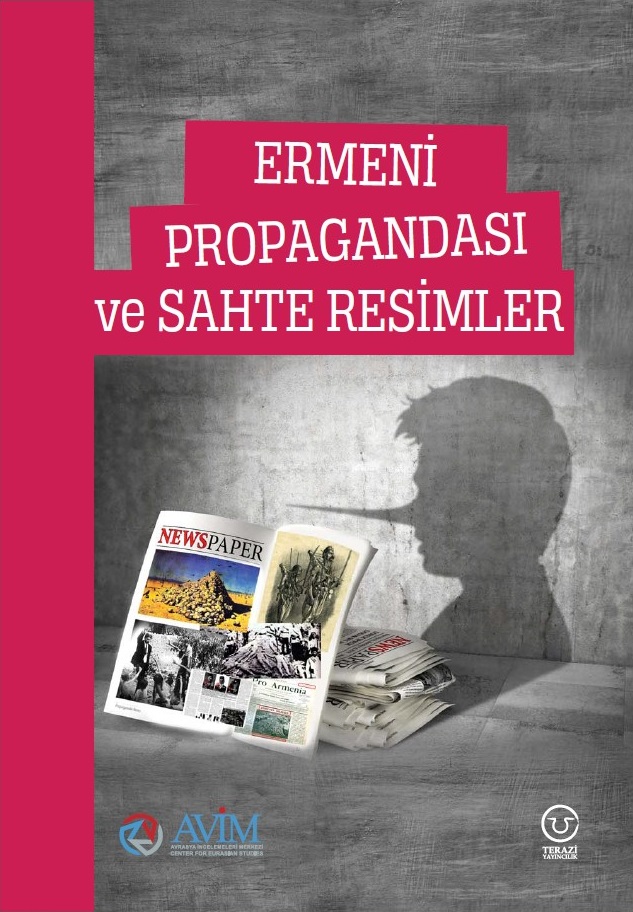
ERMENİ PROPAGANDASI VE SAHTE RESİMLER -
01.01.2022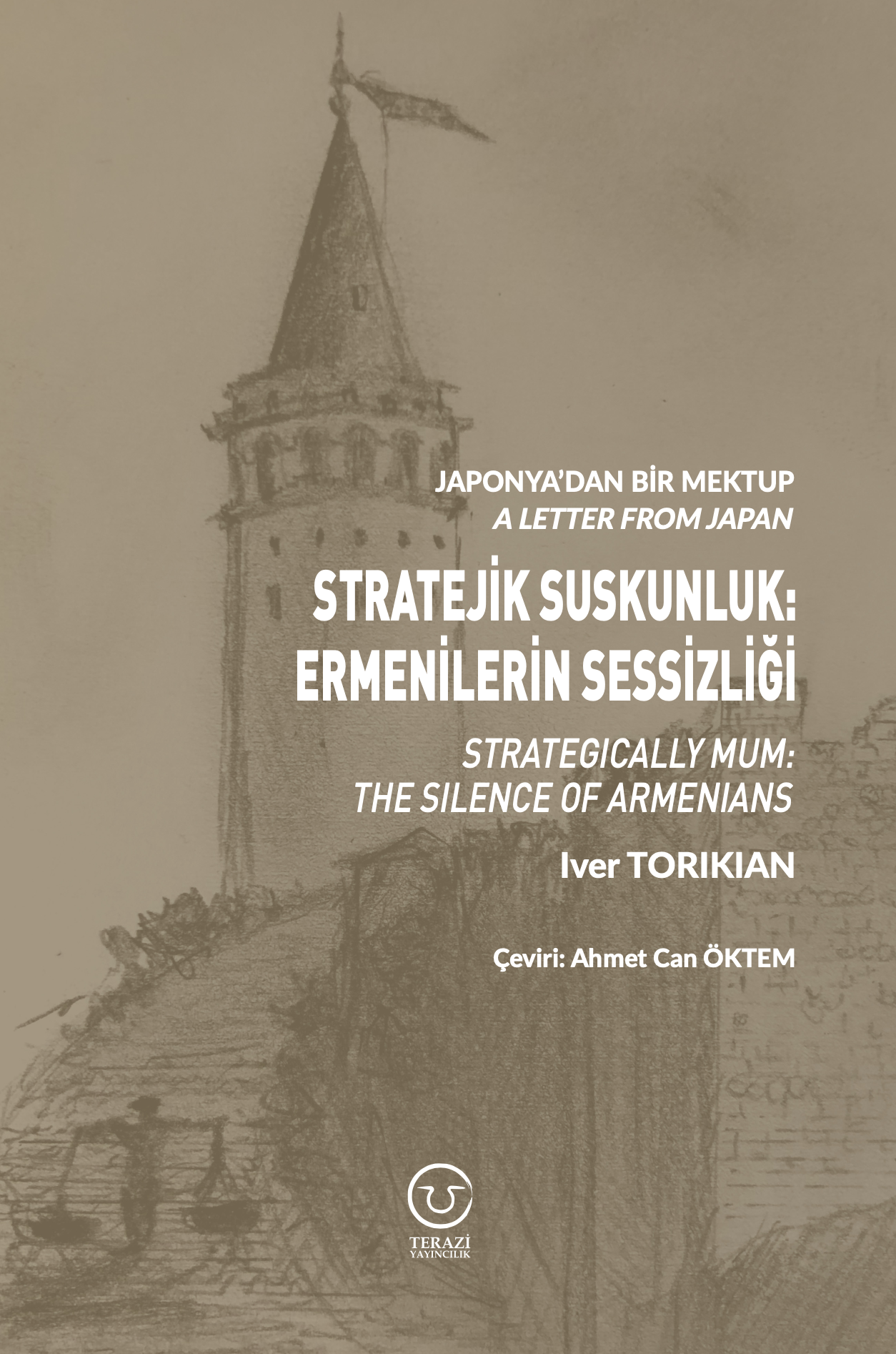
A Letter From Japan - Strategically Mum: The Silence of the Armenians -
01.01.2022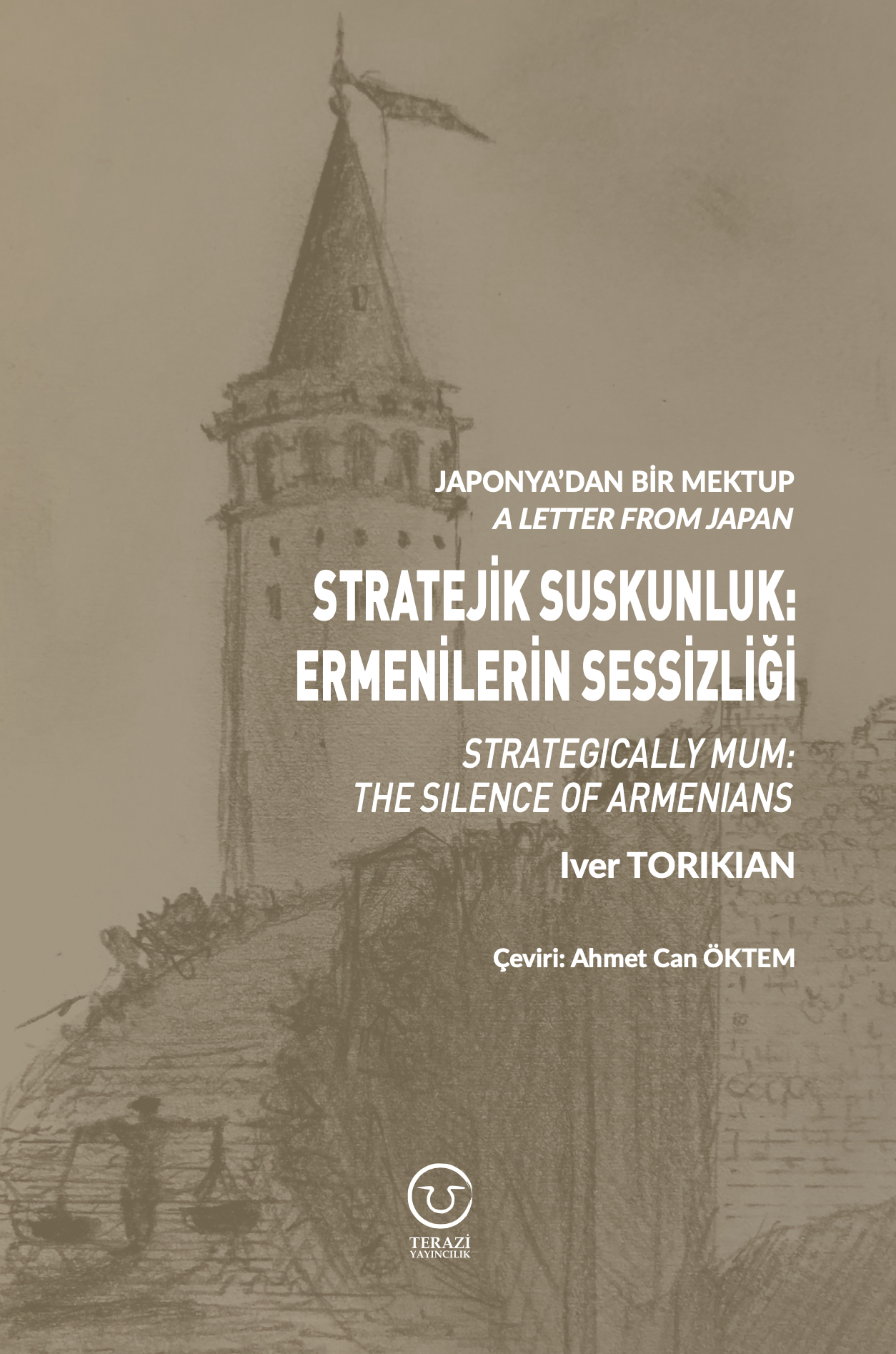
Japonya'dan Bir Mektup - Stratejik Suskunluk: Ermenilerin Sessizliği -
03.06.2020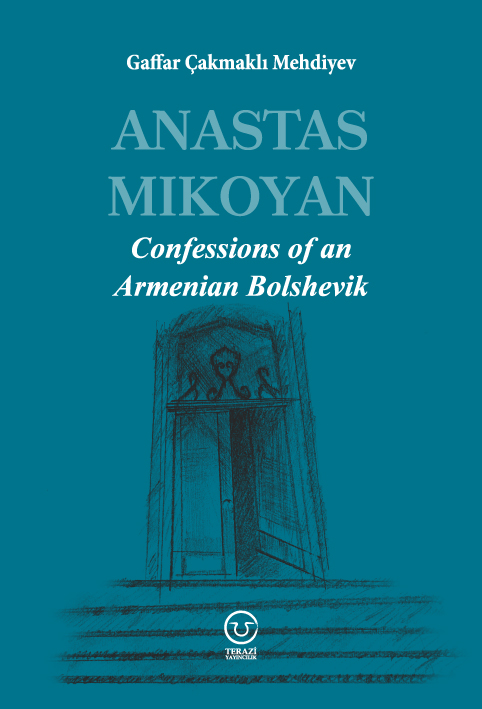
Anastas Mikoyan: Confessions of an Armenian Bolshevik -
08.04.2020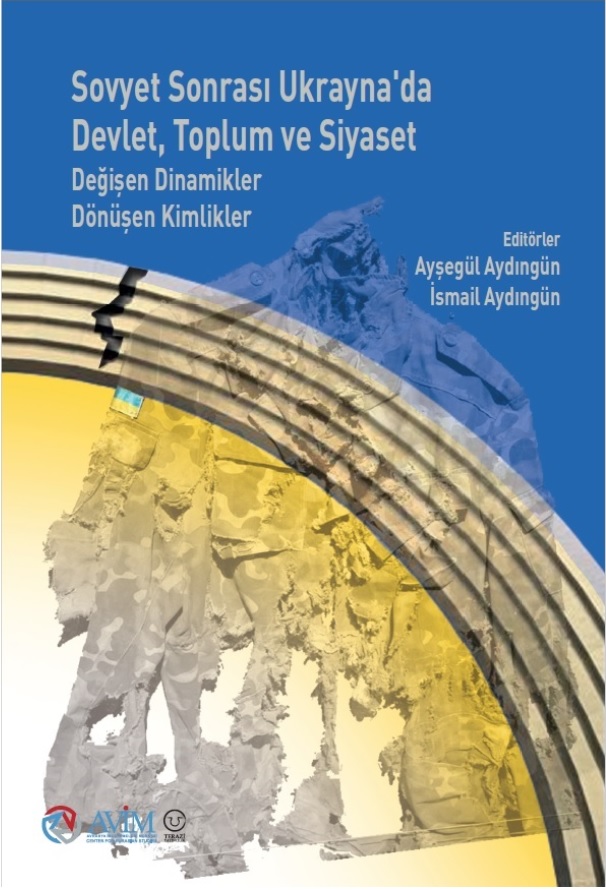
Sovyet Sonrası Ukrayna’da Devlet, Toplum ve Siyaset - Değişen Dinamikler, Dönüşen Kimlikler -
12.06.2018
Ermeni Sorunuyla İlgili İngiliz Belgeleri (1912-1923) - British Documents on Armenian Question (1912-1923) -
02.12.2016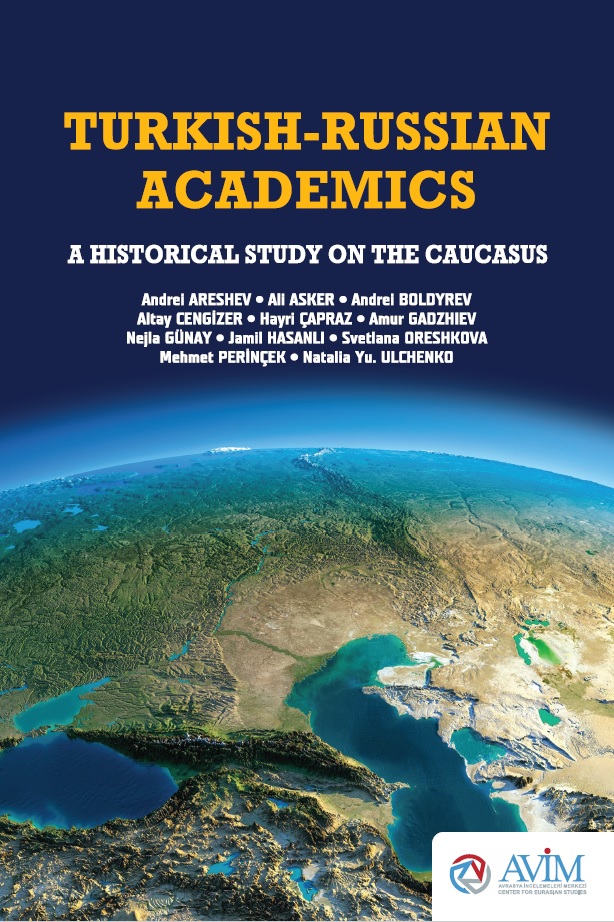
Turkish-Russian Academics: A Historical Study on the Caucasus -
01.07.2016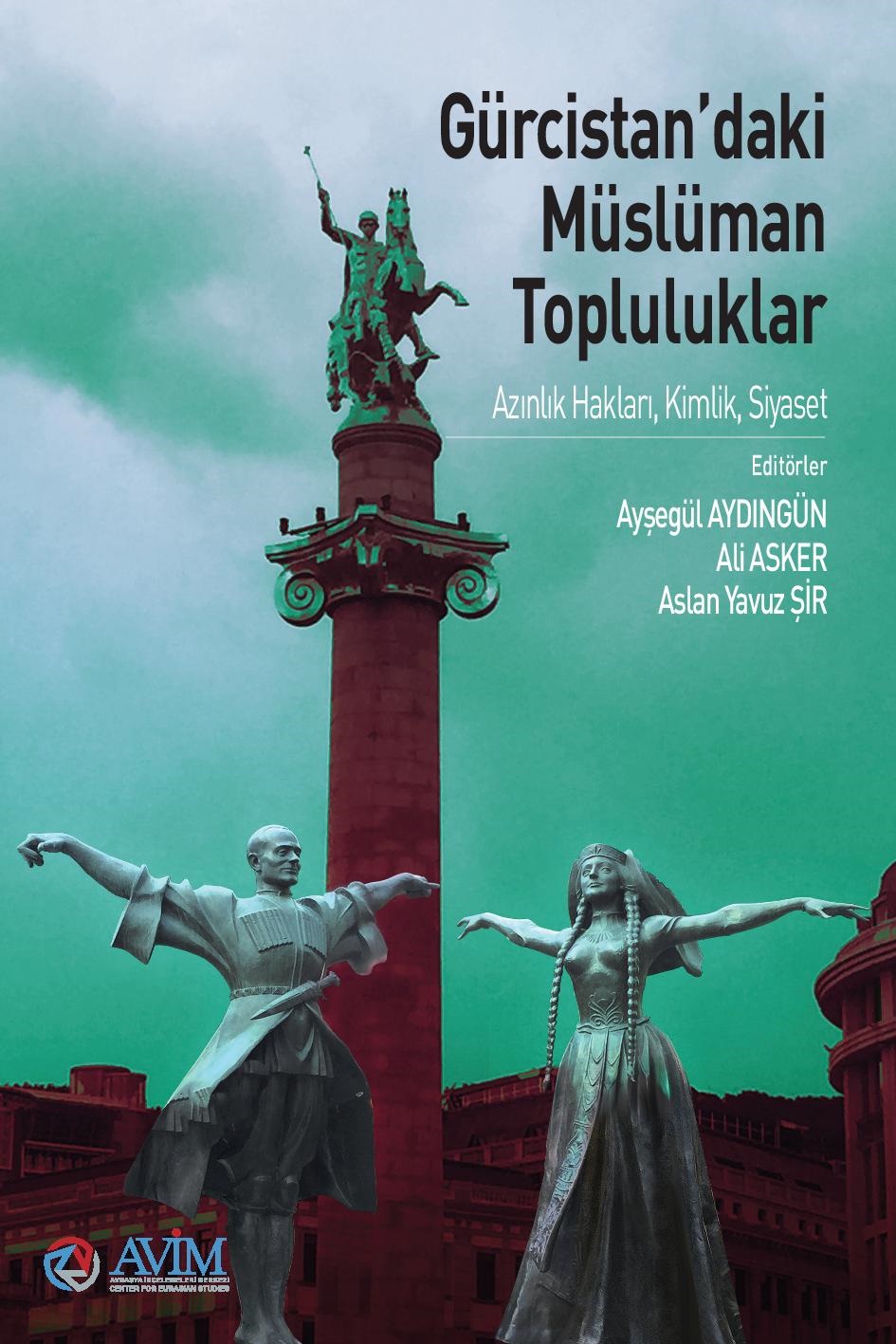
Gürcistan'daki Müslüman Topluluklar: Azınlık Hakları, Kimlik, Siyaset -
10.03.2016
Armenian Diaspora: Diaspora, State and the Imagination of the Republic of Armenia -
24.01.2016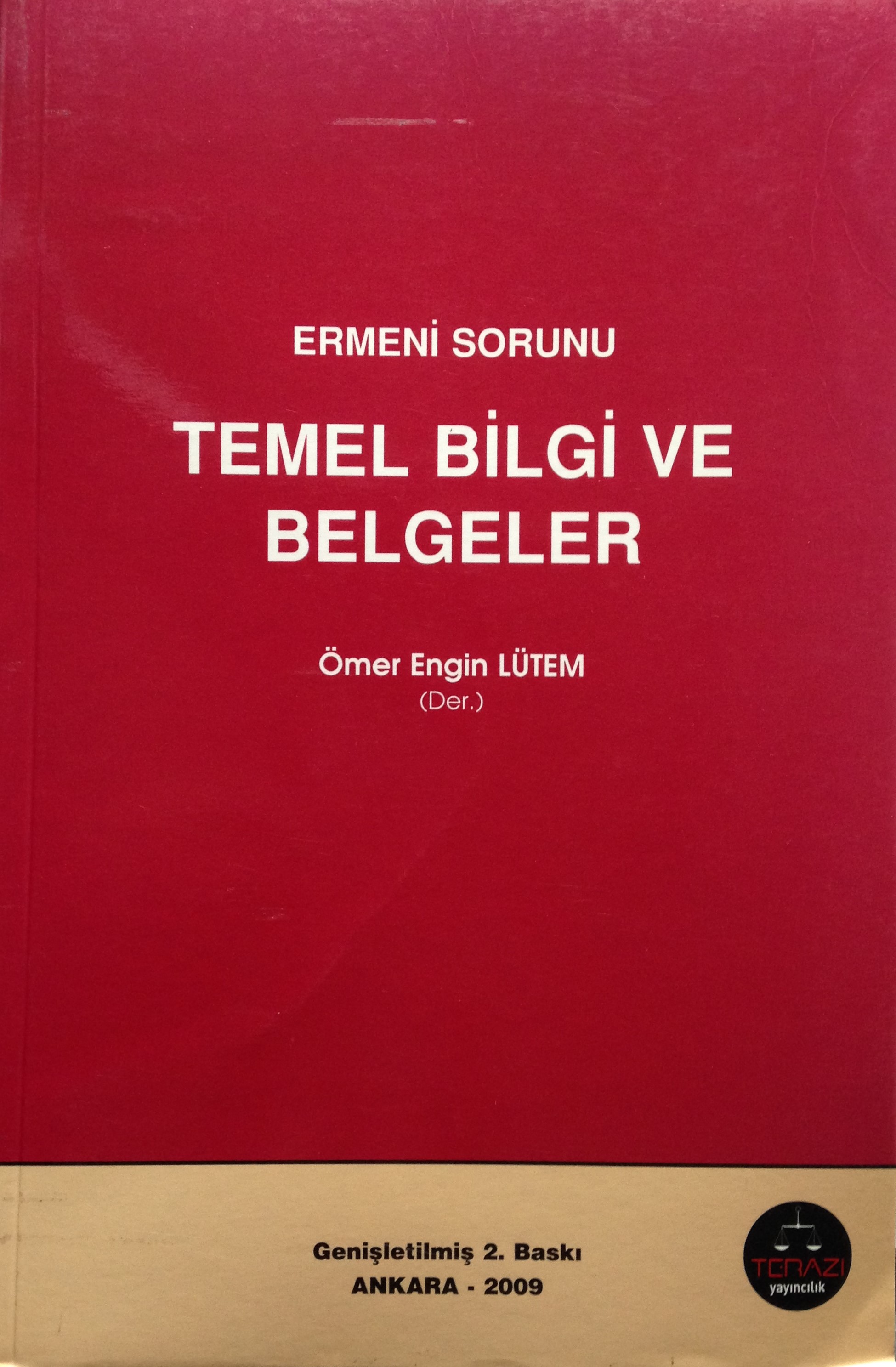
ERMENİ SORUNU - TEMEL BİLGİ VE BELGELER (2. BASKI)

-
AVİM Conference Hall 24.01.2023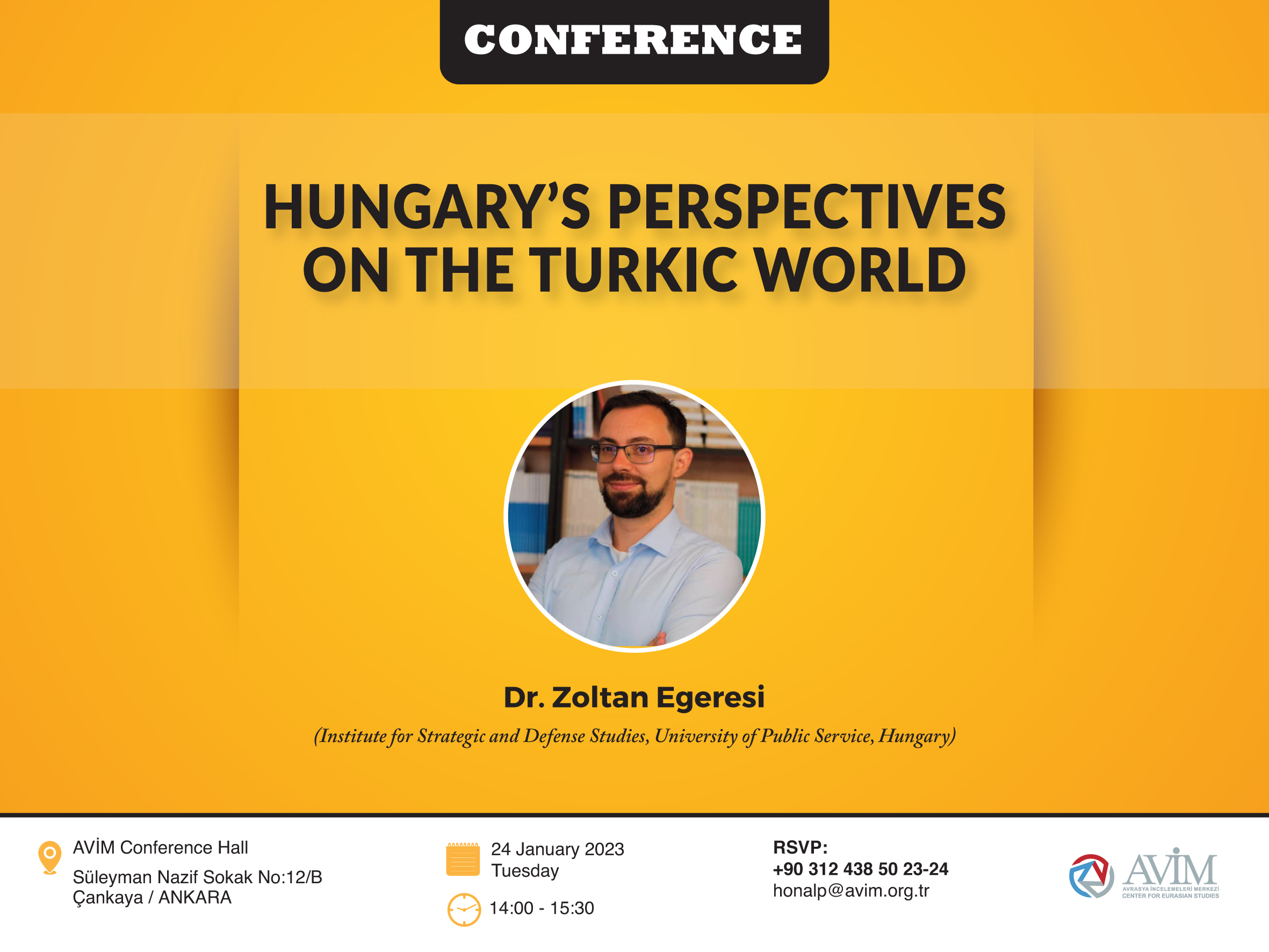
CONFERENCE TITLED “HUNGARY’S PERSPECTIVES ON THE TURKIC WORLD"