

















New Europe, 25 August 2016
In a report published in June, Unicef noted that “violence and loss of income are forcing more families to send their children to work”. The report estimated that more than 575,000 Iraqi children have been put to work, double the number from 1990.
In an interview with Al Jazeera, Maulid Warfa, a regional officer for Unicef, said: “Today, Iraq is one of the most dangerous places for children to live – not exactly the country where you wish to be a child”.
“Iraqi children are exposed to danger from a very early age – as early as seven or eight years old,” added Warfa. “They work in chemical factories or in garbage collection sites without any kind of protection. They work for long hours, and you can see them exhausted… [This] is destroying their future, and – as all they want is to play, go to school, and be loved and protected by their families – we still can’t imagine what will happen to them.”
Raad Aldahlaki, a member of the parliamentary committee on human rights in Iraq, blames the government. “Politicians and state institutions are doing nothing when it comes to dealing with social problems caused by the conflict, and the people are left with no clear strategy from the government on how it will help them,” he told Al Jazeera.
Meanwhile, Iraq’s labour minister, Mohammed Shayaa al-Sudani, acknowledged the dramatic increase in child labour amid the country’s ongoing conflict, noting that the government has been “working closely” with international organisations in an effort to reintegrate working children into school. The government also passed a law restricting the age at which children can legally work, he told Al Jazeera.
No comments yet.
- ARMENIAN FAMILIES ARE STILL LIVING IN CONTAINERS DATING TO A 1988 QUAKE The Caucasus and Turkish-Armenian Relations 26.08.2016
- TERRORIST ATTACK ON AFGHANISTAN’S TOP SCHOOL TARGETED BEST AND BRIGHTEST Asia - Pacific 26.08.2016
- CONTESTING FACTS ON THE GROUND IN IRAQ Iraq 26.08.2016
-
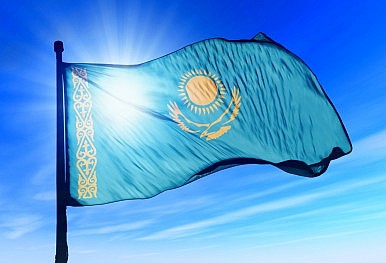 COMING SOON TO KAZAKHSTAN: ISRAELI DRONES
Asia - Pacific
26.08.2016
COMING SOON TO KAZAKHSTAN: ISRAELI DRONES
Asia - Pacific
26.08.2016
- AZERBAIJAN REALIZES 45.5% OF ITS SGC FINANCING OBLIGATIONS The Caucasus and Turkish-Armenian Relations 26.08.2016
-
25.01.2016
THE ARMENIAN QUESTION - BASIC KNOWLEDGE AND DOCUMENTATION -
12.06.2024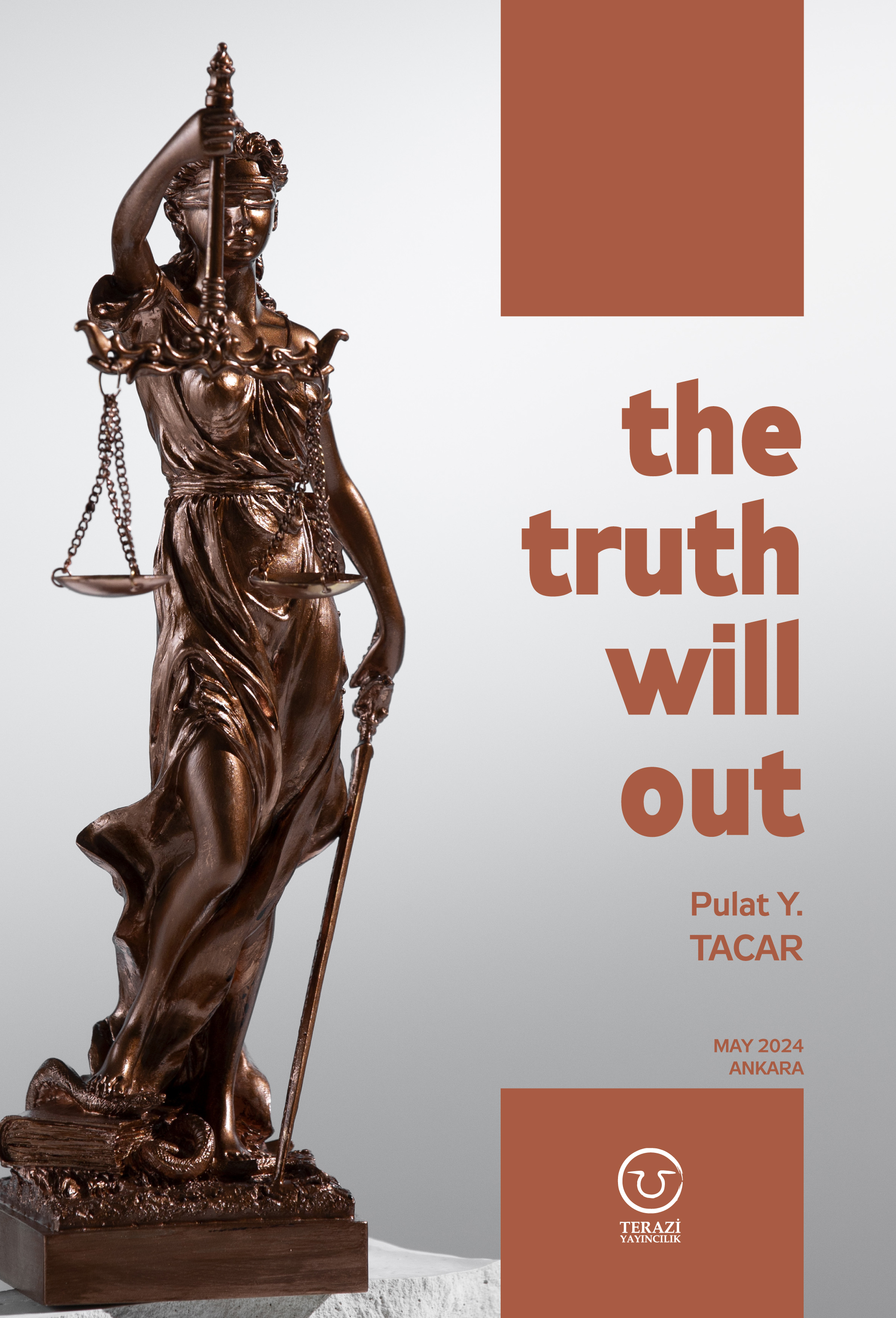
THE TRUTH WILL OUT -
27.03.2023
RADİKAL ERMENİ UNSURLARCA GERÇEKLEŞTİRİLEN MEZALİMLER VE VANDALİZM -
17.03.2023
PATRIOTISM PERVERTED -
23.02.2023
MEN ARE LIKE THAT -
03.02.2023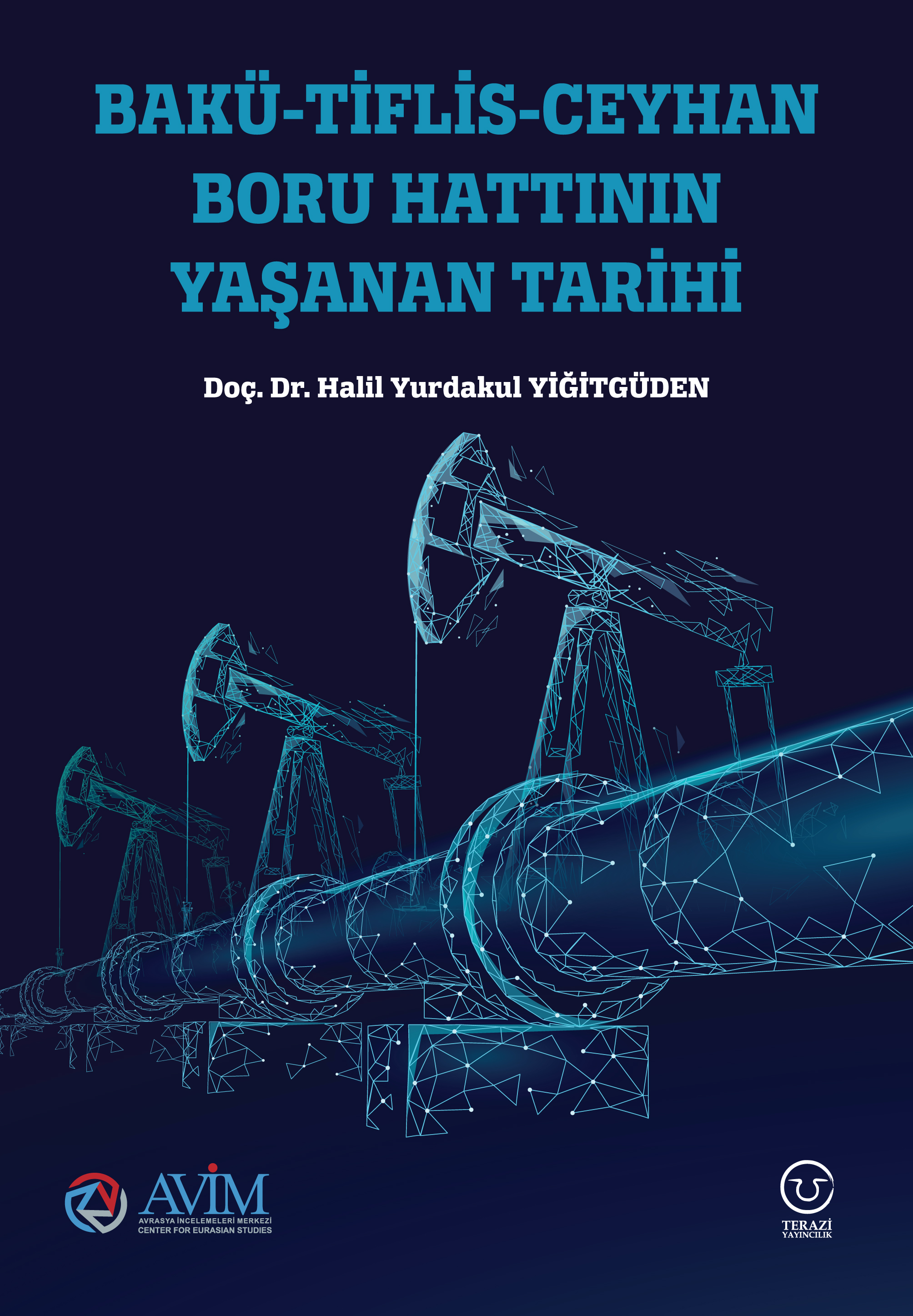
BAKÜ-TİFLİS-CEYHAN BORU HATTININ YAŞANAN TARİHİ -
16.12.2022
INTERNATIONAL SCHOLARS ON THE EVENTS OF 1915 -
07.12.2022
FAKE PHOTOS AND THE ARMENIAN PROPAGANDA -
07.12.2022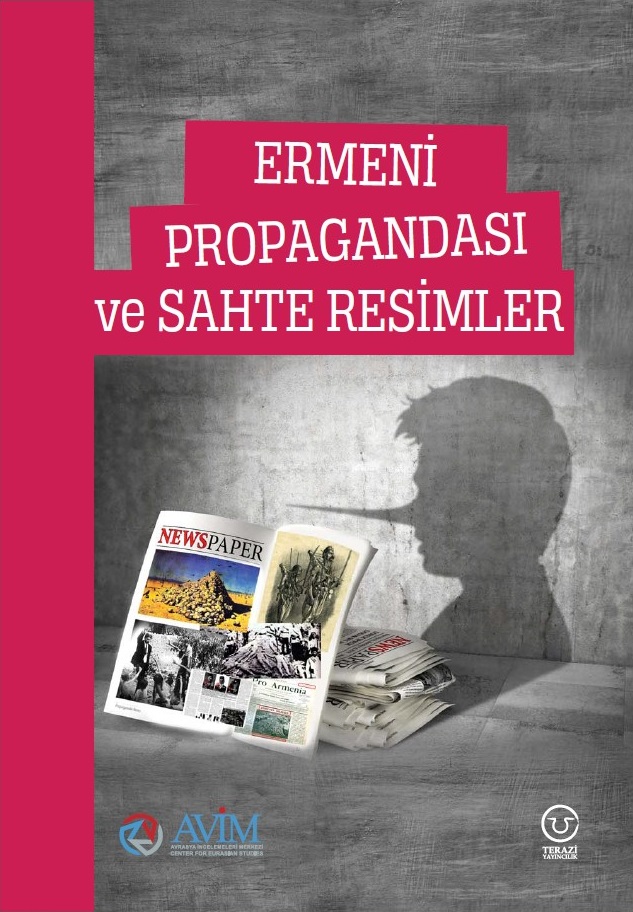
ERMENİ PROPAGANDASI VE SAHTE RESİMLER -
01.01.2022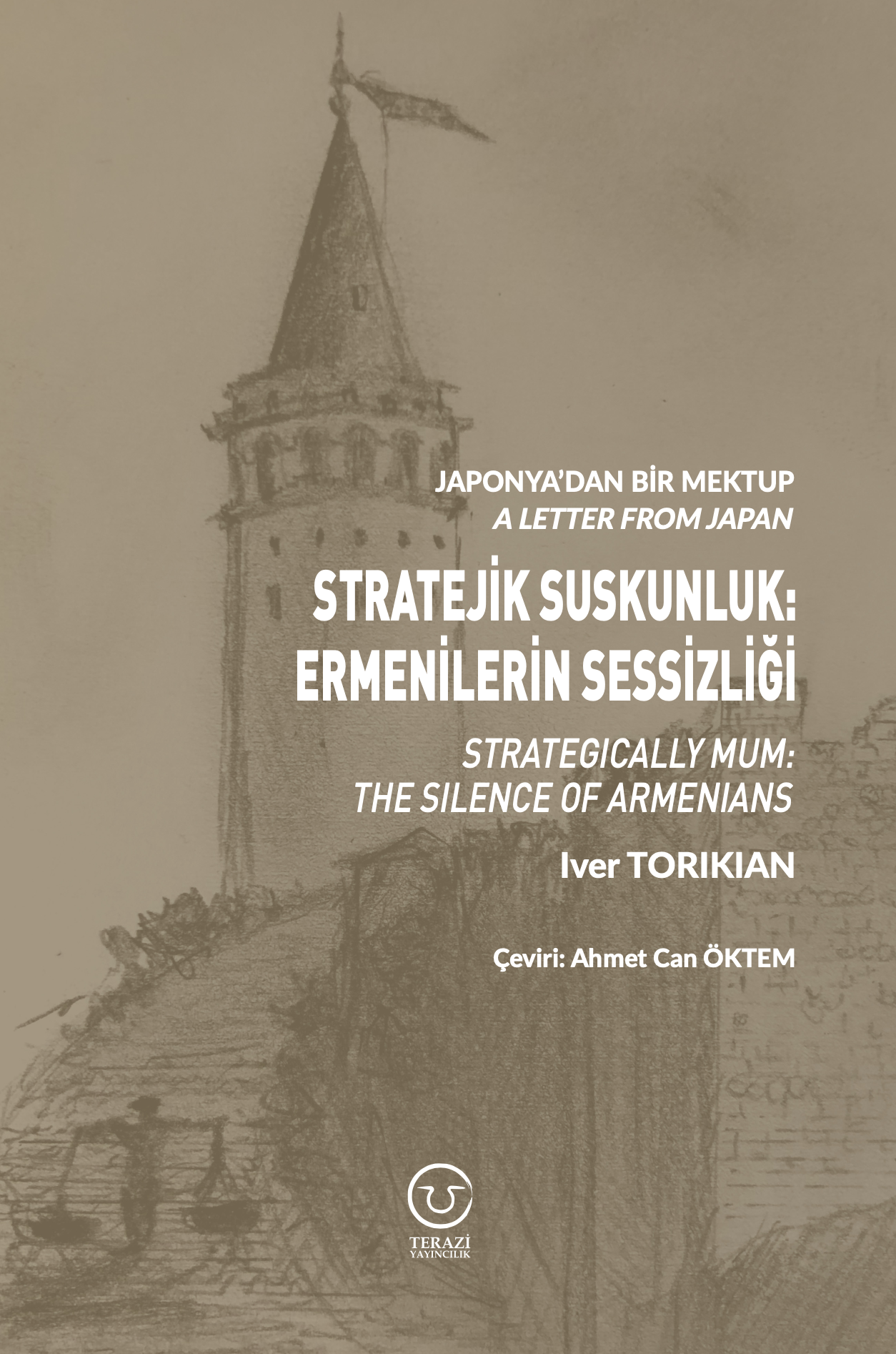
A Letter From Japan - Strategically Mum: The Silence of the Armenians -
01.01.2022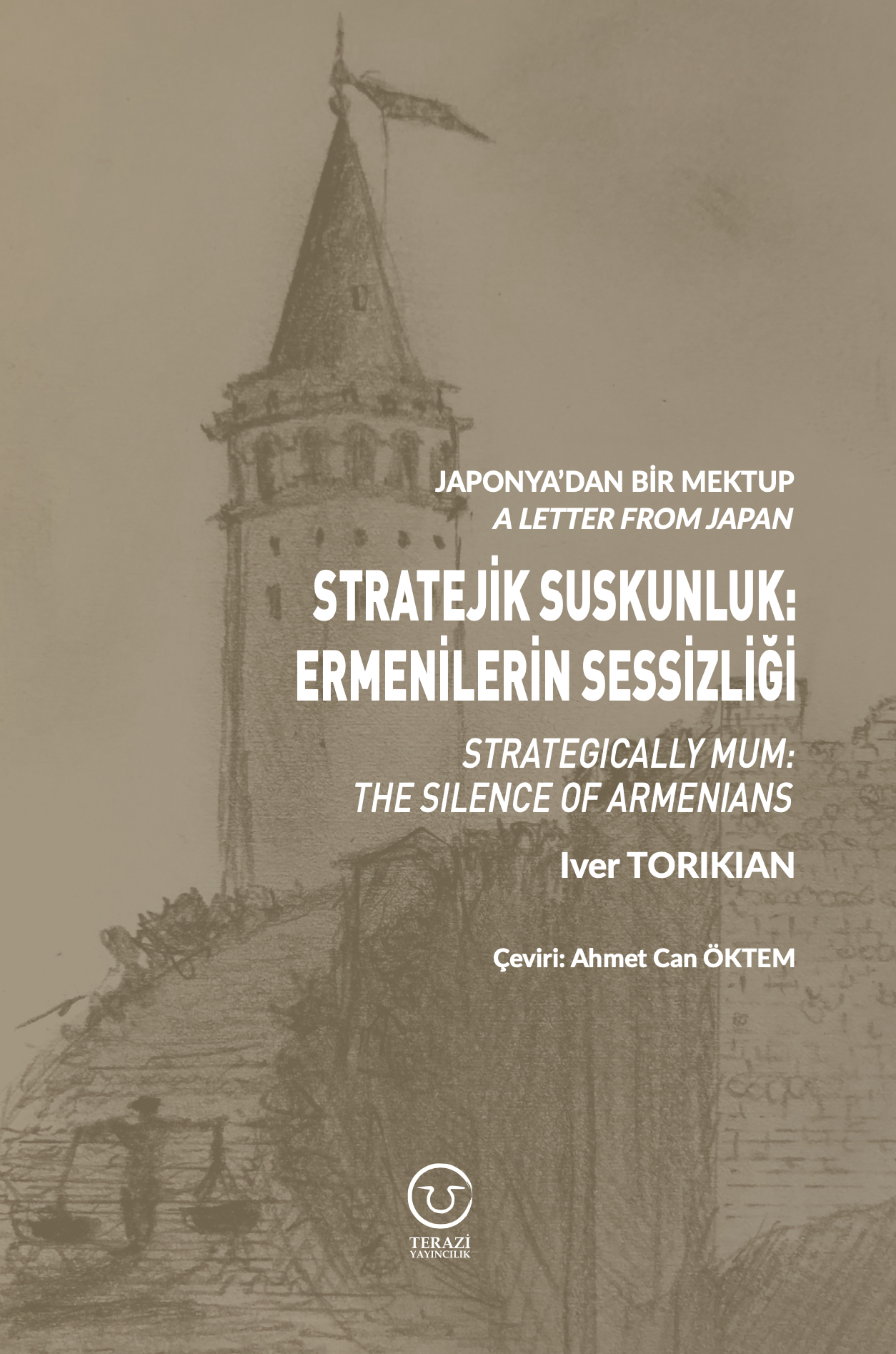
Japonya'dan Bir Mektup - Stratejik Suskunluk: Ermenilerin Sessizliği -
03.06.2020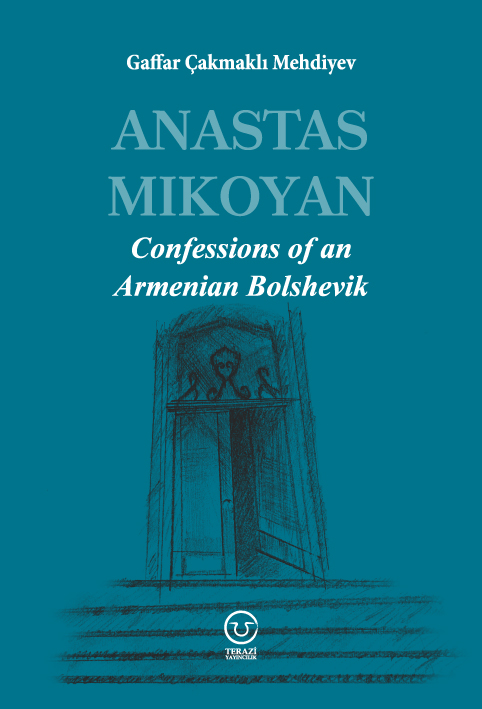
Anastas Mikoyan: Confessions of an Armenian Bolshevik -
08.04.2020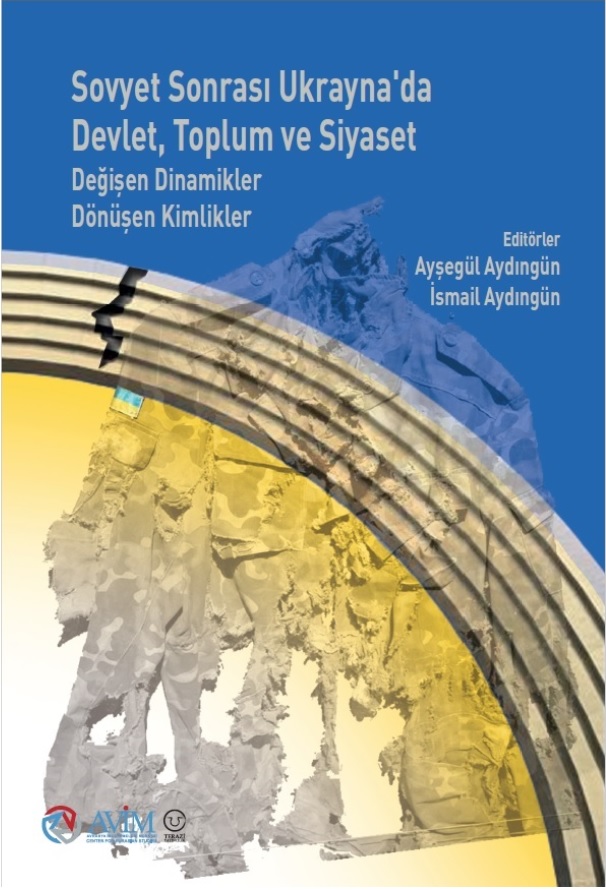
Sovyet Sonrası Ukrayna’da Devlet, Toplum ve Siyaset - Değişen Dinamikler, Dönüşen Kimlikler -
12.06.2018
Ermeni Sorunuyla İlgili İngiliz Belgeleri (1912-1923) - British Documents on Armenian Question (1912-1923) -
02.12.2016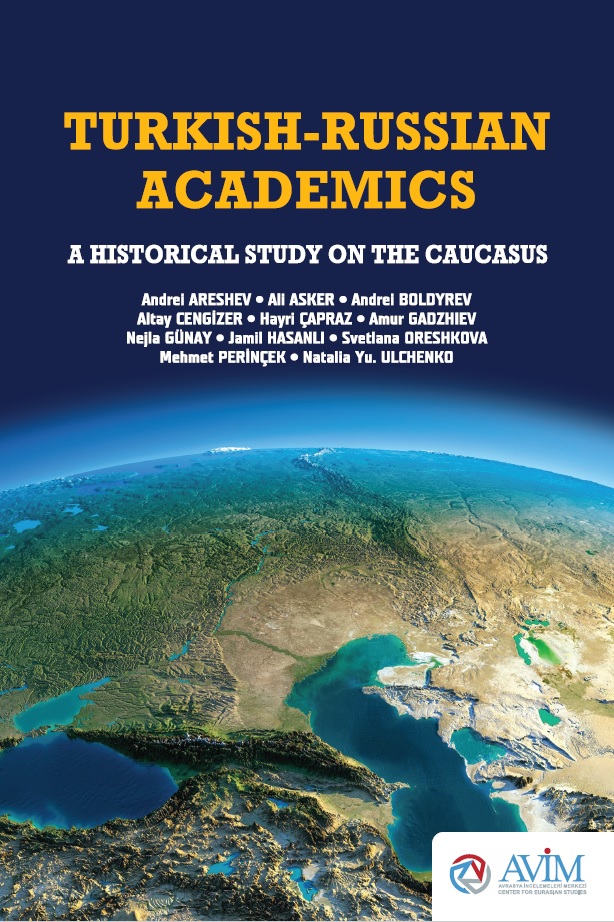
Turkish-Russian Academics: A Historical Study on the Caucasus -
01.07.2016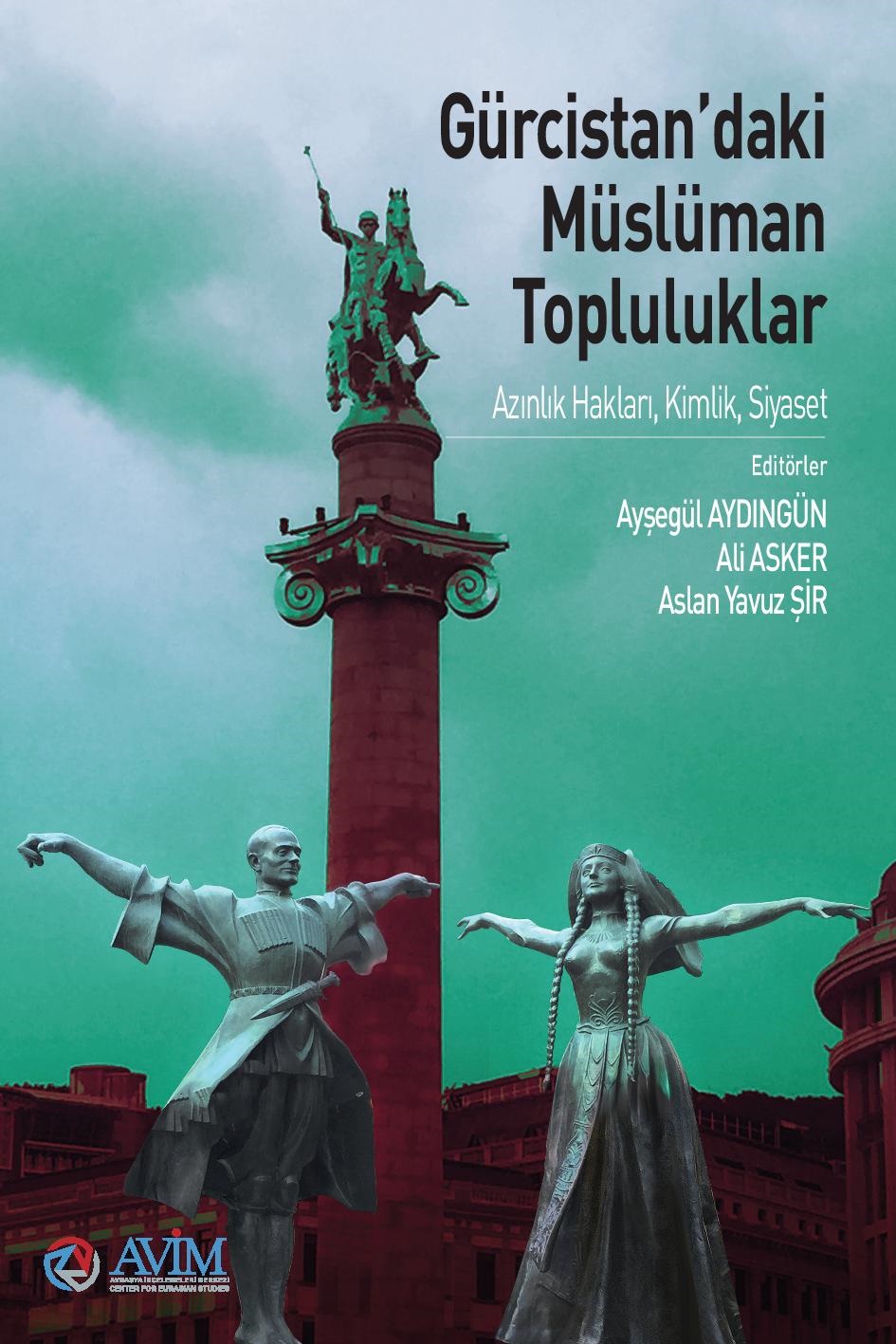
Gürcistan'daki Müslüman Topluluklar: Azınlık Hakları, Kimlik, Siyaset -
10.03.2016
Armenian Diaspora: Diaspora, State and the Imagination of the Republic of Armenia -
24.01.2016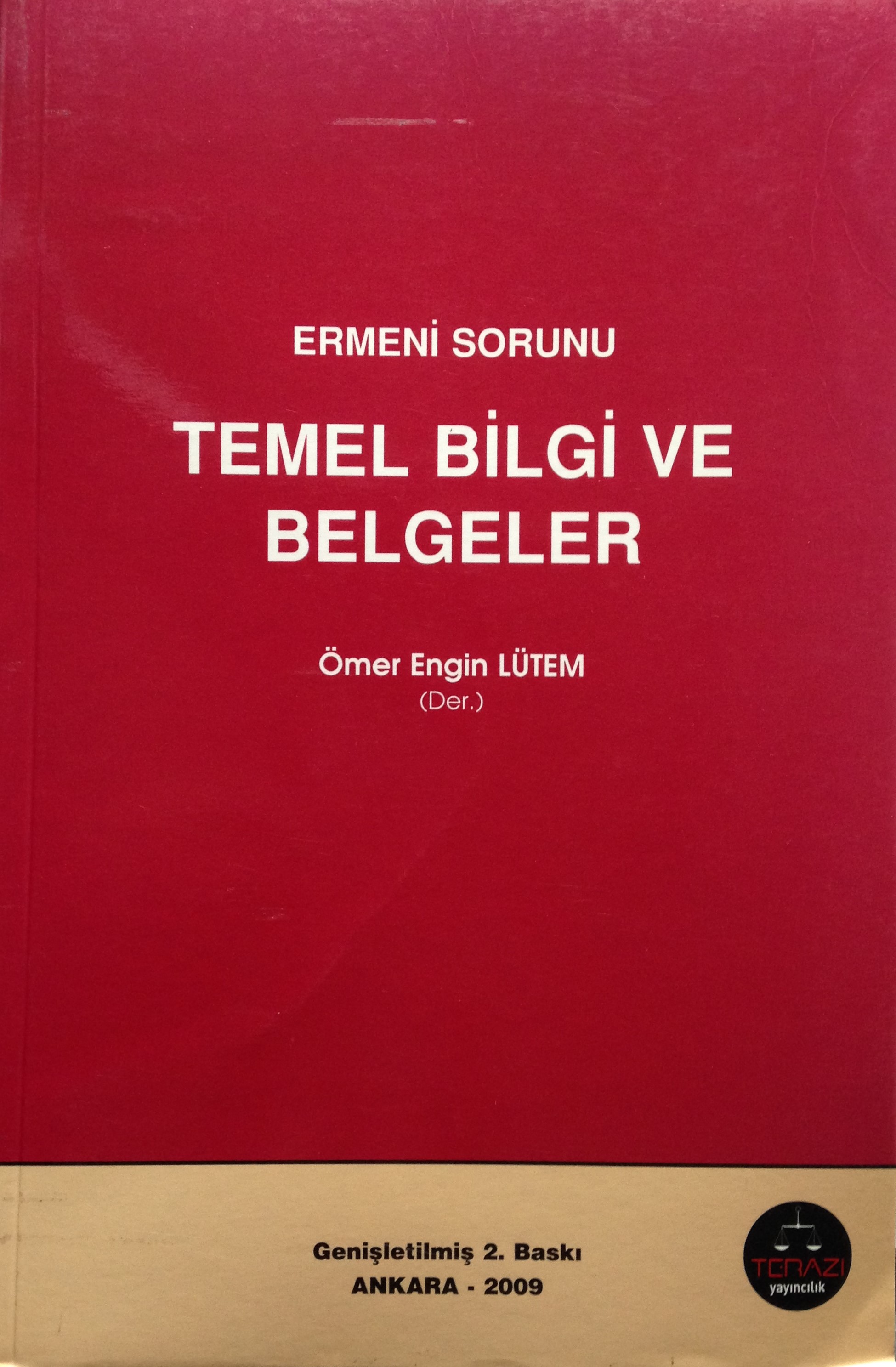
ERMENİ SORUNU - TEMEL BİLGİ VE BELGELER (2. BASKI)
-
AVİM Conference Hall 24.01.2023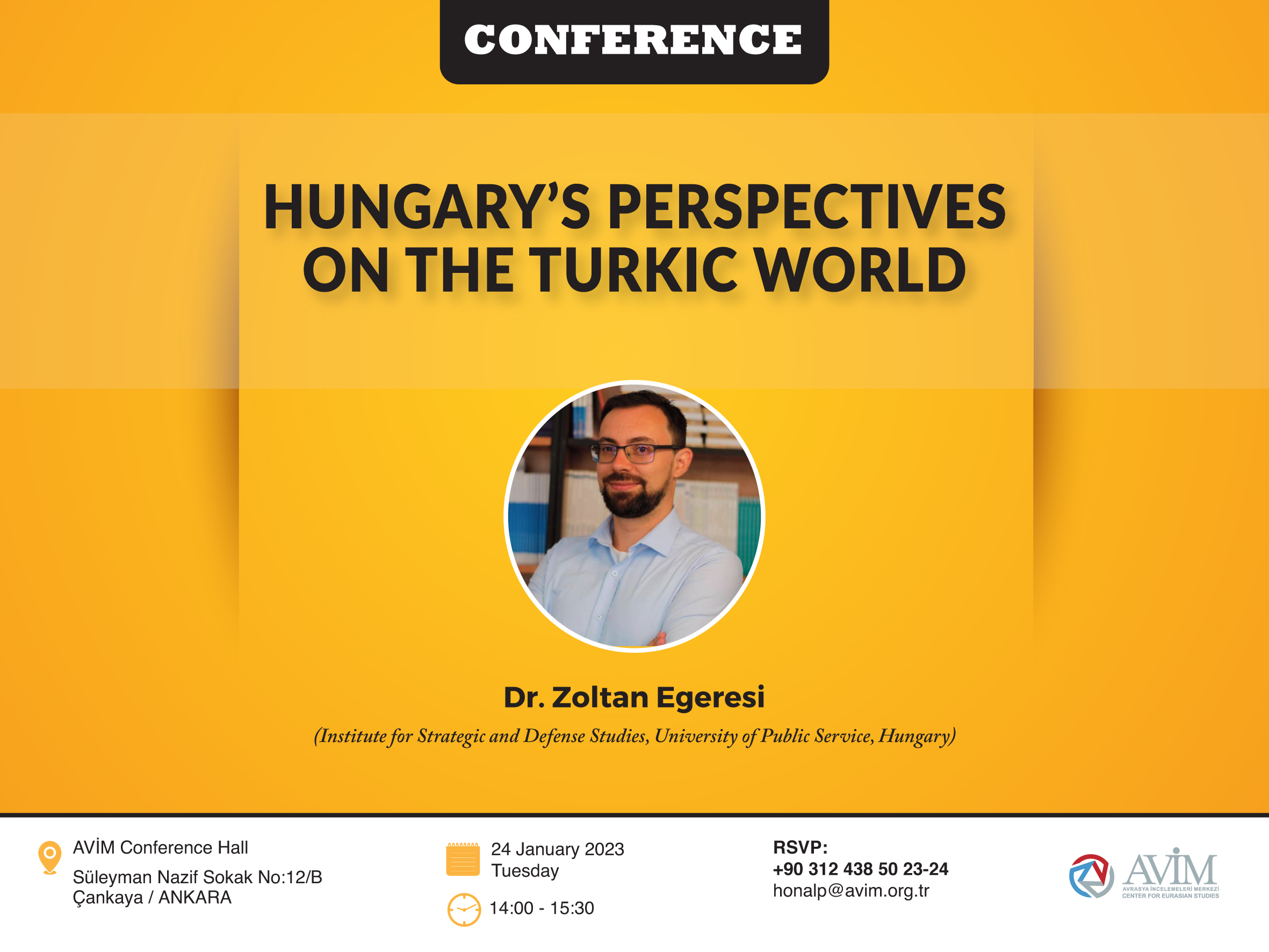
CONFERENCE TITLED “HUNGARY’S PERSPECTIVES ON THE TURKIC WORLD"