

















The Wall Street Journal, 26 August 2016
Naqib Khpulwak, a former visiting scholar at Stanford University, had returned home to Afghanistan in 2013 to teach a new generation the importance of law in a country where large parts of it can be lawless.
“He loved Afghanistan. That’s why he didn’t stay abroad after he finished his studies. He was a very patriotic man,” said Bashir Ahmad Gwakh, a longtime friend of Mr. Khpulwak, who, like him, was a Fulbright scholar.
Such dedication cost him his life: He was among 16 people killed when terrorists attacked the American University of Afghanistan, the country’s top school, late Wednesday.
An undated photo of Naqib Khpulwak from his LinkedIn profile. Friends said he was around 30 years old. ENLARGE
An undated photo of Naqib Khpulwak from his LinkedIn profile. Friends said he was around 30 years old.
In a nation drained of talent after decades of war, the school offered hope for those who stayed behind and stood in defiance to extremists who oppose Western-style, mixed-gender education.
Mr. Khpulwak was teaching an evening law class when a truck bomb exploded outside, breaching an outer wall and enabling several militants to enter the campus, filled with hundreds of students and staff members.
Many escaped through emergency exits or by jumping out of windows or over walls. Others, like Mr. Khpulwak and his students, had no option but to hide. One of the assailants eventually found Mr. Khpulwak, who died of gunshot wounds, his friends say. His funeral was held Thursday in Jalalabad, his hometown.
More than 50 people were wounded in the nine-hour assault, most of them students who were drawn to the promise of a world-class education based on an American model that the university offered.
No group has claimed responsibility for the attack, but the heavily fortified university was long considered a possible target of the Taliban because of its ties to the West.
“It embodied one of the best parts of Western and American culture, which is our higher education, in a country where the brain drain and a lack of learning and illiteracy are defining problems,” Matthew Trevithick, who worked in the university’s management from 2010 to 2014. “It was the only place in the country where a genuine exchange of cultures could occur.”
Set in the sprawling grounds of a long-defunct international school, the American University opened its doors in 2006 with the help of grants from the U.S. Agency for International Development. It offered undergraduate and graduate degrees, taught in English, to roughly 1,000 full-time students. Half of those enrolled are women, in a culture where options for women are few.
On Thursday, the university announced its main campus in Kabul has closed indefinitely.
Afghan President Ashraf Ghani called the attack “a cowardly attempt to hinder progress and development in Afghanistan.”
His office said evidence suggested the attack was planned in Pakistan, a reference to the Afghan Taliban, who are based there. Mr. Ghani spoke to Pakistan’s Chief of Army Staff, Gen. Raheel Sharif, to urge Islamabad to take serious action against the terrorists, it added.
Pakistan’s military confirmed the call and said Afghanistan provided it with three phone numbers allegedly used during the attack. A “combing operation” was carried out, and results were shared with Afghanistan, the Pakistan military said.
A spokesman for the Afghan Taliban wasn’t reachable for comment.
Mr. Khpulwak was one of two professors killed. Eight students also died, including Jamshid Zafar, a law student who spent much of his free time volunteering as a teacher for street children.
“He was a smart man, and also very kind,” recalled a classmate, Palwasha, who used to volunteer with him.
Palwasha, who only uses one name, was at the university’s hostel when the attack occurred. She doesn’t think she will go back: “Unfortunately most of my friends won’t return to university anymore after the attack. I, too, have decided not to go.”
Farzana Bakhriary, a student of business administration, was in a class on the third floor of the university building when, around 7 p.m., she heard the first gunshots followed by a large explosion.
Everyone threw themselves to the ground, hiding under chairs and desks. There was shattered glass everywhere and several of her classmates were badly injured. One of them, Mujtaba Axeer, died after about 20 minutes, she said.
The students could hear screams and gunshots coming from the floor below. They turned off all the lights and for a few minutes were still, in complete silence. Then they heard footsteps in the corridor.
One of the attackers was about to open the classroom door when his phone rang. “On the phone he was saying that everything was going well and that they killed many Americans,” recalls Ms. Bakhriary, who said there were likely two militants on her floor. “He was saying: ‘This is a great chance for me to go to paradise and to become a martyr.’ He was happy.”
After that, the attackers returned downstairs. Ms. Bakhriary and her classmates remained in that room until about 4 a.m., when they were rescued by Afghan security forces. Despite the ordeal, Ms. Bakhriary said she won’t quit.
“I will stay strong and I will continue my classes when the university reopens, 100%,” she said.
No comments yet.
- UZBEKISTAN CLAIMS DISPUTED TERRITORY ALONG BORDER WITH KYRGYZSTAN Asia - Pacific 26.08.2016
- TURKEY CONFIRMS NEW ENVOY’S APPOINTMENT TO AZERBAIJAN The Caucasus and Turkish-Armenian Relations 26.08.2016
-
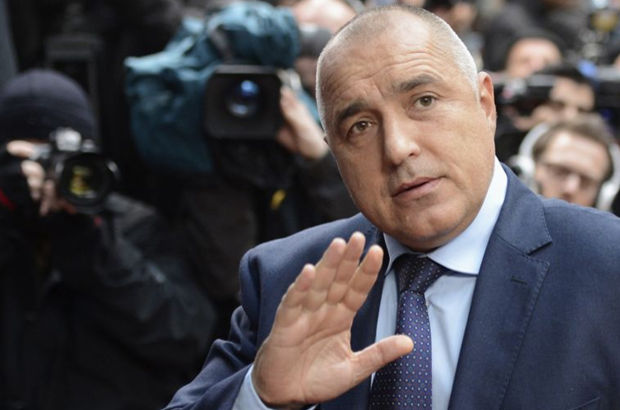 PRIME MINISTER BOYKO BORISOV TO MEET WITH TURKISH PRESIDENT RECEP TAYYIP ERDOGAN
The Balkans
26.08.2016
PRIME MINISTER BOYKO BORISOV TO MEET WITH TURKISH PRESIDENT RECEP TAYYIP ERDOGAN
The Balkans
26.08.2016
- MOSKOVISI: PACKAGE OF MEASURES FOR THE GREEK DEBT TO BE INTRODUCED GRADUALLY The Balkans 26.08.2016
- OLEG KUZNETSOV: "ARMENIA HAS TURNED OCCUPIED AZERBAIJANI REGIONS INTO DESOLATE WASTELAND" The Caucasus and Turkish-Armenian Relations 26.08.2016
-
25.01.2016
THE ARMENIAN QUESTION - BASIC KNOWLEDGE AND DOCUMENTATION -
12.06.2024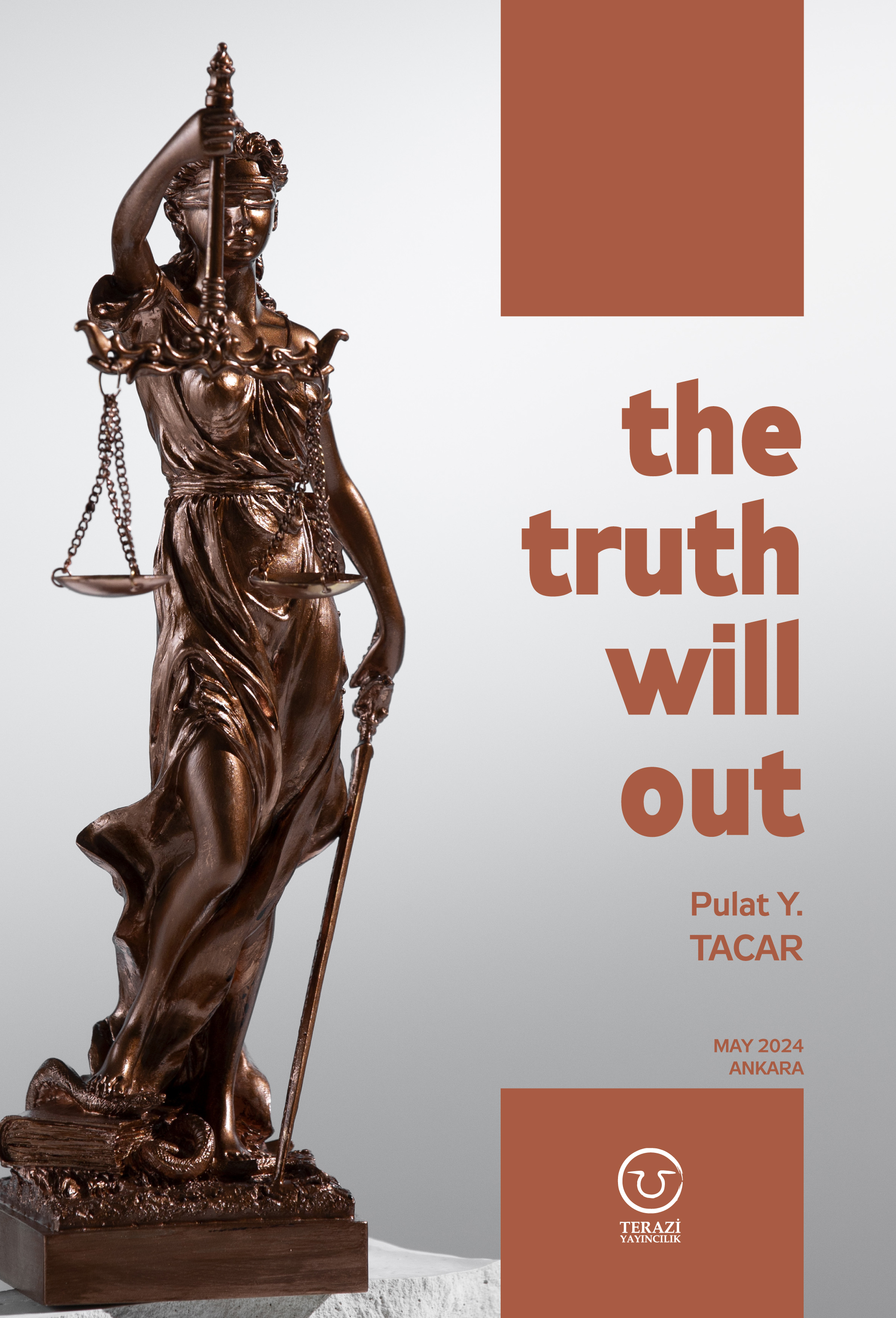
THE TRUTH WILL OUT -
27.03.2023
RADİKAL ERMENİ UNSURLARCA GERÇEKLEŞTİRİLEN MEZALİMLER VE VANDALİZM -
17.03.2023
PATRIOTISM PERVERTED -
23.02.2023
MEN ARE LIKE THAT -
03.02.2023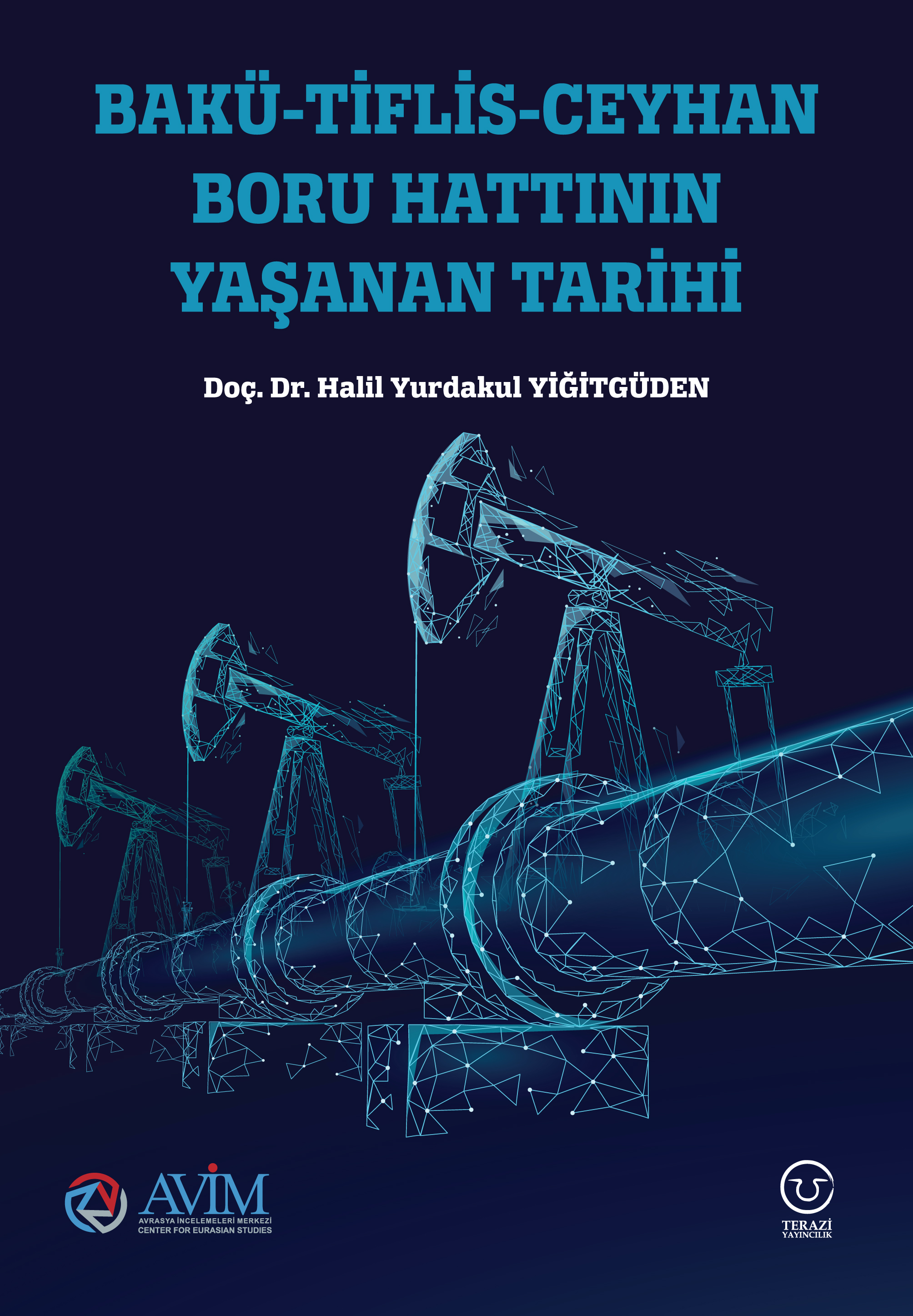
BAKÜ-TİFLİS-CEYHAN BORU HATTININ YAŞANAN TARİHİ -
16.12.2022
INTERNATIONAL SCHOLARS ON THE EVENTS OF 1915 -
07.12.2022
FAKE PHOTOS AND THE ARMENIAN PROPAGANDA -
07.12.2022
ERMENİ PROPAGANDASI VE SAHTE RESİMLER -
01.01.2022
A Letter From Japan - Strategically Mum: The Silence of the Armenians -
01.01.2022
Japonya'dan Bir Mektup - Stratejik Suskunluk: Ermenilerin Sessizliği -
03.06.2020
Anastas Mikoyan: Confessions of an Armenian Bolshevik -
08.04.2020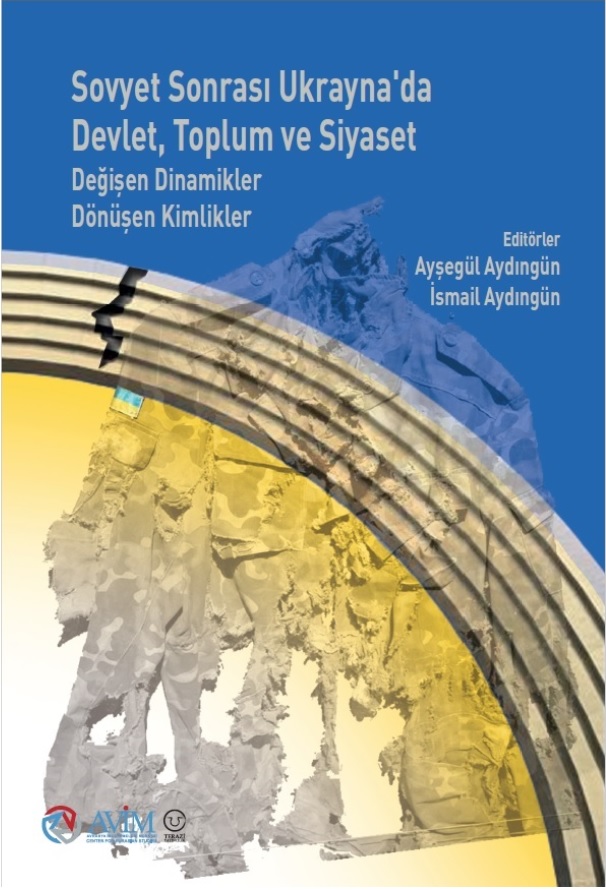
Sovyet Sonrası Ukrayna’da Devlet, Toplum ve Siyaset - Değişen Dinamikler, Dönüşen Kimlikler -
12.06.2018
Ermeni Sorunuyla İlgili İngiliz Belgeleri (1912-1923) - British Documents on Armenian Question (1912-1923) -
02.12.2016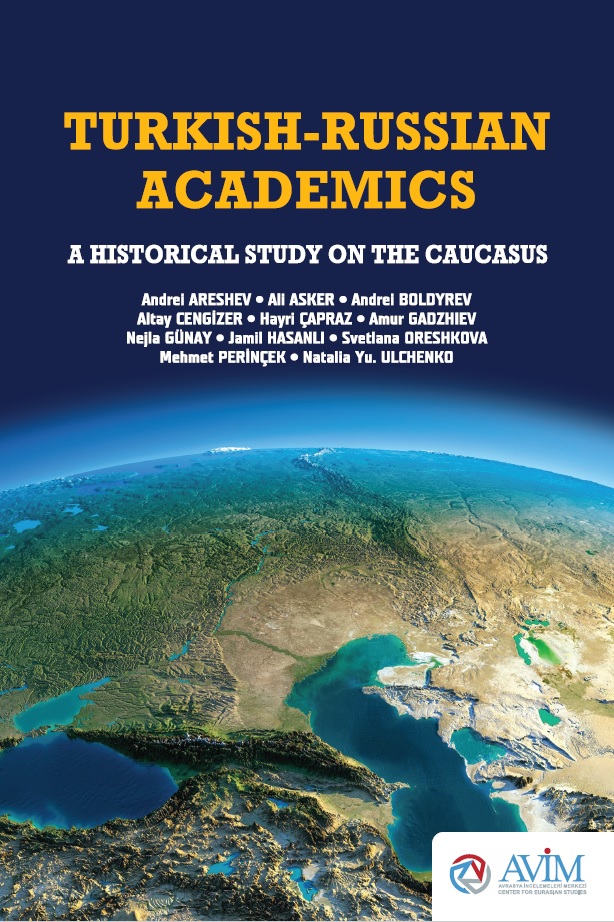
Turkish-Russian Academics: A Historical Study on the Caucasus -
01.07.2016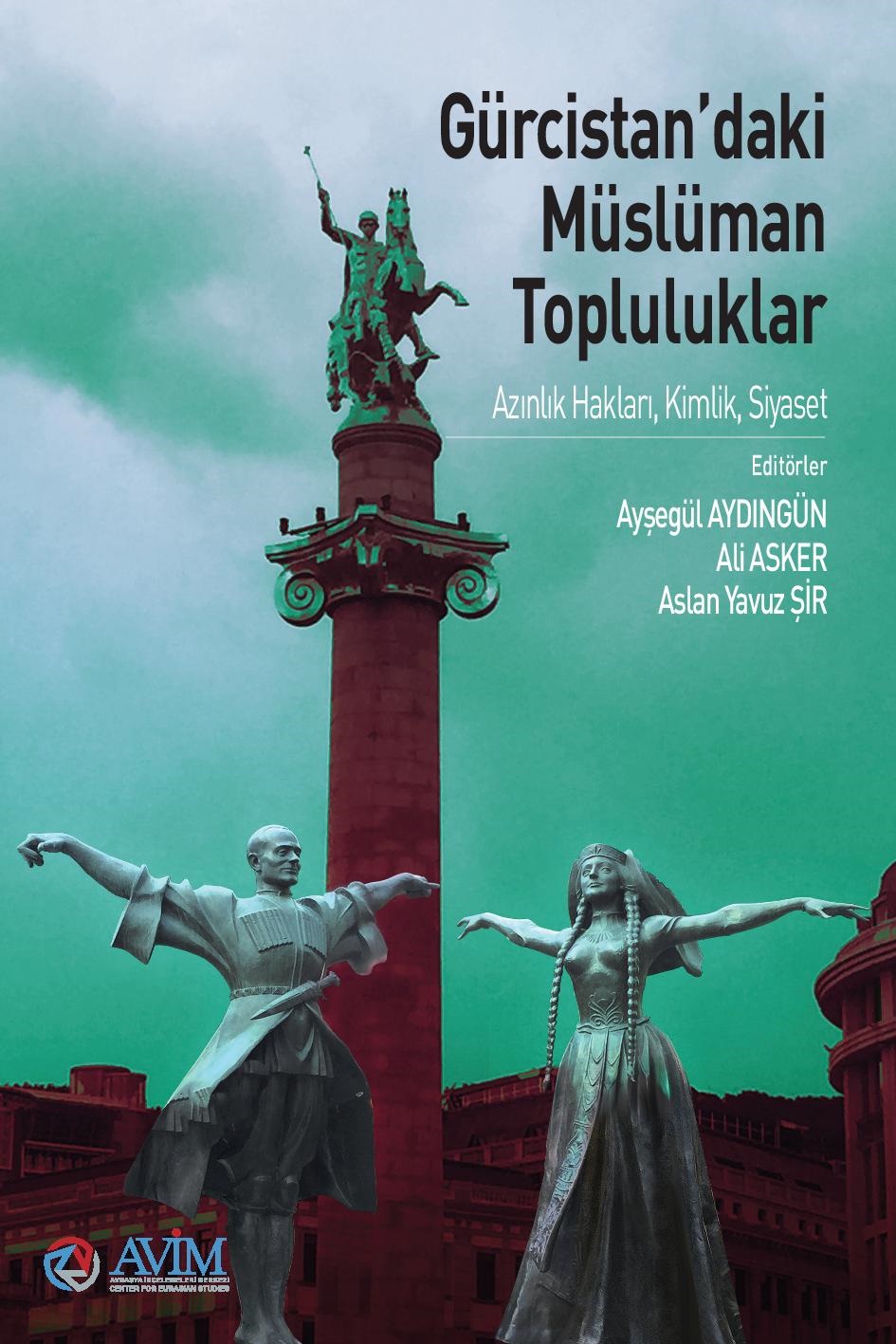
Gürcistan'daki Müslüman Topluluklar: Azınlık Hakları, Kimlik, Siyaset -
10.03.2016
Armenian Diaspora: Diaspora, State and the Imagination of the Republic of Armenia -
24.01.2016
ERMENİ SORUNU - TEMEL BİLGİ VE BELGELER (2. BASKI)
-
AVİM Conference Hall 24.01.2023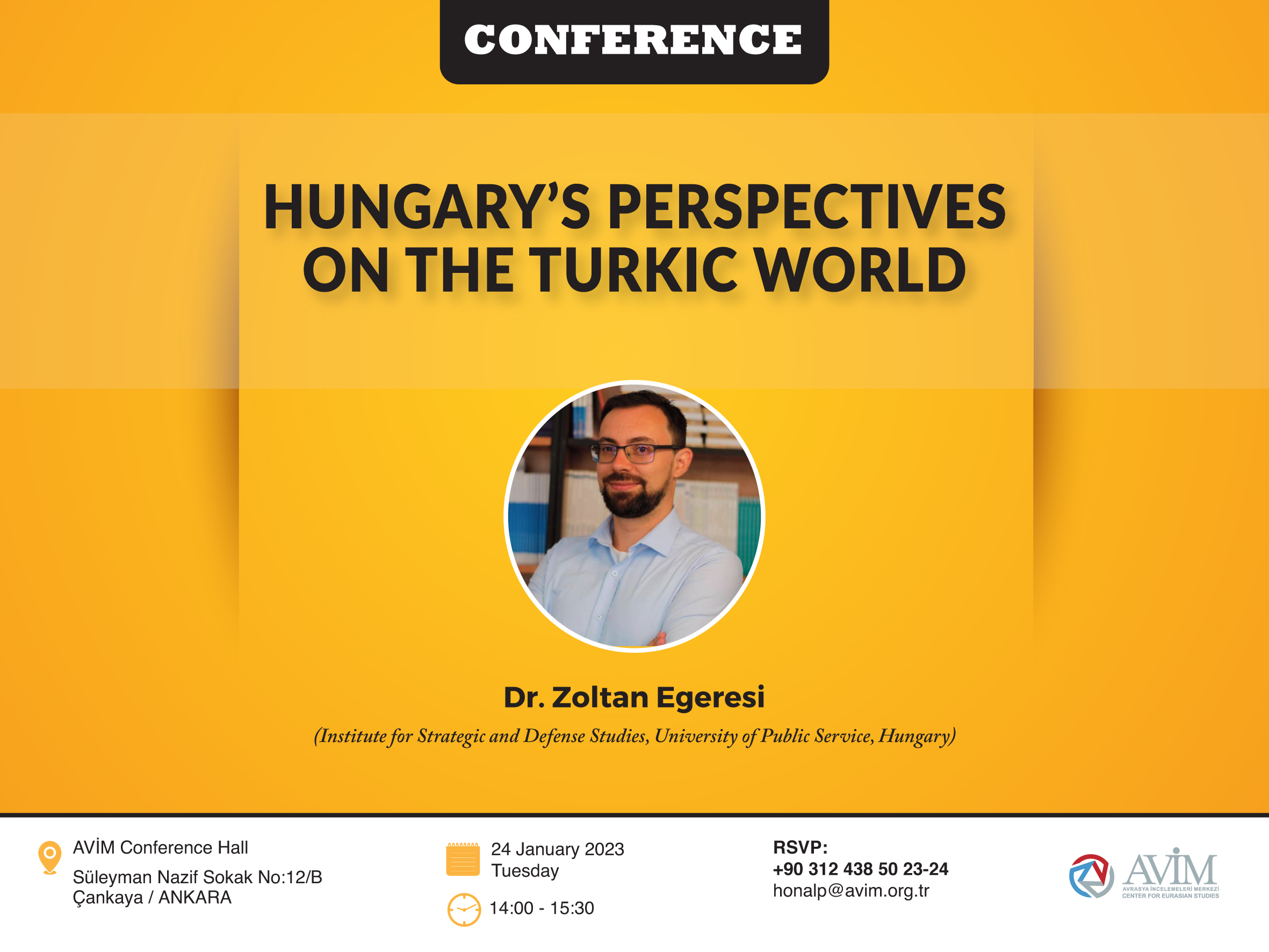
CONFERENCE TITLED “HUNGARY’S PERSPECTIVES ON THE TURKIC WORLD"