

















EurActiv (2 April 2019)
Germany’s Greens (die Grünen) want to stabilise their steep rise in popularity and formulate new basic principles. What do they want to do differently? Read a point-by-point explanation by EURACTIV Germany’s media partner Der Tagesspiegel.
The Green party has changed radically from the early 1980s when they were considered the bogeymen of the middle classes.
On Friday (29 March), party leaders Annalena Baerbock and Robert Habeck presented their first progress report. One thing is clear: in the future, the Greens, as the ‘alliance party’, will be eager to act as a connector for many social currents.
What do the Greens mean by the term ‘alliance party’?
Since the Greens overtook the Social Democrats (SPD) in national polls, there has been discussion of a ‘new people’s party’ – like in 2011, when the party gained a lot of traction in the polls following the Fukushima catastrophe.
Federal Chairman Michael Kellner prefers to speak of an ‘alliance party’, similar to party leaders Baerbock and Habeck, that should be open for all those who are sympathetic on the issues that are of concern to the Greens.
“Those who want to work on our issues are welcome: from students that demonstrate for climate protection on a Friday to companies that produce in a socio-ecological manner,” said Kellner.
However, this is only one part of the Greens’ expansion plans. The previous ‘anti-party’ party is seeking dialogue with its opponents, including the bosses of automobile companies and chemical companies. The idea behind is this: If you want to grow as a party, you will not go far if you stick to old quarrels.
Giving up their beliefs for power?
Such a question would secretly be countered with another question by many Greens: Why abide by one’s principles when one does not have the power to enforce ones’ objectives?
As a 20%-party, they are well aware that they also need partners, whether these are on the same political wavelength or not.
No coalitions are taboo
No coalitions are taboo for the Greens, apart from governing with the far-right Alternative for Germany (AfD). At state level, the Greens currently work in different constellations: Green-black in Baden-Württemberg, through the traffic light in Rhineland-Pfalz and red-red-green in Thüringen.
At the federal level, meanwhile, since 2017 they have been prepared to work with parties other than the SPD, their previously preferred partner. They have been prepared to settle for uncomfortable coalitions between the Christian Democratic Union (CDU) and Free Democratic Party (FDP).
Debate for a new policy program should now focus on the theoretical basis and the delivery of their own justification for more openness, including at country level. Inner-party discussions alone could foster a potential black-green alliance. A coalition with the CDU of Annegret Kramp-Karrenbauer and the Christian Social Union (CSU) of Markus Soder, could even become reality following the 2020 elections. That is why the Greens want to be prepared, even though the leadership does not count on the SPD leaving the coalition to make way for new elections.
When will the new policy programme be available?
A draft should be ready by autumn 2020, in time for the Green Party’s 40thanniversary. At the end of the week, Baerbock and Habeck will present a progress report to the party that will deal with the common value structure of the Greens.
In the 2002 programme, the Greens listed the following basic values: ecology, self-determination, justice, living democracy, freedom of violence and human rights. These continue to be of importance today, say the Greens. How will these values be given new meaning? The Greens are eager to answer with a new approach.
Further Reading
After Green parties unexpectedly surged in Germany, Luxembourg and Belgium last month, the movement is now preparing a bid to fill the political vacuum surrounding environmental issues in Italy. But their electoral ambitions are modest, European Greens co-chair Monica Frassoni told EURACTIV in an interview.
No comments yet.
-
 SERBIAN GOVT HIRES US LOBBYISTS AMID KOSOVO DISPUTE
The Balkans
03.04.2019
SERBIAN GOVT HIRES US LOBBYISTS AMID KOSOVO DISPUTE
The Balkans
03.04.2019
- AZERBAIJANI AMBASSADOR TO BELARUS EXPOSES ARMENIAN RESEARCHER The Caucasus and Turkish-Armenian Relations 03.04.2019
-
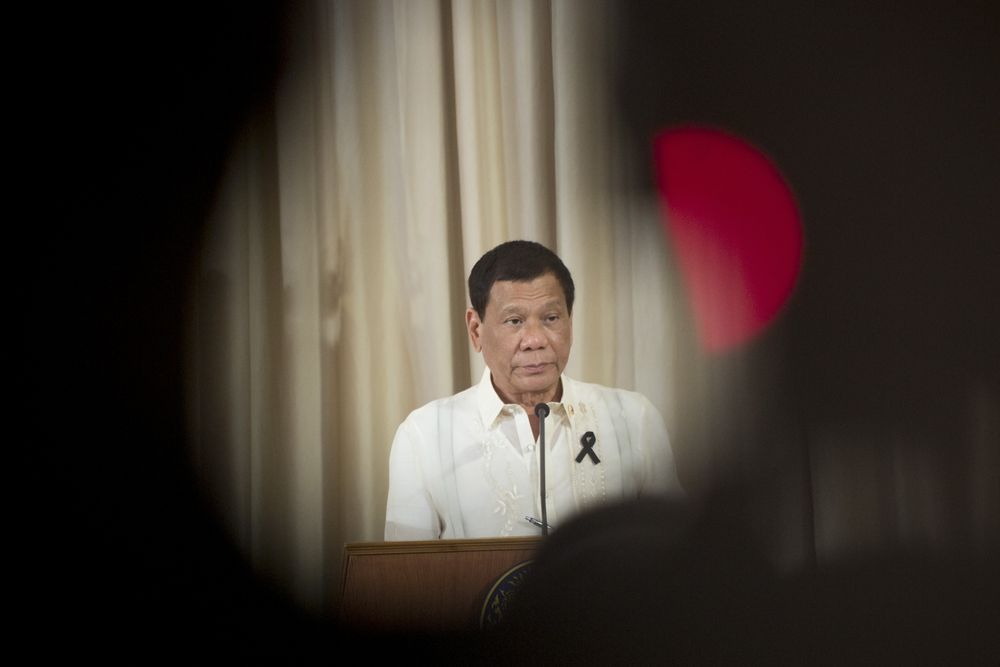 DUTERTE CALLS CHINA A FRIEND AMID SOUTH CHINA SEA TENSIONS
Asia - Pacific
03.04.2019
DUTERTE CALLS CHINA A FRIEND AMID SOUTH CHINA SEA TENSIONS
Asia - Pacific
03.04.2019
-
 KAZAKHSTAN’S ECONOMIC GROWTH TO SLIGHTLY MODERATE IN 2019-2020 — ADB
Central Asia
03.04.2019
KAZAKHSTAN’S ECONOMIC GROWTH TO SLIGHTLY MODERATE IN 2019-2020 — ADB
Central Asia
03.04.2019
-
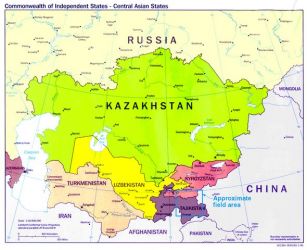 WCO, OSCE TRAIN CENTRAL ASIA CUSTOMS IN PREVENTING ILLICIT TRAFFICKING OF CULTURAL HERITAGE
Central Asia
03.04.2019
WCO, OSCE TRAIN CENTRAL ASIA CUSTOMS IN PREVENTING ILLICIT TRAFFICKING OF CULTURAL HERITAGE
Central Asia
03.04.2019
-
25.01.2016
THE ARMENIAN QUESTION - BASIC KNOWLEDGE AND DOCUMENTATION -
12.06.2024
THE TRUTH WILL OUT -
27.03.2023
RADİKAL ERMENİ UNSURLARCA GERÇEKLEŞTİRİLEN MEZALİMLER VE VANDALİZM -
17.03.2023
PATRIOTISM PERVERTED -
23.02.2023
MEN ARE LIKE THAT -
03.02.2023
BAKÜ-TİFLİS-CEYHAN BORU HATTININ YAŞANAN TARİHİ -
16.12.2022
INTERNATIONAL SCHOLARS ON THE EVENTS OF 1915 -
07.12.2022
FAKE PHOTOS AND THE ARMENIAN PROPAGANDA -
07.12.2022
ERMENİ PROPAGANDASI VE SAHTE RESİMLER -
01.01.2022
A Letter From Japan - Strategically Mum: The Silence of the Armenians -
01.01.2022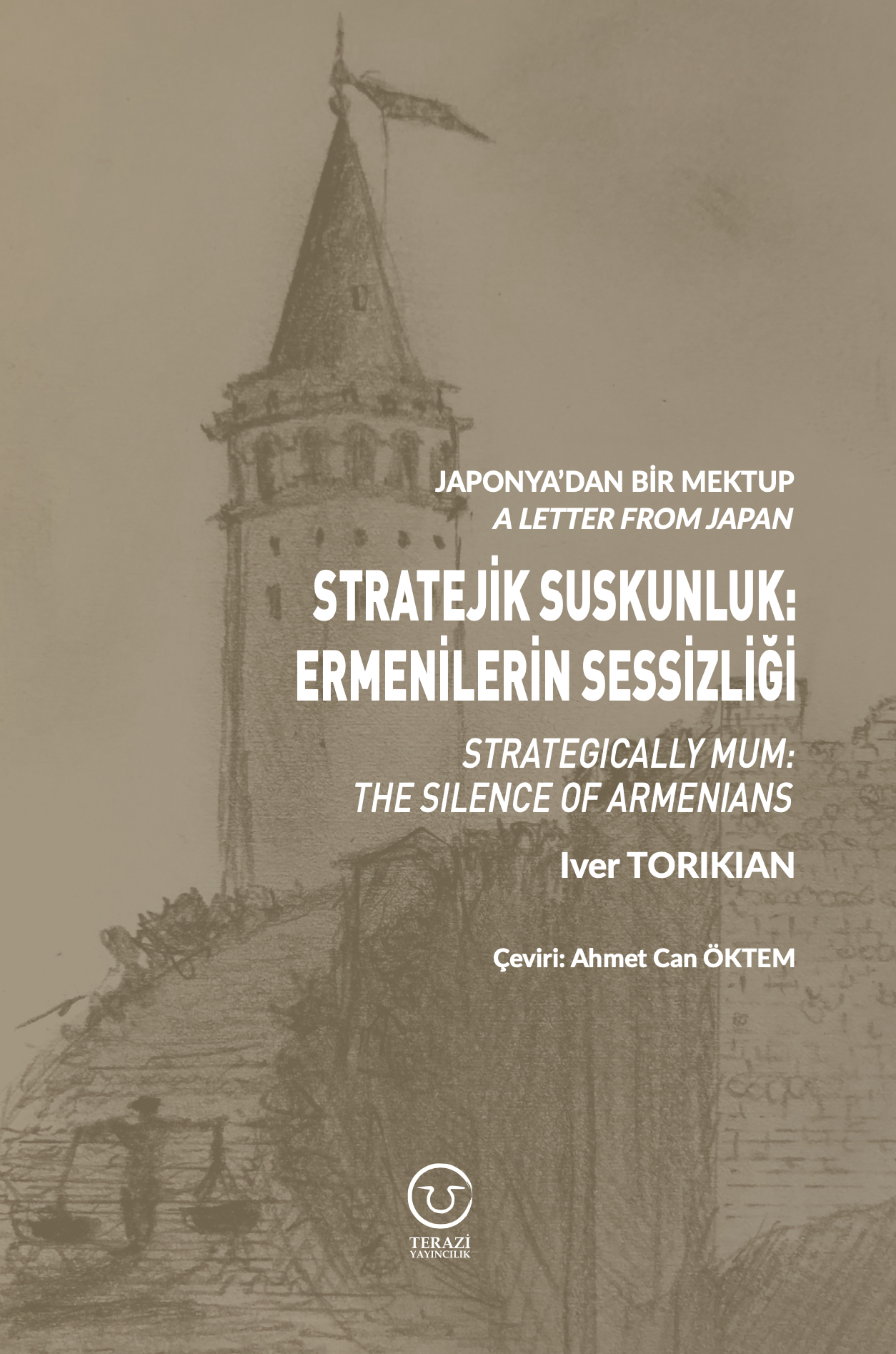
Japonya'dan Bir Mektup - Stratejik Suskunluk: Ermenilerin Sessizliği -
03.06.2020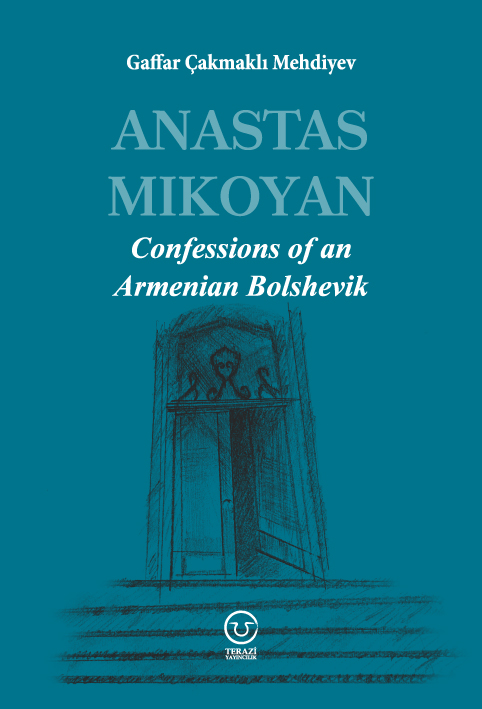
Anastas Mikoyan: Confessions of an Armenian Bolshevik -
08.04.2020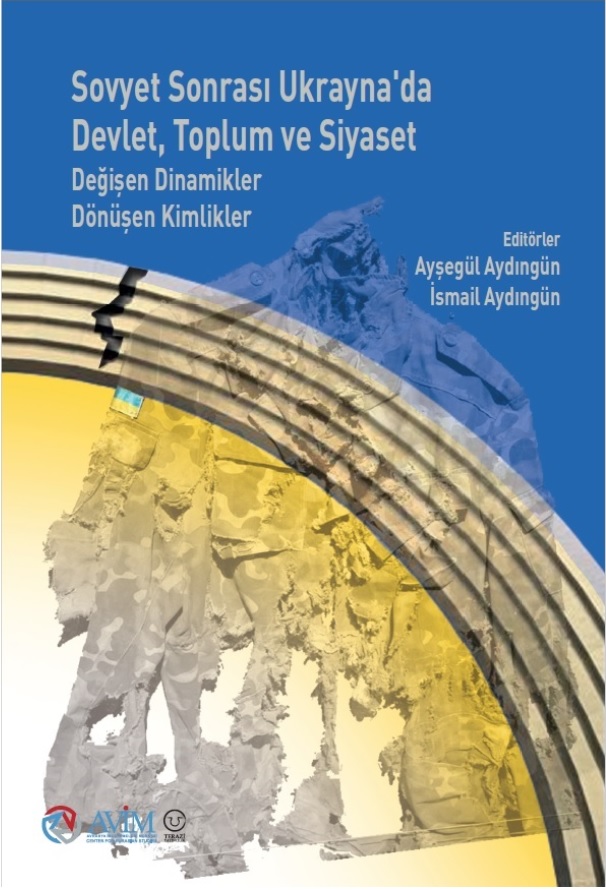
Sovyet Sonrası Ukrayna’da Devlet, Toplum ve Siyaset - Değişen Dinamikler, Dönüşen Kimlikler -
12.06.2018
Ermeni Sorunuyla İlgili İngiliz Belgeleri (1912-1923) - British Documents on Armenian Question (1912-1923) -
02.12.2016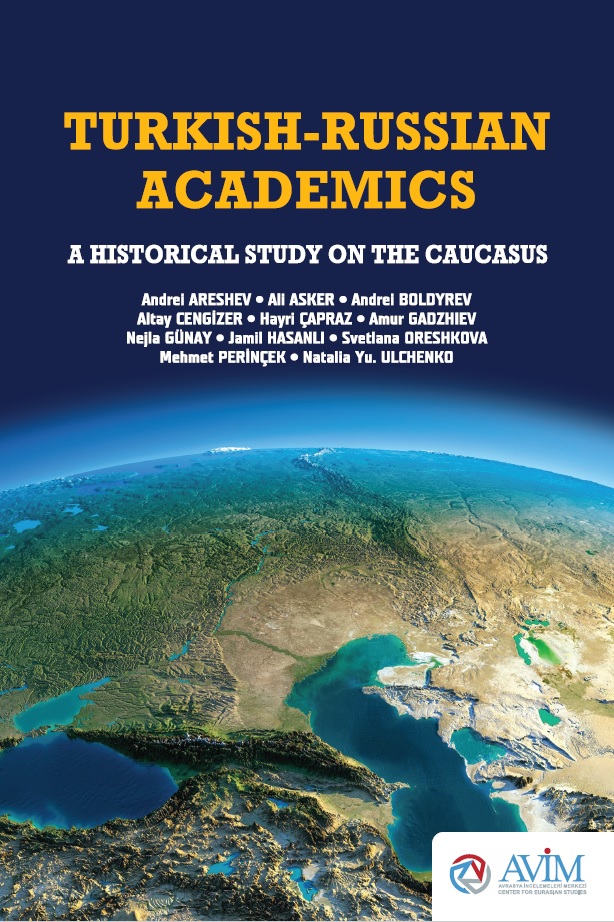
Turkish-Russian Academics: A Historical Study on the Caucasus -
01.07.2016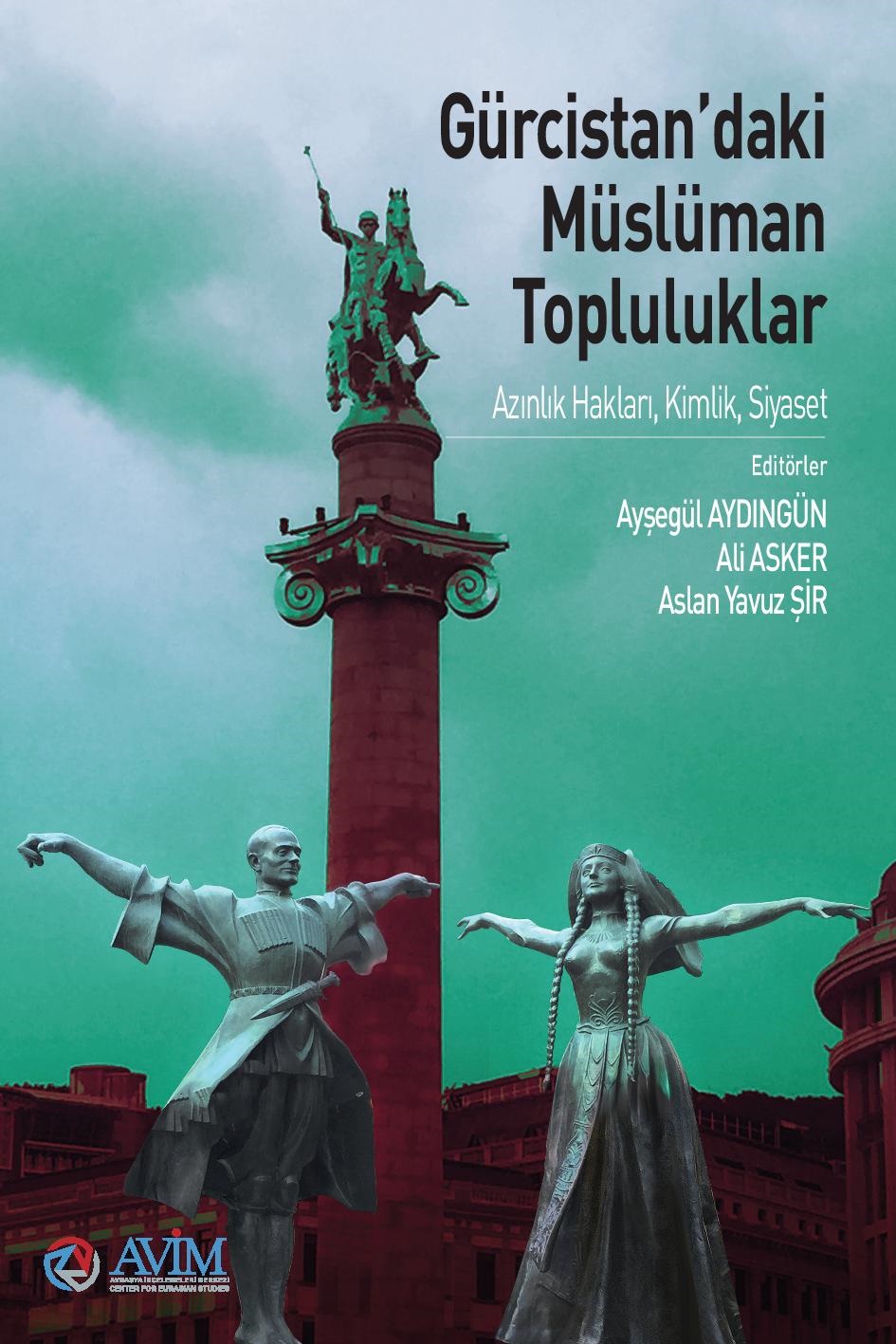
Gürcistan'daki Müslüman Topluluklar: Azınlık Hakları, Kimlik, Siyaset -
10.03.2016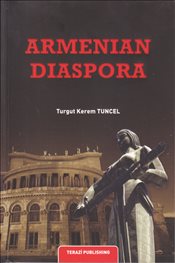
Armenian Diaspora: Diaspora, State and the Imagination of the Republic of Armenia -
24.01.2016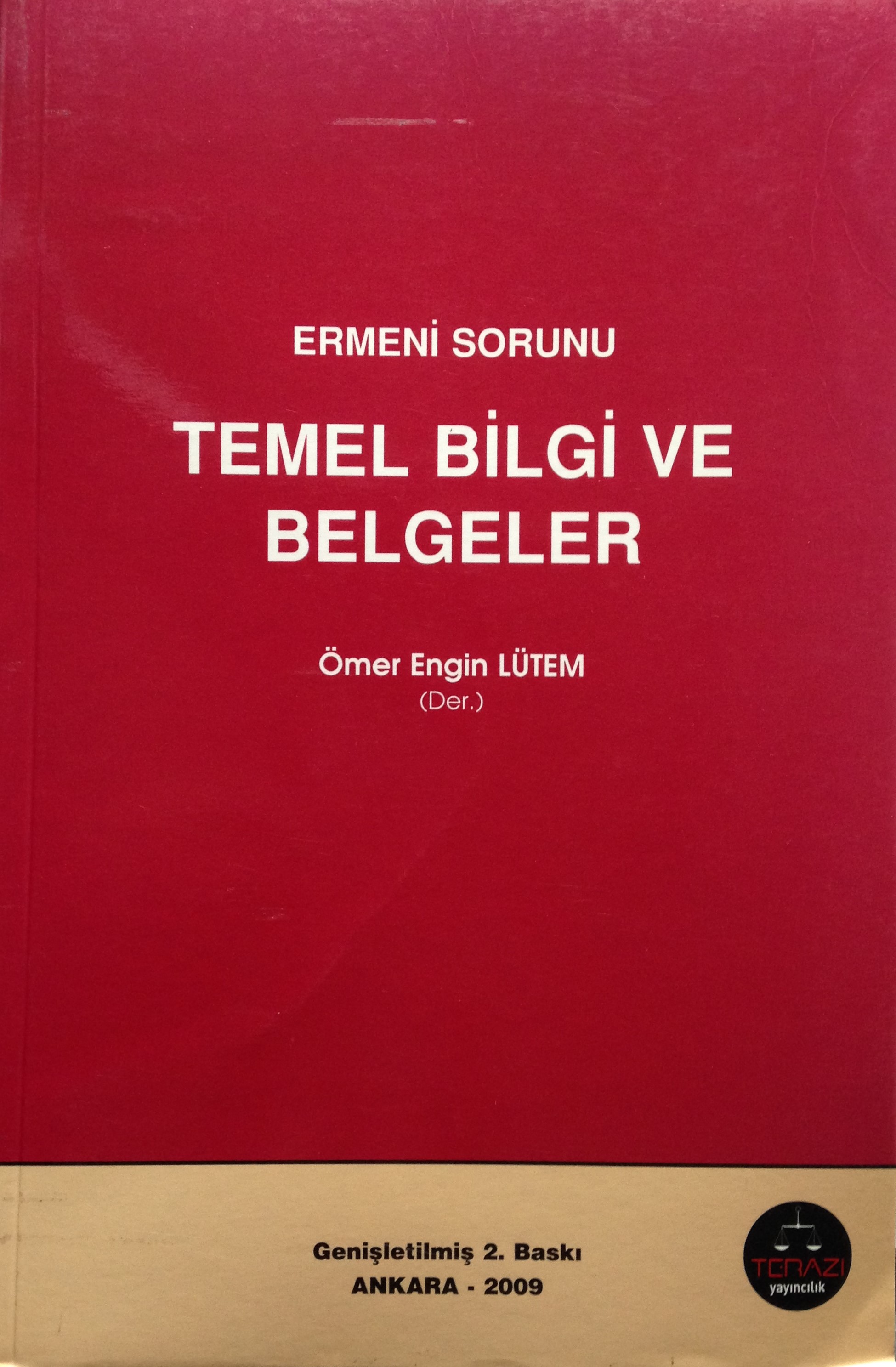
ERMENİ SORUNU - TEMEL BİLGİ VE BELGELER (2. BASKI)


-
AVİM Conference Hall 24.01.2023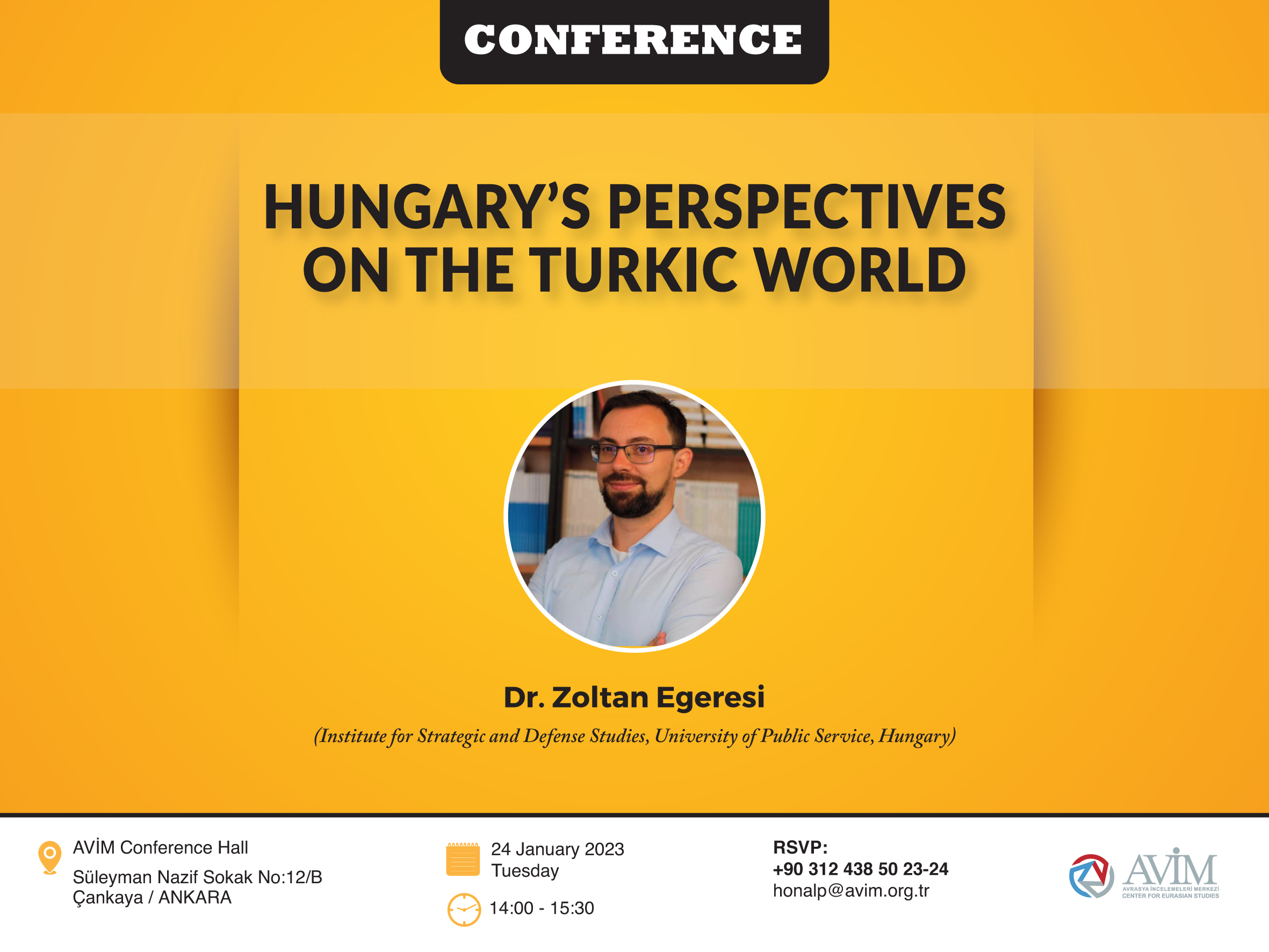
CONFERENCE TITLED “HUNGARY’S PERSPECTIVES ON THE TURKIC WORLD"