

















EU Observer (12 June 2018)
British MPs are voting on a Brexit bill that could destabilise the government, as the clock ticks to the UK exit date next March.
The bill, as amended by the House of Lords, would grant parliament the power to reject a final Brexit deal it did not like in what it called a "meaningful vote", effectively keeping the UK in the EU.
May will face EU leaders at Brussels summit later this month (Photo: European Commission)
The 14 other amendments would give MPs oversight powers on future changes to EU law as it applied in Britain, remove the precise date of Brexit from the text, and enshrine the EU's Charter of Fundamental Rights in British law, among other ideas on how to tie prime minister Theresa May's hands in the process.
The bill has exposed her slender grip on power.
She needs the support of almost all her own Conservative Party MPs, as well as those from the fringe Northern Irish party, the DUP, to overturn the Lords.
At least six of her MPs might rebel, however, the BBC reported on the eve of the vote, to be held on Tuesday (11 June) and Wednesday.
A defeat could mean the vote turns into one of no confidence in her ability to deliver on Brexit, prompting anti-EU hawks in her party, such as foreign minister Boris Johnson or MP Jacob Rees-Mogg, to mount a leadership challenge.
The ensuing mess would make it less likely for British and EU negotiators to conclude a deal in time for March, when the UK would walk off a 'cliff edge' into legal uncertainty on vital issues such as the Irish border, trade, and commercial aviation.
"I'm trying to negotiate the best deal for Britain," May said on the eve of the House of Commons vote.
"I'm confident I can get a deal that allows us to strike our own trade deals while having a border with the EU which is as frictionless as possible, but if the Lords amendments are allowed to stand, that negotiating position will be undermined," she said.
It was "simply not right" that parliament could overturn the Brexit referendum with a vote, David Davis, her Brexit minister said.
The House of Lords has so far defeated May 15 times in earlier votes.
The opposition Labour party is backing 14 out of the 15 amendments, though not one saying that the UK might join Norway as a member of the European Economic Area - a club of countries with access to the single market, in return for applying EU laws.
But if the embattled PM scrapes through on this one, it would be less likely on substance, and more likely due to Tory MPs trying to avoid a leadership battle at such a late stage in the game.
Davis noted what was at stake at a meeting with EU negotiator Michel Barnier in Brussels on Monday, at which he said the UK should get access to EU extradition arrangements, the so-called European Arrest Warrant, no matter what happens.
"If we were frozen out …" British law enforcement services "may no longer be able to protect the public when dangerous individuals move between the United Kingdom and the European Union," Davis said earlier.
MPs will also vote on Wednesday on whether the UK could stay in a "customs union" or what May calls a "customs partnership" with the EU.
The former is the only way to avoid an Irish border crisis, its advocates say, but it would also represent May's EU capitulation to Tory hawks, putting her in a lose-lose position once again.
Russian whiff
Meanwhile, the votes in the Commons will take place amid a growing smell of Russian meddling in Brexit from the chambers of the digital, culture, media, and sport committee down the hall.
The committee, which is looking into 'fake news', will hold a hearing with one of the British businessmen, Arron Banks, who bankrolled the Brexit campaign on Tuesday.
The Q&A comes amid revelations by The Guardian, a British daily, that he met several times with Russian officials in the run-up to the referendum.
Russia was said by US intelligence to have interfered in the American election in 2016 that put Donald Trump in the White House.
But the Banks revelations were the latest sign that its anti-democracy machine had already got to work earlier in Europe, as it also did later, in the French and German elections last year.
"[Russian leader] Vladimir Putin says he wants a united and prosperous Europe because it is Russia's biggest trade and economic partner, yet all one needs to do is look at the actions of the Russian state, not Putin's pronouncements," Dan Coats, the US director of national intelligence, said at a think-tank event in France on Monday.
"Invading Ukraine, seizing Crimea, attacking individuals in the UK with nerve agent, conducting cyber-attacks against multiple EU countries, and undermining the energy resources of eastern European countries do not strike me as unifying actions," Coats said.
No comments yet.
- LAVROV: POST-SOVIET SECURITY BLOC'S TOP DIPLOMATS CONCERNED ABOUT AFGHANISTAN'S NORTH Asia - Pacific 12.06.2018
- BULGARIAN ARMY HELICOPTER CRASHES, KILLING TWO PILOTS The Balkans 12.06.2018
- MOSCOW AND BAKU INTEND TO INCREASE TRADE TURNOVER, MIKHAIL BOCHARNIKOV SAYS The Caucasus and Turkish-Armenian Relations 12.06.2018
- CALLS TO RAISE THE STATUS OF THE TRILATERAL PARTNERSHIP The Caucasus and Turkish-Armenian Relations 12.06.2018
- PASHINYAN: NEW STAGE BEGINS IN ARMENIA-RUSSIA RELATIONS The Caucasus and Turkish-Armenian Relations 12.06.2018
-
25.01.2016
THE ARMENIAN QUESTION - BASIC KNOWLEDGE AND DOCUMENTATION -
12.06.2024
THE TRUTH WILL OUT -
27.03.2023
RADİKAL ERMENİ UNSURLARCA GERÇEKLEŞTİRİLEN MEZALİMLER VE VANDALİZM -
17.03.2023
PATRIOTISM PERVERTED -
23.02.2023
MEN ARE LIKE THAT -
03.02.2023
BAKÜ-TİFLİS-CEYHAN BORU HATTININ YAŞANAN TARİHİ -
16.12.2022
INTERNATIONAL SCHOLARS ON THE EVENTS OF 1915 -
07.12.2022
FAKE PHOTOS AND THE ARMENIAN PROPAGANDA -
07.12.2022
ERMENİ PROPAGANDASI VE SAHTE RESİMLER -
01.01.2022
A Letter From Japan - Strategically Mum: The Silence of the Armenians -
01.01.2022
Japonya'dan Bir Mektup - Stratejik Suskunluk: Ermenilerin Sessizliği -
03.06.2020
Anastas Mikoyan: Confessions of an Armenian Bolshevik -
08.04.2020
Sovyet Sonrası Ukrayna’da Devlet, Toplum ve Siyaset - Değişen Dinamikler, Dönüşen Kimlikler -
12.06.2018
Ermeni Sorunuyla İlgili İngiliz Belgeleri (1912-1923) - British Documents on Armenian Question (1912-1923) -
02.12.2016
Turkish-Russian Academics: A Historical Study on the Caucasus -
01.07.2016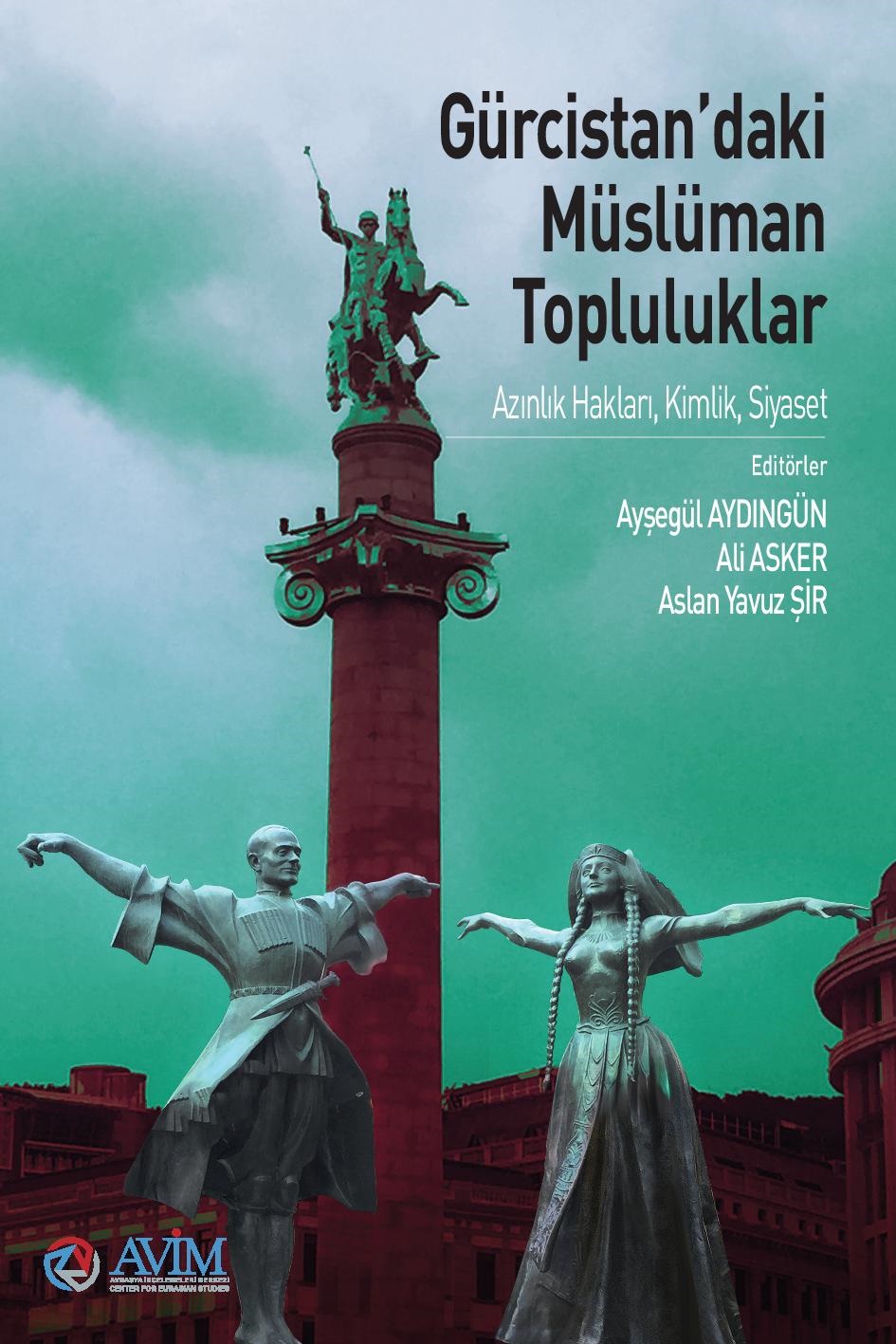
Gürcistan'daki Müslüman Topluluklar: Azınlık Hakları, Kimlik, Siyaset -
10.03.2016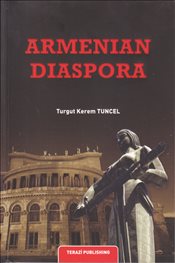
Armenian Diaspora: Diaspora, State and the Imagination of the Republic of Armenia -
24.01.2016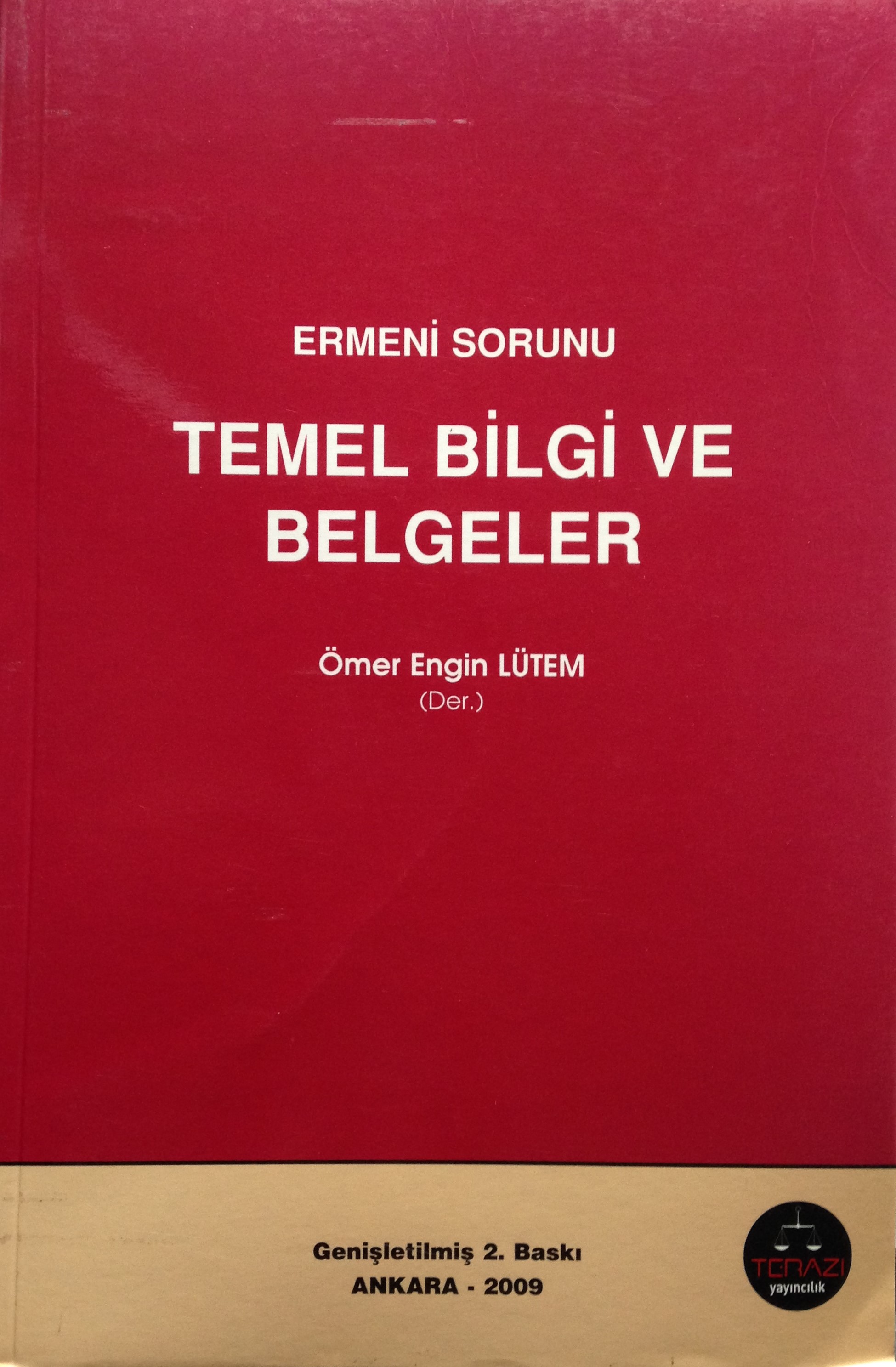
ERMENİ SORUNU - TEMEL BİLGİ VE BELGELER (2. BASKI)

-
AVİM Conference Hall 24.01.2023
CONFERENCE TITLED “HUNGARY’S PERSPECTIVES ON THE TURKIC WORLD"