

















EurActiv (21 February 2017)
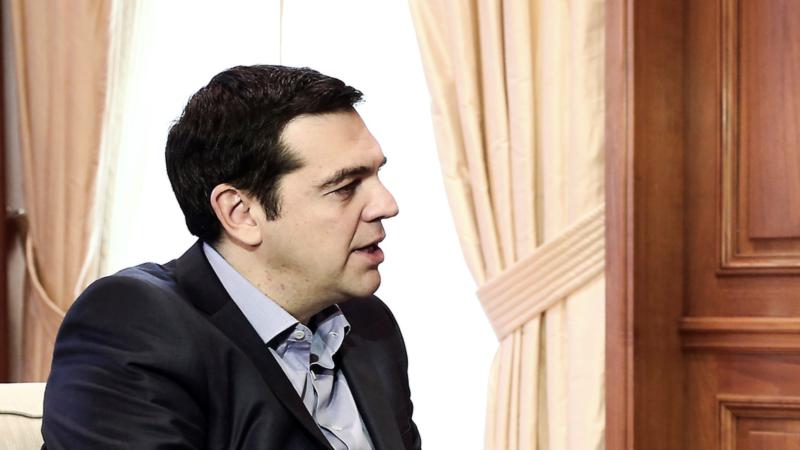
The Eurogroup took a small step on Monday (20 February) towards the completion of the second review of Greece’s €86 billion rescue programme, placing the emphasis on reforms over austerity to reduce the country’s huge debt pile.
Emphasis will be given on “deep” structural reforms to win back IMF support and convince Athens to adopt new measures to complete the bailout programme review.
But the progress made with the Greek government was enough to pave the way for the return of the institutions’ technical teams to Athens.
Both sides will negotiate a package of structural reforms of the tax system, pensions and the labour market, including the collective bargaining system, Eurogroup President Jeroen Dijsselbloem said after the meeting.
Given that the fiscal targets are “on track”, the emphasis now is on the reforms required to sustain the gains of the programme after its conclusion in 2018, he added.
Dijsselbloem said creditors are “moving away from austerity and focusing more on deep reforms, which was also a key criterion for the IMF”.
By adopting this “shift”, he expected to win the IMF’s approval to return to the programme, a key condition for various countries to continue lending to Greece, including Germany.
IMF cautious, calls for debt relief
But the limited progress made was underlined by the cautious statement issued by the IMF after the Eurogroup meeting.
“More progress will be needed to bridge differences on other important issues, and it is too early to speculate about the prospect for reaching staff level agreement during this mission,” a spokesperson said.
These reforms should not have any negative impact on the ailing country, as Prime Minister Alexis Tsipras warned in recent weeks that Greece will not accept more austerity.
The European Commission does not believe it is necessary either. Economic Affairs Commissioner Pierre Moscovici reiterated after the Eurogroup meeting that Greece “significantly overperformed” its fiscal targets.
If the fiscal surplus of at least 2% of GDP registered in 2016 is confirmed by Eurostat in April, the country will have not only reached its target for 2016 (0.5% of GDP) but also for 2017 (1.75% of GDP), the Commissioner explained.
The bone of contention continues to be the sustainability of the Greek economy in the medium-term. Europeans insist that the reforms already included in the programme, together with an improvement of the debt conditions, are enough to keep the Greek economy afloat.
But the IMF stressed from the outset of the third programme that some sort of debt relief is needed to ensure the sustainability of the country’s finances.
By agreeing on a set of additional reforms to improve the country’s economic performance, without increasing taxes or requiring further budget cuts, the lenders and Greece agreed on a way forward in the negotiation.
“If there is a will there is a way, and today we have seen clearly that the will is there,” Moscovici said.
Elections looming in Germany
Both sides want to reach an agreement as soon as possible given that the country must pay back €7 billion in July. The elections in The Netherlands (March), France (April and May) and Germany (September) will complicate the upcoming negotiations.
“I can tell from my experience that Greece is a topic you want to avoid in a campaign,” Slovak Finance Minister Peter Kazimir tweeted before the Eurogroup started.
Despite the difficulties in completing this second review, and the tense negotiations expected in Athens, eurozone ministers kept an upbeat tone.
“I don’t see signs of higher concern,” said Italy’s Minister of Economy and Finances, Pier Carlo Padoan. “I see and hope to see some sign of progress,” he told reporters in his way into the Eurogroup meeting.
“There is no risk of ‘Grexit’,” added his French colleague Michel Sapin, referring to a possible Greek exit from the eurozone.
*Photo: EurActiv
http://www.euractiv.com/section/all/news/greeces-lenders-shift-from-austerity-to-reforms/
No comments yet.
-
 RUSSIA'S ROSNEFT STARTS DRILLING IN IRAQ
Iraq
21.02.2017
RUSSIA'S ROSNEFT STARTS DRILLING IN IRAQ
Iraq
21.02.2017
- IRAN: “REFERENDUM” IN NAGORNO-KARABAKH UNACCEPTABLE The Caucasus and Turkish-Armenian Relations 21.02.2017
- AZERBAIJAN: NO COUNTRY OR INT’L ORGANIZATION SENT OBSERVATION MISSION FOR “REFERENDUM” IN KARABAKH The Caucasus and Turkish-Armenian Relations 21.02.2017
- DEFENSE SECRETARY MATTIS ARRIVES IN IRAQ AND MAKES CLEAR THE U.S. IS NOT THERE TO TAKE OIL Iraq 21.02.2017
- VP MIKE PENCE 'DISAPPOINTED' FLYNN MISLED HIM ON RUSSIA Asia - Pacific 21.02.2017
-
25.01.2016
THE ARMENIAN QUESTION - BASIC KNOWLEDGE AND DOCUMENTATION -
12.06.2024
THE TRUTH WILL OUT -
27.03.2023
RADİKAL ERMENİ UNSURLARCA GERÇEKLEŞTİRİLEN MEZALİMLER VE VANDALİZM -
17.03.2023
PATRIOTISM PERVERTED -
23.02.2023
MEN ARE LIKE THAT -
03.02.2023
BAKÜ-TİFLİS-CEYHAN BORU HATTININ YAŞANAN TARİHİ -
16.12.2022
INTERNATIONAL SCHOLARS ON THE EVENTS OF 1915 -
07.12.2022
FAKE PHOTOS AND THE ARMENIAN PROPAGANDA -
07.12.2022
ERMENİ PROPAGANDASI VE SAHTE RESİMLER -
01.01.2022
A Letter From Japan - Strategically Mum: The Silence of the Armenians -
01.01.2022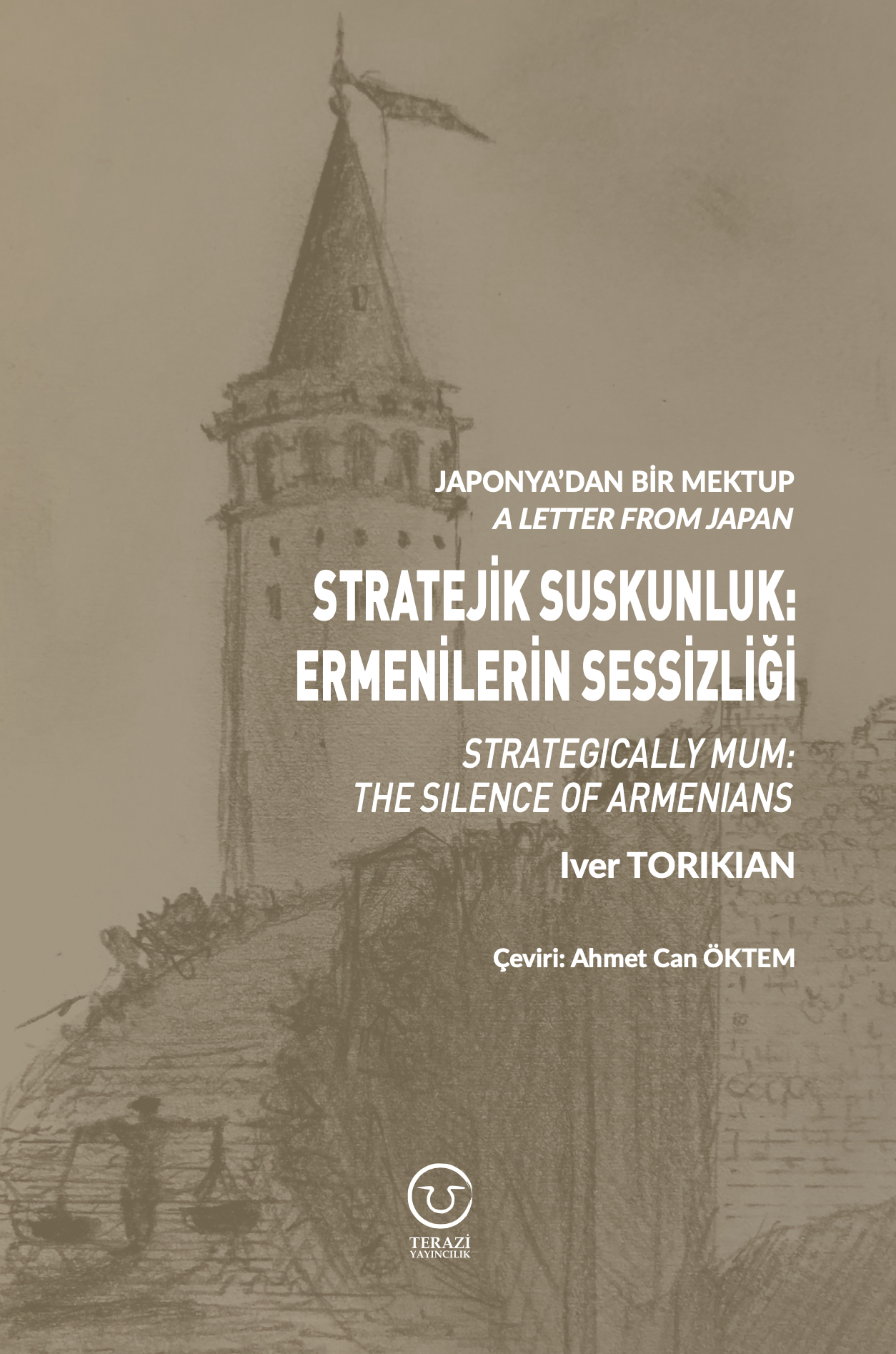
Japonya'dan Bir Mektup - Stratejik Suskunluk: Ermenilerin Sessizliği -
03.06.2020
Anastas Mikoyan: Confessions of an Armenian Bolshevik -
08.04.2020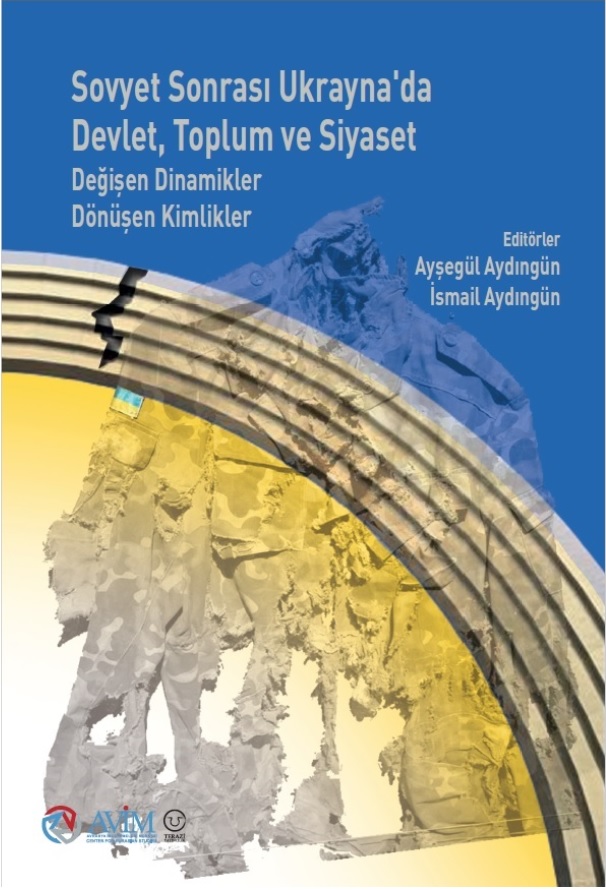
Sovyet Sonrası Ukrayna’da Devlet, Toplum ve Siyaset - Değişen Dinamikler, Dönüşen Kimlikler -
12.06.2018
Ermeni Sorunuyla İlgili İngiliz Belgeleri (1912-1923) - British Documents on Armenian Question (1912-1923) -
02.12.2016
Turkish-Russian Academics: A Historical Study on the Caucasus -
01.07.2016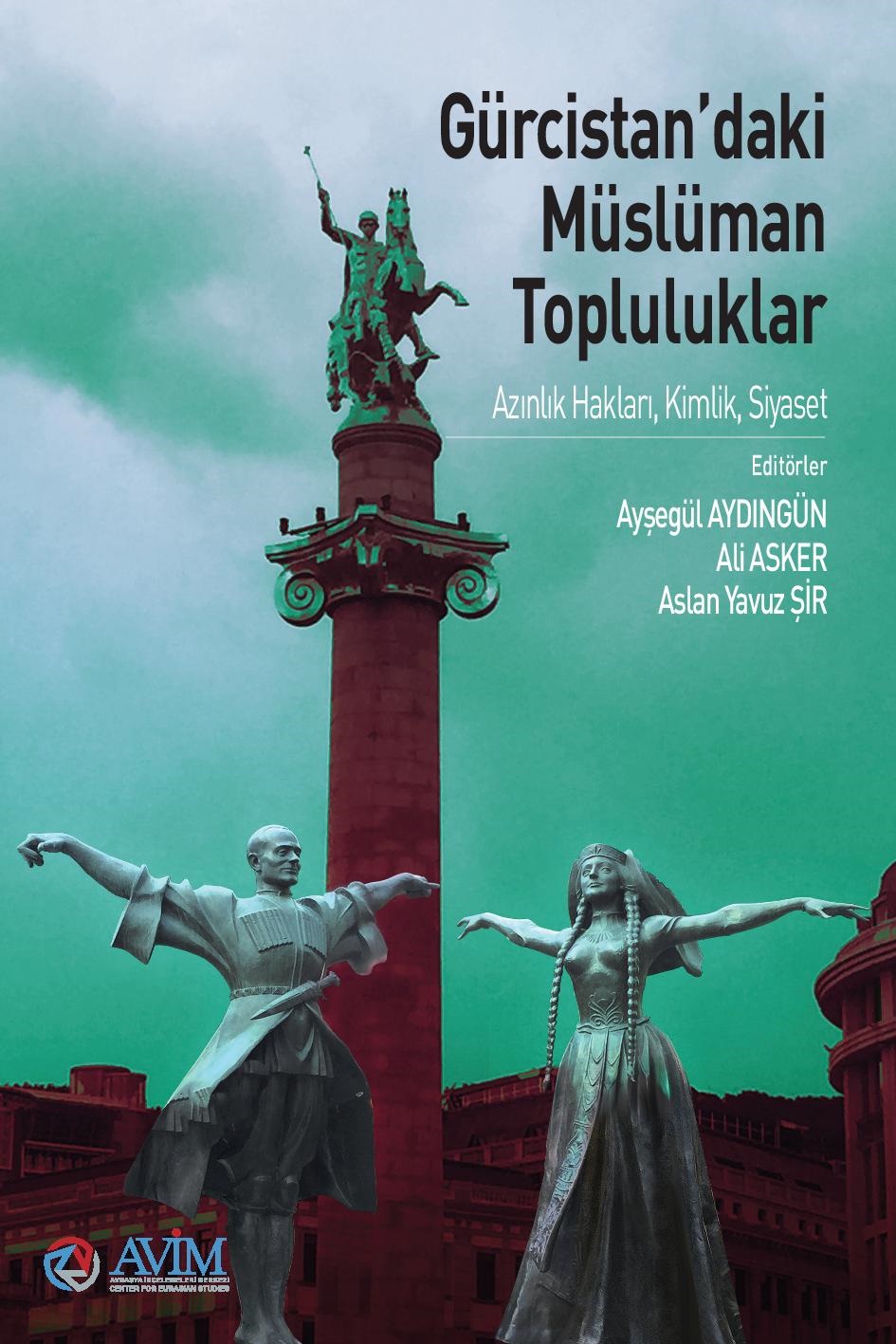
Gürcistan'daki Müslüman Topluluklar: Azınlık Hakları, Kimlik, Siyaset -
10.03.2016
Armenian Diaspora: Diaspora, State and the Imagination of the Republic of Armenia -
24.01.2016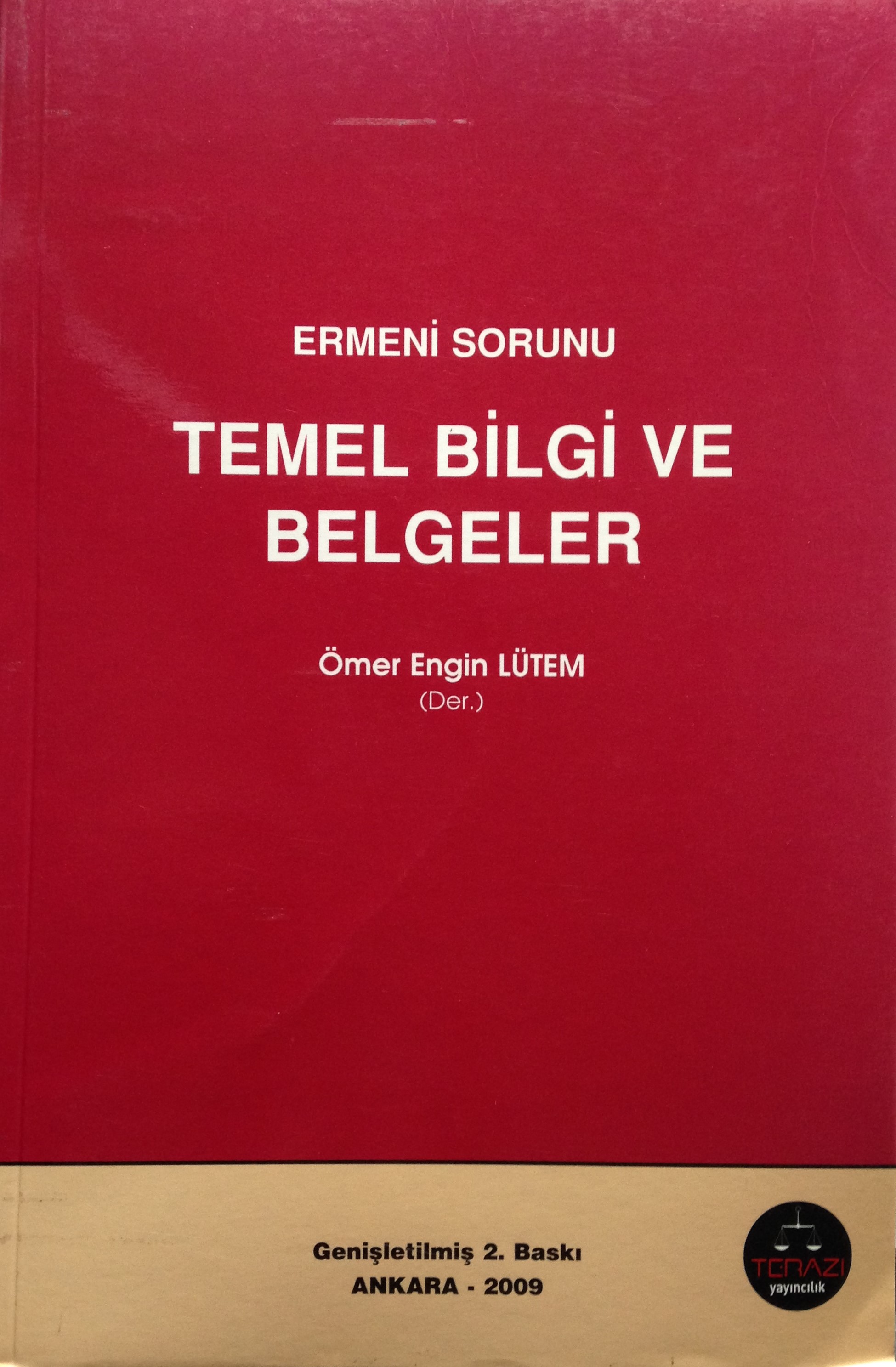
ERMENİ SORUNU - TEMEL BİLGİ VE BELGELER (2. BASKI)



-
AVİM Conference Hall 24.01.2023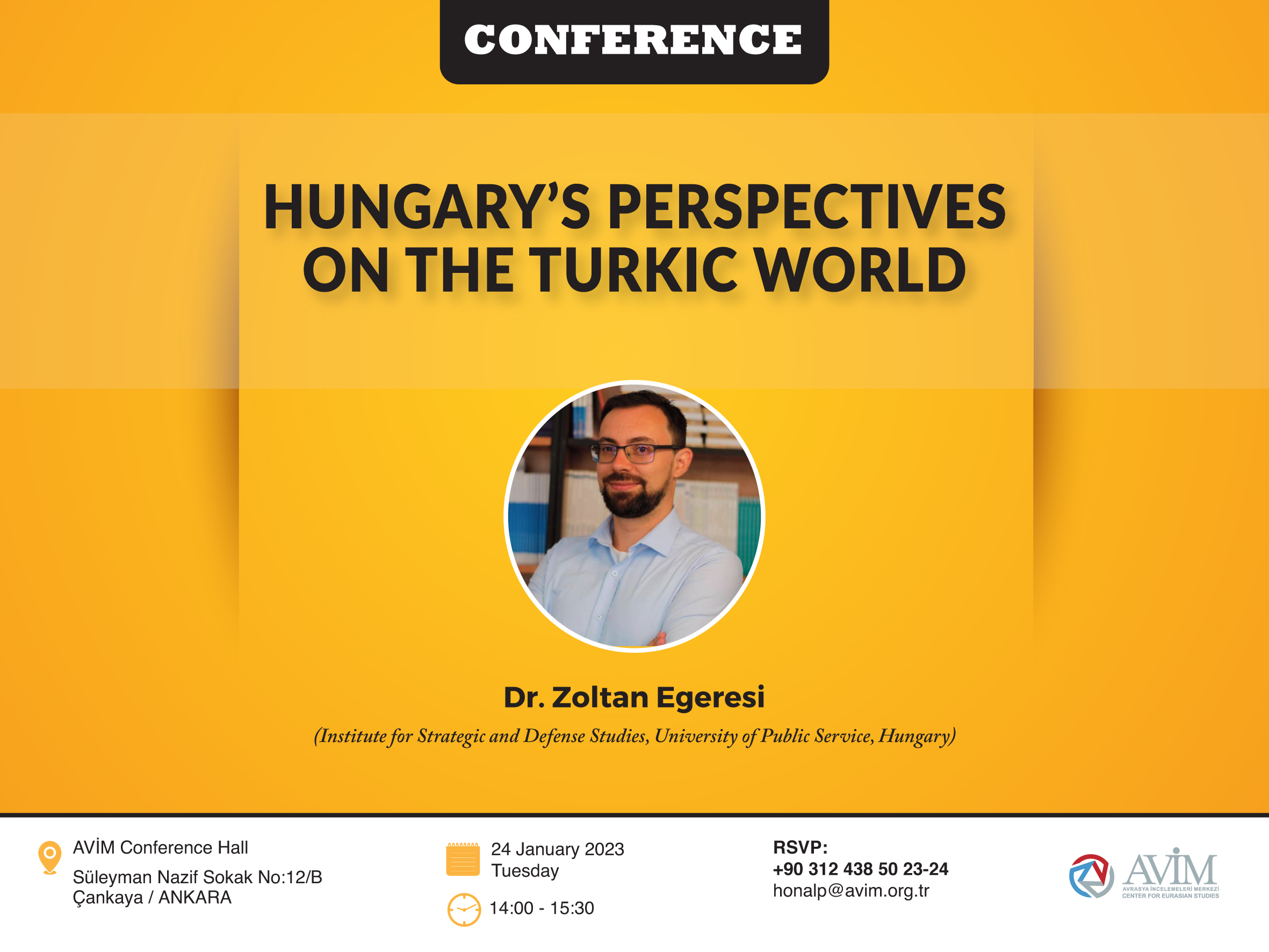
CONFERENCE TITLED “HUNGARY’S PERSPECTIVES ON THE TURKIC WORLD"