

















BBC (7 April 2017)
Eurozone finance ministers say they have agreed with Greece the main elements of a deal to unlock a delayed bailout payment.
Greece is now part way through its third eurozone bailout programme, worth up to 86bn euros (£74bn).
The programme has encountered repeated delays as the lenders monitor compliance with policy conditions.
Technical officials are expected to return to Athens soon to complete the negotiations.
The "in principle" deal, as European Economic Affairs Commissioner Pierre Moscovici called it, was agreed at a meeting of eurozone finance ministers in Malta.
The main elements in the latest agreement are commitments to reduce spending on pensions from 2019 and to collect more income tax from 2020 by lowering the tax-free threshold. Together the two measures are intended to improve the Greek government's finances by the equivalent of 2% of the country's economic activity, or GDP.
To sweeten a pill that will be unpopular in Greece, the other eurozone countries agreed that Athens would be able take other measures to stimulate the economy, if the government finances perform better than expected.
Dotting the i's
The next step is that technical experts from three European institutions and the IMF will return to Athens to try to negotiate the remaining details.
The Dutch Finance Minister, Jeroen Dijsselbloem, who chairs eurozone ministers' meetings, called for them to put the last dots on the i's and reach a full agreement as soon as possible at staff level - that's the staff of the institutions involved in monitoring the programme.
That is needed before there is political decision to make that delayed payment. Once there is a staff agreement, Mr Dijsselbloem said that the Eurogroup ministers would also look at the targets Greece would need to aim for in the government finances after the last bailout payments are made (due in 2018) and the question of debt sustainability - which means debt relief beyond what the eurozone has already provided.
Debt relief previously has been in the form of reduced interest rates and longer payment periods, rather than reducing the amount of the principal sum that must ultimately be repaid.
Further debt relief is likely to be in a similar form. Eurozone ministers have said it many times and it's politically more difficult for them with domestic political audiences if they were to explicitly write off a chunk of what they have lent.
Credibility
The International Monetary Fund has long argued that Greece needs more debt relief. That has been behind its reluctance to contribute financially to the third bailout. (It did chip in to the first two). Its involvement in the third so far is as an adviser and monitor of Greek performance.
The rest of the eurozone, but especially Germany, would like the IMF to put some money in. That's not so much for the sake of reducing the eurozone contribution as for the better credibility they think the programme would have if the IMF did stump up some money.
But IMF staff are so far unwilling to even recommend it to their board, which is made up of representatives of the agency's member countries.
After the Malta meeting, IMF spokesman Gerry Rice said: "We are at a point where we think there are good prospects for successfully concluding discussions on these outstanding policy issues during the next mission to Athens.
"Such an agreement on policies will have to be followed by discussions with euro-area countries to ensure satisfactory assurances on a credible strategy to restore debt sustainability, before a programme is presented to the IMF executive board."
The key deadline for the next instalment from the eurozone is July. Greece needs additional funds for debt payments that fall due.
In Athens, the Greek Prime Minister Alexis Tsipras said: "The Greek economy is ready to leave the crisis behind it."
But there is a lot of scepticism about that. Hugo Dixon of BreakingViews says that the current discussion will only buy Greece some more time, until mid-2018. Thereafter, he argues, Greece will probably need a fourth bailout.
No comments yet.
- STOP INSISTING ON ASSAD LEADERSHIP: TURKEY TO RUSSIA Asia - Pacific 10.04.2017
- UK DEFENCE MINISTER: RUSSIA RESPONSIBLE BY PROXY FOR SYRIA CHEMICAL DEATHS Asia - Pacific 10.04.2017
- IRAQ FORCES FOIL DOUBLE CAR BOMB ATTACK AT SYRIA BORDER Iraq 10.04.2017
- 'PULSE OF EUROPE' RALLIES CONVERGE ACROSS GERMANY AND EU FOR AN UNITED EUROPE Europe - EU 10.04.2017
- PRESIDENT RUMEN RADEV: GEOPOLITICAL SECURITY ENVIRONMENT IS VERY VOLATILE The Balkans 10.04.2017
-
25.01.2016
THE ARMENIAN QUESTION - BASIC KNOWLEDGE AND DOCUMENTATION -
12.06.2024
THE TRUTH WILL OUT -
27.03.2023
RADİKAL ERMENİ UNSURLARCA GERÇEKLEŞTİRİLEN MEZALİMLER VE VANDALİZM -
17.03.2023
PATRIOTISM PERVERTED -
23.02.2023
MEN ARE LIKE THAT -
03.02.2023
BAKÜ-TİFLİS-CEYHAN BORU HATTININ YAŞANAN TARİHİ -
16.12.2022
INTERNATIONAL SCHOLARS ON THE EVENTS OF 1915 -
07.12.2022
FAKE PHOTOS AND THE ARMENIAN PROPAGANDA -
07.12.2022
ERMENİ PROPAGANDASI VE SAHTE RESİMLER -
01.01.2022
A Letter From Japan - Strategically Mum: The Silence of the Armenians -
01.01.2022
Japonya'dan Bir Mektup - Stratejik Suskunluk: Ermenilerin Sessizliği -
03.06.2020
Anastas Mikoyan: Confessions of an Armenian Bolshevik -
08.04.2020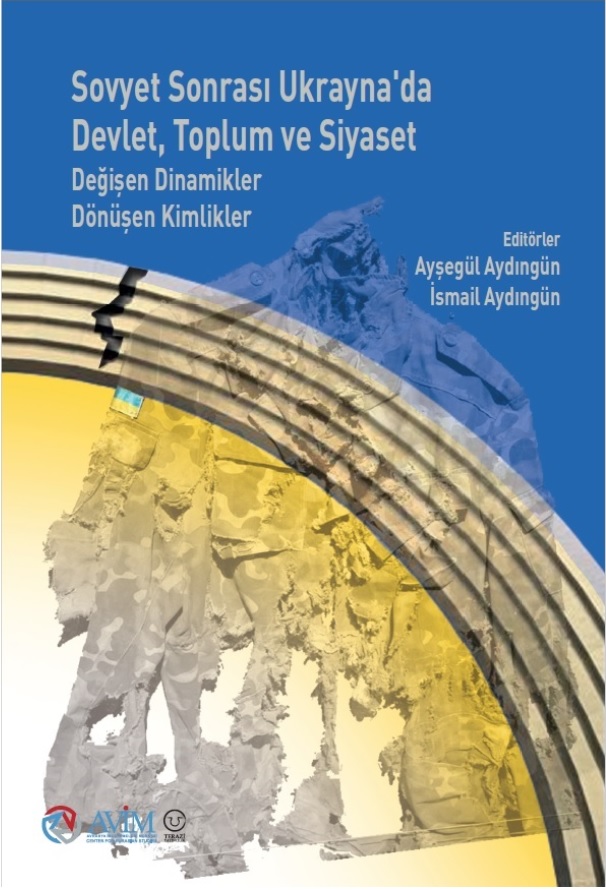
Sovyet Sonrası Ukrayna’da Devlet, Toplum ve Siyaset - Değişen Dinamikler, Dönüşen Kimlikler -
12.06.2018
Ermeni Sorunuyla İlgili İngiliz Belgeleri (1912-1923) - British Documents on Armenian Question (1912-1923) -
02.12.2016
Turkish-Russian Academics: A Historical Study on the Caucasus -
01.07.2016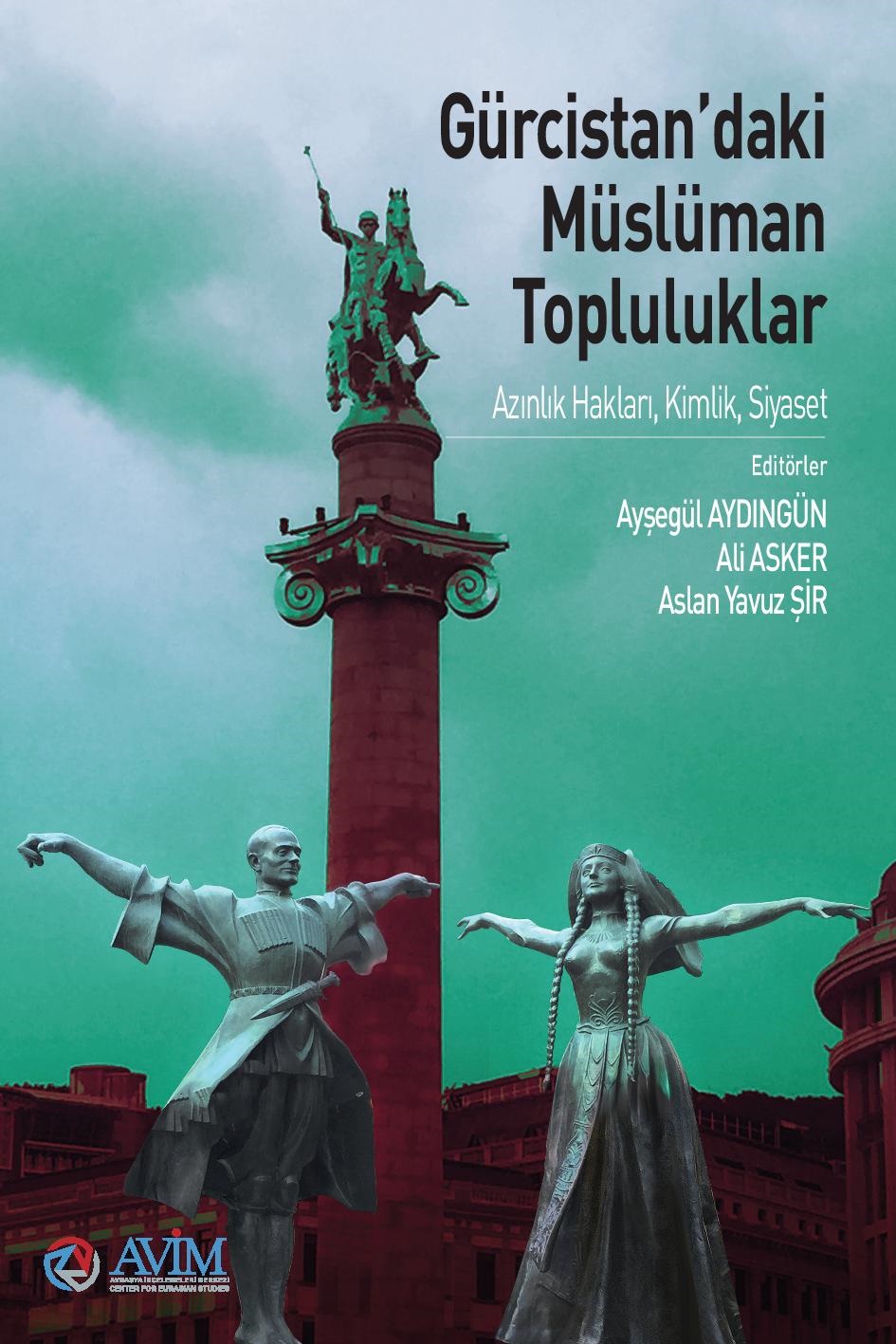
Gürcistan'daki Müslüman Topluluklar: Azınlık Hakları, Kimlik, Siyaset -
10.03.2016
Armenian Diaspora: Diaspora, State and the Imagination of the Republic of Armenia -
24.01.2016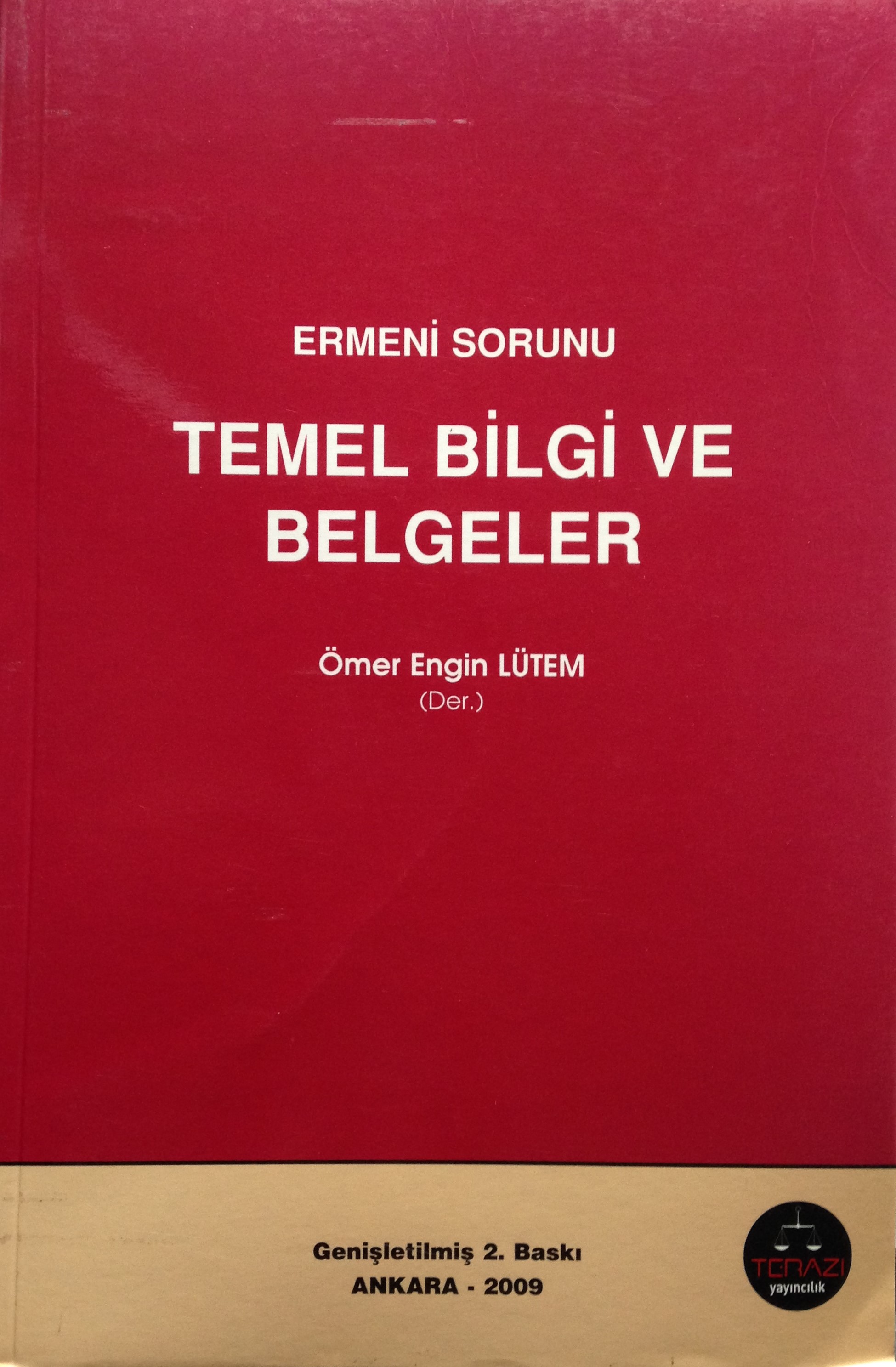
ERMENİ SORUNU - TEMEL BİLGİ VE BELGELER (2. BASKI)



-
AVİM Conference Hall 24.01.2023
CONFERENCE TITLED “HUNGARY’S PERSPECTIVES ON THE TURKIC WORLD"