

















12.10.2016
DW.de
Angela Merkel's cabinet has rubberstamped a new welfare plan that will make it harder for EU migrants to claim unemployment benefits in Germany. Opposition parties call it a betrayal of the European Union's ideals.
German Labor Minister Andrea Nahles' social welfare plans created a rare moment of accord between the center-left and center-right wings of Chancellor Angela Merkel's coalition on Wednesday.
Even before the cabinet rubberstamped the Social Democratic Party (SPD) minister's draft law, which will limit European Union immigrants' access to Germany's social welfare system, the Christian Social Union (CSU) was trumpeting its support.
"It's the right path, that Mrs. Nahles is now closing the loophole for uncontrolled immigration into our social systems that was opened by the Federal Social Court," the Bavarian Social Affairs Minister Emilia Müller said in the morning - though she couldn't resist voicing a minor niggle: "Bavaria," she added, would have preferred it if the waiting period had been five years of "legal status" in Germany, not just residing in Germany for five years.
Five-year plan
Indeed, Nahles' bill is stricter than might have been expected from a Social Democrat. The new measure stems from a legal uncertainty created when the Federal Social Court last year contradicted the European Court of Justice by ruling that non-German EU citizens had a right to basic unemployment benefits in Germany after six months in the country, regardless of their legal status.
Nahles' new law will make sure that EU immigrants cannot claim "Hartz IV" until they've been living in Germany for five years - before that deadline, the home country is responsible for paying their benefits. It also states that anyone who has only travelled to Germany for the sole purpose of looking for work will have no access to benefits.
Other measures in the new bill include a bridging benefit that will allow EU immigrants with no income a month's worth of rent and food money while they organize their return home, as well as a loan for their travelling expenses.
"With this clarification, we are strengthening the European idea and one of its biggest achievements: the free movement of workers," Nahles said in a statement. But, as she then added, another main reason for the new bill was to lighten the Hartz IV bills for local councils.
Cost-cutting?
But critics and opposition politicians were keen to point out the potential constitutional minefield that Nahles was treading. "The Basic Law makes clear: people who are living in Germany and whose loss of the right of residence has not been bindingly established have the right to a secure, humane existence, regardless of their nationality," Annelie Buntenbach of the German Trade Union Confederation (DGB) said in a statement. "As so often, the people who have to suffer are those who already live in difficult circumstances - now [the government] wants to sit and watch until their poverty has set in before they can claim access to their basic rights."
According to Germany's Federal Labor Agency, 440,000 non-German EU nationals received social welfare in January this year - topping the list were Polish nationals with around 92,000 recipients, followed by Italians (71,000), Bulgarians (70,000), Romanians (57,000) and Greeks (46,000). They represent around a tenth of the 4.1 million EU immigrants living in Germany, and similarly a tenth of the total 4.3 million Hartz IV recipients in Germany.
Germany's local councils apparently believe that the country's social welfare system is too much of a temptation. "The current regulations and the ruling by the Federal Social Court could make Germany even more attractive to potential immigrants than it already is," said Gerd Landsberg, head of the association of German councils and cities (DStGB).
But for the Left party's labor market spokeswoman Sabine Zimmermann, the above figures belie Nahles' claim that the authorities are overburdened by the cost. "Most of the people who come to us from the European Union want to work here," she told DW. "And it's far too few [people claiming Hartz IV] to say that's why the councils are overburdened. That's just a pretext."
The real reason for this new measure, according to the Left party, is that the government, spooked by recent electoral results of the Alternative for Germany (AfD), is pandering to rising anti-immigrant sentiment.
The crux of the matter, to Zimmermann, is the contradiction of allowing free movement of workers in Europe to benefit the common labor market, without offering a common social safety net.
"I think that's wrong," said Zimmermann. "We can't just make an economic union; we have to make a social union too. Businesses are allowed to go all over Europe without worrying about borders, and we have freedom of movement for employees - if you want that, then you have to allow a certain social safety net across borders as well."
No comments yet.
- US SUPPORTS IRAQI TERRITORIAL INTEGRITY Iraq 13.10.2016
- GIBRALTAR WANTS SPECIAL ARRANGEMENT IN BREXIT TREATY Europe - EU 13.10.2016
- HILLARY CLINTON ADVISER SUGGESTS RUSSIA COULD HAVE COORDINATED WITH DONALD TRUMP'S CAMPAIGN OVER EMAIL HACK Asia - Pacific 13.10.2016
- HOLLANDE CRITICISES HUGE US FINES FOR EUROPEAN COMPANIES Europe - EU 13.10.2016
- A JOURNEY OF ACTIVISM: GARO PAYLAN’S QUEST FOR JUSTICE The Caucasus and Turkish-Armenian Relations 13.10.2016
-
25.01.2016
THE ARMENIAN QUESTION - BASIC KNOWLEDGE AND DOCUMENTATION -
12.06.2024
THE TRUTH WILL OUT -
27.03.2023
RADİKAL ERMENİ UNSURLARCA GERÇEKLEŞTİRİLEN MEZALİMLER VE VANDALİZM -
17.03.2023
PATRIOTISM PERVERTED -
23.02.2023
MEN ARE LIKE THAT -
03.02.2023
BAKÜ-TİFLİS-CEYHAN BORU HATTININ YAŞANAN TARİHİ -
16.12.2022
INTERNATIONAL SCHOLARS ON THE EVENTS OF 1915 -
07.12.2022
FAKE PHOTOS AND THE ARMENIAN PROPAGANDA -
07.12.2022
ERMENİ PROPAGANDASI VE SAHTE RESİMLER -
01.01.2022
A Letter From Japan - Strategically Mum: The Silence of the Armenians -
01.01.2022
Japonya'dan Bir Mektup - Stratejik Suskunluk: Ermenilerin Sessizliği -
03.06.2020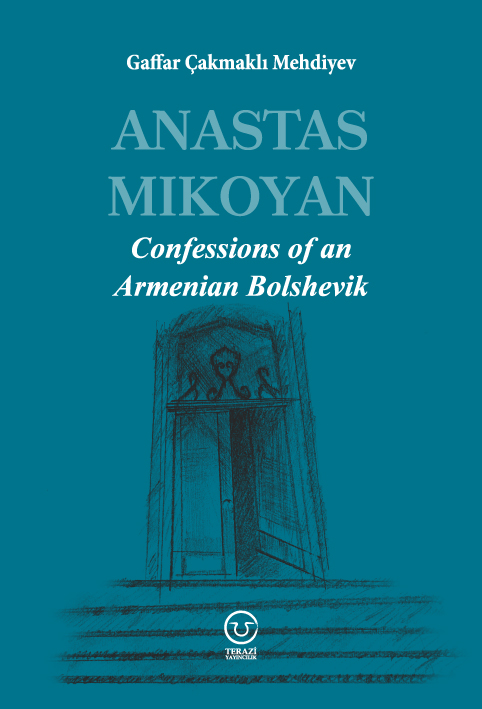
Anastas Mikoyan: Confessions of an Armenian Bolshevik -
08.04.2020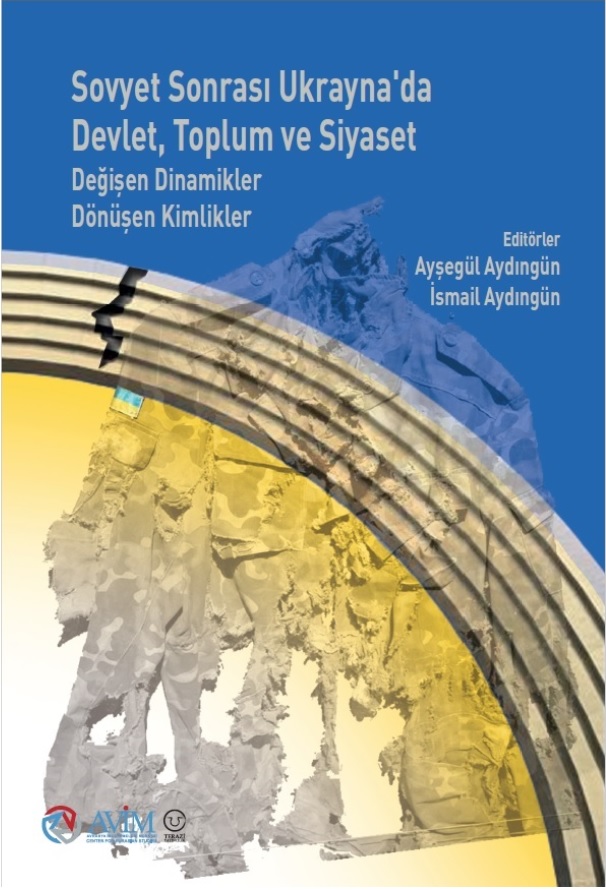
Sovyet Sonrası Ukrayna’da Devlet, Toplum ve Siyaset - Değişen Dinamikler, Dönüşen Kimlikler -
12.06.2018
Ermeni Sorunuyla İlgili İngiliz Belgeleri (1912-1923) - British Documents on Armenian Question (1912-1923) -
02.12.2016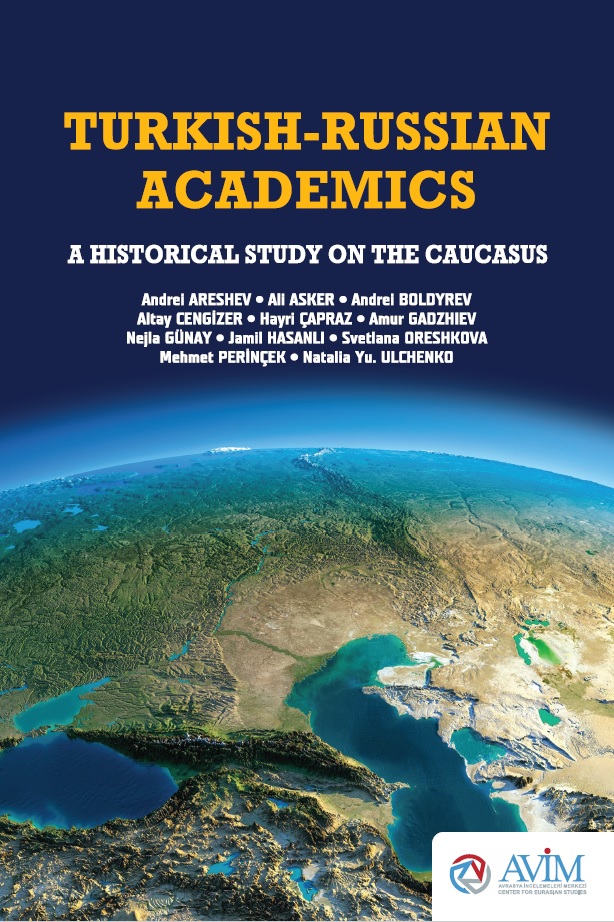
Turkish-Russian Academics: A Historical Study on the Caucasus -
01.07.2016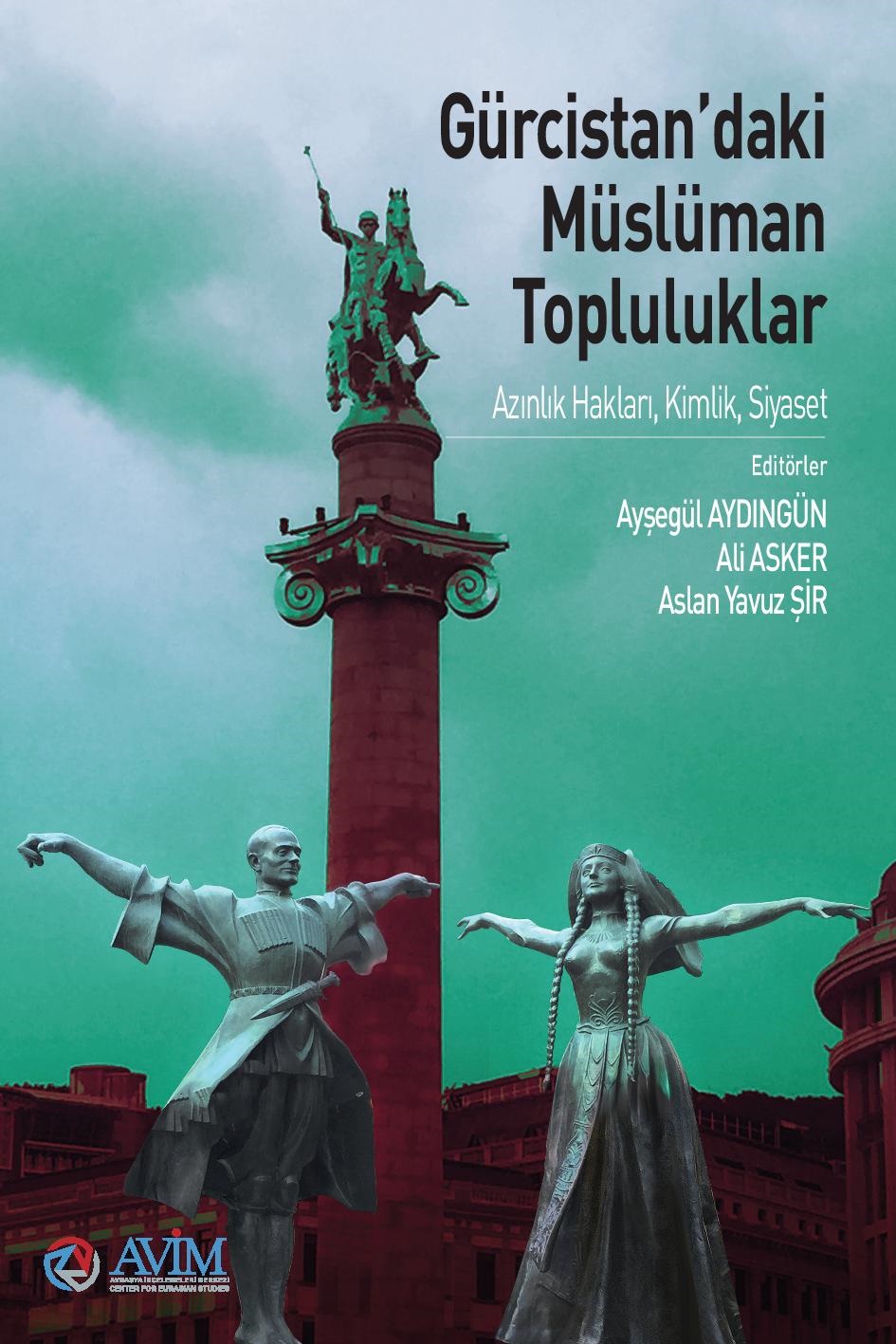
Gürcistan'daki Müslüman Topluluklar: Azınlık Hakları, Kimlik, Siyaset -
10.03.2016
Armenian Diaspora: Diaspora, State and the Imagination of the Republic of Armenia -
24.01.2016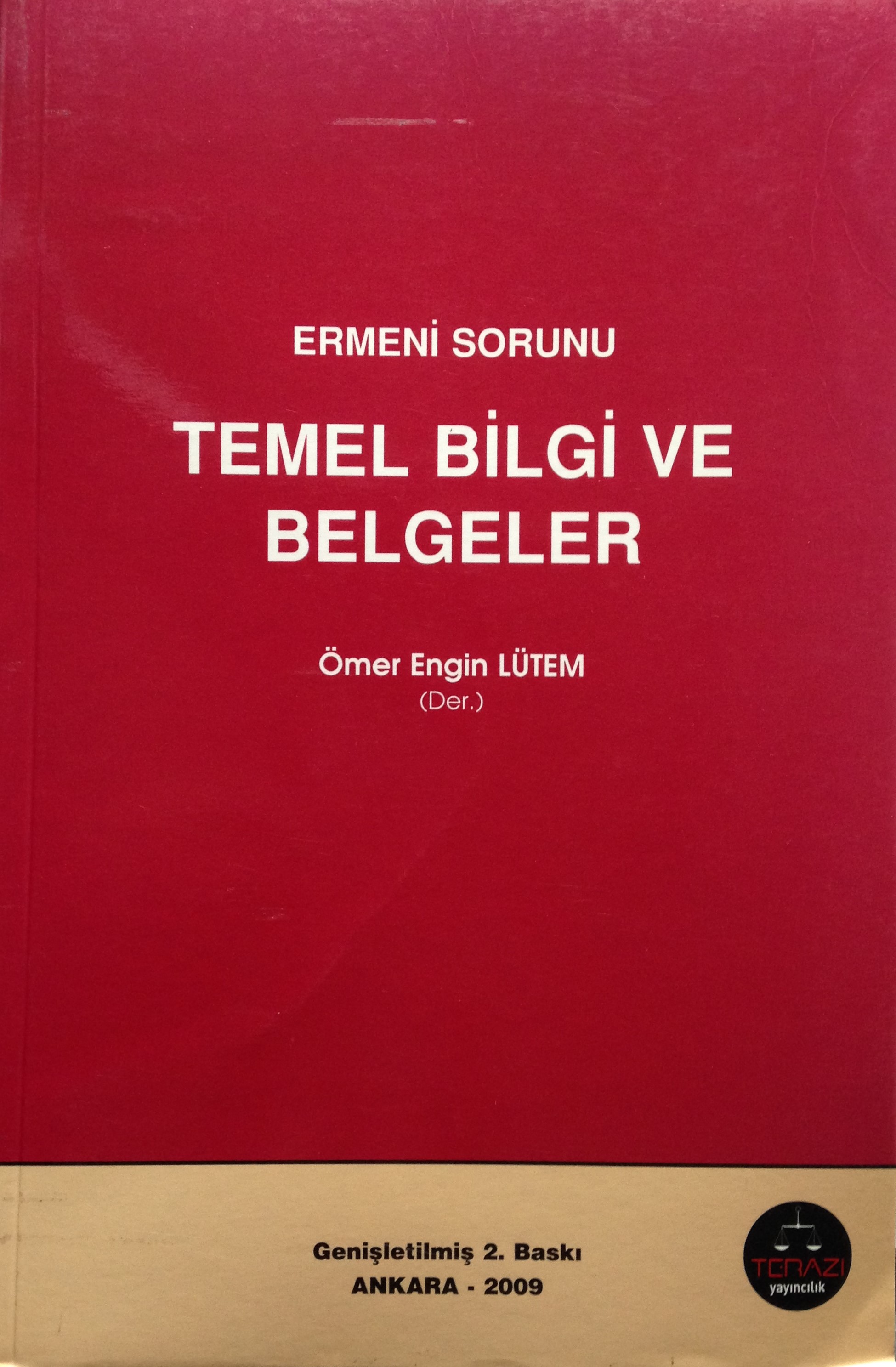
ERMENİ SORUNU - TEMEL BİLGİ VE BELGELER (2. BASKI)

-
AVİM Conference Hall 24.01.2023
CONFERENCE TITLED “HUNGARY’S PERSPECTIVES ON THE TURKIC WORLD"