















EU Observer (28 May 2018)
EU finance ministers cleared the way on Friday (25 May) for their leaders to move forwards on the deepening of the eurozone.
At a meeting in Brussels, and after late-night discussions to convince the most reluctant countries - like the Netherlands - they agreed on a package to reduce risks in the banking system.
Under the new rules, which now need to be agreed with the European Parliament, eurozone banks will apply international standards on prudential requirements and a common EU process for recovery and resolution in case of crisis.
The package of various technical measures is referred to as a risk-reduction plan - as opposed to risk-sharing, which is the part of a eurozone reform that would strengthen common instruments to help countries in case of crisis.
The need, under pressure from countries led by Germany, to first increase the eurozone's risk-reduction capacities has been the main obstacle so far to reform plans, in particular those pushed by French president Emmanuel Macron.
'Good for savers'
Friday's package is "a good, strong and fair package", French finance minister Bruno Le Maire said after the meeting.
Speaking alongside his German counterpart Olaf Scholz, Le Maire insisted that the package will "make the European banking sector strongest in the world."
Addressing German public opinion concerns, he reassured that the measures would "reduce the chance that taxpayers or guarantee schemes will ever need to step in."
"It's good for savers. It paves the way to deepening the economic and monetary union. It's the political momentum we needed," he said.
The French and German ministers held long discussions over the last week in order to come up with a compromise that would be endorsed by their colleagues and unblock wider discussions over the whole reform of the eurozone.
The compromise was endorsed by all countries except Italy, whose government is in its final days, and Greece.
"Everyone was equally dissatisfied, but agreed that it was best way to go forward," noted Bulgaria's Vadislav Goranov, who chaired the meeting.
Le Maire and Scholz said that they will now prepare a Franco-German proposal on the eurozone that Macron and German chancellor Angela Merkel will present for the next EU summit at the end of June.
Macron and Merkel had first promised the proposal for March, before Merkel's political difficulties at home hardened Germany's position towards the French ambitions.
"Anyone who is waiting for the next step can be absolutely sure that it will take place. As we already announced, we think it should be successful before summer," Scholz said on Friday.
At the centre of the next discussions will be the establishment of a so-called common backstop to save failing banks through the European Stability Mechanism, the eurozone's emergency fund.
New dynamic
Friday's agreement will also help start talks over a European deposit insurance scheme. Germany has been until now reluctant, by fear of being obliged to give money to save other countries' financial systems.
"A new dynamic is taking place," Scholz noted, signaling the lifting of German obstacles.
Differences remain between France and Germany, however, over issues like fiscal capacities for the eurozone or the need for public investment at EU level.
While a Franco-German will be decisive in unblocking the discussions, other countries insist that they too will have to have their say.
"We don't know the details or the consequences of their discussions," an EU diplomat said. "France-German compromises often come to a result that is satisfying for these countries, but not to others."
No comments yet.
-
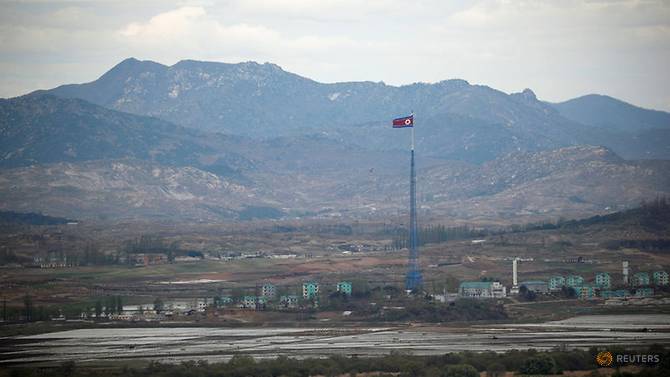 JAPAN REPORTS SUSPECTED NORTH KOREA SANCTIONS BREACH
Asia - Pacific
29.05.2018
JAPAN REPORTS SUSPECTED NORTH KOREA SANCTIONS BREACH
Asia - Pacific
29.05.2018
- QINGDAO SUMMIT TO BECOME NEW MILESTONE IN SCO DEVELOPMENT — CHINESE FM Asia - Pacific 29.05.2018
-
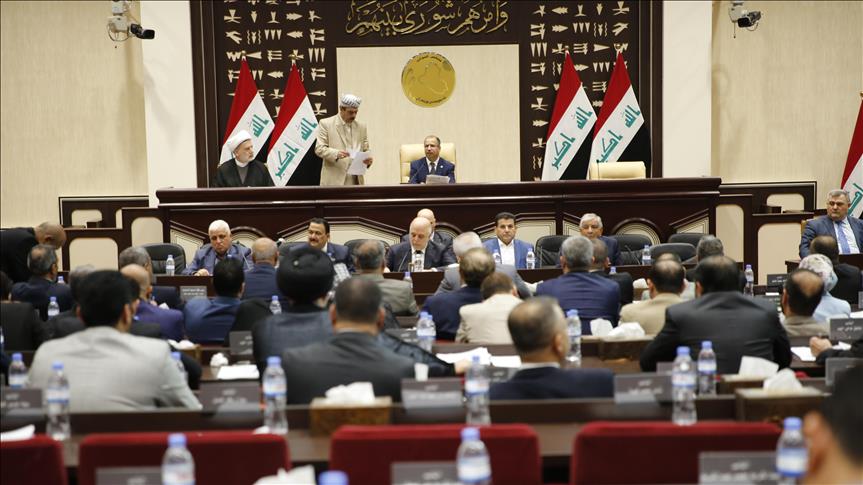 IRAQI PARLIAMENT CANCELS RESULT OF EXPAT VOTES
Iraq
29.05.2018
IRAQI PARLIAMENT CANCELS RESULT OF EXPAT VOTES
Iraq
29.05.2018
- UN SECURITY COUNCIL TO HOLD SESSION WEDNESDAY ON IRAQ SITUATION Iraq 29.05.2018
-
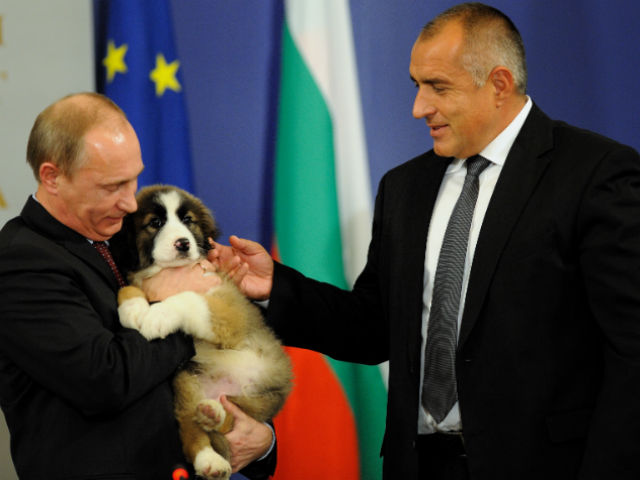 ENERGY TO DOMINATE BULGARIA’S PM TALKS WITH PUTIN
The Balkans
29.05.2018
ENERGY TO DOMINATE BULGARIA’S PM TALKS WITH PUTIN
The Balkans
29.05.2018
-
25.01.2016
THE ARMENIAN QUESTION - BASIC KNOWLEDGE AND DOCUMENTATION -
12.06.2024
THE TRUTH WILL OUT -
27.03.2023
RADİKAL ERMENİ UNSURLARCA GERÇEKLEŞTİRİLEN MEZALİMLER VE VANDALİZM -
17.03.2023
PATRIOTISM PERVERTED -
23.02.2023
MEN ARE LIKE THAT -
03.02.2023
BAKÜ-TİFLİS-CEYHAN BORU HATTININ YAŞANAN TARİHİ -
16.12.2022
INTERNATIONAL SCHOLARS ON THE EVENTS OF 1915 -
07.12.2022
FAKE PHOTOS AND THE ARMENIAN PROPAGANDA -
07.12.2022
ERMENİ PROPAGANDASI VE SAHTE RESİMLER -
01.01.2022
A Letter From Japan - Strategically Mum: The Silence of the Armenians -
01.01.2022
Japonya'dan Bir Mektup - Stratejik Suskunluk: Ermenilerin Sessizliği -
03.06.2020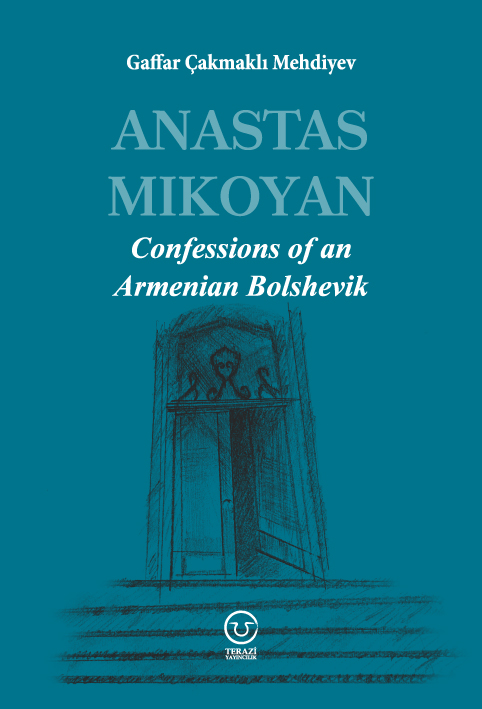
Anastas Mikoyan: Confessions of an Armenian Bolshevik -
08.04.2020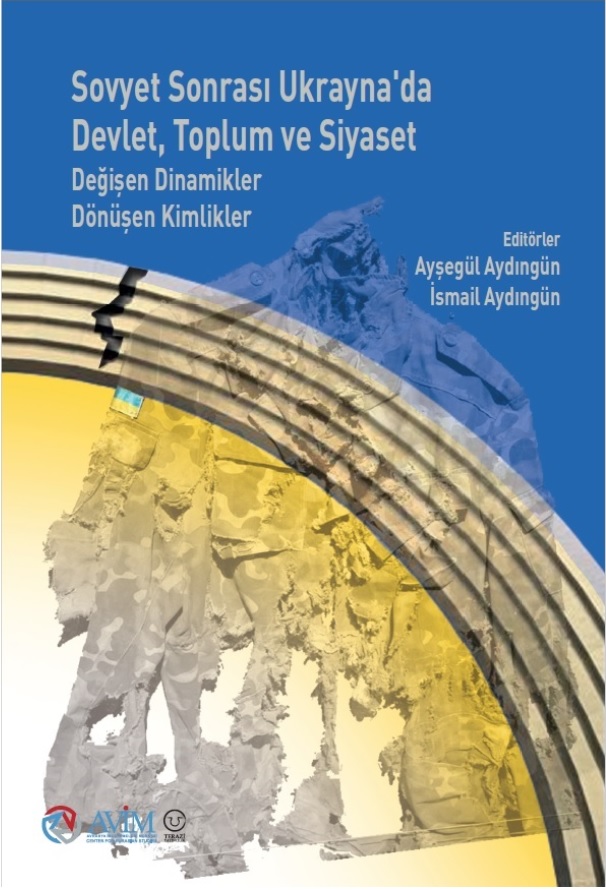
Sovyet Sonrası Ukrayna’da Devlet, Toplum ve Siyaset - Değişen Dinamikler, Dönüşen Kimlikler -
12.06.2018
Ermeni Sorunuyla İlgili İngiliz Belgeleri (1912-1923) - British Documents on Armenian Question (1912-1923) -
02.12.2016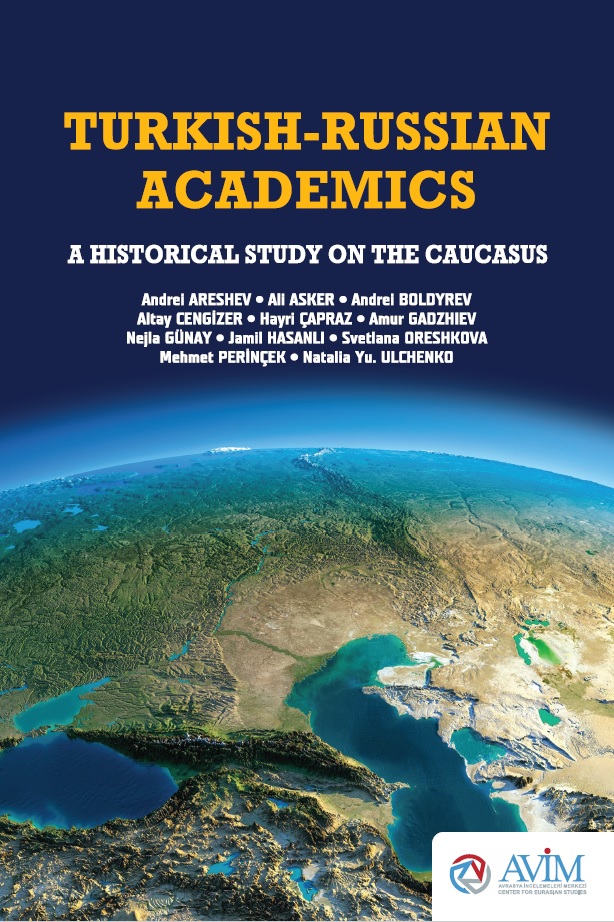
Turkish-Russian Academics: A Historical Study on the Caucasus -
01.07.2016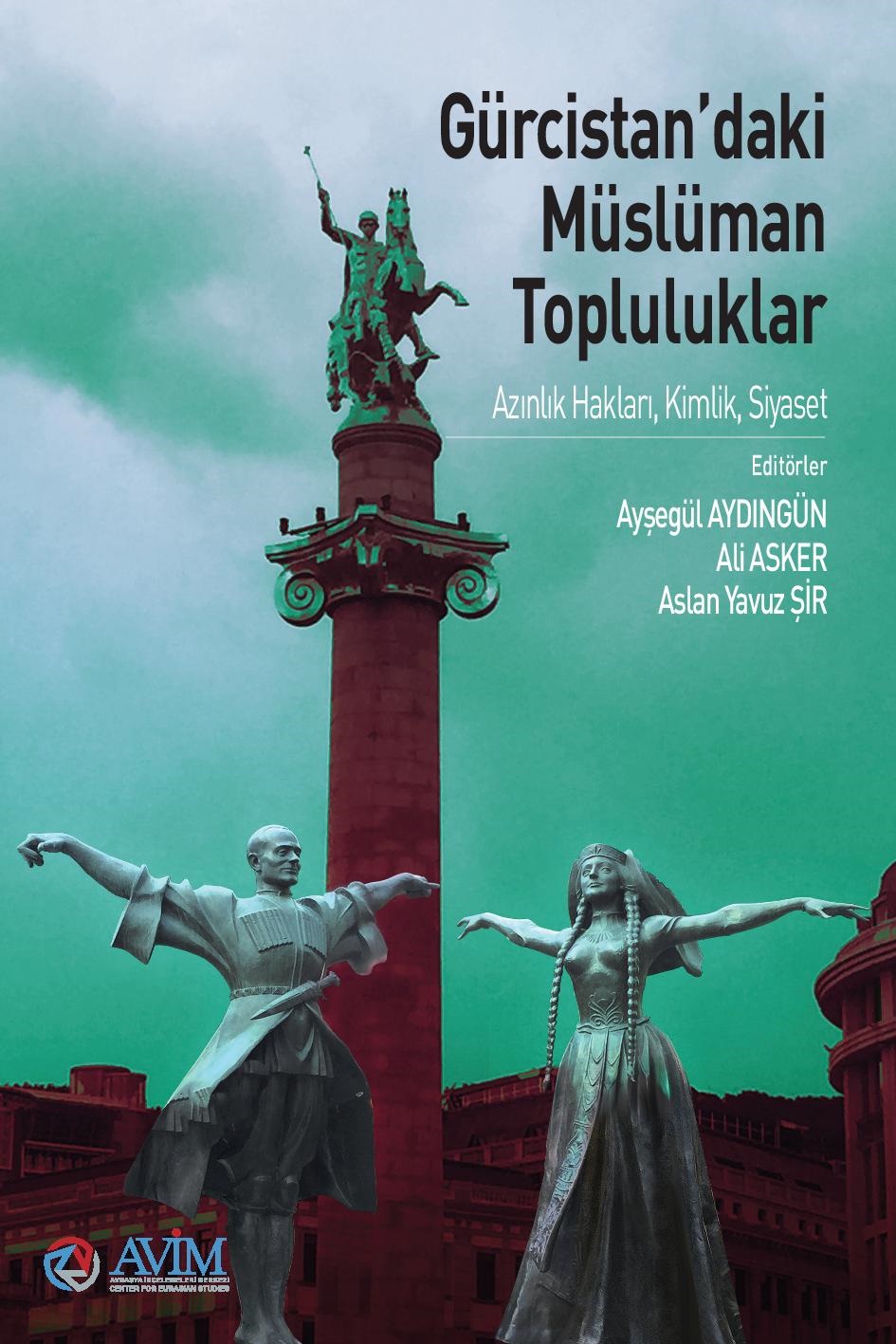
Gürcistan'daki Müslüman Topluluklar: Azınlık Hakları, Kimlik, Siyaset -
10.03.2016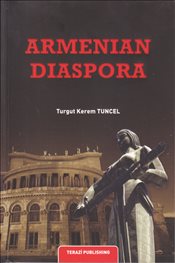
Armenian Diaspora: Diaspora, State and the Imagination of the Republic of Armenia -
24.01.2016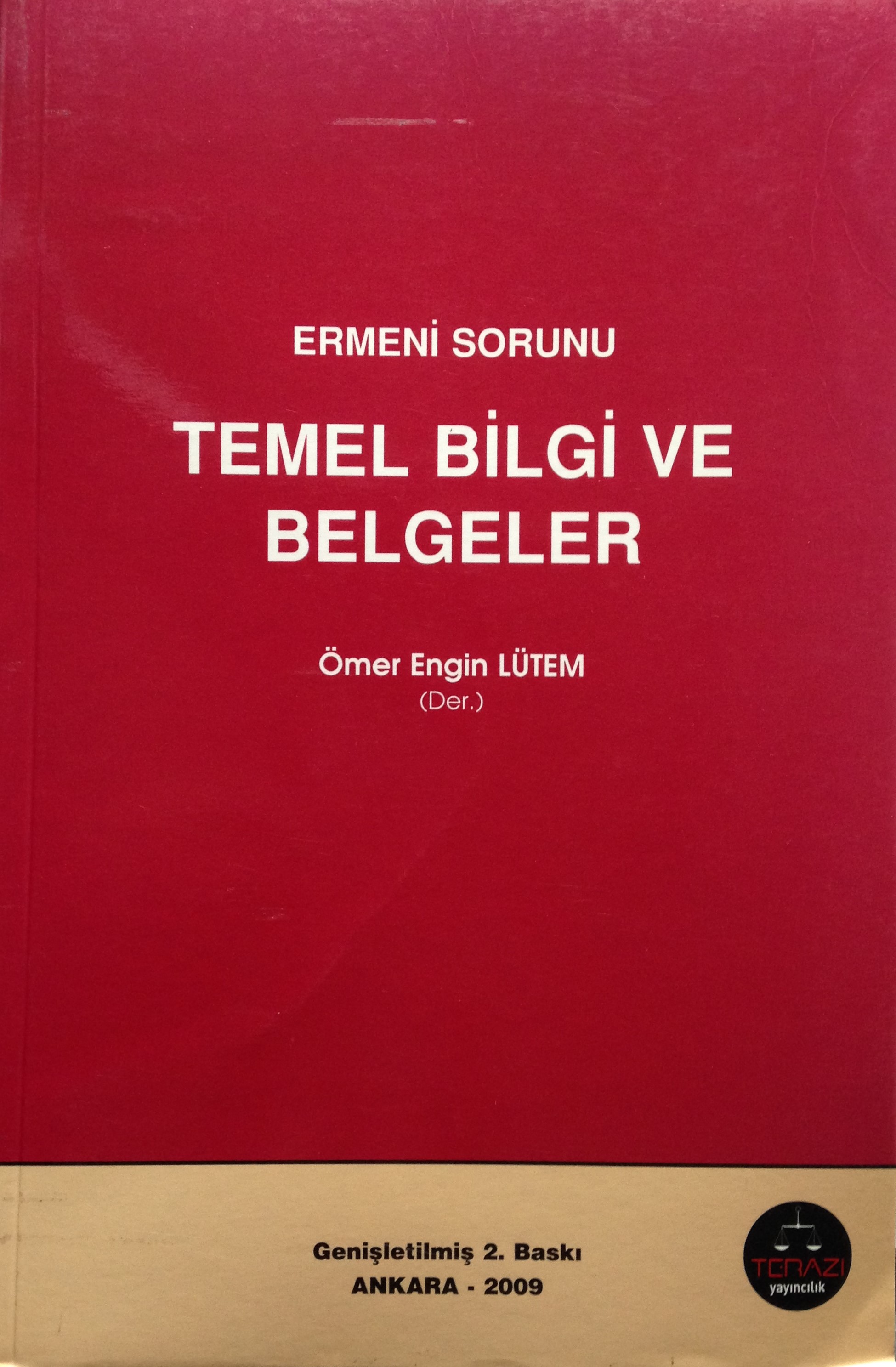
ERMENİ SORUNU - TEMEL BİLGİ VE BELGELER (2. BASKI)
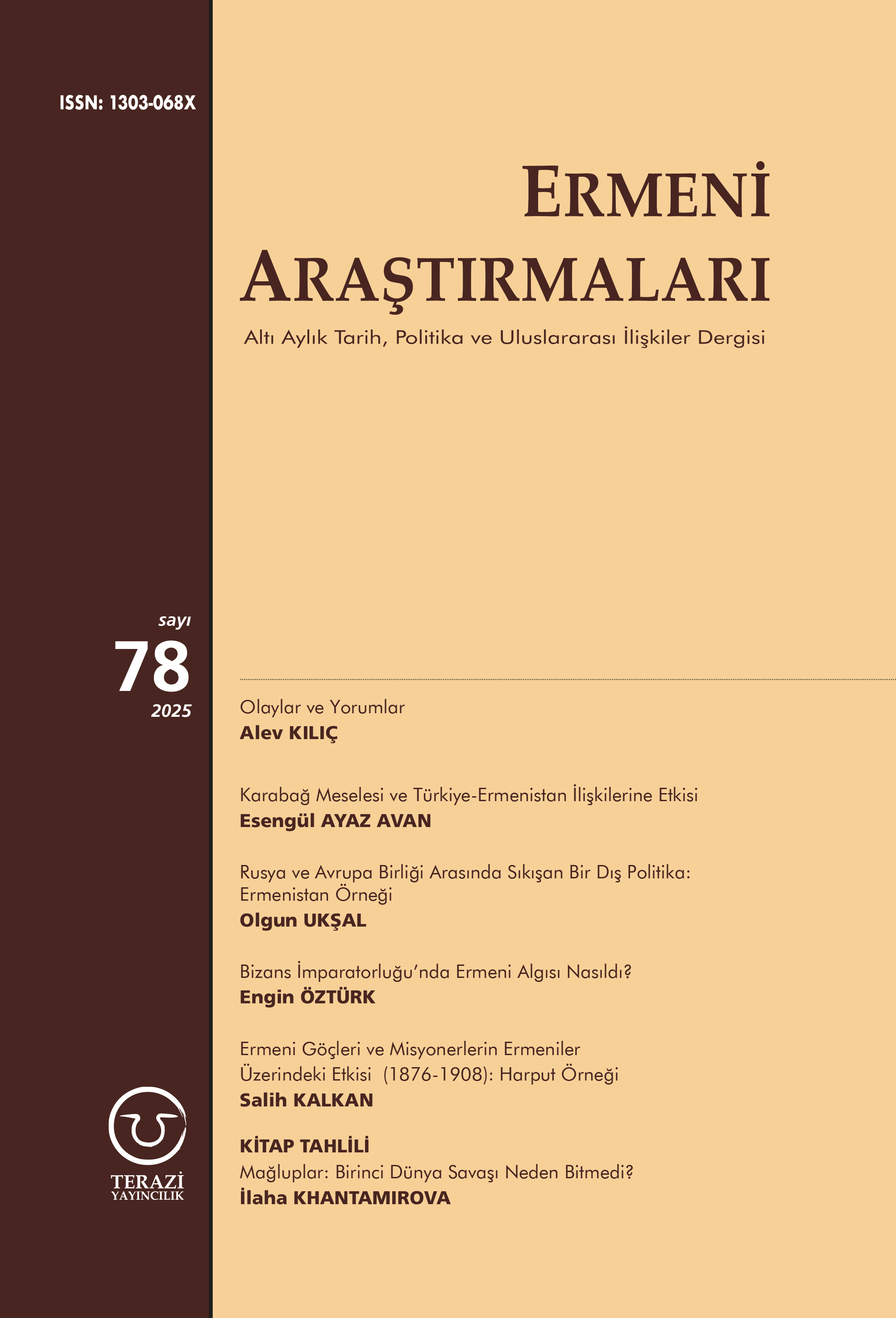
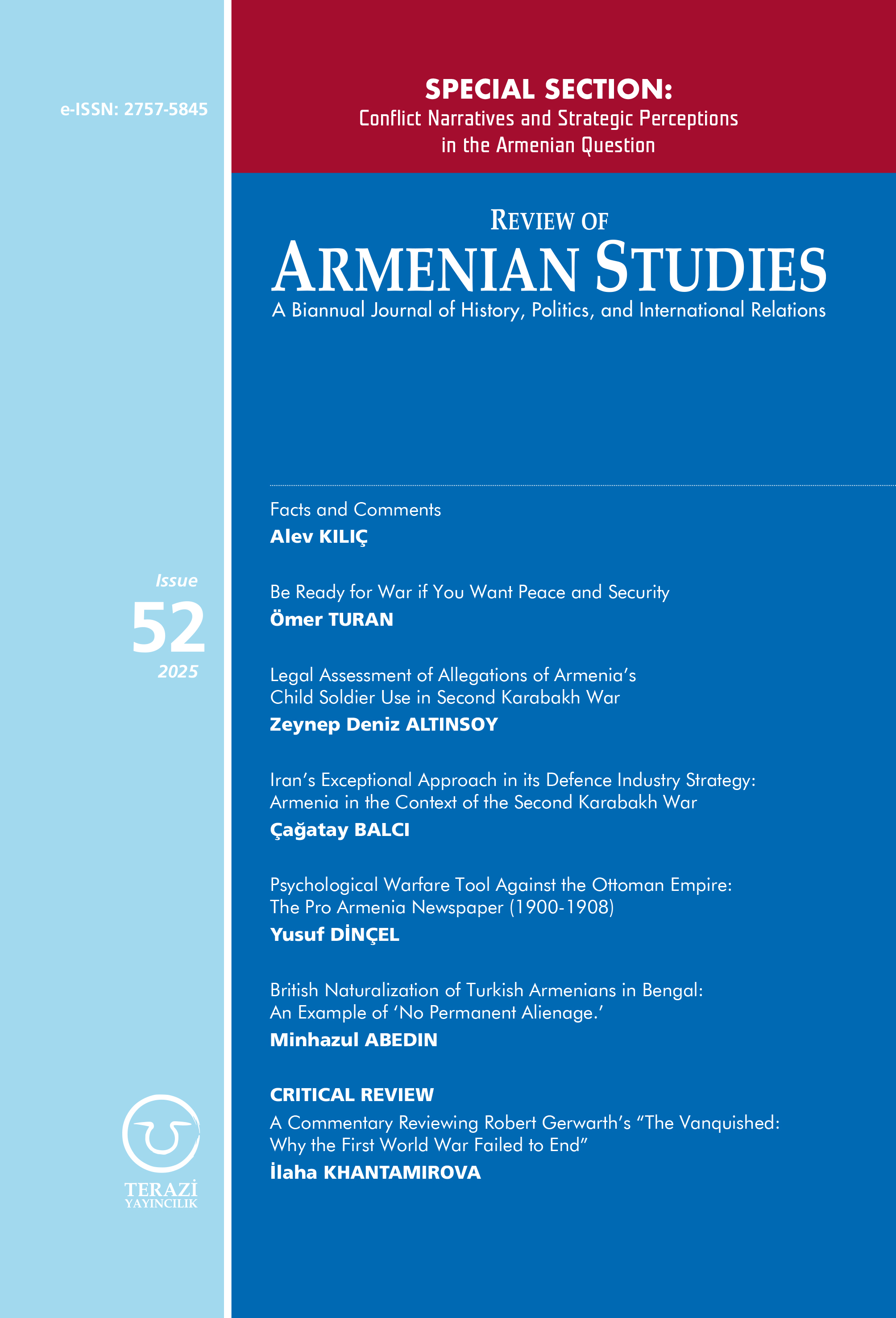


-
AVİM Conference Hall 24.01.2023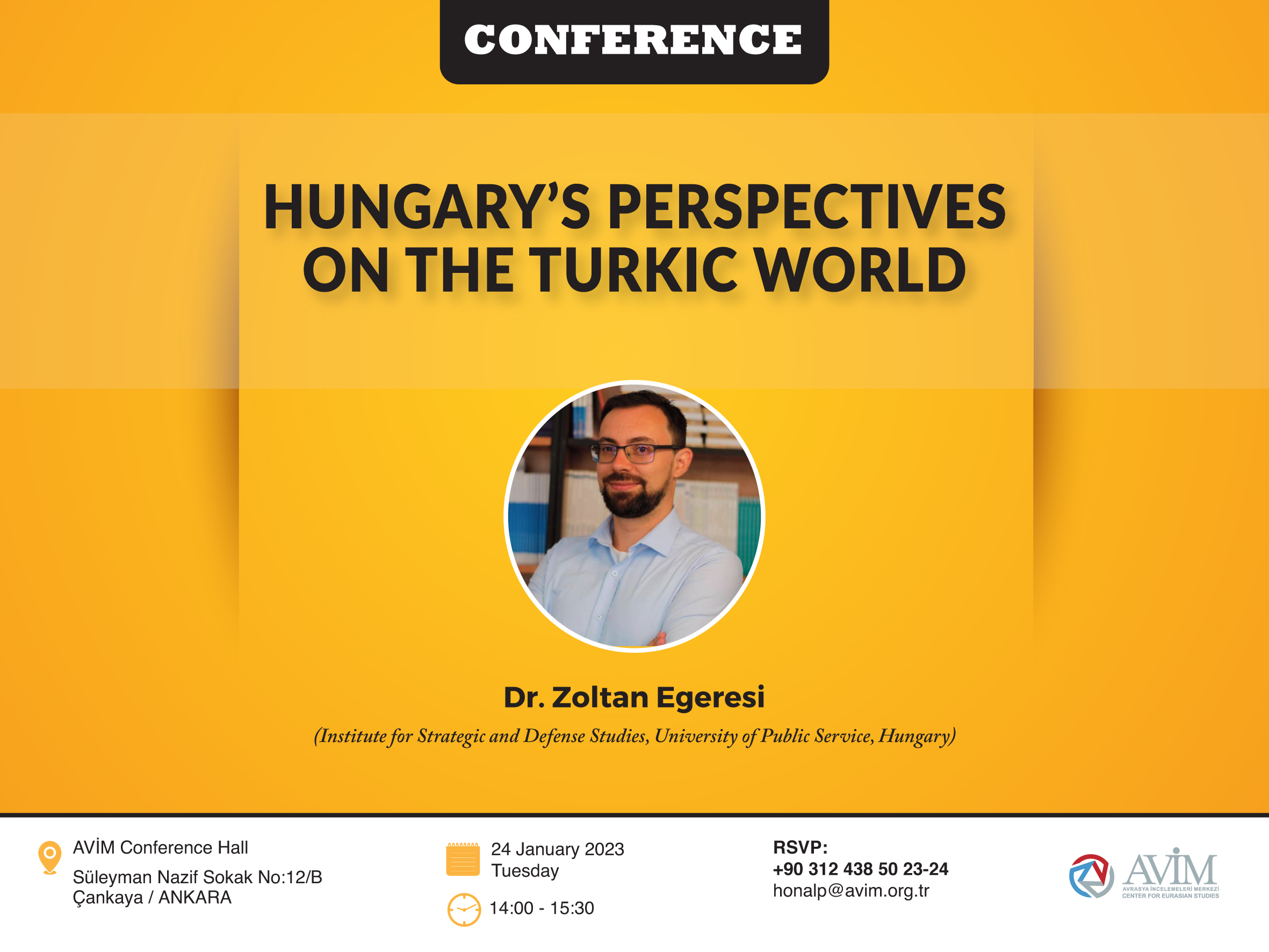
CONFERENCE TITLED “HUNGARY’S PERSPECTIVES ON THE TURKIC WORLD"