
















25.08.2016
EurActiv
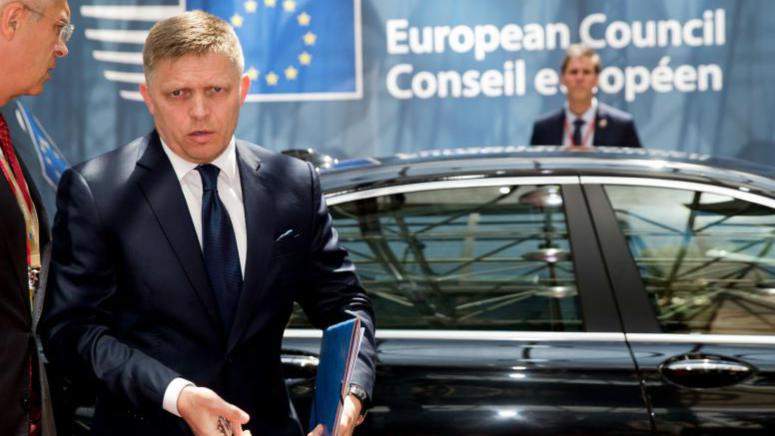
Slovak Prime Minister Vladimir Fico, who will dine with Russian President Vladimir Putin in Moscow today (25 August), will carry Russia’s messages to the EU ahead of crucial meetings concerning the Union’s future, the Russian press reports.
Russian commentators say the most important part of the meeting will be on the future of relations between Russia and the European Union. Slovakia holds the rotating presidency of the EU, and Bratislava will host an informal summit about the bloc’s future on 16 September.
BRATISLAVA TO HOST FIRST SUMMIT ON EU'S FUTURE
An EU summit without the UK prime minister on 16 September in Bratislava will kick off the discussion on the future of EU following Brexit, EU leaders decided today (29 June).
EurActiv.com
Political scientist Andrey Rukavishnikov is quoted as saying that Putin could, via Fico, convey its messages to EU leaders, regarding the future of the relations between Russia and the Union.
“Besides, on the next day (26 August), Fico and the other leaders of the Visegrad Four (Czechia, Hungary and Poland) will meet German Chancellor Angela Merkel. On this occasion the future of the EU, the sanctions against Russia and the situation in Ukraine and Turkey will be discussed,” Rukavishnikov further said.
The Russian commentator said that despite the harmful effects of the sanctions, Fico was optimistic about the future of economic cooperation with Moscow, and that Russia too was interested in strengthening bilateral relations.
Nord Stream 2
But the most important issue to be discussed is Nord Stream 2, the project to double the capacity of the existing offshore pipeline between Russia and Germany, Russian commentators believe. In the event that the project materialises, Slovakia would lose half a billions in euros in transit fees per year, because the new project will replace the current supplies via Ukraine and Slovakia. According to Rukavishnikov, Slovakia is interested in developing nuclear energy projects with Russia.
TUSK JOINS ‘VISEGRAD FOUR’ IN ATTACK ON NORD STREAM 2
The ‘Visegrad Four’ countries (Poland, Czech Republic, Slovakia and Hungary) found a powerful ally at the EU summit which ended today (18 December) in the person of Council President Donald Tusk, who repeated most of their arguments against the Germany-favoured project.
EurActiv.com
As Jack Sharples, a lecturer at the European University at St Petersburg recently wrote, Nord Stream 2 in fact faces headwinds. The ruling of the Polish anti-monopoly watchdog, the UOKiK (Urząd Ochrony Konkurencji I Konsumentów), and the subsequent decision of the Nord Stream 2 consortium companies to withdraw their application for permission to formally create the joint venture, will have a significant impact on the project.
In terms of funding, this raises two particular problems.
First, Nord Stream 2 will lose the direct financial contributions of the non-Gazprom consortium members. Secondly, the project now looks riskier in terms of attracting loans for project financing. A consortium consisting of Gazprom plus five reputable European energy companies is more appealing to lenders than Gazprom alone.
There is also the loss of political support. The European consortium members lobbied for Nord Stream 2 in their home countries: Wintershall and Uniper in Germany, Engie in France, OMV in Austria, and Shell in the UK and the Netherlands.
NORD STREAM 2 FACES LOSS OF FINANCIAL AND POLITICAL SUPPORT
The legitimacy of the extension of the Nord Stream 2 gas pipeline between Russia and Germany is being seriously undermined by regulatory and political headwinds, writes Jack Sharples.
EurActiv.com
No comments yet.
- ARMENIA CONTINUES ARSONS ON FRONTLINE The Caucasus and Turkish-Armenian Relations 25.08.2016
- DEATH TOLL IN ITALIAN EARTHQUAKE REACHES ALMOST 250 AS RESCUE EFFORT CONTINUES Europe - EU 25.08.2016
-
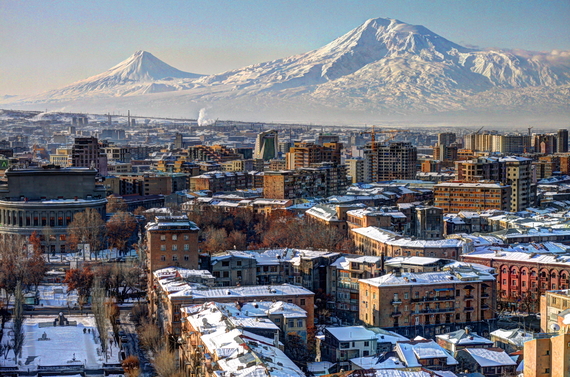 WHY THE 25-YEAR INDEPENDENCE ANNIVERSARY WILL RING HOLLOW WITH MANY ARMENIANS
The Caucasus and Turkish-Armenian Relations
25.08.2016
WHY THE 25-YEAR INDEPENDENCE ANNIVERSARY WILL RING HOLLOW WITH MANY ARMENIANS
The Caucasus and Turkish-Armenian Relations
25.08.2016
- ROMANIA CHAMPION OF MOLDOVA'S EU AMBITIONS, PREMIER SAYS The Balkans 25.08.2016
- HUFFINGTON POST: TOLERANCE IN AZERBAIJAN SIGNIFICANT The Caucasus and Turkish-Armenian Relations 25.08.2016
-
25.01.2016
THE ARMENIAN QUESTION - BASIC KNOWLEDGE AND DOCUMENTATION -
12.06.2024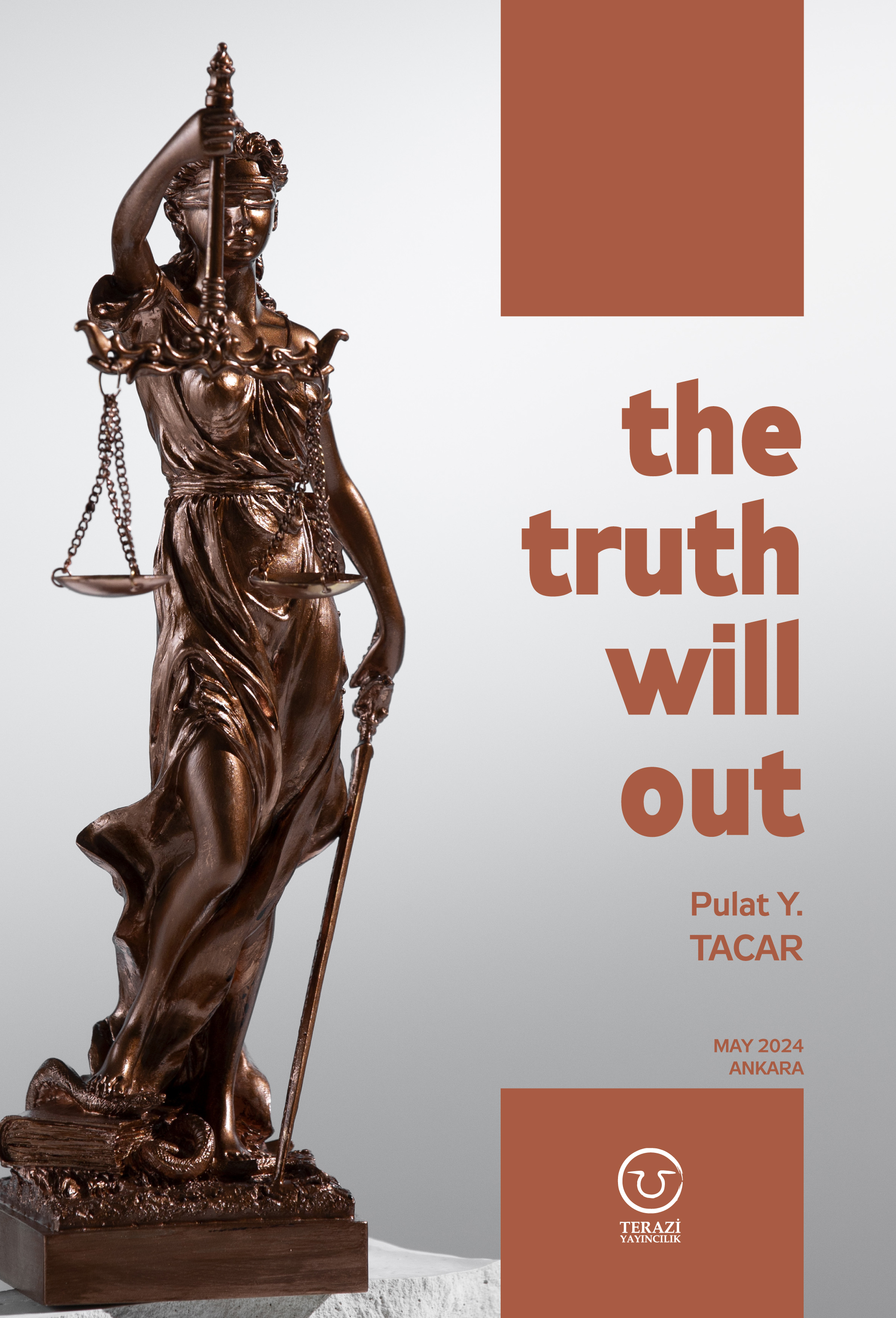
THE TRUTH WILL OUT -
27.03.2023
RADİKAL ERMENİ UNSURLARCA GERÇEKLEŞTİRİLEN MEZALİMLER VE VANDALİZM -
17.03.2023
PATRIOTISM PERVERTED -
23.02.2023
MEN ARE LIKE THAT -
03.02.2023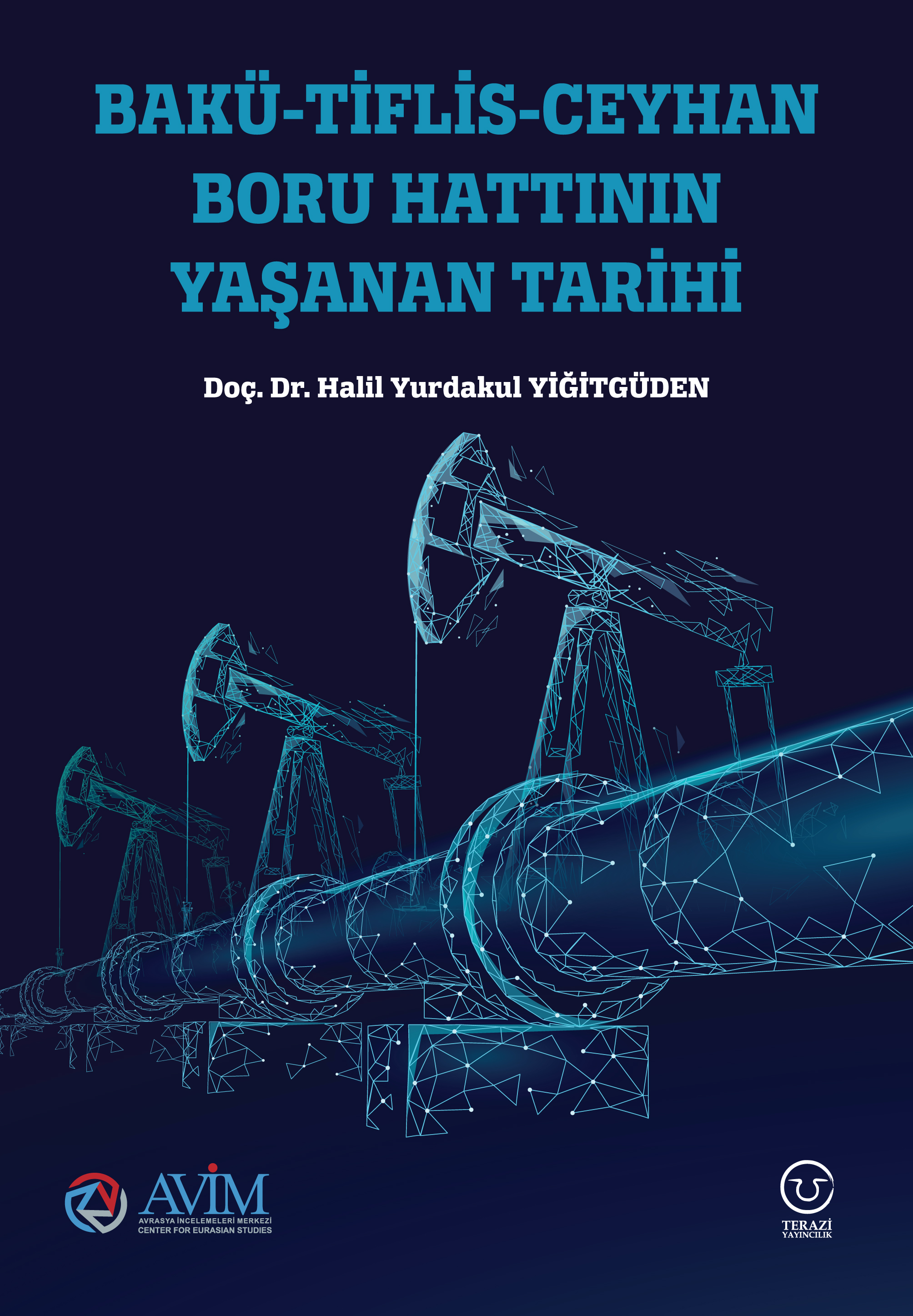
BAKÜ-TİFLİS-CEYHAN BORU HATTININ YAŞANAN TARİHİ -
16.12.2022
INTERNATIONAL SCHOLARS ON THE EVENTS OF 1915 -
07.12.2022
FAKE PHOTOS AND THE ARMENIAN PROPAGANDA -
07.12.2022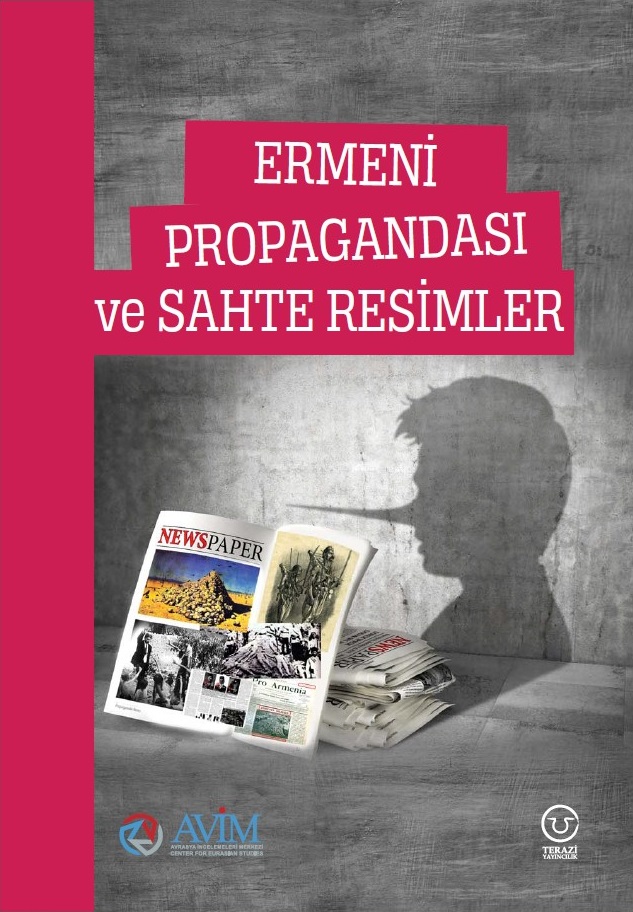
ERMENİ PROPAGANDASI VE SAHTE RESİMLER -
01.01.2022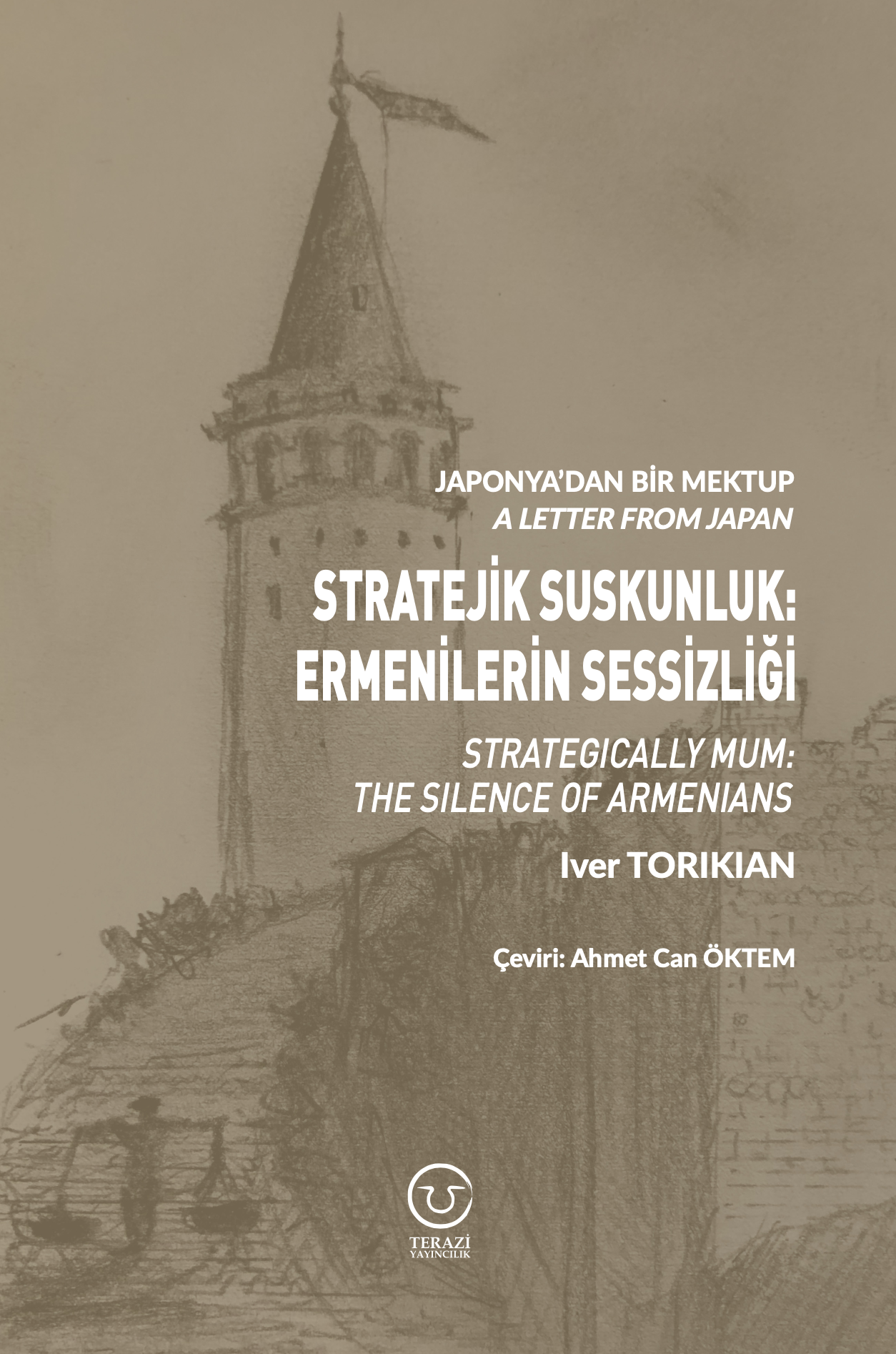
A Letter From Japan - Strategically Mum: The Silence of the Armenians -
01.01.2022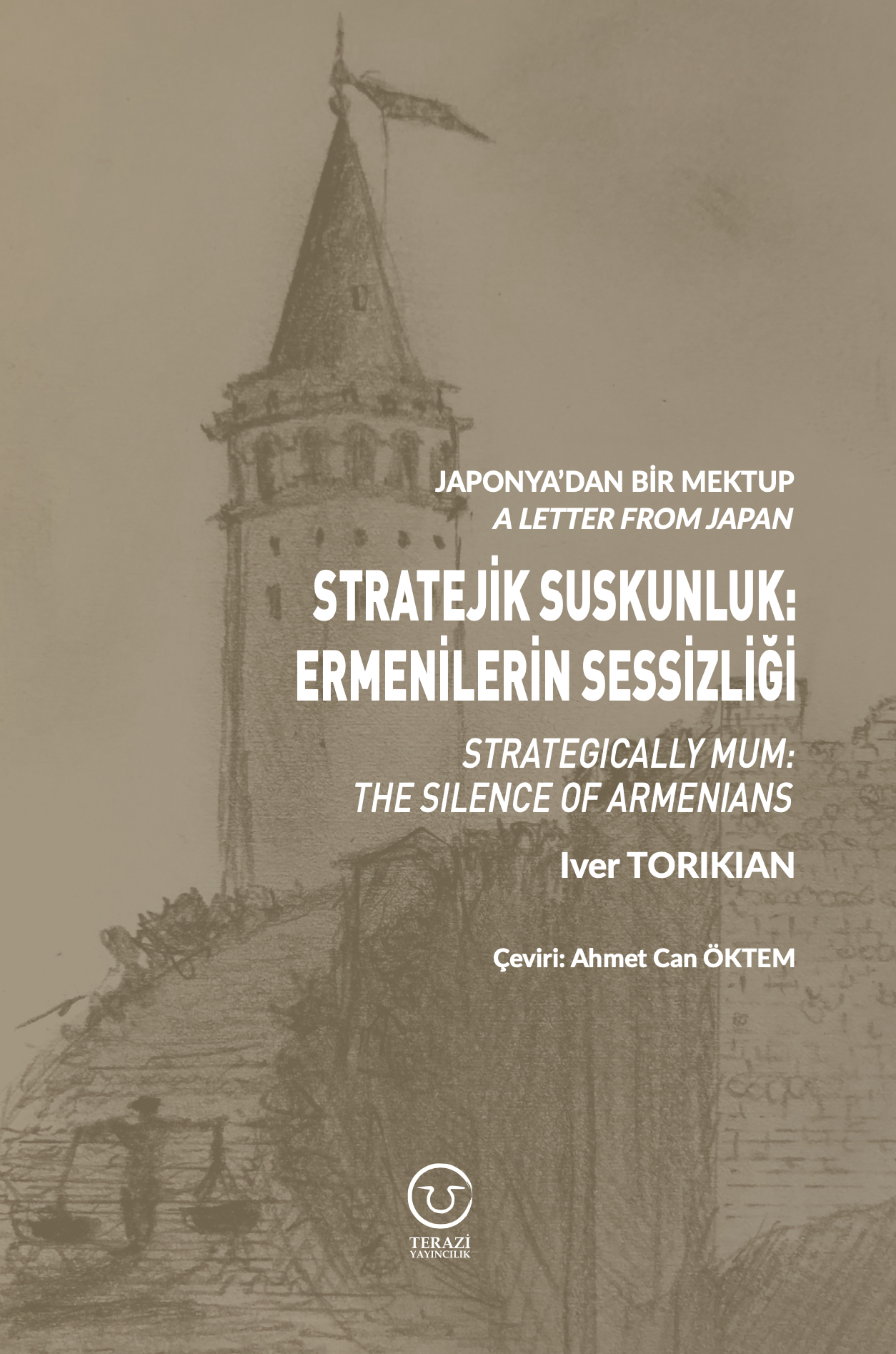
Japonya'dan Bir Mektup - Stratejik Suskunluk: Ermenilerin Sessizliği -
03.06.2020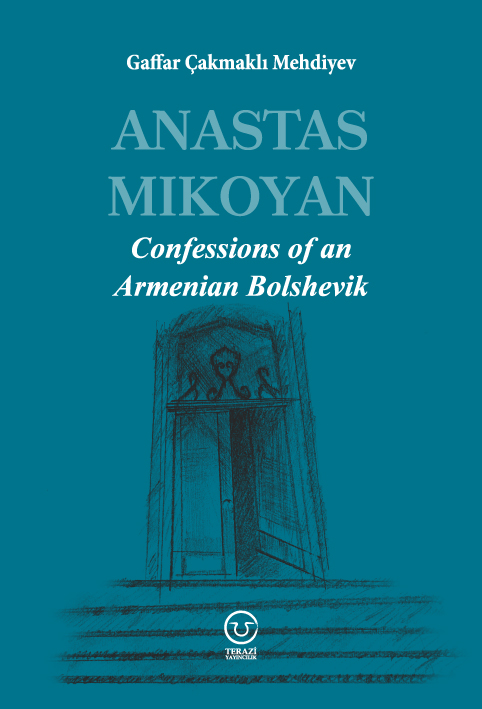
Anastas Mikoyan: Confessions of an Armenian Bolshevik -
08.04.2020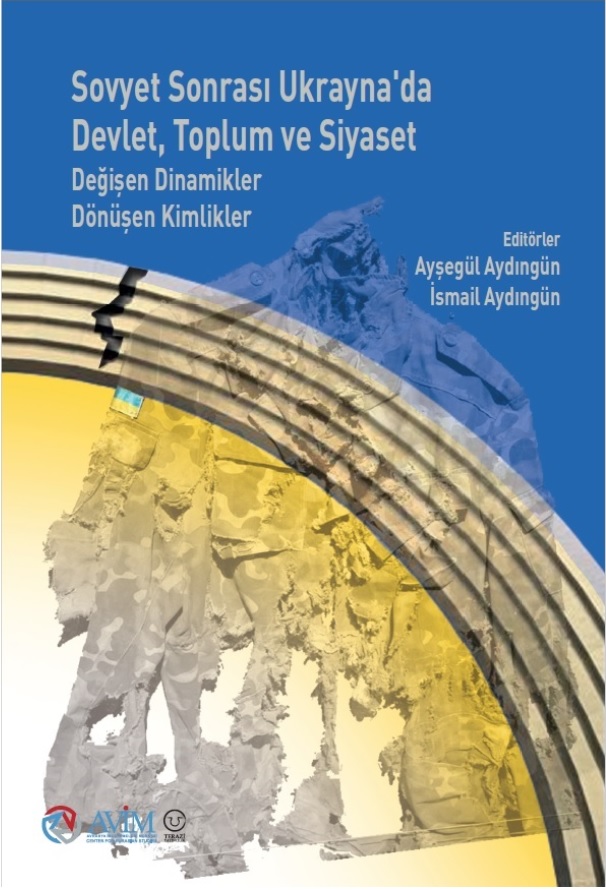
Sovyet Sonrası Ukrayna’da Devlet, Toplum ve Siyaset - Değişen Dinamikler, Dönüşen Kimlikler -
12.06.2018
Ermeni Sorunuyla İlgili İngiliz Belgeleri (1912-1923) - British Documents on Armenian Question (1912-1923) -
02.12.2016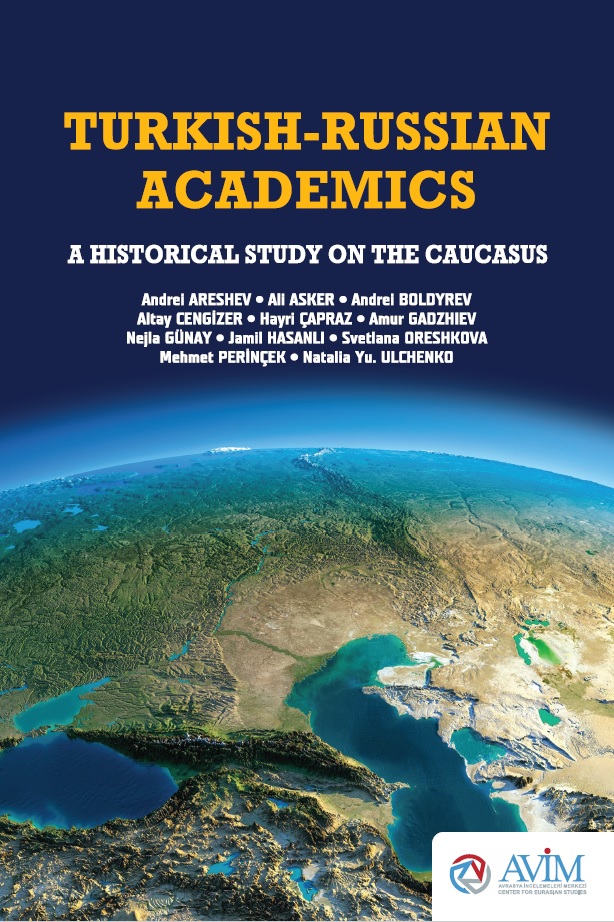
Turkish-Russian Academics: A Historical Study on the Caucasus -
01.07.2016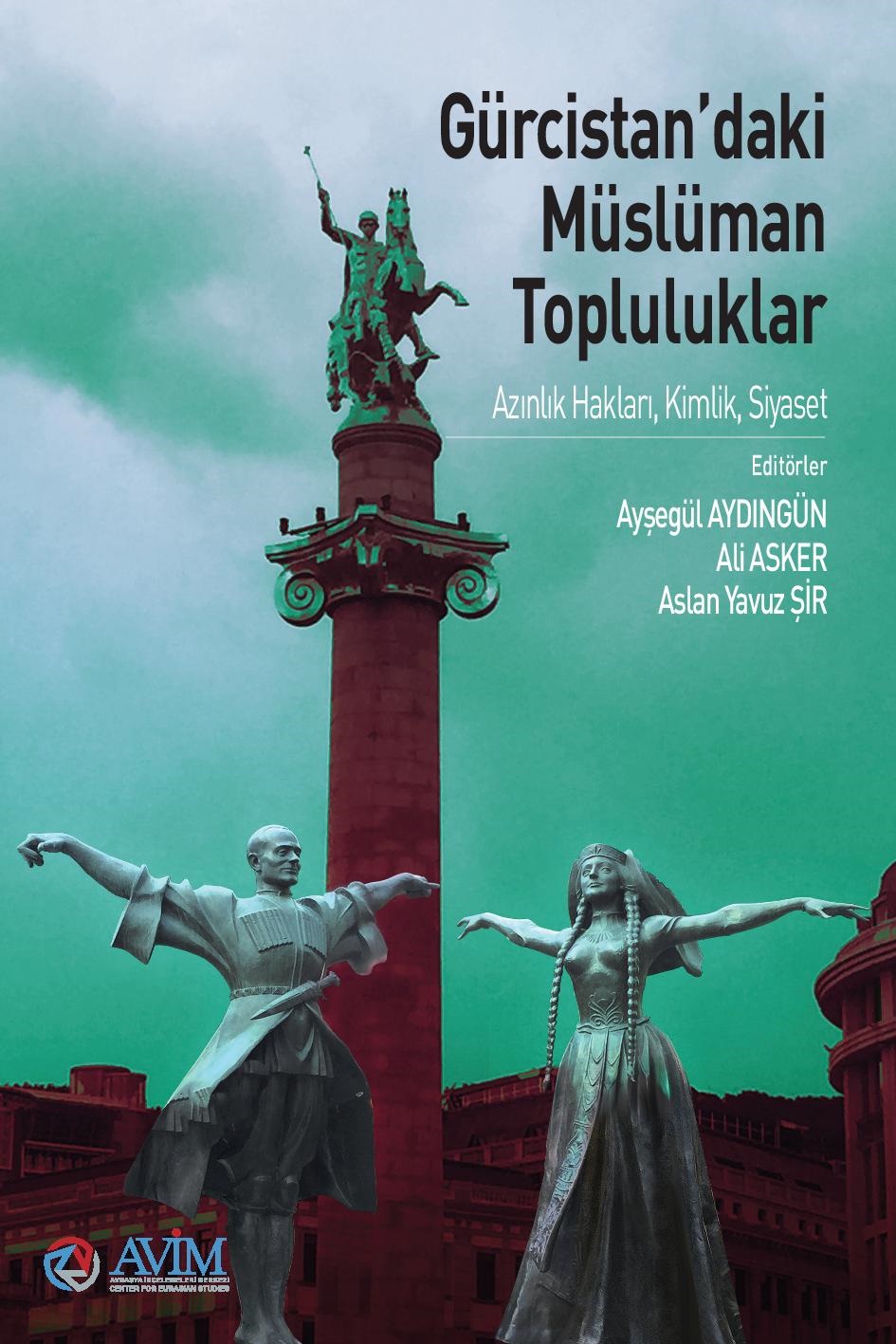
Gürcistan'daki Müslüman Topluluklar: Azınlık Hakları, Kimlik, Siyaset -
10.03.2016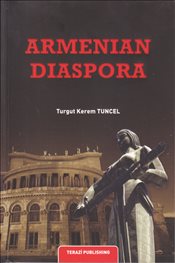
Armenian Diaspora: Diaspora, State and the Imagination of the Republic of Armenia -
24.01.2016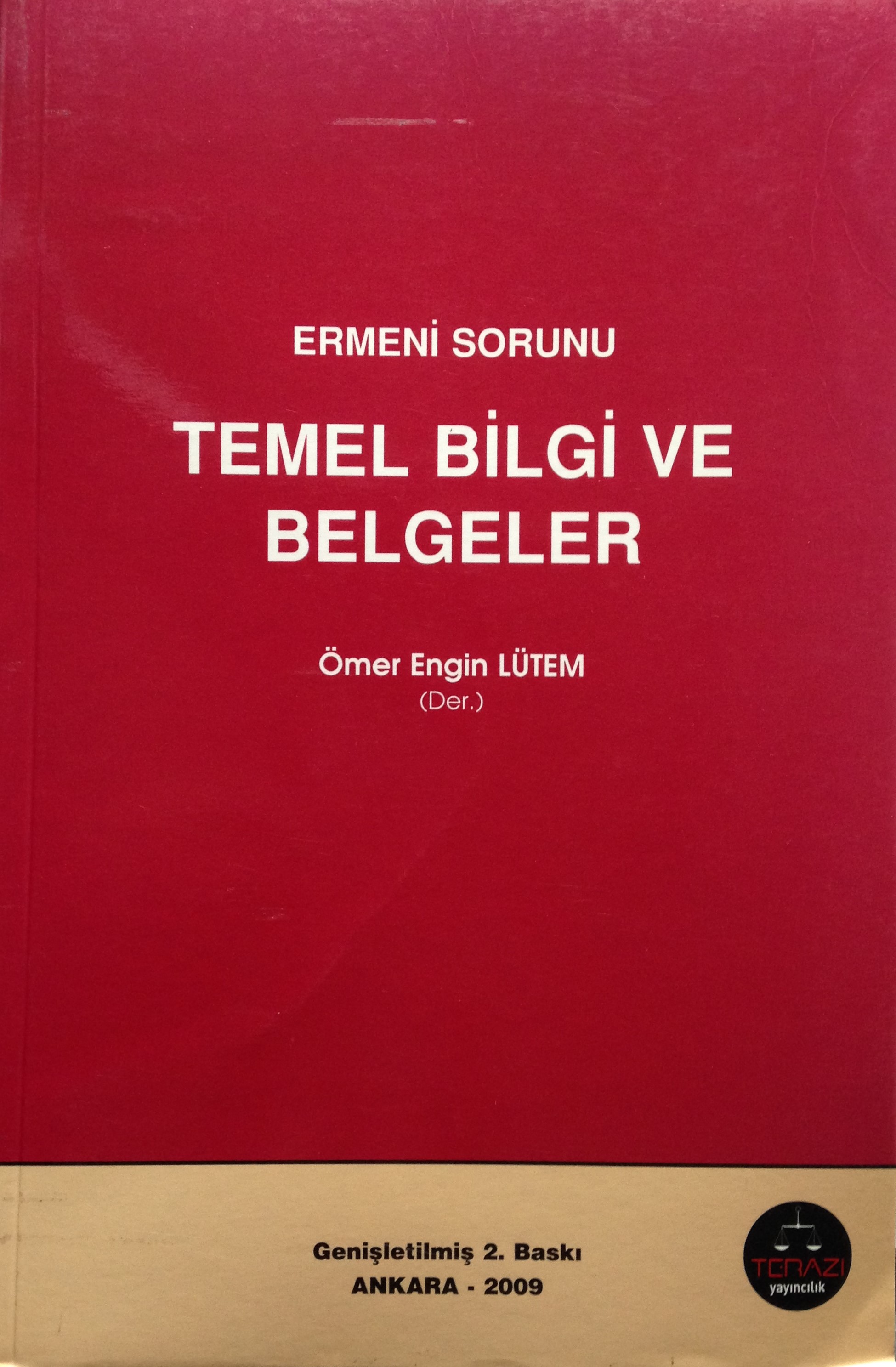
ERMENİ SORUNU - TEMEL BİLGİ VE BELGELER (2. BASKI)
-
AVİM Conference Hall 24.01.2023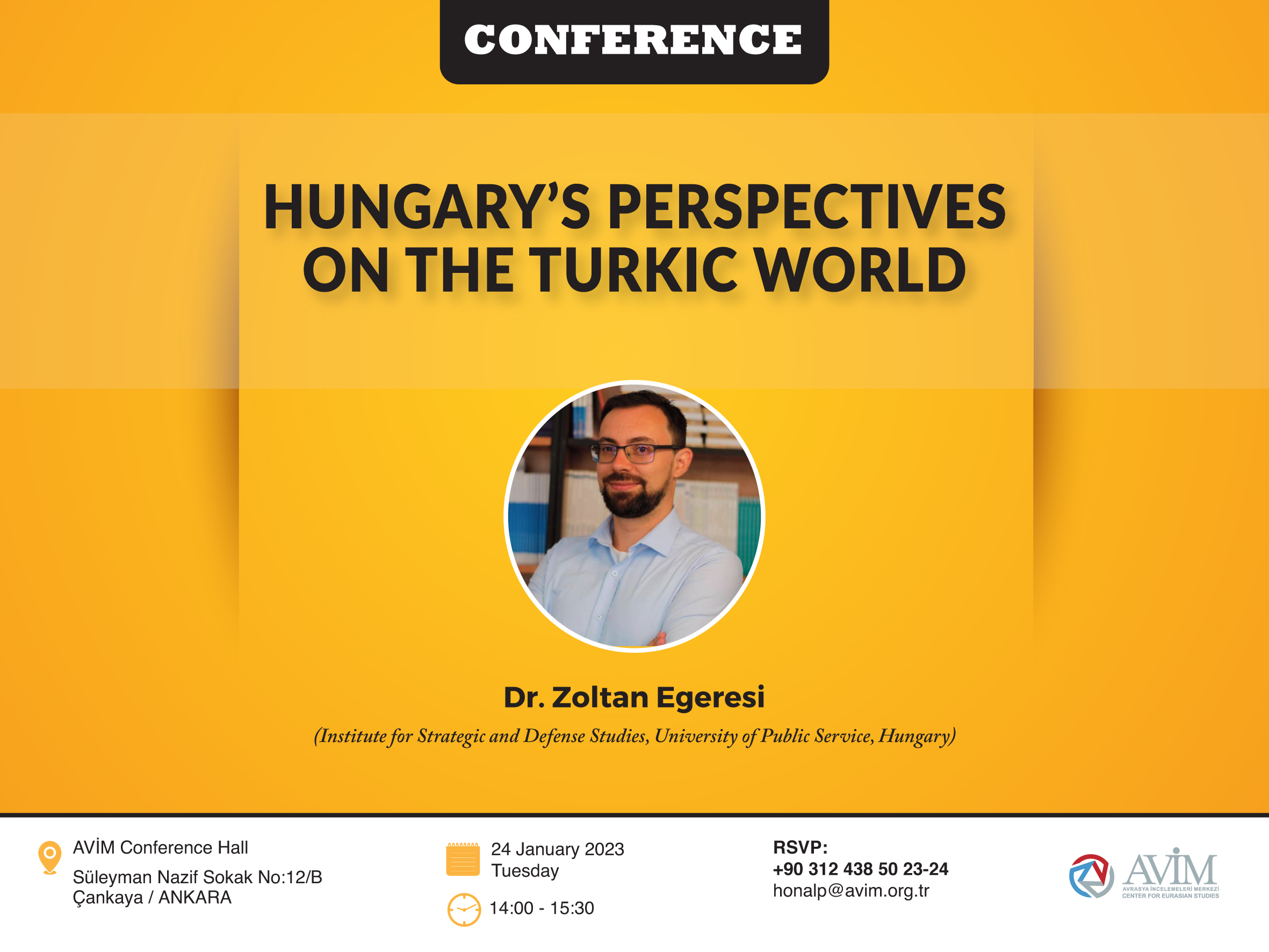
CONFERENCE TITLED “HUNGARY’S PERSPECTIVES ON THE TURKIC WORLD"