

















Deutsche Welle (30 July 2019)
The European Central Bank's supervision of large banks and structural fund for failing institutions is meant to protect the eurozone from future financial crises. Germany's top court has now given its blessing.
Germany's highest court on Tuesday rejected a legal challenge to the European Central Bank's (ECB) supervision of large banks and structural fund for failing institutions.
The Federal Constitutional Court concluded an extensive review after plaintiffs claimed the ECB's regulatory authority was not covered by EU treaties.
What the court said:
Presiding judge Andreas Vosskuhle said:
The fact that the supervision of eurozone financial institutions is not exclusively carried out by the ECB was "pivotal."
National regulators still retain "broad authority."
What was the case about?
A group of plaintiffs led by Markus Kerber, a Berlin-based financial expert, said Germany's constitution does not permit the government to put billions of euros of taxpayer money into a common ECB fund to save failing eurozone banks.
They said the German government has little say over how the funds are spent and makes itself liable for saving weak banks in other eurozone countries.
Why does this matter?
The eurozone started the banking union in 2014 to protect the banking sector against future crises. As the biggest member of the eurozone, Germany's participation is vital for it to work.
What is the European Central Bank? It's a politically independent organization that controls monetary policy in the eurozone — the 19 European Union members that use the euro as their official currency. The ECB was established alongside the euro in 1998.
What is the ECB's banking union? It refers to the ECB's power to check whether the biggest banks in the eurozone are following banking rules and help any of them that are failing to overcome their financial difficulties.
What is the Federal Constitutional Court? It's the highest court in Germany. Sixteen judges are tasked with interpreting the constitution, also known as the Basic Law.
No comments yet.
-
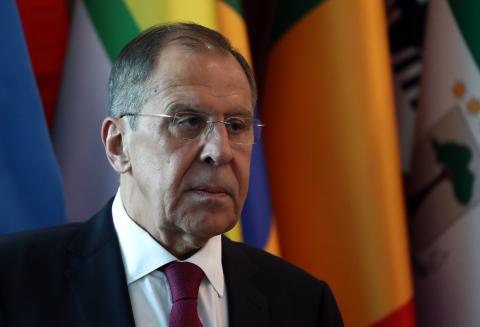 RUSSIA OPPOSED TO DIVIDING SOUTHEAST ASIA INTO BLOCS
Asia - Pacific
30.07.2019
RUSSIA OPPOSED TO DIVIDING SOUTHEAST ASIA INTO BLOCS
Asia - Pacific
30.07.2019
- UN TEAM INVESTIGATING ISIS CRIMES IN IRAQ CALLS FOR NUREMBERG-STYLE HEARINGS Iraq 30.07.2019
- ISRAEL LAUNCHED TWO F-35 ATTACKS ON IRANIAN TARGETS IN IRAQ IN JULY - REPORT Iraq 30.07.2019
- EU'S RULE-OF-LAW BLUEPRINT: TWO OUT OF THREE IS NOT ENOUGH Europe - EU 30.07.2019
- DOZENS OF MIGRANTS STILL STUCK ON COASTGUARD VESSEL IN ITALY PORT Europe - EU 30.07.2019
-
25.01.2016
THE ARMENIAN QUESTION - BASIC KNOWLEDGE AND DOCUMENTATION -
12.06.2024
THE TRUTH WILL OUT -
27.03.2023
RADİKAL ERMENİ UNSURLARCA GERÇEKLEŞTİRİLEN MEZALİMLER VE VANDALİZM -
17.03.2023
PATRIOTISM PERVERTED -
23.02.2023
MEN ARE LIKE THAT -
03.02.2023
BAKÜ-TİFLİS-CEYHAN BORU HATTININ YAŞANAN TARİHİ -
16.12.2022
INTERNATIONAL SCHOLARS ON THE EVENTS OF 1915 -
07.12.2022
FAKE PHOTOS AND THE ARMENIAN PROPAGANDA -
07.12.2022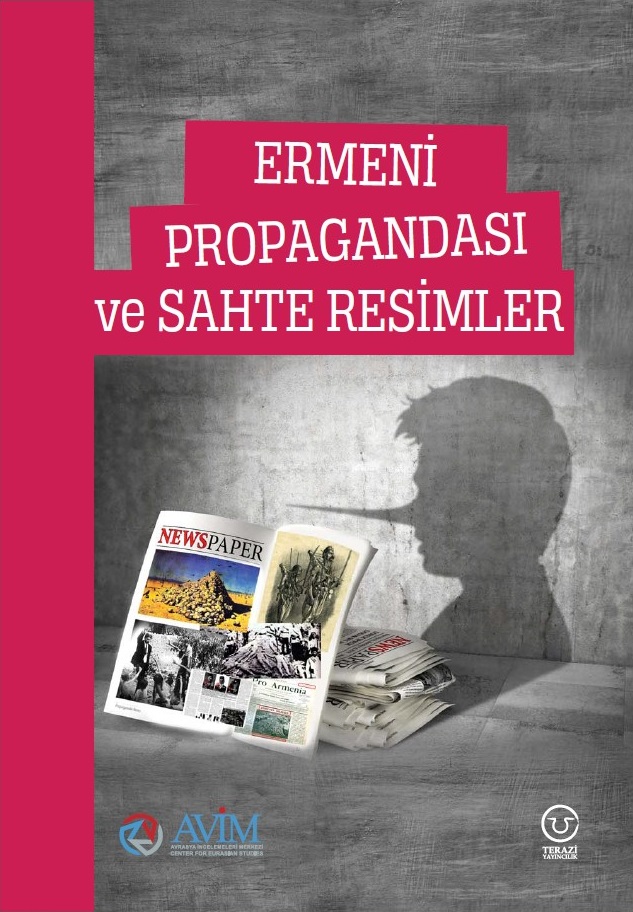
ERMENİ PROPAGANDASI VE SAHTE RESİMLER -
01.01.2022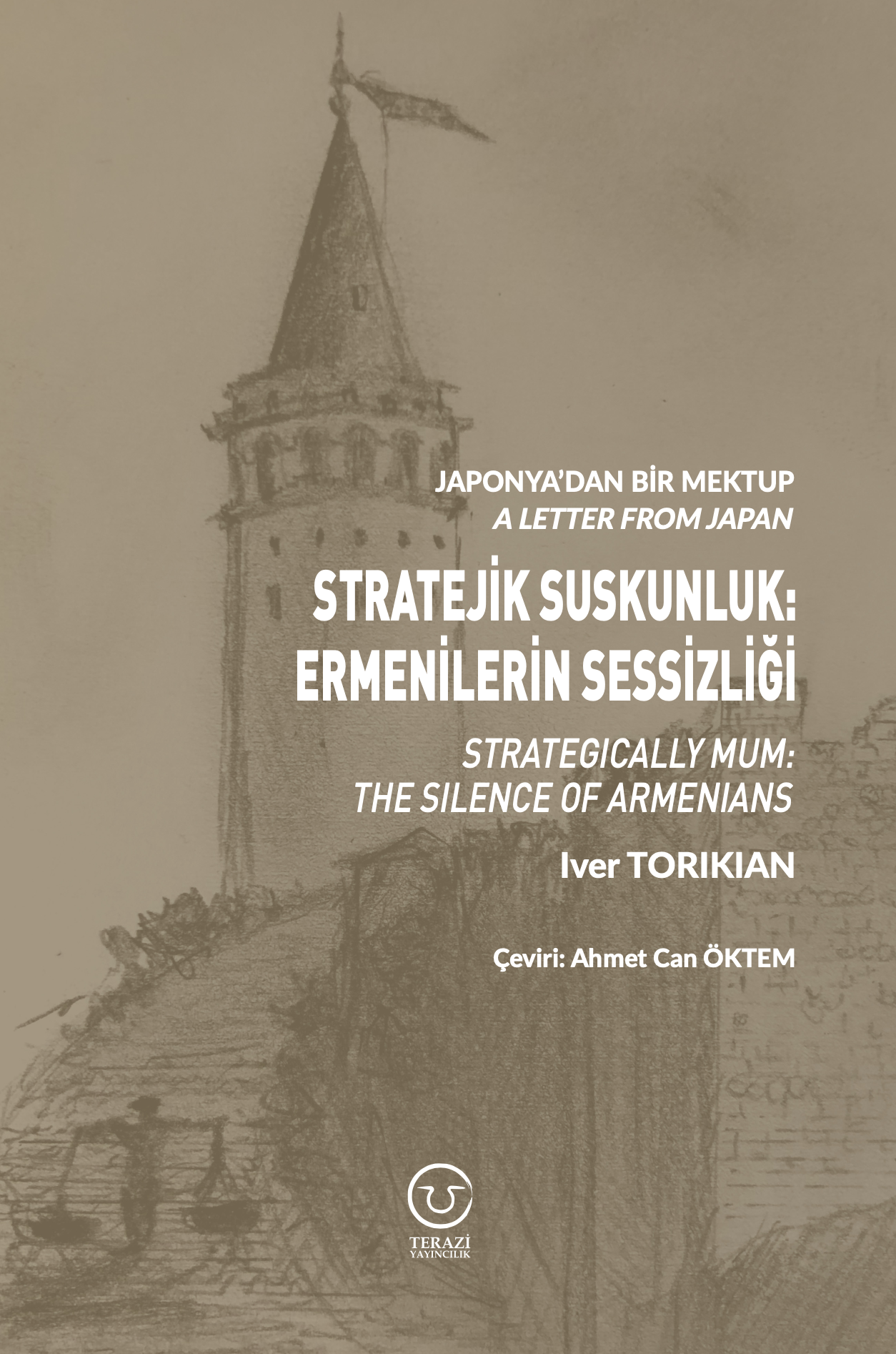
A Letter From Japan - Strategically Mum: The Silence of the Armenians -
01.01.2022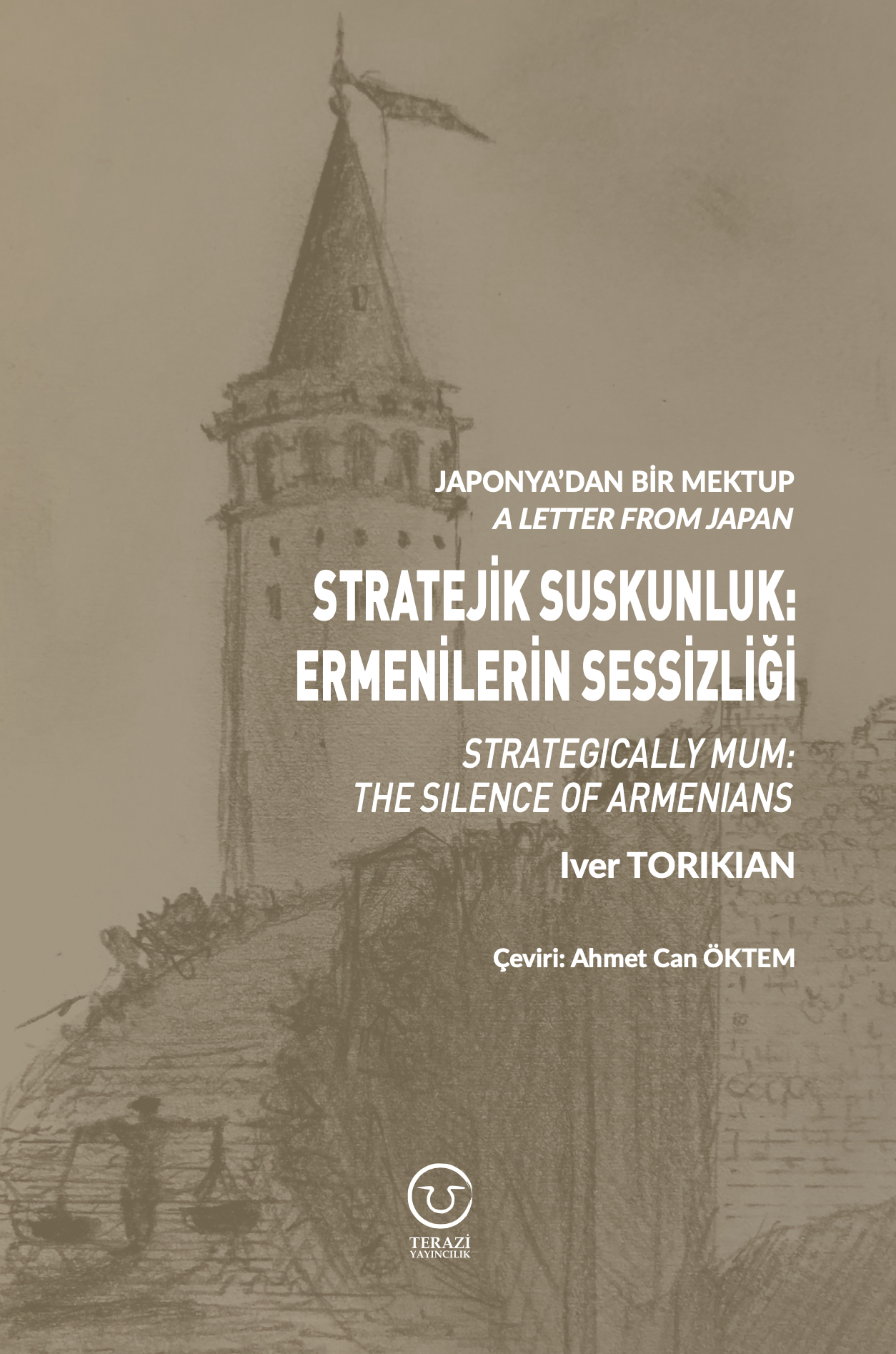
Japonya'dan Bir Mektup - Stratejik Suskunluk: Ermenilerin Sessizliği -
03.06.2020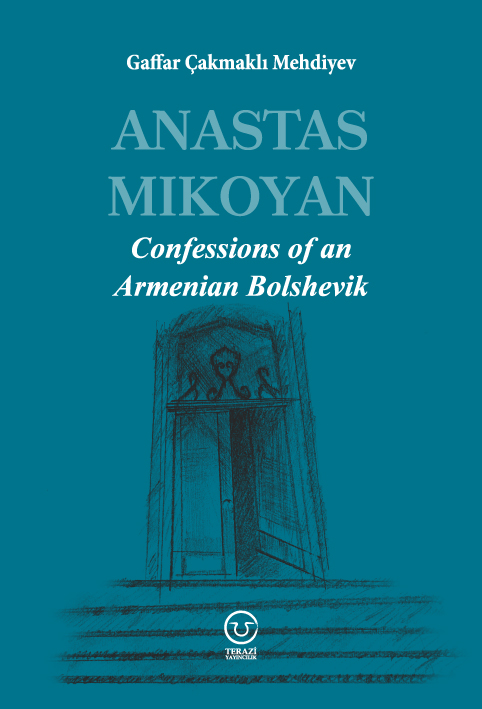
Anastas Mikoyan: Confessions of an Armenian Bolshevik -
08.04.2020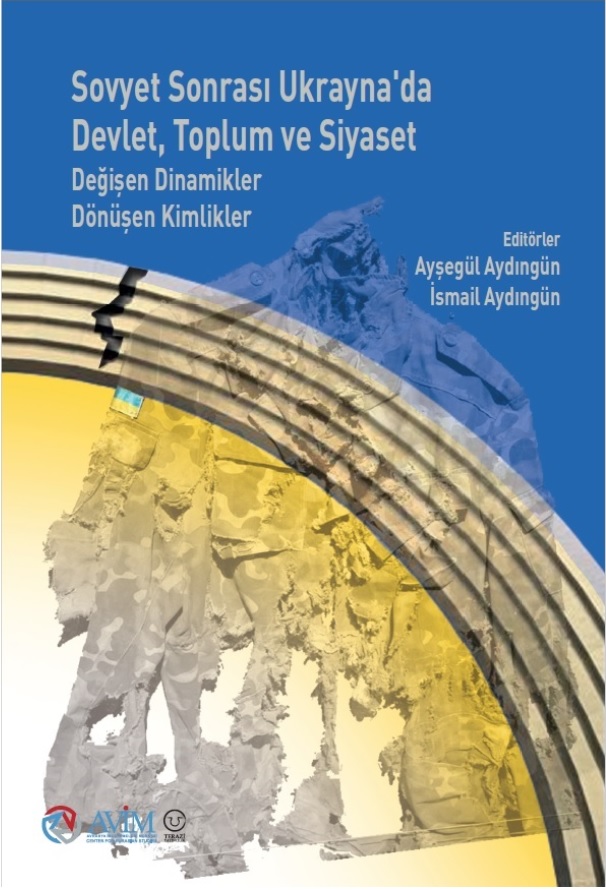
Sovyet Sonrası Ukrayna’da Devlet, Toplum ve Siyaset - Değişen Dinamikler, Dönüşen Kimlikler -
12.06.2018
Ermeni Sorunuyla İlgili İngiliz Belgeleri (1912-1923) - British Documents on Armenian Question (1912-1923) -
02.12.2016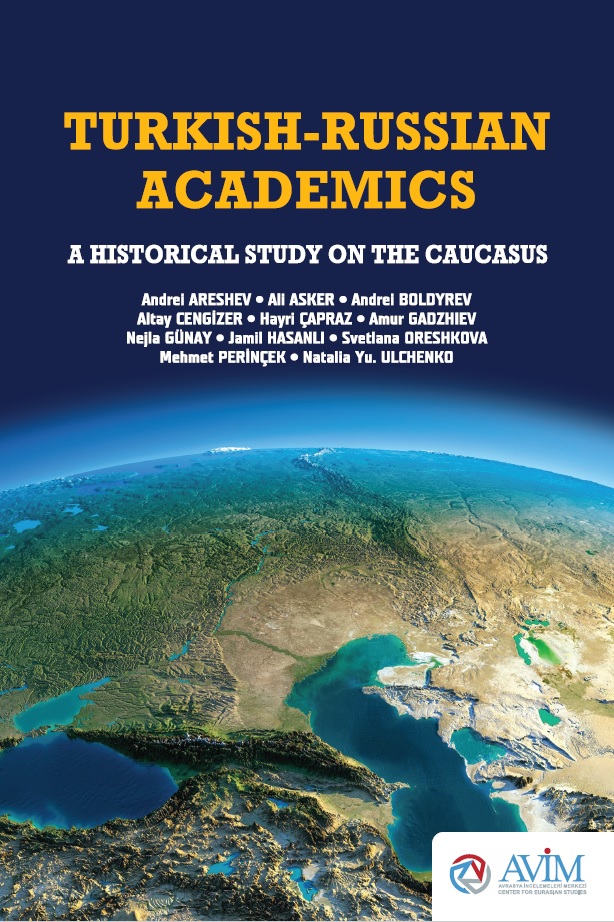
Turkish-Russian Academics: A Historical Study on the Caucasus -
01.07.2016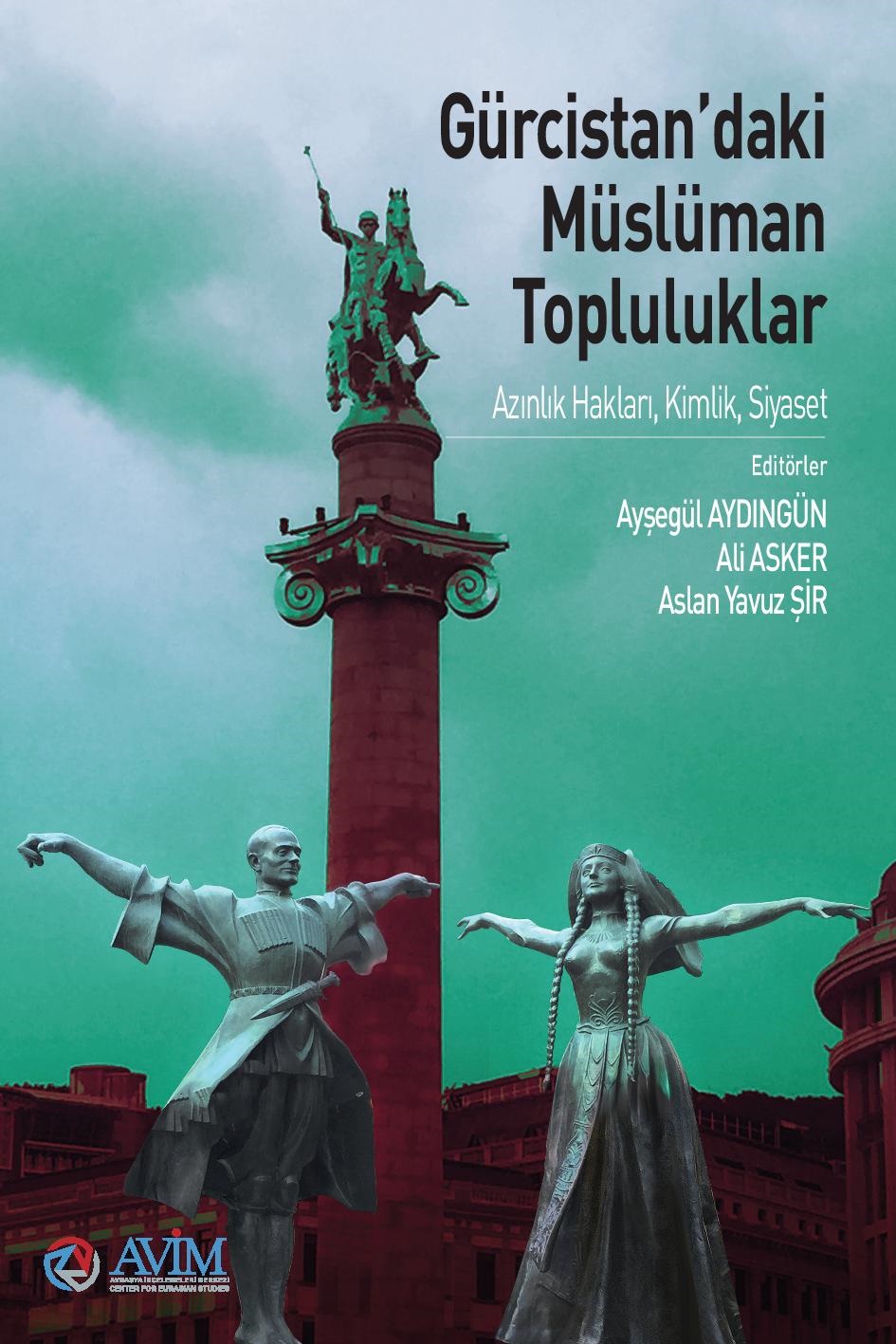
Gürcistan'daki Müslüman Topluluklar: Azınlık Hakları, Kimlik, Siyaset -
10.03.2016
Armenian Diaspora: Diaspora, State and the Imagination of the Republic of Armenia -
24.01.2016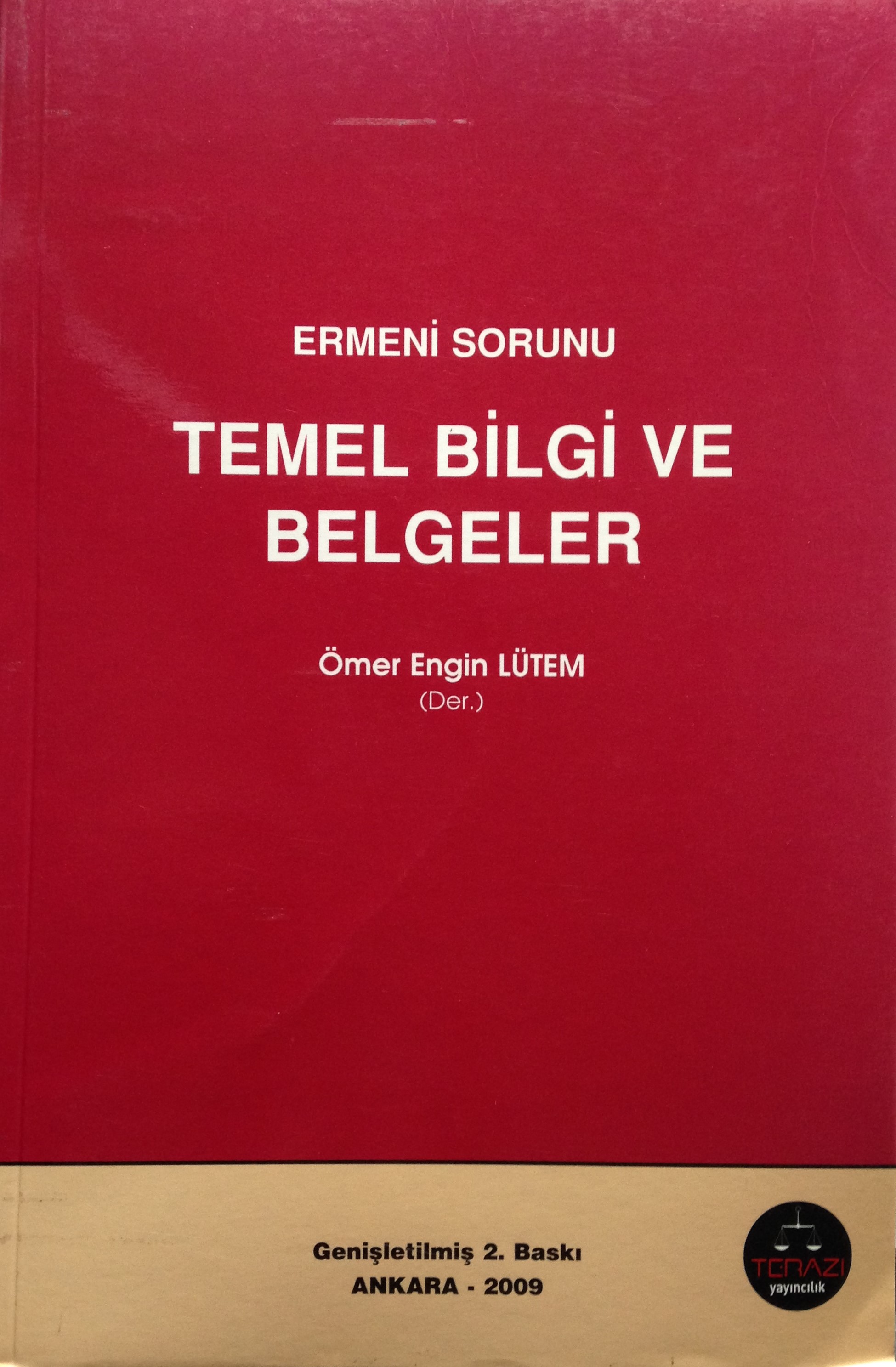
ERMENİ SORUNU - TEMEL BİLGİ VE BELGELER (2. BASKI)



-
AVİM Conference Hall 24.01.2023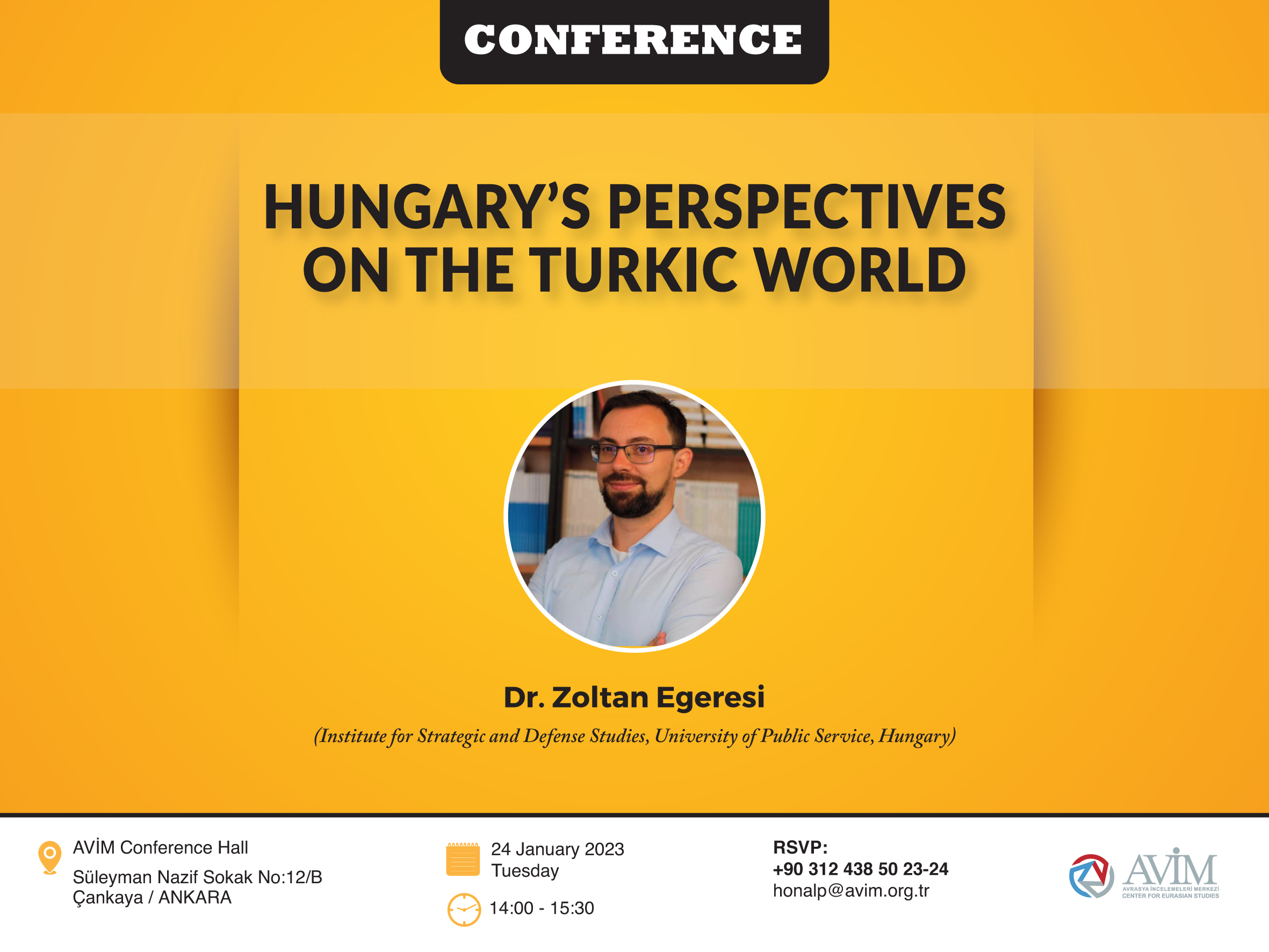
CONFERENCE TITLED “HUNGARY’S PERSPECTIVES ON THE TURKIC WORLD"