
















Reuters (14 February 2017)
The European Union's decision-making process should be changed to ensure states openly take a stand on controversial issues, the EU Commission proposed on Tuesday, in a move aimed at tackling growing euroscepticism.
The proposal follows spats on whether certain chemicals and genetically modified organisms (GMOs) should be approved. With member states failing to find a compromise, the Brussels-based Commission had to make the decision.
Under the current format, a qualified majority (above 50 percent) of total votes is needed to make a decision. In certain cases, that cutoff is not reached because many of the member states abstain from the vote. Brussels is then left to adopt unpopular measures and is then blamed for it.
Under the proposed changes, the new voting system would need a simple majority for decisions concerning acts that apply agreed laws - making abstentions irrelevant. The Commission also wants to make the votes public to increase general awareness on how decisions are made at EU level.
This may stem euroscepticism as the Commission believes people will be more aware of the unpopular decisions that have been made by their own states, instead of thinking the measures came from Brussels.
In June, Brussels extended the approval for weed-killer glyphosate, used in Monsanto's Roundup, for a limited period of 18 months after member states failed to agree if access to the controversial chemical should be renewed within the EU market.
Glyphosate is considered as a carcinogenic risk by some experts but is deemed safe by others.
The decision fueled criticism from environmental and citizen campaign groups against Brussels, thus strengthening euroscepticism already on the rise in many states where citizens often accuse the European Union for measures their own governments had delegated to Brussels.
"It is not right that when EU countries cannot decide among themselves whether or not to ban the use of glyphosate in herbicides, the Commission is forced by Parliament and Council to take a decision," the Commission President Jean-Claude Juncker said.
The proposal to amend the decision-making process, known as comitology, needs approval of EU states and the EU parliament.
The group of the Greens in the European Parliament said the Commission proposal was not enough.
No comments yet.
- ANTI-ISLAM WILDERS FRONTRUNNER AS DUTCH ELECTION CAMPAIGN BEGINS Europe - EU 15.02.2017
- TRUMP EXPECTS RUSSIA TO ‘RETURN CRIMEA' – WHITE HOUSE Asia - Pacific 15.02.2017
- AUSTRALIAN SENATOR MAKES SPEECH ON KHOJALY TRAGEDY The Caucasus and Turkish-Armenian Relations 15.02.2017
- BULGARIA 'SIGNED FIGHTER JETS REPAIR DEAL' WITH RUSSIA'S MIG The Balkans 15.02.2017
- 500 U.S. TROOPS ARRIVE IN ROMANIA TO BOLSTER DEFENSE The Balkans 15.02.2017
-
25.01.2016
THE ARMENIAN QUESTION - BASIC KNOWLEDGE AND DOCUMENTATION -
12.06.2024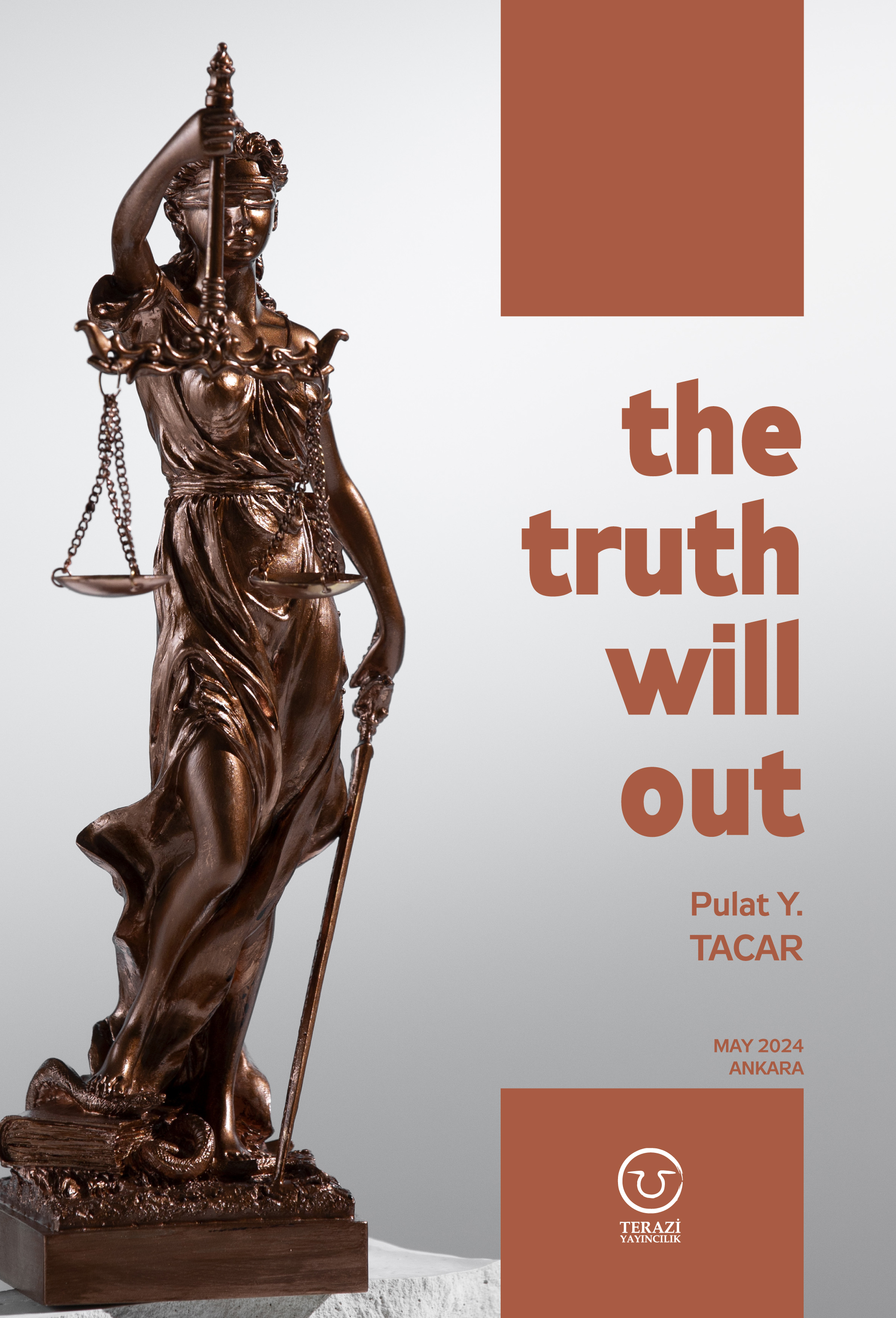
THE TRUTH WILL OUT -
27.03.2023
RADİKAL ERMENİ UNSURLARCA GERÇEKLEŞTİRİLEN MEZALİMLER VE VANDALİZM -
17.03.2023
PATRIOTISM PERVERTED -
23.02.2023
MEN ARE LIKE THAT -
03.02.2023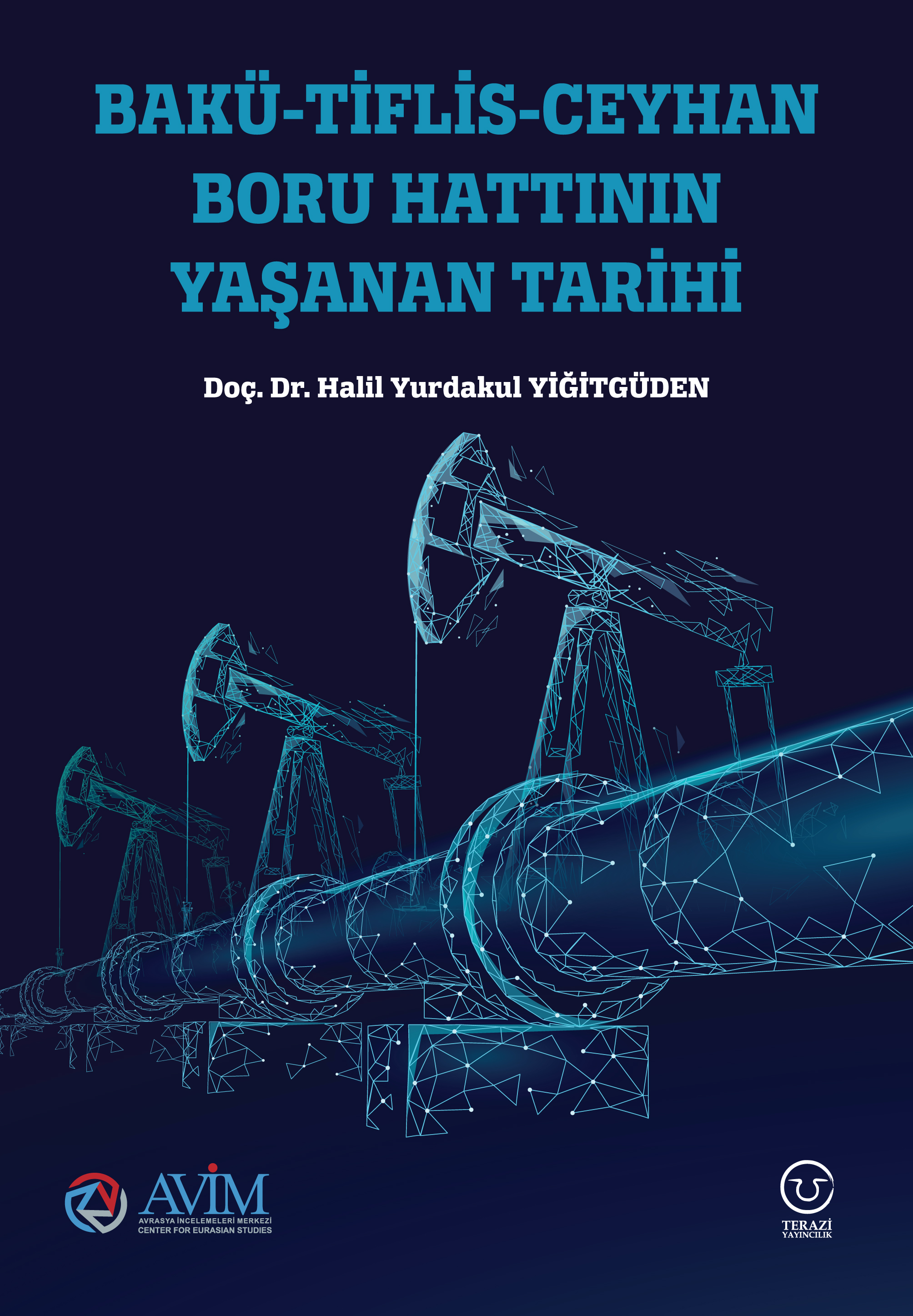
BAKÜ-TİFLİS-CEYHAN BORU HATTININ YAŞANAN TARİHİ -
16.12.2022
INTERNATIONAL SCHOLARS ON THE EVENTS OF 1915 -
07.12.2022
FAKE PHOTOS AND THE ARMENIAN PROPAGANDA -
07.12.2022
ERMENİ PROPAGANDASI VE SAHTE RESİMLER -
01.01.2022
A Letter From Japan - Strategically Mum: The Silence of the Armenians -
01.01.2022
Japonya'dan Bir Mektup - Stratejik Suskunluk: Ermenilerin Sessizliği -
03.06.2020
Anastas Mikoyan: Confessions of an Armenian Bolshevik -
08.04.2020
Sovyet Sonrası Ukrayna’da Devlet, Toplum ve Siyaset - Değişen Dinamikler, Dönüşen Kimlikler -
12.06.2018
Ermeni Sorunuyla İlgili İngiliz Belgeleri (1912-1923) - British Documents on Armenian Question (1912-1923) -
02.12.2016
Turkish-Russian Academics: A Historical Study on the Caucasus -
01.07.2016
Gürcistan'daki Müslüman Topluluklar: Azınlık Hakları, Kimlik, Siyaset -
10.03.2016
Armenian Diaspora: Diaspora, State and the Imagination of the Republic of Armenia -
24.01.2016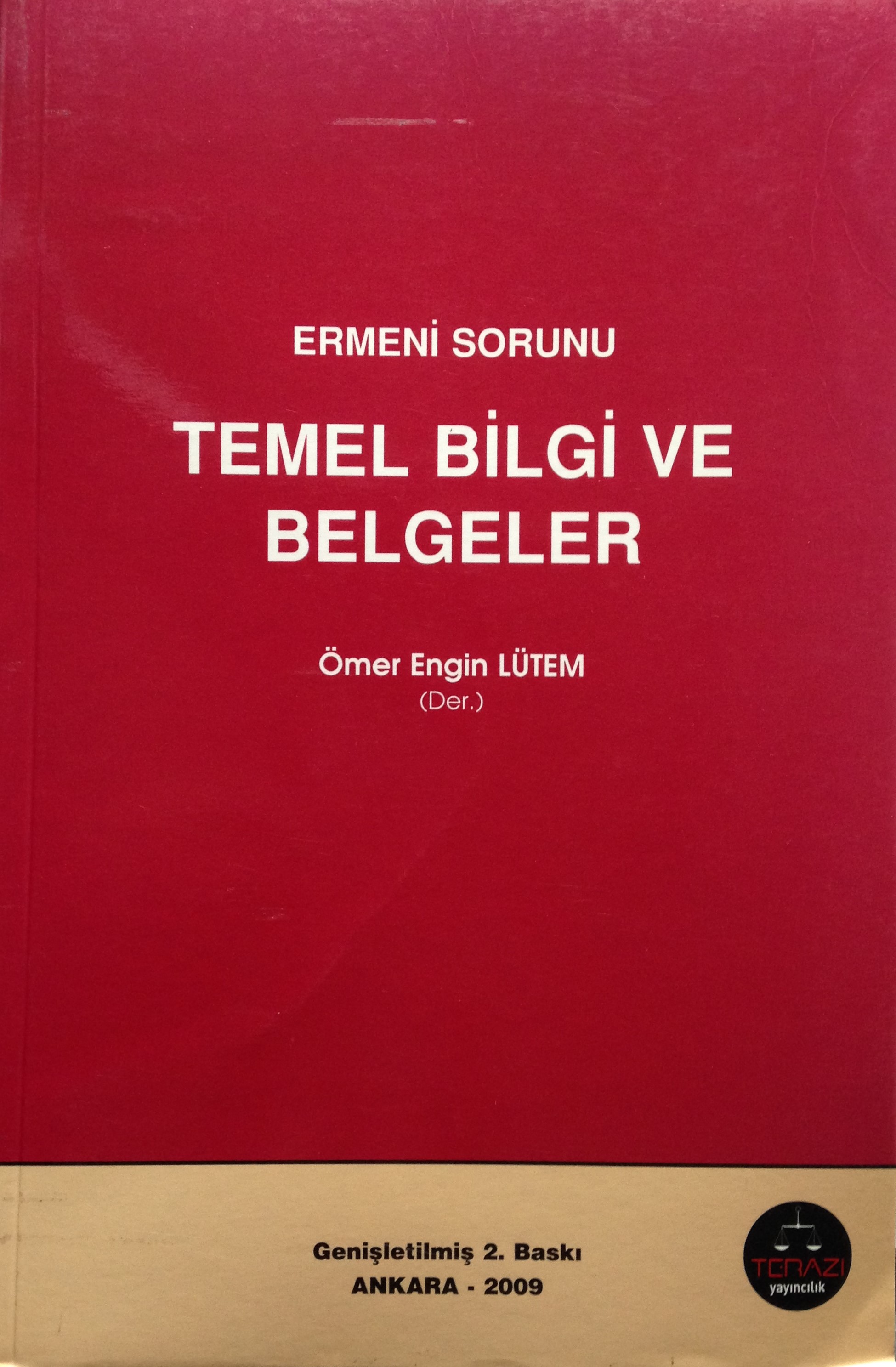
ERMENİ SORUNU - TEMEL BİLGİ VE BELGELER (2. BASKI)


-
AVİM Conference Hall 24.01.2023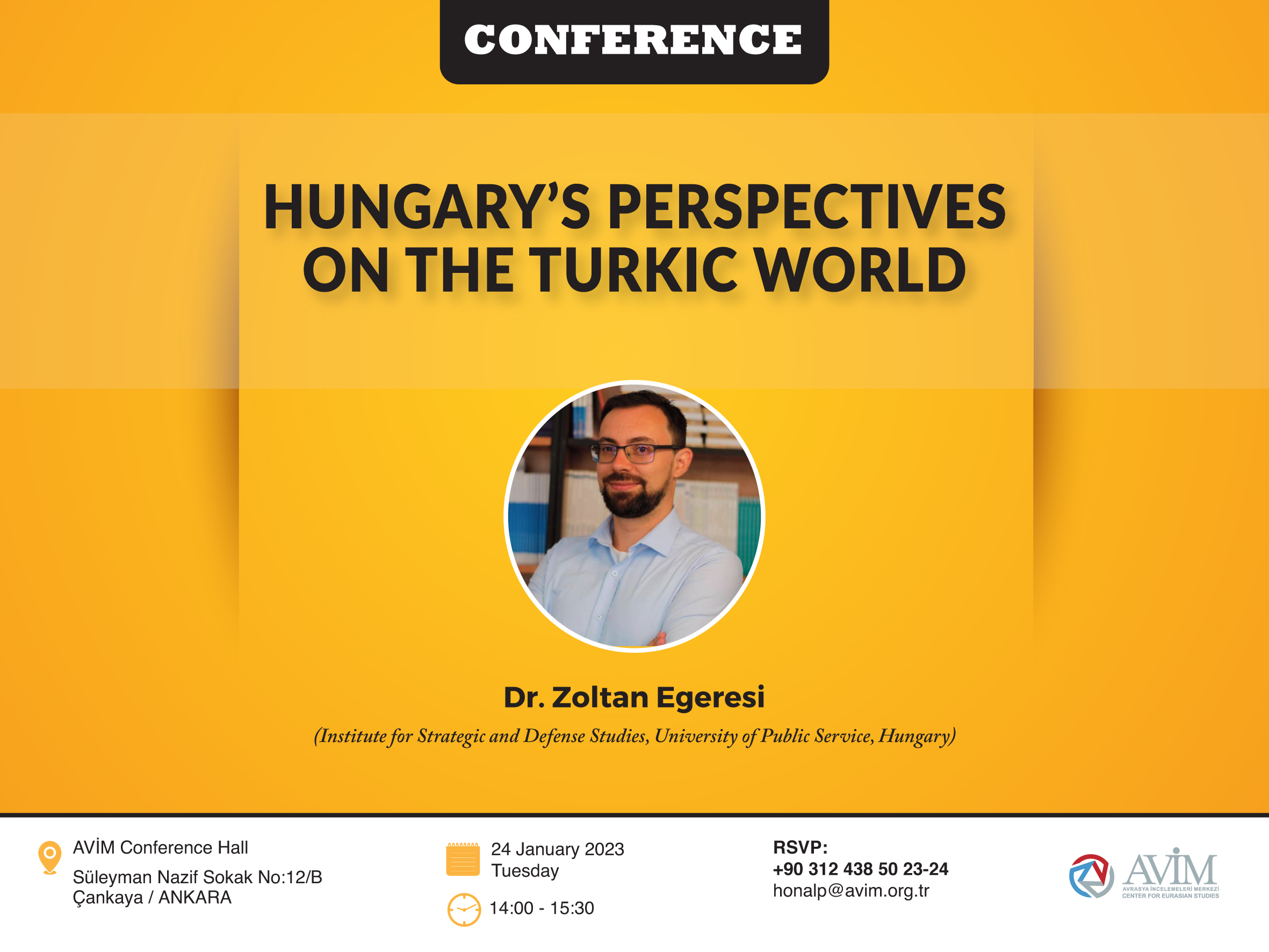
CONFERENCE TITLED “HUNGARY’S PERSPECTIVES ON THE TURKIC WORLD"