

















The Diplomat, 31 March 2016
By Catherine Putz
Kazakh citizens went to the polls for early parliamentary elections on March 20. Nur Otan, President Nursultan Nazabayev’s ruling party, picked up 83 parliamentary seats (it had previously held 82), with the remainder of the lower house’s 98 directly-elected seats split between Ah Zhol and the Communist People’s Party of Kazakhstan (CPPK).
Not only is the party composition of the legislature the same, but many of the same faces have returned. Forty percent of the new parliament had been members of the former convocation, and the new names are still old faces: established party apparatchiks and business people. The new parliament voted last Friday to keep the government as-is with Karim Masimov in the prime minister’s seat.
RFE/RL noted that President Nursultan Nazarbayev did make one change to the government: replacing Energy Minister Vladimir Shkolnik. One of the roots of Kazakhstan’s present economic troubles is its reliance on oil and gas for revenue, so replacing the energy minister is at least symbolically satisfying.
In the wake of the election, which cost an estimated $10.7 million, it has to be asked again, why did Kazakhstan bother and does the election matter?
The headline of Bruce Pannier’s analysis for RFE/RL didn’t hold anything back: “Make No Mistake, Kazakhstan’s Elections Still Meaningless.” In criticizing the early elections when they were announced in January, I asked why, when the President’s party already held a supermajority, was Kazakhstan bothering? I called the campaign boring and after the election I wrote “What should have been a critical election was, in reality, a piece of theater designed to praise the country’s leader, despite the dark economic times.”
The counter, of course, is that the election was exactly what the parliament said it would be, a reaffirmation, a “vote of confidence” necessary to continue with Nazarbayev’s reform agenda. The results definitely reaffirm the ruling cadre’s place, whether the reform agenda–by any of its various names and numbers–addresses the real issues facing Kazakhstan is a different discussion. But what the election did do was give the government a pretense of public approval.
“The Kazakhstani government uses early elections as the tool of strengthening current political institutes, including the position of the ruling Nur Otan party,” Diana Gapak, a Russia and Central Asia analyst told The Diplomat. Gapak pointed out that while the composition of the parliament remained nearly identical, “members of the Nur Otan party reaffirmed its success in the elections of maslikhats (regional and local representative bodies) by gaining all seats in several major regions.” These lower-level elections have been largely absent from international conversation, but Gapak says this evidence of support for Nur Otan in regions across the country “should not be underestimated.”
The OSCE’s preliminary report on the election was critical in the usual ways, citing a lack of “genuine political choice” and characterizing the country’s media environment as lacking independent sources. Still, the phrase “some progress” made it into the introduction and the report notes positive developments in a handful of areas. These developments, however, are mostly technical: six parties registered to run candidates, the election commission promised to be preparing electoral reforms and required parties to publish the amount of funds they received and spent, and state media “showed a noticeable effort to meet formal requirements to provide contestants with equal access.”
Kazakhstan’s election wasn’t a democratic success–it included no debate of alternative policy ideas and the OSCE says election day was marred “serious irregularities”–but it was a success for Astana, certainly for Nazarbayev and his party. Their hope is that the narrative of a firm “vote of confidence” is enough of a mandate to maintain stability through difficult economic times and potential political agitation. It gives the government an easy retort to dissidents: “Look, we won the election!” (It’s immaterial in this argument that the election wasn’t seen as free or fair by Western observers.)
“The 2016 snap elections have been definitely used to reassure citizens and investors that a new five-year mandate gives the government a solid ground for implementing new reforms and guaranteeing stability,” Gapak says.
The real test–as with all elections, clean or dirty–of whether the election mattered will be what the new parliament does next.
No comments yet.
- AUSTRIA MOVES TO BLOCK ASYLUM SEEKERS WITH TOUGH NEW RULES Europe - EU 31.03.2016
- WORLD’S BIGGEST BRIBE SCANDAL Iraq 31.03.2016
- BULGARIA APPROVES MAJOR MILITARY OVERHAUL The Balkans 31.03.2016
- POLAND DENIES PRESIDENTIAL SNUB BY US Europe - EU 31.03.2016
- EUROPEAN ENERGY UNION A ‘SHARED PRIORITY’ FOR BULGARIA, CROATIA The Balkans 31.03.2016
-
25.01.2016
THE ARMENIAN QUESTION - BASIC KNOWLEDGE AND DOCUMENTATION -
12.06.2024
THE TRUTH WILL OUT -
27.03.2023
RADİKAL ERMENİ UNSURLARCA GERÇEKLEŞTİRİLEN MEZALİMLER VE VANDALİZM -
17.03.2023
PATRIOTISM PERVERTED -
23.02.2023
MEN ARE LIKE THAT -
03.02.2023
BAKÜ-TİFLİS-CEYHAN BORU HATTININ YAŞANAN TARİHİ -
16.12.2022
INTERNATIONAL SCHOLARS ON THE EVENTS OF 1915 -
07.12.2022
FAKE PHOTOS AND THE ARMENIAN PROPAGANDA -
07.12.2022
ERMENİ PROPAGANDASI VE SAHTE RESİMLER -
01.01.2022
A Letter From Japan - Strategically Mum: The Silence of the Armenians -
01.01.2022
Japonya'dan Bir Mektup - Stratejik Suskunluk: Ermenilerin Sessizliği -
03.06.2020
Anastas Mikoyan: Confessions of an Armenian Bolshevik -
08.04.2020
Sovyet Sonrası Ukrayna’da Devlet, Toplum ve Siyaset - Değişen Dinamikler, Dönüşen Kimlikler -
12.06.2018
Ermeni Sorunuyla İlgili İngiliz Belgeleri (1912-1923) - British Documents on Armenian Question (1912-1923) -
02.12.2016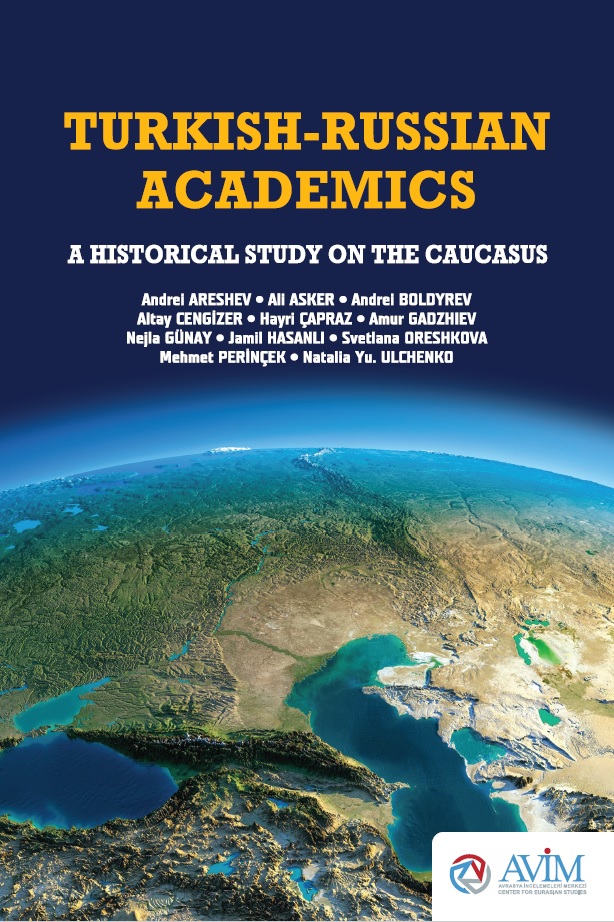
Turkish-Russian Academics: A Historical Study on the Caucasus -
01.07.2016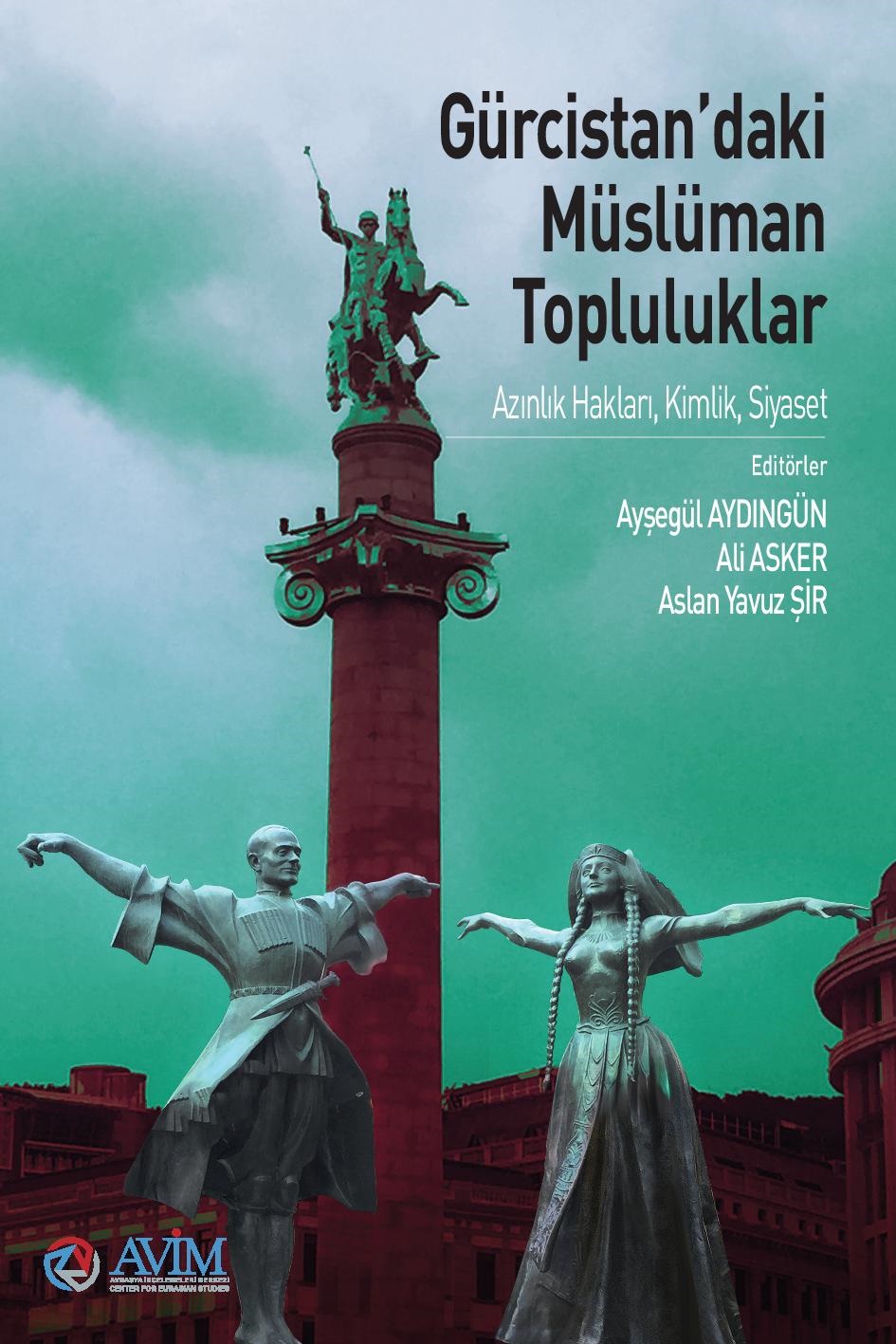
Gürcistan'daki Müslüman Topluluklar: Azınlık Hakları, Kimlik, Siyaset -
10.03.2016
Armenian Diaspora: Diaspora, State and the Imagination of the Republic of Armenia -
24.01.2016
ERMENİ SORUNU - TEMEL BİLGİ VE BELGELER (2. BASKI)
-
AVİM Conference Hall 24.01.2023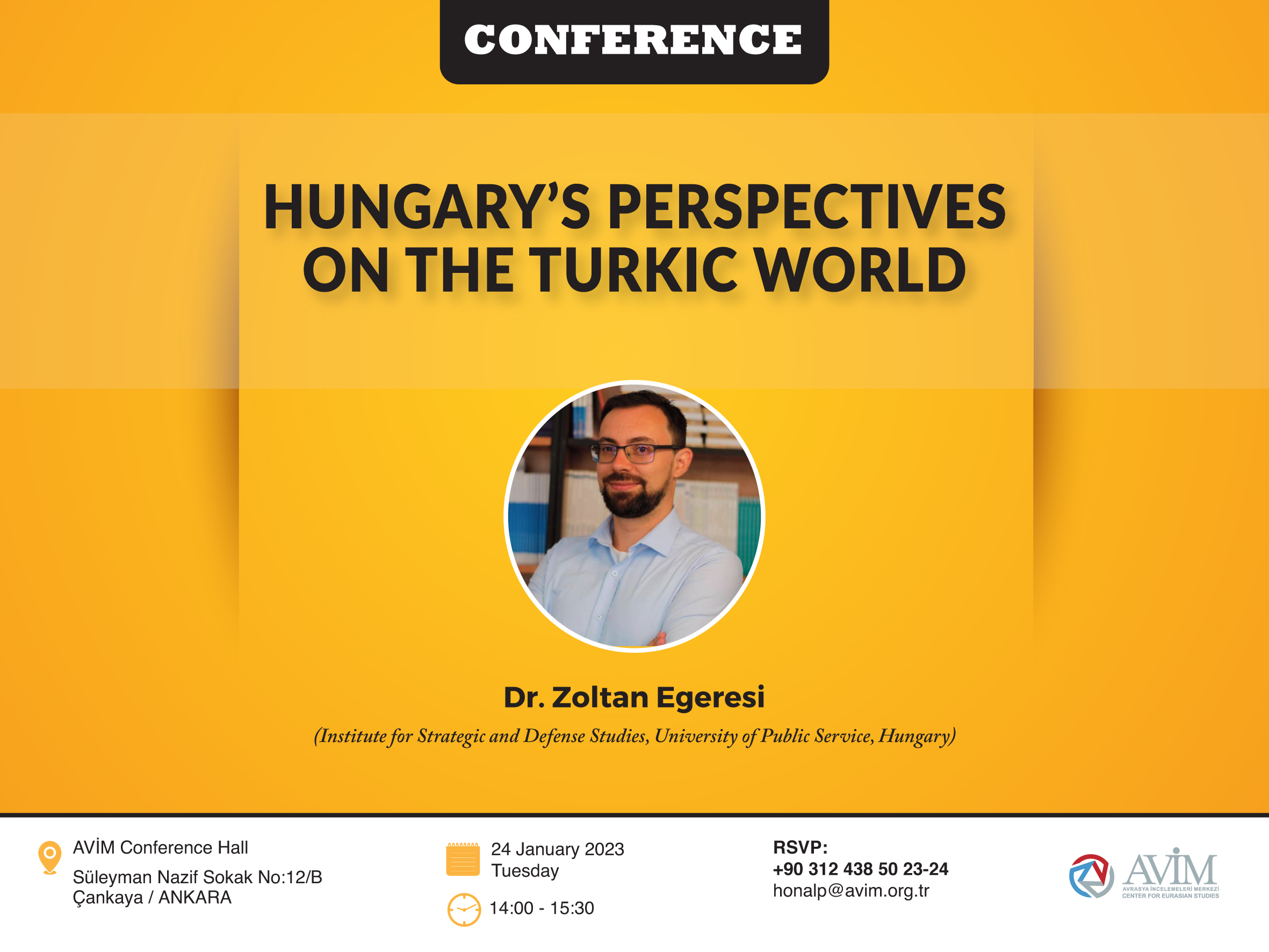
CONFERENCE TITLED “HUNGARY’S PERSPECTIVES ON THE TURKIC WORLD"