















EurActiv (24 January 2018)
As the EU embarks on a difficult year to trace the future course of its existence, the world is growing increasingly anxious at how Brussels and the 27-country bloc can reinvent itself to fully take a leading role in the global order.
With over 1,900 world business leaders gathered in Davos, the pervasive talk in the Alpine resort is the worrying fragmentation of the EU’s spirit and structure both at an inter-state and national level.
Restoring Europe’s shared purpose will be neither easy nor simple. European Commission President Jean-Claude Juncker, who will address businessmen and politicians on Thursday 25 January, a day after German Chancellor Angela Merkel and French President Emmanuel Macron, will have to reassure his Commission has the tools at hand.
Juncker to attend Davos forum for the first time in two decades
European Commission President Jean-Claude Juncker will attend the World Economic Forum in Davos later this month for the first time in two decades, as Europe wants to reclaim its role as a champion of multilateralism after years absorbed by its numerous crises.
Right now the EU seems to be at a tipping point with the exact same percentage of public trust and distrust, noted Xavier Mesnard, partner of the global management consultancy A.T. Kearney, quoting a 2017 survey by Chatham House.
“The EU elites have done little to close the widening schisms,” he said.
The fear is that the EU, launched in its current construction in 1993 with great promise, is destined to fragment into insignificance with unpredictable consequences for the international order, at a time when the United States is taking an isolationist and protectionist track.
Brexit is the most obvious indicator, but the resurfacing of far-right movements cannot be discounted as a symptomatic malaise.
“Rather than see them as imperative to renew or rethink the EU paradigm, EU elites and institutions have created rigid complexity that fuels frustration and antipathy to the Union, while doing little to shore up Europe’s fading sense of shared purpose,” Mesnard insisted.
Still, after a lost decade, the economy is gathering momentum and new political leadership in several countries is bringing hopes for a wind of change.
The EU27 and the euro area have surprised economists with a stronger than expected recovery, and forecasts show a continuation of this trend for the foreseeable future. Employment in Europe is at its highest ever. The reforms taken in response to the financial crisis are now paying off.
In a new report, released this week by the Commission think tank, the European Political Strategy Centre, the EU executive is bullish about the future, stressing that Europe’s economies are today more resilient and competitive, public debt is on a downward trend and past institutional weaknesses of the euro area have largely been corrected.
The EU27 attracted €424 billion worth of foreign direct investment (FDI) in 2016, against €391 billion in the US, underlines the report, underscoring Europe’s position as the world’s top destination for foreign investment. Not to mention that the EU is the largest trading bloc in the world.
Meanwhile, French President Emmanuel Macron has taken the lead in recapturing the EU spirit and strengthening the bloc so it can start solving the problems that have prompted voters to turn to the extremes. His vision for renewal starts with intelligence sharing and defense, control of the bloc’s external borders, and a budget for the euro area.
Germany is ready to get on board. A preliminary coalition deal reached between Chancellor Angela Merkel’s Christian Democratic Party and the center-left Social Democrats puts “A New Start for Europe” at the top of its list of priorities.
Yet Europe needs to be wary of complacency: the threat of its erosion has not dissipated, and indeed the continent faces dangerous new pressures as the world becomes more multi-polar and the challenges ahead more complex, notes Martina Larkin, head of Europe and Eurasia and a member of the executive committee of the World Economic Forum.
Just how awkward the divisions can be was on display at the last EU summit, in December. A two-hour debate on immigration went so badly that EU President Donald Tusk said it was proving “hard to even find common language.” He gave leaders until June to come to an agreement.
Witnessing the divides among their leaders, citizens are at odds. An earlier survey, published by the European Parliament, has found that Ireland is the country where 90% of citizens feel they benefitted the most out of EU membership.
None of the Big Six countries (France, Germany, Italy, Poland, Spain and the UK) pass the 80% bar. In Italy, which holds elections in March, only 39% of citizens feel membership to the EU has paid off.
Plasticity over rigidity
Juncker will surely hear much advice in Davos. But the one he should probably pay attention to, as Mesnard puts it, is to aim for what Aristotle called the golden mean—the desirable middle between the extremes of excess and deficiency.
“An excess of courage may lead to recklessness, while deficiency yields cowardice,” he added.
Rather go for plasticity, which he considers the ability to collaboratively adapt and rapidly reconfigure in the face of new challenges.
“Plasticity is how communities succeed over time in the real world, where conditions constantly change and our actions yield unintended as well as intended consequences,” Mesnard argued, stressing that EU leaders and institutios should move away from rigidity and cultivate plasticity.
A good way to start is migration. Europe has been thriving as an open, connected, and diverse society, noted Eckart Windhagen, a senior partner at McKinsey and Company.
Yet concerns over recent waves of migrants and asylum seekers have led to calls for closing Europe’s internal borders and spawned an anti-immigrant backlash that threatens European social cohesion.
The answer, Windhagen said, is to develop a holistic and pan-European migration policy, which means controlling borders effectively and implementing best practices in short- and long-term integration.
Juncker won’t be alone to convince investors in Davos. Besides Merkel and Macron, it seems the full European Council will be here, from Italian Prime Minister Paolo Gentiloni, Greek Prime Minister Alexis Tsipras, Lithuanian president Dalia Grybauskaitė, Belgian PM Charles Michel, Luxembourg PM Xavier Bettel and the list goes on.
No comments yet.
- DEPUTY PM: TRANS-CASPIAN TRANSPORT CORRIDOR - KAZAKHSTAN'S ACCESS TO EUROPEAN MARKETS Asia - Pacific 24.01.2018
- EU CALLS FOR A MORE INCLUSIVE, DEMOCRATIC IRAQ Iraq 24.01.2018
- ALBANIA, UNICEF INK MOU ON BETTER PROTECTION OF CHILDREN The Balkans 24.01.2018
- ARMENIA MUST SUBMIT NEW NUCLEAR REACTOR’S EIA REPORT TO NEIGHBORING STATES The Caucasus and Turkish-Armenian Relations 24.01.2018
- BULGARIAN FORMER INTELLIGENCE CHIEF HANDED SECOND SENTENCE ON EMBEZZLEMENT CHARGES The Balkans 24.01.2018
-
25.01.2016
THE ARMENIAN QUESTION - BASIC KNOWLEDGE AND DOCUMENTATION -
12.06.2024
THE TRUTH WILL OUT -
27.03.2023
RADİKAL ERMENİ UNSURLARCA GERÇEKLEŞTİRİLEN MEZALİMLER VE VANDALİZM -
17.03.2023
PATRIOTISM PERVERTED -
23.02.2023
MEN ARE LIKE THAT -
03.02.2023
BAKÜ-TİFLİS-CEYHAN BORU HATTININ YAŞANAN TARİHİ -
16.12.2022
INTERNATIONAL SCHOLARS ON THE EVENTS OF 1915 -
07.12.2022
FAKE PHOTOS AND THE ARMENIAN PROPAGANDA -
07.12.2022
ERMENİ PROPAGANDASI VE SAHTE RESİMLER -
01.01.2022
A Letter From Japan - Strategically Mum: The Silence of the Armenians -
01.01.2022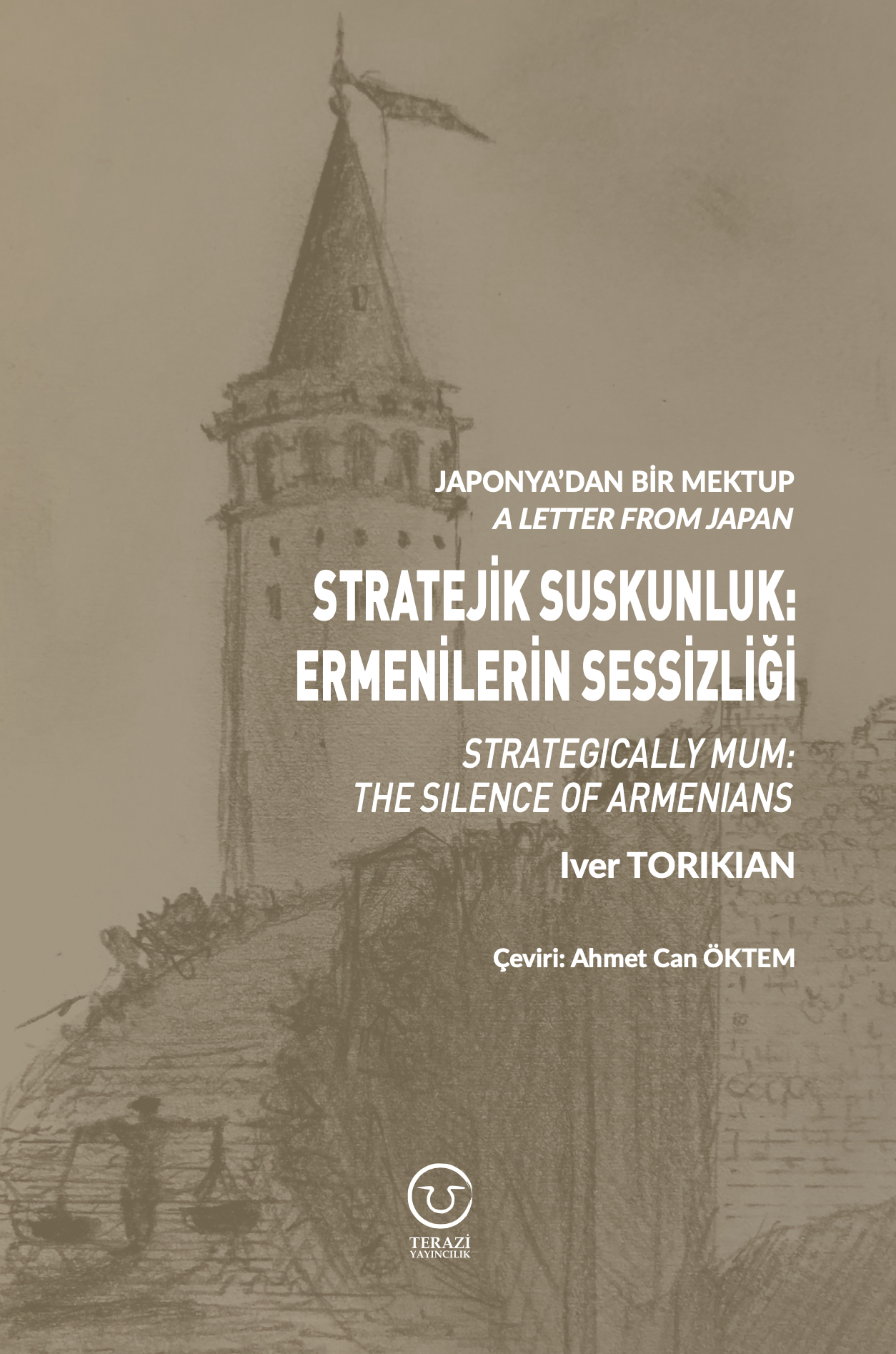
Japonya'dan Bir Mektup - Stratejik Suskunluk: Ermenilerin Sessizliği -
03.06.2020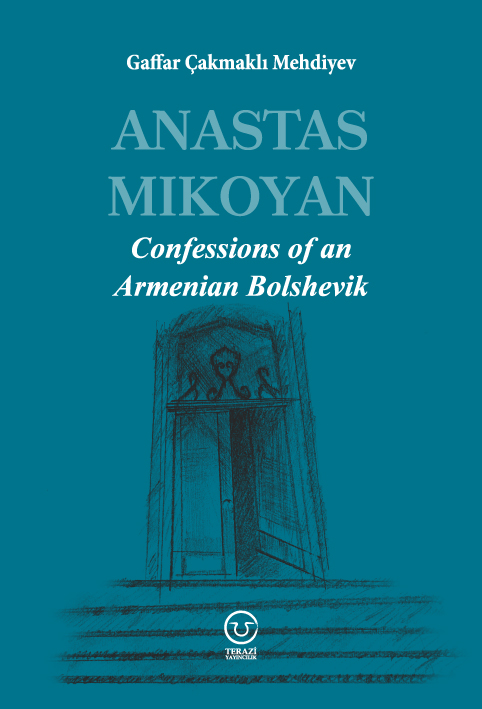
Anastas Mikoyan: Confessions of an Armenian Bolshevik -
08.04.2020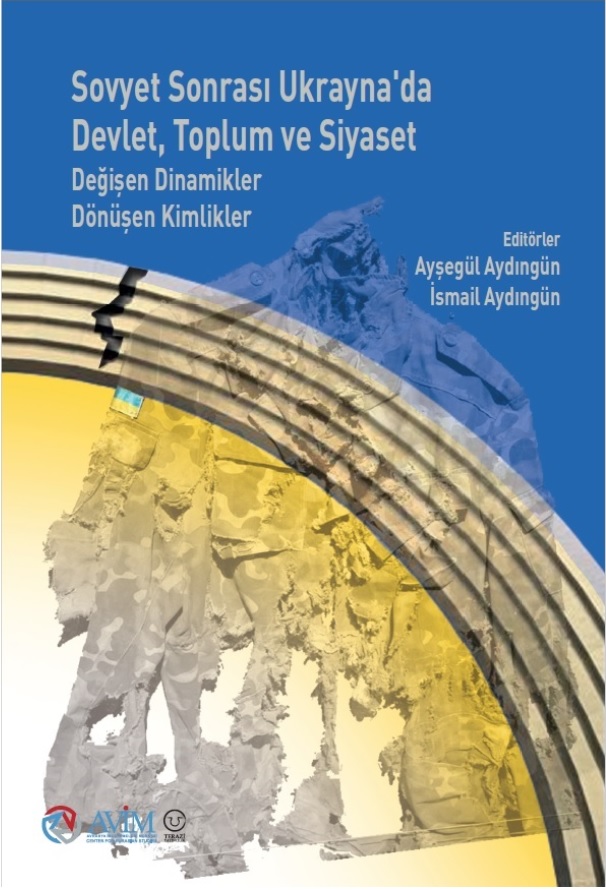
Sovyet Sonrası Ukrayna’da Devlet, Toplum ve Siyaset - Değişen Dinamikler, Dönüşen Kimlikler -
12.06.2018
Ermeni Sorunuyla İlgili İngiliz Belgeleri (1912-1923) - British Documents on Armenian Question (1912-1923) -
02.12.2016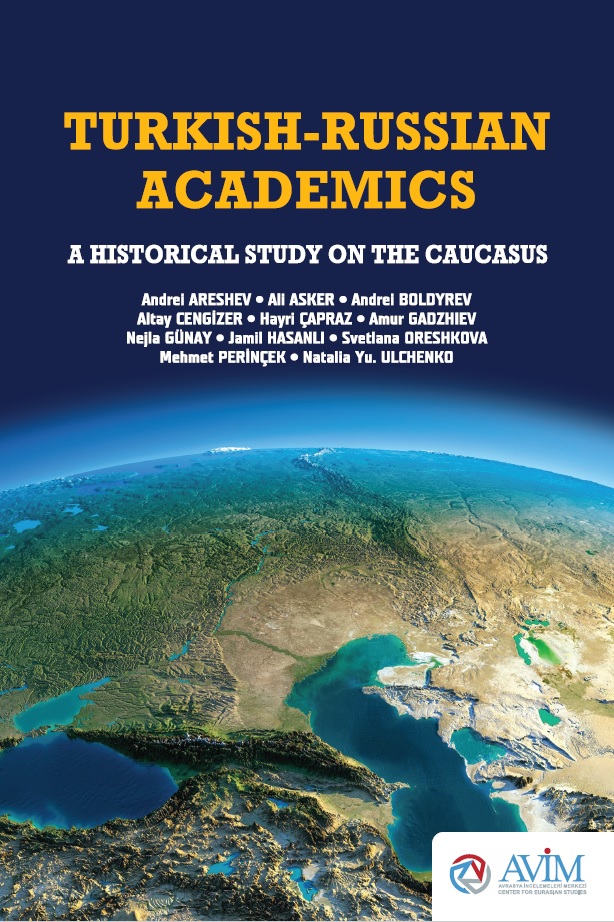
Turkish-Russian Academics: A Historical Study on the Caucasus -
01.07.2016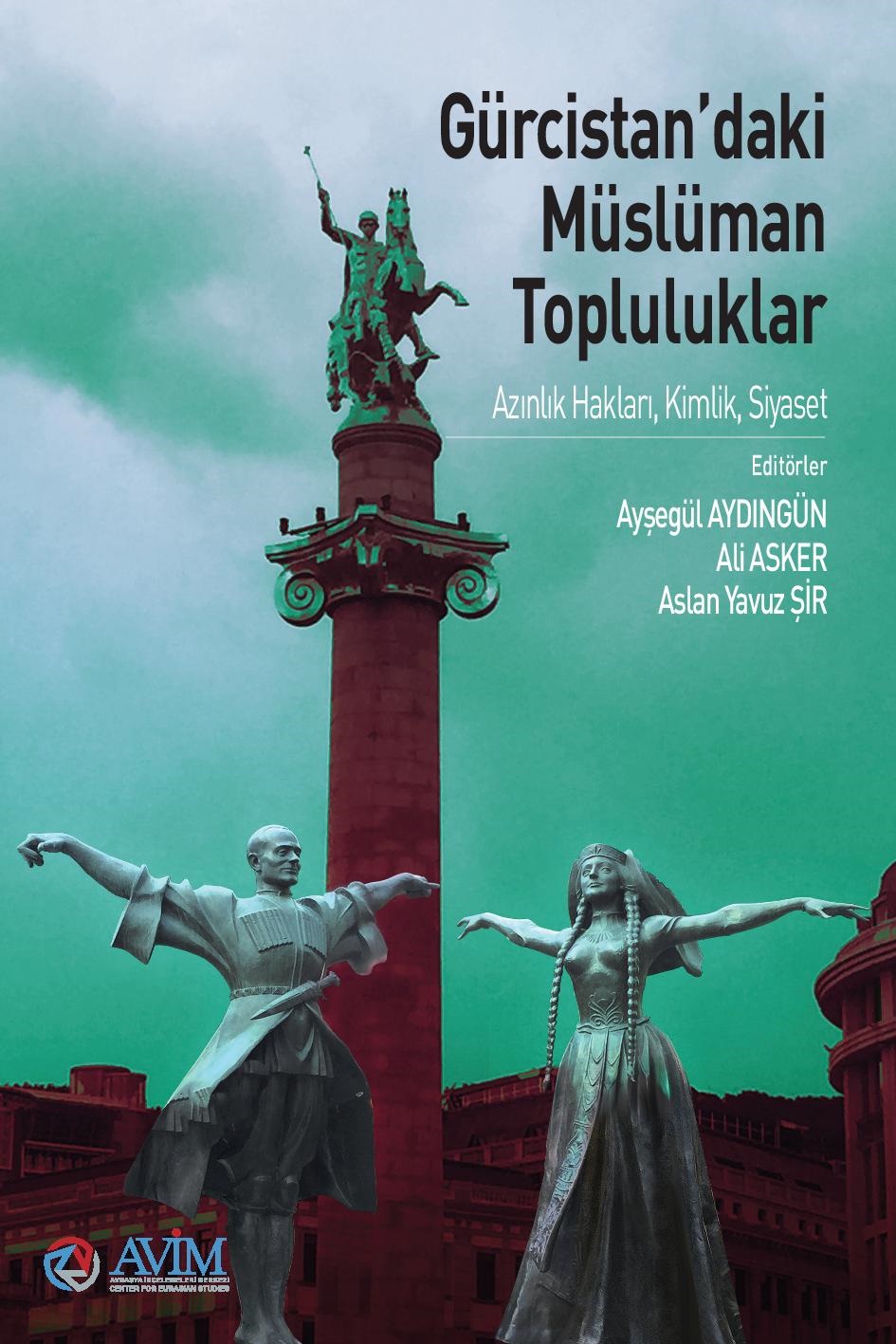
Gürcistan'daki Müslüman Topluluklar: Azınlık Hakları, Kimlik, Siyaset -
10.03.2016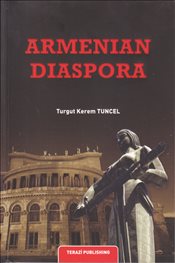
Armenian Diaspora: Diaspora, State and the Imagination of the Republic of Armenia -
24.01.2016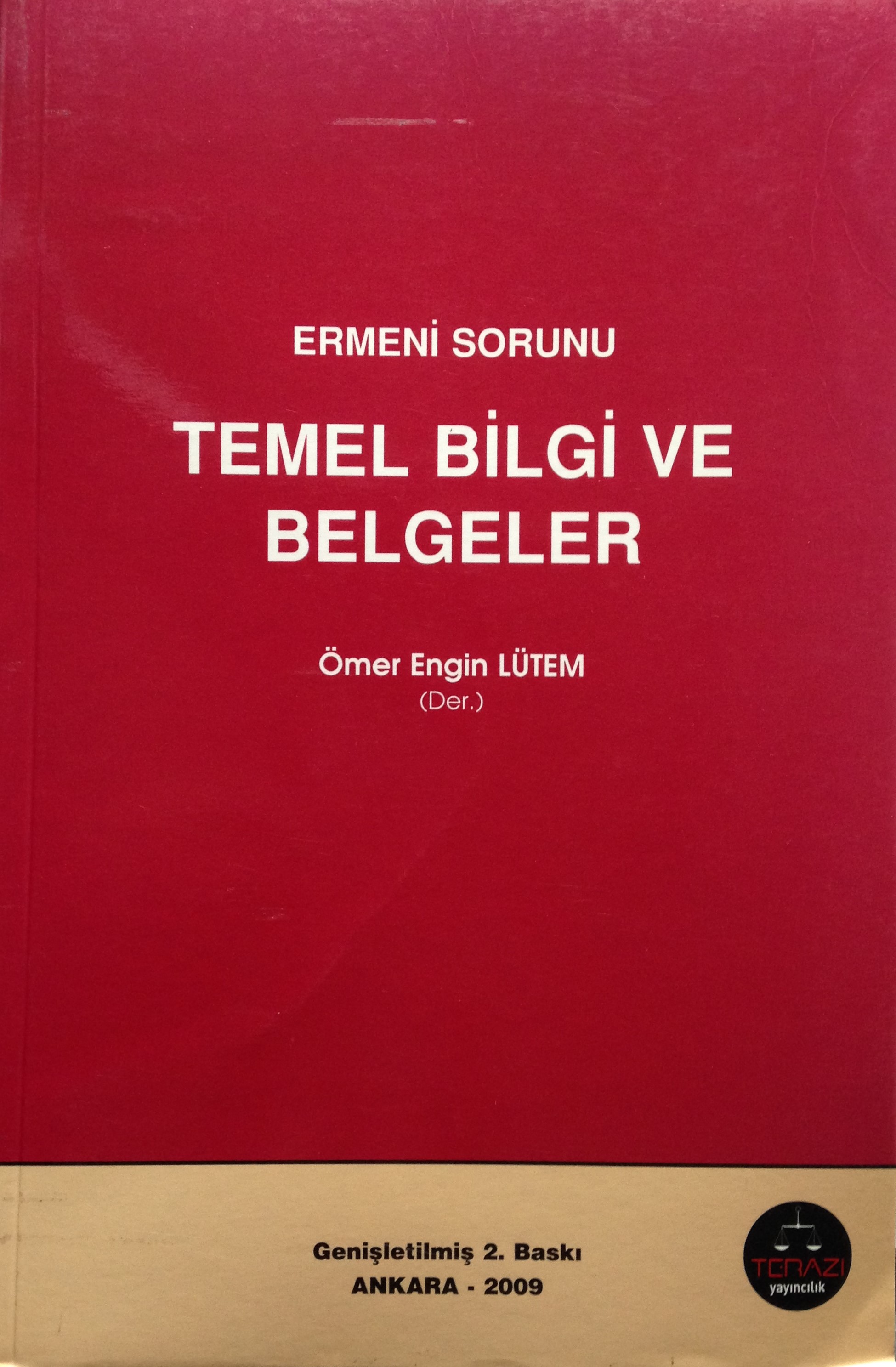
ERMENİ SORUNU - TEMEL BİLGİ VE BELGELER (2. BASKI)


-
AVİM Conference Hall 24.01.2023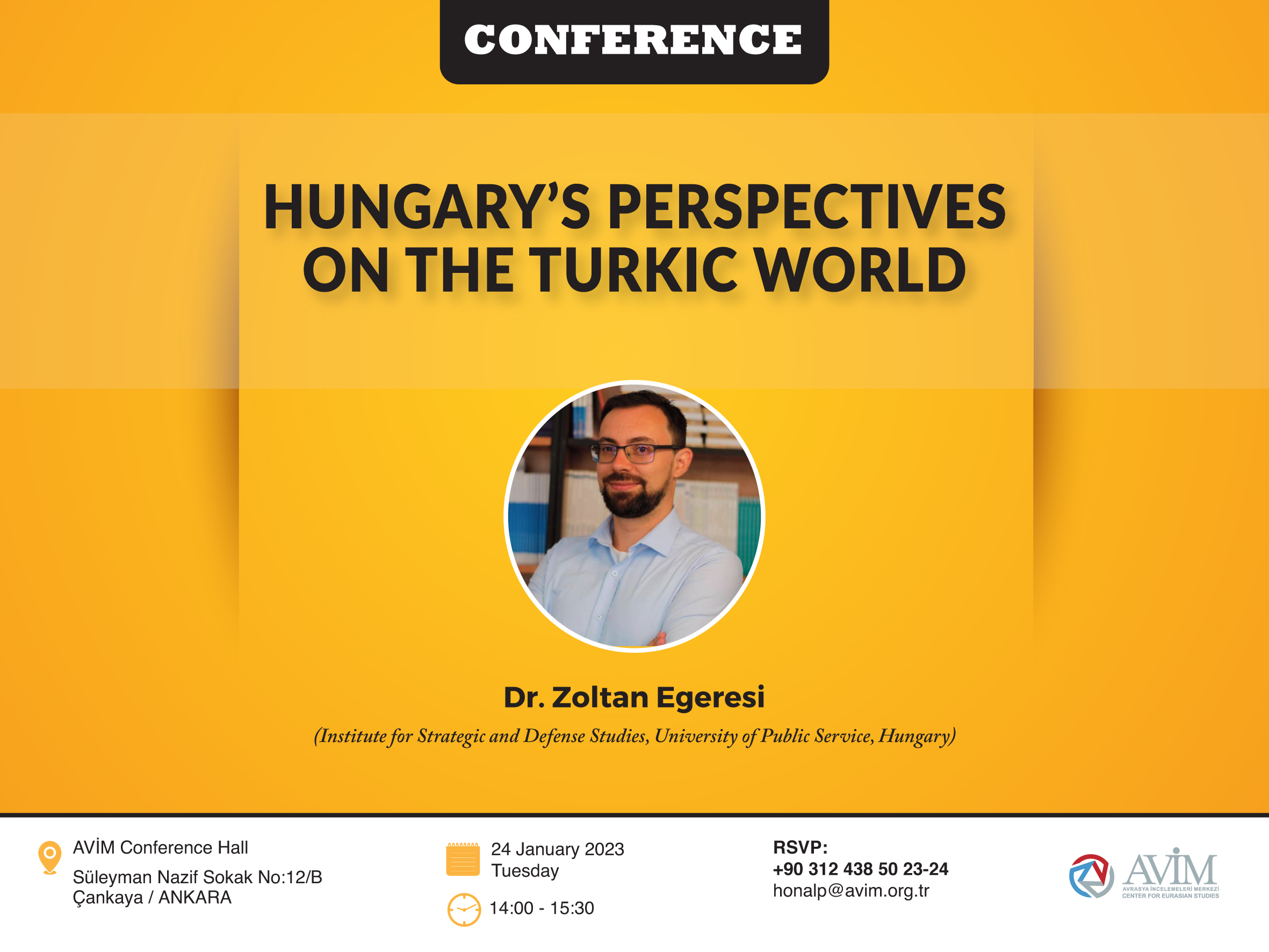
CONFERENCE TITLED “HUNGARY’S PERSPECTIVES ON THE TURKIC WORLD"