
















EU Observer (2 May 2018)
The European Commission kicked off the gruelling negotiations on the next EU budget on Wednesday (2 May) with proposing to plug the gap left by the departing UK by cutting traditional policies and focusing on migration and security challenges.
The EU executive proposed a €1,135bn budget for 2021-27 in an effort to boost funding for defence, migration and research in the post-Brexit EU.
Taking inflation into account, this would amount to €1,279bn in commitments for the seven-year period.
This means a €192bn increase compared to the previous multi-annual financial framework (MFF), which amounted to €1,087bn in inflation-adjusted current prices.
In 2018 prices, it means a 1.114 percent of the EU-27's gross national income (GNI) compared to the one percent under the current budget with the UK still a member of the club.
While the EU executive proposed a larger budget for 27 member states than for 28, it is a smaller increase than expected.
The figures are in commitments - the amounts member states pledge to pay in the next seven years - which is usually a larger figure than the actual payments made during the period.
The commission argues, however, that it is in fact a smaller budget that the current one if calculated for 27 countries, which amount to 1.13 percent of 27's GNI.
European Commission president Jean-Claude Juncker called the planned budget "reasonable and realistic".
No massacre
Budget commissioner Guenther Oettinger told MEPs that to fill in the gap of €12-14bn annually left by UK after it leaves the EU, the commission plans cuts in long-standing policies that amount to around 70 percent of the spendings.
Oettinger proposed to cut the Common Agriculture Policy (CAP) by five percent, with direct payments to farmers cut by four percent, while the cohesion funds aimed at helping poorer regions would see a reduction of seven percent.
The cuts in the two largest EU policies are more moderate than originally expected.
"There is no massacre, neither for cohesion, nor for CAP," Juncker told reporters.
The commission will only calculate in the coming weeks how much each member states could get from EU funds.
It is also planning to introduce new measures such as unemployment, climate change and migration up on how to calculate allocations to the amount of up to 20 percent of the funds, something that has unnerved central and eastern EU countries.
Increases
The commission, on the other hand, plans an increase in spending for border protection, by boosting the European border agency's staff from 1,200 to 10,000.
It also wants to give more money for research and development by 60 percent and support digitalisation.
It also wants to double the funds spent on the Erasmus student program, which Oettinger called the "right answer to populism and euroscepticism".
The commission also plans to spend more on development aid around the world with the aim of stemming migration flows to Europe, and give more to defence reasearch.
The EU executive also proposed a new set of so-called 'own resources' to the budget, so it could raise its own money (up to 12 percent of the total EU budget).
It plans to use 20 percent of revenues from the Emission Trading System (ETS) on a European-level, simplifying the VAT-based resources of the EU budget, a national contribution based on the amount of non-recycled plastic waste in each member state, and a share of a common tax scheme on large companies to be phased in.
The commission also €25bn as financial and technical support for member states that pursue structural economic reforms, and it also plans to support countries that want to introduce the euro. A stabilisation fund of €30bn would help secure loans to member states dealing with economic shocks.
These new instruments were born out of the idea to create a budget specifically for the euro area.
Juncker told reporters that however "these [new instruments] are not just for the eurozone".
"Clearly the European Parliament sees it as not ambitious enough, while for the most extreme net payer member states, it is already going too far. The commission has tried to find a middle way. It's vey difficult to go either way," Fabian Zuleeg, chief economist at the Brussels-based European Policy Centre told EUobserver.
"The overall package will be more contentious in central and eastern Europe," he added, noting that the region would lose both on cohesion and agriculture.
'Conditionality'
One of those controversial issues is linking to link EU funds to the respect to the rule of law.
The commission also went ahead with the highly sensitive proposal that will upset some central and eastern members.
It plans to reserve the right for itself to trigger the mechanism, and also suspend funds as a result, unless member states show enough unity to stop the procedure.
Juncker told MEPs that the plans are not aimed against any member states, but the EU executive had been struggling with rule of law issues in Poland and Hungary over the past years, countries which perceive the proposal as "political blackmail".
The EU budget needs the unanimous support of national leaders and the backing of the European Parliament. And it is unclear yet how the commission aims to convince these member states to agree to the new mechanism.
"It's not a bad idea in principle, but it depends on the details," Guntram Wolff, the head of the Bruegel think-tanks, told this website.
"It's a balanced budget, if we look at what the commission could do," Wolff said.
He noted that the EU executive could argue that there is no increase of the budget because of Brexit, but that the gap will be filled with the mechanical increase through inflation.
Member states push back
Some of the net contributor to the EU budget, the Netherlands, Austria, Sweden and Denmark, have already said they would not pay more than under the current MFF, and insist the budget should amount to one percent of the bloc's GNI.
To ease the objections of these countries, the commission is proposing to phase out in the next five years the rebates - a complicated system of compensations to them, while it had originally wanted to get rid of all rebates after the UK's departure.
Dutch premier Mark Rutte, who is leading the group of net payers, called the proposal "unacceptable".
It is "leaving the Netherlands paying too high a share of the bill," he said in a statement, arguing that the the bill is disproportionately distributed among member states, hurting the Netherlands. He also rejected the gradual phasing out of the rebates.
Denmark's PM Lars Lokke Rasmussen also pushed back, saying a smaller EU should entail a smaller EU budget.
Austria's prime minister, Sebastian Kurz, whose country is one of the net contributors reluctant to pay more, tweeted that the commission's proposal is "still far from an acceptable solution".
When asked about the premiers negative reactions, Oettinger pointed out the majority of EU prime ministers haven't reacted yet at all. "A large majority haven't criticised it," the German commissioner said.
Poland's EU affairs minister Konrad Szymanski noted that his country did "not perceive today's proposals as confrontational towards Poland."
But he warned that the negotiations "might be one of the most difficult ones in history".
No comments yet.
-
 UKRAINE SUSPENDS PARTICIPATION IN CIS COORDINATION COUNCILS - SECURITY COUNCIL
Asia - Pacific
03.05.2018
- COMMISSION LAUNCHES SEVEN-YEAR BUDGET 'BARGAINING' Europe - EU 03.05.2018
-
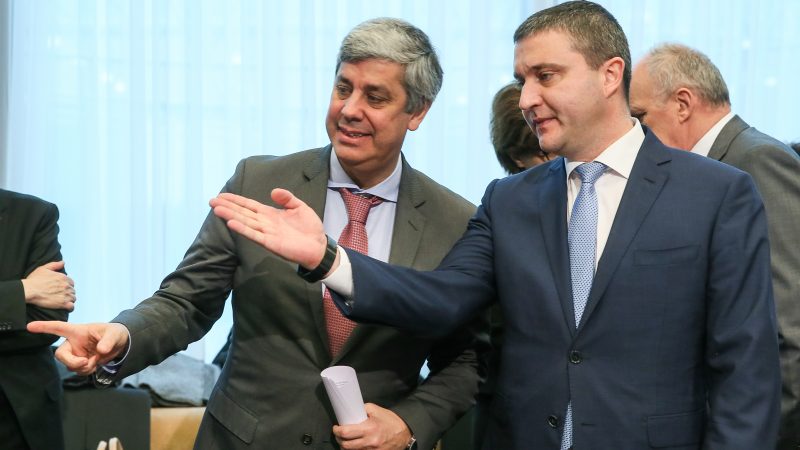 BULGARIA DISLIKES COMMISSION PLAN TO LINK EU FUNDING TO RULE OF LAW
The Balkans
03.05.2018
- AMBASSADOR: ISRAEL, AZERBAIJAN ENJOY MULTILATERAL AND STRATEGIC RELATIONS The Caucasus and Turkish-Armenian Relations 03.05.2018
- ARMENIA LAWYERS URGE CASSATION COURT PRESIDENT TO RESIGN The Caucasus and Turkish-Armenian Relations 03.05.2018
-
25.01.2016
THE ARMENIAN QUESTION - BASIC KNOWLEDGE AND DOCUMENTATION -
12.06.2024
THE TRUTH WILL OUT -
27.03.2023
RADİKAL ERMENİ UNSURLARCA GERÇEKLEŞTİRİLEN MEZALİMLER VE VANDALİZM -
17.03.2023
PATRIOTISM PERVERTED -
23.02.2023
MEN ARE LIKE THAT -
03.02.2023
BAKÜ-TİFLİS-CEYHAN BORU HATTININ YAŞANAN TARİHİ -
16.12.2022
INTERNATIONAL SCHOLARS ON THE EVENTS OF 1915 -
07.12.2022
FAKE PHOTOS AND THE ARMENIAN PROPAGANDA -
07.12.2022
ERMENİ PROPAGANDASI VE SAHTE RESİMLER -
01.01.2022
A Letter From Japan - Strategically Mum: The Silence of the Armenians -
01.01.2022
Japonya'dan Bir Mektup - Stratejik Suskunluk: Ermenilerin Sessizliği -
03.06.2020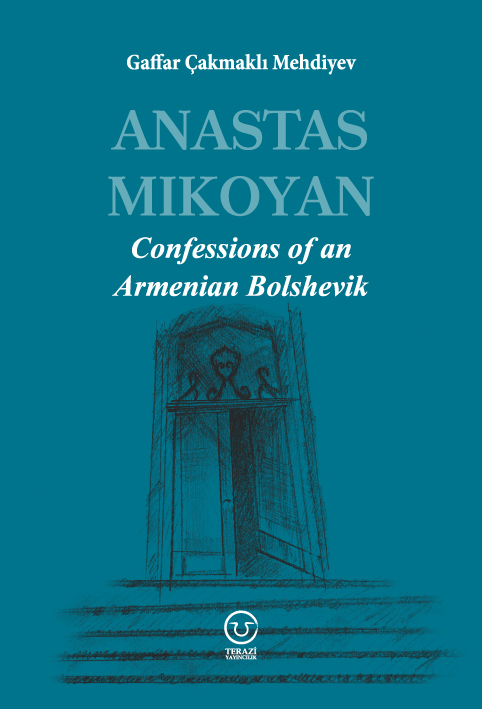
Anastas Mikoyan: Confessions of an Armenian Bolshevik -
08.04.2020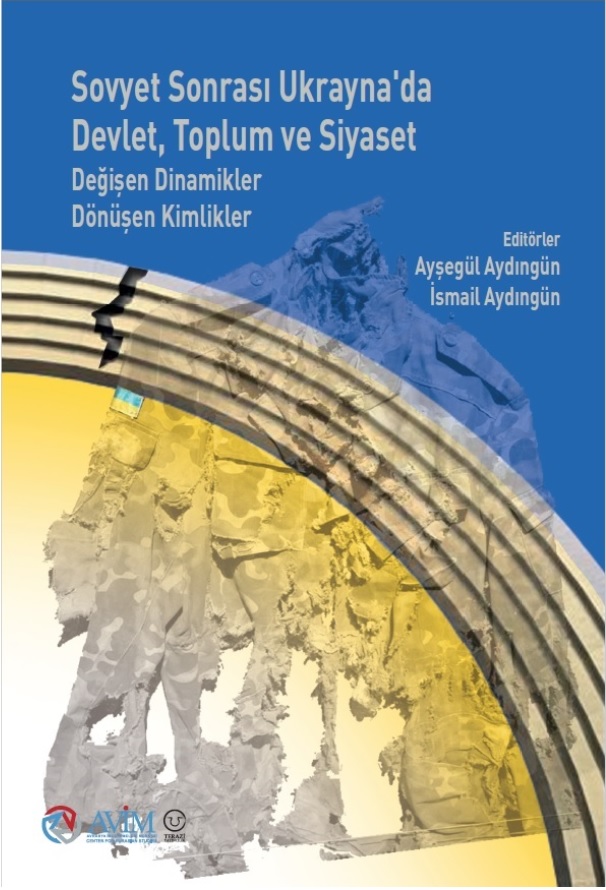
Sovyet Sonrası Ukrayna’da Devlet, Toplum ve Siyaset - Değişen Dinamikler, Dönüşen Kimlikler -
12.06.2018
Ermeni Sorunuyla İlgili İngiliz Belgeleri (1912-1923) - British Documents on Armenian Question (1912-1923) -
02.12.2016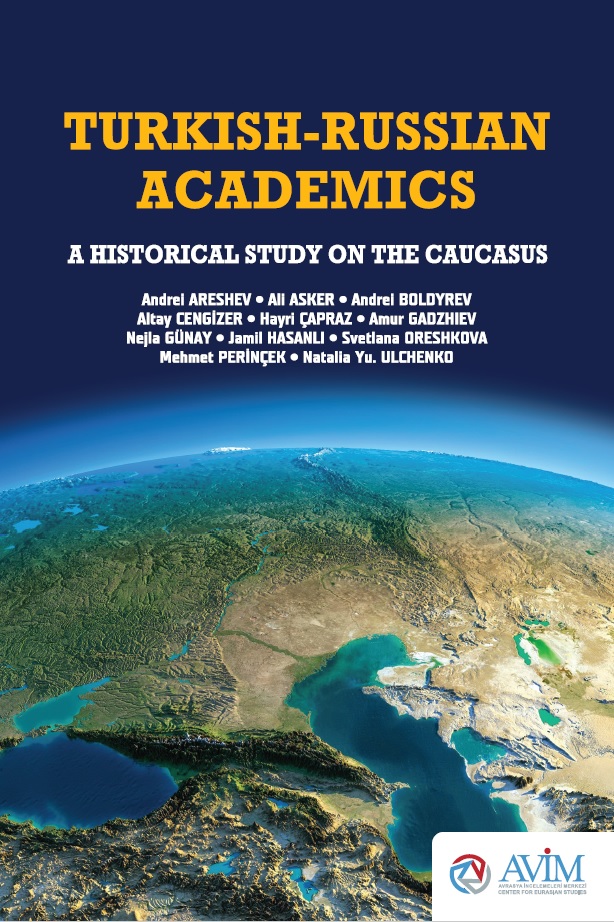
Turkish-Russian Academics: A Historical Study on the Caucasus -
01.07.2016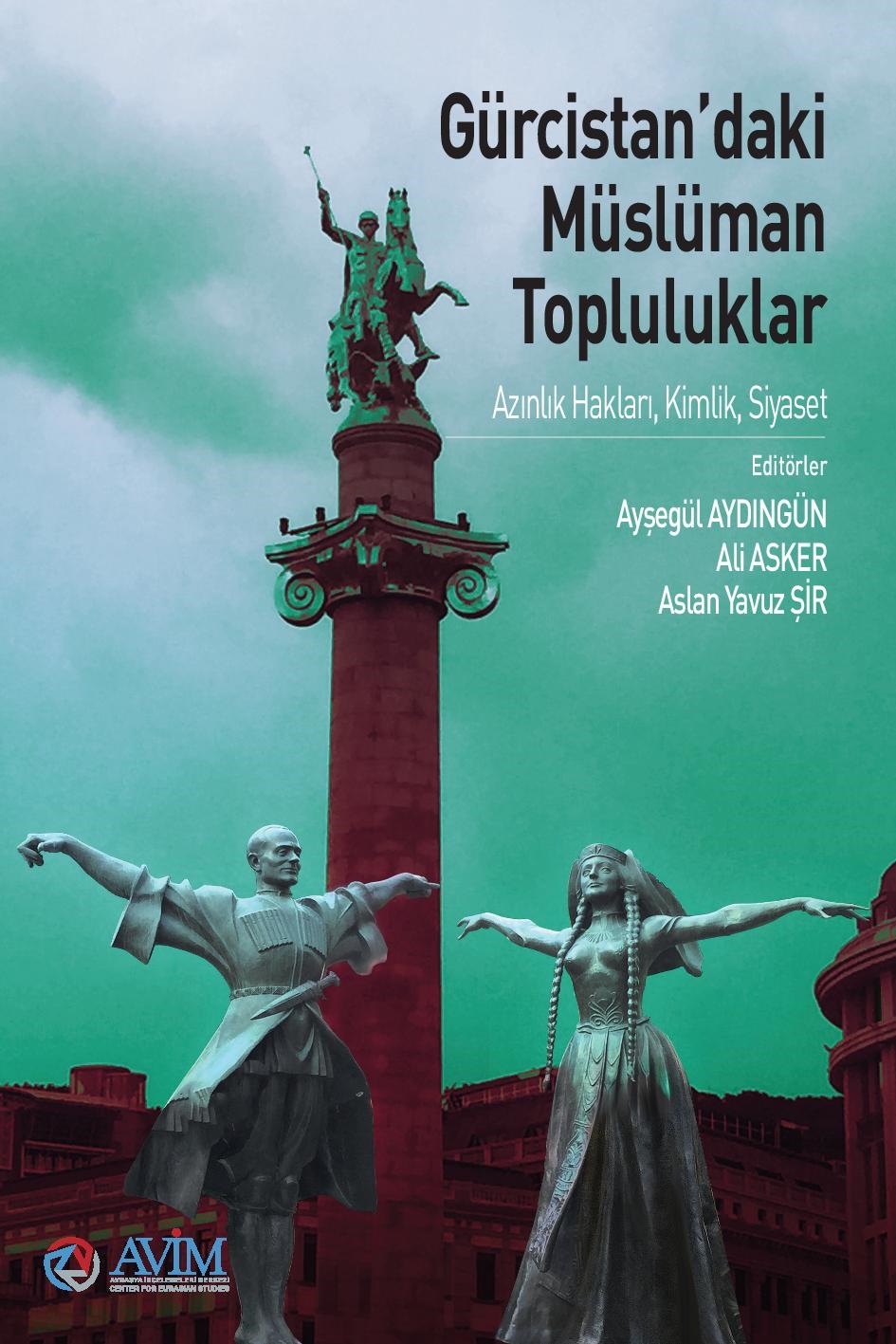
Gürcistan'daki Müslüman Topluluklar: Azınlık Hakları, Kimlik, Siyaset -
10.03.2016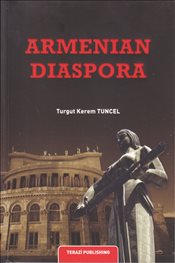
Armenian Diaspora: Diaspora, State and the Imagination of the Republic of Armenia -
24.01.2016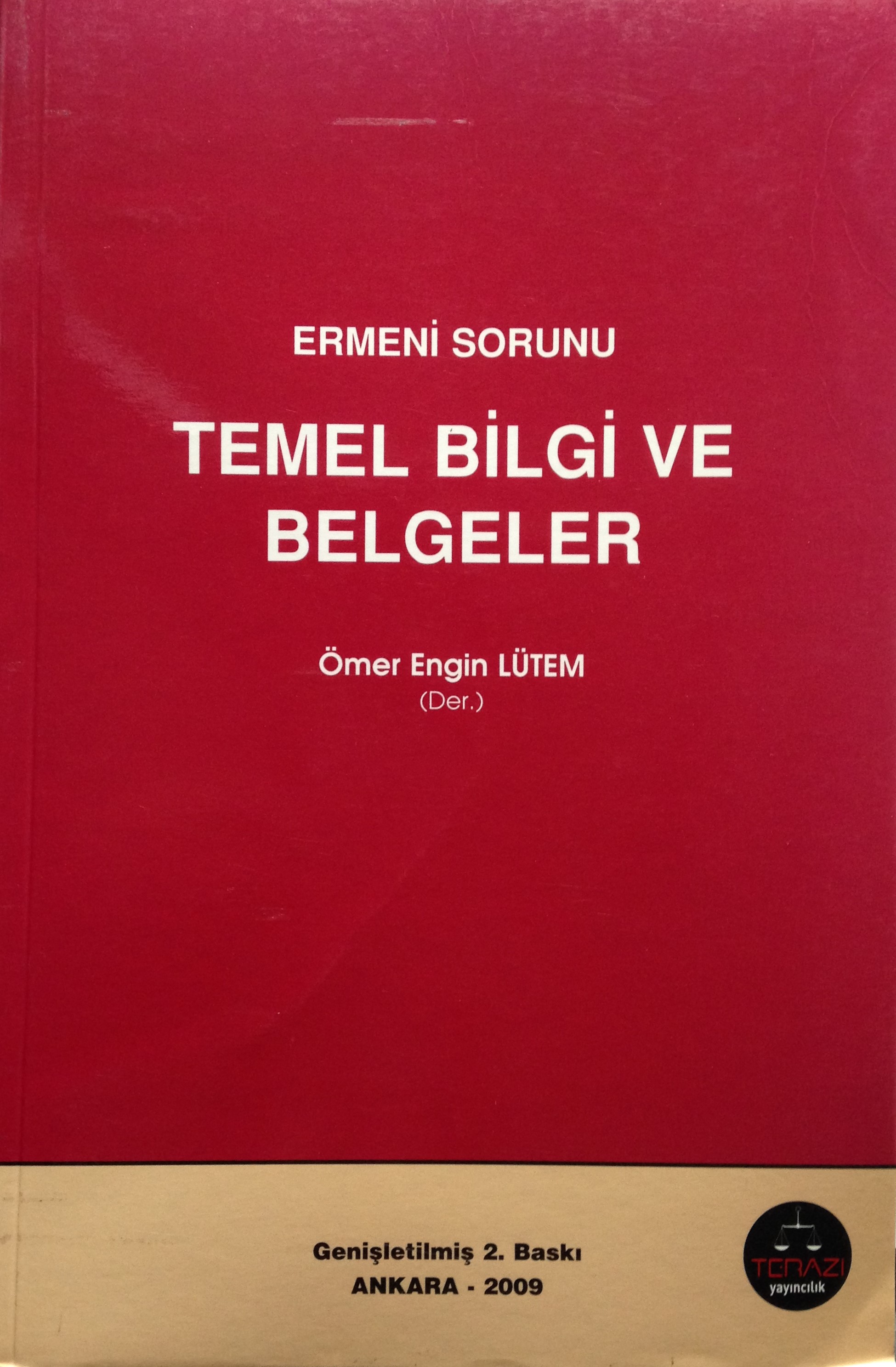
ERMENİ SORUNU - TEMEL BİLGİ VE BELGELER (2. BASKI)
-
AVİM Conference Hall 24.01.2023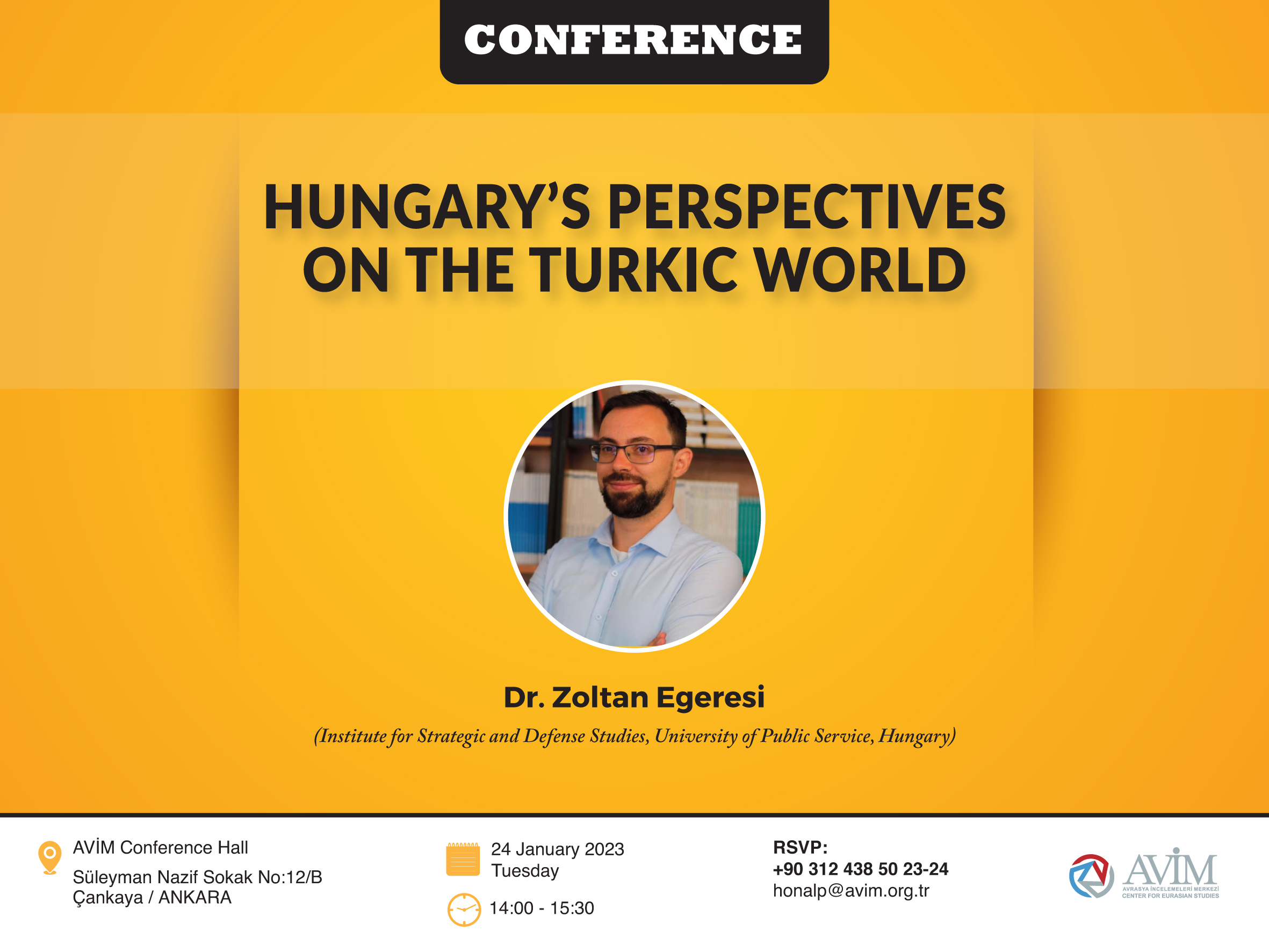
CONFERENCE TITLED “HUNGARY’S PERSPECTIVES ON THE TURKIC WORLD"