

















Market Watch, Mar 5, 2018
China is emerging as a massive creditor to its economic allies taking up projects to upgrade roads, harbors and airports, making it an increasingly important financial influence on the world stage.
China is financing as much as $8 trillion in deals as part of its "Belt and Road Initiative" in 68 countries winding through Asia, Africa and Europe.
New data from the Center for Global Development, an international think tank, estimate the program has left eight countries financially vulnerable: Djibouti, Kyrgyzstan, Laos, the Maldives, Mongolia, Montenegro, Pakistan and Tajikistan.
Those countries occupy footholds in Southeast Asia (Laos), an African port city-state (Djibouti), an inroad to Europe (Montenegro), a string of Indian Ocean ports (the Maldives and Pakistan), and a network of historic road and rail routes across central Asia known historically as the Silk Road.
Montenegro is using its Chinese funding to build a super highway that will improve its connections with Balkan neighbors. Tajikistan and Kyrgyzstan are getting rails, roads, hydropower plants and a major gas pipeline. Mongolia will receive funding to build hydroelectric power plants and a major highway from the airport to the capital.
In the process, debt levels and dependence on China are rising. Kyrgyzstan's debt from infrastructure projects is projected to rise from 62% of gross domestic product to 78%, and China's share of that debt will jump from 37% to 71%. China's share of debt in Djibouti, where it has its only overseas military base, will rise from 82% to 91% of GDP as a result of infrastructure funding, according to authors Scott Morris, John Hurley and Gailyn Portelance.
Their data was assembled from public reports on individual projects.
Concerns have been raised in the past about the amount of U.S. debt that China owns, but the situation is different. China holds $1.2 trillion in U.S. debt, according to Treasury Department data, which is roughly 18% of American debt held by foreign holders. And China's holdings here are mostly Treasury securities, rather than stakes in critical infrastructure projects.
Mr. Morris said these trends will place Chinese authorities at the center of financial decisions if debt in these countries becomes unsustainable, supplanting the International Monetary Fund, the U.S. or private creditors in importance.
"The rules of the road are really that whoever holds the most debt is going to be calling the shots," said Mr. Morris, who served as deputy assistant secretary for development finance at the U.S. Treasury from 2009 to 2012.
Two more countries -- Cambodia and Afghanistan -- could soon owe more than half their external debt to China, though unlike the other eight their overall debt hasn't reached alarmingly high levels.
An example of China's financial sway was evident in December at the sprawling Hambantota Port on the Indian Ocean in Sri Lanka. The nation struggled to make payments on over $1 billion of Chinese debt. Chinese officials negotiated to relieve the debts in exchange for a Chinese state-owned company leasing the port for 99 years. Only about 12% of Sri Lanka's debts are held by China, though that figure will rise to about 17% due to Belt and Road projects.
"If Sri Lanka happens again and happens again, I do think it represents a challenge for China's president Xi Jinping," said Mr. Hurley. "He's promoting the Belt and Road Initiative as being in the best interest of other countries and their people."
Mr. Jinping has said the guiding principles of the projects are "peace and cooperation, openness and inclusiveness, mutual learning and mutual benefit."
In Pakistan, China's projects have sparked protests from locals in Baluchistan, including fishermen who are being displaced by Chinese developments around the Gwadar port. Kaiser Bengali, the former economic adviser to the Chief Minister of Baluchistan, estimates 91% of revenue at the port will go to China, and only 9% to Pakistani authorities.
"No one gives anybody free money," said Mr. Bengali. "The Chinese companies are getting blanket tax concessions," he said, and "instead of buying materials from here they buy in China. So the multiplier effect of development happens in China not here."
But many others are optimistic about increased Chinese investment in their country, even if it means China will have increased influence
"I don't see too much dependence on one country in terms of debt," said Datpurev Ayushuren, an independent economist and consultant in the Mongolian capital of Ulaanbaatar, where China could extend as much as $30 billion of credit to fund projects. Mr. Ayushuren said these are "long-term projects that could actually stimulate economic activities, I feel gains outweigh risks if managed properly."
Write to Josh Zumbrun at Josh.Zumbrun@wsj.com and Jon Emont at jonathan.emont@wsj.com
https://www.marketwatch.com/story/chinas-belt-and-road-hangs-over-8-economies-2018-03-05
No comments yet.
- INDIA, VIETNAM LAY STRESS ON DEFENCE TIES Asia - Pacific 05.03.2018
- IRAQI PM AND LUKOIL CEO HAVE DISCUSSED LUKOIL’S OIL PRODUCTION IN IRAQ Iraq 05.03.2018
- ARMENIA ARMY CHIEF, CHINA AMBASSADOR DISCUSS COOPERATION IN DEFENSE SECTOR The Caucasus and Turkish-Armenian Relations 05.03.2018
- AZERBAIJAN DESTROYS ANOTHER ARMENIAN UAV The Caucasus and Turkish-Armenian Relations 05.03.2018
- URBANIZATION, MIGRATION AND DECLINING FERTILITY TRANSFORMING NORTH CAUCASUS The Caucasus and Turkish-Armenian Relations 05.03.2018
-
25.01.2016
THE ARMENIAN QUESTION - BASIC KNOWLEDGE AND DOCUMENTATION -
12.06.2024
THE TRUTH WILL OUT -
27.03.2023
RADİKAL ERMENİ UNSURLARCA GERÇEKLEŞTİRİLEN MEZALİMLER VE VANDALİZM -
17.03.2023
PATRIOTISM PERVERTED -
23.02.2023
MEN ARE LIKE THAT -
03.02.2023
BAKÜ-TİFLİS-CEYHAN BORU HATTININ YAŞANAN TARİHİ -
16.12.2022
INTERNATIONAL SCHOLARS ON THE EVENTS OF 1915 -
07.12.2022
FAKE PHOTOS AND THE ARMENIAN PROPAGANDA -
07.12.2022
ERMENİ PROPAGANDASI VE SAHTE RESİMLER -
01.01.2022
A Letter From Japan - Strategically Mum: The Silence of the Armenians -
01.01.2022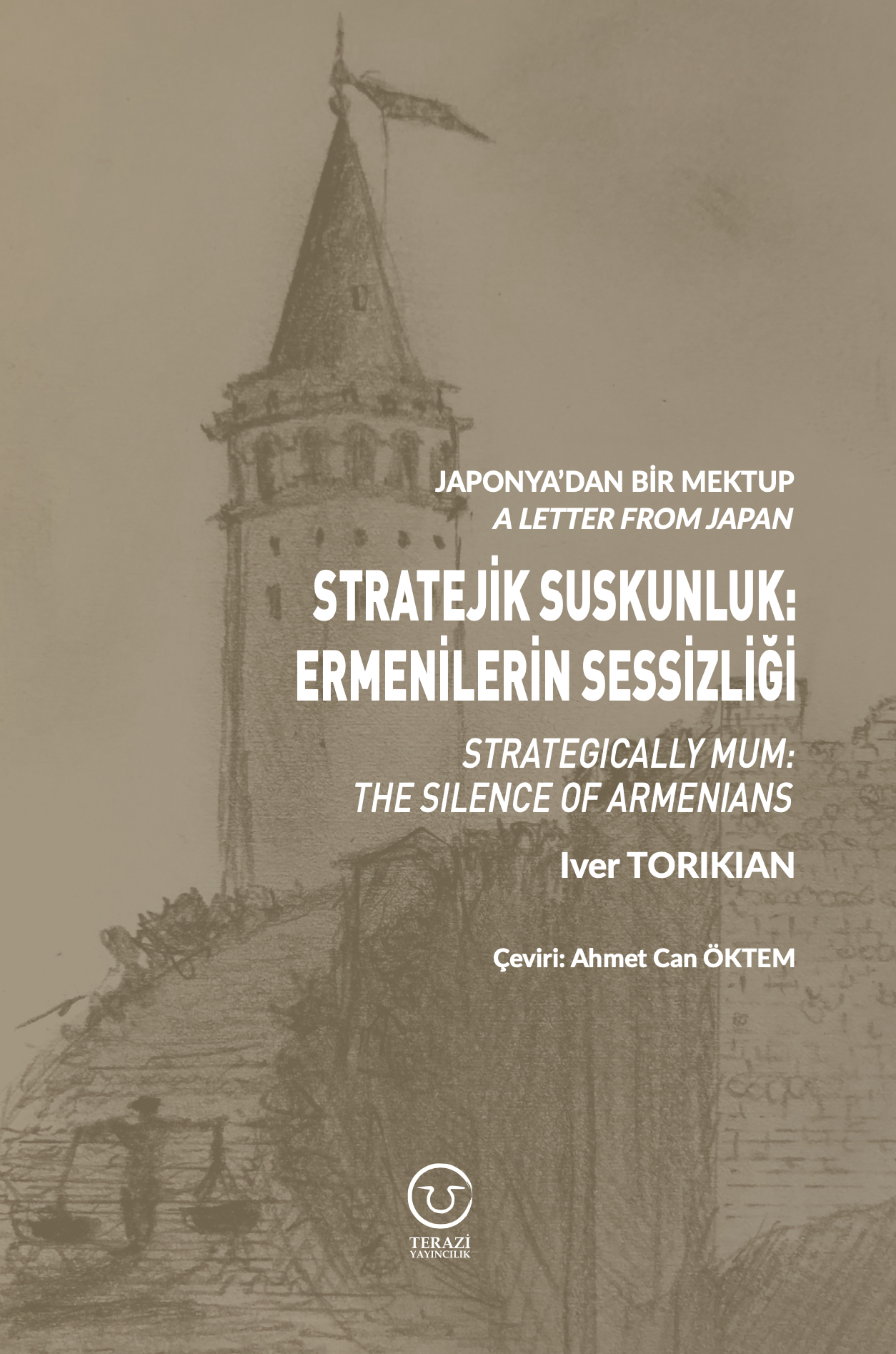
Japonya'dan Bir Mektup - Stratejik Suskunluk: Ermenilerin Sessizliği -
03.06.2020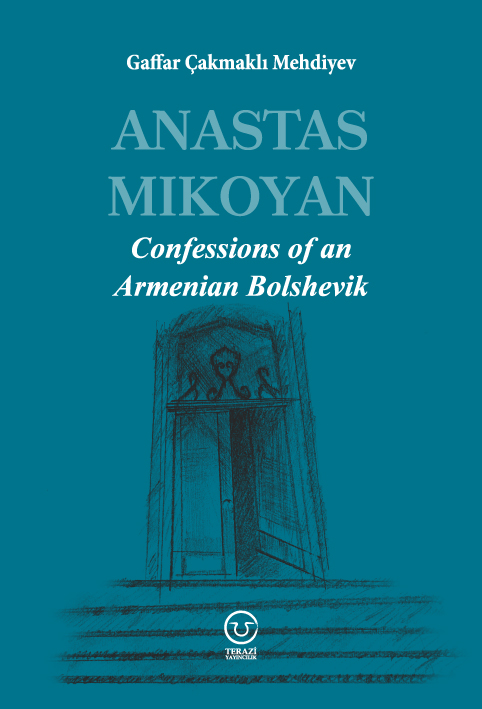
Anastas Mikoyan: Confessions of an Armenian Bolshevik -
08.04.2020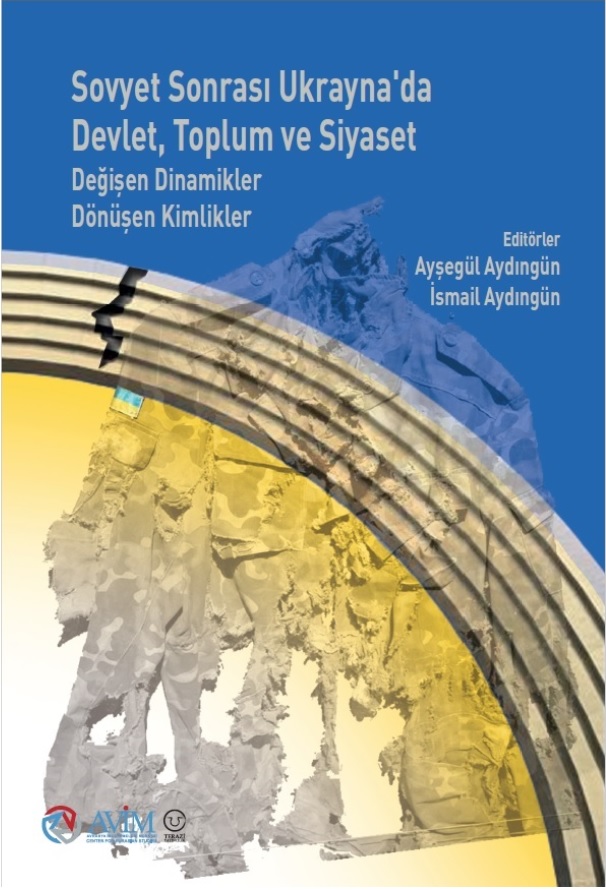
Sovyet Sonrası Ukrayna’da Devlet, Toplum ve Siyaset - Değişen Dinamikler, Dönüşen Kimlikler -
12.06.2018
Ermeni Sorunuyla İlgili İngiliz Belgeleri (1912-1923) - British Documents on Armenian Question (1912-1923) -
02.12.2016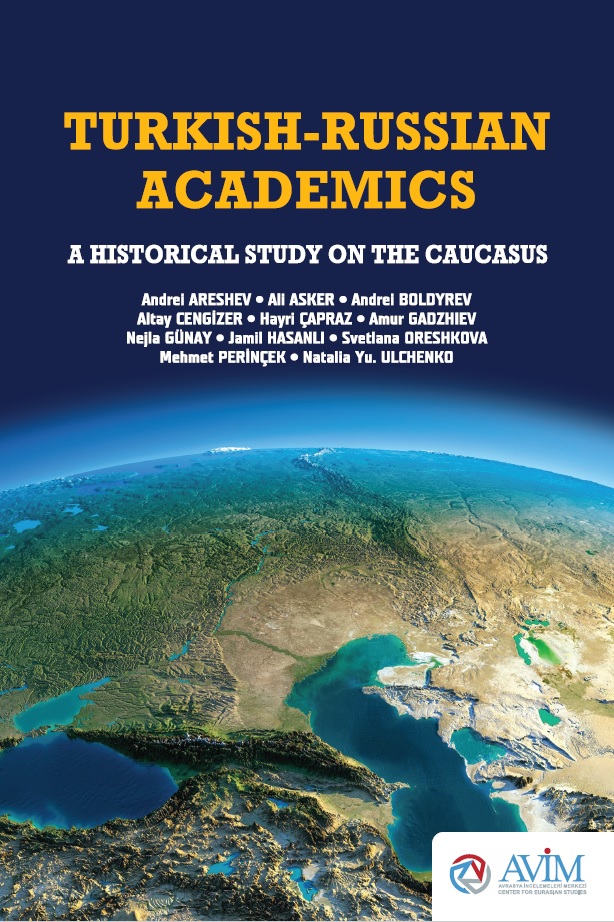
Turkish-Russian Academics: A Historical Study on the Caucasus -
01.07.2016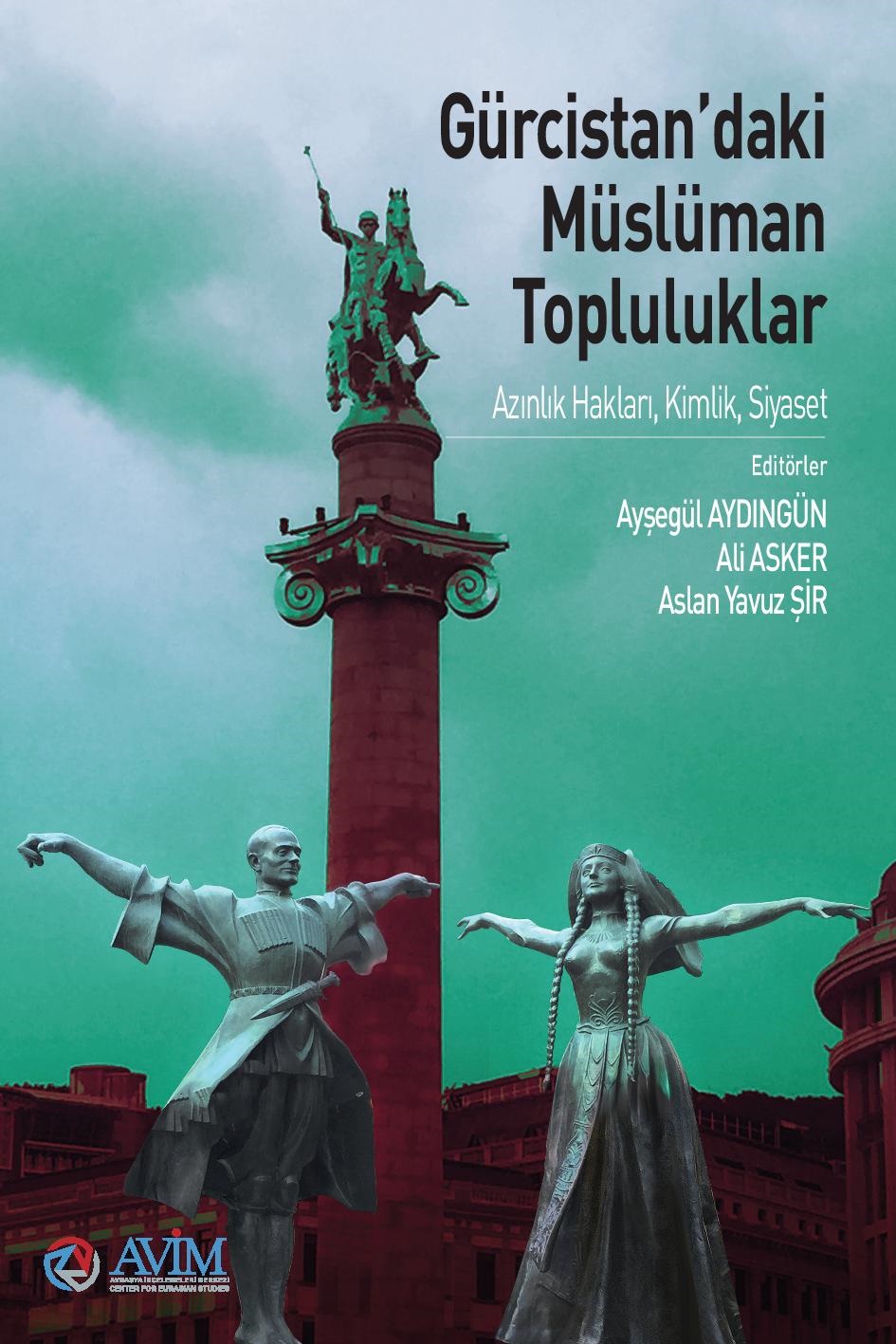
Gürcistan'daki Müslüman Topluluklar: Azınlık Hakları, Kimlik, Siyaset -
10.03.2016
Armenian Diaspora: Diaspora, State and the Imagination of the Republic of Armenia -
24.01.2016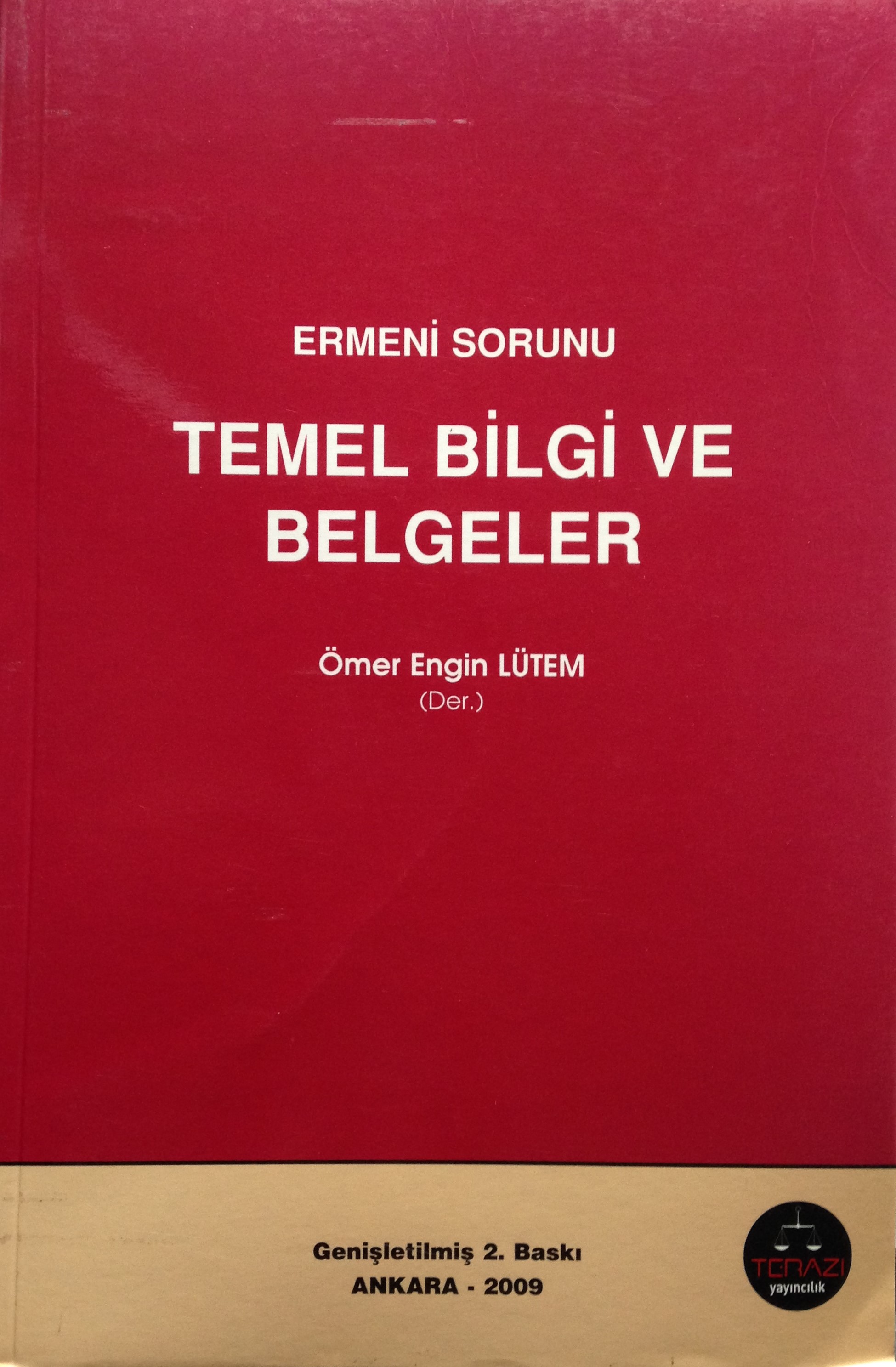
ERMENİ SORUNU - TEMEL BİLGİ VE BELGELER (2. BASKI)


-
AVİM Conference Hall 24.01.2023
CONFERENCE TITLED “HUNGARY’S PERSPECTIVES ON THE TURKIC WORLD"