

















Balkan Insight (27 Agust 2018)
Aleksandar Vucic’s government in Serbia has been sabotaging negotiations with Kosovo over the latter’s international status. That much is apparent to anyone who has followed the Belgrade-Pristina dialogue since its inception in 2011.
What has only recently become clear, however, although it has been discussed openly in diplomatic circles for some time, is what exactly his government’s preferred solution to the dispute is.
If Serbia is not prepared to eventually recognize Kosovo’s independence within the context of its own accession to the EU, how does it propose to resolve the impasse between the two states?
The diplomatic chatter has now become explicit government policy: partition.
Civil society, academics, and former government officials alike have all made clear why such “border corrections” in the Balkans are a certain recipe for chaos.
If we have learned anything from the region’s post-Ottoman history, it is that “ethnic partition” is a byword for conflict.
What is still more jarring is the extent to which Vucic and Co.’s proposed bargain over Kosovo clearly has more to do with Bosnia and Herzegovina than with Serbia’s erstwhile province.
Vucic’s rhetoric concerning the whole matter makes clear that he and his government, especially the Foreign Minister Ivica Dacic, are not interested in “reconciliation” with any of Serbia’s neighbors.
Their aim is to contest the post-Yugoslav settlement in the region, which saw Slobodan Milosevic’s attempt to carve out a “Greater Serbia” from the old federation defeated in four consecutive wars.
This is not ancient history, it is the immediate context. Neither Vucic nor Dacic have ever expressed an iota of contrition for these wars, for their direct role in them as members of Milosevic’s government, or for the nearly 150,000 deaths they caused across the region.
They continue to insist that Kosovo’s independence is “illegitimate” and a violation of international law – but also that Republika Srpska, RS, the entity carved out of Bosnia through campaigns of ethnic cleansing, expulsions, and genocide by Milosevic’s proxies, Radovan Karadzic and Ratko Mladic, is only nominally a part of Bosnia and Herzegovina.
In fact, according to Milorad Dodik, Vucic’s close associate and the RS President, the entity is destined become part of a single Serbian state in the 21st century, the formation of which must be the singular task of the Serbian political elite in the years to come.
Dodik has explicitly urged Vucic to “couple” the resolution of the Kosovo dispute with reopening the question of the status of the RS within Bosnia as the first step towards this future union.
He has made this claim repeatedly, often in Vucic’s company, receiving only the most tepid rebukes.
And even these “corrections” have been followed by still more explicit comments by Dacic: Serbia will continue to intervene directly and routinely in Bosnia’s internal affairs. And by Vucic: the uppity Bosnians should mind their manners when protesting about Serbian policy towards their own country.
Then consider that, in the last few months, the pro-regime media in Serbia have, absurdly, reanimated claims about the supposed persecution of Serbs in Montenegro, while Vucic himself has actively worked to undermine the reformist government in Macedonia in collaboration with his partners in the Kremlin.
All of this is part of one story: the proposed deal to partition Kosovo is the opening salvo in a gambit by the Vucic government, buttressed by the Dodik regime, and backed by Russia, to unravel the post-Yugoslav order.
If Kosovo can be partitioned, then the 1995 Dayton Accords that ended the war in Bosnia can be revisited too.
In fact – and this has been the case since the 19th century – it is on the “western bank of the Drina river” that Serbia’s reactionaries imagine their true manifest destiny.
To the nationalist elite in Belgrade and Banja Luka, the status of the RS remains “unresolved”, despite Serbia still being party to the Dayton Accords. In other words, it remains a territory yet to be won.
And their ambitions in this regard, importantly, are no longer merely a matter of rhetoric. Serbia’s growing military cooperation with Russia, at both the officially acknowledged and unacknowledged level, is well documented.
Well documented also is Dodik’s rapid militarization of the RS police, his association with Russian-trained paramilitaries and criminal militias, and the presence of Russo-Serbian installations of dubious intent in both Banja Luka, in Bosnia, and in Nis, in Serbia.
It would therefore be naive for anyone in Europe, the US, or the broader international community to believe that there is a benign purpose to these arrangements, or that Belgrade or Banja Luka will be satisfied with partitioning Kosovo.
The Mitrovica Bridge in northern Kosovo cannot be transformed into a new state boundary, whatever the current de-facto realities.
If it becomes one, Vucic, Dacic and Dodik will not be appeased but emboldened. And their boldness will mean that Bosnia and Herzegovina, the region’s most volatile polity, awash with arms and with lingering resentments from the 1990s, will be their next target.
To be blunt, the “modest proposal” that Belgrade and Banja Luka have made over Kosovo will have as its price the very real possibility of war.
As it was before, Bosnia will be the primary victim of their fevered dreams, even as the ensuing violence will almost certainly envelop the whole region. This cannot be allowed to happen.
http://www.balkaninsight.com/en/article/bosnia-will-be-next-if-kosovo-is-partitioned-08-23-2018
No comments yet.
-
 EU URGED TO BACK SERBIA AND KOSOVO AS THEY MULL BORDER CHANGE
The Balkans
27.08.2018
EU URGED TO BACK SERBIA AND KOSOVO AS THEY MULL BORDER CHANGE
The Balkans
27.08.2018
- MERKEL SPEAKS OUT AGAINST MORE AMBITIOUS EU CLIMATE TARGETS Europe - EU 27.08.2018
- IRAN RESUMES POWER SUPPLIES TO IRAQ, PAKISTAN, AFGHANISTAN Iraq 27.08.2018
- US WANTS QUICK PROGRESS ON EU TRADE ISSUES, OFFICIALS SAY Europe - EU 27.08.2018
- EU, US OPEN TO CHANGE OF BORDERS AS PART OF KOSOVO-SERBIA DEAL The Balkans 27.08.2018
-
25.01.2016
THE ARMENIAN QUESTION - BASIC KNOWLEDGE AND DOCUMENTATION -
12.06.2024
THE TRUTH WILL OUT -
27.03.2023
RADİKAL ERMENİ UNSURLARCA GERÇEKLEŞTİRİLEN MEZALİMLER VE VANDALİZM -
17.03.2023
PATRIOTISM PERVERTED -
23.02.2023
MEN ARE LIKE THAT -
03.02.2023
BAKÜ-TİFLİS-CEYHAN BORU HATTININ YAŞANAN TARİHİ -
16.12.2022
INTERNATIONAL SCHOLARS ON THE EVENTS OF 1915 -
07.12.2022
FAKE PHOTOS AND THE ARMENIAN PROPAGANDA -
07.12.2022
ERMENİ PROPAGANDASI VE SAHTE RESİMLER -
01.01.2022
A Letter From Japan - Strategically Mum: The Silence of the Armenians -
01.01.2022
Japonya'dan Bir Mektup - Stratejik Suskunluk: Ermenilerin Sessizliği -
03.06.2020
Anastas Mikoyan: Confessions of an Armenian Bolshevik -
08.04.2020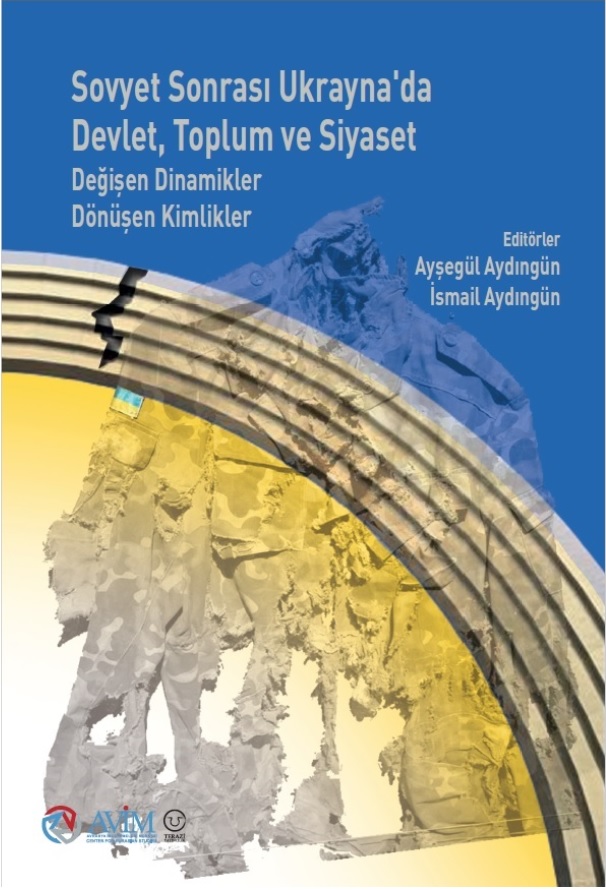
Sovyet Sonrası Ukrayna’da Devlet, Toplum ve Siyaset - Değişen Dinamikler, Dönüşen Kimlikler -
12.06.2018
Ermeni Sorunuyla İlgili İngiliz Belgeleri (1912-1923) - British Documents on Armenian Question (1912-1923) -
02.12.2016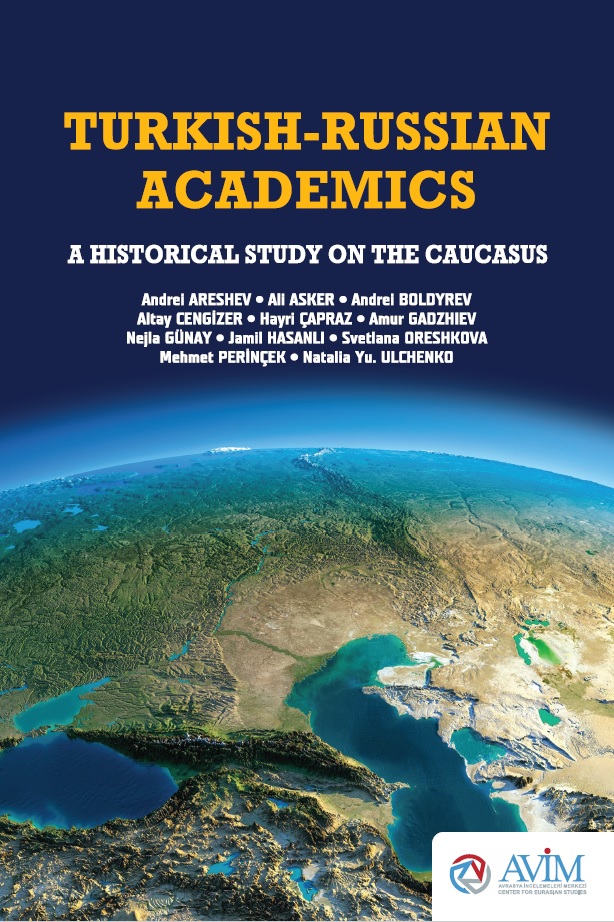
Turkish-Russian Academics: A Historical Study on the Caucasus -
01.07.2016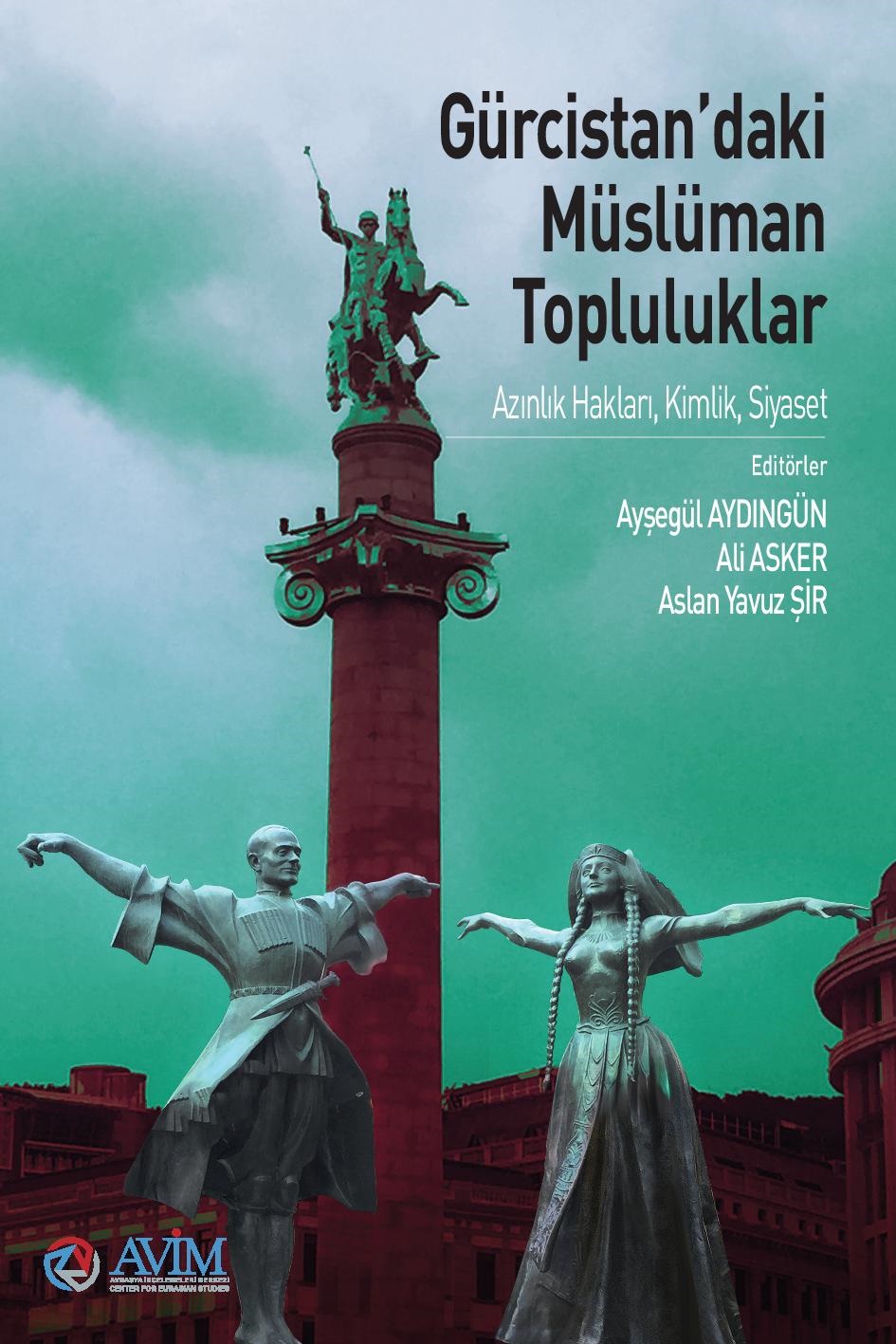
Gürcistan'daki Müslüman Topluluklar: Azınlık Hakları, Kimlik, Siyaset -
10.03.2016
Armenian Diaspora: Diaspora, State and the Imagination of the Republic of Armenia -
24.01.2016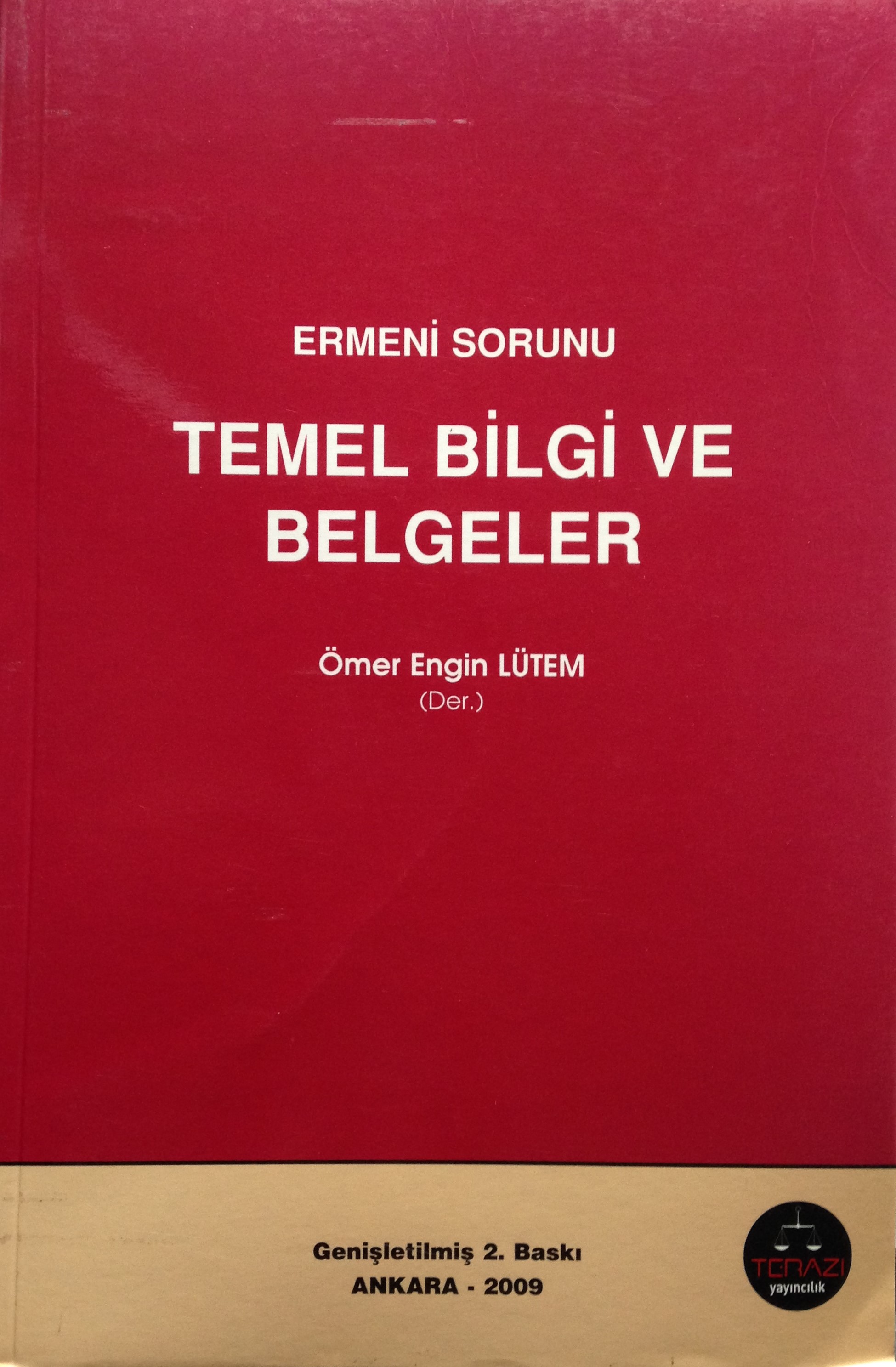
ERMENİ SORUNU - TEMEL BİLGİ VE BELGELER (2. BASKI)
-
AVİM Conference Hall 24.01.2023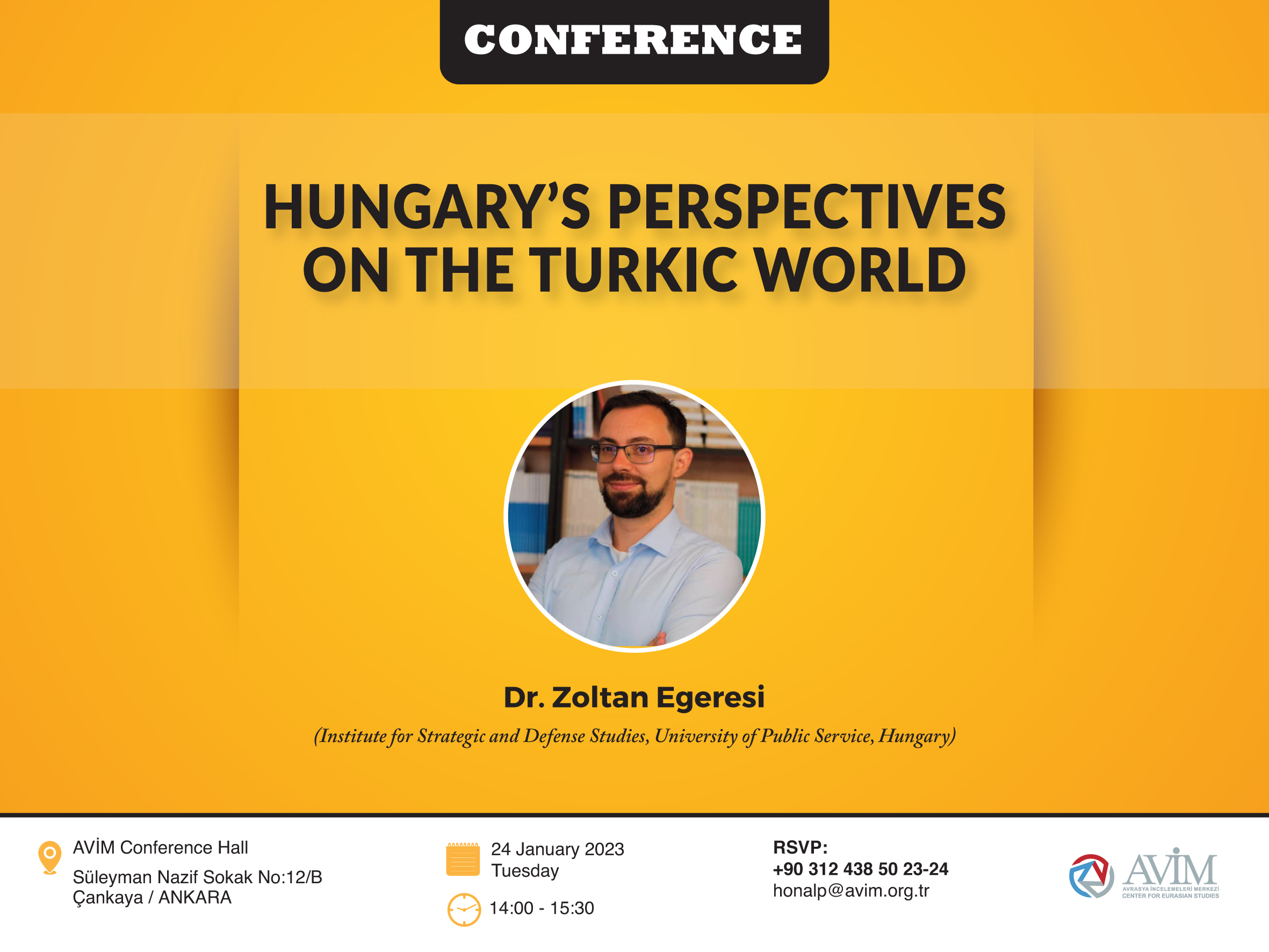
CONFERENCE TITLED “HUNGARY’S PERSPECTIVES ON THE TURKIC WORLD"