

















Balkan Insight (25 April 2019)
The post-electoral political deadlock in Bosnia in Herzegovina has stalled progress towards NATO membership, as political leaders fail to adopt the country’s first Annual National Program, which the Western alliance requires as a condition for activating the Membership Action Plan, MAP.
To adopt an Annual National Program, Bosnia first has to form a state-level government, or Council of Ministers, following the October 2018 elections.
The outgoing Council removed the subject from its agenda of December 2018, the same month that NATO called on Bosnia to submit its annual program.
“It was clear immediately that problems with forming the new Council of Ministers will affect plans to adopt the annual programme,” Sarajevo-based military analyst and commentator Edin Subasic told BIRN.
Subasic said political leaders seem more focused on dividing up ministries among the three ethnic groups represented on the Council of Ministers than on resolving the issue of the annual program for NATO.
Bosnian Serb leaders fiercely oppose membership of the Western alliance, partly because of the role NATO played in driving Serbian forces out of Kosovo in the 1990s. They also have close ties to Russia, which opposes NATO expansion.
By contrast, Bosniak and Bosnian Croat politicians support joining NATO as a step towards wider Western integration.
Meanwhile, although the next Chair of the Council should be Bosnian Serb, Bosniak and Bosnian Croat leaders oppose this idea, saying it is impossible to have a prime minister who has an anti-NATO attitude.
Bakir Izetbegovic, leader of the main Bosniak party, the Party of Democratic Action, said after a meeting with Serb and Croat leaders last week that it would be impossible “to appoint a candidate for the chairman [of the Council of Ministers] who questions Bosnia’s commitment” to NATO.
But after the same meeting the Bosnian Serb strongman Milorad Dodik said that failure to form the Council of Ministers Bosnia would put the country’s European path at risk.
“We [Bosnian Serbs] won’t support the MAP and that’s very clear. That’s a constitutional matter, far above the matter of the Council of Ministers’ formation,” Dodik said on April 18.
Earlier in March this year Dodik was quoted by the Banja Luka-based Nezavisne Novine daily newspaper as saying: “If someone expects us to change our opinion on NATO because of the Council of Ministers, then goodbye to the Council of Ministers.”
“I do not see that they are seeking a solution to this issue with the annual programme, they are only using it to offer an explanation as to why we do not have a Council of Ministers six months after last October’s elections,” Ivana Maric, a Sarajevo-based political analyst, told BIRN.
NATO foreign ministers first offered a MAP – an essential step towards accession – to Bosnia in 2010. However, activation of the plan was conditioned on the state registering all military property formerly owned by the Yugoslav Army.
Bosnian Serb officials strongly opposed the state assuming control over military property on the territory of the mainly Serbian entity, Republika Srpska.
The state-level Constitutional Court ruled in August 2017 that a military facility in Han Pijesak, in Republika Srpska, must be registered with the state, offering hope that the process might accelerate.
Despite that ruling, only 33 of 63 properties previously owned by the Yugoslav Army have been fully registered, according to data from the Bosnian Defence Ministry.
Meanwhile, Dodik, who serves as the Serbian member of the country’s tripartite presidency, has said that he will block any moves by Bosnia to join NATO.
Dodik, who has close ties to Russia, insists on Bosnia maintaining military neutrality, in line with Serbian government policy, using a largely symbolic resolution adopted by Republika Srpska on military neutrality in 2017 as a justification of his moves.
https://balkaninsight.com/2019/04/25/bosnias-post-election-deadlock-stalls-progress-towards-nato/
No comments yet.
- BOSNIA’S POST-ELECTION DEADLOCK STALLS PROGRESS TOWARDS NATO The Balkans 25.04.2019
- MIHRAN POGHOSYAN REQUESTS POLITICAL ASYLUM IN RUSSIA; ARMENIA FILES EXTRADITION PAPERS The Caucasus and Turkish-Armenian Relations 25.04.2019
- DETAILS OF EU BREXIT TALKS WITH BLAIR AND SOROS KEPT SECRET Europe - EU 25.04.2019
-
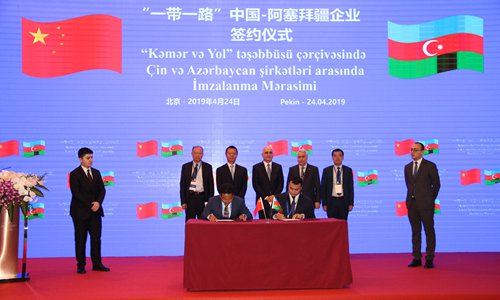 AZERBAIJAN, CHINA SIGN DEALS WORTH $821 MILLION
The Caucasus and Turkish-Armenian Relations
25.04.2019
AZERBAIJAN, CHINA SIGN DEALS WORTH $821 MILLION
The Caucasus and Turkish-Armenian Relations
25.04.2019
- CONVICTED WAR CRIMINAL EXTRADITED TO CROATIA FROM NETHERLANDS The Balkans 25.04.2019
-
25.01.2016
THE ARMENIAN QUESTION - BASIC KNOWLEDGE AND DOCUMENTATION -
12.06.2024
THE TRUTH WILL OUT -
27.03.2023
RADİKAL ERMENİ UNSURLARCA GERÇEKLEŞTİRİLEN MEZALİMLER VE VANDALİZM -
17.03.2023
PATRIOTISM PERVERTED -
23.02.2023
MEN ARE LIKE THAT -
03.02.2023
BAKÜ-TİFLİS-CEYHAN BORU HATTININ YAŞANAN TARİHİ -
16.12.2022
INTERNATIONAL SCHOLARS ON THE EVENTS OF 1915 -
07.12.2022
FAKE PHOTOS AND THE ARMENIAN PROPAGANDA -
07.12.2022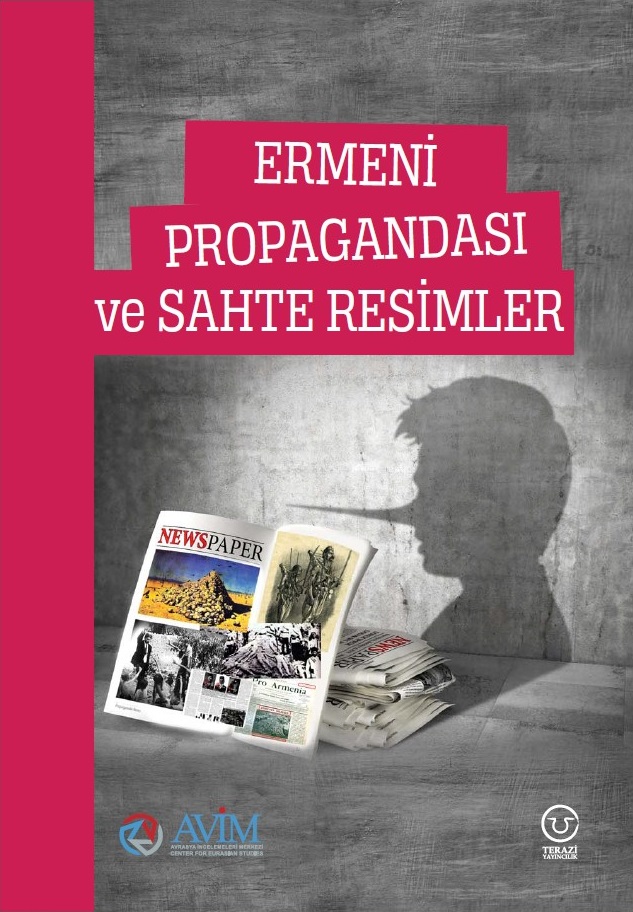
ERMENİ PROPAGANDASI VE SAHTE RESİMLER -
01.01.2022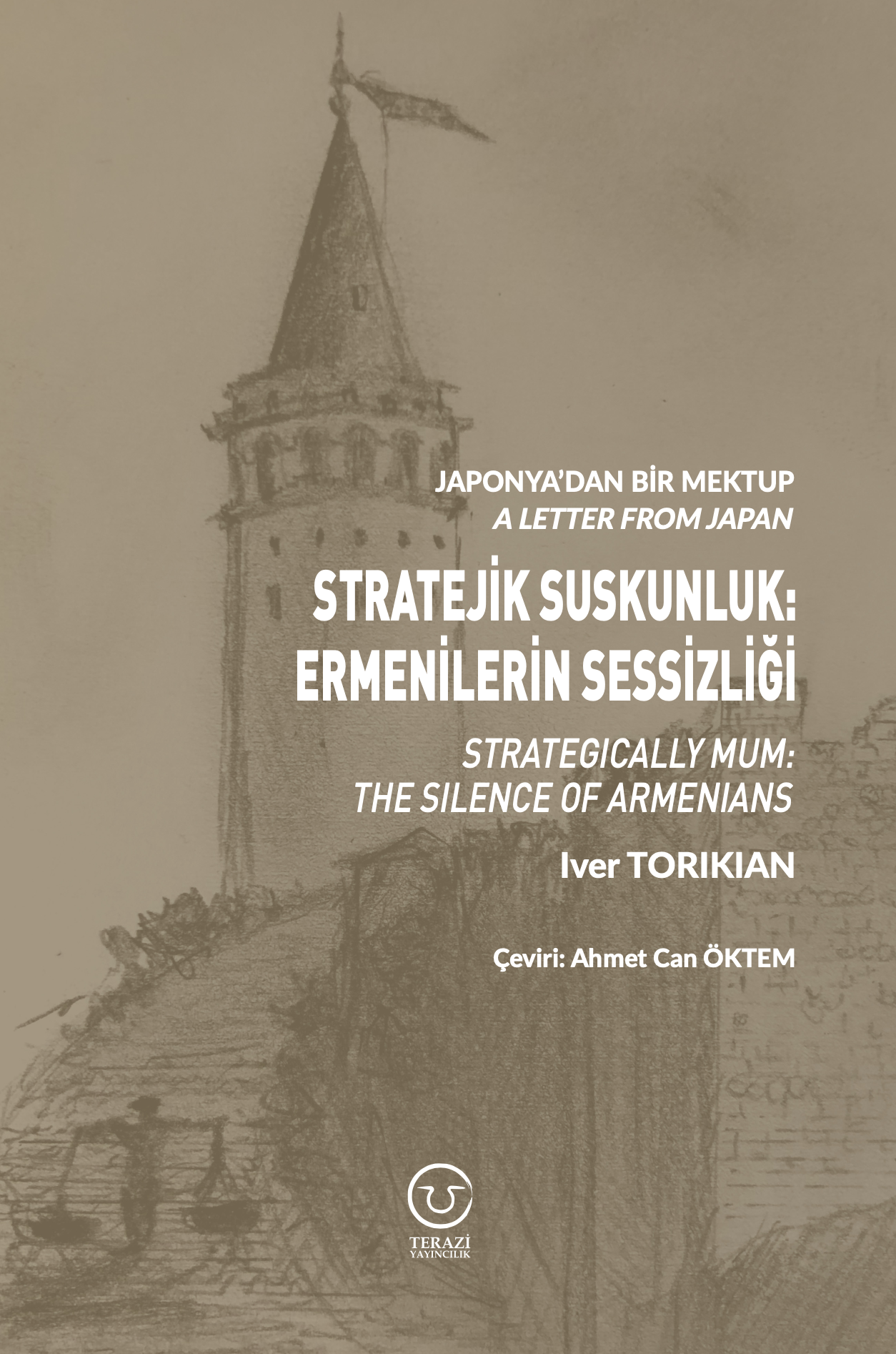
A Letter From Japan - Strategically Mum: The Silence of the Armenians -
01.01.2022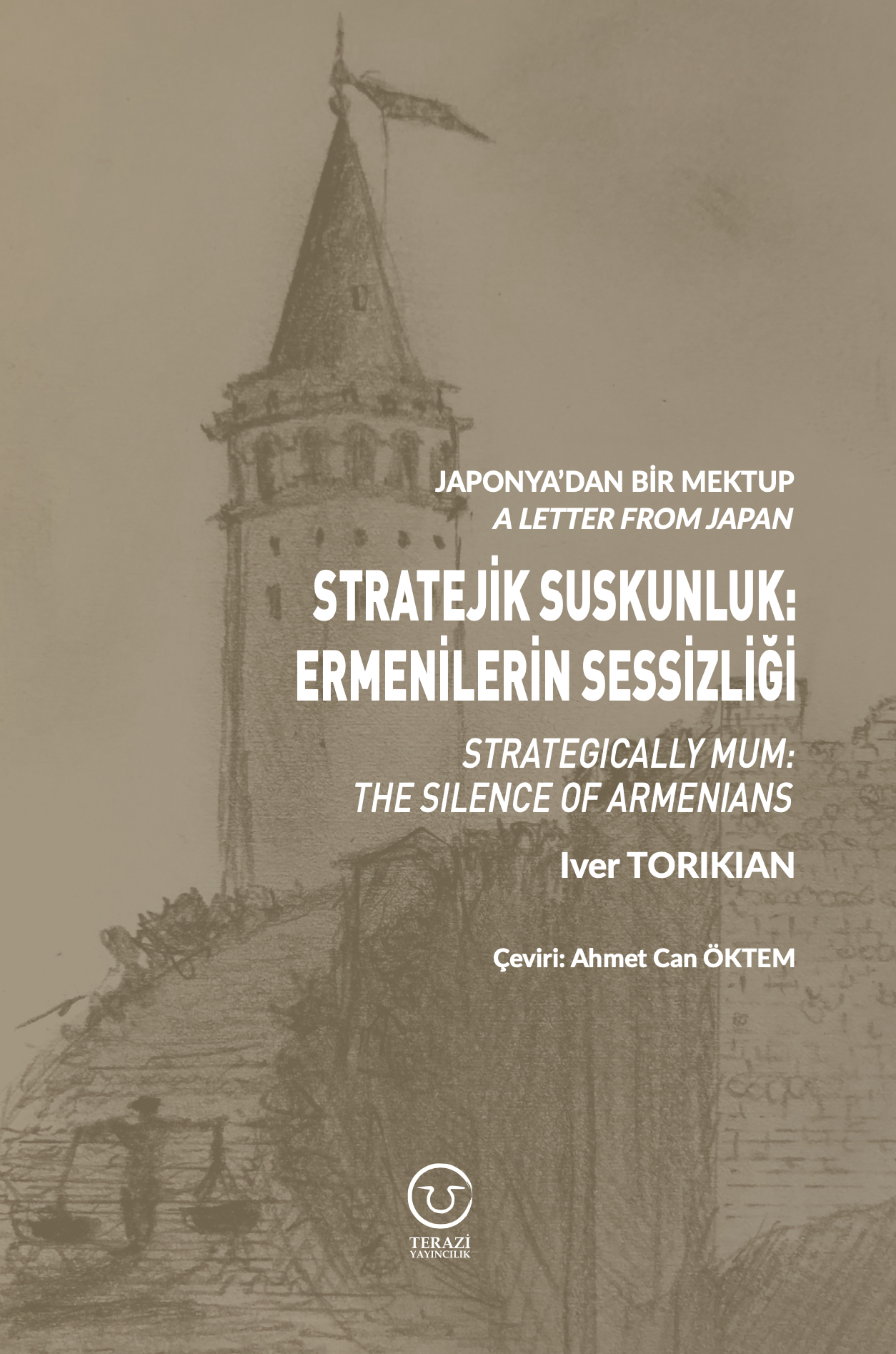
Japonya'dan Bir Mektup - Stratejik Suskunluk: Ermenilerin Sessizliği -
03.06.2020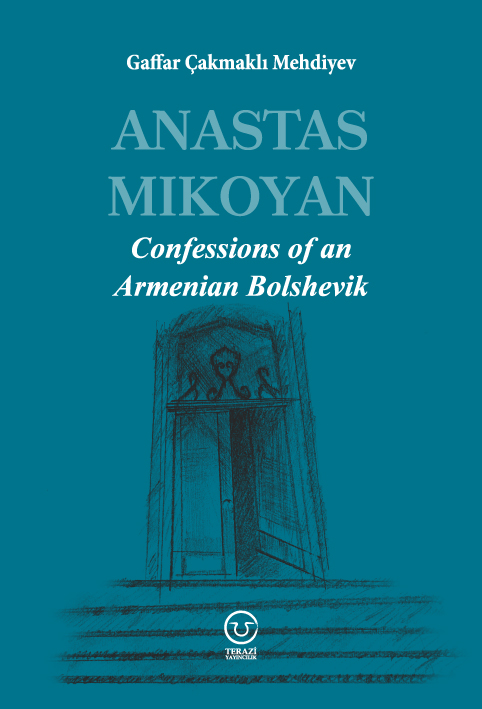
Anastas Mikoyan: Confessions of an Armenian Bolshevik -
08.04.2020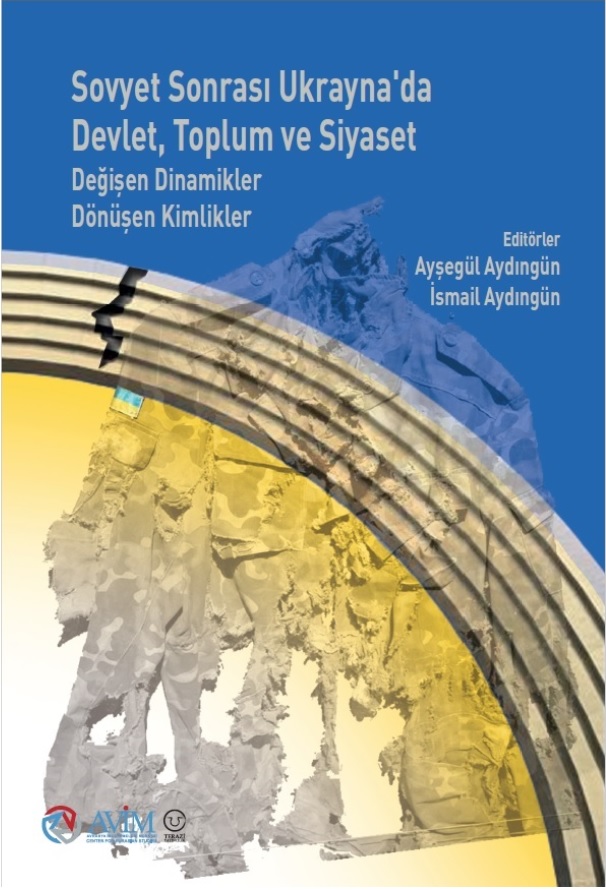
Sovyet Sonrası Ukrayna’da Devlet, Toplum ve Siyaset - Değişen Dinamikler, Dönüşen Kimlikler -
12.06.2018
Ermeni Sorunuyla İlgili İngiliz Belgeleri (1912-1923) - British Documents on Armenian Question (1912-1923) -
02.12.2016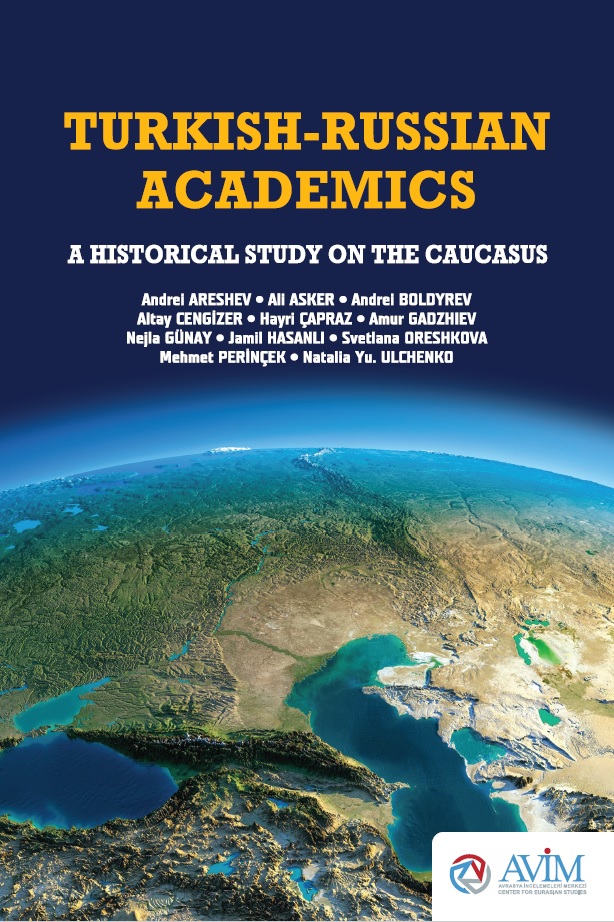
Turkish-Russian Academics: A Historical Study on the Caucasus -
01.07.2016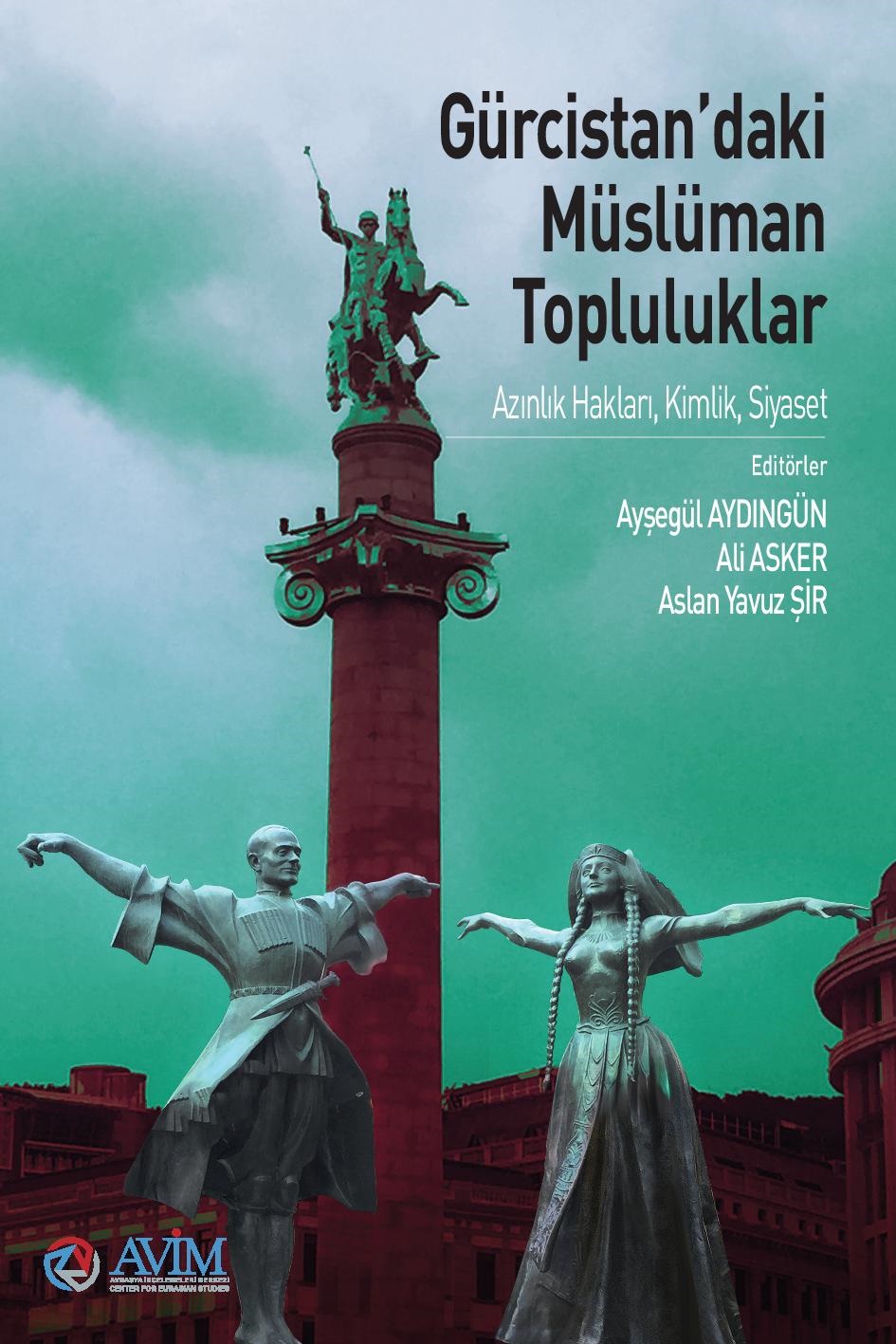
Gürcistan'daki Müslüman Topluluklar: Azınlık Hakları, Kimlik, Siyaset -
10.03.2016
Armenian Diaspora: Diaspora, State and the Imagination of the Republic of Armenia -
24.01.2016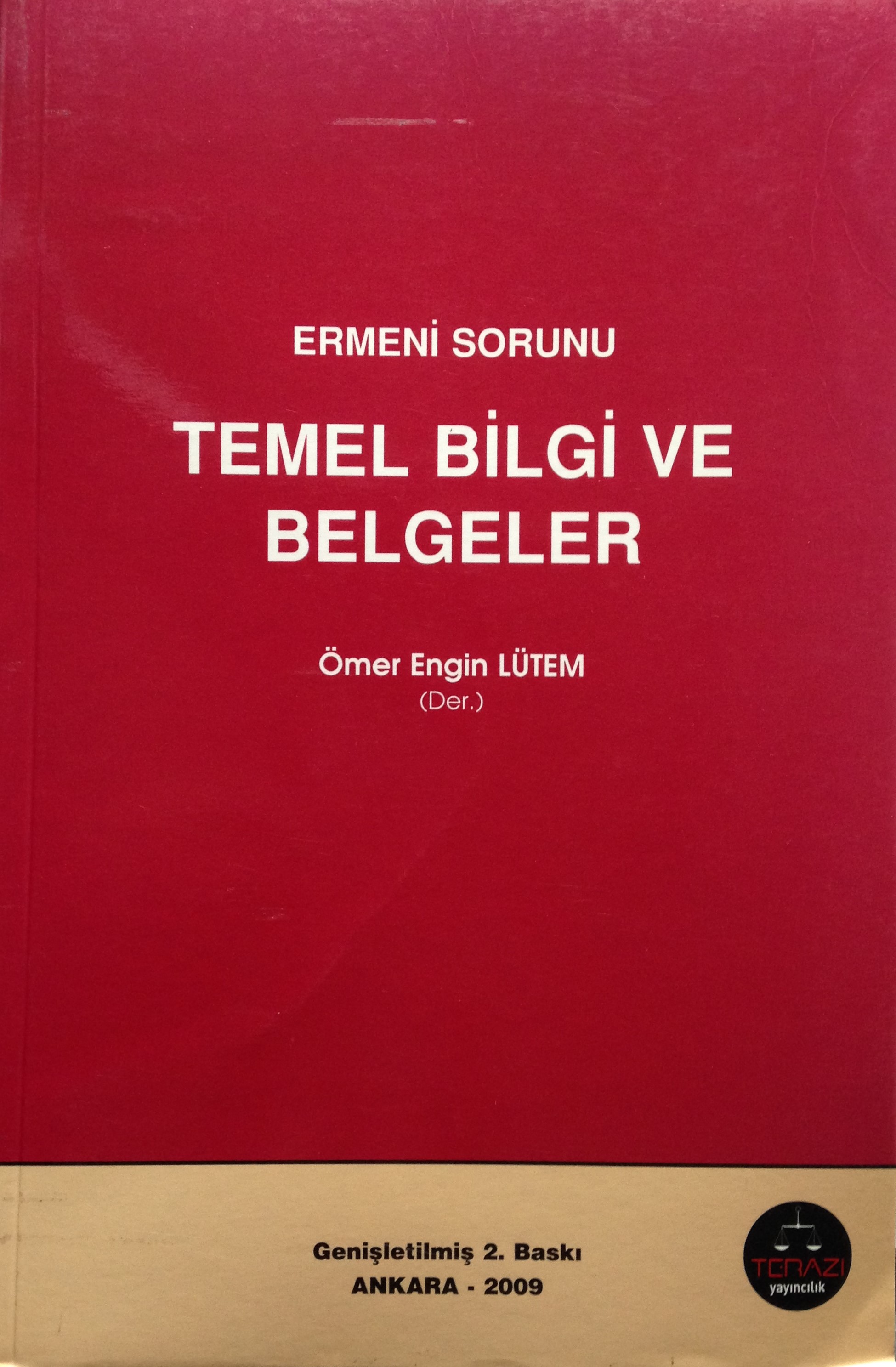
ERMENİ SORUNU - TEMEL BİLGİ VE BELGELER (2. BASKI)
-
AVİM Conference Hall 24.01.2023
CONFERENCE TITLED “HUNGARY’S PERSPECTIVES ON THE TURKIC WORLD"