

















EU Observer (27 April 2018)
Right-wing populism and the political mood change in Germany are having a direct knock-on affect on EU-level legislation making on migration.
Last September, the far-right Alternative for Germany (AfD) came from nowhere to win 94 seats - the first time the far-right entered the Bundestag since the 1950s. Germany's mood towards immigrants and refugees has also since frosted following a fraught coalition deal to secure Angela Merkel's fourth term in office.
At the EU-level, lawmakers at the European parliament are now struggling to push through reforms on asylum and migration policies once supported by Germany.
Among them is the now-stalled efforts to revamp the Blue Card, a scheme designed to lure highly-skilled workers from outside the EU. The European Commission proposed the reform in 2016 to make labour market access more flexible, noting some 756,000 unfilled vacancies for highly-skilled ICT professionals are expected by 2020.
The Council of the EU, representing member states, and the European Parliament are in behind closed door talks to reach a deal. But those efforts now appear dashed.
Claude Moraes, a British socialist MEP who is steering the Blue Card file through the EU parliament, told EUobserver on Thursday (26 April) that Germany is leading the blockade after having initially supported the reforms.
"It is not being blocked by central and eastern European countries, it is being blocked and outright rejected by Germany," he said.
Moraes, who chairs the parliament's civil liberties committee, said Germany's U-turn on the Blue Card proposal was timed precisely after the elections.
"It was a consequence of the AfD, the change in government, the fact that a new immigration bill is coming out," he said.
The reformed proposal of the Blue Card directive demands EU states harmonise the rules. Harmonisation requires them to drop their own national schemes and adopt one in line with EU law.
But EU states apart from Italy and Portugal are said to oppose harmonisation, while France is said to be warming up to the proposal after initial doubts.
"The German government just wants the Blue Card to remain parallel to their national schemes," noted Moraes.
Efforts by the Bulgarian EU presidency to reach some sort of compromise also appear futile. Moraes said the presidency had proposed to form complementary national schemes "as a last ditch effort".
It meant allowing EU states to use alternative national schemes outside the scope of the Blue Card. The idea is said to have been supported by Austria, Estonia, Greece, Latvia, and Slovenia but not Germany.
"Even this proposal was rejected outright by Germany," said Moraes.
At a loss
The commission is also at a loss. Paraskevi Michou, the commission's director-general on migration and home affairs, told MEPs earlier this week that they are trying to figure out how to advance the file.
She also noted that talks among the EU co-legislators have not even started on other big files like the asylum procedures regulation.
"When you want to use Dublin, when you want to have efficient procedures you cannot be without this regulation," she said.
Michou announced 15 May as an internal deadline for broader comprises to be reached on the outstanding asylum files in order to meet a public June deadline when EU states are supposed to sort a political agreement on Dublin.
Dublin determines the member state responsible for processing asylum claims but has sparked political rifts among national governments given outstanding divisions on solidarity and responsibility sharing.
No comments yet.
-
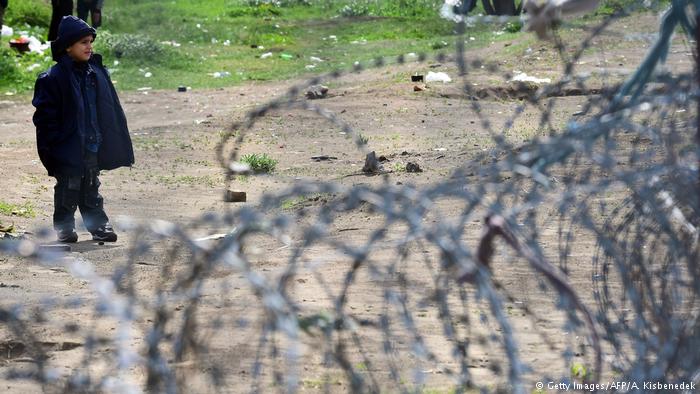 ALARM OVER HUNGARY'S TREATMENT OF MIGRANT CHILDREN AT BORDER
Europe - EU
27.04.2018
ALARM OVER HUNGARY'S TREATMENT OF MIGRANT CHILDREN AT BORDER
Europe - EU
27.04.2018
-
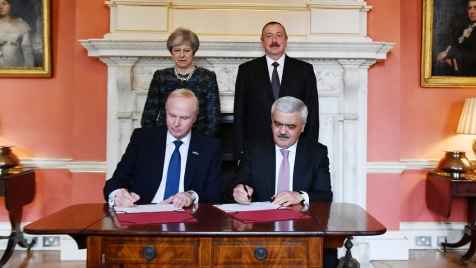 SOCAR AND BP SIGN NEW PRODUCTION SHARING AGREEMENT FOR AZERBAIJAN EXPLORATION
The Caucasus and Turkish-Armenian Relations
27.04.2018
SOCAR AND BP SIGN NEW PRODUCTION SHARING AGREEMENT FOR AZERBAIJAN EXPLORATION
The Caucasus and Turkish-Armenian Relations
27.04.2018
- PUTIN AND KAREN KARAPETYAN DISCUSS DOMESTIC SITUATION IN ARMENIA The Caucasus and Turkish-Armenian Relations 27.04.2018
-
 NO OIL MAJORS WIN CONTRACTS IN IRAQ OIL LICENSING ROUND
Iraq
27.04.2018
NO OIL MAJORS WIN CONTRACTS IN IRAQ OIL LICENSING ROUND
Iraq
27.04.2018
- BULGARIA WILL BE NEXT EURO ZONE MEMBER, BUT SHOULD NOT RUSH: EU'S MOSCOVICI The Balkans 27.04.2018
-
25.01.2016
THE ARMENIAN QUESTION - BASIC KNOWLEDGE AND DOCUMENTATION -
12.06.2024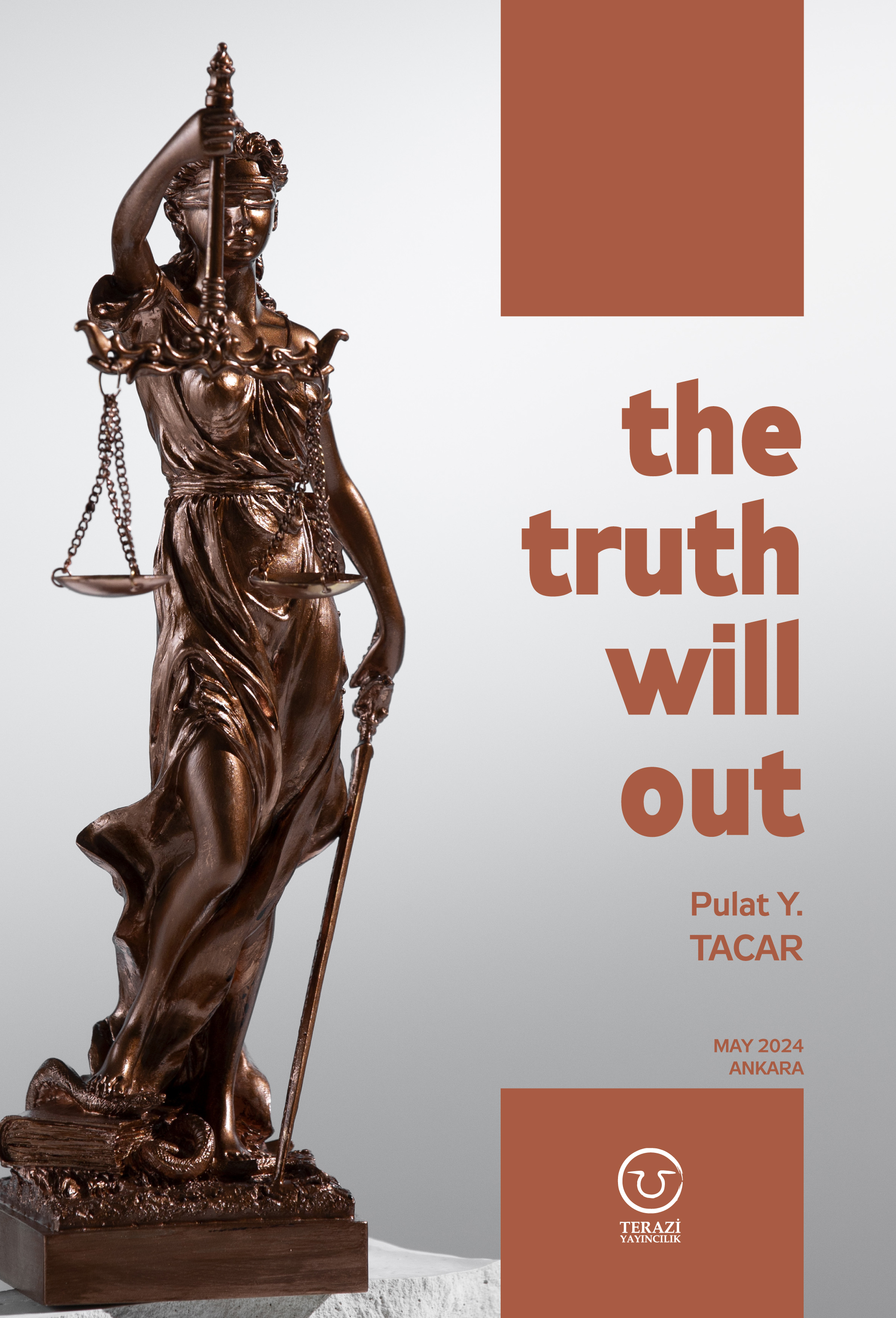
THE TRUTH WILL OUT -
27.03.2023
RADİKAL ERMENİ UNSURLARCA GERÇEKLEŞTİRİLEN MEZALİMLER VE VANDALİZM -
17.03.2023
PATRIOTISM PERVERTED -
23.02.2023
MEN ARE LIKE THAT -
03.02.2023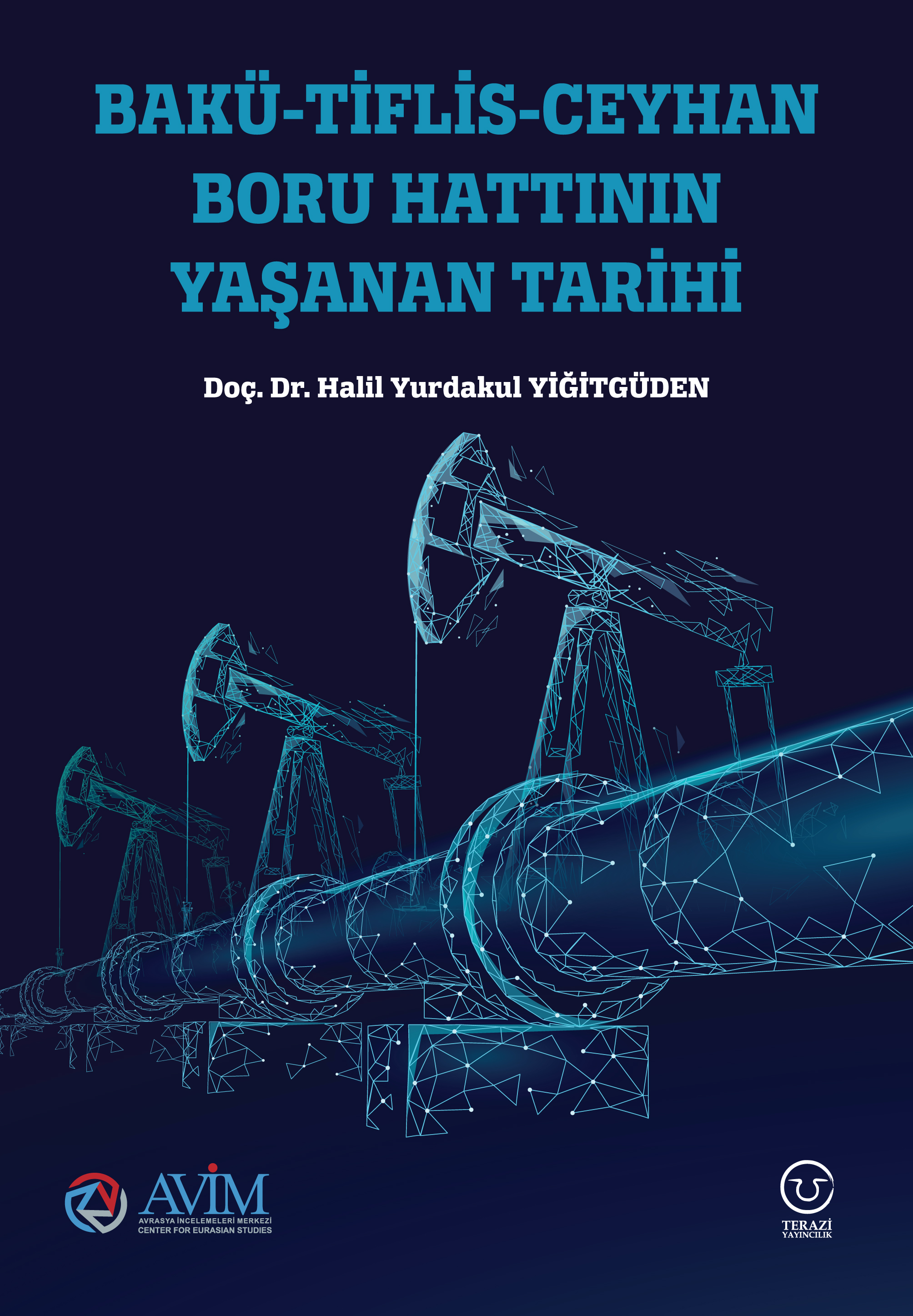
BAKÜ-TİFLİS-CEYHAN BORU HATTININ YAŞANAN TARİHİ -
16.12.2022
INTERNATIONAL SCHOLARS ON THE EVENTS OF 1915 -
07.12.2022
FAKE PHOTOS AND THE ARMENIAN PROPAGANDA -
07.12.2022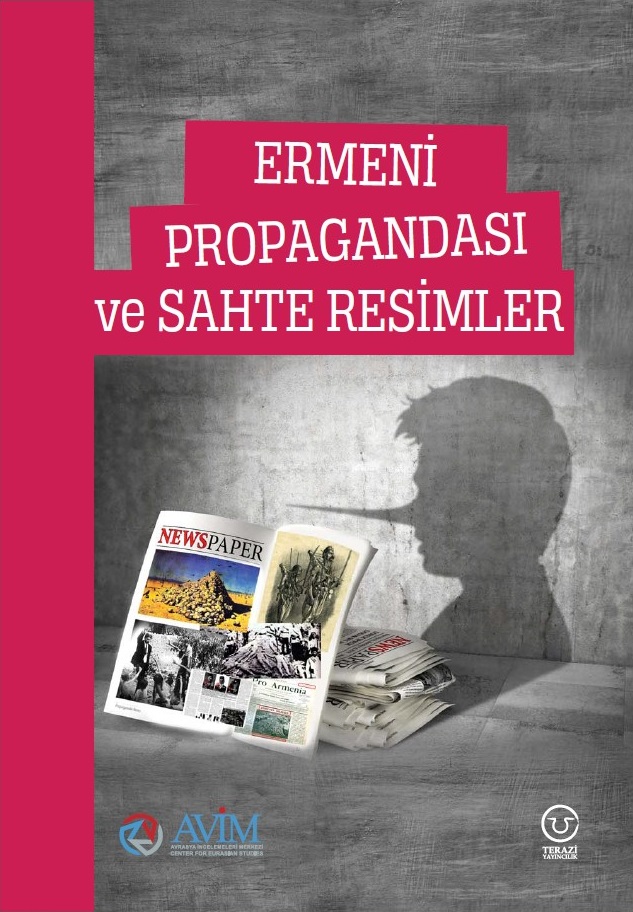
ERMENİ PROPAGANDASI VE SAHTE RESİMLER -
01.01.2022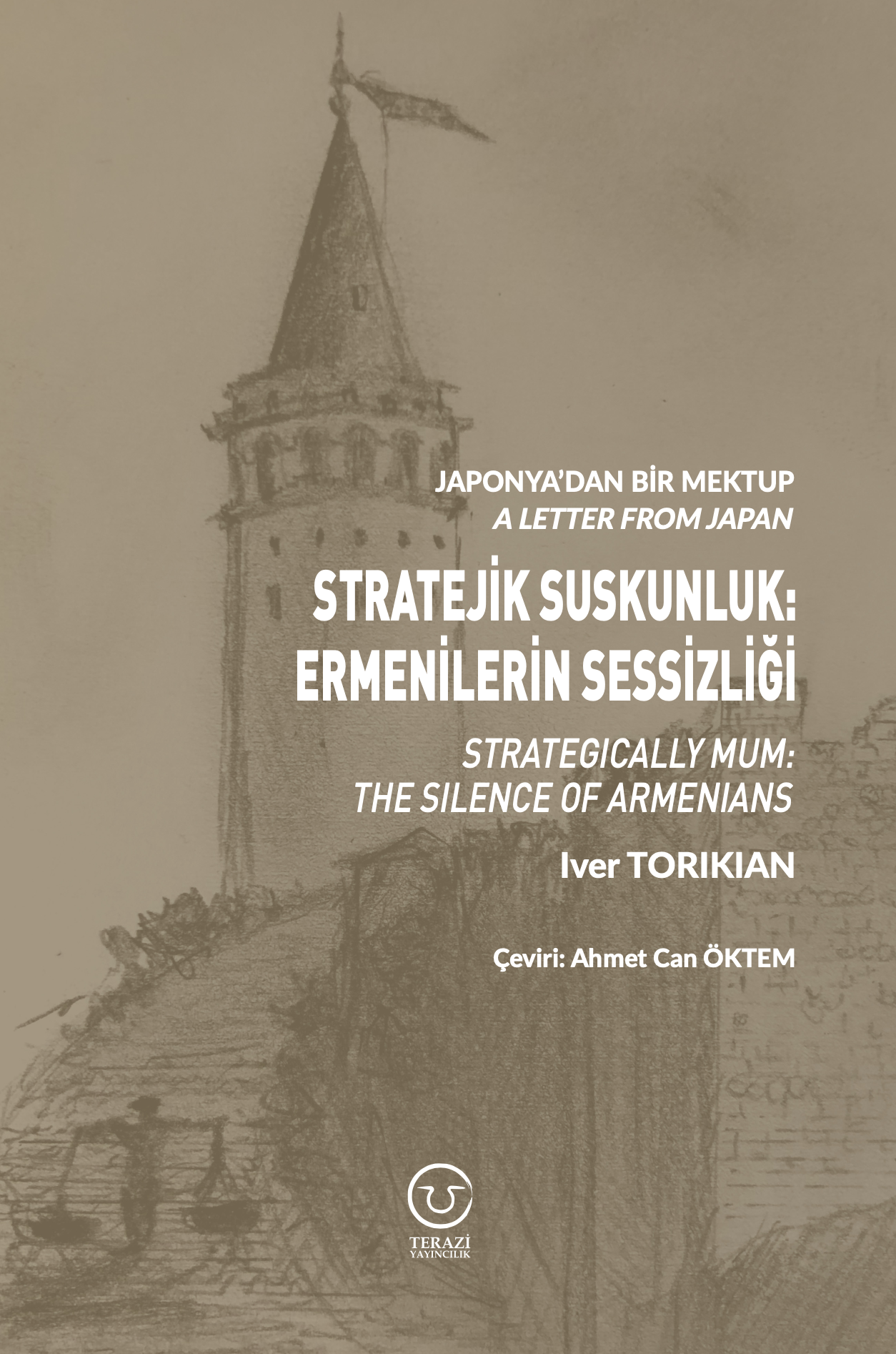
A Letter From Japan - Strategically Mum: The Silence of the Armenians -
01.01.2022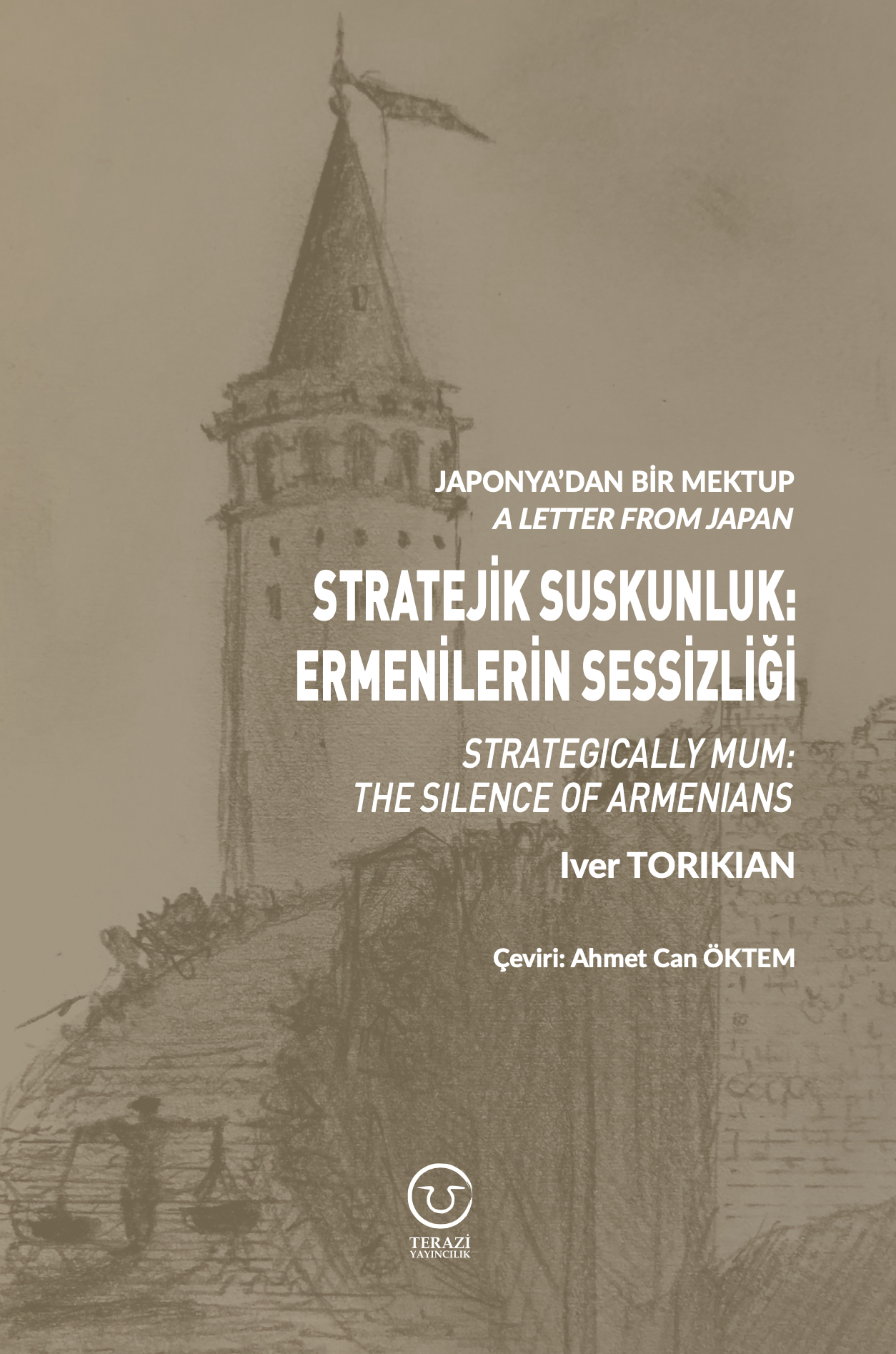
Japonya'dan Bir Mektup - Stratejik Suskunluk: Ermenilerin Sessizliği -
03.06.2020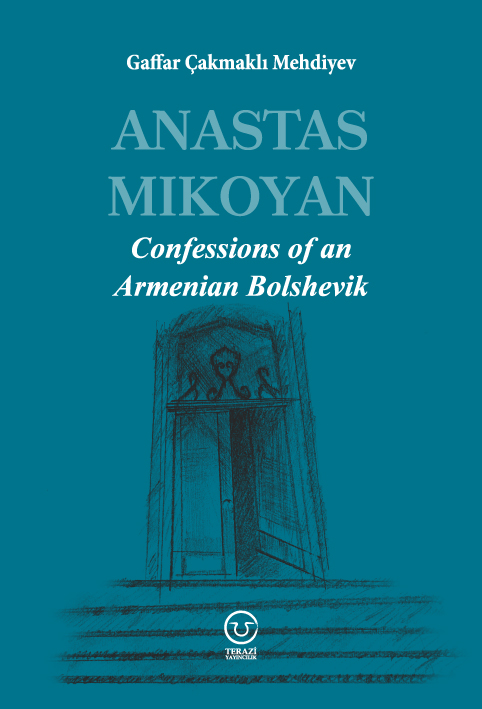
Anastas Mikoyan: Confessions of an Armenian Bolshevik -
08.04.2020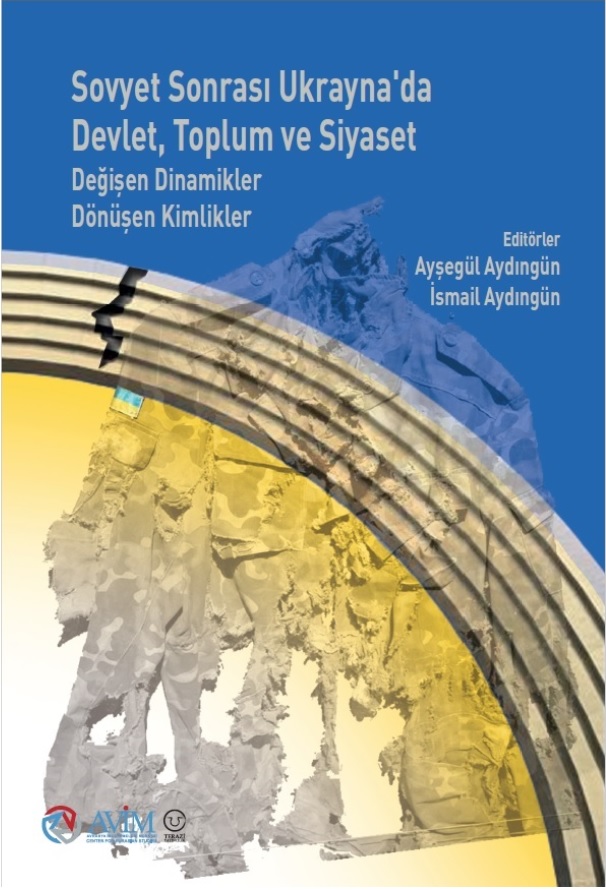
Sovyet Sonrası Ukrayna’da Devlet, Toplum ve Siyaset - Değişen Dinamikler, Dönüşen Kimlikler -
12.06.2018
Ermeni Sorunuyla İlgili İngiliz Belgeleri (1912-1923) - British Documents on Armenian Question (1912-1923) -
02.12.2016
Turkish-Russian Academics: A Historical Study on the Caucasus -
01.07.2016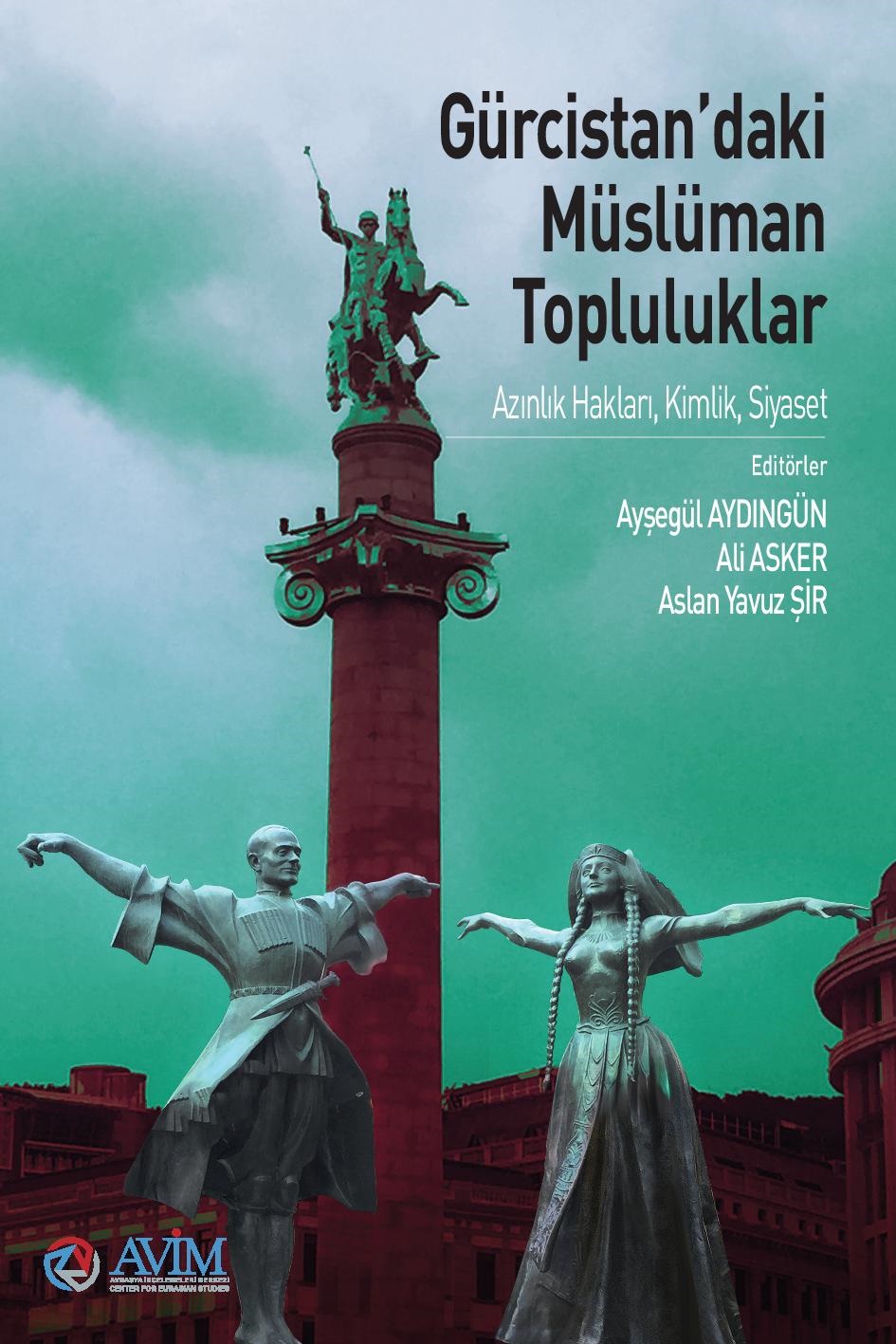
Gürcistan'daki Müslüman Topluluklar: Azınlık Hakları, Kimlik, Siyaset -
10.03.2016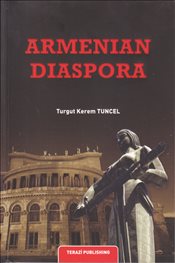
Armenian Diaspora: Diaspora, State and the Imagination of the Republic of Armenia -
24.01.2016
ERMENİ SORUNU - TEMEL BİLGİ VE BELGELER (2. BASKI)

-
AVİM Conference Hall 24.01.2023
CONFERENCE TITLED “HUNGARY’S PERSPECTIVES ON THE TURKIC WORLD"