

















News.az (19 August 2020)
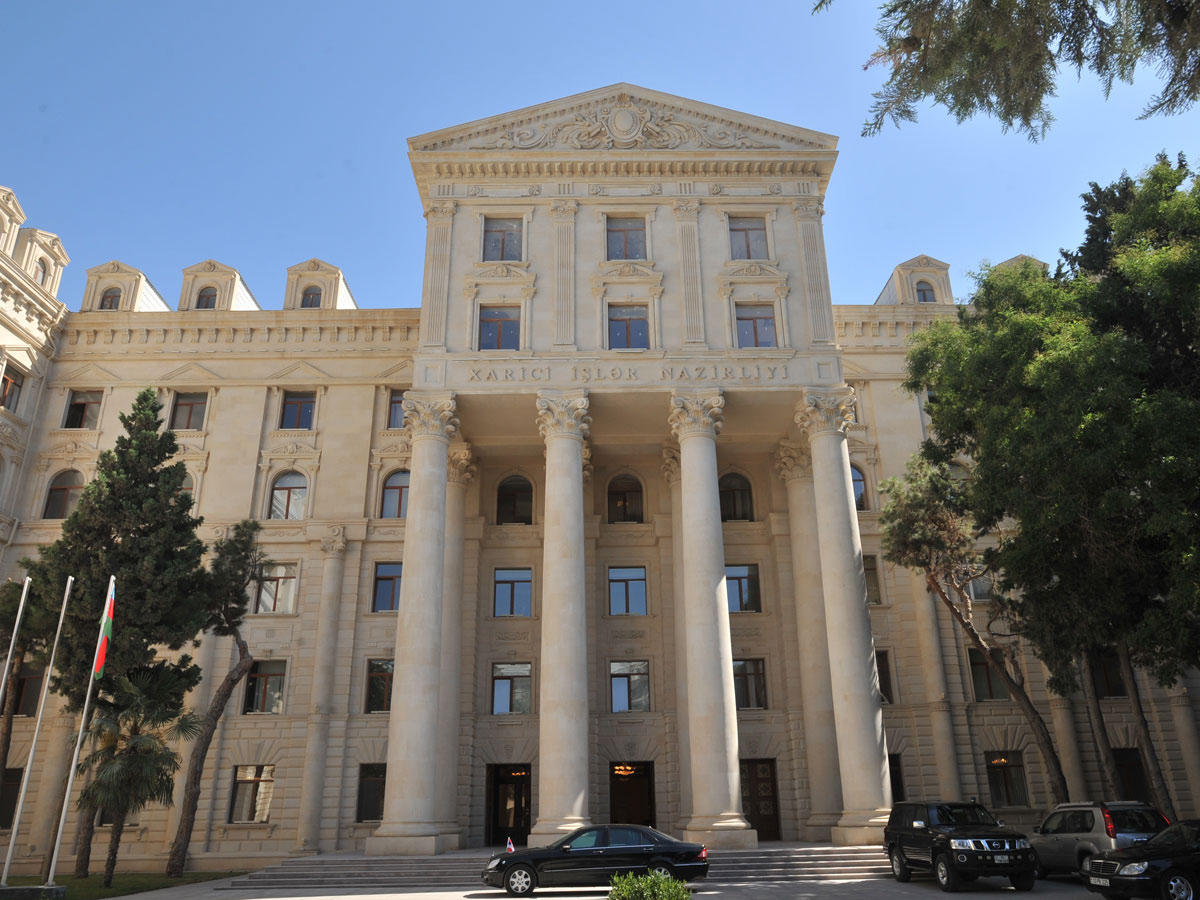
The letter addressed to the UN Secretary General by Azerbaijani Foreign Minister Jeyhun Bayramov was circulated as UNGA and UNSC document.
The letter tells about on irresponsible actions and provocative statements of the Armenian leadership, which pose serious challenge to negotiation process.
“I am writing to convey profound concerns of my Government over continued irresponsible actions and provocative statements of Armenia against the territorial integrity of the Republic of Azerbaijan, which pose existential challenges to the already shaky negotiation process under the Minsk Group of the Organization for Security and Cooperation in Europe (OSCE) for the settlement of the Armenia-Azerbaijan Nagorno-Karabakh conflict,” Bayramov wrote in the letter.
Bayramov noted that on July 12, Azerbaijan yet another time became subject to an armed attack by Armenia along the Azerbaijan-Armenian international border.
“During four consecutive days, Armenia subjected Azerbaijani military positions and nearby residential areas to heavy artillery shelling. As a result, Azerbaijan suffered civilian and military casualties, and serious damage was inflicted upon civilian infrastructure, including private houses and hospitals,” Azerbaijani minister wrote.
He emphasized that the attack by Armenia from 12 to 16 July was by no means a spontaneous military incident, but yet another deliberate act of aggression, being the latest manifestation of illegal use of force by Armenia against Azerbaijan, and pursued the goal of seizing new part of Azerbaijan.
This reckless military assault was planned well in advance on the basis of aggressive military doctrine, which according to the Minister of Defense of Armenia envisages "preemptive strikes aiming at creating more favorable security situation' and "new war for new territories,” Bayramov wrote.
He added that acting upon such an aggressive military doctrine, the July 12 attack was deliberately carried out along the international border on the basis of several military and political calculations.
“First of all, the border was seen by Armenia as the most favorable place to conduct a 'surprise strike' on Azerbaijan, in light of the decision by Azerbaijan to gradually demilitarize the non-occupied part of the border and put it under control of the State Border Service. Apparently, Armenia made an attempt, albeit unsuccessful, to exploit this goodwill gesture of Azerbaijan. Secondly, the attack was carried out in the region through which critical energy and transport infrastructure of Azerbaijan runs, thus threatening the energy resources' supplies from Azerbaijan. Furthermore, the attack along the border pursued the aim of creating a pretext for a possible intervention of the Collective Security Treaty Organization, of which Armenia is a member,” Azerbaijani minister wrote.
Yet, he said, all these calculations of Armenia proved to be wrong.
“The attack was successfully repulsed, and the threat to civilian Azerbaijani settlements and critical infrastructure was effectively neutralized by adequate countermeasures by the armed forces of Azerbaijan. But apparently, it did not stop Armenia from exploring further possibilities for its destabilizing purposes,” Bayramov said.
Thus, Bayramov added, having failed on the battlefield, the Armenian leadership resorted to the campaign of terror and intimidation against Azerbaijanis abroad through radical Armenian diaspora organizations.
“In different parts of the world, Armenian ultra-nationalist extremist groups, wearing signs of notorious Armenian terror organizations, such as the Armenian Secret Army for the Liberation of Armenia (ASALA), attacked and vandalized the premises of Azerbaijani diplomatic missions, attempted to obstruct peaceful and pre-authorized demonstrations of Azerbaijani community members, and physically and verbally assaulted individual Azerbaijanis including diplomats and journalists. Along with massive physical violence, the Internet as well as social media were extensively abused to disseminate hatred and intimidation, including open death threats against Azerbaijanis,” Bayramov said.
In his words, all these destabilizing actions of Armenia are accompanied by extremely provocative rhetoric by the Armenian senior leadership, which cannot but seriously undermine the settlement process, rendering the negotiations absolutely meaningless.
“Most recently, the Prime Minister of Armenia has publicly confessed that the strategic goal for Armenia in the settlement process of the Armenia-Azerbaijan Nagorno-Karabakh conflict is to "safeguard the results of the war". The Armenian leadership publicly conditioned the resumption of negotiations, which is paused due to their own faults, with unrealistic and illegitimate claims pursuing notorious purpose of imposing fait accompli and annexation of currently occupied territories of Azerbaijan,” the minister wrote.
He added that this is diametrically opposite to the spirit and logic of negotiations under the OSCE Minsk Group.
“It should be reminded once again that the task of the negotiation process, as defined by relevant OSCE decisions and endorsed by four resolutions of the[UN] Security Council (822 (1993), 853 (1993), 874 (1993) and 884 (1993)), is to eliminate, through de-occupation of the territories of Azerbaijan, the consequences of the war unleashed by Armenia. Azerbaijan has been participating in this process for almost three decades with that purpose, aiming at restoring its territorial integrity through peaceful means. This commitment of Azerbaijan to peace is without prejudice to its rights under the Charter of the United Nations and international law, in general, and thus should not be taken for granted and further abused,” Bayramov said.
He added that it is within this context that the Azerbaijani side appeals to the international community to firmly stand behind the values, norms and principles underpinning civilized international order by condemning the destabilizing actions and inflammatory statements by Armenia that is blatantly violating the sovereignty and territorial integrity of Azerbaijan and to urge Armenia to comply with the principles of inter-state relations and to fulfill in good faith its obligations under the [UN] Charter, the Helsinki Final Act and the relevant resolutions of the Security Council of 1993.
“This is crucially important in order to slop Armenia from undermining the remaining perspectives for a peaceful settlement of the conflict. In this regard, we count on your solidarity and effective support in defense of the sovereignty and territorial integrity of the Republic of Azerbaijan,” the Azerbaijani minister said.
No comments yet.
- ARMENIA'S METSAMOR NUCLEAR POWER PLANT POSES THREAT TO REGION The Caucasus and Turkish-Armenian Relations 20.08.2020
-
 PAKISTAN WILL NOT RECOGNISE ISRAEL: PM KHAN
Asia - Pacific
20.08.2020
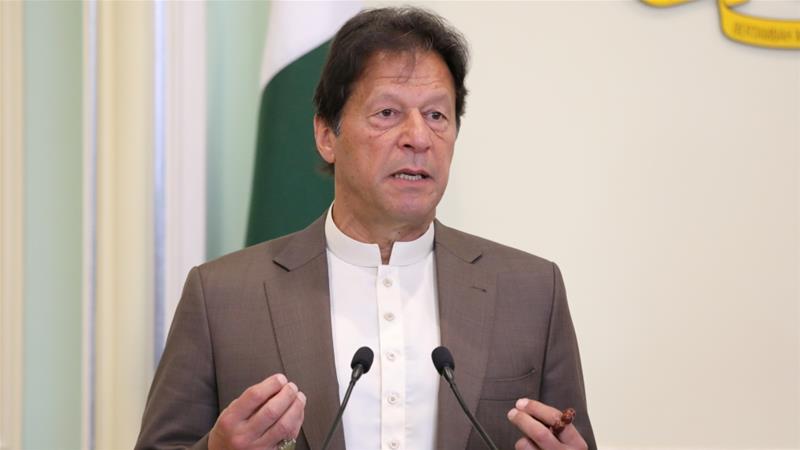
PAKISTAN WILL NOT RECOGNISE ISRAEL: PM KHAN
Asia - Pacific
20.08.2020
- ON BOSNIA’S BORDER WITH CROATIA, TENSIONS BUILD OVER MIGRANTS, REFUGEES The Balkans 20.08.2020
- US EXPERT CHALLENGES ARMENIAN DOCUMENTS ON 1915 EVENTS The Caucasus and Turkish-Armenian Relations 20.08.2020
-
 TRUMP HOSTING IRAQ PRIME MINISTER AL-KADHIMI FOR SECURITY, ECONOMIC TALKS
Iraq
20.08.2020
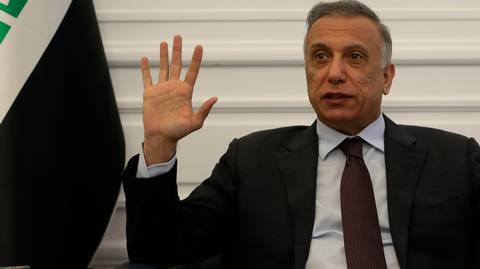
TRUMP HOSTING IRAQ PRIME MINISTER AL-KADHIMI FOR SECURITY, ECONOMIC TALKS
Iraq
20.08.2020
-
25.01.2016
THE ARMENIAN QUESTION - BASIC KNOWLEDGE AND DOCUMENTATION -
12.06.2024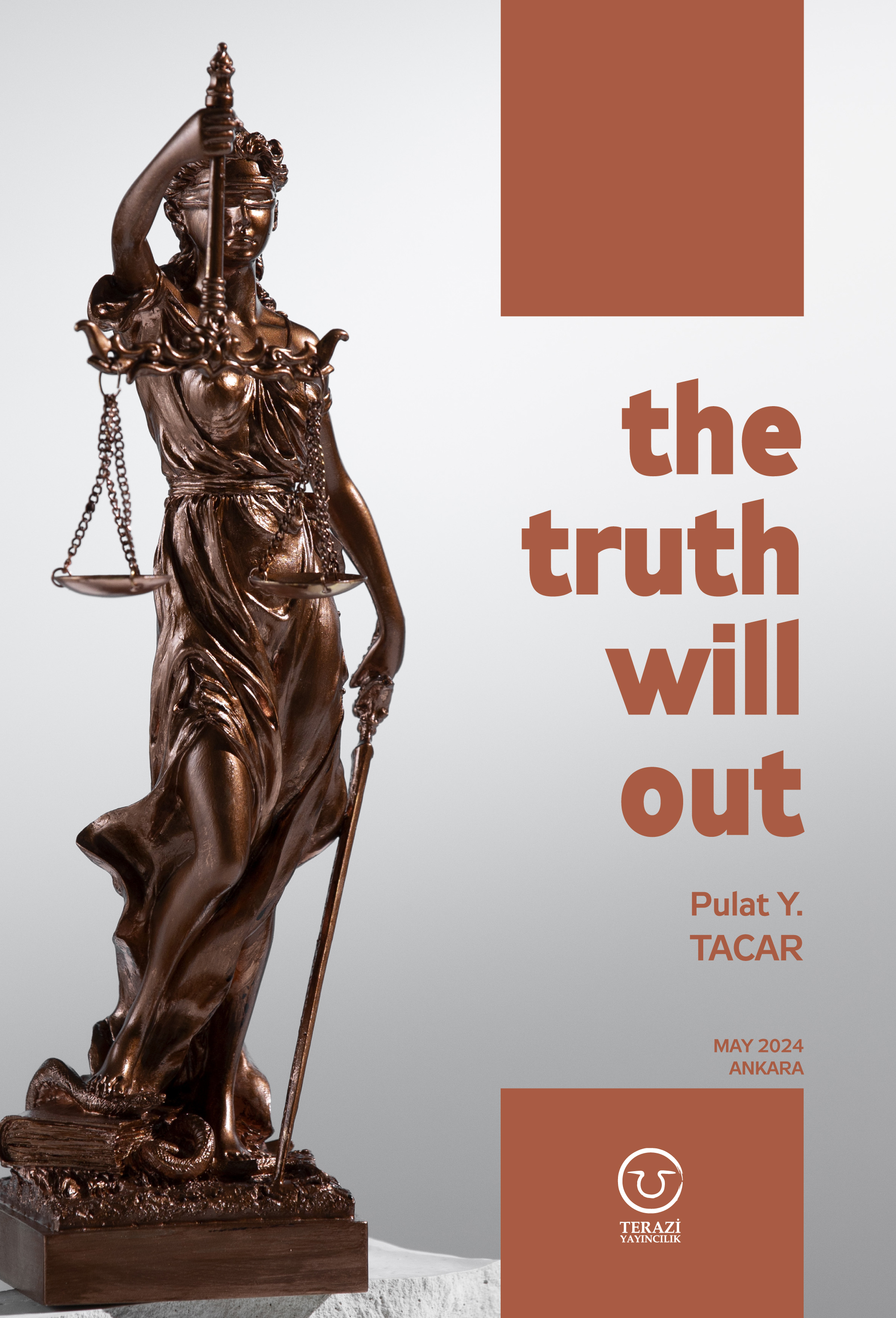
THE TRUTH WILL OUT -
27.03.2023
RADİKAL ERMENİ UNSURLARCA GERÇEKLEŞTİRİLEN MEZALİMLER VE VANDALİZM -
17.03.2023
PATRIOTISM PERVERTED -
23.02.2023
MEN ARE LIKE THAT -
03.02.2023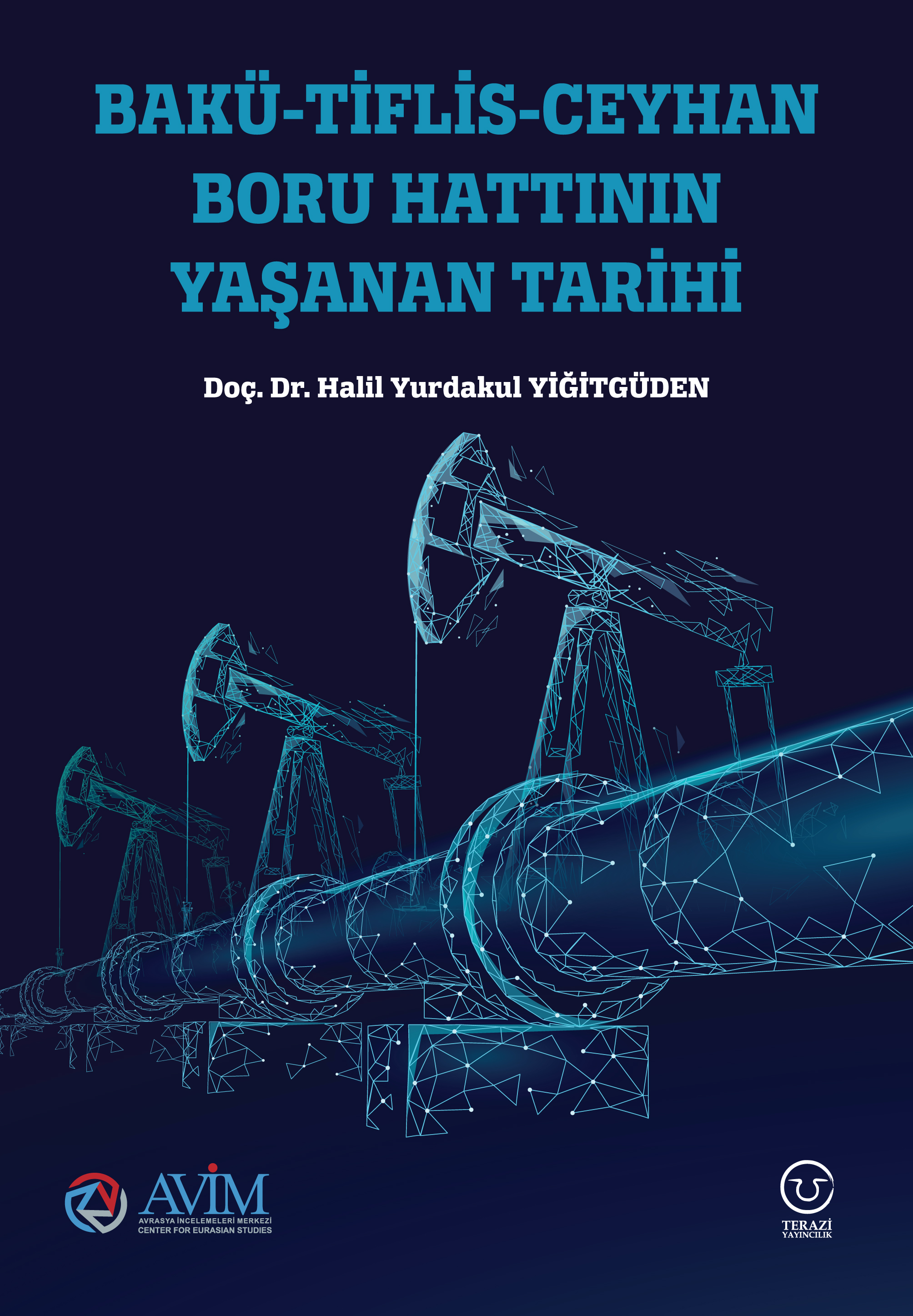
BAKÜ-TİFLİS-CEYHAN BORU HATTININ YAŞANAN TARİHİ -
16.12.2022
INTERNATIONAL SCHOLARS ON THE EVENTS OF 1915 -
07.12.2022
FAKE PHOTOS AND THE ARMENIAN PROPAGANDA -
07.12.2022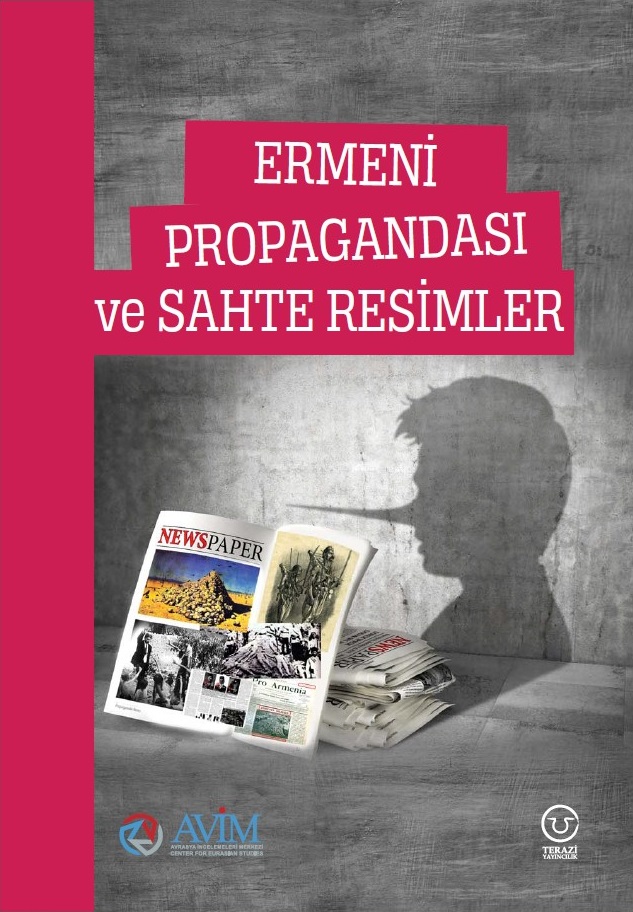
ERMENİ PROPAGANDASI VE SAHTE RESİMLER -
01.01.2022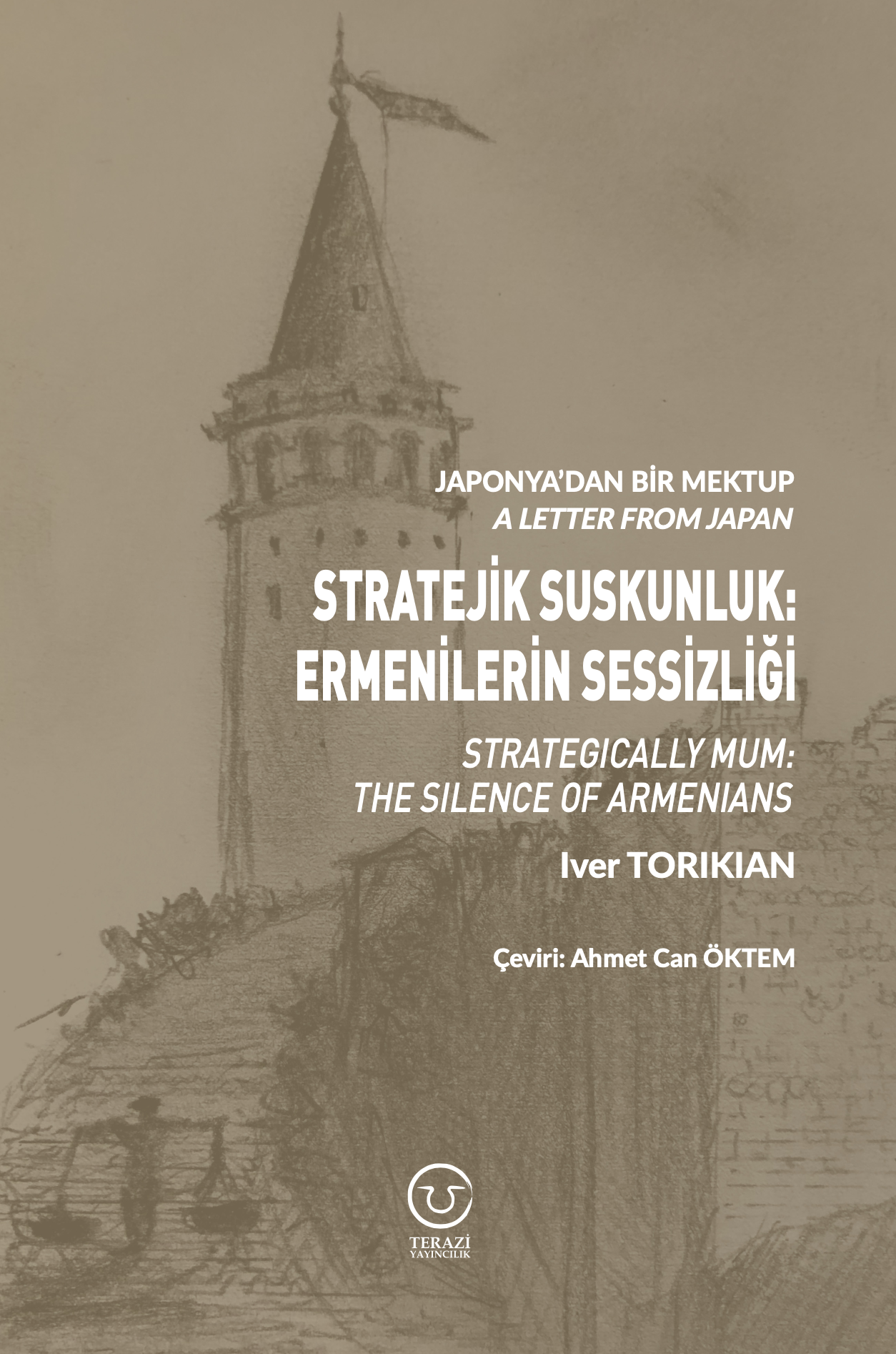
A Letter From Japan - Strategically Mum: The Silence of the Armenians -
01.01.2022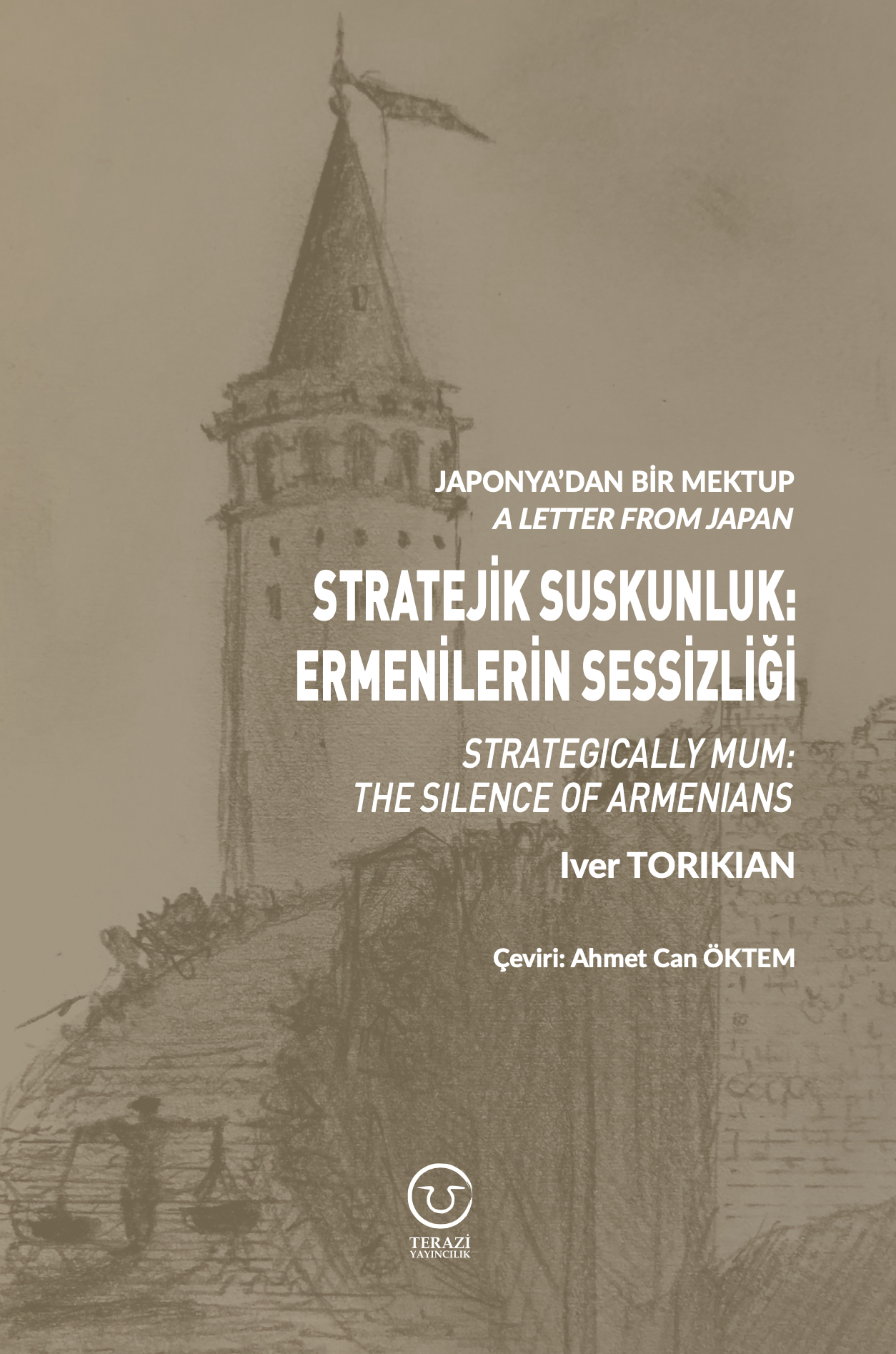
Japonya'dan Bir Mektup - Stratejik Suskunluk: Ermenilerin Sessizliği -
03.06.2020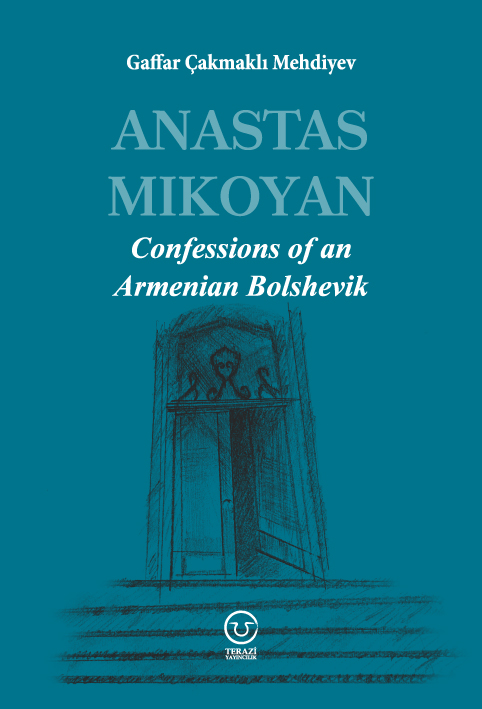
Anastas Mikoyan: Confessions of an Armenian Bolshevik -
08.04.2020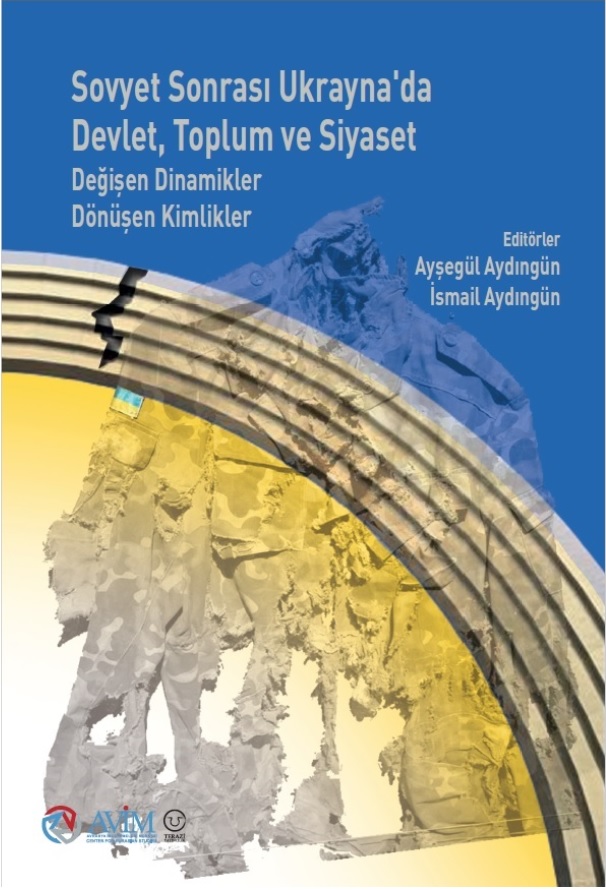
Sovyet Sonrası Ukrayna’da Devlet, Toplum ve Siyaset - Değişen Dinamikler, Dönüşen Kimlikler -
12.06.2018
Ermeni Sorunuyla İlgili İngiliz Belgeleri (1912-1923) - British Documents on Armenian Question (1912-1923) -
02.12.2016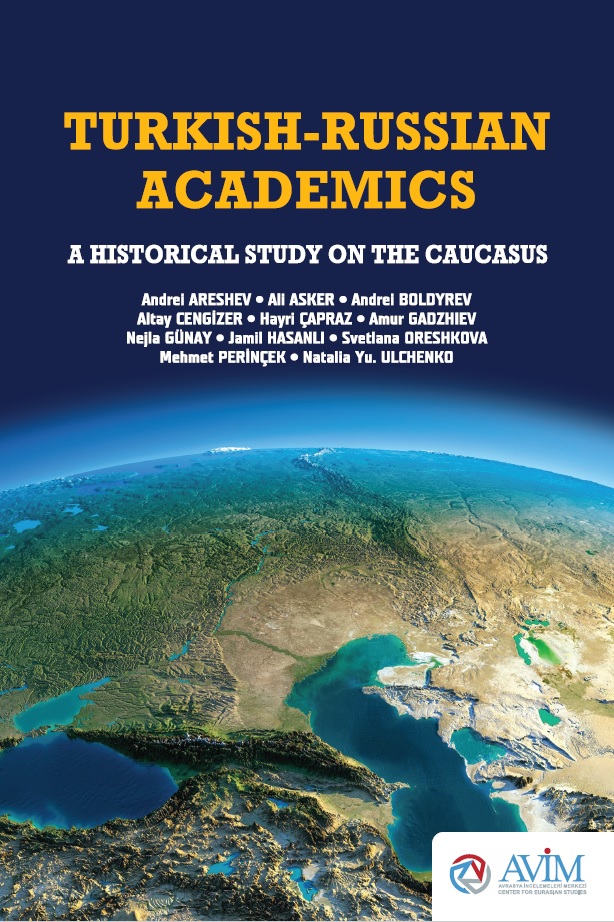
Turkish-Russian Academics: A Historical Study on the Caucasus -
01.07.2016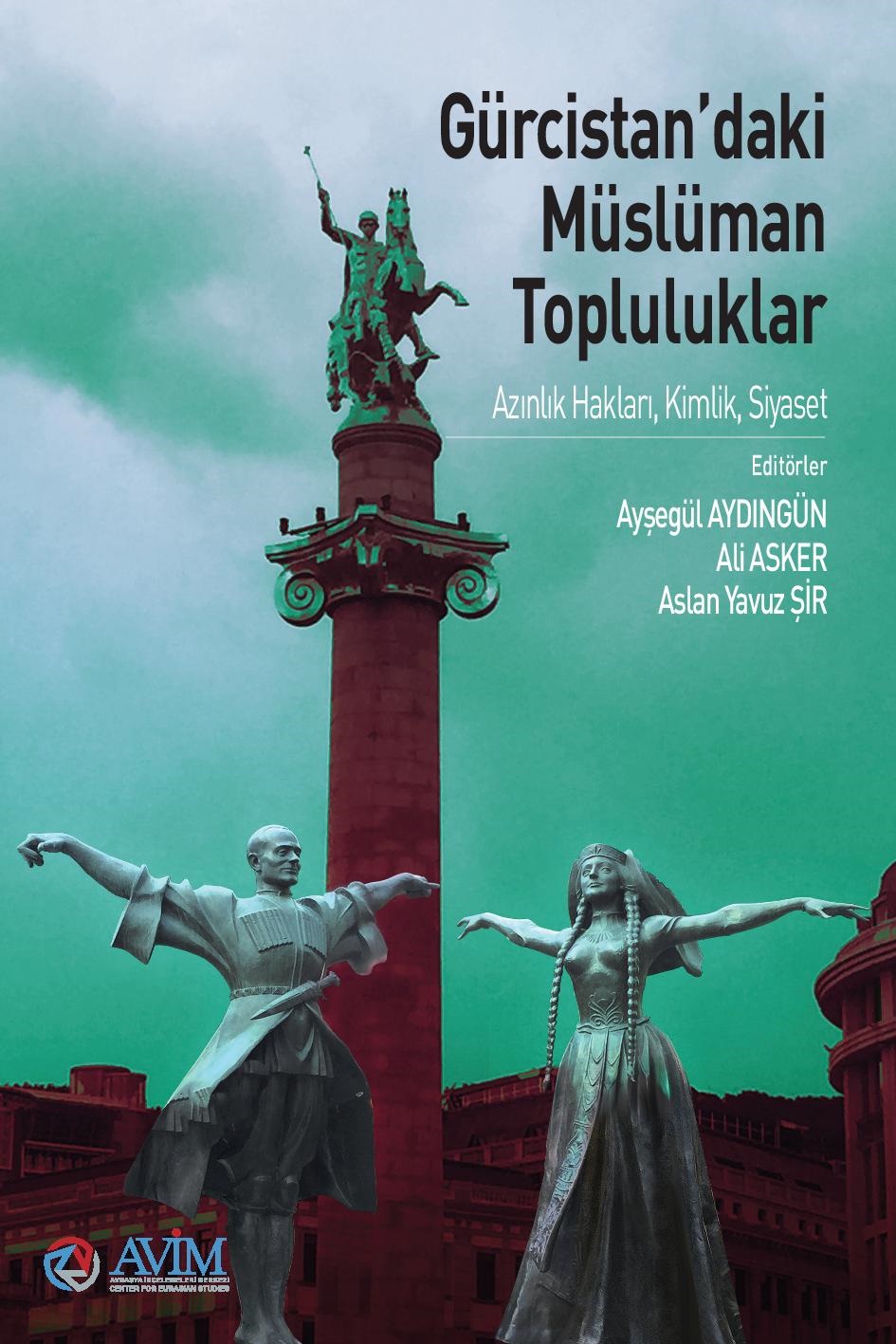
Gürcistan'daki Müslüman Topluluklar: Azınlık Hakları, Kimlik, Siyaset -
10.03.2016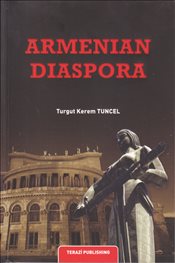
Armenian Diaspora: Diaspora, State and the Imagination of the Republic of Armenia -
24.01.2016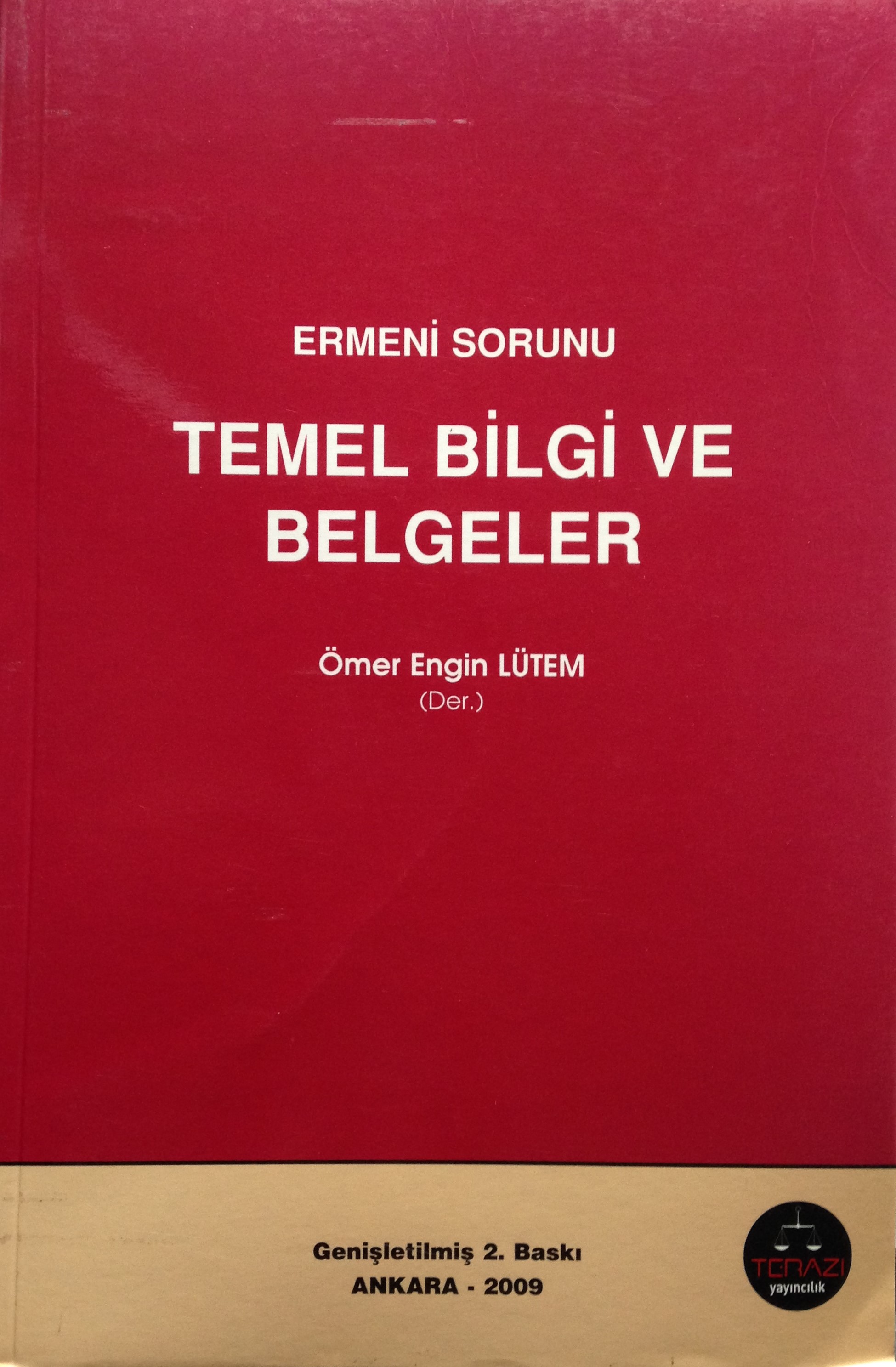
ERMENİ SORUNU - TEMEL BİLGİ VE BELGELER (2. BASKI)


-
AVİM Conference Hall 24.01.2023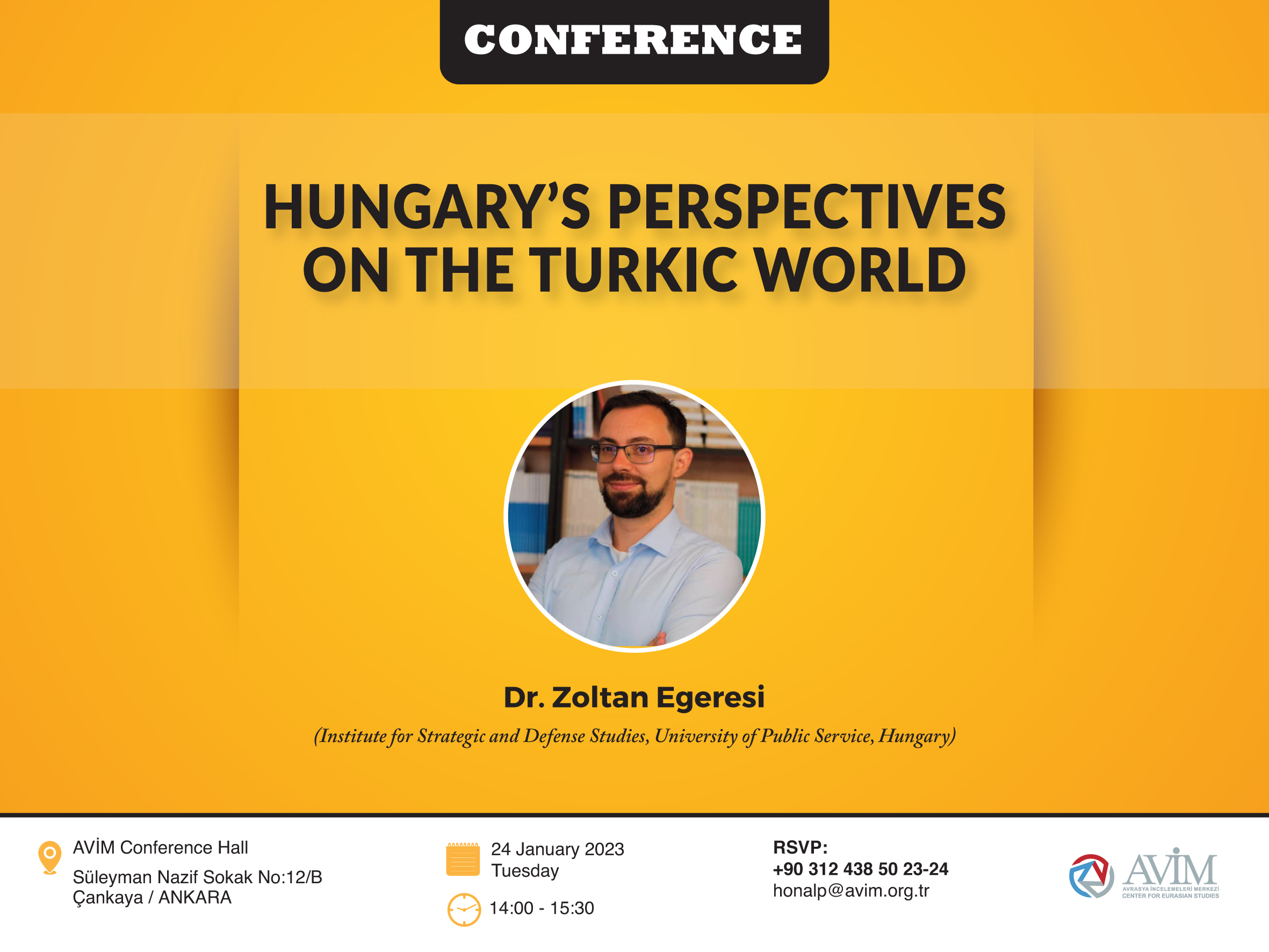
CONFERENCE TITLED “HUNGARY’S PERSPECTIVES ON THE TURKIC WORLD"